
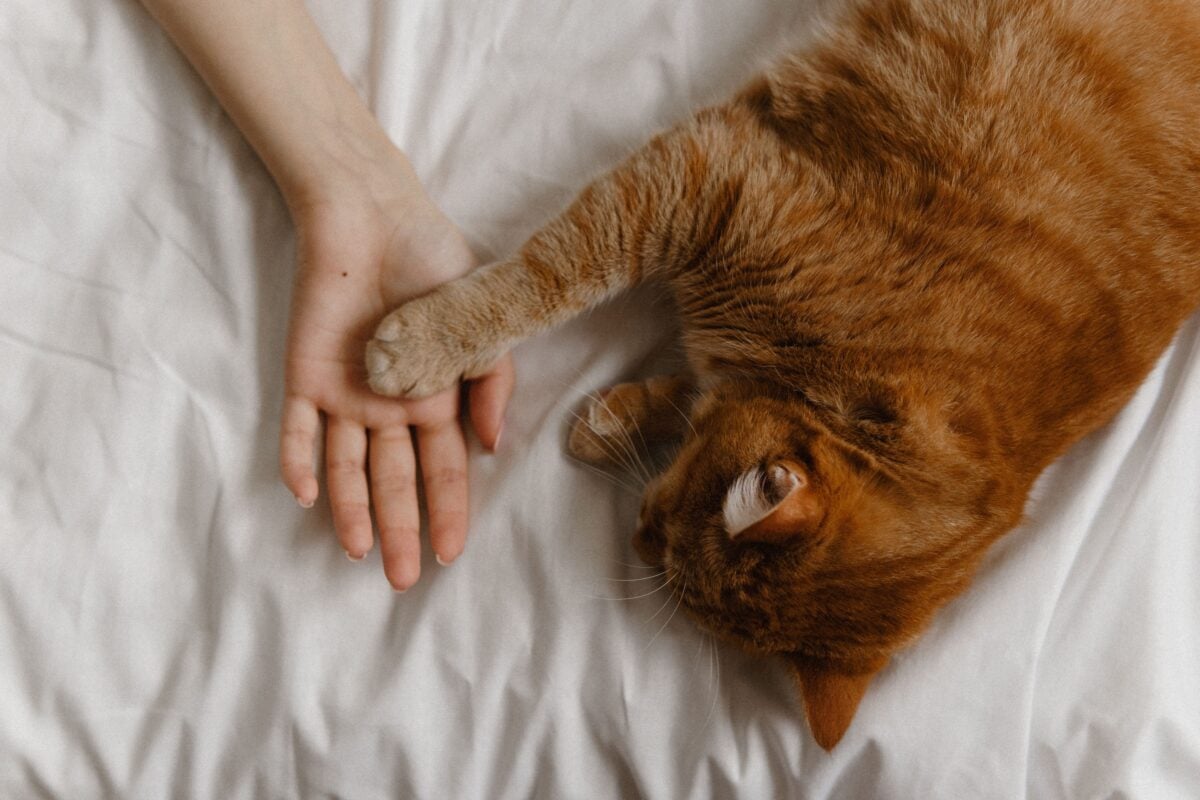
You know that feeling when your cat suddenly becomes extra clingy, stares at you like you’ve done something terribly wrong, or won’t let you out of their sight? A lot of people still think cats are aloof little roommates who barely notice us, but the truth is far more touching. Many cats quietly track our routines, moods, and health, and when something seems off, they react.
They may not rush in with dramatic movie-style gestures, but cats have their own subtle, sometimes downright weird ways of saying, in their language, that they’re . Once you know what to look for, some of those “odd” behaviors start to feel a lot more like concern, attachment, and even a kind of protective instinct.
1. Unusually Intense Staring And Silent Monitoring
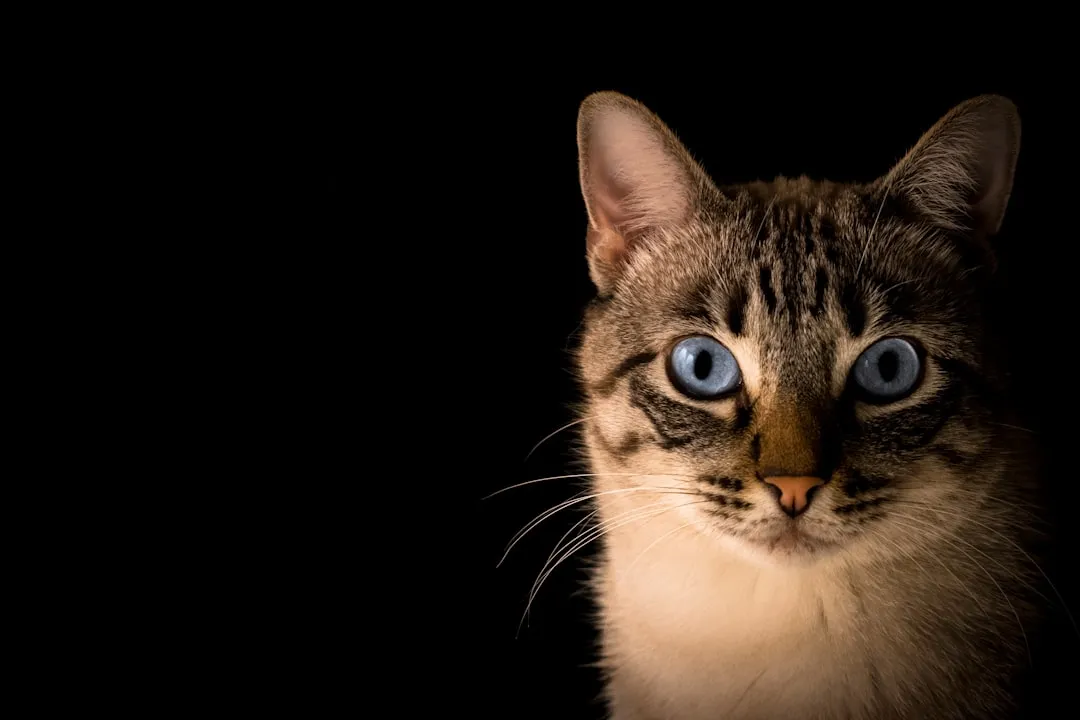
Ever notice your cat just sitting there, eyes locked on you, not blinking much, almost like they’re watching a suspense movie where you’re the main character? That long, focused stare can be unnerving, but in many cases it’s a sign your cat is monitoring you because something seems different. Maybe your breathing pattern changed, you’re moving slower than usual, or you’ve been lying on the couch for hours; your cat picks up on that.
Cats are visual pattern-readers. They memorize your normal daily choreography: the way you walk to the kitchen, how you sit at your desk, when you usually get up or go to bed. When you break that pattern, some cats respond by quietly watching, as if they’re trying to figure out whether this new version of you is safe, temporary, or something to worry about. The stare is not always judgment; sometimes it’s feline problem-solving.
2. Sudden Clinginess Or Shadowing You From Room To Room
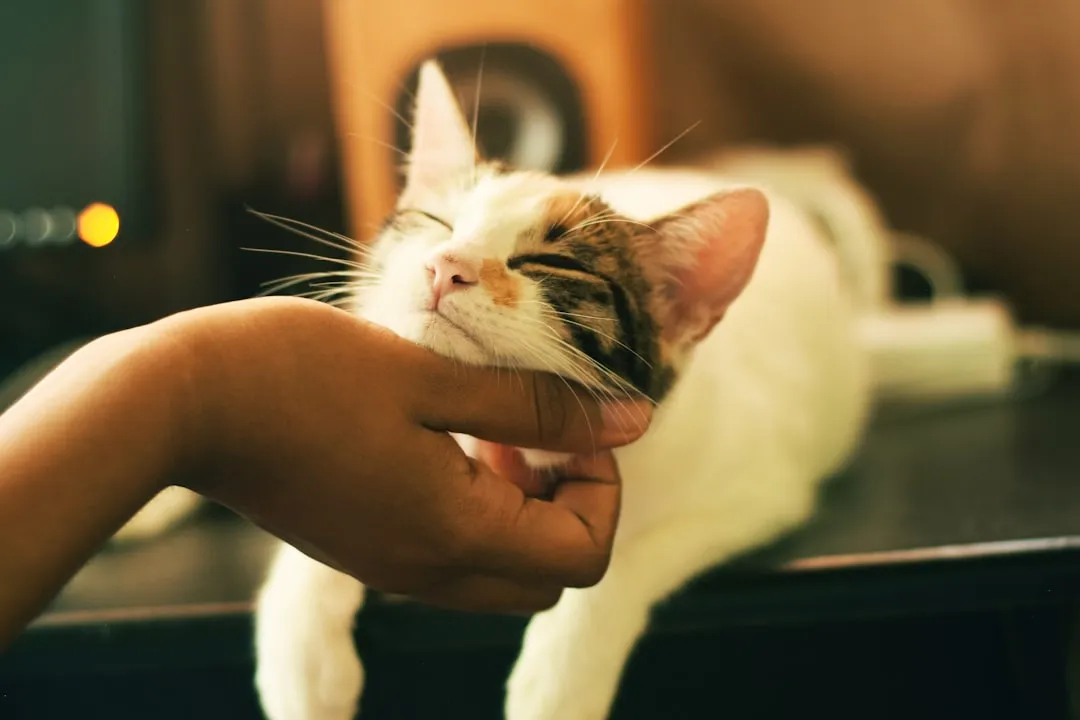
If your usually independent cat suddenly turns into a furry shadow, following you to the bathroom, kitchen, and even waiting outside the shower, that may be more than simple affection. Many cats ramp up proximity-seeking when they sense their person is distressed, sick, or emotionally off. They plant themselves beside you, on you, or just within arm’s reach, as if physical closeness might stabilize whatever is going on.
From a behavioral point of view, this makes sense. Cats are both predators and prey, and being near a trusted individual is a safety strategy. When your energy, posture, or smell shifts in ways they don’t fully understand, sticking close is their way of managing uncertainty. It can feel clingy to you, but to them, it’s a quiet act of “I’m here, and I’m not letting you out of my sight until I know you’re okay.”
3. Sleeping On Your Chest Or Near Your Face More Than Usual
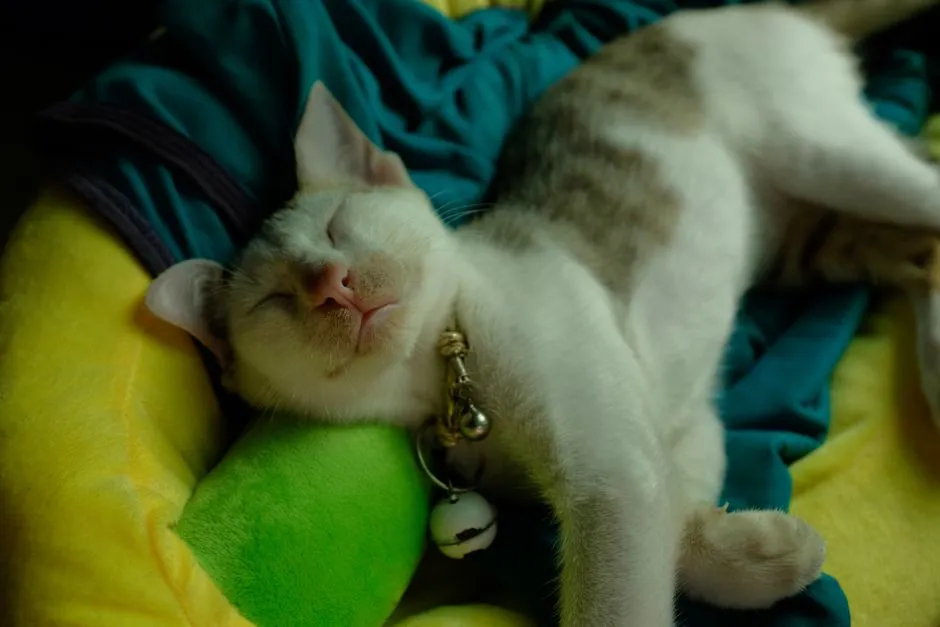
There’s something strangely moving about a cat who insists on sleeping on your chest exactly on the nights you feel the most drained or upset. Cats are drawn to warmth and rhythm, so your chest is prime real estate: it’s warm, it smells like you, and your heartbeat and breathing create a steady pattern. When a cat chooses that spot more than usual during times you’re unwell or low in mood, it can be a sign they’re tuning in and trying to stay close to your “core.”
Some researchers and vets have pointed out that cats are surprisingly good at noticing changes in breathing, heart rate, and overall stillness. If your breathing is shallow because you are in pain or anxious, or your sleep patterns change, a concerned cat might curl up in those high-information zones – your chest, neck, or head – to track those signals. To you it may feel like smothering affection; to them, it’s front-row access to your wellbeing.
4. Bringing You “Gifts” Or Redirecting Their Hunting Energy

As unpleasant as it can be, the classic dead mouse or insect placed neatly by your bed or feet is often a sign of deep feline investment. In multi-cat families, cats sometimes share prey with those they are bonded to, especially with more vulnerable group members. When your cat is worried about you, one way they might cope is by shifting into protector-provider mode, trying to “help” in the only way their instincts understand: by delivering resources.
Even indoor-only cats may show a version of this, like dropping toys on your lap, hunting socks, or proudly presenting a crumpled piece of paper when you are sick on the couch. It is not a logical human kind of caregiving, but for a cat it can be a hybrid of stress, affection, and an urge to contribute. The message is oddly sweet beneath the gore: you seem not-quite-right, so here’s something I’m good at that might help us both survive.
5. Vocalizing More, Especially Around Doors Or When You Lie Down
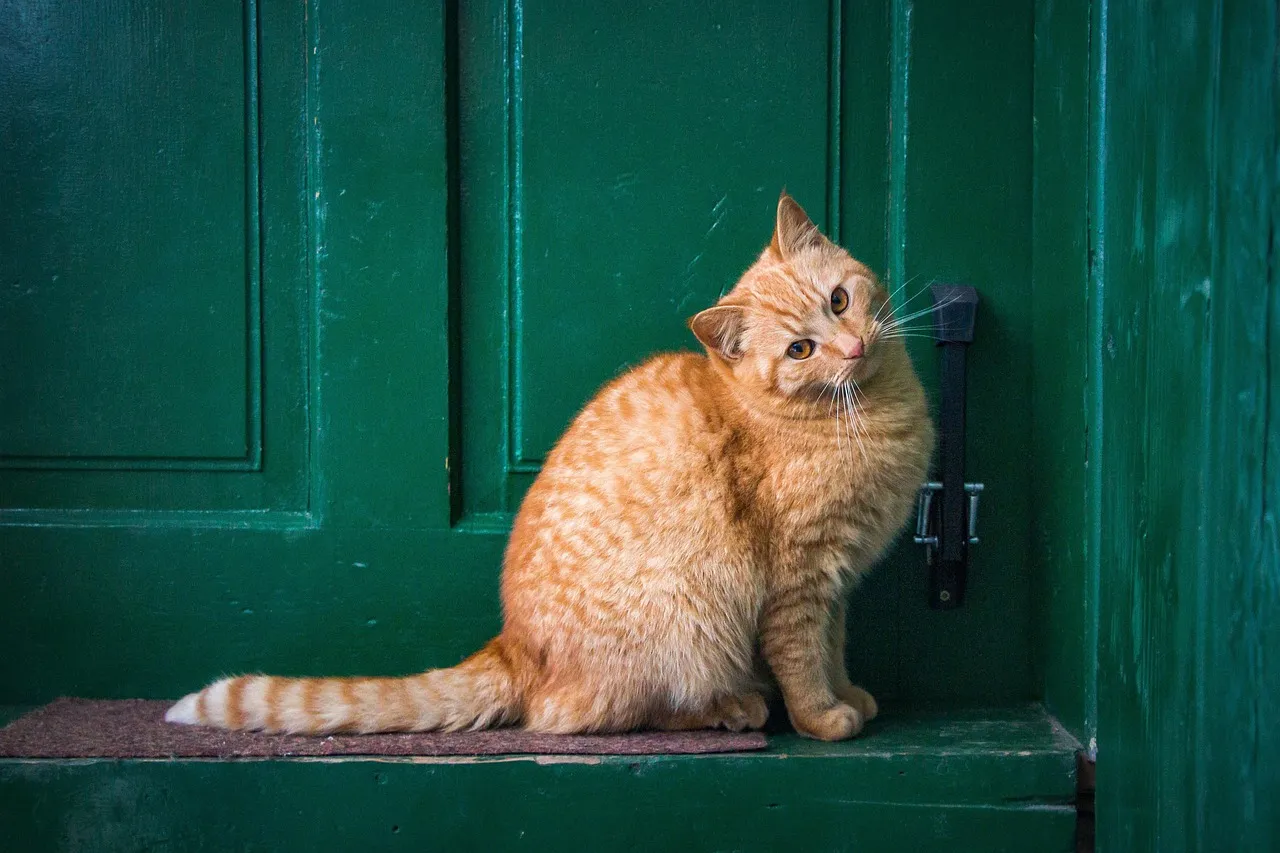
Some cats barely meow at all, then suddenly become chatty when their person is unwell, depressed, or behaving differently. You might hear more insistent meows when you close a door, lie down in the middle of the day, or stay in bed longer than normal. This uptick in vocalization can be a sign of anxiety and an attempt to re-engage you with your usual routine.
Cats quickly associate specific sounds and actions – alarm clocks, opening drawers, even the way you clear your throat – with predictable outcomes. When those patterns go missing, a worried cat may call out, almost like pressing verbal buttons to see if they can get the “real you” to respond. It can sound bossy or demanding, but underneath it is often that uneasy feeling of, “You’re not doing what you usually do, and I don’t know how to fix it, so I’m going to talk about it.”
6. Guarding Behavior: Sitting Between You And The World
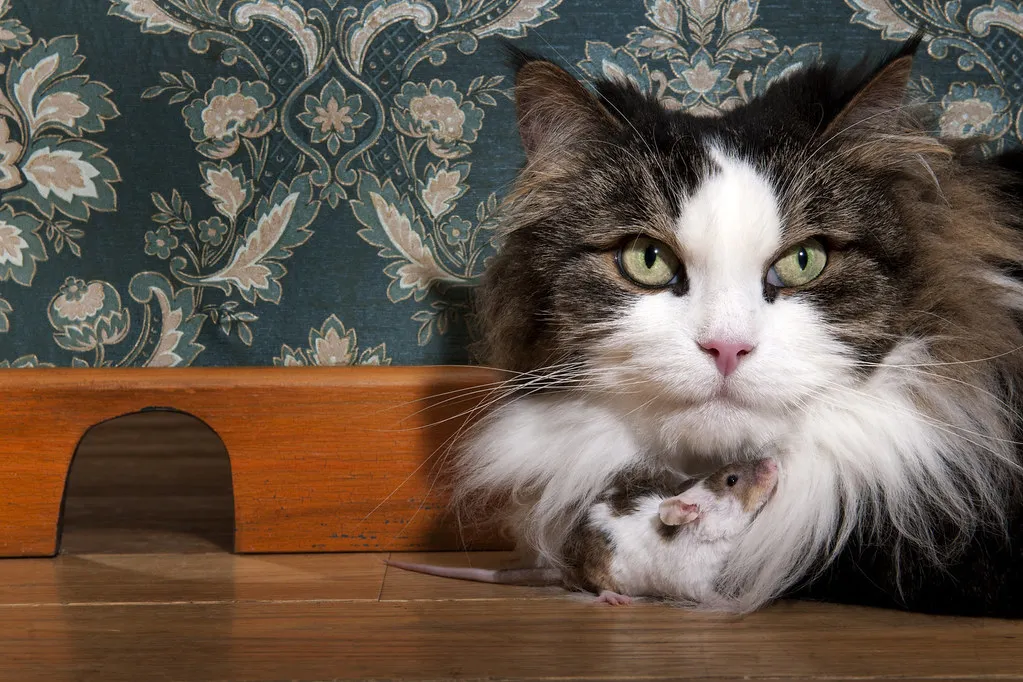
Have you ever noticed your cat positioning themselves between you and a doorway, other people, or even your laptop when you’re having a rough time? That strategic placement can look random, but it may be a form of low-key guarding. Some cats will place their body in what behaviorists call a “blocking” position – right on your lap, on your chest, or beside your hip with their body facing outward – as if they are the tiny bouncer of your personal space.
In nature, cats choose vantage points that allow them to scan for threats while keeping group members close. When your cat sits at your feet while you are sick in bed, or camps out beside you during an argument or stressful phone call, they may be trying to put themselves between you and perceived stressors. The world feels unpredictable to them in that moment, and anchoring themselves near you gives both of you a small sense of control.
7. Changes In Their Own Routine When Yours Falls Apart
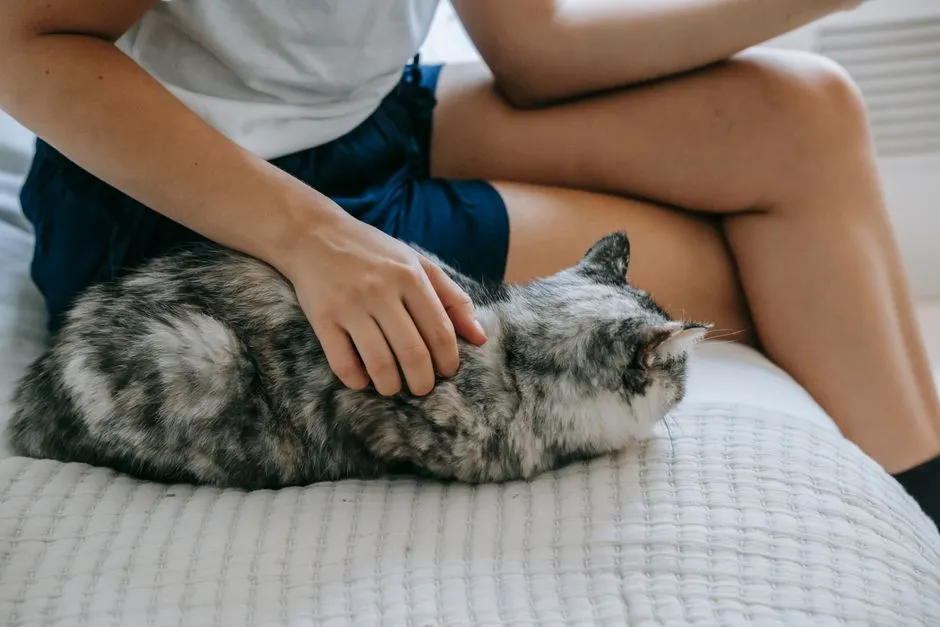
One of the most telling signs that your cat is worried about you is not just what they do to you, but what they stop doing for themselves. A cat who usually eats on schedule but lingers near you instead, or who skips a usual playtime to sit quietly by your side, may be reshuffling their own priorities in response to your state. That shift can be a sign of stress, but it is also a sign of how tightly their internal world is linked to yours.
Cats like predictability. When your routine falls apart – late nights, strange visitors, mood swings, unusual smells from medications or hospitals – that predictability goes with it. A concerned cat might sleep in unusual places near you, stay up when you’re awake at odd hours, or wait by a door you no longer use at your old time. It is as if they are holding space for the version of you they know, while also hovering around the version of you in front of them, hoping the two will realign.
8. Gentle Pawing, Sniffing, Or Checking On Specific Body Areas
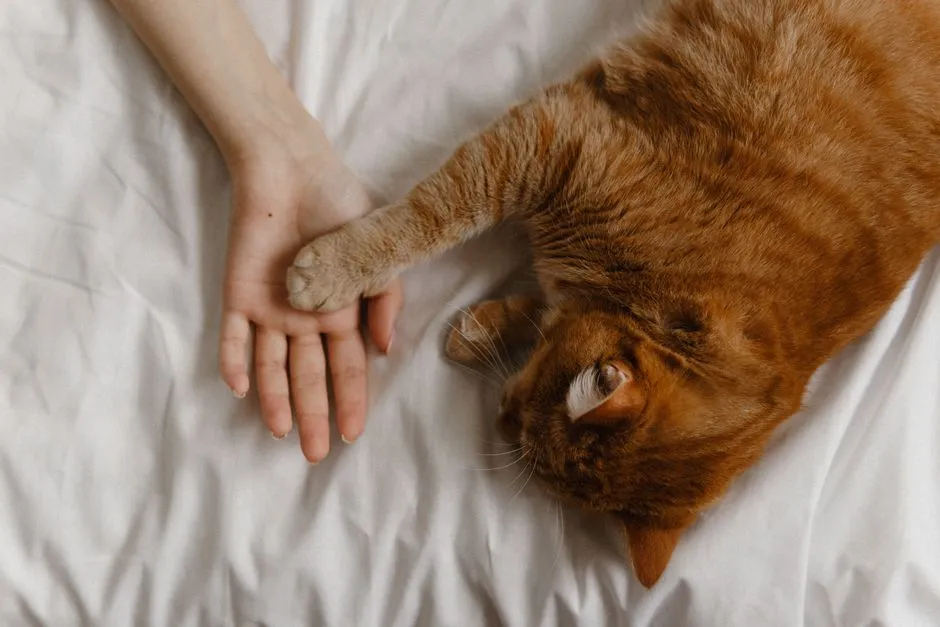
Some of the most striking stories about cats worrying over people involve them repeatedly sniffing, pawing, or curling up next to the same body part – like a leg, chest, or abdomen – before a health issue is discovered. While not every cat has medical-detection superpowers, they do have sensitive noses and are attuned to changes in body temperature, smell, and movement. When they repeatedly investigate one spot, especially if they never cared much about it before, it can be a sign that something about that area feels different to them.
Even in less dramatic cases, a cat who comes over to lightly touch your face when you cry, sniff your hands after a panic attack, or check on you more often at night is showing a kind of emotional surveillance. They may not understand the complexity of human illness or mental health, but they react to the signals we emit. That soft tap of a paw or persistent nose-boop can be their slightly clumsy way of asking, “What’s going on with you, and are we still safe?”
Conclusion: Your Cat Might Be More Invested In You Than You Think
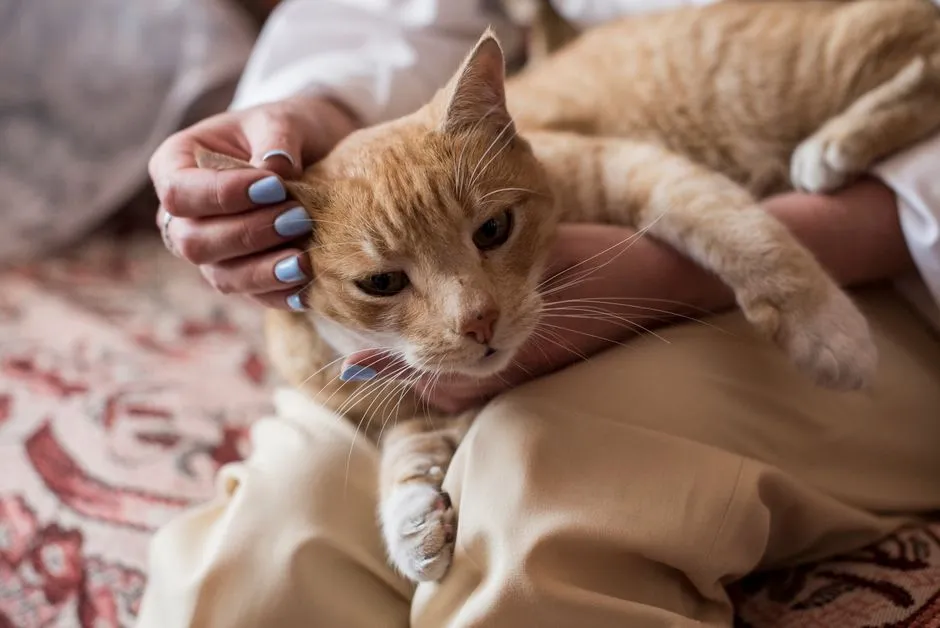
When you put all these behaviors together – staring, shadowing, sleeping on your chest, guarding, over-gifting, and fussing at you with meows – a picture emerges that is hard to dismiss. For a creature often dismissed as detached, the average cat is quietly, constantly mapping your life and reacting when that map suddenly gets redrawn. Their worry does not look like human worry, but it is rooted in the same thing: the fear of losing something, or someone, that feels like home.
Personally, the first time I realized my own cat only parked himself on my chest on the nights I was truly not okay, it changed the way I saw all his little “annoying” habits. What once felt like clinginess or weirdness started to look more like concern filtered through a feline brain. So the next time your cat acts strangely attentive when you are low, instead of brushing it off, maybe pause and ask yourself: is it possible they’re not just being a cat, but quietly, in their own language, asking if you’re going to be alright – and what are you going to do with that kind of love?

- 8 Ways Cats Show They're Worried About You - August 10, 2026
- 10 Signs Your Cat Is Happier Than Most Cats - August 10, 2026
- 15 Ways Dogs Turn Downsizing Into a Joyful Transition - August 10, 2026