
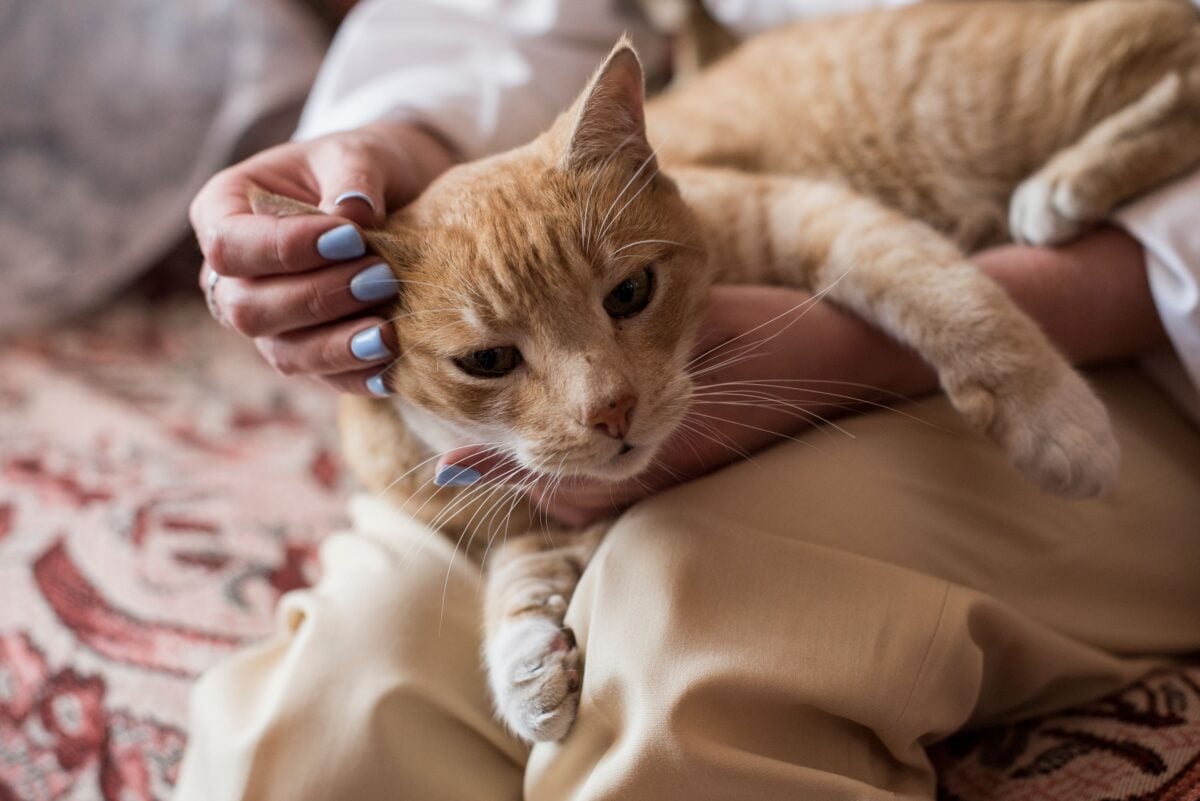
If you live with a cat, there’s a good chance they know you far better than you know them. Behind those slow blinks and suspicious stares is a brain that quietly collects data on you every single day: how you move, how you sound, when you come home, and what kind of human you really are. Cats may act aloof, but they are expert observers with sharp memories for the things that matter to them.
Scientists are still uncovering just how complex feline memory really is, but one thing is clear: cats remember people. They remember how we make them feel, how consistently we show up, and how safe we are to be around. Let’s dig into the things your cat is almost certainly storing away about you – whether you realize it or not.
Your Voice And The Way You Say Their Name

One of the first things a cat locks onto is your voice. Research has shown that cats can recognize their owner’s voice and distinguish it from the voices of strangers, even if they pretend not to care. They pick up not just on the sound, but on the tone, rhythm, and emotional color behind it, like whether you’re calm, stressed, or playful.
Over time, your cat learns a whole vocabulary of sounds without ever hearing an actual word they understand. The special way you say their name when you’re happy, the sharp tone you use when they’re on the counter, the sleepy mumble when you call them to bed – your cat builds an emotional map around all of it. Even if they don’t always “listen,” they certainly do not forget the sound of you.
Your Scent (Yes, All Of It)
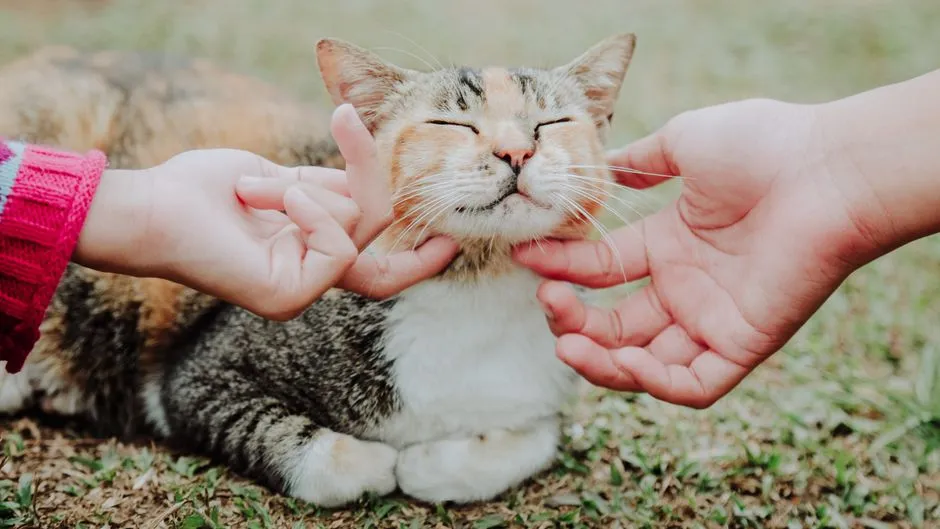
To a cat, you are a walking cloud of smells, and that’s not an insult. Their sense of smell is far more powerful than ours, and they build a kind of scent profile of the people they live with. Your natural skin scent, your shampoo, laundry detergent, and even the faint traces of your work environment all become part of how they recognize you.
That’s why some cats rub their faces against your legs, your hands, or your pillow: they’re mixing their scent with yours, reinforcing the bond and the memory. Even after you’ve been away for a while, your cat can remember and recognize your particular smell pattern. You might change your hairstyle or your clothes, but your underlying scent signature is like a permanent ID card to them.
Your Daily Routine And Timing
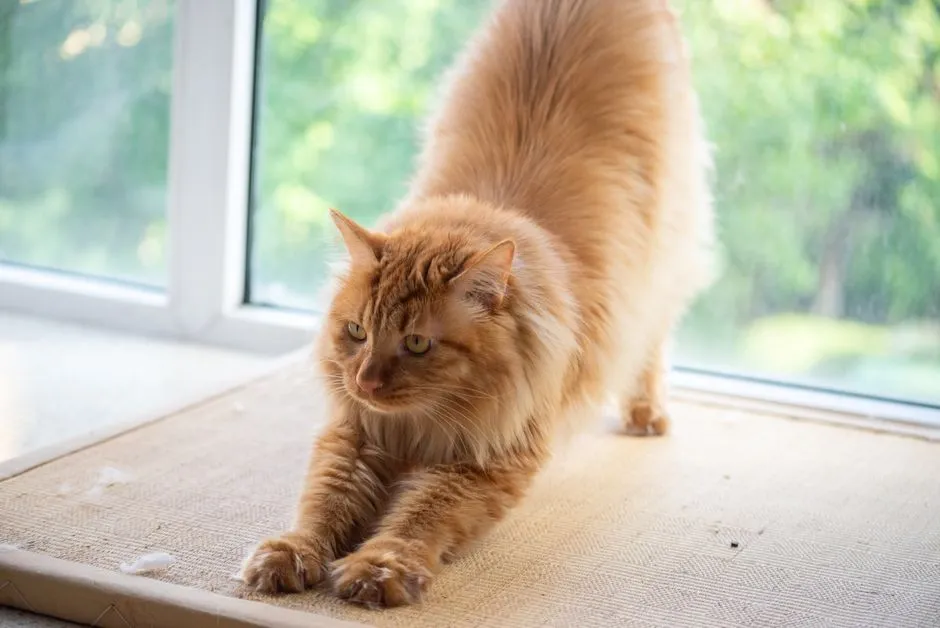
If you think your cat can “tell time,” you’re not completely wrong. They don’t read a clock, but they remember patterns frighteningly well. When you usually get up, when you feed them, when you leave for work, when you tend to grab a snack or sit on the couch – these routines become deeply embedded in their memory.
Many cats will anticipate key parts of the day: they’ll wait by the door around the time you usually come home, or start meowing in the kitchen right before breakfast. When that routine changes, they definitely notice. The memory of “how things normally go” is so strong that a disruption can make them restless or anxious, because their internal schedule is built around you.
How Safe They Feel Around You
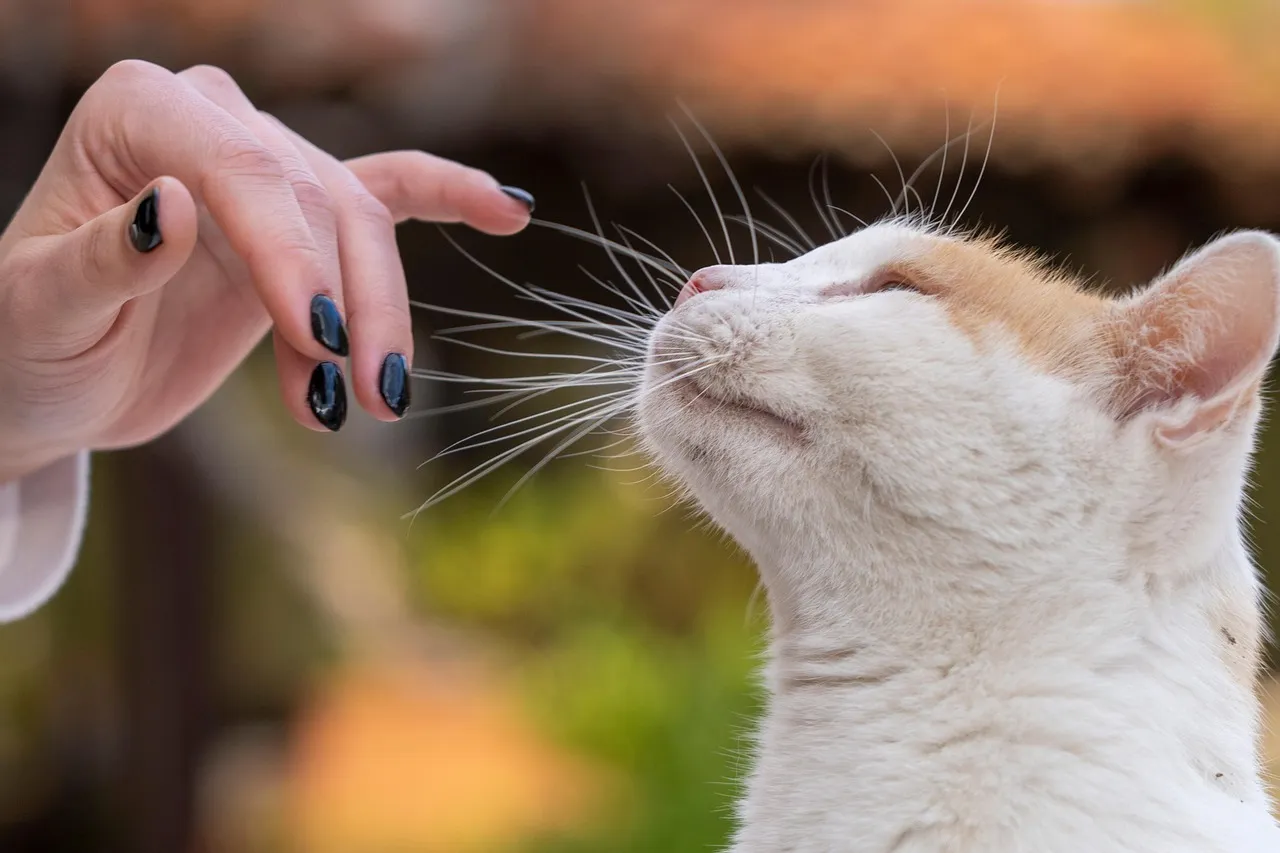
Cats are wired for self-preservation, so they never forget how safe – or unsafe – they felt with someone. If you consistently move gently, respect their space, and avoid sudden grabbing or shouting, your cat forms a mental file on you labeled something like “trustworthy, low threat.” That memory is what allows them to relax around you, show their belly, or sleep pressed against you.
On the other hand, if a person has scared or hurt them, even unintentionally, cats can remember that for a long time. They may still live with that person, but their body language will reveal that stored memory: flinching slightly, keeping distance, or staying on high alert when that individual walks by. Their brains are constantly updating that safety file, and good experiences are what help overwrite old fears.
Where Affection Happens (And Where It Doesn’t)
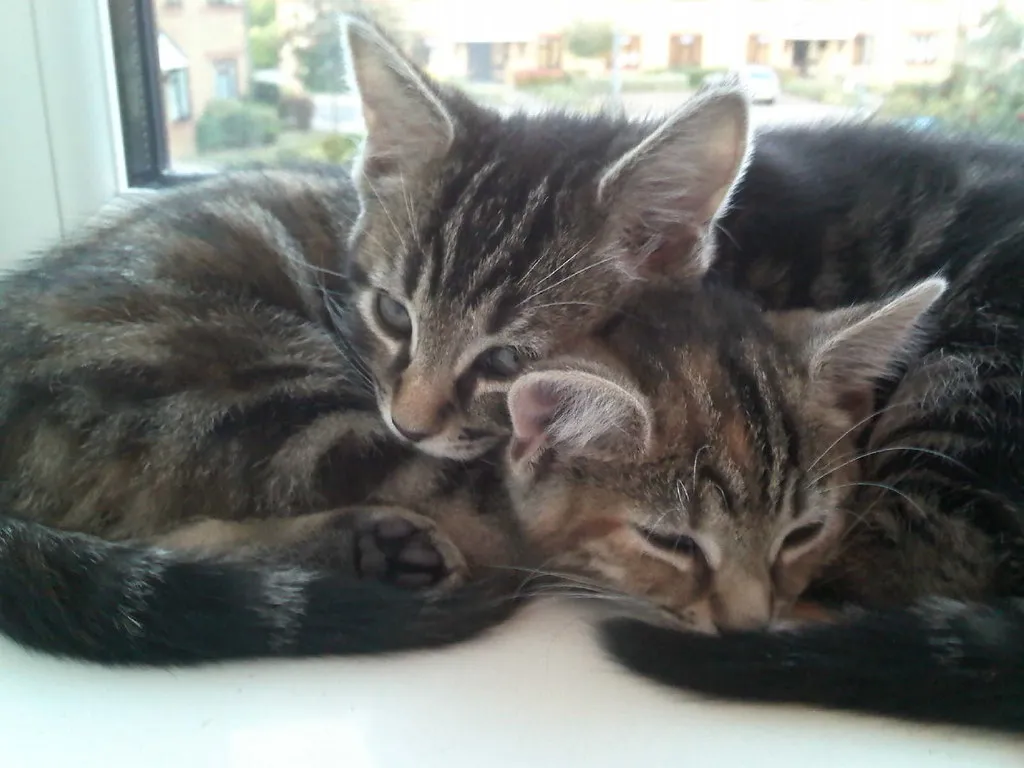
Your cat keeps a mental map of where the good stuff happens. Maybe the couch is for cuddling, the bed is for nighttime snuggles, and the kitchen counter is for giving you a look of pure betrayal when you say no. Over time, they remember which locations are linked to positive touch and contact with you, and which are more neutral or even off-limits.
They also remember what kind of touch you tend to offer. Some people always go for head scratches, others for full-body strokes along the spine, and some gently avoid sensitive areas like the belly or tail. Your cat notices your patterns and, if they like them, will return to you in those specific spaces expecting that same kind of affection again and again.
How You React When They Communicate
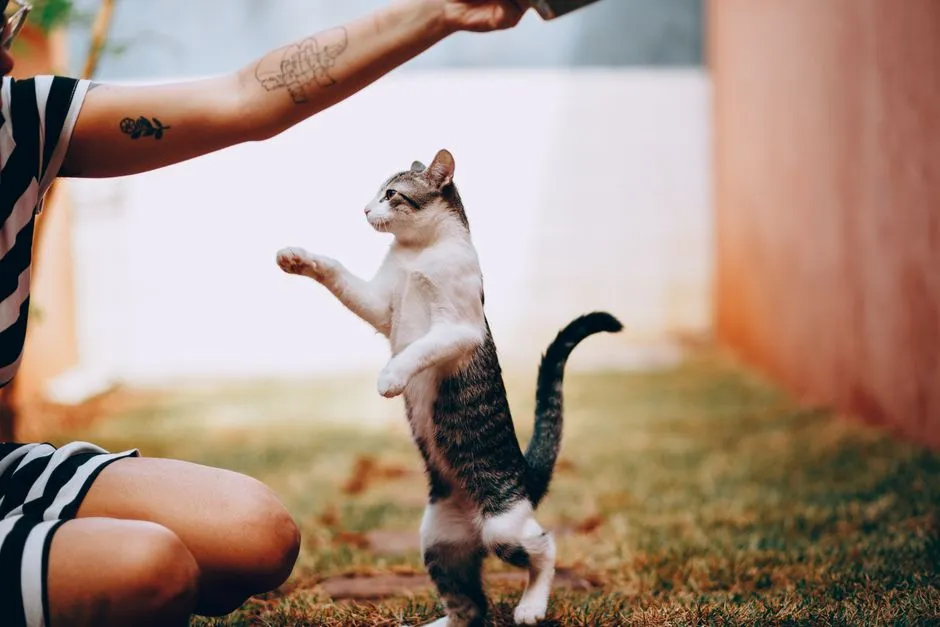
Cats are always experimenting to see what works on you. A certain meow at the door gets you to open it. A paw on your face at 5 a.m. gets you to feed them. A dramatic flop in the hallway gets you to bend down and say hello. Every successful move gets stored in their memory as a trick they can repeat later.
They also remember what does not work. If loud meowing never gets your attention but sitting quietly near the food bowl does, they’ll eventually adjust. It may look random, but your cat is basically running little social experiments on you and filing away the results. You become predictable to them long before you realize they’ve trained you.
The Way You Smell When You’re Emotional

This one sounds strange, but it’s powerful. Human bodies change slightly when we’re anxious, sad, or excited, and cats can pick up on these subtle scent and behavior shifts. Over time, they link your emotional states with particular smells, postures, and tones, and they do not forget those pairings easily.
Some cats will come closer when you are upset, curling up on your chest or sitting quietly nearby, because they’ve learned that this version of you is slower, softer, and more still. Others may keep a little distance if past memories of loud arguing or sudden movements are tied to certain moods. Either way, they remember not only “you,” but the many emotional versions of you.
Who Feeds Them (And How Generous You Are)

<pCats have a very clear memory of who fills the bowl. If multiple people live in the home, they almost always know which human is the food giver, the treat master, or the one most likely to “accidentally” drop something from the table. Food is such a big motivator that it quickly becomes a core part of how they remember each person.
They also remember how strict or flexible you are. The person who never caves to begging and the person who always offers “just a little bit” are not the same in a cat’s mind. They will adjust their strategy accordingly: more persistence with the soft touch, more patience with the strict one. That mental record of your feeding habits is long-lasting and very, very specific.
Your Sleeping Habits And Nighttime Rituals
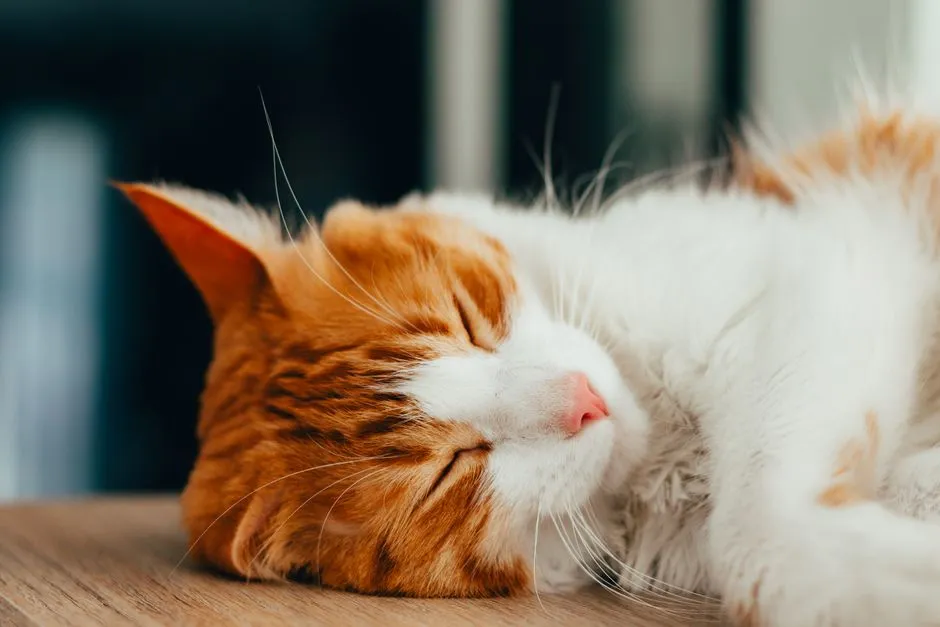
Many cats seem especially interested in what we do at night. They remember when you usually go to bed, whether you scroll your phone for half an hour, read a book, or fall asleep instantly. They know where you tend to sleep, which side you lie on, and how much you move around during the night.
That’s why some cats always curl up near your feet, your head, or on your chest: they’ve tested different spots and remember which ones feel safe and predictable with your particular sleeping style. If you start keeping a different schedule, staying up much later or sleeping in another room, your cat can become unsettled, because those nightly patterns are a big part of how they anchor their world around you.
Times You Comforted Them (Or Failed To)
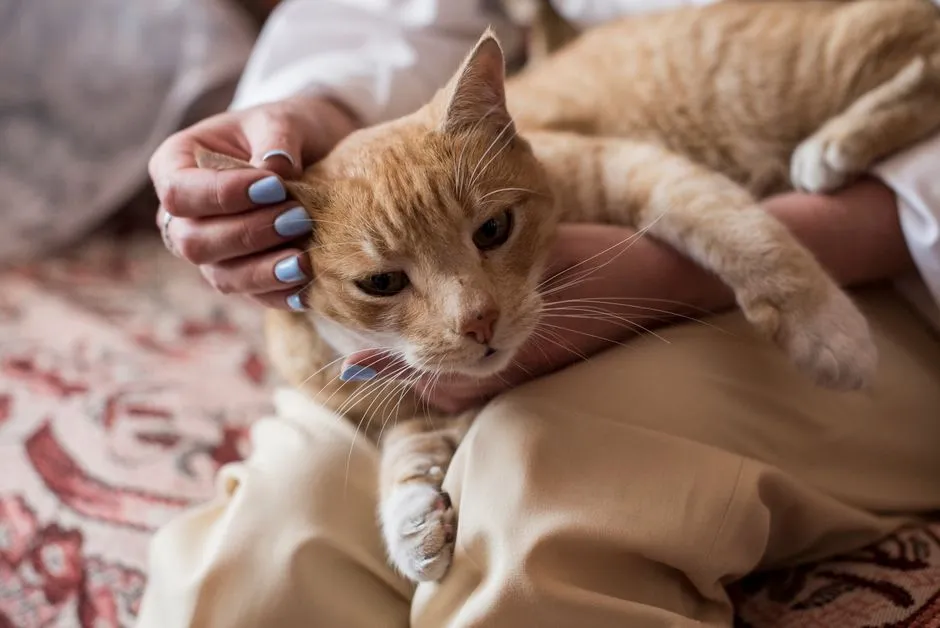
Life happens: thunder, fireworks, vet visits, strange visitors, dropped pans in the kitchen. In those moments when your cat is frightened, what you do can sink deep into their memory. If you speak gently, offer a safe hiding spot, or simply sit nearby without forcing contact, your cat can start to associate you with relief and safety during stressful events.
If, instead, they were chased, yelled at, or grabbed in a panic, those memories can linger for a long time. Cats are especially good at remembering big emotional spikes, both positive and negative. A pattern of being soothed and respected can build a powerful bond, but a pattern of fear can etch itself into their long-term view of you in ways that are hard to fully erase.
How You Move Through Their Space
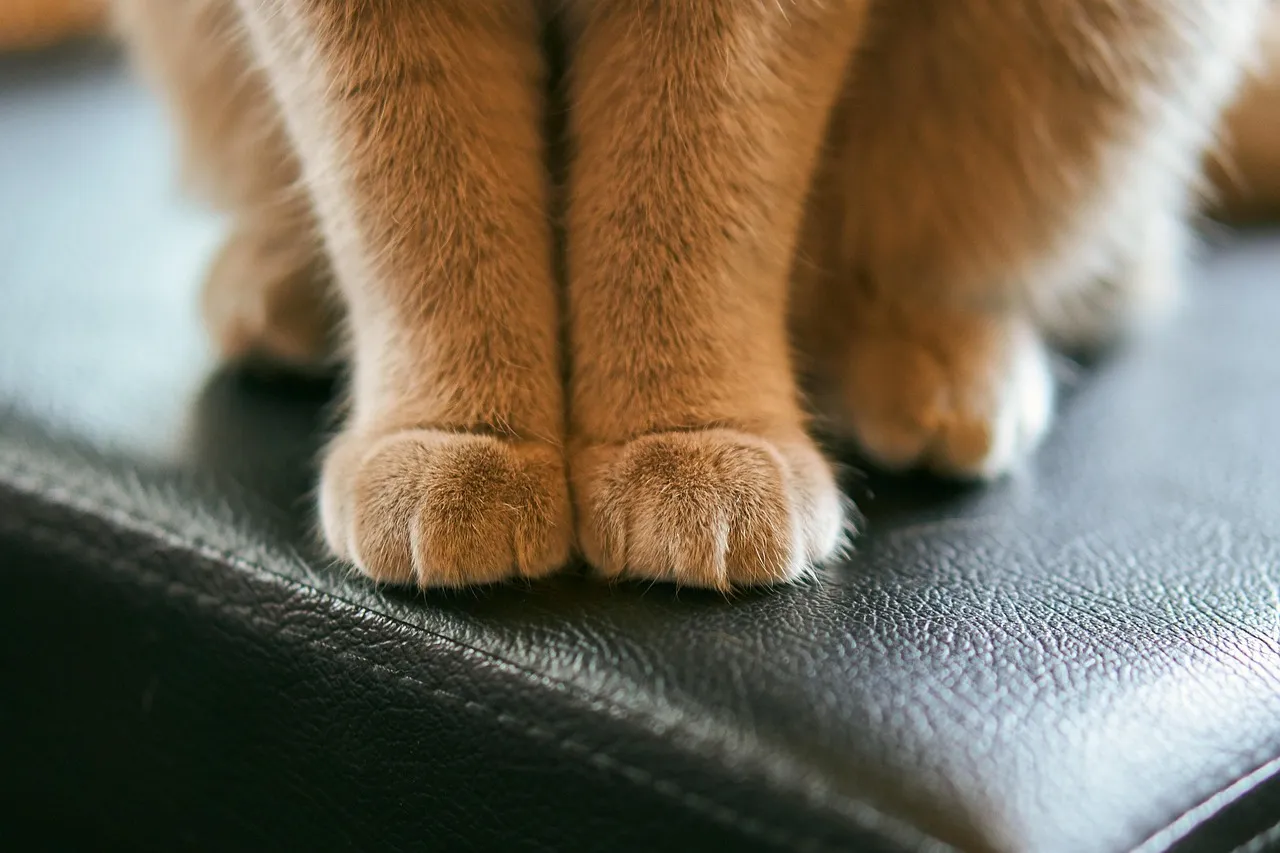
Your cat watches the way you move like a wildlife researcher with a clipboard. They remember whether you tend to stomp or glide, whether you notice them underfoot, and how often you bump into them or nearly trip over them. This physical pattern becomes part of how predictable and safe you feel to them.
When you move slowly, talk softly as you pass, and avoid towering over hiding spots, you become a stable part of their environment. If your movements are sudden and chaotic, they might stay skeptical around your feet forever. Over time, your movement style becomes as much a part of your identity to them as your face or voice – and they don’t easily forget it.
Conclusion: Your Cat’s Memory Of You Is A Living Story
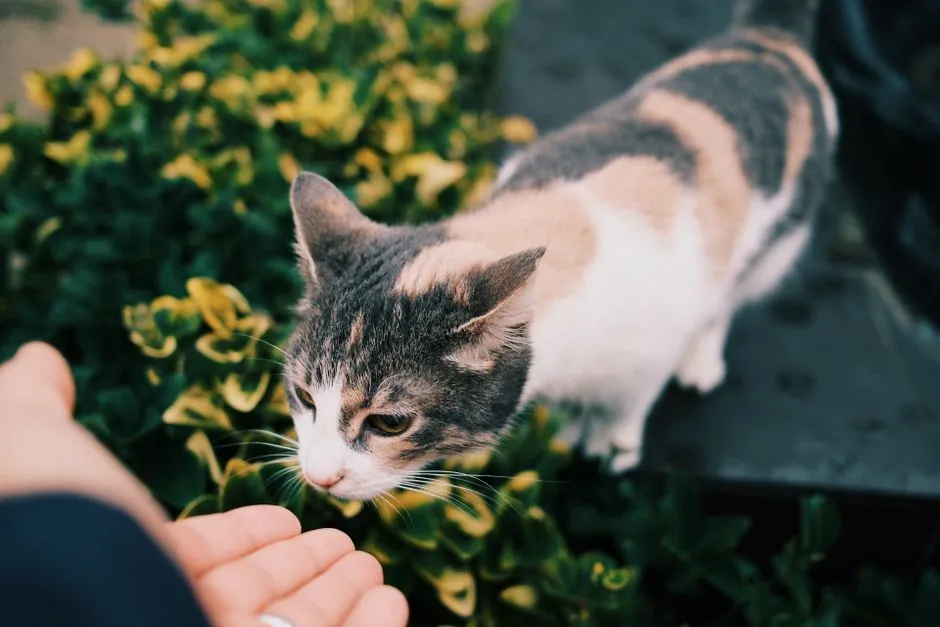
Living with a cat means being constantly evaluated by a quiet, furry archivist. They are always updating a mental story about who you are: how you sound, how you feel, how you treat them, and how reliable you are across days, months, and years. It is not a perfect, human-style memory, but it is specific, emotional, and surprisingly persistent. You might think of yourself as the one observing your cat, but they are absolutely keeping a long-running file on you.
My own opinion, after years of watching people and their cats, is that we underestimate just how deeply we are remembered by them. A kind, patient, predictable human becomes more than just a food source; they become a trusted anchor in a chaotic world. The real question is not whether your cat will remember you, but what kind of story you’re giving them to remember. When you think about that, how do you imagine your own cat’s mental “album” of you looks right now?

- 10 Things Cats Never Forget About Their Owners - August 10, 2026
- 8 Ways Cats Show They're Worried About You - August 10, 2026
- 10 Signs Your Cat Is Happier Than Most Cats - August 10, 2026