
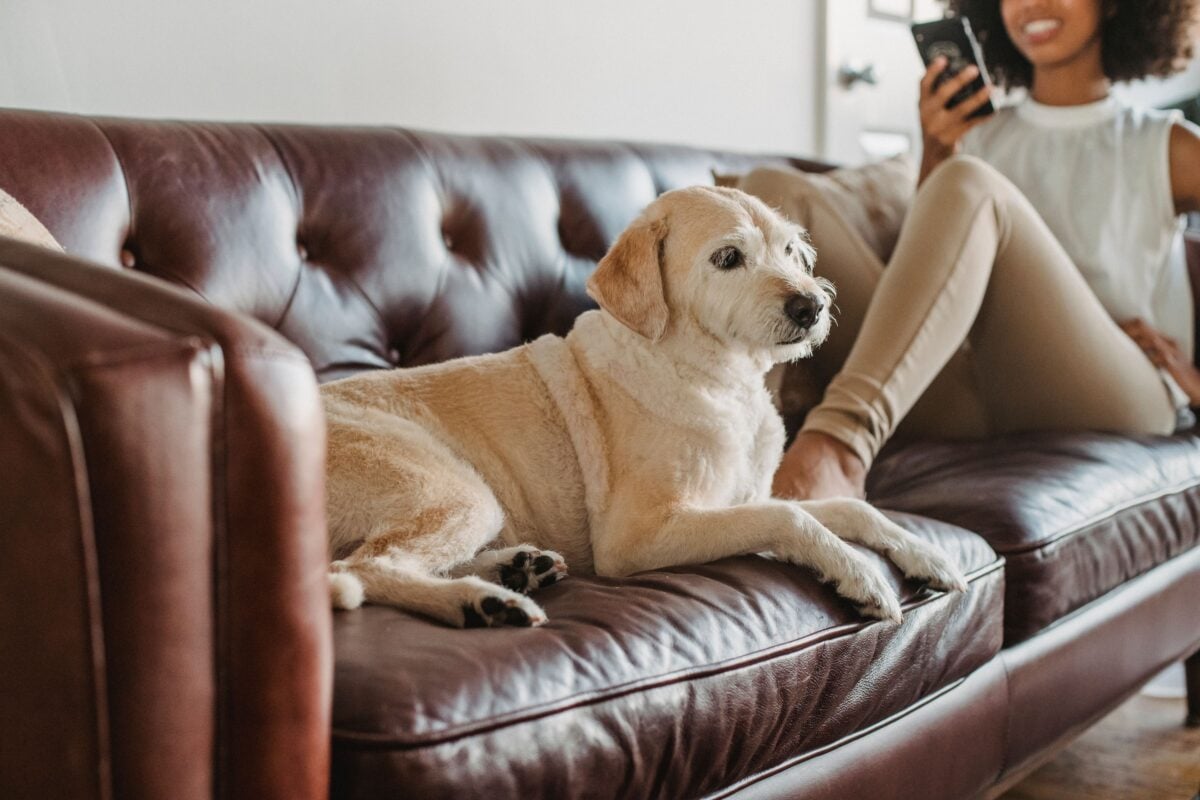
Most people think they’ll know the exact moment their dog “gets old.” Slower walks, cloudy eyes, a few extra naps on the couch – easy to spot, right? Except that’s not how it actually happens.
Veterinarians will tell you the real warning signs show up years earlier, disguised as “cute quirks” or a dog simply “mellowing out.” By the time an owner notices something is actually wrong, the dog has often been quietly adjusting to pain, confusion, or fading senses for a long time. Here are the 17 changes that almost everyone misses – until it’s too late to catch them early.
#1 – They Stop Sprinting To The Door When You Come Home
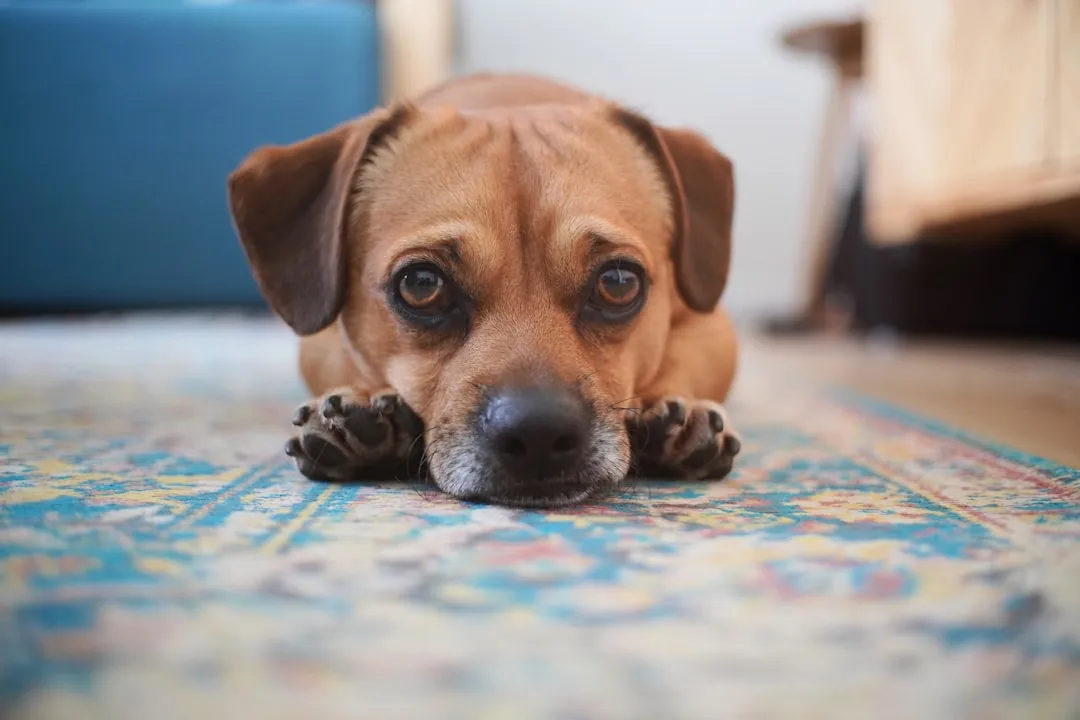
You tell yourself your dog is “finally calming down.” But that missing welcome party – the one where they used to skid across the floor to greet you – is often the first red flag nobody wants to read correctly.
A dog that used to explode with joy but now just lifts their head from the couch may be dealing with early pain, fatigue, or even low-grade depression, not maturity. Sometimes the change is subtle: they still greet you, just slower, with less bounce and no wild tail whipping. That drop in enthusiasm can point to arthritis, aching joints, or a heart working harder than it should – and it can also mean their world simply feels smaller than it used to.
#2 – They Quietly Skip Their Favorite Games
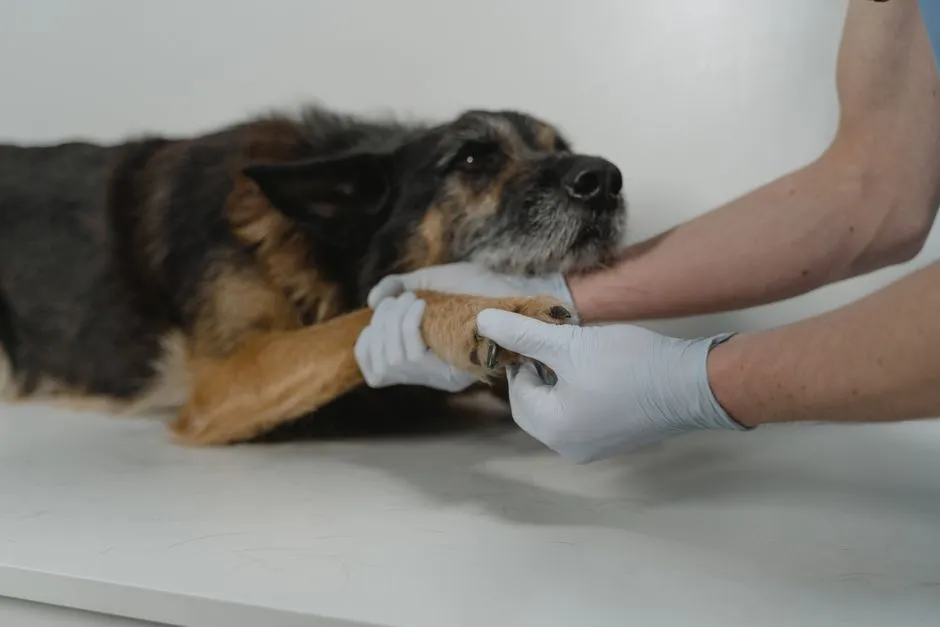
If your fetch-obsessed dog suddenly “forgets” to bring the ball back, most owners shrug it off as a phase. In reality, dogs rarely walk away from a favorite game without a reason – and that reason is usually physical discomfort or early cognitive decline, not a personality shift.
Watch closely and you’ll see it: they lie down faster, hesitate before jumping, or grab the toy and then just… wander off. Some dogs fake interest because they don’t want to disappoint you, then quietly bail when the pain kicks in. By the time an owner recognizes this as a medical issue, months of silent struggle have often already passed.
#3 – They Abandon Their Favorite Sleeping Spot
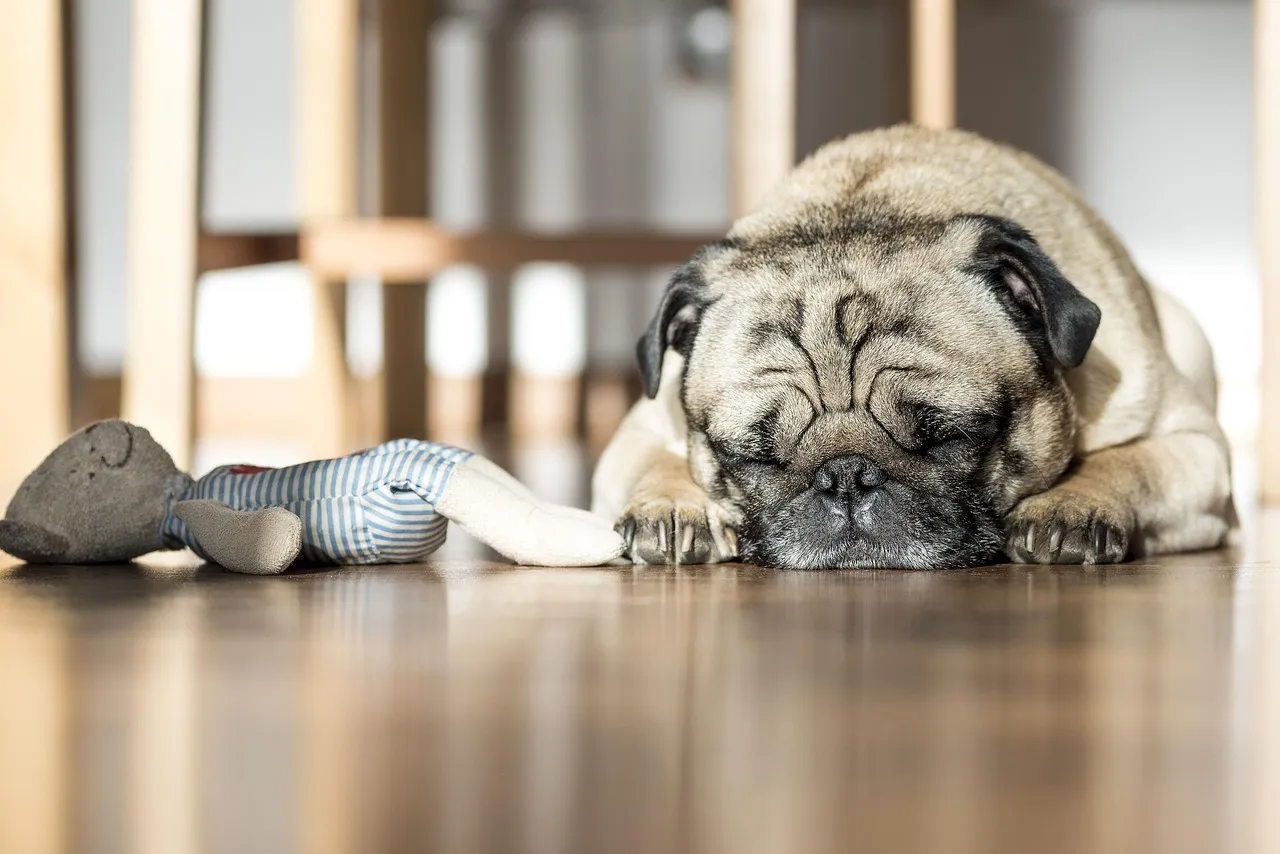
People love to say, “She just prefers the couch now.” But when a dog gives up their favorite bed, that corner under the table, or that sunny patch of floor, it’s usually because the spot no longer feels safe or comfortable anymore.
Hard surfaces hurt arthritic joints. Drafts bother older bodies. Stairs to a bedroom become a nightly obstacle course that feels too exhausting to tackle. You’ll notice small, telling switches: softer, flatter surfaces suddenly matter, and they start sleeping closer to doors or to you. Many owners call that “clinginess,” but it can also be an old survival instinct – staying near help just in case they need it.
#4 – They Stop Barking At Things That Used To Set Them Off
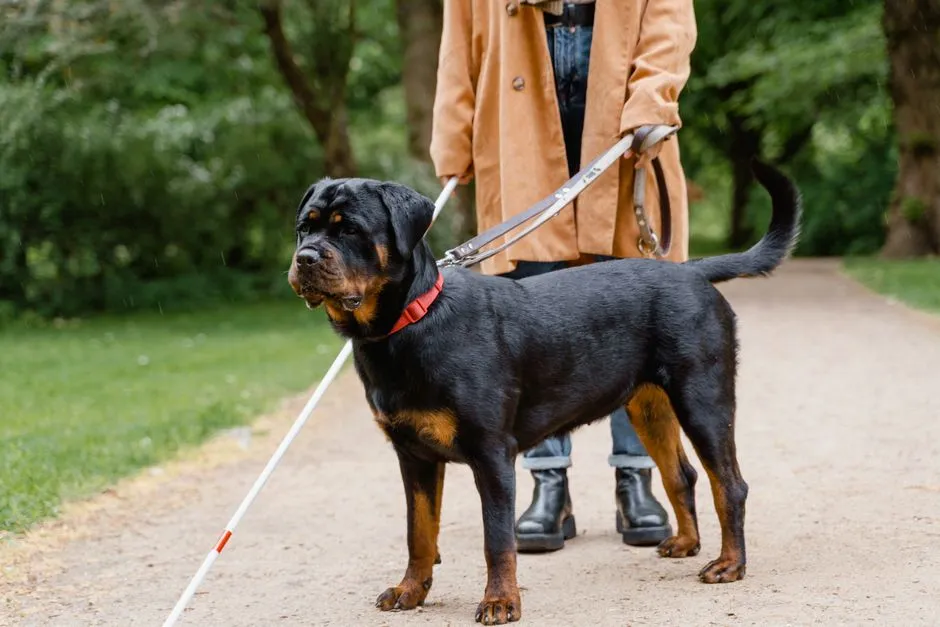
Most people welcome the quiet as a win. Fewer delivery-truck freakouts, fewer late-night alarms – finally, some peace. But a dog that suddenly stops reacting to doorbells or neighborhood dogs might not be “better behaved.” They may simply not be hearing the world the same way anymore.
Hearing loss in older dogs is wildly under-diagnosed at home, because early on it looks exactly like selective hearing. They’ll ignore some sounds but respond to others – especially ones they can feel, like a slammed door, or see, like you reaching for the food bowl. Without realizing it, you start communicating differently and just assume it’s training. By the time deafness is obvious, they’ve often been quietly adapting alone for years.
#5 – They Quietly Shorten Their Own Walks
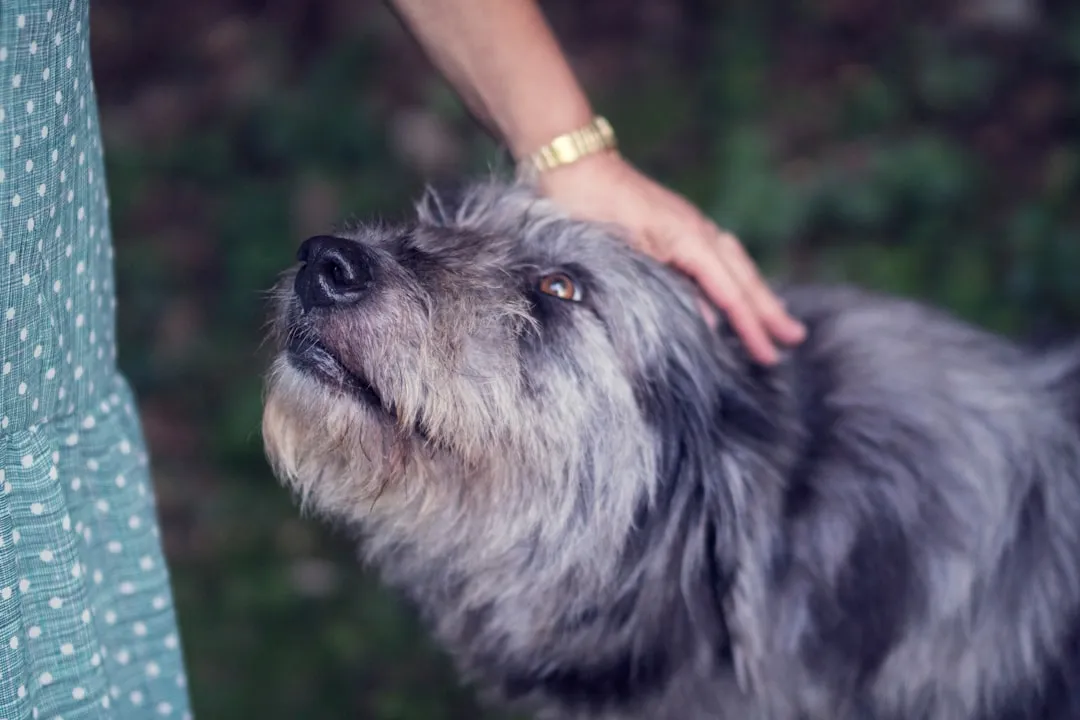
Everyone posts about their dog dragging them down the street. Nobody talks about the day the dog stops pulling and starts lagging behind instead. When your old dog pauses more, walks behind you, or turns toward home early, it’s almost never laziness – it’s usually pain, fatigue, or breathlessness they’re managing on their own.
Owners unknowingly reinforce this by praising it: “He’s finally chill!” In reality, cold sidewalks can be brutal on arthritic joints, and early heart or lung issues often show up as “I’m done” halfway down the block. Some dogs will still go if you insist, but the joy is gone, and the recovery afterward gets longer – harder sleep, longer panting, more stiffness the next morning.
Fast Facts
- Osteoarthritis (OA) affects at least 20% of dogs over one year old and 80% of dogs over eight years old.
- Some research suggests over 50% of dogs older than seven go on to develop some form of arthritis in their lifetime.
- The joints most commonly affected are the knees, hips, elbows, and back.
- Arthritis complications are considered one of the leading causes of euthanasia in senior dogs.
#6 – They Stop Begging To Go In The Car
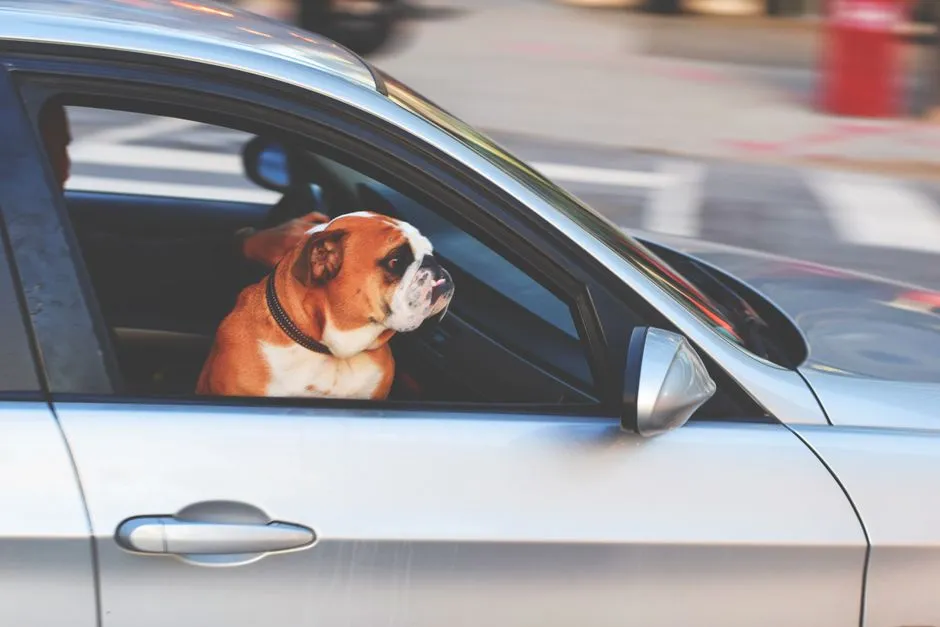
For many dogs, the car equals adventure, full stop. So when that same dog starts hesitating at the door or ducking away from the leash, something deeper is usually going on. Owners chalk it up to “He’s over car rides,” but that’s rarely the whole story.
Old dogs frequently fear slipping on car seats because their back legs have gotten weak, or they simply remember how much the last jump hurt and quietly opt out this time. Even the ones who still climb in will show it in their posture – more hunched, more rigid, less window-watching joy. Vets often call reluctance to jump into cars one of the most overlooked early signs of spinal or hip trouble.
#7 – They Stop Finishing Their Chews Or Hard Treats
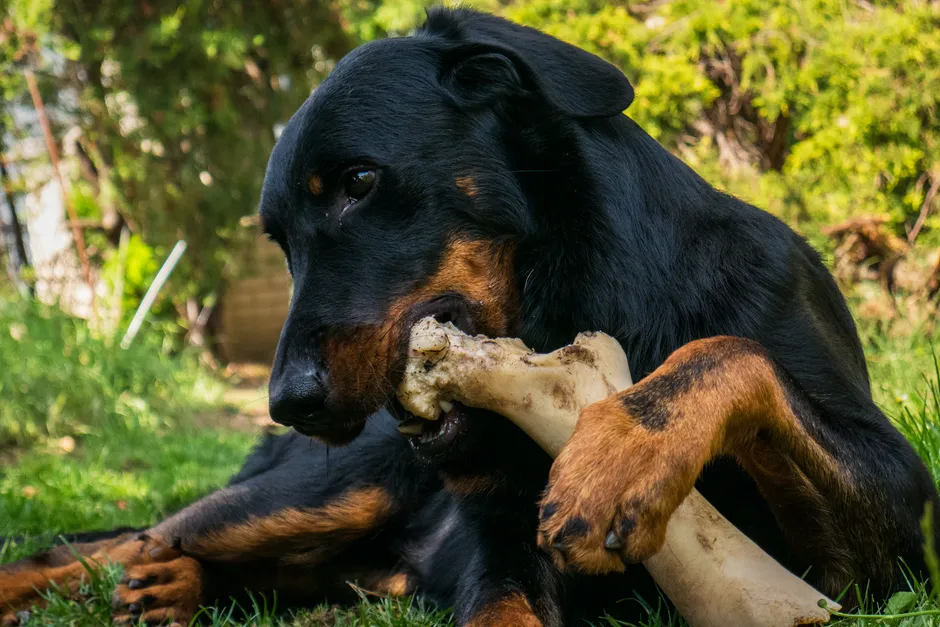
Most people assume picky eating starts with the kibble bowl. In reality, one of the earliest signs of mouth pain in older dogs is losing interest in the hard chews they used to demolish in minutes. That favorite bone gets carried around, licked half-heartedly, then abandoned in a corner.
Owners call it boredom, but gums, teeth, and jaws are usually the real culprit. Older dogs in pain will chew on one side only, or drop a treat mid-bite and simply walk away. Because they’re still eating fine at mealtimes, nobody worries – until there’s an abscess, a rotten tooth, or serious gum disease already brewing underneath.
Worth Knowing
- More than 80% of dogs over age three have some degree of periodontal disease.
- Dogs are stoic by nature, so few show obvious warning signs like drooling, pawing at the mouth, or bad breath until the problem is advanced.
- Left unchecked, oral bacteria can enter the bloodstream and damage the heart, liver, kidneys, and lungs.
- Severity tends to increase with age and is often worse in smaller breeds.
#8 – They Lose Interest In Sniffing The World Around Them
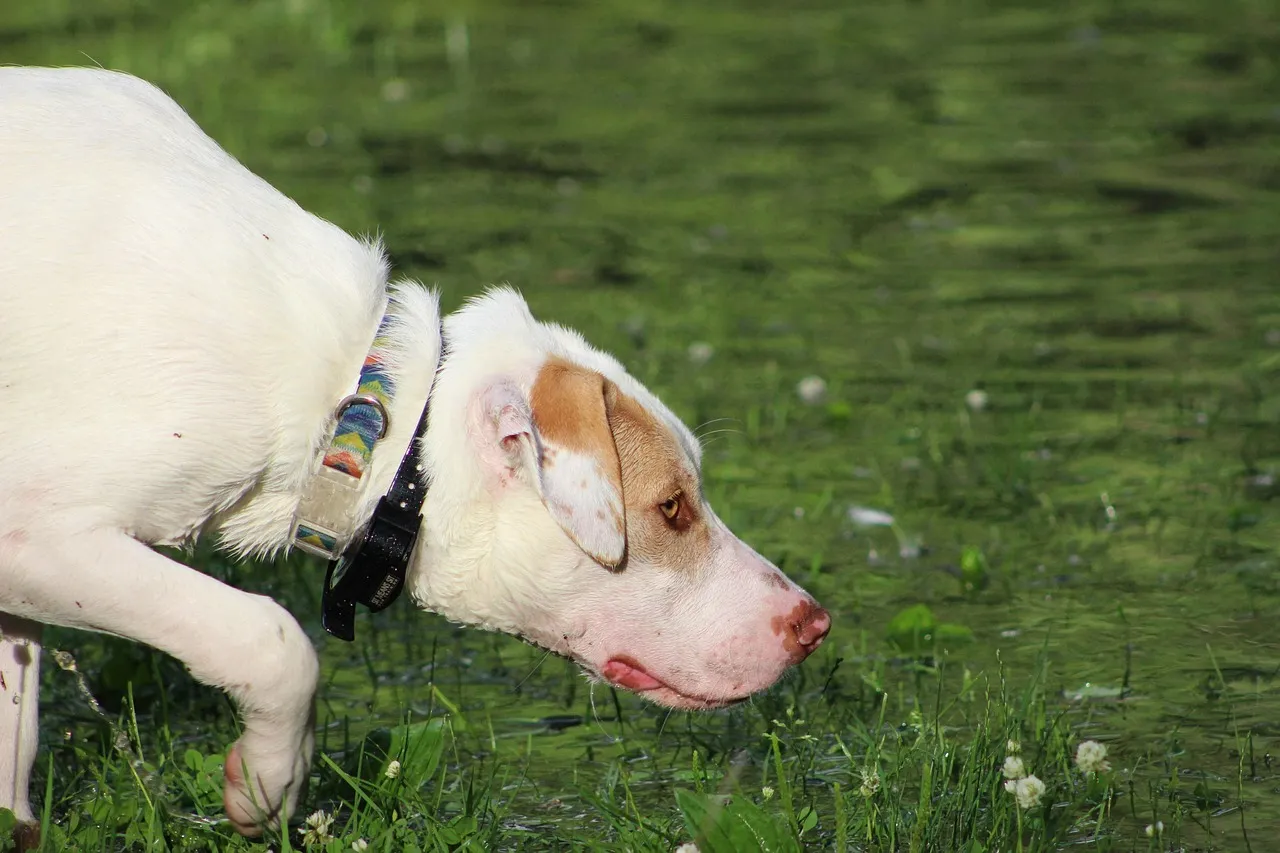
You might think your old dog is “over it” when they walk right past bushes and fire hydrants they used to investigate for minutes at a time. But a dog’s nose is their main way of reading the world, and when a lifelong sniffer suddenly stops caring, it can signal cognitive decline, depression, or a genuine change in their sense of smell.
Often they still follow the route, just trailing behind you with their head lower, skipping what used to be the main event. Some dogs even seem “lost” in familiar places, looking around more than sniffing. Many owners only clock this once indoor accidents start happening – but the brain was whispering through their nose long before that.
#9 – They Stop Reacting To Your Mood
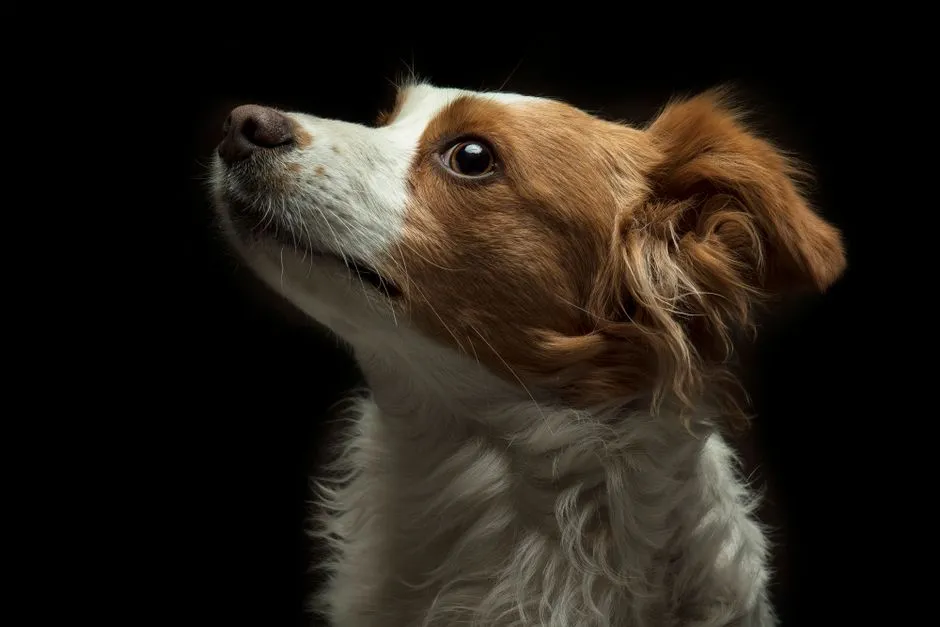
One of the quiet superpowers of dogs is how tuned in they are to us. They used to rush over when you cried or nudge you when your voice got sharp. When an old dog stops doing that, most people say, “He’s just in his own world now.” Behaviorists see it differently – it’s often a subtle early sign of cognitive dysfunction.
You’re upset, and they don’t come check on you. They stare past you instead of into your eyes. This doesn’t mean the love is gone – it can mean their brain is slower at connecting your tone and expression to a “go comfort them” response. Sometimes it’s hearing or vision loss. Sometimes it’s early doggy dementia. Either way, the emotional distance creeps in long before most owners are ready to admit something’s off.
#10 – They Gradually Stop Grooming Themselves
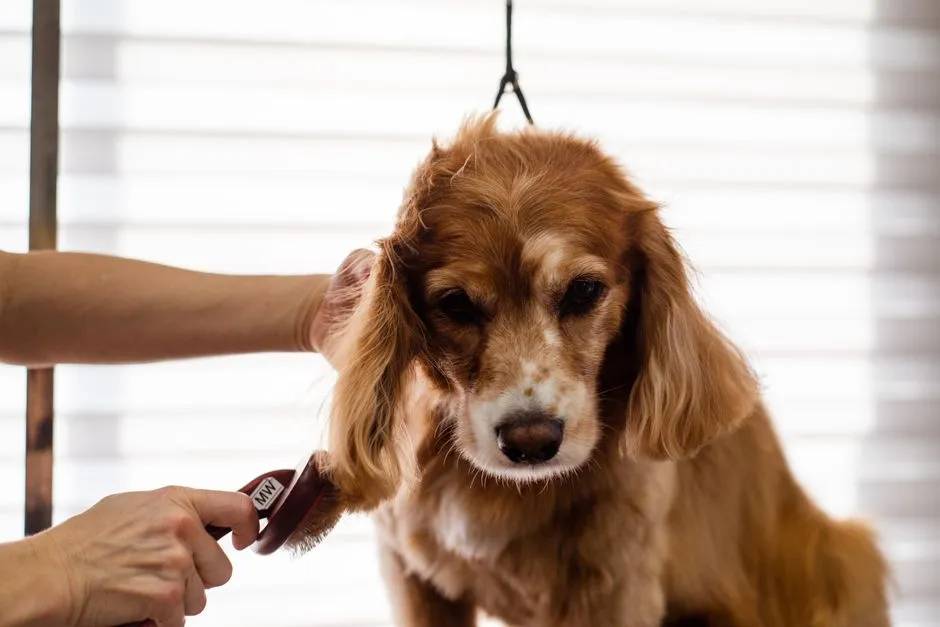
We think of cats as the self-groomers, but plenty of dogs spend real time licking paws and keeping their coat tidy. When an older dog quietly stops that basic upkeep, it’s often because twisting or bending to reach hurts now, or their brain simply doesn’t fire off that “this feels dirty” impulse as sharply anymore.
You might notice a greasier coat that mats faster, or longer stretches between shake-offs after getting wet. Owners usually blame the weather or the shampoo, without recognizing that neglected self-care is a classic aging red flag in humans and pets alike. Sometimes the first real clue is a sudden skin infection in a spot they used to keep perfectly clean.
#11 – They Stop Jumping Up To Say Hello
This is the one behavior most trainers are thrilled to see disappear – fewer muddy pawprints, fewer scratched thighs. But jumping up isn’t just bad manners; it’s often a sign of physical confidence and pure exuberance. When it vanishes in an older dog, a real piece of who they are goes with it.
Suddenly your former pogo-stick greeter just sits politely, and you assume the training finally “kicked in.” More often, they’re avoiding the movement because their back or knees hurt, or because they’re less stable and genuinely afraid of falling. Some will try to jump once, fail, and look almost embarrassed – that’s not good behavior, that’s a body quietly negotiating its limits.
#12 – They Stop Following You From Room To Room
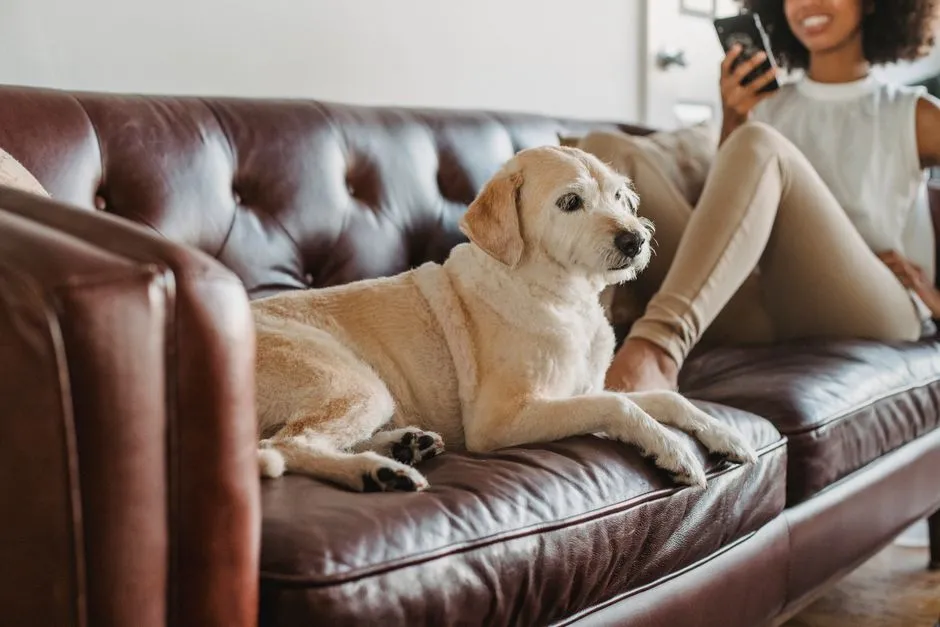
The classic “velcro dog” who once shadowed you to the bathroom now stays put on the couch when you get up. It feels like independence, but many vets say this can actually reflect both physical struggle and emotional change at once. Following you now simply costs more energy than the payoff feels worth.
Sometimes it means stairs look more intimidating than they used to, or that standing up and lying back down now takes real effort. On the emotional side, some seniors develop a kind of reverse separation anxiety – they get more anxious about being moved or jostled, so they pick one “safe zone” and stay in it. Owners misread this as their dog finally relaxing, when really the dog is quietly opting out of parts of your shared life.
#13 – They Quietly Stop Playing With Other Dogs
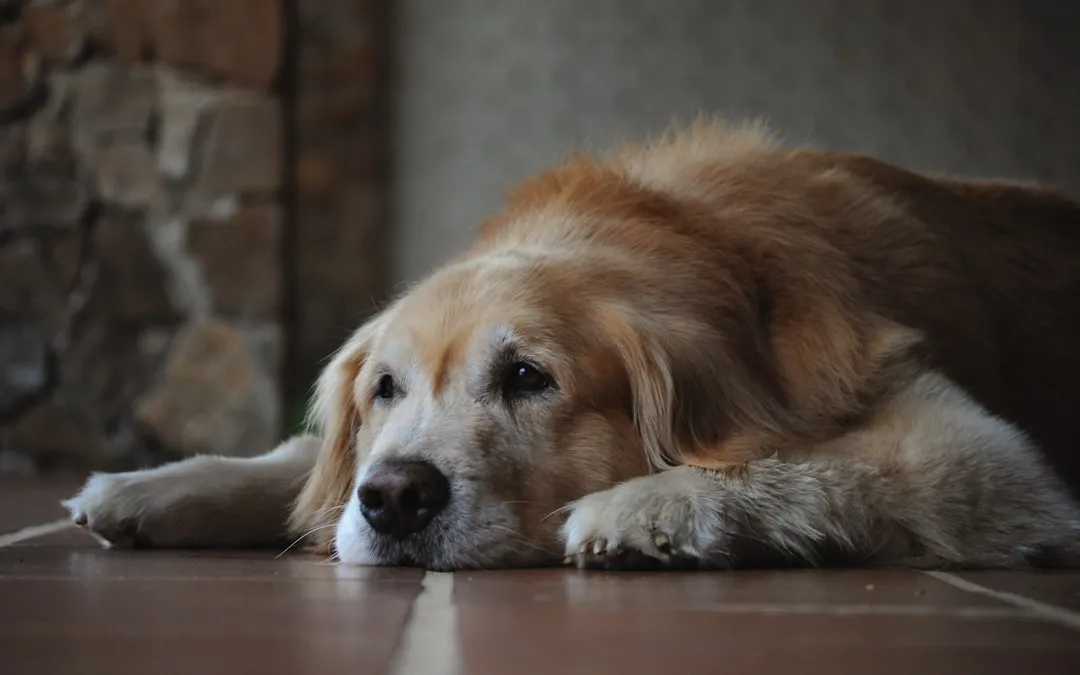
Dog parks are full of owners insisting, “He’s just anti-social now,” while their older dog hovers near the humans instead. But for many seniors, avoiding play is a protective strategy, not a personality flip – they know from experience that one bad bump or rough tackle can leave them sore for days.
So they make conservative moves: standing on the sidelines instead of joining a chase, or growling faster when another dog gets too close. Humans call this “grumpy” or “mean,” when it’s really pre-emptive self-defense. Their social world shrinks because their margin for error has shrunk too, and most owners only notice after a minor scuffle already happened.
#14 – They Stop Doing Those Big Morning Stretches
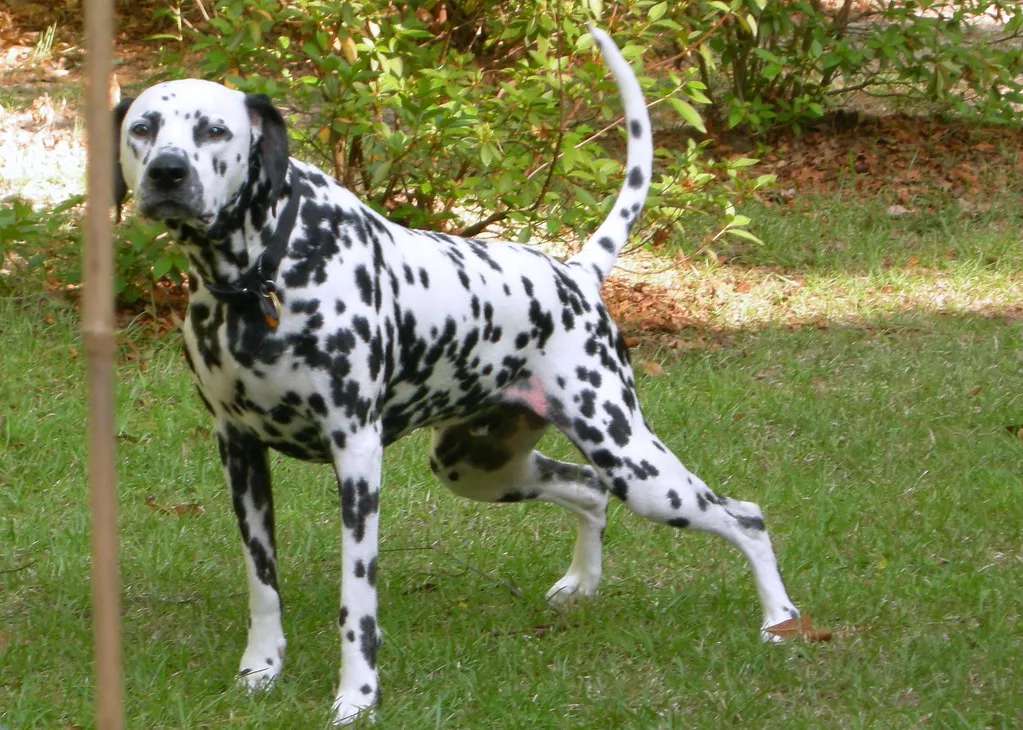
Those huge, full-body stretches your dog used to do every morning, the ones that looked like yoga poses? When those quietly disappear, it’s a massively under-rated warning sign. Stretching feels good to healthy joints and muscles – and feels risky, even painful, when arthritis or tight tendons are in the mix.
Instead of that deep bow and rear-end stretch, you start seeing a stiff, careful rise with almost no movement at all. Owners rarely notice this fading because it happens so gradually – smaller one month, gone the next. Most people only register something’s wrong once the dog yelps getting up, by which point the body has been silently limiting its own range of motion for a long time.
Quick Compare
- Normal slowing down: Naps a bit longer, prefers softer bedding, takes stairs at a slower pace.
- Time to call the vet: Yelps when standing, skips favorite treats, stops greeting you, or seems confused in familiar rooms.
- Gray area worth watching: Sudden shifts in appetite, sleep, or social behavior that stick around for more than a few days.
#15 – They Stop Asking To Play “Just With You”
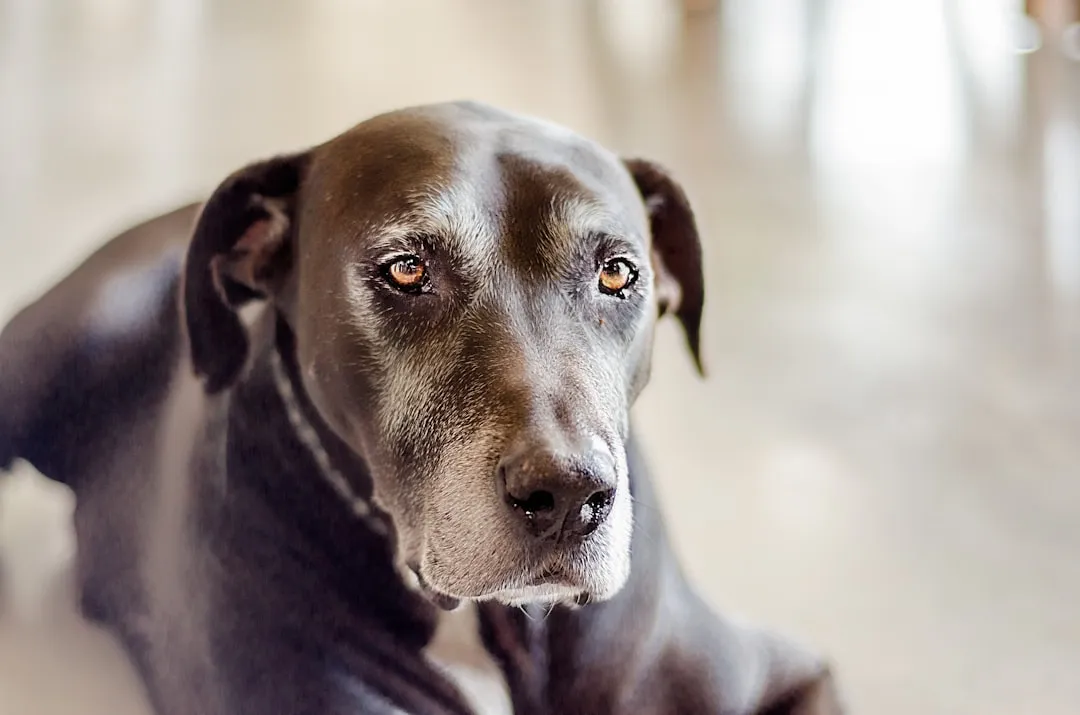
There’s a difference between a dog who doesn’t like toys and a dog who stops using you as their favorite toy. Many old dogs quietly quit initiating the goofy one-on-one games – the nudging, the pawing, the “talking” for attention. Owners call it maturing, but it’s often the slow disappearance of a private ritual that meant more than anyone realized.
That pillow fight, that chase around the kitchen island, that wrestling match on the rug – it goes quiet because the dog is too sore or tired to keep it up, or because fast movement now feels overwhelming instead of fun. The relationship shifts from “let’s be wild together” to “let’s just coexist quietly.” Some people genuinely love this calmer era, and only later wish they’d read it as a cue to support their dog’s aging body sooner.
#16 – They Stop Fearing Sounds That Used To Terrify Them
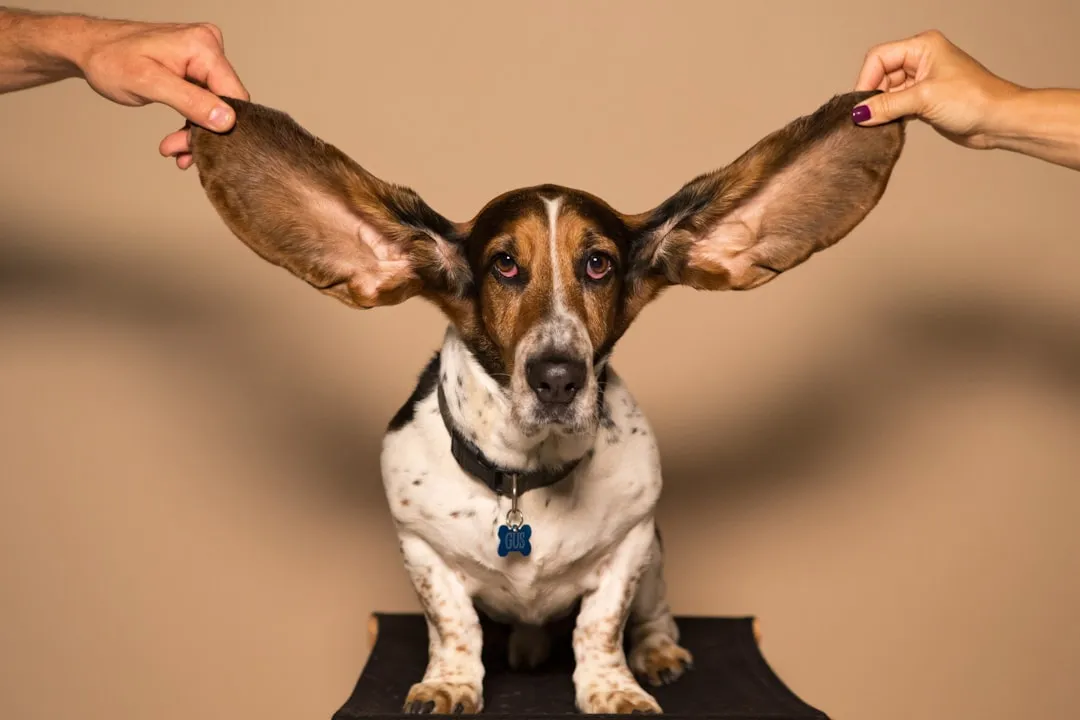
This one tricks almost everyone, because it feels like progress. Fireworks, thunder, the garbage truck – suddenly your dog just doesn’t care anymore. People proudly announce, “He finally got over his fear!” In reality, losing fear of loud noises is usually less about emotional healing and more about hearing loss or dulled sensory processing.
If a dog who used to tremble under the bed now sleeps straight through a thunderstorm, ask yourself honestly: did training actually fix this, or did their ears simply stop catching the high-pitched, distant parts of the sound? Older dogs also lose sharpness in their startle reflex, registering noises more slowly or not at all. Owners breathe a sigh of relief over a “solved” problem, when really a quieter, more serious one has just arrived in its place.
#17 – They Quietly Stop Being Themselves
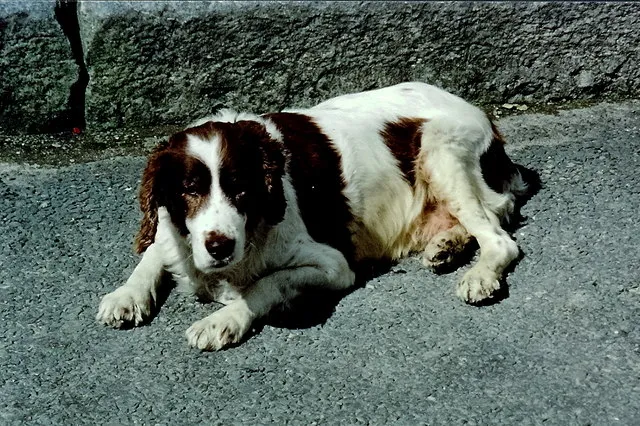
The most heartbreaking sign isn’t one specific behavior – it’s the slow, hard-to-name feeling that your dog’s spark has dimmed. They’re not obviously sick. They still eat, sleep, and walk. But the little weird things that made them unmistakably them start fading out, one at a time: the “singing” before dinner, the goofy hallway zoomies, the nightly patrol of the backyard.
Personality doesn’t vanish overnight – it gets edited down, one missing behavior at a time. This is usually the point where an owner finally says, “Something’s wrong,” but can’t point to a single change. What they’re actually feeling is the weight of years of small “stops” they never quite named until now.
The Bottom Line
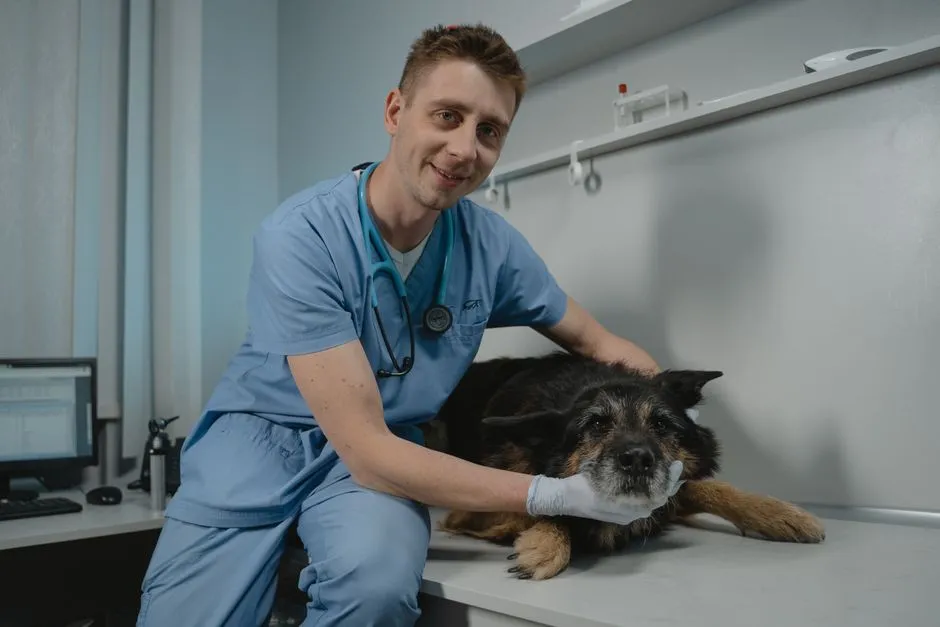
Old dogs rarely start doing scary new things first. They stop doing familiar, joyful ones – and we’re usually too relieved by the sudden calm to ask why. Less barking, fewer jumps, shorter walks, no more clinginess: on the surface, it looks like your dog has finally gotten easy.
Underneath, it’s often pain, sensory loss, or a brain working harder than ever just to keep up with a body that’s slowing down. You don’t need to panic over every small change – dogs age, and that’s not tragic on its own. But you also can’t keep filing every one of these “stops” under just getting older, because most of them have a name, a cause, and often a treatment, if someone catches them in time.
The most loving thing you can do for an old dog isn’t more belly rubs or a softer bed, though those help too. It’s noticing what’s quietly missing, and asking a vet before the silence turns into something you can’t undo.
