
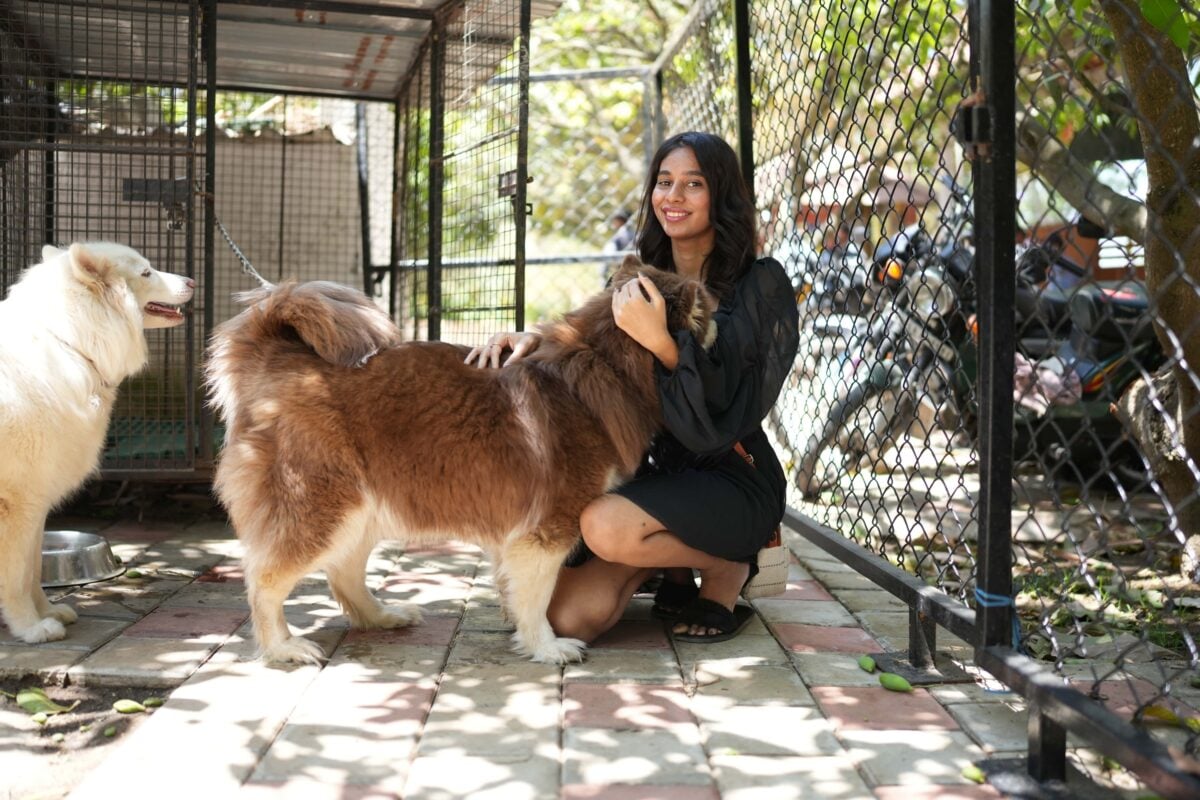
You drop the leash, sign the form, give one last scratch behind the ears, and drive off telling yourself you know exactly who your dog is. Calm. Friendly. Easy. Ten minutes later, the staff behind that front desk already know things about your dog that took you years to notice – or that you’ve never noticed at all.
This isn’t a lucky guess or a gut feeling. It’s pattern recognition built from thousands of intakes, and it moves faster than most owners could ever imagine. Here are the 16 things boarding kennel staff quietly clock before you’ve even pulled out of the parking lot – and why almost none of it makes it into the cheerful report you get at pickup.
#1 – Whether Your Dog Trusts People, or Just You
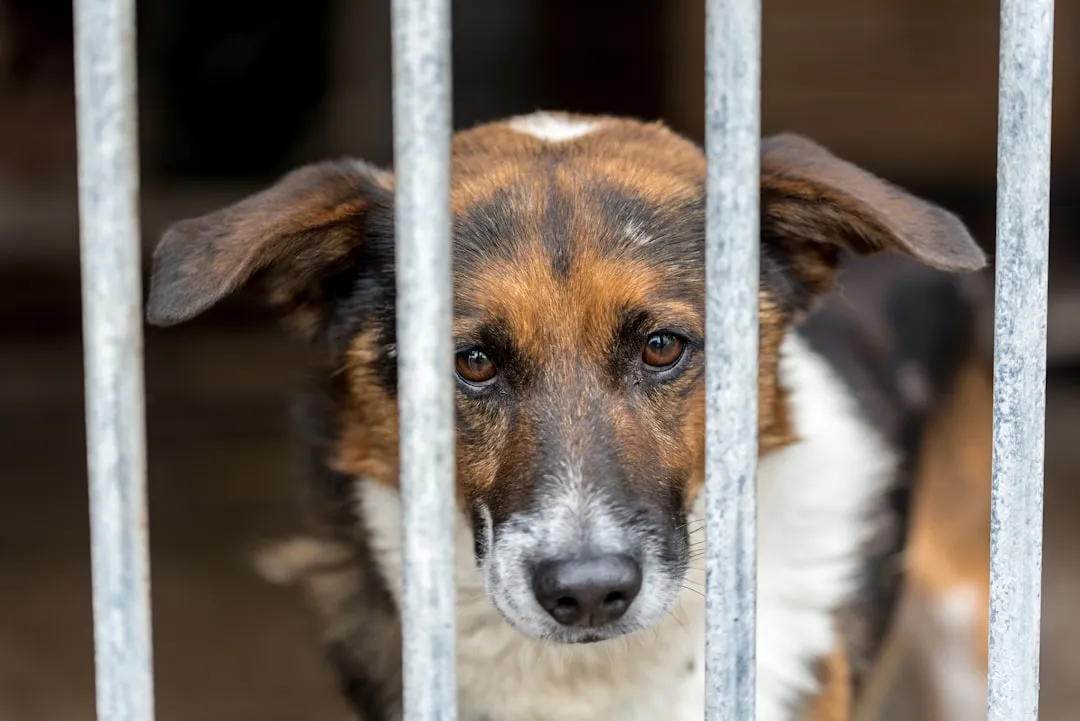
The first thing good kennel staff test, often without you realizing it, is whether your dog is socially confident or simply clinging to one person. A dog that sniffs around, checks out the room, and willingly walks with a stranger is saying, “I’m unsure, but I can handle this.” The one who freezes, pancakes to the floor, or plants their feet at the end of the leash is saying something very different: “Without my person, I’m lost.”
Owners often mislabel this as loyalty. Staff see something else entirely – an unhealthy dependency that can turn into full-blown separation distress the second you walk out the door.
Many so-called “velcro dogs” are actually under-socialized, not devoted. Kennel workers watch whether your dog accepts a gentle touch from a stranger, takes a treat in a new space, or can stop checking the door you just walked through. If a dog can’t stop scanning for you within ten minutes, staff already know the first night could be rough.
#2 – Your Dog’s Real Energy Level, Not the One You Describe

Owners love to say, “Oh, he’s pretty chill,” right before the dog hits the lobby like a furry pinball. Kennel staff clock the mismatch instantly. They watch how long your dog can stand still, how fast they move between smells, and how quickly they escalate from curious to frantic.
A dog that paces nonstop, whines, or keeps jumping to see over the counter isn’t “excited” – it’s an overstimulated dog with poor off-switch skills. That matters for how they’ll cope in a kennel run.
Fast Facts
- True calm looks like pausing, sniffing, then settling – not just moving slower.
- Nonstop pacing or jumping usually signals stress, not happy excitement.
- A dog that can lie down within a few minutes has better self-regulation.
- High-drive dogs can still be “easy” if they know how to switch off.
By contrast, the dog who quietly explores, then settles on a mat or lies down near the staff, has better self-regulation, even if they’re high-drive at home. When a dog can’t stop moving long enough to eat a treat, staff know they’re not just “high energy” – they’re running on anxiety.
#3 – Who’s Actually in Charge: You or the Dog
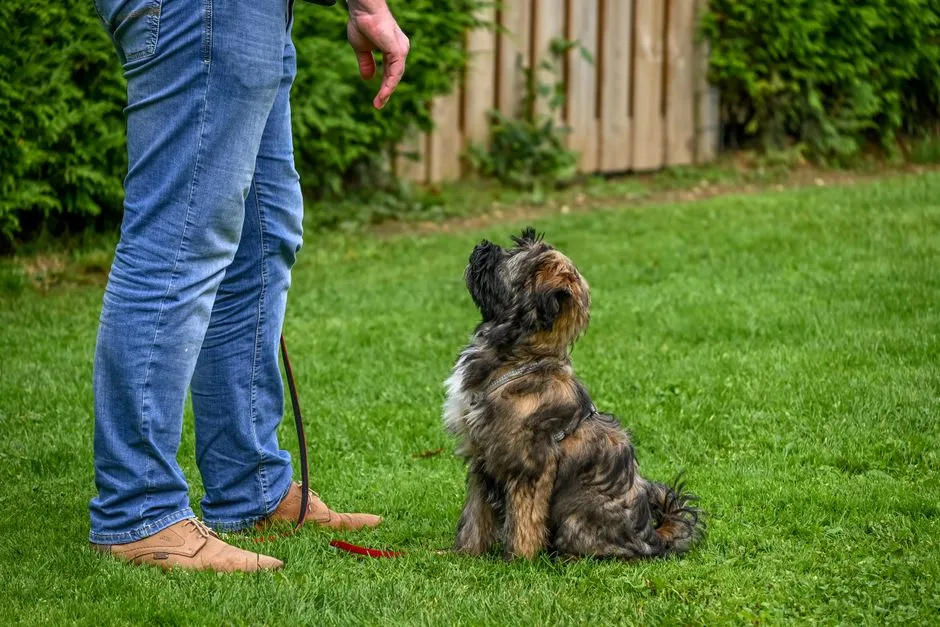
Most people swear their dog is “well trained.” Kennel staff don’t listen to you – they watch the leash. Does your dog blast to the end of it the second you step through the door? Do they ignore basic cues in a new environment? That’s the real litmus test.
A dog that looks to you for direction, slows when you slow, and responds to a quiet “sit” amid lobby chaos is showing genuine handler focus. The one dragging you sideways while you apologize? That’s a dog running the show.
Here’s the part few owners like to hear: dogs that control their humans at the front desk tend to challenge boundaries in the kennel too. They test gates, bark whenever staff pass by, and can guard bowls or beds. Those tiny front-desk moments tell workers who’ll be easy to manage – and who will push every single rule.
#4 – Your Dog’s True Social Skills With Other Dogs

Owners often insist, “He loves all dogs,” based on a handful of friendly park trips. Boarding staff know better. In those first ten minutes, they’re reading micro-signals – does your dog stiffen when they smell where another dog just was? Do their ears prick and their body lean forward at the sound of barking, or do they calmly observe?
A dog can “play” and still have terrible social boundaries, and kennel workers spot it long before any off-leash meet ever happens. Even how your dog reacts to the lingering scent on a staff member’s clothes says a lot – a curious sniff versus instant hackles up.
If a dog locks in with a hard stare or ignores calming signals in those first few minutes, staff already know they’re not group-safe. This is why some dogs never get group time, no matter what the owner insists at the desk.
#5 – Hidden Anxiety You’ve Normalized at Home
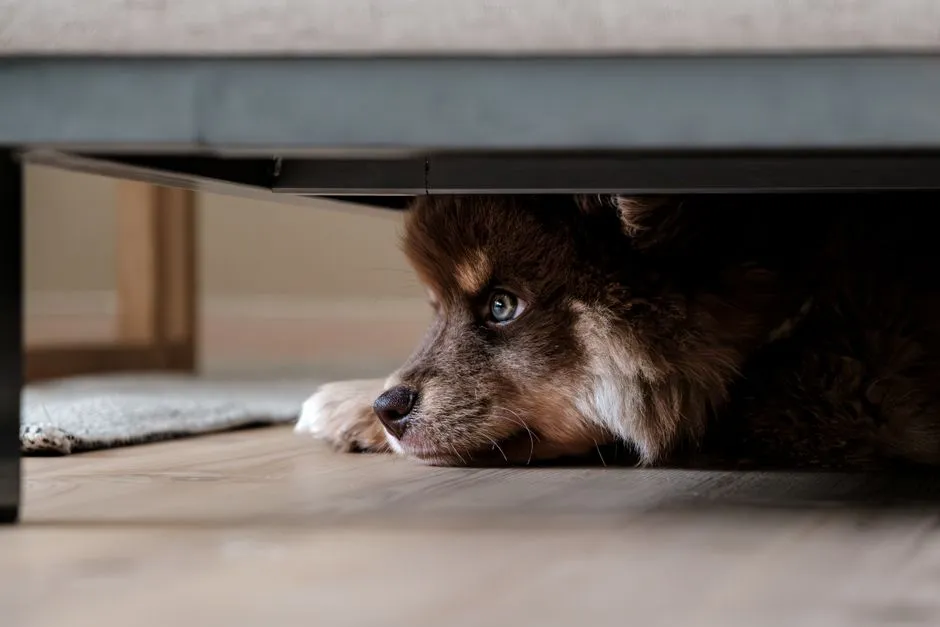
Many owners are so used to their dog’s quirks they’ve stopped seeing them as anxiety. Kennel employees haven’t. They notice the constant lip-licking, the yawning that has nothing to do with sleep, the way your dog shakes off like they’re wet even though they’re bone dry.
If a dog can’t take a high-value treat in those first minutes, staff immediately flag “high stress” – no matter what you called it in the car. You might say “excited.” The body is saying something else.
They also spot the panic behaviors you’ve probably shrugged off for years – claws scrabbling near the exit, a head whipping toward every sound, pupils blown wide in normal light. Chronic anxiety like this can snowball into diarrhea, self-injury, and even kennel cough susceptibility, which is exactly why a dog who can’t relax long enough to sniff the room worries staff before the leash is even off.
#6 – Pain and Physical Issues You’ve Completely Missed

This is the part that quietly breaks a lot of staff. They watch your dog walk for ten seconds and think, “How has no one checked that hip?” Limping, toe-touching, or short choppy strides show up clearly on slick kennel floors, even when they’re invisible on your living room carpet.
Dogs who “never complain” at home often reveal serious pain the moment they have to walk a new surface or climb a ramp. Staff notice the flinch when a collar is adjusted, the snap when an ear is brushed, the dog who drinks obsessively but still seems restless.
They’re not vets, but experienced staff build a pattern list in minutes flat. If your dog moves like an old dog but is only five, kennel staff notice long before most owners do – and more than a few have quietly thought, “Your dog’s not grumpy, your dog hurts.”
#7 – How Well Your Dog Handles Being Touched, and Where

Most people only see how their dog handles being touched by them. Kennel workers see how they handle it from strangers, under mild stress, in a brand-new place. It’s a completely different test.
During intake, staff gently check collars, harnesses, and body contact out of necessity. The dog who enjoys petting at home but stiffens the second a new hand reaches for their side is quietly telling the truth – they’re not nearly as easygoing as advertised.
Staff map out “green” and “red” zones fast: ears without a head whip, paws without a snatch, a harness adjustment without a growl. When a dog air-snaps just from a collar touch in minute eight, staff know grooming, medical care, and even cleaning the run will require serious caution.
#8 – Whether Food Will Calm Them or Trigger a Problem

Within ten minutes, staff often offer a tiny treat. It isn’t just kindness – it’s a test. A food-motivated dog who takes it gently, then relaxes a little, is easier to guide through stress.
A dog that won’t eat, even something irresistible, is usually not “picky” – they’re overwhelmed. On the flip side, scarfing treats so fast they cough, or snapping at fingers, can signal resource guarding or poor impulse control.
Quick Compare
- Relaxed eater: takes the treat gently, softens afterward.
- Overwhelmed refuser: ignores even high-value food entirely.
- Frantic gulper: snaps or chokes down treats too fast.
- Bowl guarder: stiffens or freezes if another dog nears food.
Staff also clock how your dog behaves around bowls and water – hovering possessively, splashing and tipping everything, or ignoring water entirely even while panting. If your dog freezes when another dog walks by a food bucket, even at a distance, staff already know meal times could be a flashpoint.
#9 – How Your Dog Reacts When You Actually Walk Away

The most revealing moment isn’t check-in – it’s the second you disappear. Most owners are out the door before the real show even starts. Kennel staff watch that first 60 to 120 seconds like a hawk.
Some dogs whine for a moment, then start exploring. Others slam into the run door, scream, and climb the walls. A dog’s first reaction after you leave is one of the best predictors of how they’ll sleep, or not sleep, that first night.
Here’s the twist most owners don’t expect: the dogs who completely shut down – curling into a corner, refusing to move – worry experienced staff far more than the loud screamers do. Shut-down dogs look “quiet,” but they often carry the deepest stress load in the building.
#10 – Your Dog’s Noise Sensitivity and Startle Threshold
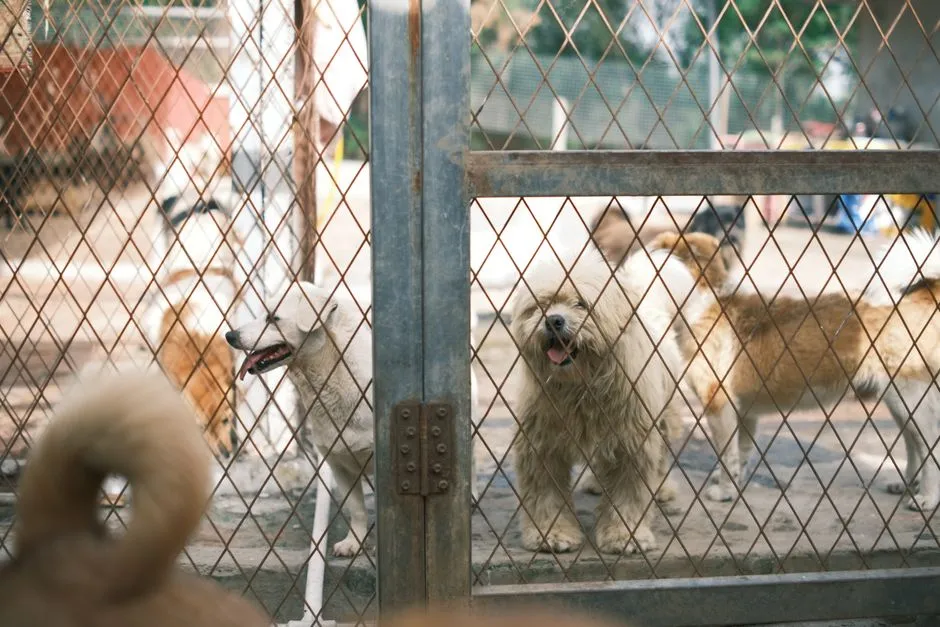
Kennels are loud. Metal gates, barking, dryers, doors slamming – none of it is subtle. Staff pay close attention to how your dog reacts when the first big noise hits.
Does a dropped clip or a barking chorus send them scrambling, or do they pause, then recover? A dog that startles at every sound and can’t bounce back is at high risk for constant stress – and owners rarely see it, because home is so much quieter.
Here’s the kicker: some dogs marketed as “bombproof” in training crumble the moment real kennel noise hits. If your dog can’t tune out even low-level background sound, staff know the stay might feel like living inside a constant thunderstorm.
#11 – If Your Dog Is a Fence-Jumper or Gate-Tester
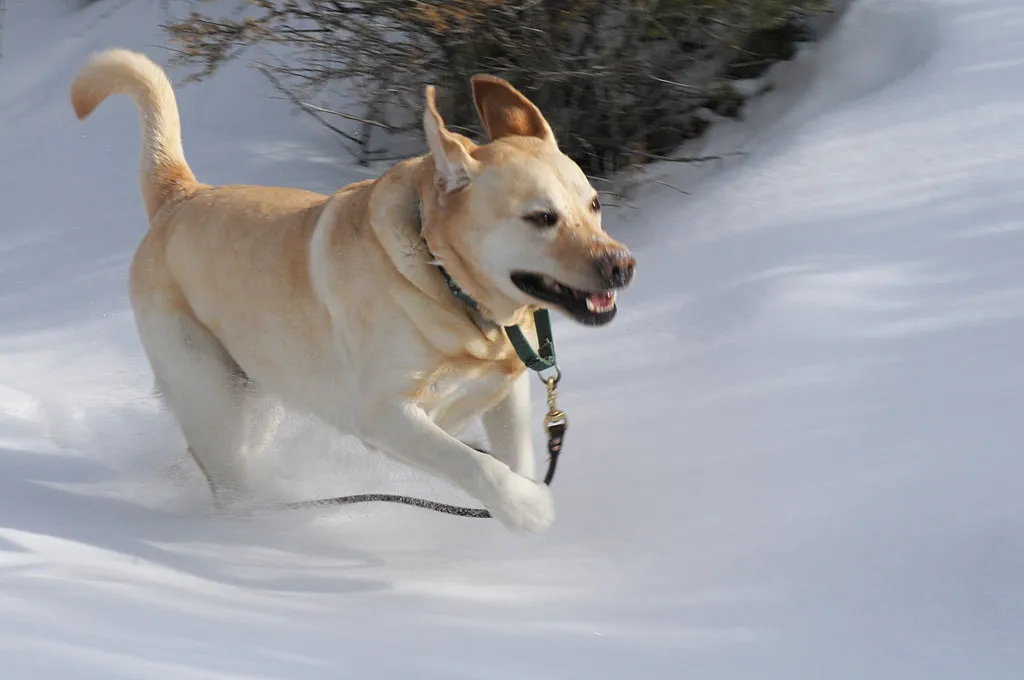
Escape artists reveal themselves fast. Within ten minutes, kennel staff can tell which dogs are scanning for exits and which simply accept the boundaries in front of them. They notice who noses every latch, jumps to see over barriers, or angles their body to slip through the smallest gap.
A dog that casually tests every corner of the run isn’t “curious” – they’re a flight risk. That often means extra safety measures you’ll never even hear about at pickup.
Worth Knowing
- Nose-to-latch testing is one of the earliest escape-risk signals.
- Jumping to see over barriers often precedes actual fence attempts.
- Angling the body toward small gaps is a classic pre-escape move.
- High-risk dogs are often double-clipped or given reinforced housing.
It’s not personal, it’s pattern recognition – kennels quietly double-clip, add carabiners, or adjust housing for these dogs behind the scenes. If a dog is already evaluating vertical surfaces like climbing holds in minute five, staff know they’re dealing with an escape strategist, not a pet rock.
#12 – How Much Mental Stimulation Your Dog Actually Gets at Home

You can’t fake this one. Within minutes, workers see whether your dog knows how to self-entertain, or panics the second nothing is happening. A dog used to constant TV, chatter, and attention at home often struggles the moment the world stops revolving around them.
Dogs that immediately shred bedding, spin, or bark nonstop at nothing are often mentally under-worked, not “high drive.” The dogs who calmly investigate a Kong, chew a toy, or lie down after the initial excitement usually get real enrichment at home already.
If a dog has no idea what to do with downtime, kennel life can feel like torture by boredom – and staff can see that truth within minutes of the leash coming off.
#13 – Whether Your Dog Is Quietly Guarding You
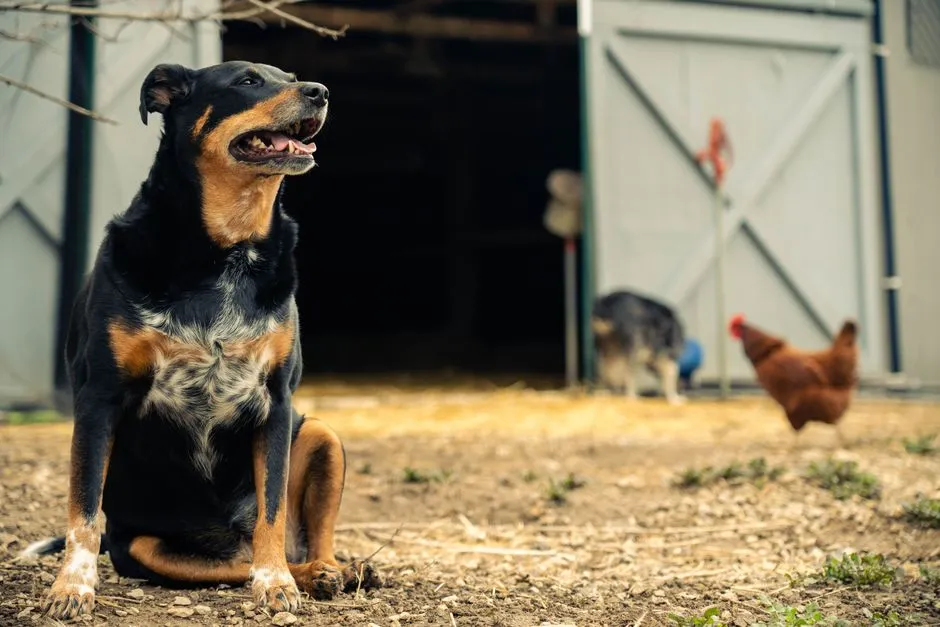
One of the most misunderstood behaviors shows up right at the front desk: owner-guarding. Many people mistake it for shyness. Staff see the difference immediately.
A dog who hides slightly behind your legs but relaxes when staff give space is just cautious. A dog who plants themselves between you and the staff, stares hard, or leans on you while growling under their breath is saying something else entirely: “Back off, this human is mine.” That’s not protectiveness – that’s resource guarding, with you as the resource.
Once you leave, many of these dogs instantly mellow out. When a dog is only “grumpy” while their owner is in sight, staff know the dog isn’t the only one driving the behavior – your own reactions matter too.
#14 – How Well Your Dog Recovers From Stress, the Real Temperament Test
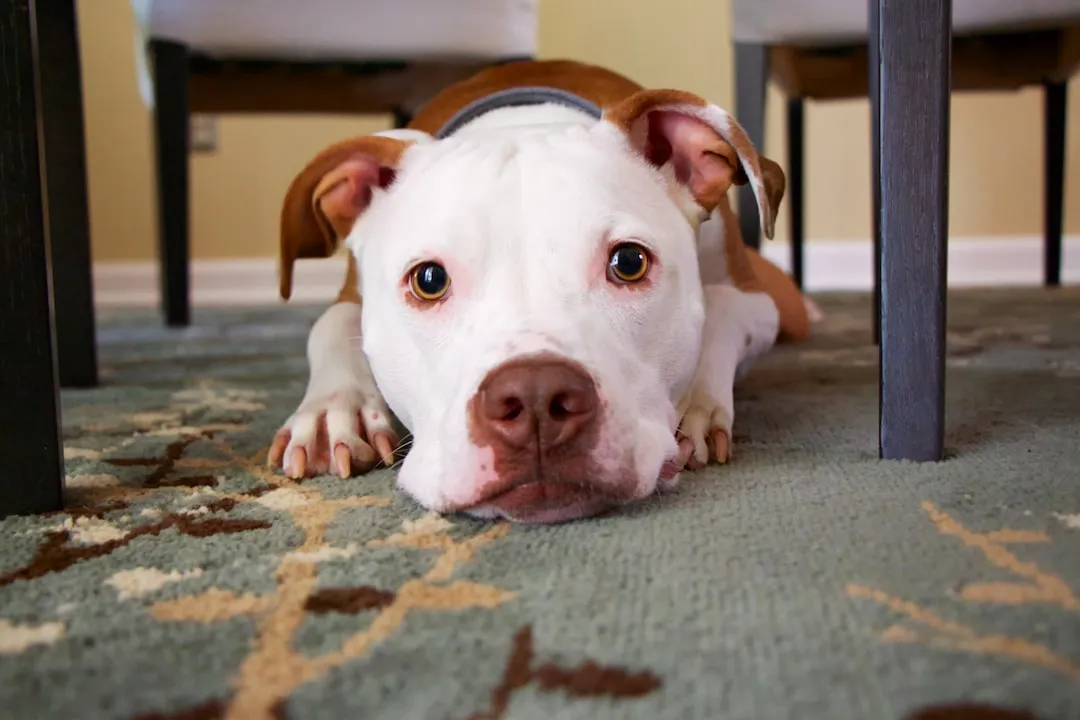
Every dog gets stressed in a new kennel. The real question isn’t if they stress – it’s how fast they recover. In ten minutes, staff watch the full mini-arc: intake nerves, the owner goodbye, the first walk to the run, the first door shut.
Does your dog go from a 9-out-of-10 panic down to a 5 out of curiosity, then maybe a 3 and a sigh and a lie-down? Or do they stay pinned at a 9 the whole time? Recovery speed is one of the most important temperament markers, and almost no owner ever asks about it.
Staff remember which dogs can bounce back and which can’t, sometimes more clearly than they remember breed or age. A dog who can come down from stress within minutes is actually more stable than a dog who rarely gets upset but never recovers once they do.
#15 – How Honestly You’ve Been Describing Your Dog
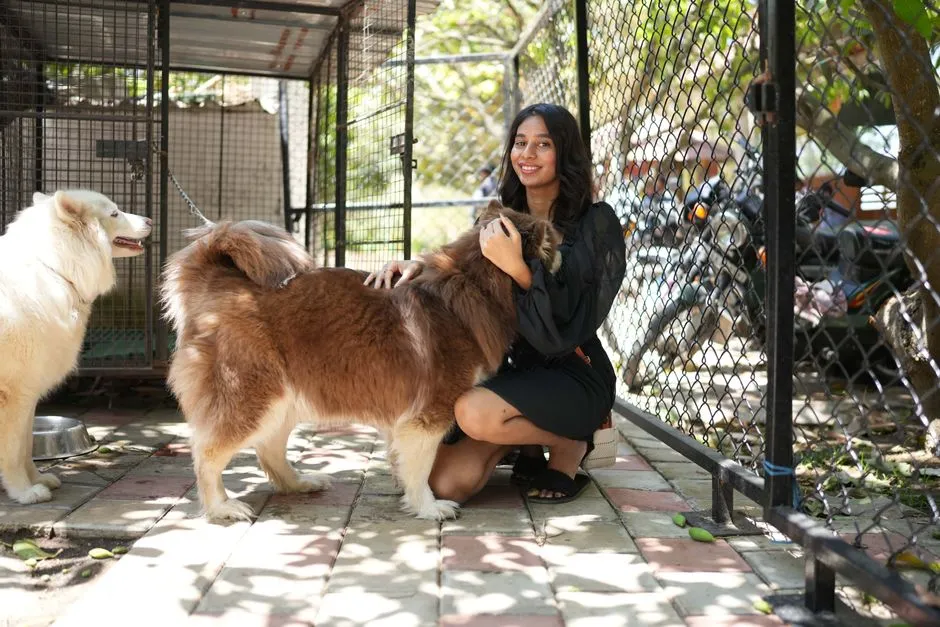
Here’s the brutal insider secret: kennel staff can tell within ten minutes if you’ve sugarcoated your dog. The form says “good with all dogs,” but your pet is already hard-staring every bark in the building. “Never bites,” yet they air-snap at a simple collar touch. “Not anxious,” while they pant, drool, and claw desperately toward the door.
Give us the truth about your dog, and we can plan for it. Give us a fantasy, and we find out the hard way.
Common sentiment among boarding and kennel staff
The gap between your description and reality is one of the biggest risk factors staff have to manage. They’re not judging you for having a difficult dog – they’re frustrated when they aren’t given the truth, because honest notes like “can be reactive on leash” are what actually keep everyone safe.
#16 – Whether Your Dog Will Actually Enjoy Boarding or Just Survive It
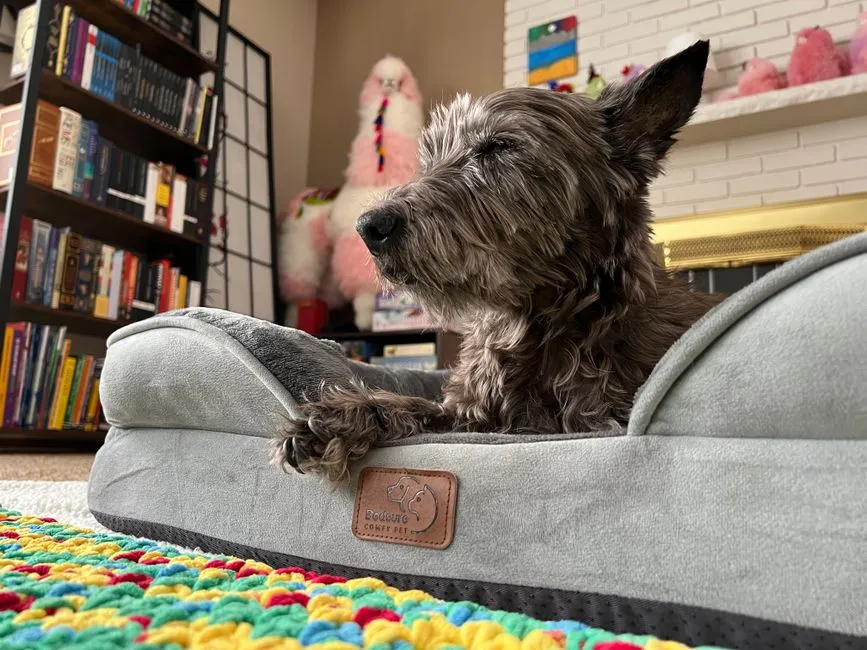
In the end, kennel staff aren’t just asking, “Will this dog cope?” They’re asking, “Could this dog actually have a good time here?” And the first ten minutes are surprisingly predictive.
Some dogs adjust within moments – sniffing, tail neutral, curious about the neighbors, willing to play with a toy. Those are the dogs that often come home more confident than when they left. Others go into a tight stress loop that never really breaks for the entire stay.
At a Glance: The Three Groups
- The Vacationers: settle fast, explore, and often thrive socially.
- The Tolerators: cope adequately but never fully relax.
- The Barely-Coping: stuck in stress mode for most of the stay.
Staff quietly sort every dog into one of three groups: the vacationers, the tolerators, and the barely-coping. Owners usually get a cheerful, edited version at pickup. Whether boarding is a growth experience or a necessary evil for your dog is often obvious to staff before you’ve even reached your car.
The Bottom Line
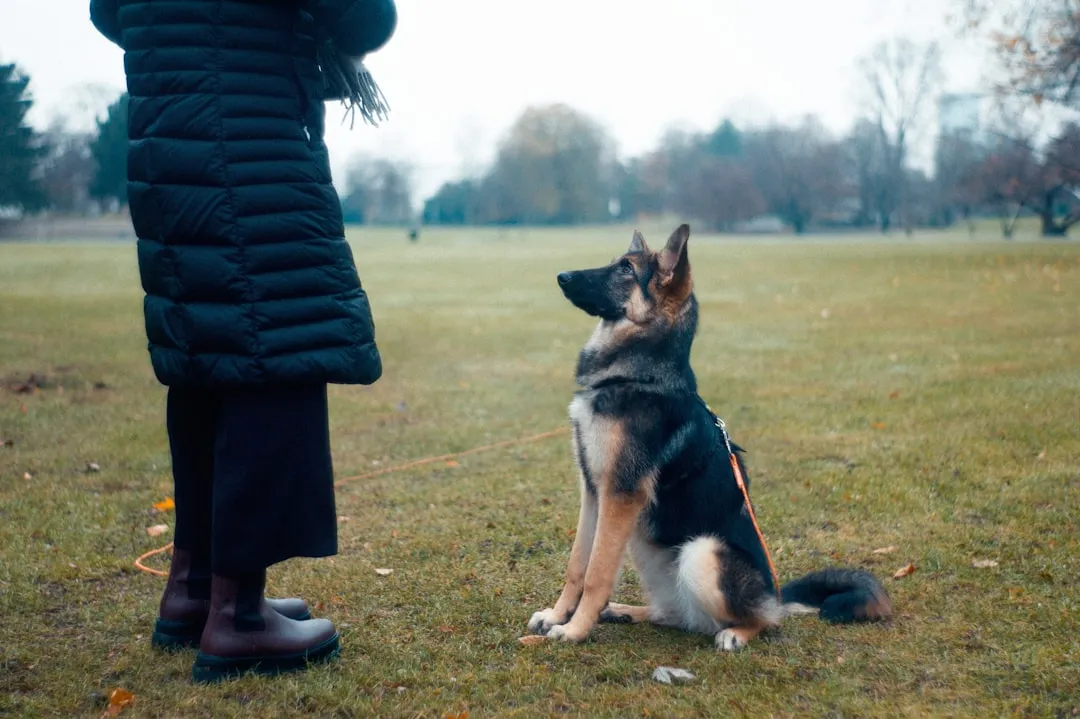
In those first ten minutes, boarding kennel staff see a version of your dog you rarely do – stripped of home routines, social crutches, and your explanations. They learn if your dog is truly social or just tolerant, confident or clinging, stable or teetering on the edge.
They catch pain you’ve missed, anxiety you’ve normalized, and behavior you’ve been unintentionally rewarding for years without ever realizing it.
The uncomfortable truth is that many dogs are far less “easy” than their owners believe, and far more readable than most people realize. This isn’t about shaming owners. It’s about closing the gap between what you think your dog is like and how they actually cope when life gets real.
If you’re brave enough to ask kennel staff what they really see in those first ten minutes, and actually listen to the answer, it might change how you train, exercise, and advocate for your dog for the rest of their life. So – what do you think they’d say about yours?
