
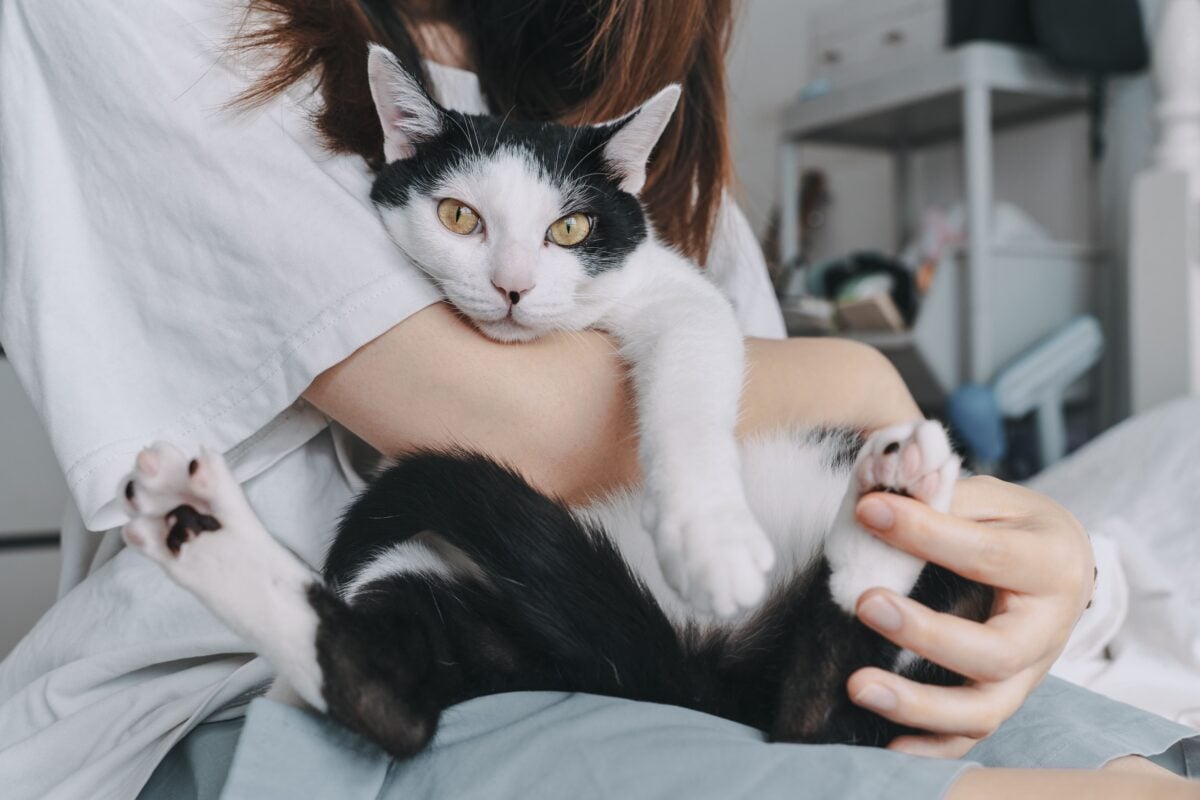
Most people picture a dying cat as suddenly, dramatically sick – collapsing, refusing food, impossible to miss. That’s almost never how it actually happens. Cats are quiet negotiators with pain and decline, wired by instinct to hide weakness from predators, from rivals, and yes, from us.
The real goodbye usually arrives in whispers: a slightly softer meow, a new nap spot, a food bowl that isn’t quite empty anymore. Most owners don’t catch these signals in real time. They piece it together weeks or months later, flipping through old photos or replaying small moments that suddenly make painful sense. If you’ve ever wondered whether you missed your own cat’s early signs, or worried you might miss them next time, this list is for you – nineteen quiet clues that vets and lifelong cat people say matter more than anyone realizes at the time.
#1: Subtle Changes in Daily Routine
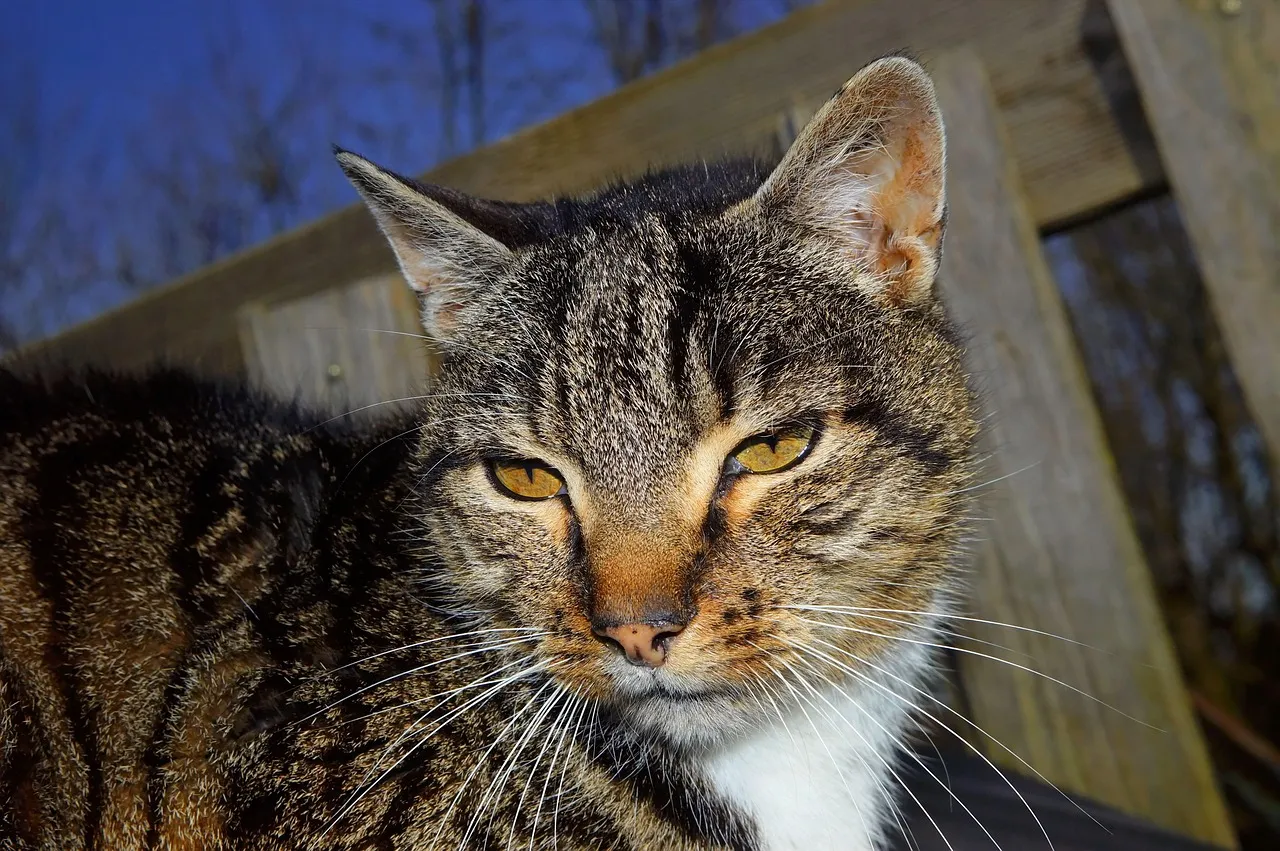
It often starts with something so small you almost shrug it off: your cat skips the usual window patrol, or doesn’t meet you at the door anymore. A senior cat who begins quietly dropping pieces of their long-held routine can be signaling that they’re winding down, not just “having an off day.”
Maybe the morning zoomies vanish, or the predictable 6 p.m. demand for dinner turns into mild indifference. Many owners only realize later that their cat had been slowly removing themselves from the noise and motion of the household. A reduced interest in long-standing habits can point to:
- Less physical energy than before
- A quiet shift in emotional engagement with the family
One lazy day isn’t a crisis. But a soft, steady pattern of “less and less of what they always did” can be one of the very first goodbye whispers.
#2: Sleeping in New, Hidden, or Unusual Places
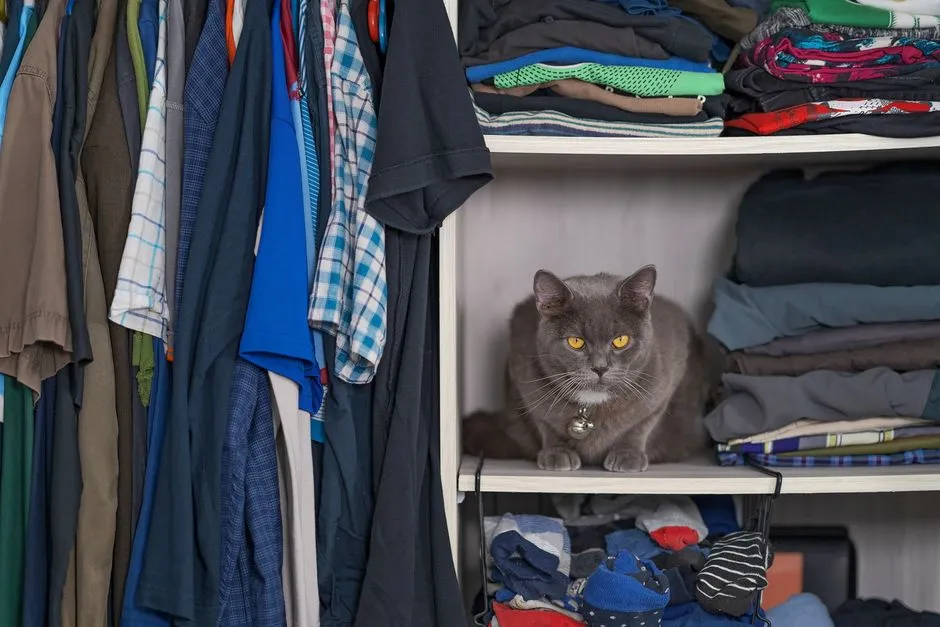
When an ageing cat suddenly trades their favorite sunny windowsill for a dark closet or a spot behind the couch, it can look like a quirky new preference. It usually isn’t. Many experienced vets say cats nearing the end instinctively seek secluded, low-traffic spaces, avoiding noise, light, and disruption.
It’s easy to think, “Oh, she just found a new nap zone,” when really your cat is asking for safety and stillness. Watch for:
- Leaving favorite warm spots for darker, more protected areas
- Sleeping further away from the family or other pets
This doesn’t mean the end is imminent, but it does mean your cat’s comfort needs have shifted. For many cats, this happens weeks or months before anything dramatic follows.
#3: Eating Less, Quietly and Not Dramatically
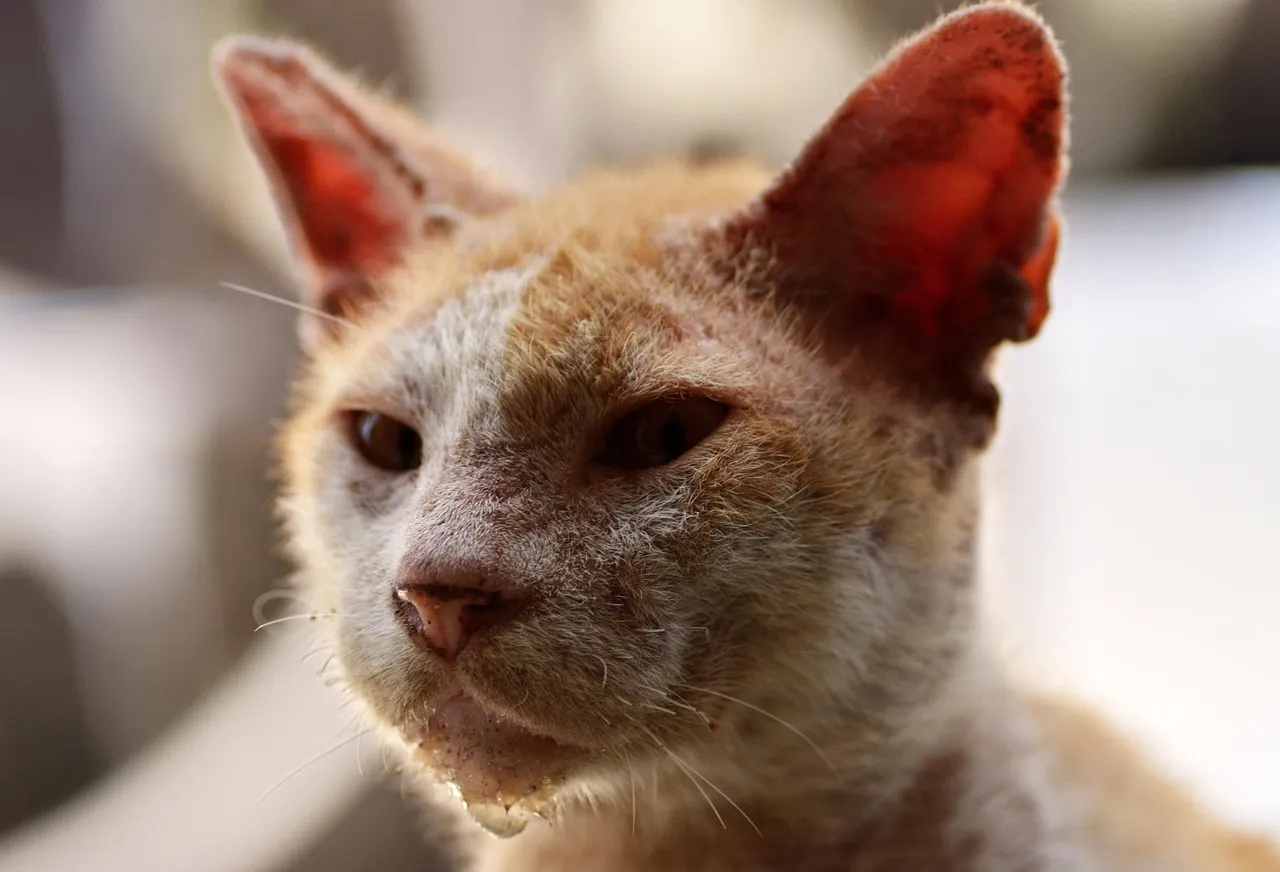
Most people expect a dying cat to stop eating overnight. In reality, the early sign is usually much gentler: a cat who finishes 80% of their usual portion instead of 100%, or walks away from a bowl they’ve loved for years. They may still show interest in food, just less follow-through.
Ageing cats can eat less because of:
- Slower metabolism and reduced activity
- Nausea, dental pain, or organ decline
Worth Knowing
- A cat who sniffs food and walks away is telling you something different than one who ignores it completely
- Track portions over a full week, not a single meal, to see the real pattern
- Sudden refusal of a longtime favorite food often points to dental pain or nausea, not pickiness
- Weight loss paired with reduced eating is far more telling than either sign alone
Owners often chalk it up to “she’s just picky today” – until they look back and remember weeks of slightly smaller meals. The pattern matters more than any single skipped bowl.
#4: Weight and Muscle Loss You Only Notice in Old Photos
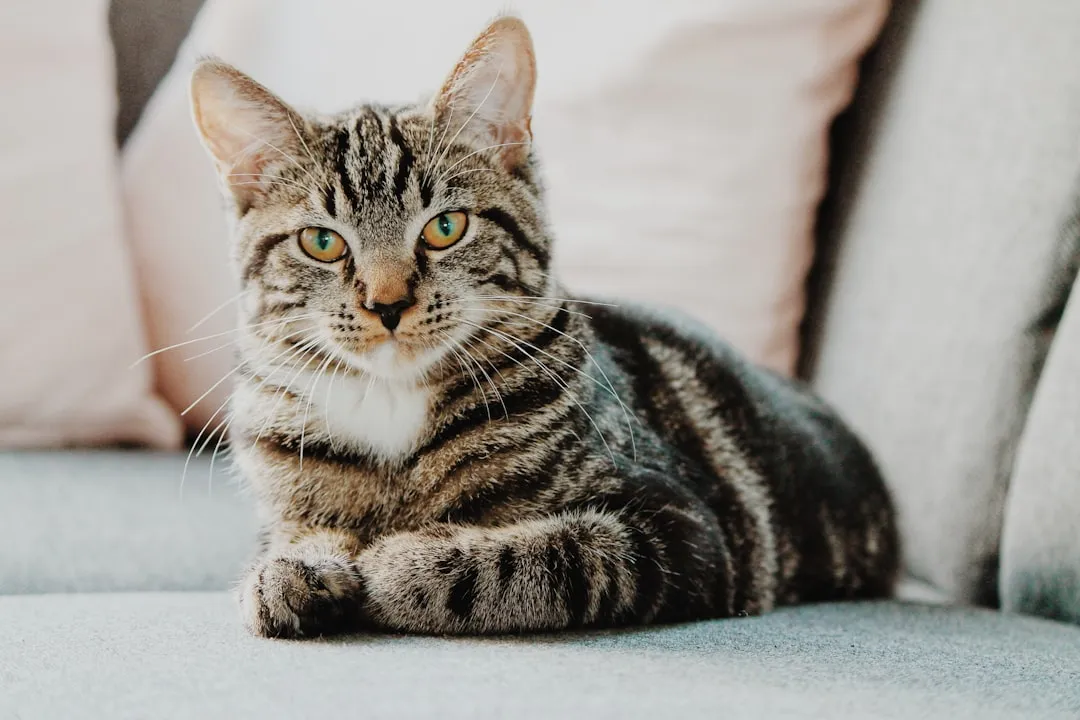
One of the most common regrets owners share is not realizing how thin their cat had become until they saw an older picture side by side. Fur hides a lot. Underneath it, senior cats can lose significant muscle mass along the spine, hips, and thighs without anyone noticing in real time.
Run your fingers along the spine and hips. Do the bones feel sharper than they used to? This kind of slow wasting is often tied to kidney disease, hyperthyroidism, or general frailty. On its own it isn’t the end, but paired with other changes, it’s a quiet sign your cat’s body has stopped rebuilding what it loses.
#5: Grooming Less and Letting Their Coat “Go”
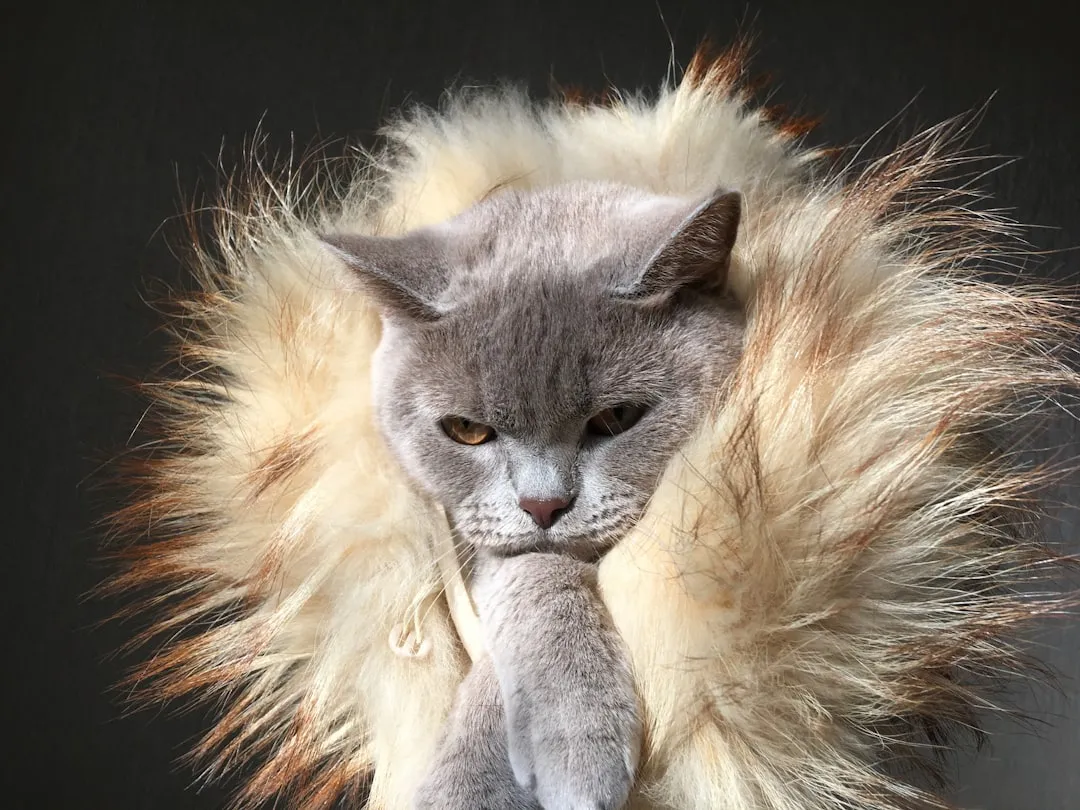
Most cats are obsessive groomers, almost vain about it. So when an older cat suddenly looks unkempt – a dull coat, small mats, greasy fur along the back – it’s rarely laziness. More often, they either don’t feel well enough or aren’t flexible enough to keep up their usual standards.
Pay attention if:
- The hindquarters and lower back become especially messy
- You notice dandruff, mats, or an unusually strong odor
Sometimes grooming itself hurts arthritic joints, or nausea and fatigue simply take over. Many owners later wish they’d read a scruffier coat as a message instead of just “getting old.”
#6: Seeking More Physical Closeness Than Ever Before
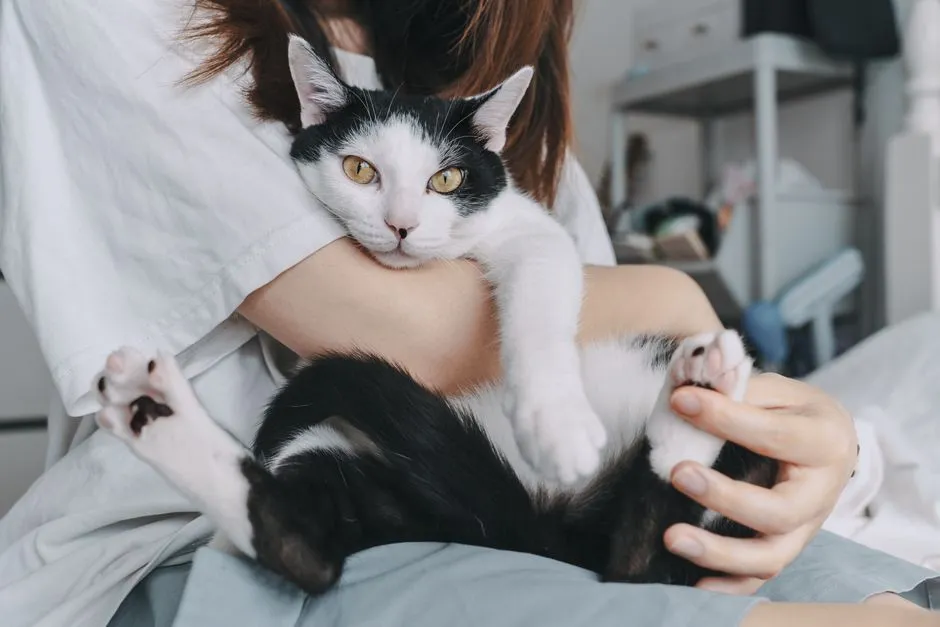
Not every goodbye sign looks like withdrawal. Some ageing cats do the exact opposite – they become clingy in a way that feels almost desperate. A once-independent cat who suddenly insists on your lap, trails you room to room, or sleeps pressed against your chest may be seeking comfort because something doesn’t feel right, even without an obvious crisis.
This shift is especially telling when it’s out of character. If your “love me, but at a distance” cat suddenly can’t stand being away from you, it can feel beautiful and quietly alarming at the same time. Many owners describe it later as “he was trying to soak up every last second with us.”
#7: Or Withdrawing From Affection They Used to Crave
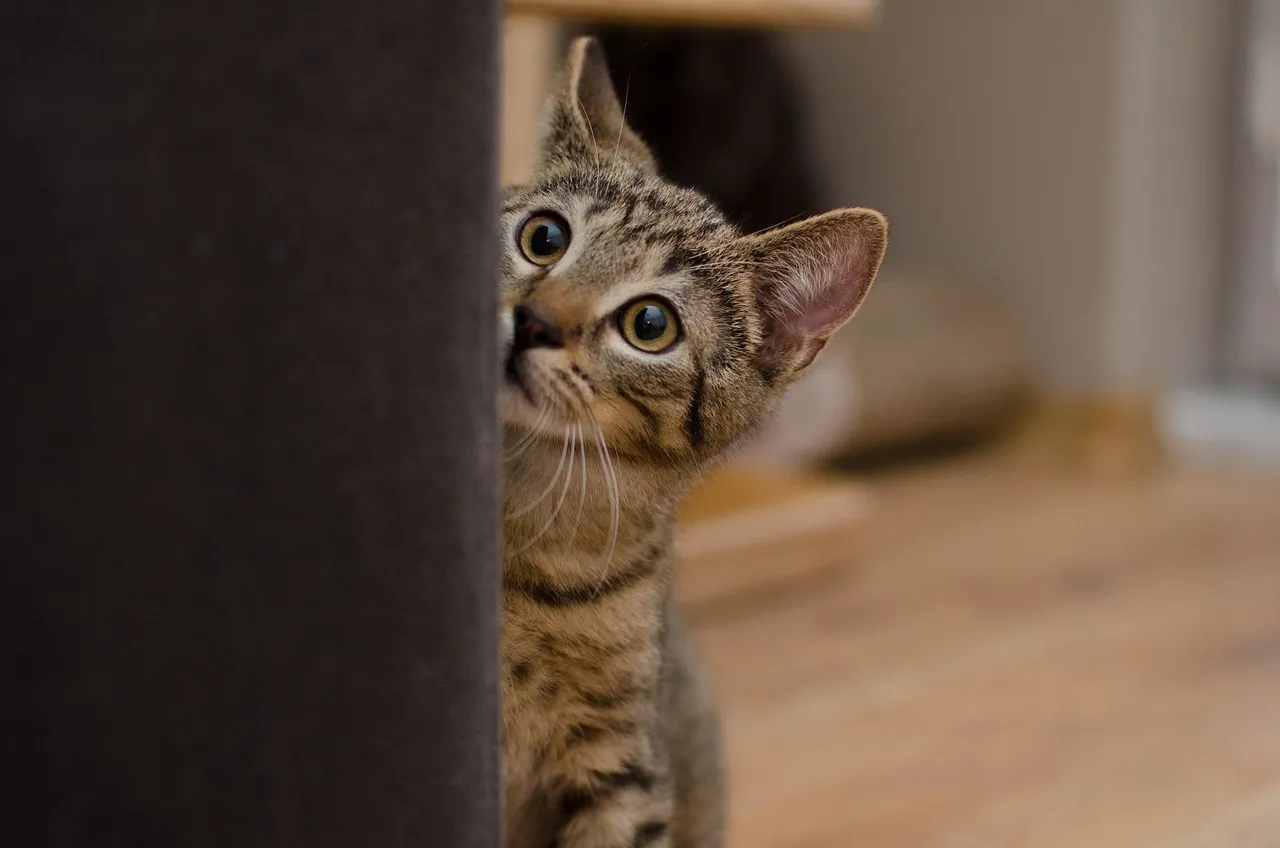
The flip side is just as meaningful. A cat who once loved head scratches, lap time, or bedtime cuddles but now gently moves away, hides, or seems tired of being touched may be telling you that handling has become uncomfortable or overwhelming.
Watch for:
- Flinching away from petting in spots that never used to bother them
- Leaving the room when people sit nearby
- Choosing to lie just out of reach instead of beside you
Some owners misread this as their cat “getting grumpy with age,” when it’s often pain, nausea, or cognitive decline talking. The distance feels personal. It’s usually physical.
#8: A Voice That Turns Softer, Raspier, or Suddenly Quiet
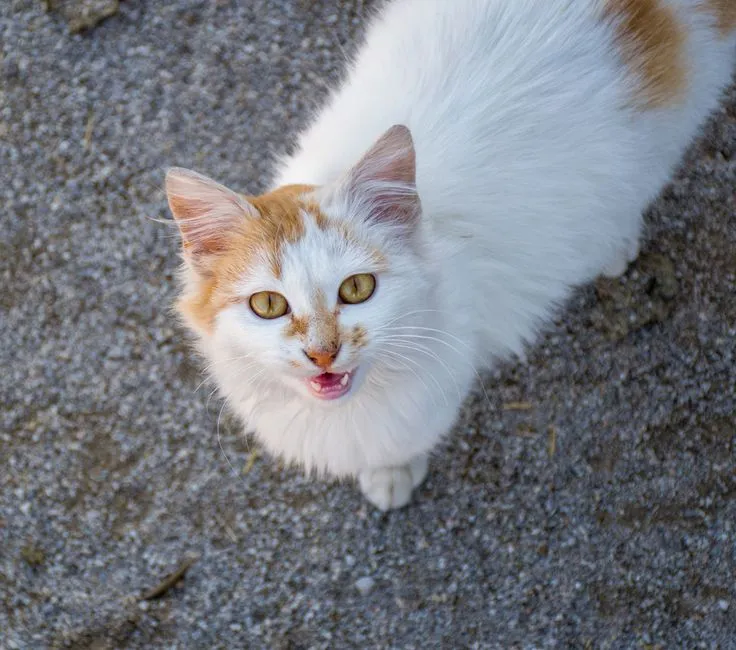
Cats talk to us more than we give them credit for. When an ageing cat’s meow changes, it’s easy to dismiss – until you notice a once-chatty cat go quiet, or a normally silent cat start vocalizing strangely. Hoarse, strained, or unusually weak meows can reflect discomfort, weakness, or cognitive shifts.
You might notice calls that sound croaky or half-hearted, night-time crying, or fewer greetings than usual – sometimes none at all. Many people write this off as “old man noises.” In hindsight, a lot of owners recognize those altered sounds as their cat trying to say something new.
#9: Struggling With Jumps and Stairs They Once Ruled
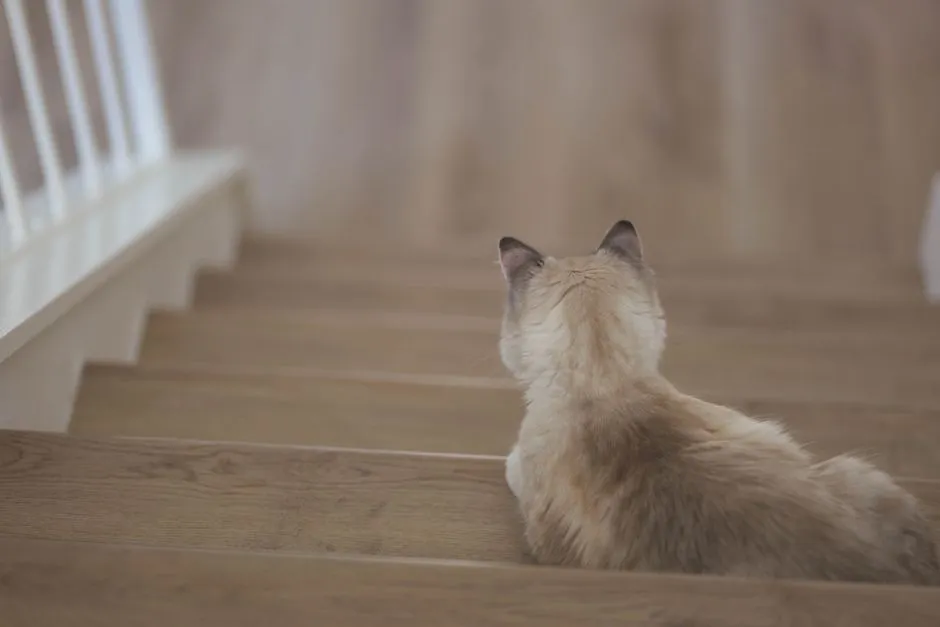
One of the most overlooked goodbye signs is the slow surrender of vertical territory. A cat that once launched onto countertops and window sills but now hesitates, misjudges, or gives up and lies on the floor instead may be reaching the actual limits of what their body can handle – not just “respecting their age.”
Fast Facts
- By age 6, more than 60% of cats already show signs of osteoarthritis
- That number climbs to roughly 90% in cats over 12 years old
- Arthritis most often targets the shoulders, elbows, spine, and hips
- Fewer than one in seven owners in one study ever noticed the lameness at home
You might notice a need for a “step” to reach old favorite perches, slipping or failing jumps they used to nail, or a growing preference for low, easy-access spots. Arthritis alone can explain some of this, but in later life it often overlaps with muscle loss and organ decline. Many cats quietly trade height for safety when they’re starting to feel fragile.
#10: Litter Box Changes You Try to Excuse

Litter box changes get treated as “bad behavior,” but in senior cats they’re rarely about attitude. A cat who starts missing the box by a few inches, or avoids getting all four paws into a high-sided box, may be telling you that stepping in, squatting, or holding it has become genuinely difficult.
Look for patterns:
- Accidents on bath mats, beds, or laundry piles
- Poop just outside, but not inside, the box
- Hesitation or vocalizing while entering or exiting
Sometimes this points to treatable issues like UTIs or constipation. In cats approaching the end, it can also signal failing kidneys or profound weakness. Many owners carry guilt for scolding “accidents” that were really quiet calls for help.
#11: Drinking Patterns That Suddenly Shift
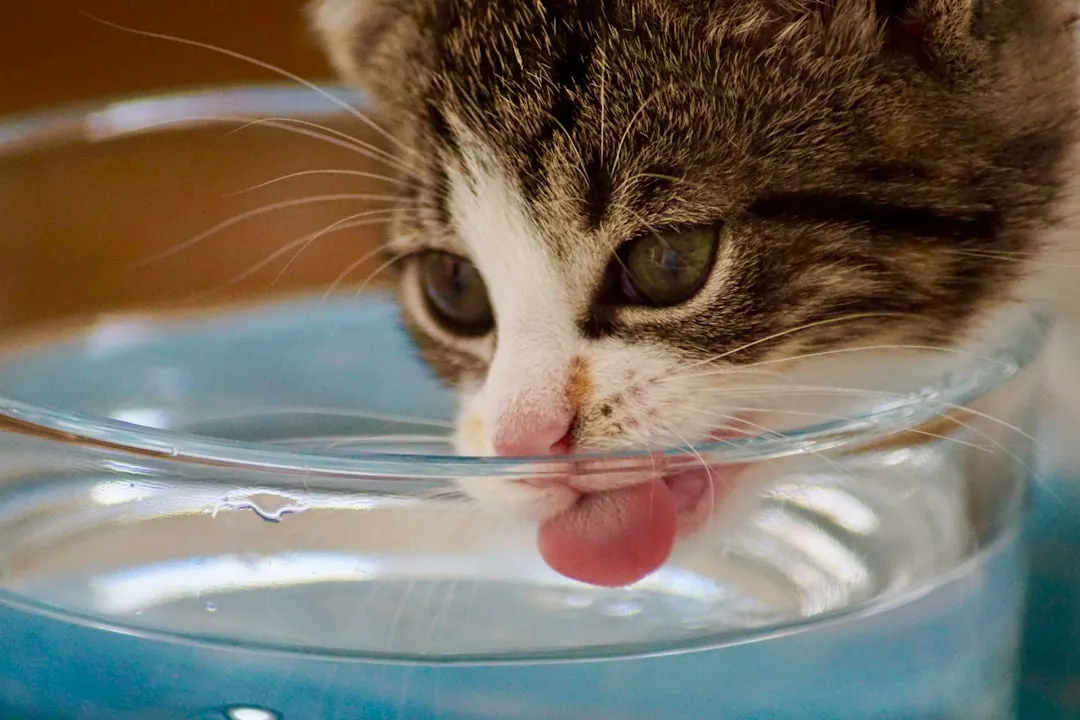
Most people know “drinking more water” can signal kidney trouble, but they underestimate how quietly this shows up in real life. You might just notice the water bowl emptying faster than it used to. On the flip side, some cats stop drinking much at all as the end nears. Any significant shift from their personal norm – up or down – matters.
At a Glance
- Chronic kidney disease affects roughly 30% to 40% of cats over age 10, and around 80% of cats over 15
- At least two-thirds of kidney function is typically already lost before any signs appear
- Common early clues include increased thirst, increased urination, weight loss, and lethargy
- Because damage builds silently for months or years, changes in water habits are often the first visible clue
Signs to watch for include refilling the bowl more often than you’re used to, or a cat who seems disinterested in water even when it’s clean and fresh. Hydration changes aren’t automatically an end-stage sign, but paired with weight loss or lethargy, they often belong to that same slow goodbye language.
#12: A Different Kind of Quiet – Lethargy With “Soft Eyes”
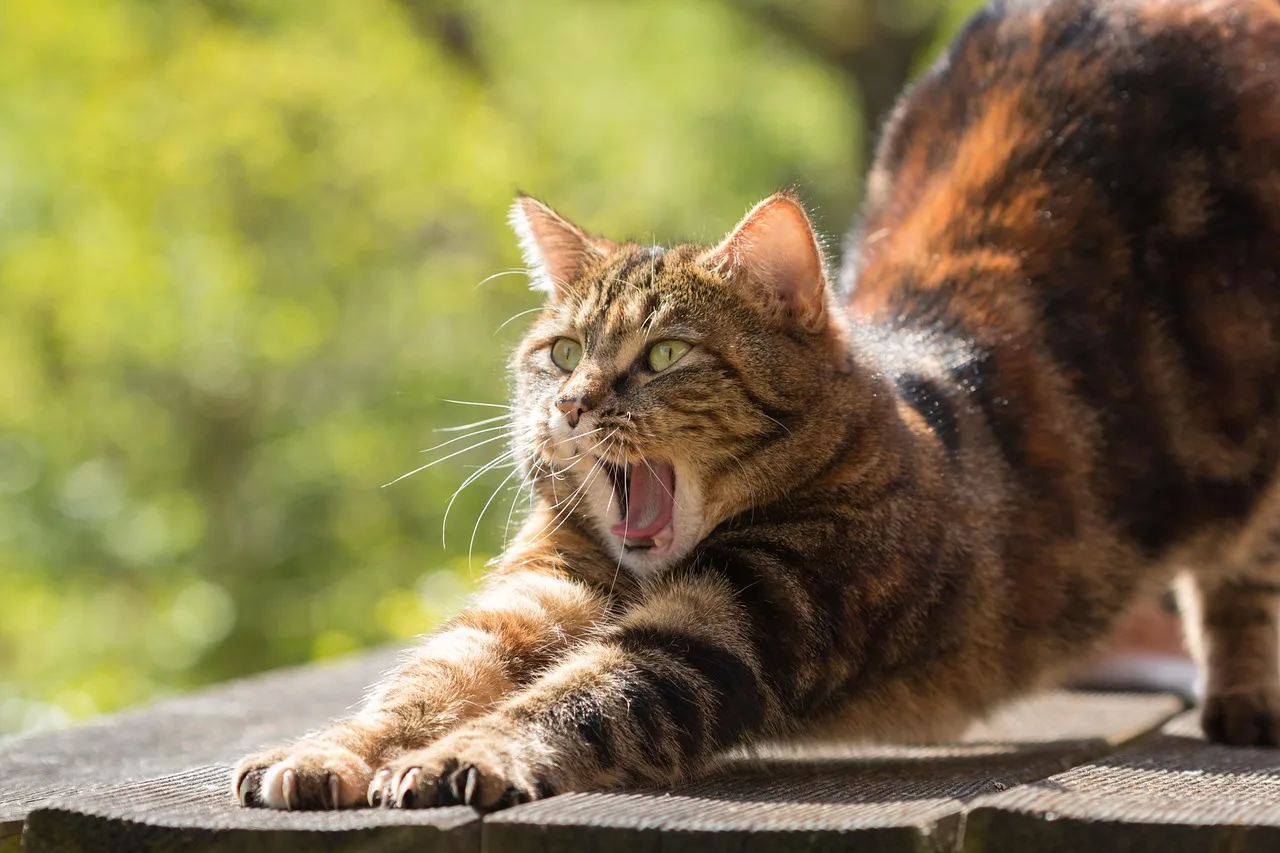
Senior cats sleep more; that part is normal. What changes near the end is the quality of that rest. Instead of light, ready-to-pounce naps, you may see deep, almost unreachable sleep, slower responses, and a cat who seems “far away” even while awake, blinking slowly and staring at nothing in particular.
This isn’t boredom – it’s a whole-body slowing down. Your cat may move only for essentials, skip play entirely, or spend hours in one spot without shifting. Many people later describe it as their cat being “peaceful but distant.” It’s tender, and it’s genuinely hard to watch.
#13: Breathing That Seems Just a Little “Off”
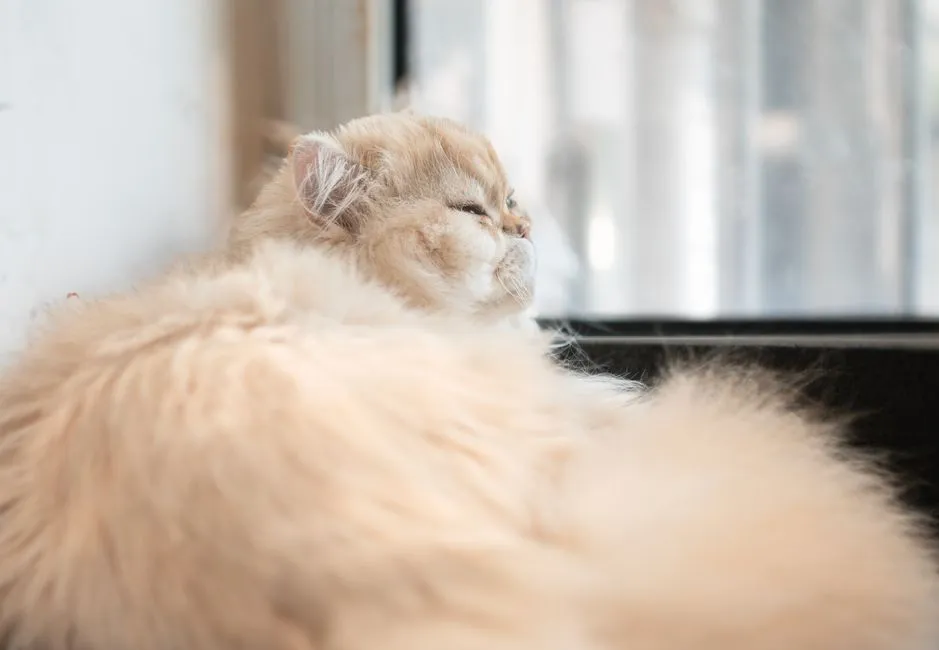
Most owners only worry about breathing when it’s dramatic – gasping, wheezing, panting. But end-of-life changes usually start far more gently: breathing a bit faster at rest, or the sides moving more than usual while your cat is doing nothing at all.
Subtle signs include breathing with the mouth slightly open (never normal in a relaxed cat), pausing mid-movement to catch a breath, or sleeping with the neck stretched out as if to open the chest. These can point to heart or lung issues, pain, or extreme weakness. Owners frequently realize in hindsight that the “slightly heavier breathing” they blamed on heat or nerves was part of something larger.
#14: Eyes That Look Different – Cloudy, Sunken, or “Not Quite There”
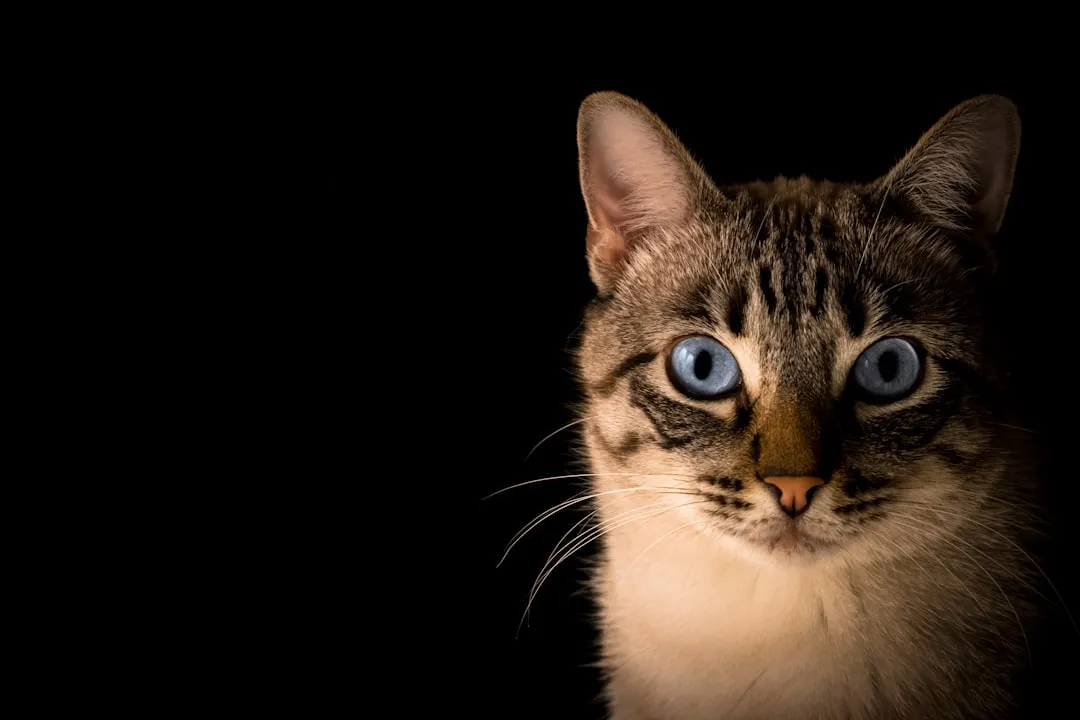
Eyes tell the truth long before we want to hear it. An ageing cat nearing the end may show sunken eyes, a duller shine, or a distant, unfocused gaze that feels different in a way you can’t quite name at first. It isn’t just cataracts or “old eyes” – it’s an overall dimming.
You might notice the third eyelid showing more often, slower reactions to movement, or a sense that your cat is looking past you instead of at you. Combined with weight loss or poor appetite, many owners recognize those eyes as quietly saying, “I’m tired.” If you catch yourself thinking, “He doesn’t look like himself anymore,” that instinct is usually right.
#15: Confusion, Night Wandering, or “Senior Moments”
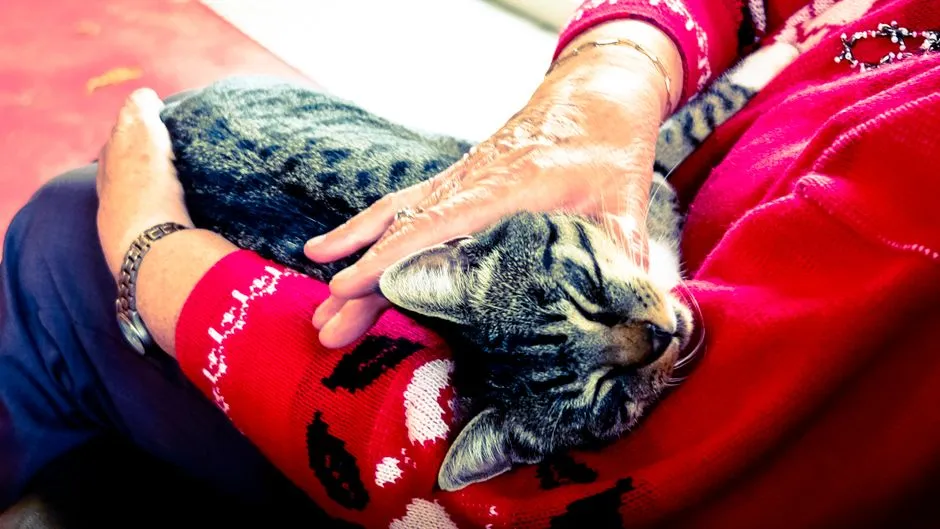
Just like people, cats can experience cognitive decline. Near the end, some cats show behavior that looks simply weird but is actually a brain and perception change – wandering aimlessly, getting stuck in corners, yowling at night for no visible reason, or forgetting familiar routines.
Common signs include staring at walls, seeming lost in their own home, or flipping their sleep schedule so they rest more by day and wander more at night. People joke about “kitty dementia,” but living through it feels like anything but a joke. For some families, this is the stage where they realize their cat isn’t just old – they’re fading.
#16: A Sudden “Good Day” After a Long Decline
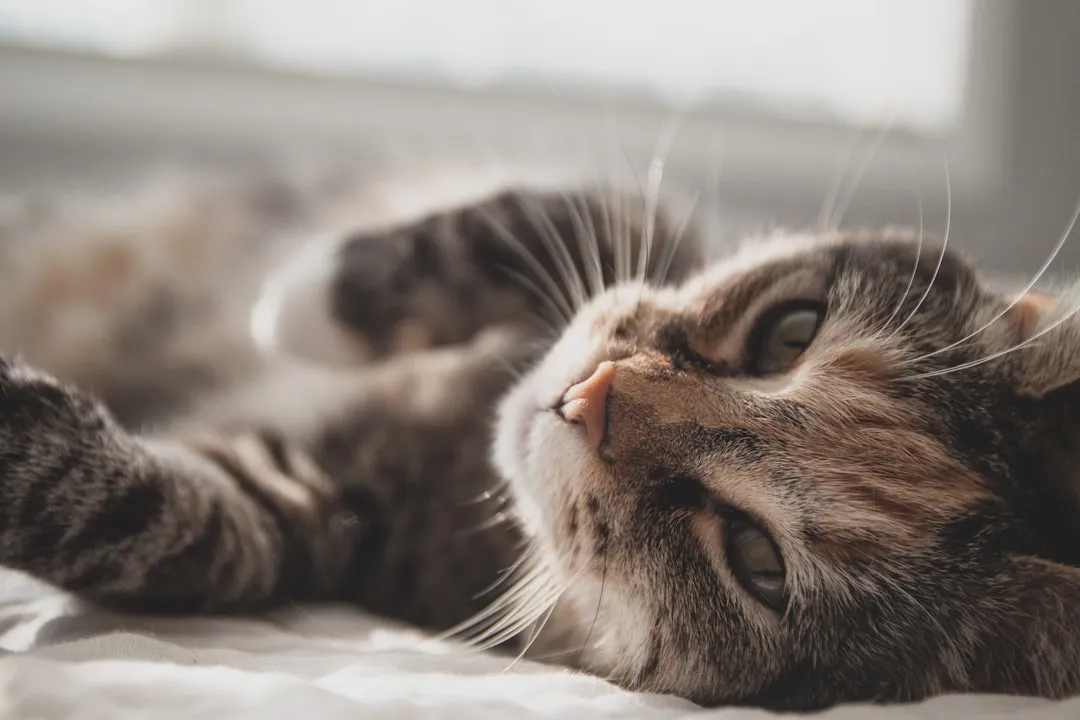
This is the one that breaks people. After weeks or months of slow decline, some cats have one sudden, strangely perfect day: they eat well, they purr, they visit every favorite spot, they seek out every family member. It feels like a miracle turnaround – and for many, it’s actually the last burst of energy before the final crash.
Owners often report a cat who hadn’t eaten well suddenly finishing a whole meal, renewed interest in play, or a calm, almost purposeful tour of the house. Not every cat does this, but when it happens, it’s unforgettable. Many people later realize their cat used their last store of strength to say goodbye properly – cruel and beautiful in the same breath.
#17: A New, Hard-to-Explain Smell
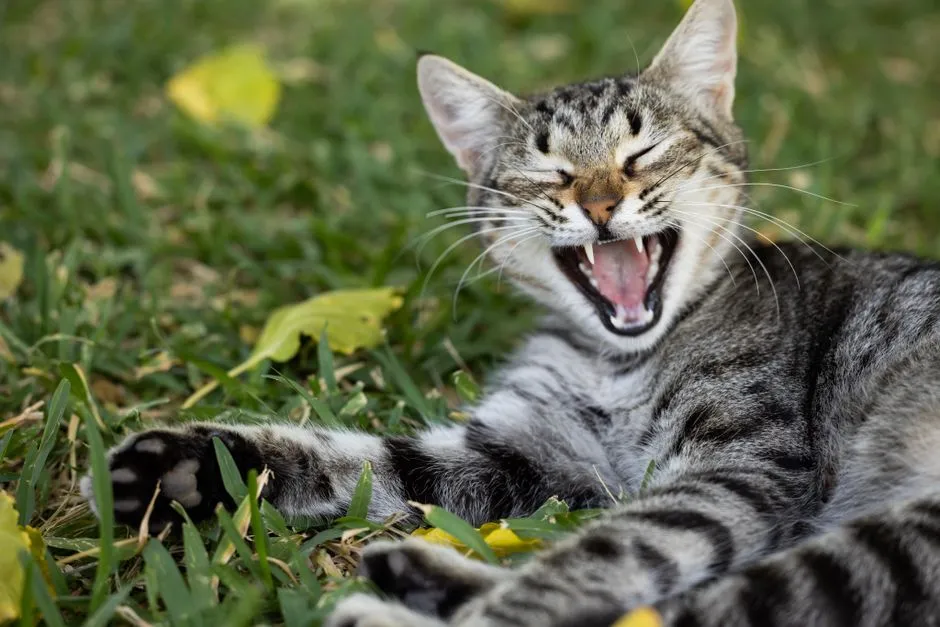
No one likes to talk about it, but it matters. As organs begin to fail, some cats develop a distinct, sour or metallic odor that no amount of cleaning fully removes. It might come from the mouth, from kidney disease, from the skin, or from the urine itself.
Watch for breath that smells like ammonia, a general “sick” smell even when the fur is clean, or a stronger litter box odor that doesn’t match any diet change. This isn’t ordinary “cat smell.” For many families, this is the moment the abstract idea of their cat being old turns into a concrete understanding that their body is truly failing.
#18: Choosing One Spot and Rarely Leaving It
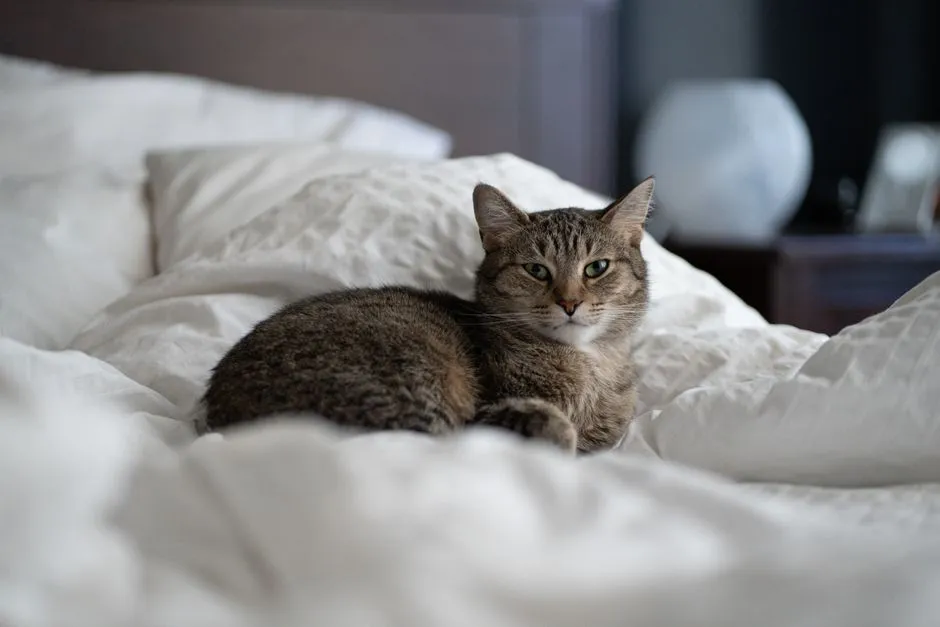
Near the very end, many cats quietly choose their final territory – a bed, a box, a sunny patch on the floor. From that point on, they move as little as possible, often just for water or the litter box, and sometimes not even for that. This is when the goodbye stops being subtle and becomes a steady, visible letting go.
Quick Compare
- Normal senior napping: drifts between a few favorite cozy spots throughout the day
- End-of-life stillness: stays in one place for hours, barely shifting position
- Normal senior napping: still gets up for meals, litter box, and attention
- End-of-life stillness: moves only for water or the litter box, sometimes not even then
You might see your cat refuse to leave one room, hold the same position for hours, or ignore visitors and household commotion entirely. In many cases, they’ve picked a spot where they’ve always felt safe. It can look passive, but it’s often a deliberate act – they’re choosing where they want the world to get small.
#19: Looking You in the Eyes… Differently
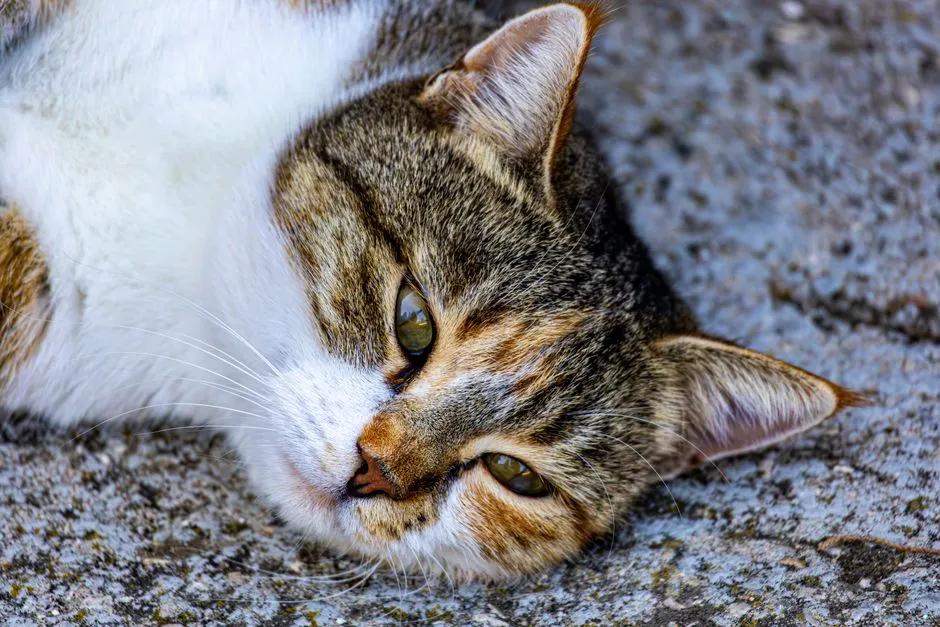
Ask any long-time cat guardian and they’ll tell you: at the very end, something changes in the way your cat looks at you. There’s no lab test for it, but it’s real. A cat beginning to say goodbye may hold your gaze longer, blink slowly, or give you one final, unmistakable moment of connection that feels almost like a conversation.
Sometimes it happens on that strange “good day.” Sometimes it’s during a quiet night when the house is still. Not every cat does this, and not every owner notices it in real time. But those who do rarely forget it – simple, soft, and devastatingly clear: I’m tired. Thank you. I’m ready.
The Bottom Line
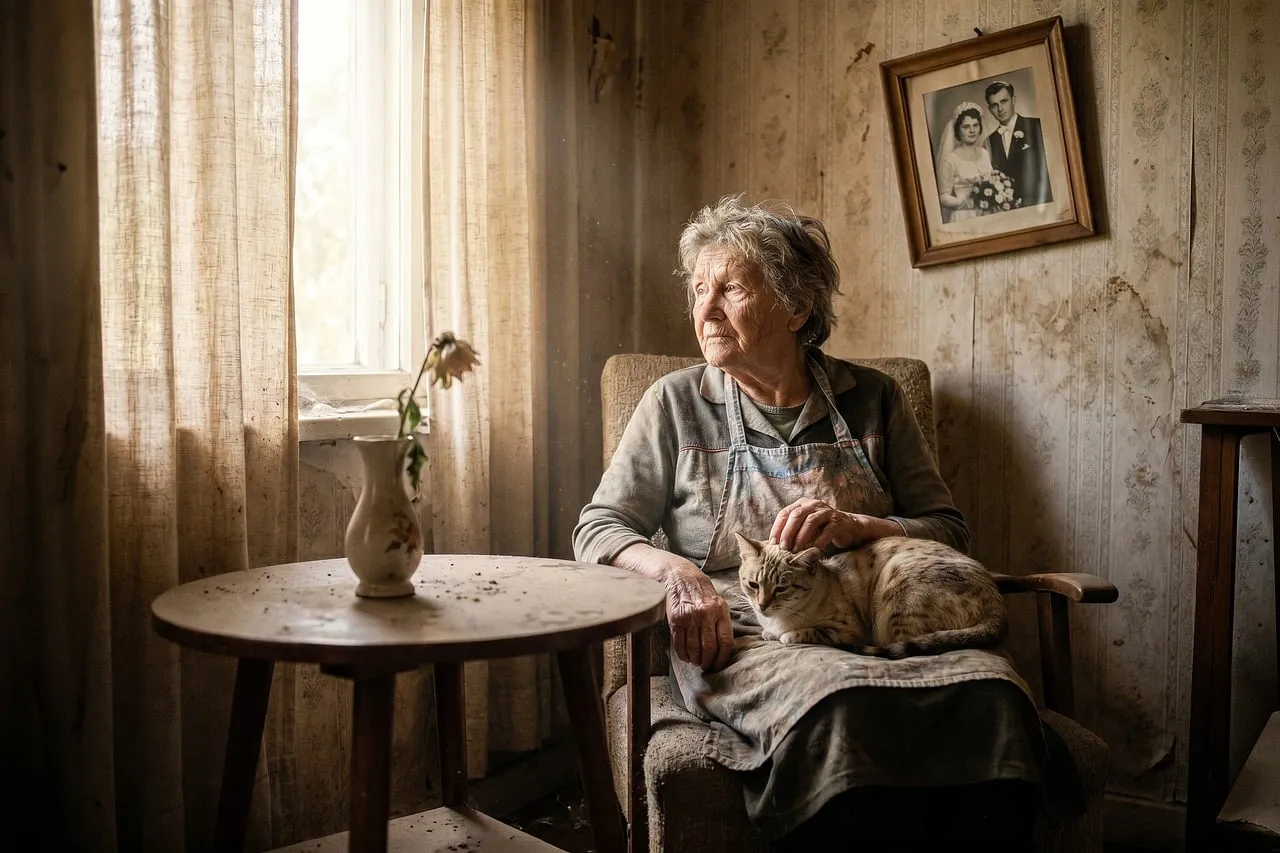
Ageing cats rarely shout their goodbyes; they murmur them in tiny, everyday changes we’re almost trained to ignore. A skipped meal here, a new sleeping spot there, a quieter purr, a slower blink – none of these alone guarantees the end is near. But together, they paint a picture of a body and spirit gently winding down.
The hardest truth is that most people only recognize these signs in hindsight, once the chance to ease suffering or say a more intentional goodbye has already passed. That doesn’t mean panicking at every quirk. It means paying attention, trusting your gut, and calling the vet sooner rather than later.
Until one has loved an animal, a part of one’s soul remains unawakened.
Anatole France
Some will argue it’s “just old age.” Anyone who’s lived through this knows that’s often exactly how decline hides in plain sight. Did we miss a sign you only understood after your cat was gone? Share it below – another heartbroken owner might need to read it today.

- 19 Gentle Signs an Ageing Cat Is Beginning to Say Goodbye That Most Owners Only Understand Later - August 11, 2026
- What Boarding Kennel Staff Learn About a Dog in Ten Minutes 16 Things Owners Never Hear - August 11, 2026
- What Your Old Dog Stops Doing Long Before Anyone Notices 17 Signs Owners Recognise Too Late - August 11, 2026