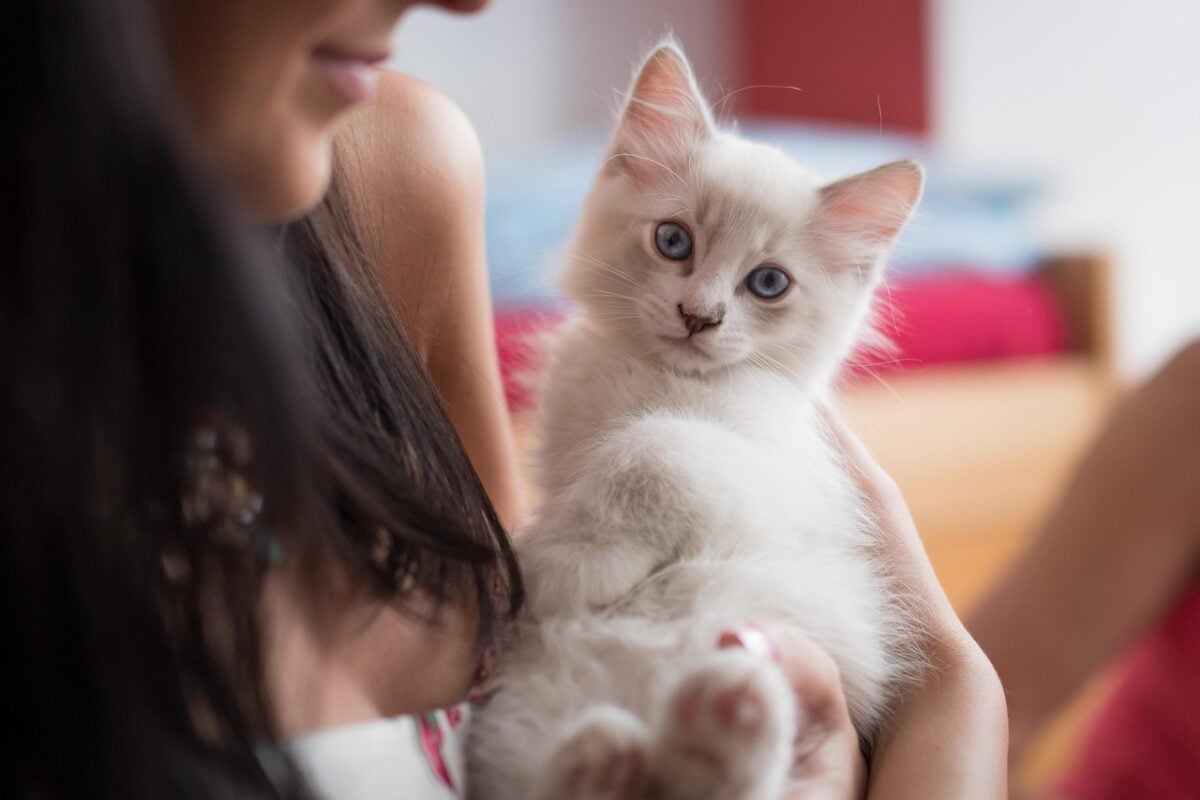
Most cat owners assume their feline’s tolerance for cuddles comes down to personality alone, but genetics and breeding history play a far bigger role than most people realize. Some breeds were literally engineered over generations to crave physical contact, while others descend from lines selected for independence and self-sufficiency.
That’s why one cat melts into your arms like a warm towel while another turns into a furious pinwheel of claws the second you lift them off the ground. The difference isn’t attitude – it’s ancestry, and once you see the full breakdown below, you may never look at your own cat’s reaction the same way again. Here’s what breeders, veterinarians, and feline behaviorists actually say about which breeds were built to be held and which ones were never meant to be.
#1 – Ragdoll
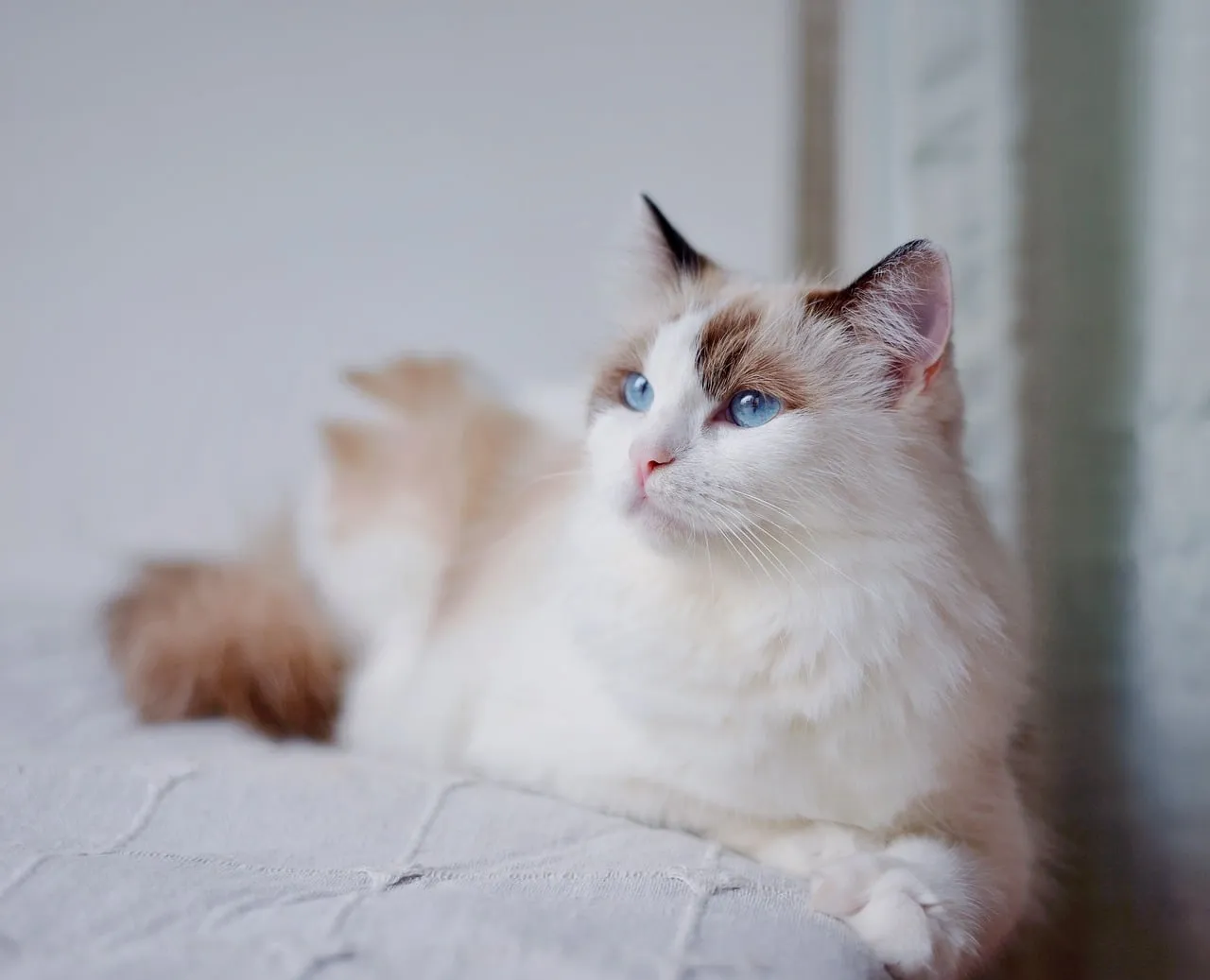
The Ragdoll didn’t earn its name by accident – this breed was specifically bred for physical affection.
Ragdoll cats are named so because these low-maintenance lovers go limp in your arms and love being held. This isn’t a coincidence of temperament; it’s a defining breed trait that separates Ragdolls from almost every other cat on the planet. Ragdolls live up to their name with their calm and cuddly nature, and they go limp when picked up, making them the ultimate lap cats.
Fast Facts
- Developed in California during the 1960s
- Named for the signature “go limp” reflex when held
- Large-bodied breed, often 10-20 pounds at maturity
- Consistently ranks among the most popular breeds in the U.S.
Most people don’t realize this “flopping” reflex is so consistent across the breed that it’s used as an identifying trait by breeders and shelters alike. Originating in California in the 1960s, the Ragdoll is one of the most laid-back lap cat breeds, bred specifically to be affectionate. But that’s nothing compared to what we found about #2…
#2 – Persian
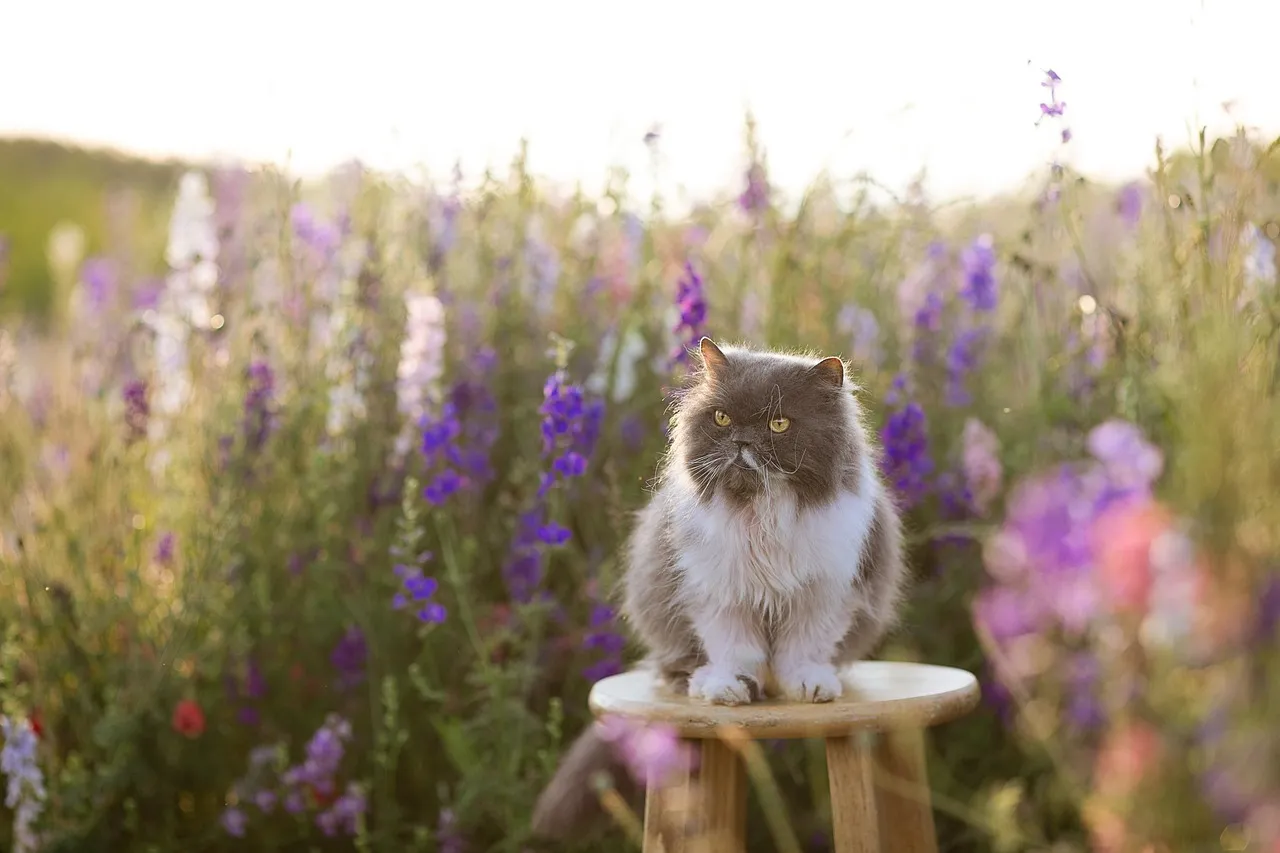
Persians have a reputation as aloof, but the truth is more nuanced than most cat guides admit.
Many Persians actually prefer being picked up and held, especially when they feel safe and calm. The key word there is “calm” – Persians are notoriously sensitive to sudden movement, so a rushed grab will get you scratched, while a slow, supported lift usually earns a purr. For people who enjoy holding and cuddling, this breed is described as friendly and relaxed, even around strangers.
While most breed guides slot Persians firmly into the “lap cat” category, some vets argue their reputation is overstated compared to true velcro breeds. Their affection can be obvious, including loud purring when they feel content. Persians actually judge your handling technique before deciding whether to relax. But wait until you see #3…
#3 – Scottish Fold
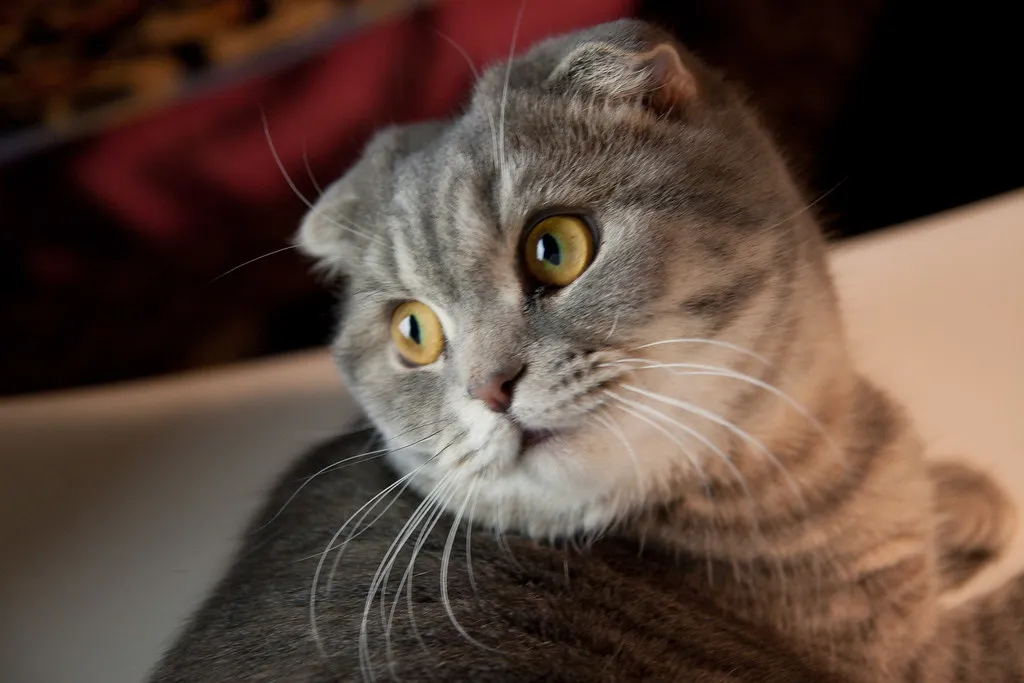
Those folded ears aren’t just adorable – they come attached to one of the most tolerant lap cats in existence.
As a cuddly companion, Scottish Folds are often described as gentle and easy-going, enjoying being held and snuggling into a lap. This breed’s genetic mutation affects cartilage in the ears, but it hasn’t touched their people-first temperament one bit. Charming and easy-going, Scottish Folds love affection.
The surprising part? They’re also known for craving companionship and wanting to be included in family activities, meaning a Scottish Fold left alone too long will often come looking for a pickup rather than waiting for one. A highly adaptable lap cat breed, these kitties can handle almost any living environment, from apartments to full houses. Number #4 takes this even further.
#4 – Sphynx
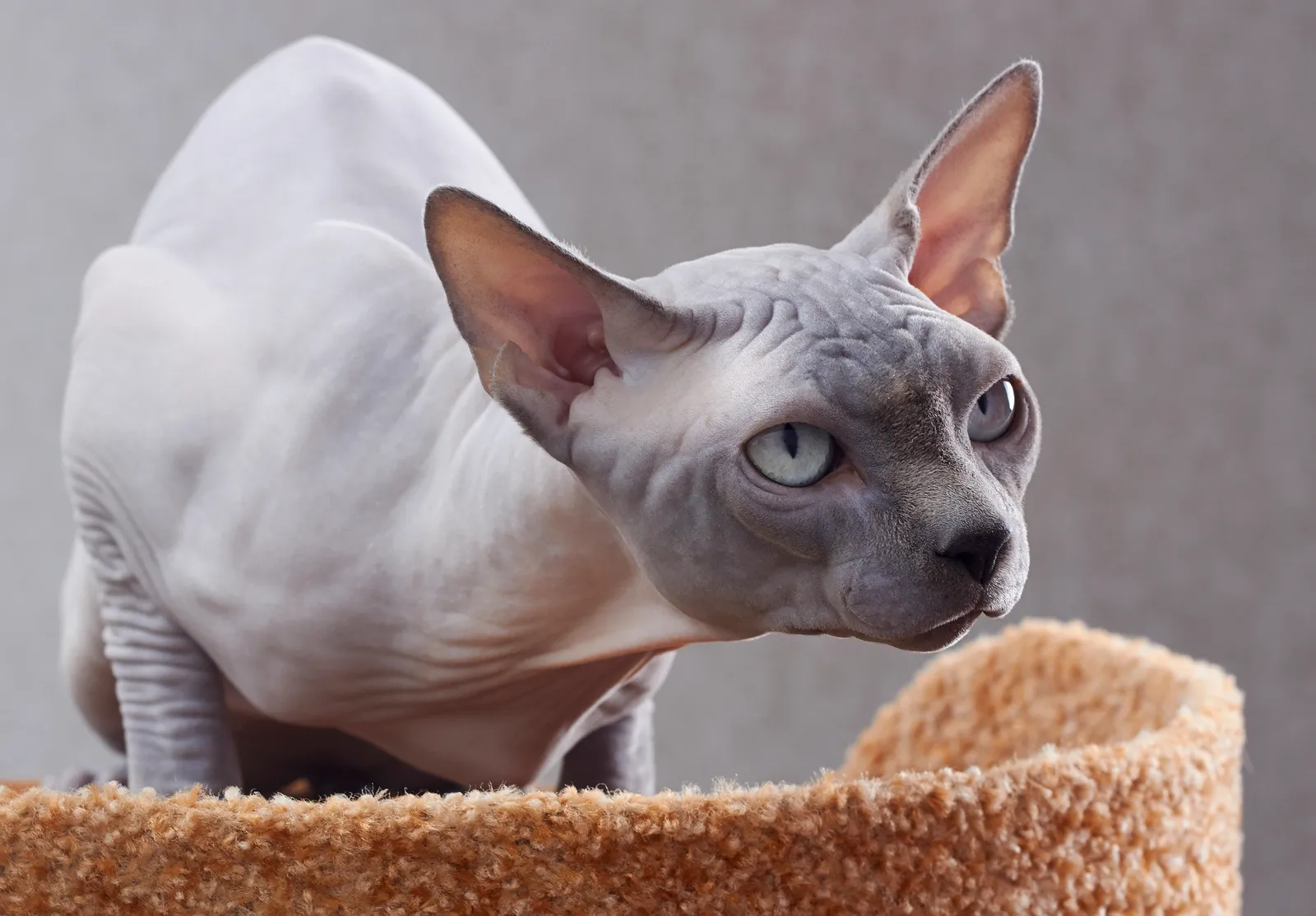
No fur means no insulation, and that single fact turns the Sphynx into a professional cuddle-seeker.
Lap-loving and relaxed by nature, Sphynx cats actively seek out handling and close contact. Their lack of fur makes warmth a priority, so they often curl up on laps, tuck themselves under blankets, or press close whenever they get the chance. This isn’t a personality quirk – it’s survival behavior that happens to look exactly like affection.
Here’s the part most owners don’t expect: because they crave attention, Sphynxes are comfortable being picked up, held, and carried, and they enjoy human interaction throughout the day, staying happiest when they can follow their people from room to room. A notable fact about the Sphynx is that it’s often described as “dog-like” due to its constant need for companionship. But #5 might be the most underrated breed on this entire list.
#5 – Birman
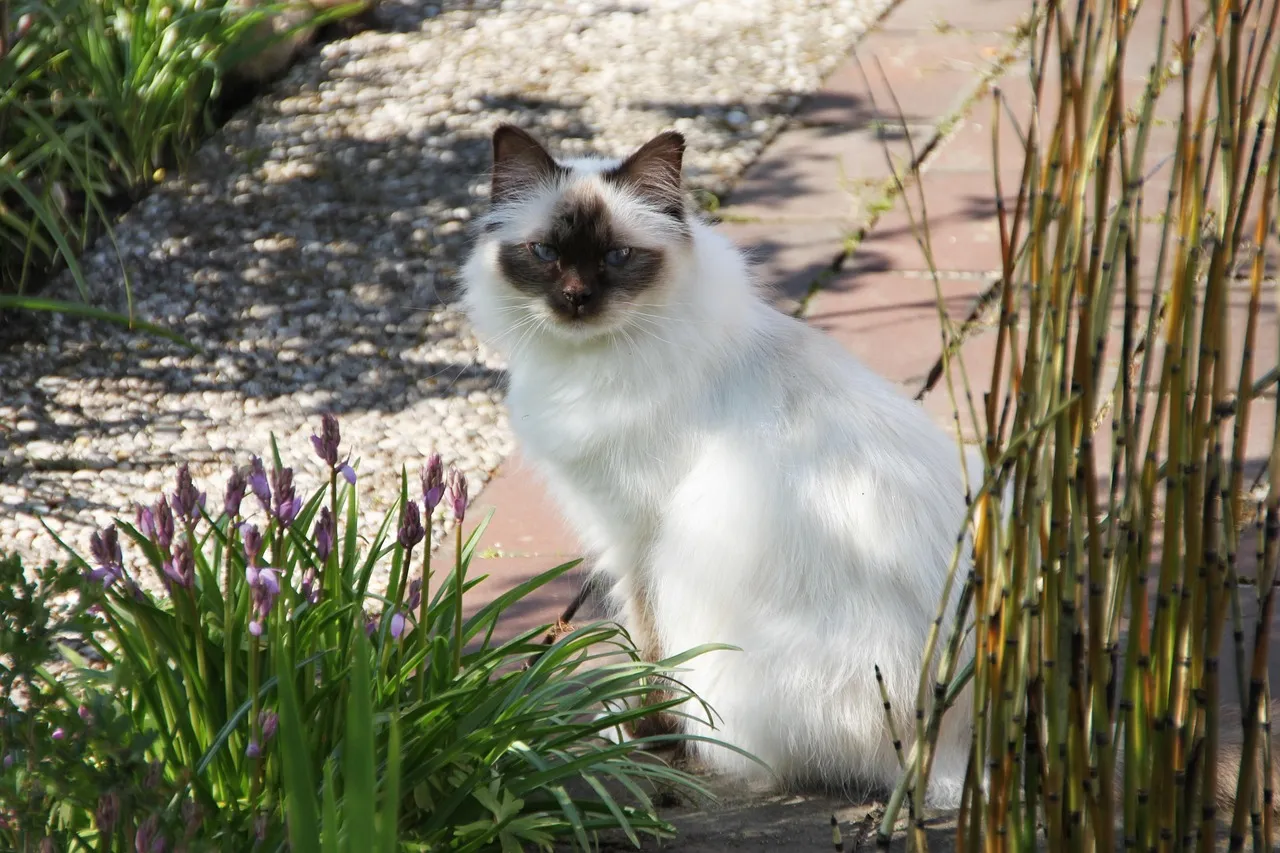
Birmans carry the same gene pool as Ragdolls and Persians, and it shows every time you pick one up.
Birmans love cuddles and being held, so if you’re after a snuggly fur baby, this breed delivers. Bred as companion cats, this elegant breed loves affection and is heavily people-oriented, which explains why Birman owners routinely describe their cats as “shadows” that follow them room to room.
What surprises new owners most is how social this breed is with everyone, not just their primary caretaker. Birman cats tend to be friendly with everyone and everything, including other animals. They can be territorial, but not aggressive, and like to be involved in whatever their owner is doing – including being scooped up mid-task. Wait until you read about #6.
#6 – Ragamuffin
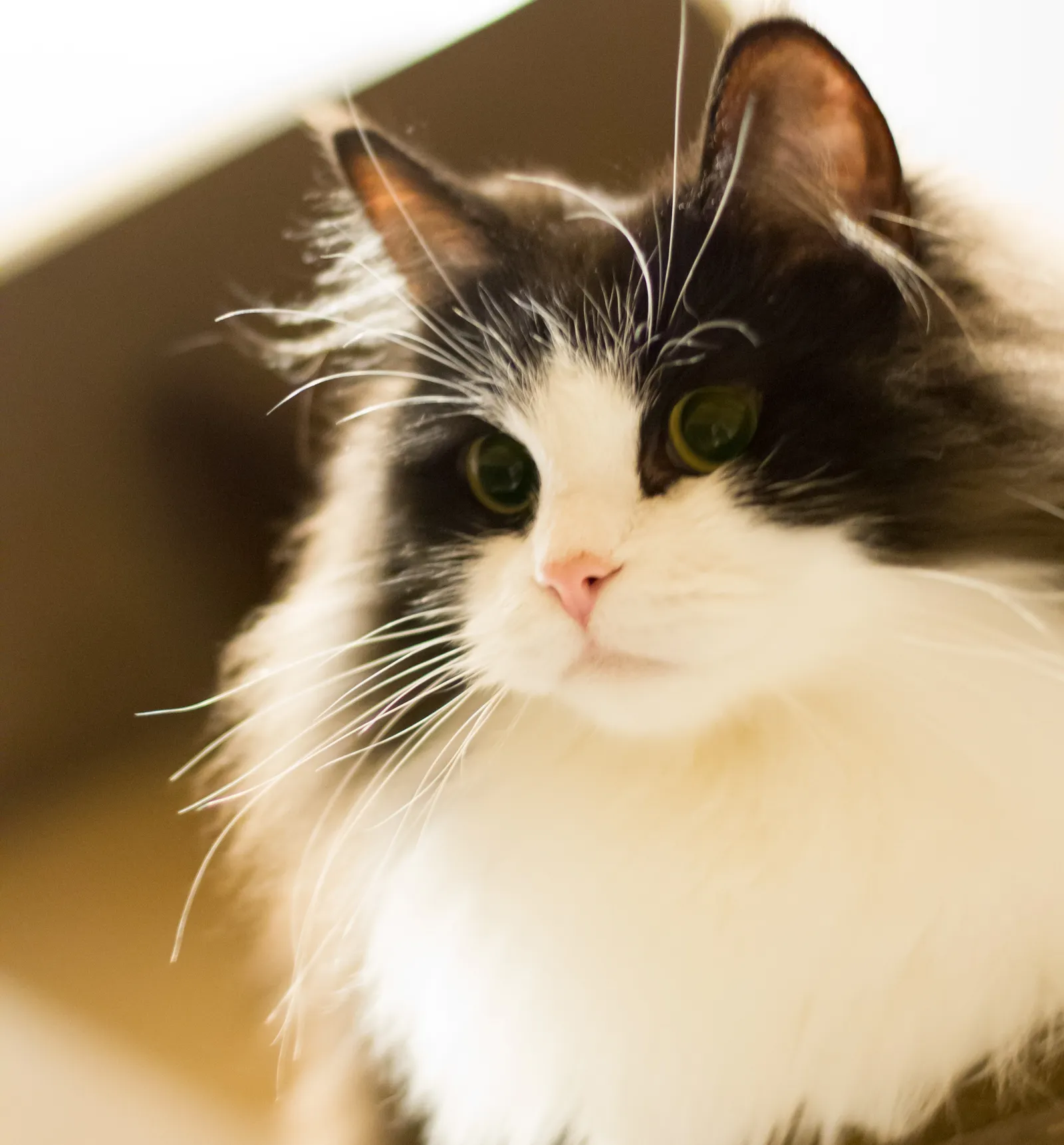
Think of the Ragamuffin as the Ragdoll’s even cuddlier cousin – because genetically, that’s almost exactly what it is.
Known for being exceptionally calm, patient, and loving, they don’t mind being handled and thrive in a lively family environment. They are sweet, deeply loving cats that strike a perfect balance between playful and relaxed, which makes them one of the few breeds equally suited to toddlers and retirees.
The detail most people miss: their coat texture is part of the appeal. This large breed features a thick, medium-long coat that’s famously as soft as a rabbit’s, making those frequent, affectionate cuddle sessions even more irresistible. If you have a busy, chaotic household, this breed genuinely thrives on the noise. #7 flips the energy completely.
#7 – Burmese
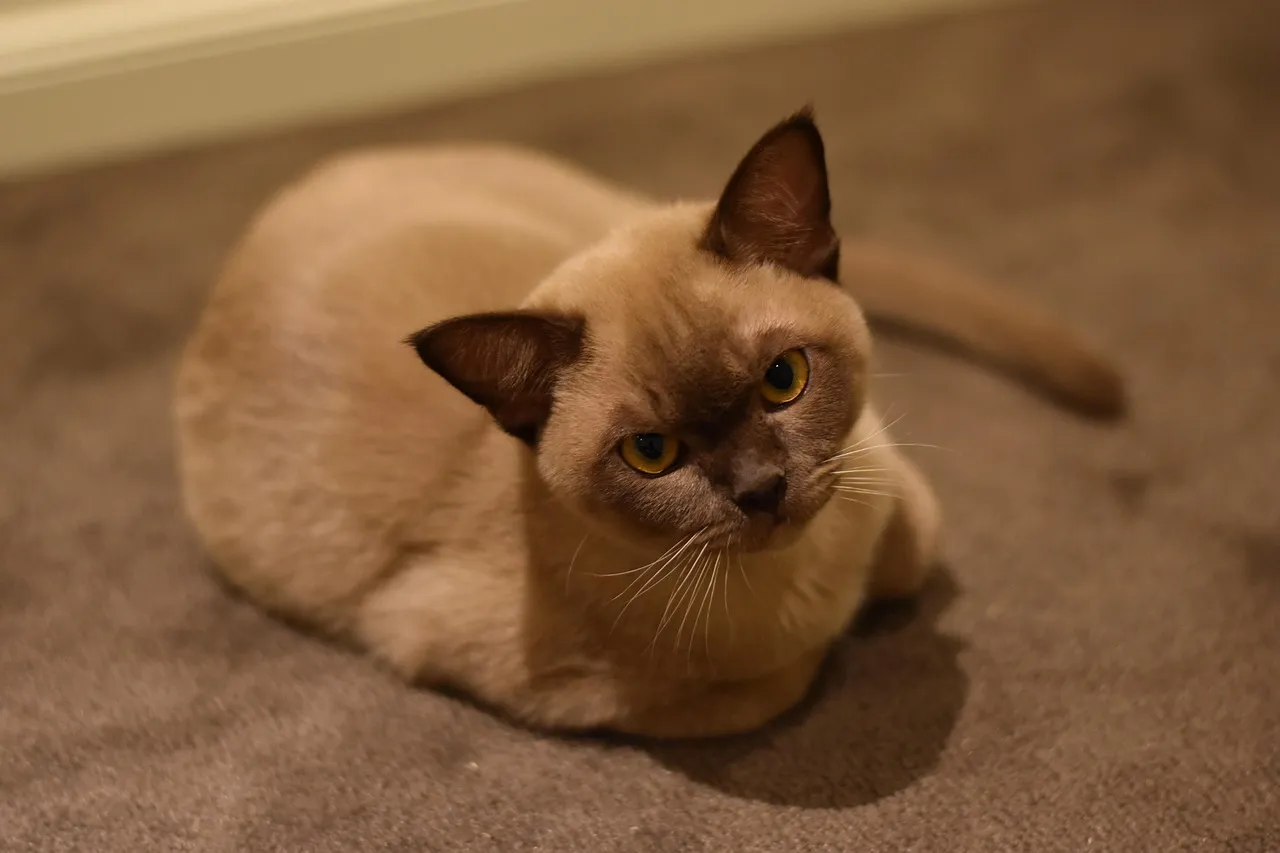
Burmese cats are proof that small, compact bodies can come with enormous personalities.
Burmese cats are very social and love to be held, often to the point of insisting on it. Unlike breeds that merely tolerate handling, Burmese cats actively initiate contact – jumping onto shoulders, climbing into arms, and refusing to be ignored.
Most people underestimate just how vocal this demand for attention becomes. Burmese cats are known throughout the breeding world for their persistence, using soft chirps and headbutts to remind owners it’s cuddle time. This isn’t a background pet – it’s a full-time companion that expects to be included in everything, including being carried from room to room like a small, opinionated shadow. Now compare that to #8.
#8 – Tonkinese
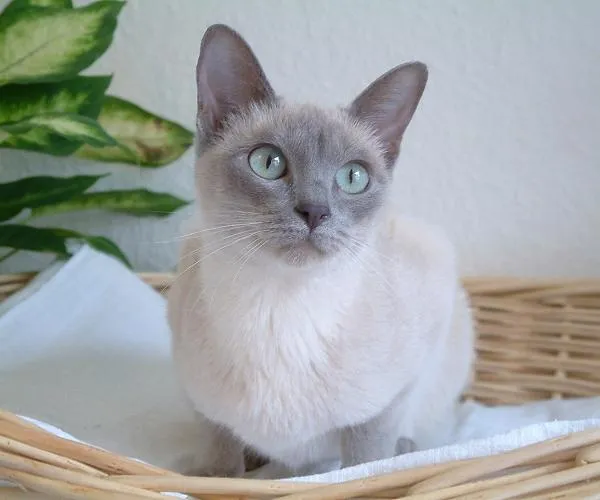
The Tonkinese sits at the genetic crossroads of two famously affectionate breeds, and it inherited the best traits from both.
Highly inquisitive and intelligent, Tonkinese cats are quieter than Siamese but still vocal and highly active. That activity level doesn’t come at the expense of affection – if anything, it fuels it, since this breed treats being picked up as just another form of play.
The surprising twist: Tonkinese cats rarely go limp like a Ragdoll, but they lean in, purr immediately, and often climb back up if you set them down too soon. Breeders frequently describe them as “always underfoot,” a trait that makes spontaneous pickups a near-constant part of owning one. #9 takes a slightly different, quieter approach to the same result.
#9 – Exotic Shorthair
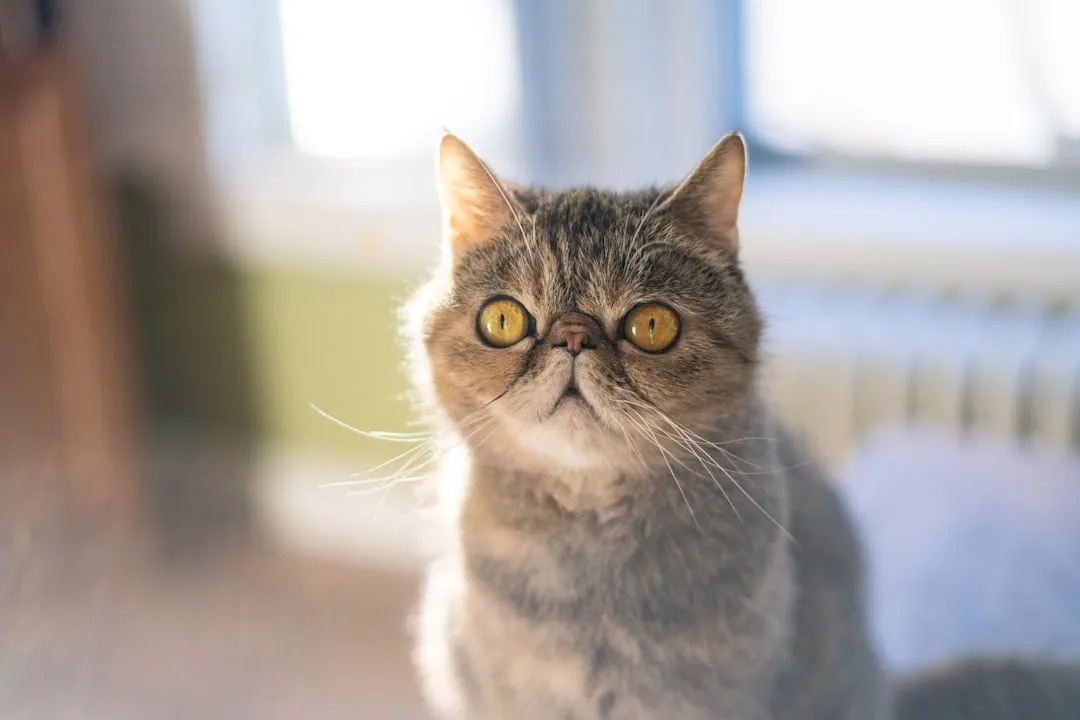
Picture a Persian’s personality packed into a low-maintenance coat, and you’ve got the Exotic Shorthair.
This breed shares nearly identical temperament traits with the Persian, favoring calm laps and slow, deliberate affection over rowdy play. Owners consistently describe Exotic Shorthairs as some of the most relaxed cats available, content to be held for extended stretches without the fidgeting seen in more energetic breeds.
What most people don’t expect is how little grooming maintenance this affection comes with compared to its long-haired cousin. The short, plush coat means less matting and fewer struggles during handling, which only reinforces the breed’s reputation as an easygoing lap companion. Owners looking for Persian-level cuddles without the daily brushing routine consistently land here. #10 brings serious size into the equation.
#10 – Maine Coon
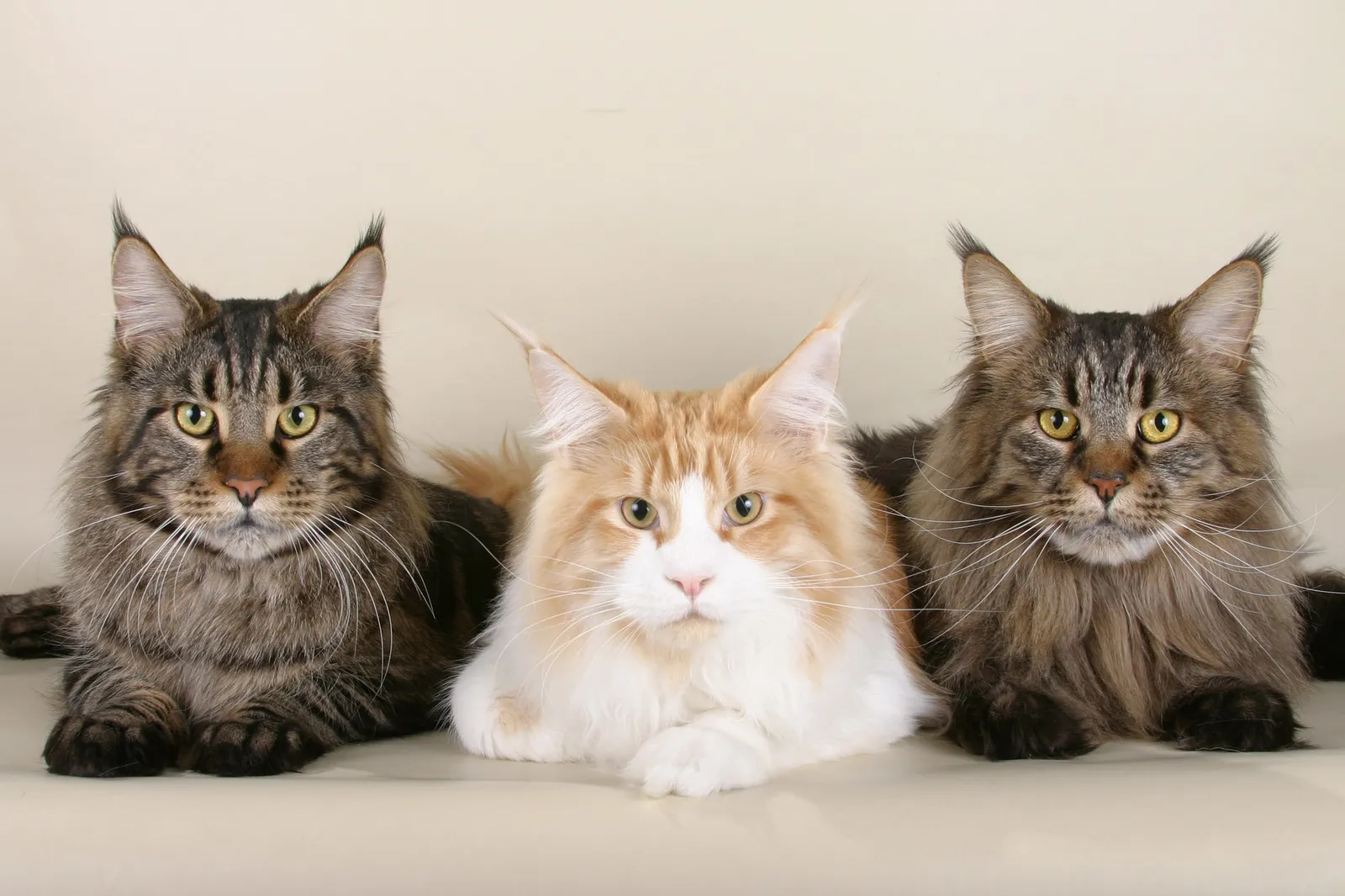
Don’t let the size fool you – this “gentle giant” breed is a documented lap-cat favorite despite weighing up to twice as much as an average cat.
Breeds like Ragdolls, Maine Coons, and Scottish Folds tend to enjoy being held, according to feline behavior specialists, even though their sheer bulk means it takes real effort to lift one comfortably. Maine Coons were originally working farm cats, but generations of selective breeding softened their temperament dramatically.
At a Glance
- One of the oldest natural breeds native to North America
- Males can reach 18-25 pounds at full maturity
- Nicknamed the “gentle giant” for its patient temperament
- Officially recognized by major cat registries since the 1970s
The part that surprises most first-time owners: despite their size, Maine Coons are famously patient during handling, rarely struggling even when picked up awkwardly. This tolerance, combined with their dog-like loyalty, is why the breed consistently ranks among the most family-friendly cats in existence. #11 takes affection in a completely different physical direction.
#11 – Himalayan
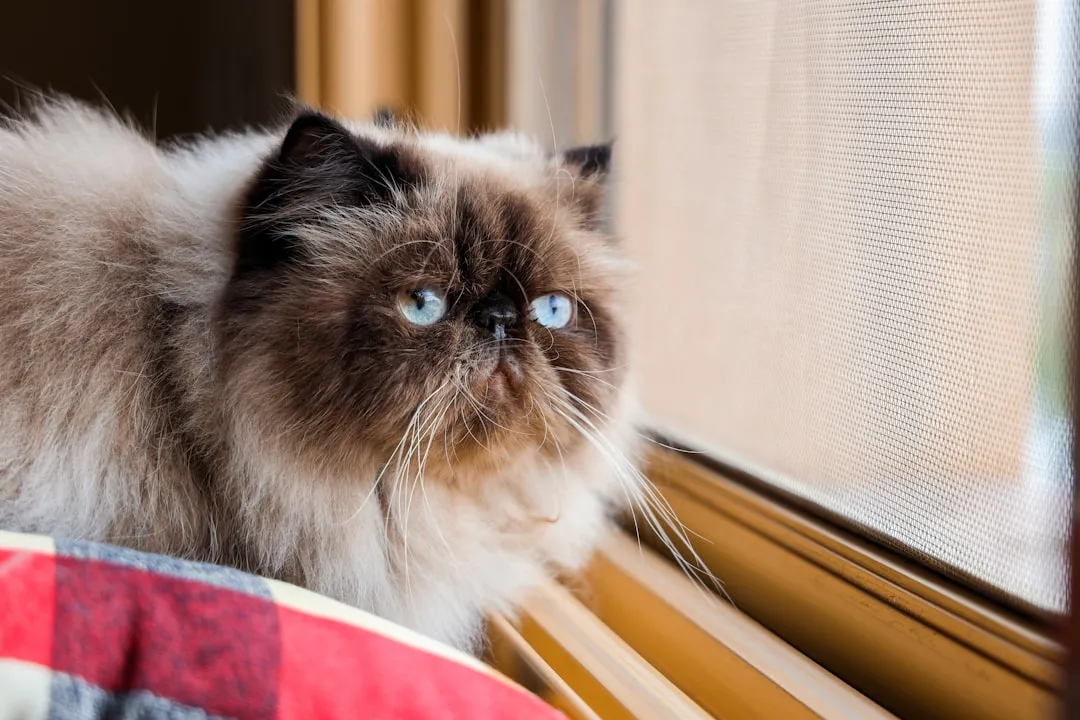
The Himalayan is essentially a Persian wearing a Siamese color pattern, and it inherited the calm, cuddle-friendly disposition to match.
This breed was deliberately created by crossing Persians with Siamese cats to combine the Persian’s laid-back nature with striking color points. The result is a cat that’s just as content lounging in your arms as it is sprawled across furniture.
Most owners are surprised by how vocal Himalayans can be when they want attention, a trait clearly inherited from their Siamese side. Unlike the Siamese, though, Himalayans rarely demand constant activity – they’d rather be held quietly for an hour than chase a toy for five minutes. That patience makes them ideal for owners who want affection without chaos. #12 introduces a breed that looks nothing like a typical cuddle cat.
#12 – Devon Rex
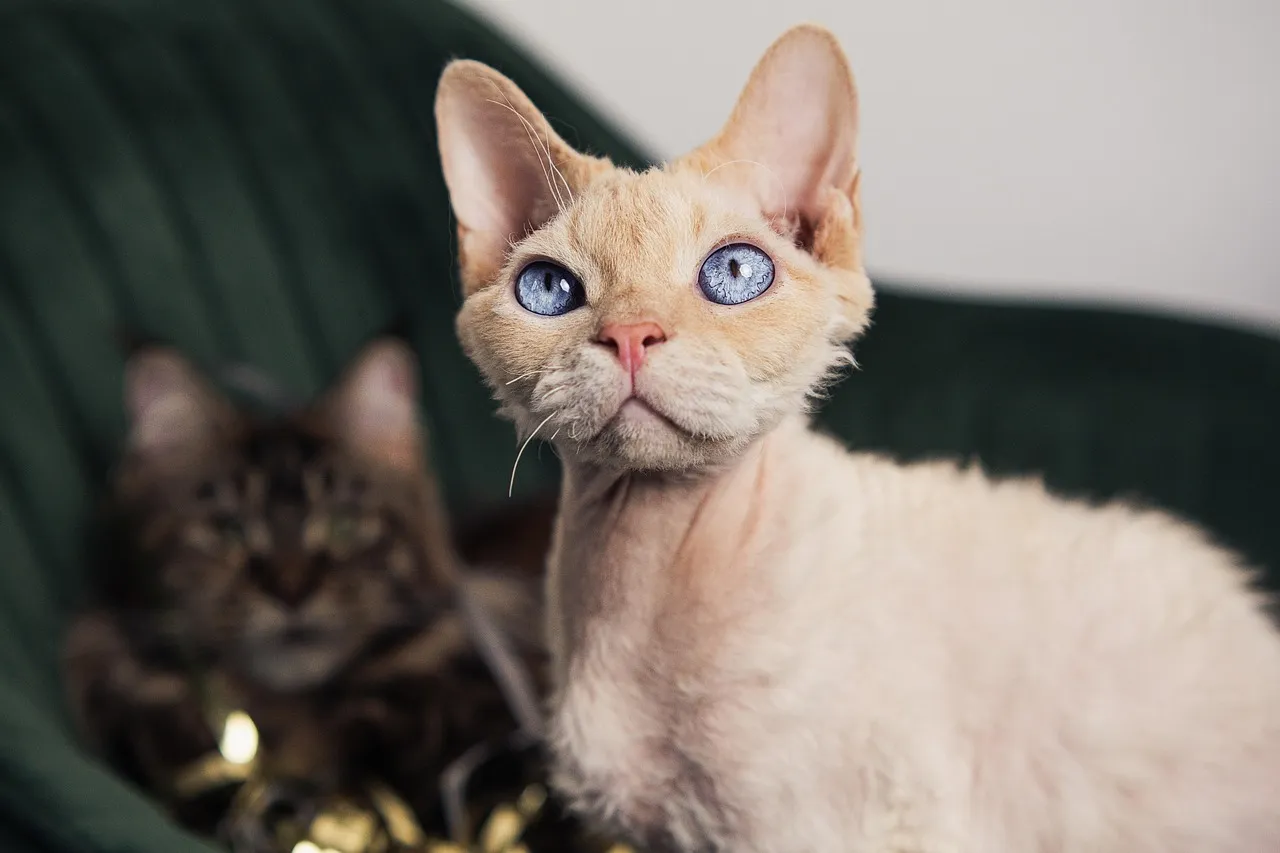
With oversized ears and a slight, wiry frame, the Devon Rex looks more like a pixie than a lap cat – but its personality says otherwise.
This breed is famously described by owners as “monkey-like” for its habit of climbing onto shoulders uninvited. Devon Rex cats don’t wait to be picked up; they position themselves to make it easy, often draping across a person’s neck like a scarf.
The detail that surprises new owners most is how warm-seeking this breed is, similar to the Sphynx, thanks to its unusually short, fine coat. That constant search for body heat translates directly into a near-obsessive need for physical contact throughout the day. If you dislike a cat perched on your shoulder while you cook dinner, this isn’t the breed for you. #13 shares a similar coat quirk with a slightly calmer temperament.
#13 – Cornish Rex
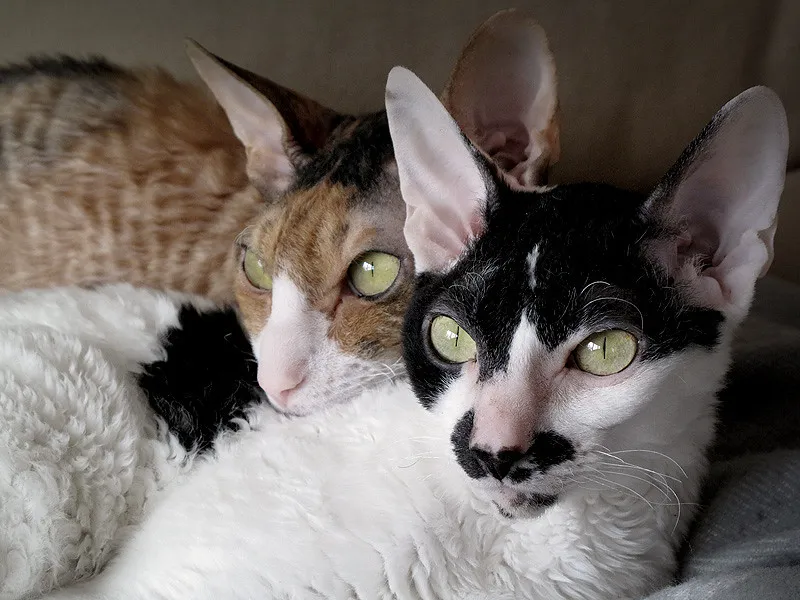
The Cornish Rex takes the Devon Rex’s people-obsession and adds even more physical energy to the mix.
Known for its curly, ultra-short coat and slender, athletic body, this breed burns through energy fast and then crashes directly into the nearest lap. Cornish Rex cats are consistently described by breeders as playful, acrobatic, and unusually eager for physical closeness compared to more reserved shorthair breeds.
What most people don’t expect is how quickly this breed transitions from zoomies to full cuddle mode. One minute a Cornish Rex is bouncing off furniture; the next it’s draped across an arm, purring loudly. This rapid switch between chaos and closeness makes them one of the more entertaining – and huggable – breeds on this list. #14 slows things down considerably.
#14 – Selkirk Rex
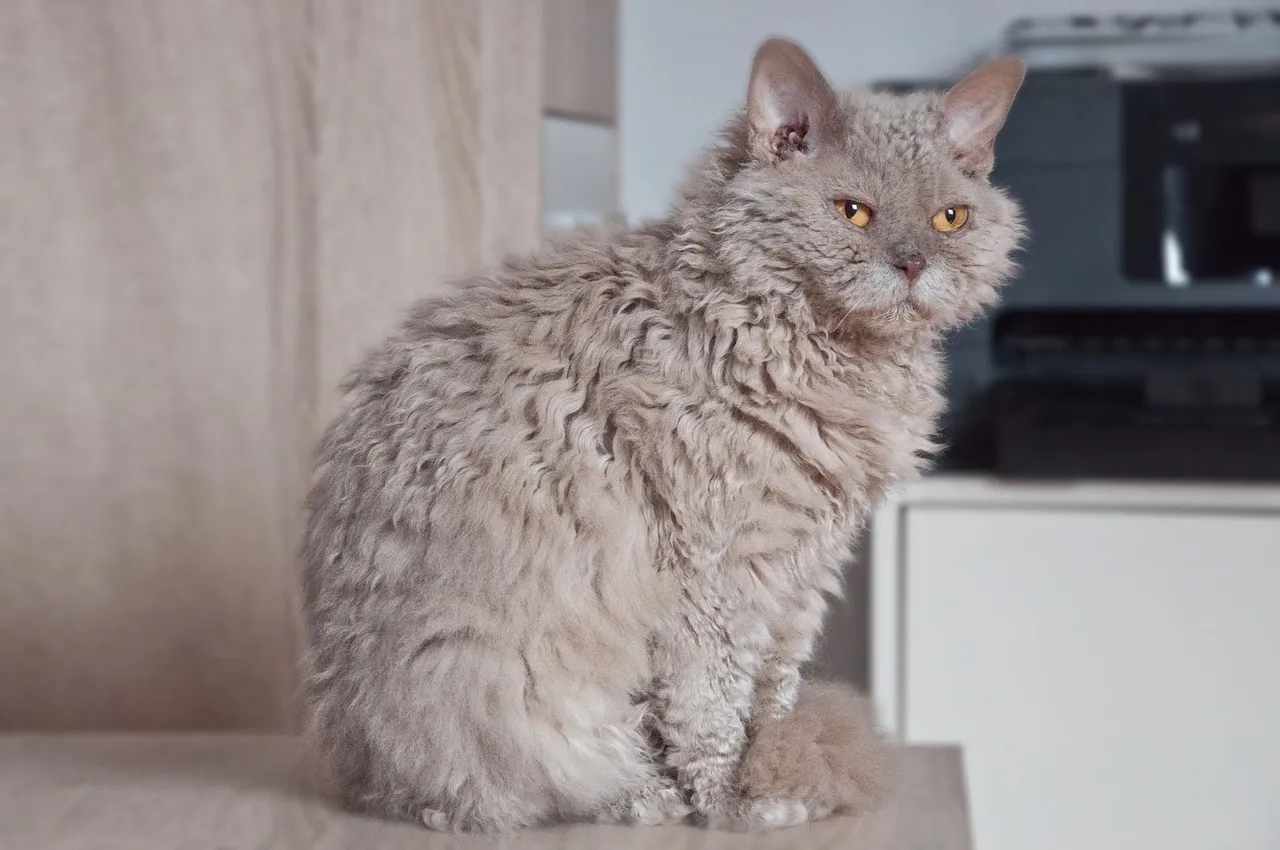
Nicknamed the “cat in sheep’s clothing” for its curly coat, the Selkirk Rex has a temperament every bit as soft as its fur.
This breed is widely regarded by breeders as patient and tolerant, rarely reacting negatively to handling even from children or unfamiliar guests. Unlike more skittish breeds, Selkirk Rex cats seem genuinely unbothered by being lifted, repositioned, or held for extended periods.
The surprising standout trait is how little this breed seems to prioritize independence compared to most cats. Selkirk Rex cats consistently rank as calm, easygoing companions in breed surveys, making them a favorite for multi-pet or high-traffic households. If patience during handling matters most to you, this breed rarely disappoints. #15 has a much shorter, stubbier surprise.
#15 – Manx
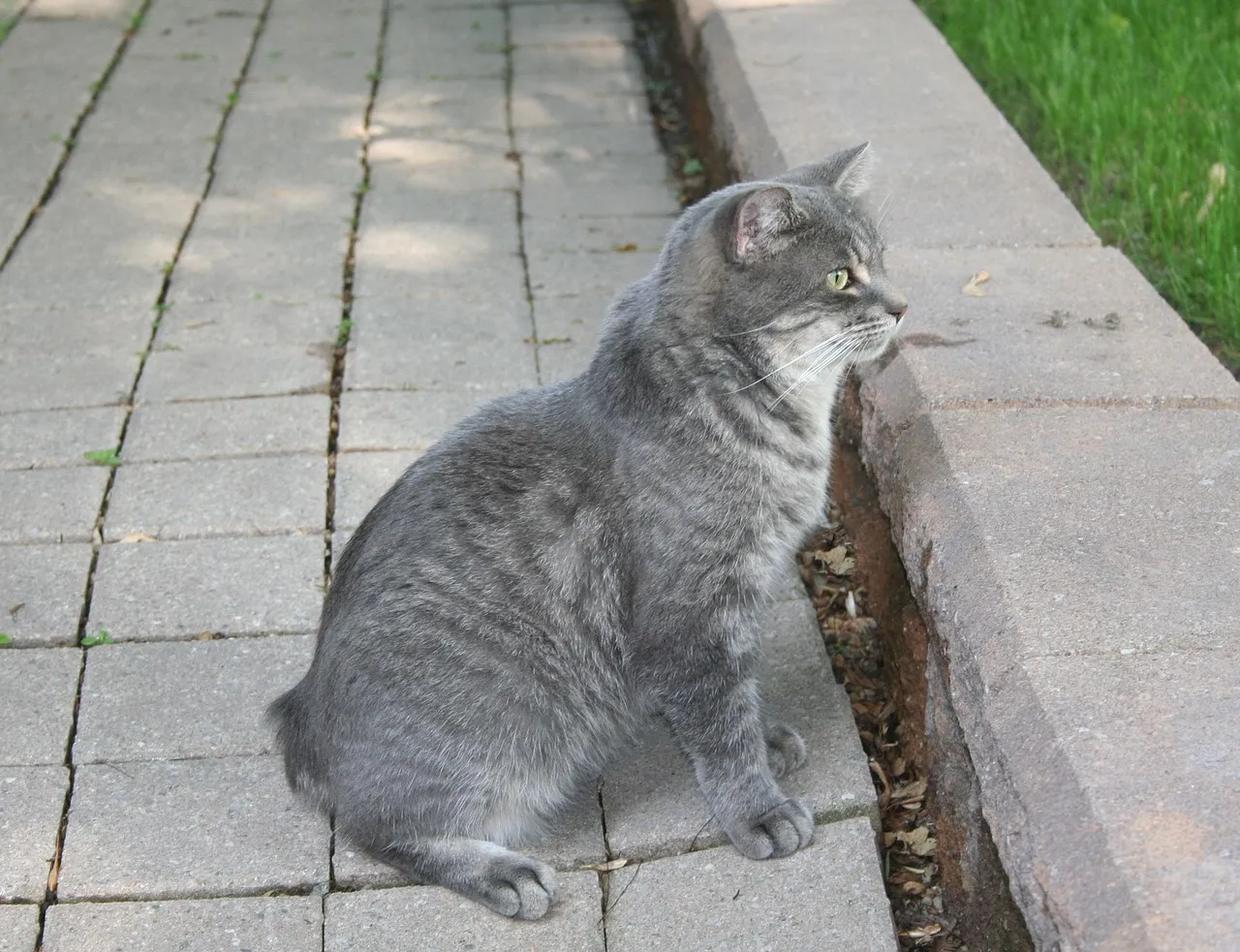
The Manx’s tailless silhouette isn’t the only unusual thing about this breed – its dog-like devotion sets it apart from nearly every other cat.
Manx cats are frequently compared to dogs for their loyalty, often following one specific person from room to room and expecting to be included in daily routines. That devotion extends naturally to physical affection, with many owners reporting their Manx actively seeks lap time rather than merely tolerating it.
Most people don’t realize this breed’s powerful hind legs, built for jumping, also make it surprisingly comfortable being lifted and carried compared to more skittish athletic breeds. Manx cats tend to relax quickly once held, a trait breeders attribute to generations of close human contact on the Isle of Man. #16 brings a much rarer, wavier coat into the picture.
#16 – LaPerm
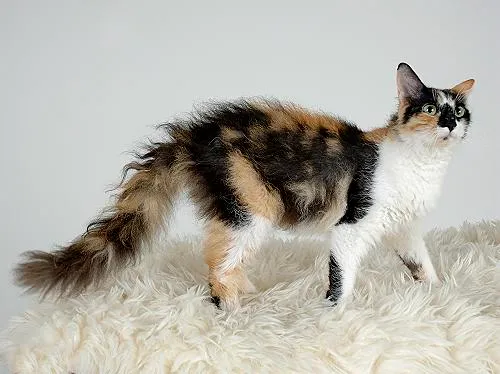
The LaPerm’s curly coat gets all the attention, but its affectionate temperament deserves equal credit.
This relatively rare breed is consistently described in breed literature as warm, social, and eager for physical closeness. LaPerms often greet visitors rather than hiding, a trait that carries over directly into their comfort level with being picked up by people outside their immediate household.
What surprises most new owners is how quickly this breed bonds, often within days rather than weeks. LaPerms are known for perching on shoulders and curling into arms unprompted, treating physical affection as a default state rather than something that needs to be earned slowly. #17 rounds out this list with one of the most classically “British” temperaments in the cat world.
#17 – British Shorthair
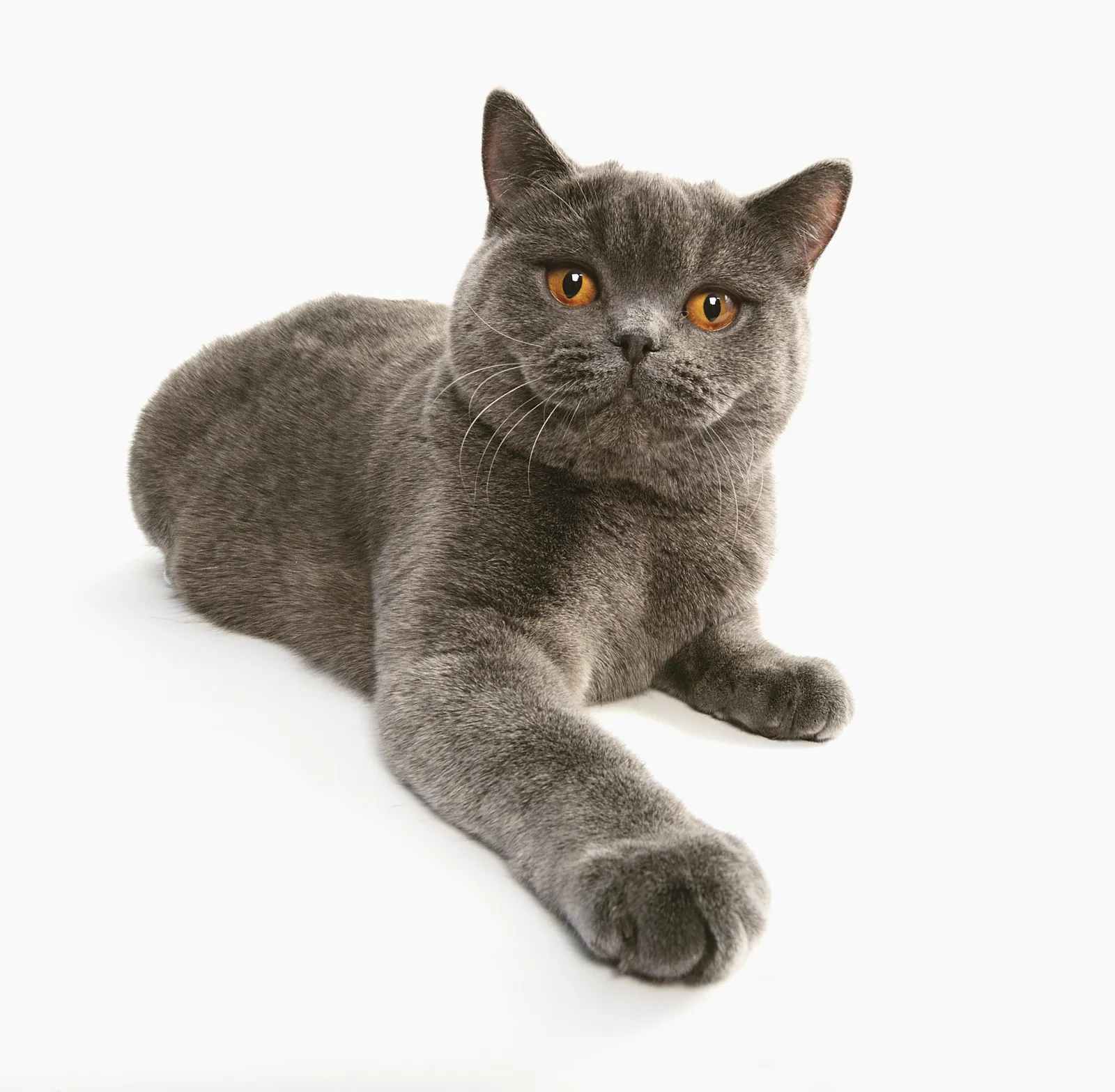
Round-faced and famously laid-back, the British Shorthair rarely gets rattled by much of anything – including being picked up.
This breed’s calm, stoic temperament makes it one of the more predictable cats on this list. British Shorthairs don’t typically demand cuddles the way a Sphynx or Burmese might, but they rarely resist them either, settling into arms with minimal fuss.
The surprising detail is how much this breed’s patience extends to children and strangers alike, a trait that’s made it a longtime favorite for families. British Shorthairs won’t climb onto your shoulder uninvited, but they won’t fight you off either – a middle ground that’s rarer than most people assume. Now it’s time to flip the script completely, starting with #18.
#18 – Bengal
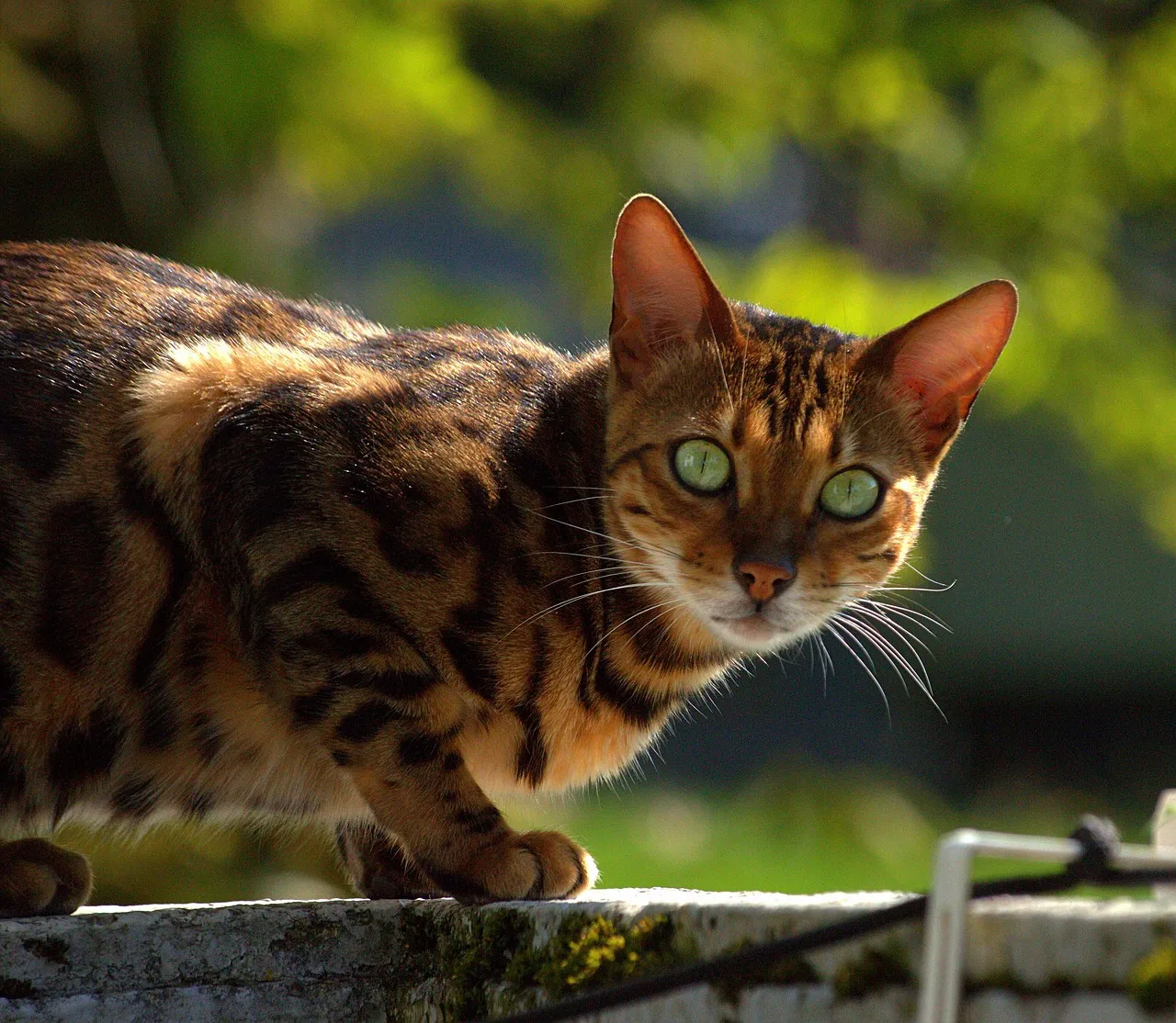
If the previous seventeen breeds taught you that cats can be cuddle-seekers, the Bengal is here to remind you that plenty are the exact opposite.
Bengals are known for their independent and less affectionate nature, and this breed may not appreciate being picked up and may react defensively when held. This isn’t bad temperament – it’s inherited wild instinct. Bengals descend from crosses with Asian leopard cats, and that ancestry shows up every time someone tries to scoop one up without warning.
Quick Compare
- Cuddle-seekers (Ragdoll, Sphynx, Birman): go limp, seek warmth, initiate contact themselves
- Independent types (Bengal, Abyssinian, Savannah): high energy, prefer contact on their own terms
- Middle-ground breeds (British Shorthair, Manx): won’t seek it out, but rarely fight it either
The detail most new owners underestimate: Bengal cats are energetic and playful, with a wild streak inherited from their leopard ancestors, and while they enjoy interacting with their owners, they often dislike being held or restrained for too long. Many Ragdolls love to be cuddled and held, whereas Bengals often do not. #19 comes from a breed with an equally strong personal-space policy.
#19 – Abyssinian
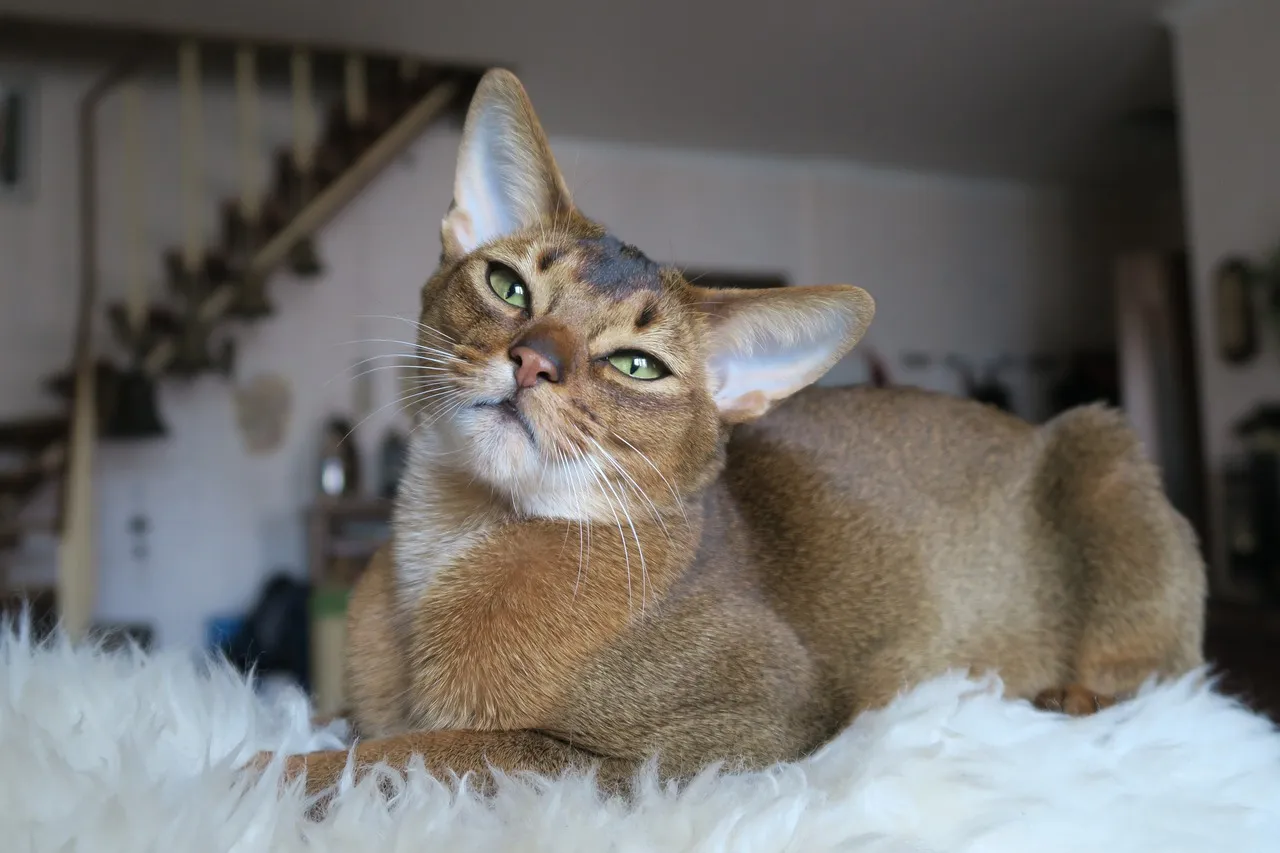
Abyssinians are often marketed as elegant and regal, but that elegance comes with a firm boundary around physical restraint.
Abyssinians generally dislike hugging or being held and can become visibly stressed when handling is forced rather than invited. This is one of the most athletic domestic breeds in existence, and that constant need for movement makes stillness – the exact thing being held requires – genuinely uncomfortable for them.
Here’s the part that surprises most people: Bengals, Persians, and Abyssinians are frequently grouped together as breeds that don’t like being picked up or cuddled according to multiple feline behavior sources, despite wildly different appearances and origins. If you want a cat that greets you at the door but bolts the second you reach down, this is likely it. #20 shares that same restless energy.
#20 – Somali
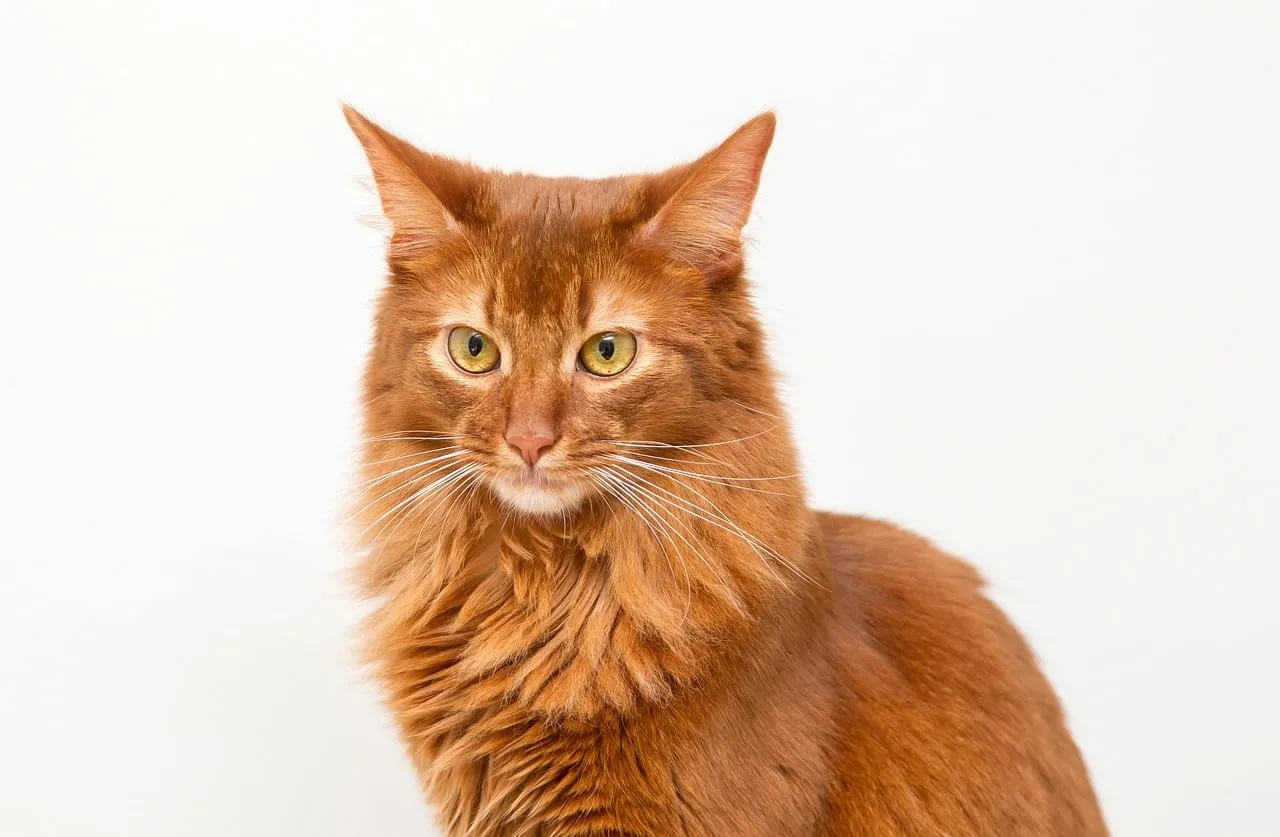
The Somali is essentially a long-haired Abyssinian, and it inherited nearly identical boundaries around physical contact.
Somali cats are perfect for owners who appreciate a lively, engaging companion that forms a close bond while maintaining a sense of independence. That independence is the key phrase – Somalis bond deeply with their favorite humans but express that bond through play and proximity, not through tolerating being lifted off the ground.
Most owners don’t expect how quickly a Somali will squirm free the moment it feels restrained, even mid-cuddle. This breed’s fox-like appearance matches its personality: alert, curious, and constantly scanning for the next thing to chase rather than settling into someone’s arms. Expect affection on the floor, not in the air. #21 takes independence to an entirely different speed.
#21 – Egyptian Mau
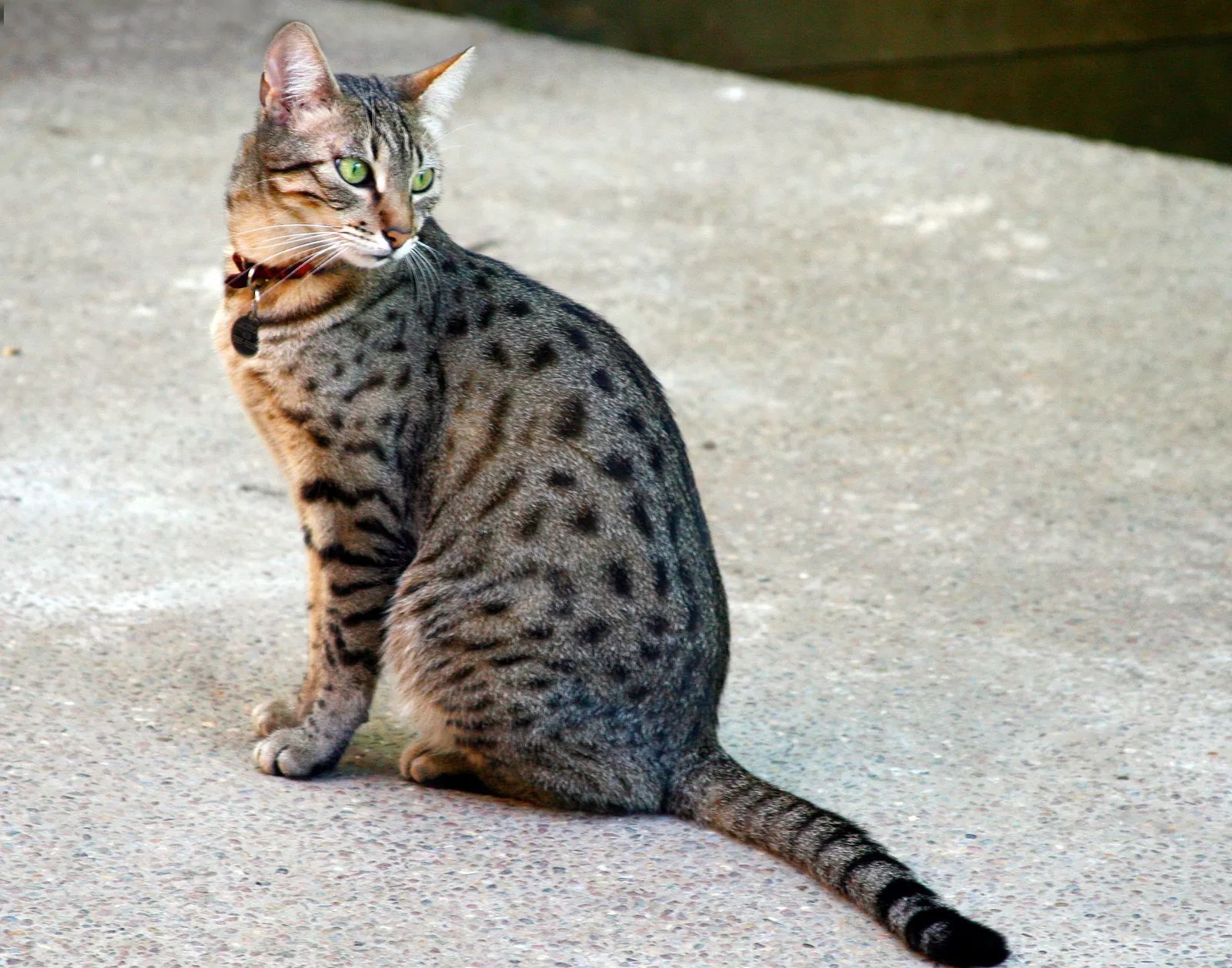
The fastest domestic cat breed in the world didn’t earn that title by enjoying stillness, and the Egyptian Mau proves it constantly.
This breed’s muscular, athletic build was preserved specifically for speed and agility, not for lounging in someone’s lap. Egyptian Maus are known for their intense loyalty to their chosen humans, but that loyalty rarely extends to accepting being picked up mid-activity.
The surprising twist is how selectively social this breed can be – deeply affectionate with trusted family members, yet visibly tense around anyone else attempting contact. Many owners describe their Mau as “one-person cats” who tolerate handling only from a single trusted individual, and even then, only briefly. #22 brings a rare, water-loving personality into the mix.
#22 – Turkish Van
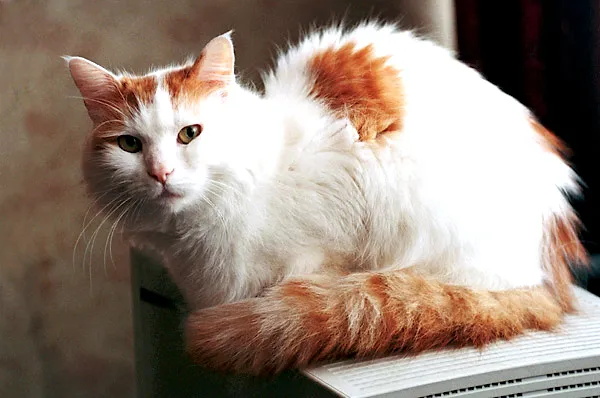
Nicknamed the “swimming cat,” the Turkish Van is built for adventure, not for being cradled indoors.
This breed’s high energy and love of water and exploration make it one of the more physically demanding cats to own. Turkish Vans are known for climbing to the highest point in any room, and being picked up interrupts exactly the kind of independent exploration this breed craves most.
Most people don’t realize how strong-willed this breed becomes once it decides it doesn’t want to be held – Turkish Vans are large, muscular cats, and forcing the issue rarely ends well for the human involved. Owners consistently describe this breed as affectionate on its own terms, showing love through following and playing rather than cuddling. #23 is famously reserved with anyone new.
#23 – Russian Blue
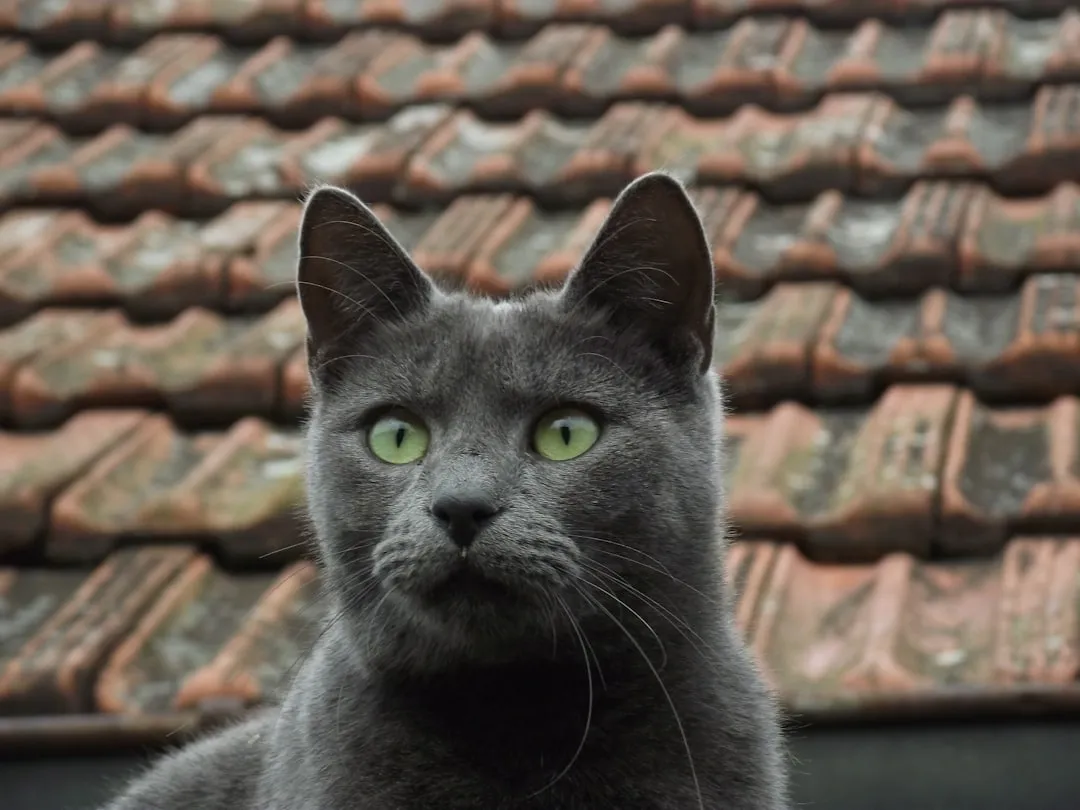
Shy around strangers and famously reserved, the Russian Blue treats physical contact as a privilege earned slowly, not offered freely.
This breed is known throughout the cat community for its cautious, watchful temperament, often observing new situations from a distance before engaging. Russian Blues bond intensely with their chosen family, but that bond typically shows up as quiet companionship rather than being scooped into someone’s arms.
The detail that surprises most new owners: even affectionate Russian Blues often prefer gentle petting while seated near their person over being lifted and held directly. This breed’s routine-loving nature means sudden, unexpected handling – even from a familiar face – can trigger genuine stress. Predictability matters more to a Russian Blue than affection intensity. #24 is even more selective about who it trusts.
#24 – Korat
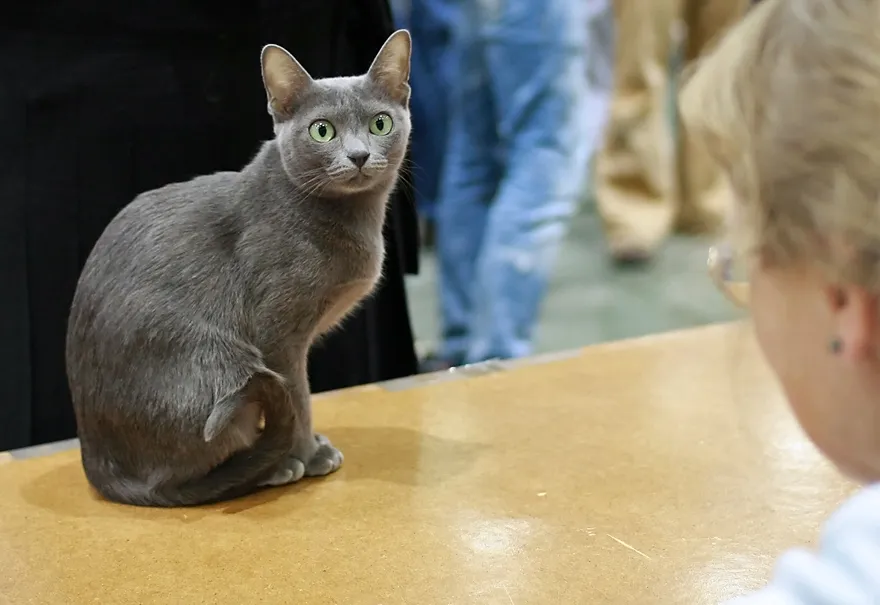
One of the rarest and oldest natural cat breeds, the Korat forms an intensely close bond with exactly one person – and no one else.
This breed’s cautious nature around strangers is well documented among Thai cat historians and modern breeders alike. Korats are known to shadow their favorite human relentlessly, yet resist handling from anyone else in the household, including other family members.
What most people don’t expect is how vocal a Korat becomes when it disagrees with being picked up unexpectedly, using sharp, clear protests rather than silent tolerance. This isn’t aggression – it’s communication. Korats simply expect consent before contact, a trait that makes them fascinating but occasionally frustrating companions. #25 comes from much colder climates.
#25 – Norwegian Forest Cat
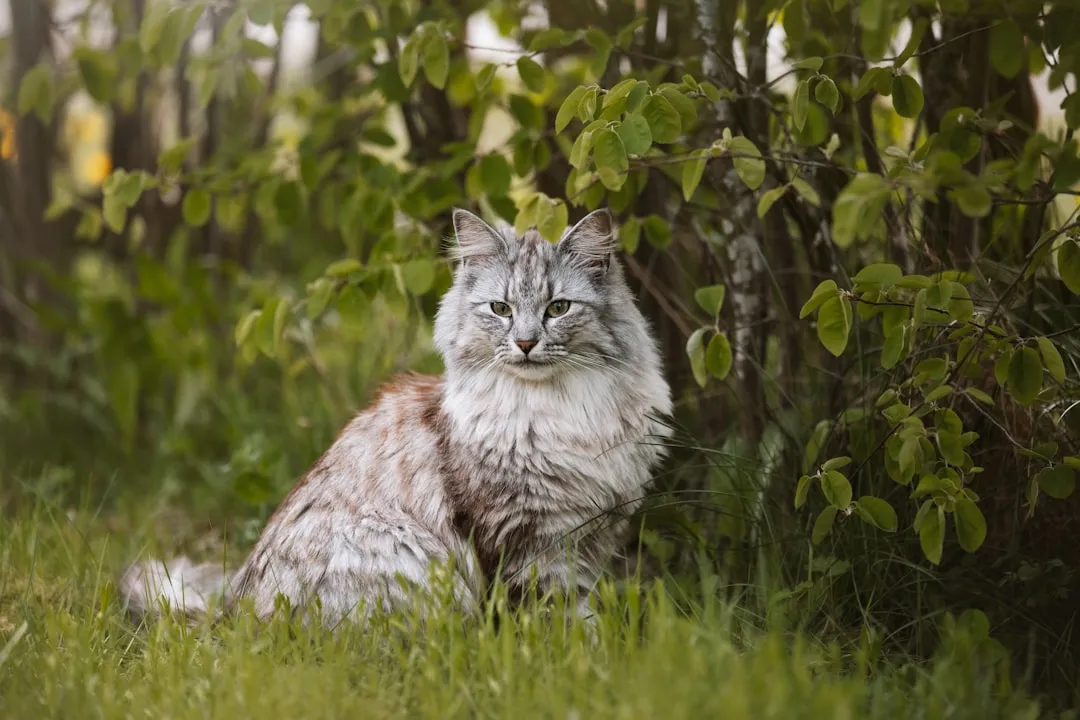
Bred to survive brutal Scandinavian winters, the Norwegian Forest Cat carries a rugged self-sufficiency that doesn’t disappear indoors.
This breed’s thick double coat and large, muscular frame were built for outdoor survival, not for extended cuddle sessions. Norwegian Forest Cats are known for their calm confidence, often observing household activity from an elevated perch rather than seeking out laps.
The surprising part is how physically strong this breed is compared to typical house cats, making an unwanted pickup attempt considerably harder to manage than with smaller breeds. Owners frequently describe this cat as affectionate in presence but independent in contact, happy to sit nearby without ever climbing into arms. #26 shares a similarly regal, hands-off attitude.
#26 – Turkish Angora
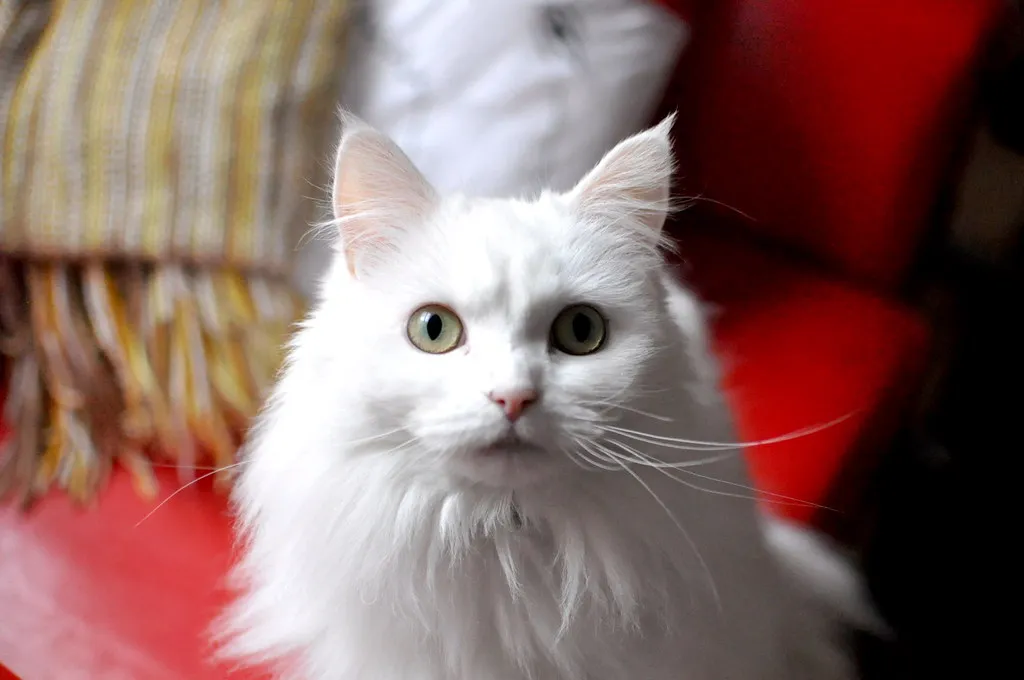
Elegant, intelligent, and famously headstrong, the Turkish Angora has opinions about nearly everything – including whether it wants to be held.
This ancient breed originated in Turkey and has long been associated with a strong, independent personality that borders on stubbornness. Turkish Angoras are known to initiate affection entirely on their own schedule, often rubbing against legs or perching nearby rather than accepting a spontaneous pickup.
Most owners are surprised by how quickly this breed communicates displeasure through body language – flattened ears, a stiffened body, or a quick twist to escape. Turkish Angoras aren’t unaffectionate; they simply insist on controlling how and when physical contact happens, a trait many owners eventually learn to respect. #27 has an unmistakable physical quirk that hints at its personality.
#27 – American Curl
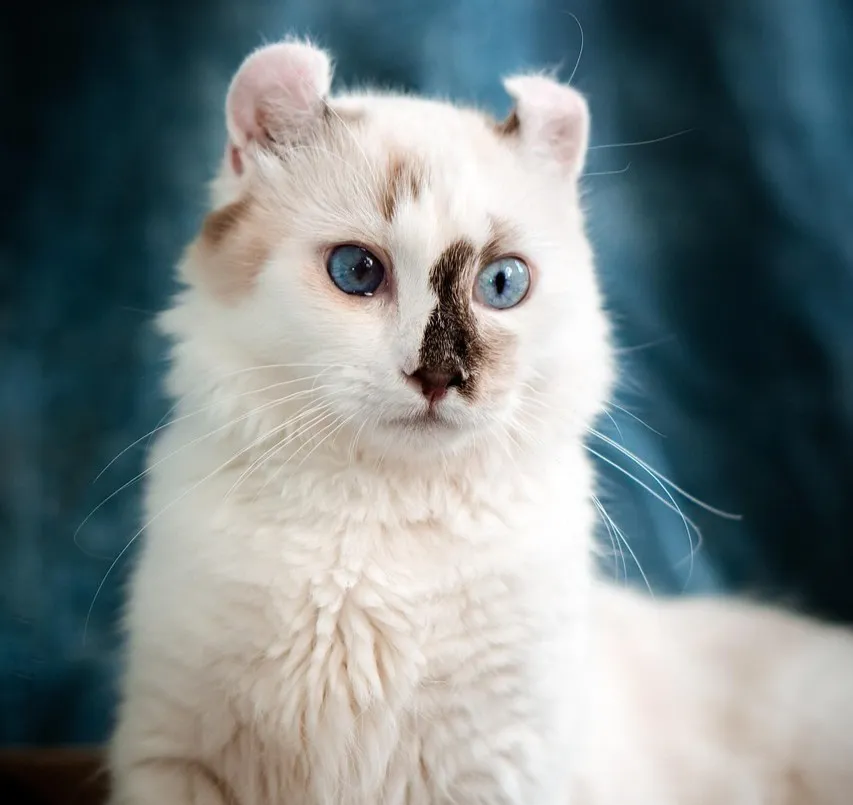
Best known for its distinctive curled ears, the American Curl pairs an unusual look with a surprisingly firm stance on personal space.
This breed is playful and people-oriented in many ways, often following owners around and engaging in interactive games. But that sociability doesn’t automatically translate into comfort with being lifted, and many American Curls will wriggle free almost immediately after being picked up.
The detail that catches people off guard is how much this breed prefers contact on the ground over contact in the air. American Curls are known for headbutting, rubbing, and lounging beside their favorite humans, treating those behaviors as sufficient affection without needing to be held to prove the bond exists. #28 comes with a genuinely wild backstory.
#28 – Savannah
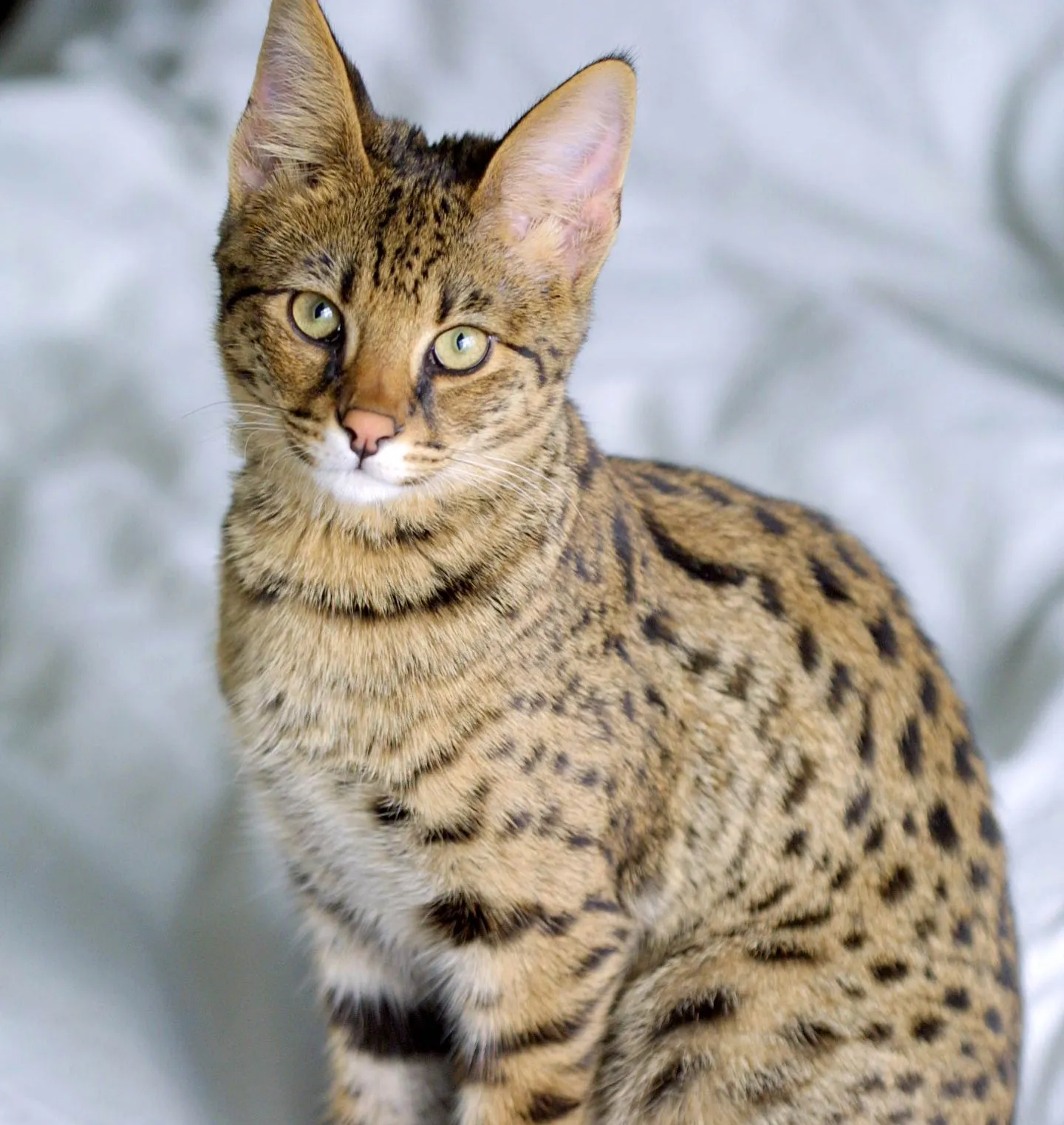
Part domestic cat, part African serval, the Savannah is one of the most physically powerful breeds most households will ever encounter.
This hybrid breed’s wild ancestry means an instinctive resistance to restraint that’s considerably stronger than in fully domestic breeds. Savannahs are famously athletic, capable of impressive vertical jumps, and generally prefer using that power to explore rather than sit still in someone’s arms.
Worth Knowing
- Hybrid generations are labeled F1 through F5, with F1 carrying the most wild ancestry
- Some U.S. states restrict or require permits for ownership due to serval lineage
- Considered one of the largest domestic hybrid breeds by height
- Needs significant vertical space, like cat trees or shelving, to feel secure
Most new owners underestimate just how much space and vertical territory this breed needs to feel secure, and being picked up directly contradicts that need for control over its own movement. Savannah owners consistently describe the breed as loyal and dog-like in devotion, but firmly opposed to traditional cuddling. #29 is small in size but equally particular.
#29 – Singapura
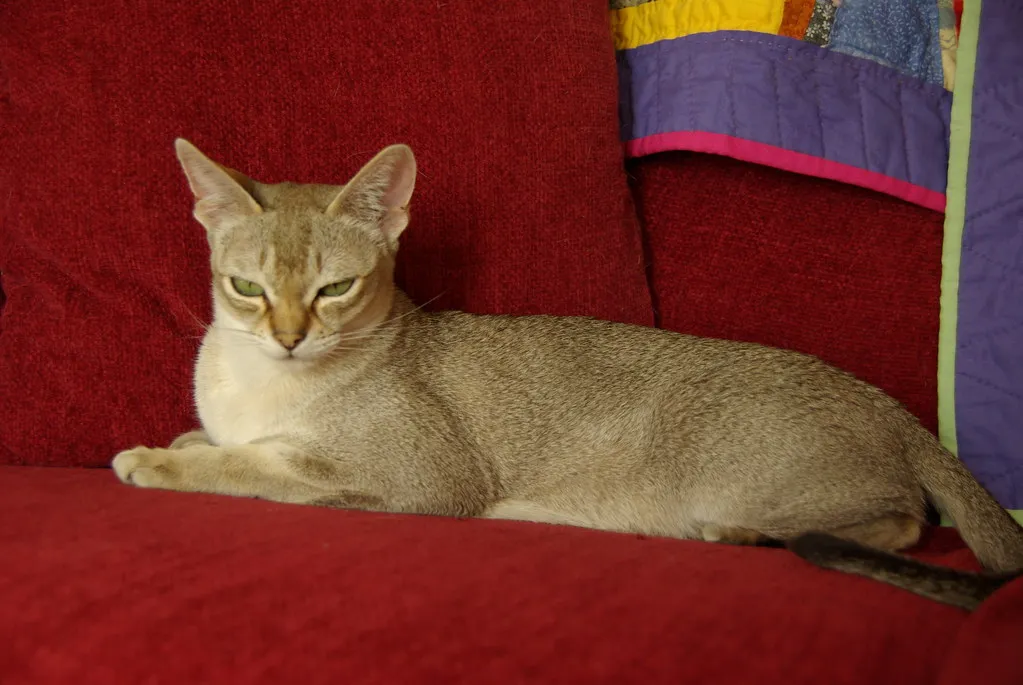
One of the smallest recognized cat breeds in the world, the Singapura packs an outsized independent streak into a tiny frame.
This breed originated on the streets of Singapore, and that scrappy, self-reliant history still shows up in its temperament today. Singapuras are famously curious and playful, often getting into everything within reach, but that same curiosity rarely extends to enjoying being restrained.
The surprising twist is how quickly this small breed can maneuver out of an unwanted hold, using its compact, agile body to twist free faster than most larger breeds could manage. Owners describe Singapuras as endlessly entertaining companions who show affection through mischief and proximity, not through tolerating a lap-bound cuddle session. #30 has an entirely different kind of stubby charm.
#30 – American Bobtail
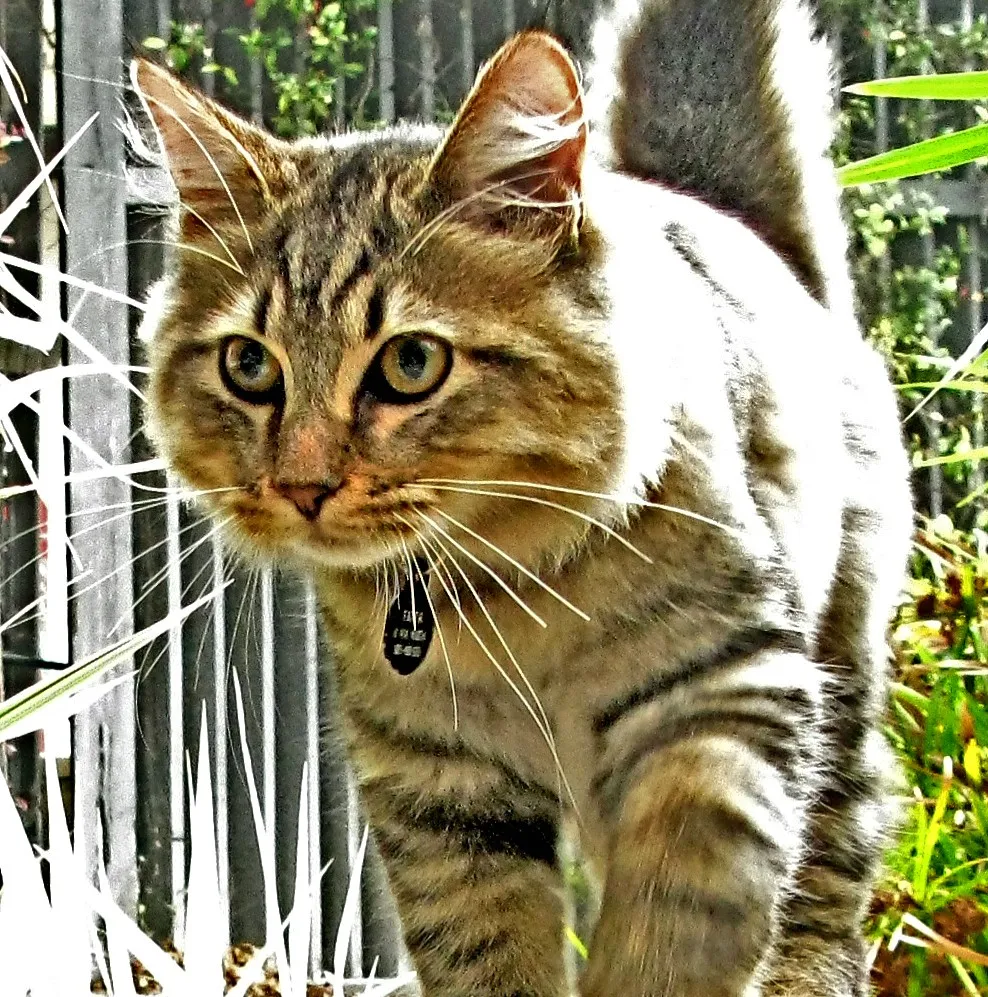
With a short, naturally occurring bobbed tail, the American Bobtail looks approachable – but its temperament runs more independent than its appearance suggests.
This breed is known for being intelligent and highly trainable, often learning to fetch toys or respond to simple commands. That intelligence comes paired with a strong sense of autonomy, and American Bobtails typically prefer engaging on their own terms rather than being physically restrained.
What most people don’t expect is how much this breed values choice in every interaction, often walking away mid-pet if it decides it’s had enough. American Bobtails aren’t aloof exactly – they’re simply particular, treating consent as a requirement rather than an afterthought. #31 has one of the wildest appearances on this entire list.
#31 – Pixie-bob
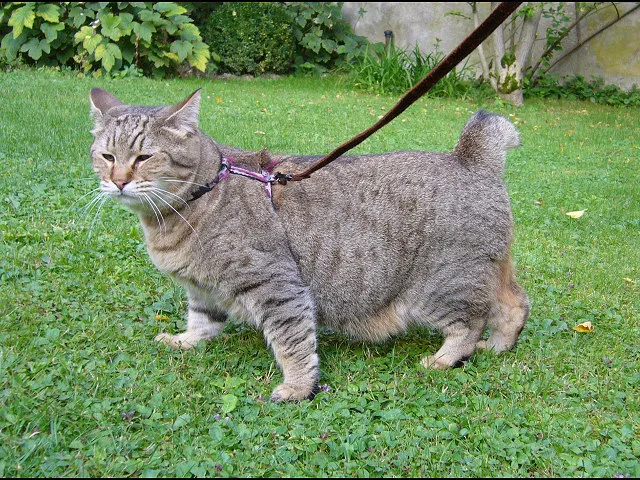
Bred to resemble a miniature bobcat, the Pixie-bob carries a rugged, no-nonsense attitude that matches its wild look.
This breed is known for being dog-like in loyalty, often following one primary person closely throughout the day. But that loyalty shows up as companionship, not compliance – Pixie-bobs are large, sturdy cats that generally resist being lifted unless they’ve specifically initiated the contact themselves.
The surprising detail is how vocal this breed can be when it disagrees with handling, often chirping or growling as a clear warning before any actual resistance begins. Pixie-bob owners consistently describe the breed as a devoted shadow that prefers walking beside you over being carried anywhere. #32 brings serious size back into the conversation.
#32 – Highlander
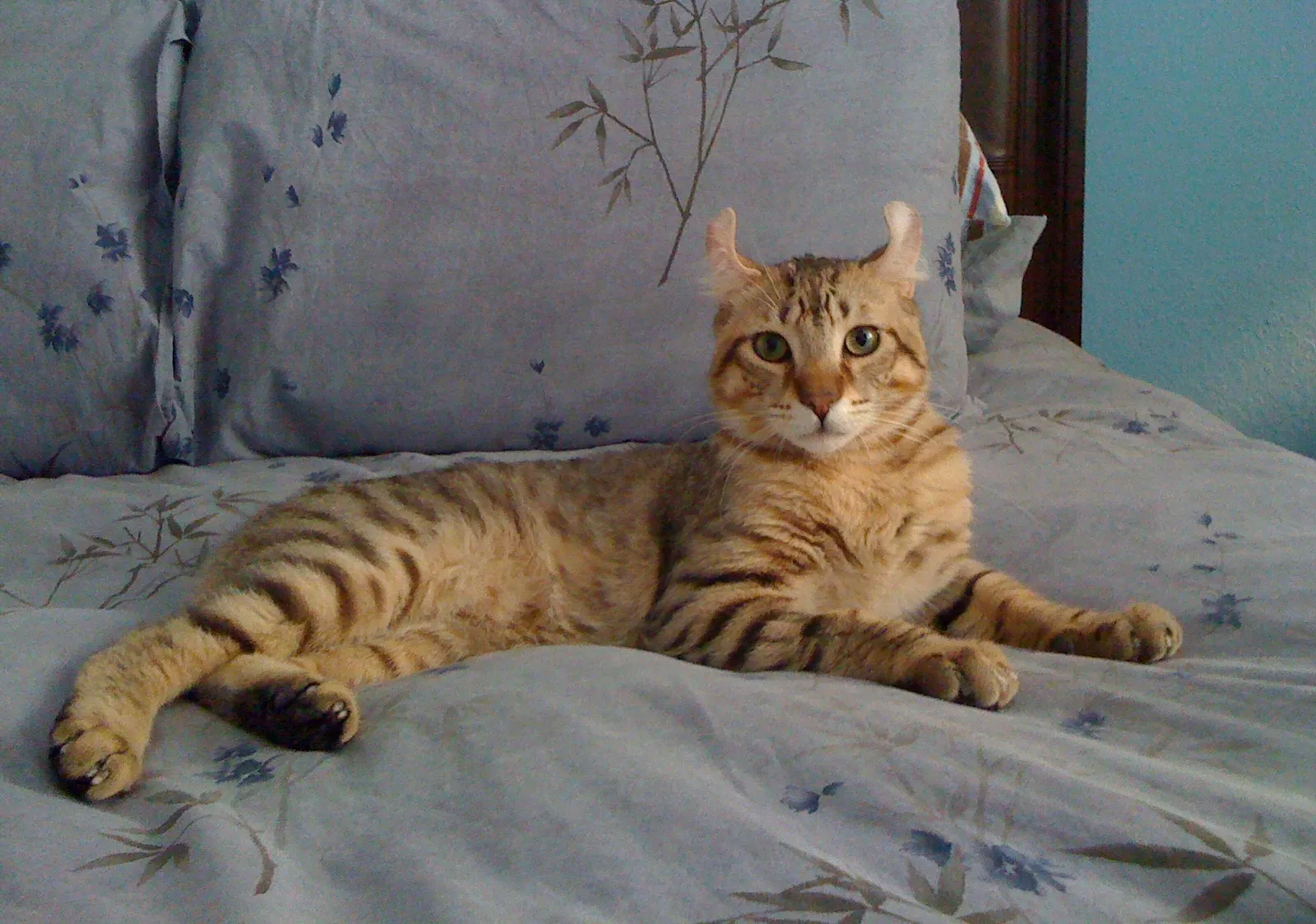
Large, muscular, and topped with distinctive curled ears, the Highlander is a relatively new breed with an unmistakably bold personality.
This breed was developed specifically for its wild bobcat-like appearance, and that heritage comes with real physical strength and confidence. Highlanders are known for being playful and energetic well into adulthood, often preferring active games over passive affection like being held still.
Most owners are surprised by how much space this breed needs to feel comfortable, treating being lifted as an interruption rather than a reward. Highlander cats tend to show affection through play, proximity, and vocal chatter rather than physical stillness, making them poor candidates for owners hoping for a classic lap cat. #33 is prized specifically for its unusual coat texture.
#33 – American Wirehair
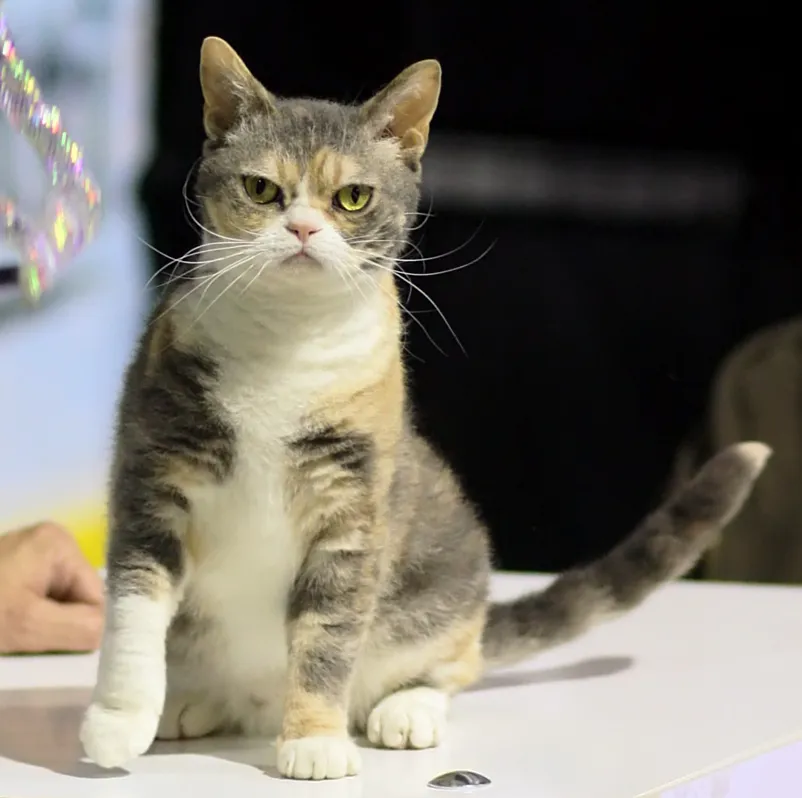
The American Wirehair’s springy, coarse coat is its most famous feature, but its independent streak deserves just as much attention.
This rare American breed emerged from a natural genetic mutation and has remained relatively uncommon compared to more popular shorthair breeds. American Wirehairs are generally calm and even-tempered day to day, but that calmness doesn’t necessarily extend to enjoying restraint or extended holding.
The detail that surprises most people is how selective this breed is about physical affection, often accepting brief contact from trusted owners while resisting anything longer or more restrictive. American Wirehairs show love through steady companionship rather than clinginess, a trait that suits owners who prefer a lower-maintenance emotional dynamic. Finally, #34 closes this list with one of the wildest hybrid temperaments available.
#34 – Chausie
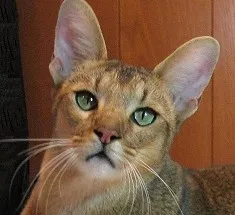
Descended in part from the jungle cat, the Chausie is about as far from a lap cat as the domestic feline world gets.
This large, athletic hybrid breed retains significant wild ancestry, and that lineage shows up clearly in its strong preference for movement over stillness. Chausies are known for their impressive jumping ability and near-constant need for stimulation, making extended physical restraint one of the least appealing experiences for this breed.
Most people don’t expect just how much territory and vertical space a Chausie needs to feel secure, treating a forced pickup as a direct challenge to that control. Owners consistently describe this breed as deeply bonded but fiercely independent, offering loyalty and companionship strictly on its own terms. That brings us to the real takeaway from all thirty-four breeds.
The Bottom Line
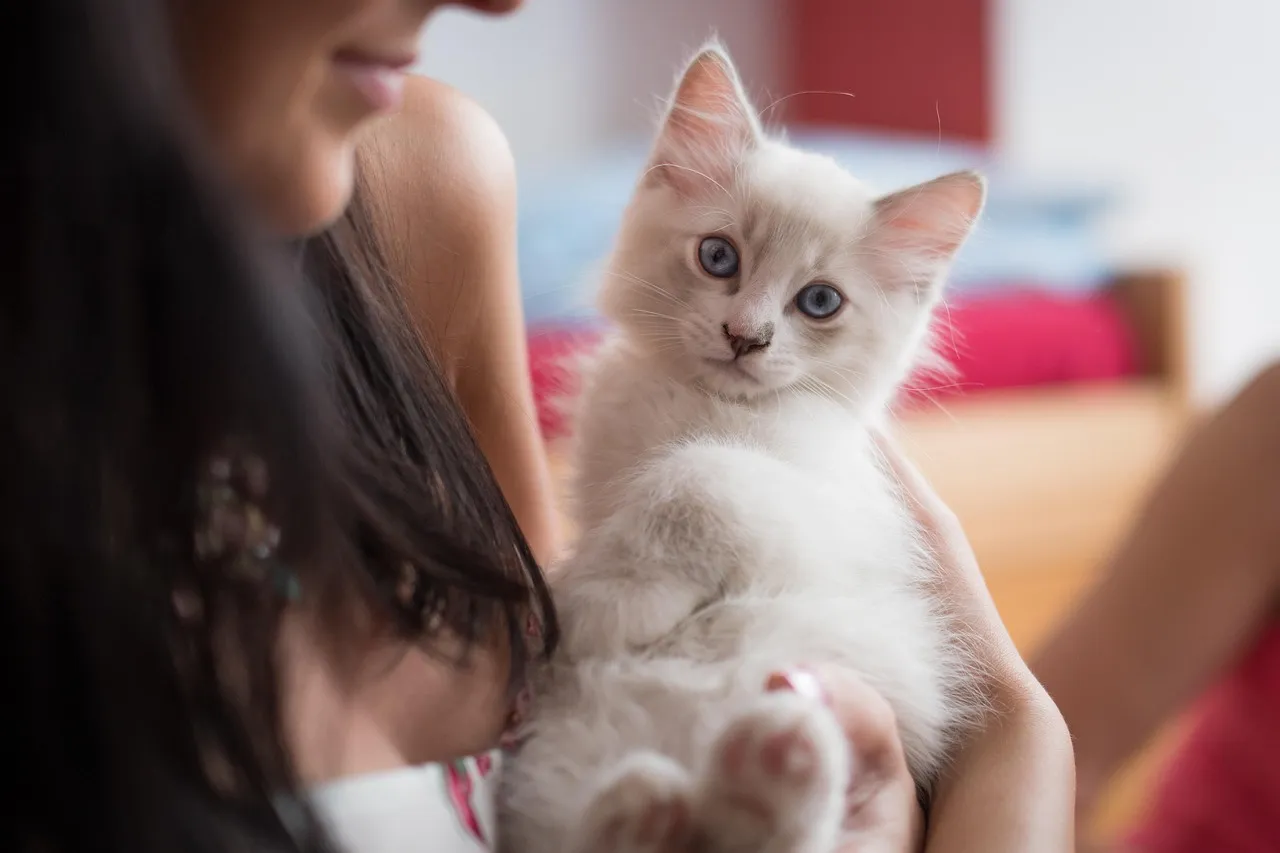
The real lesson here isn’t just which breeds tolerate cuddles – it’s that forcing physical affection on the wrong cat almost always backfires, regardless of breed reputation. Ragdolls, Sphynxes, and Birmans were practically built for arms, while Bengals, Abyssinians, and wild-hybrid breeds like the Savannah and Chausie were never meant to be restrained, no matter how much owners wish otherwise.
Genetics, not personal offense, decides most of this. If your cat squirms free every time, it’s probably not rejecting you – it’s just wired differently. Which breed on this list matched your own cat’s personality perfectly, or completely missed the mark? Drop it in the comments.