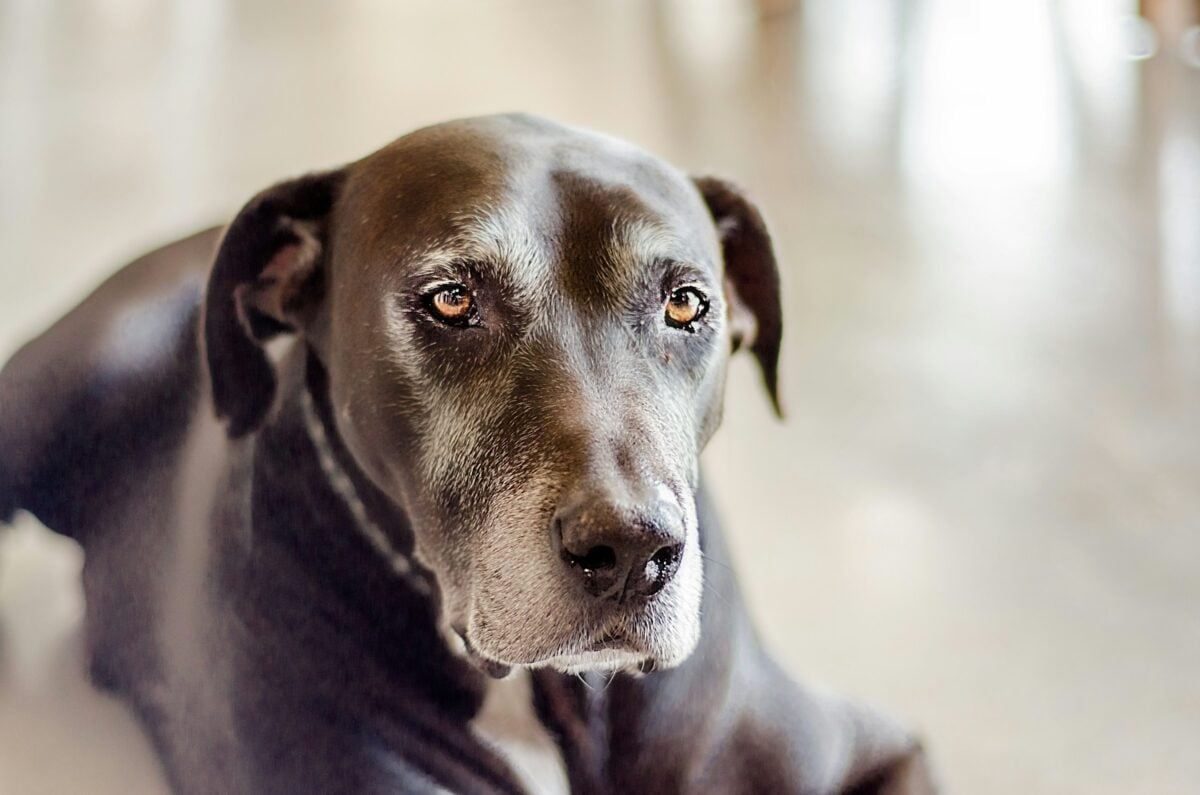
Your senior dog isn’t just getting older this fall – he’s getting confused. Not because of anything you’re doing wrong, but because of something almost nobody thinks to blame: the earlier sunset. While you’re flipping on porch lights and digging out a jacket, your dog’s internal clock, joints, appetite, and even his sense of safety are quietly rearranging themselves around those missing hours of daylight.
Vets who work with aging dogs say this seasonal light shift is one of the most under-recognized triggers for decline in senior pets, and most owners never connect the dots until something already feels ‘off.’ Below are 18 real, specific ways your older dog’s needs change the moment evenings start closing in early, starting with the one most owners get backwards without even realizing it.
#1 – More Consistent (Not Later) Feeding Times
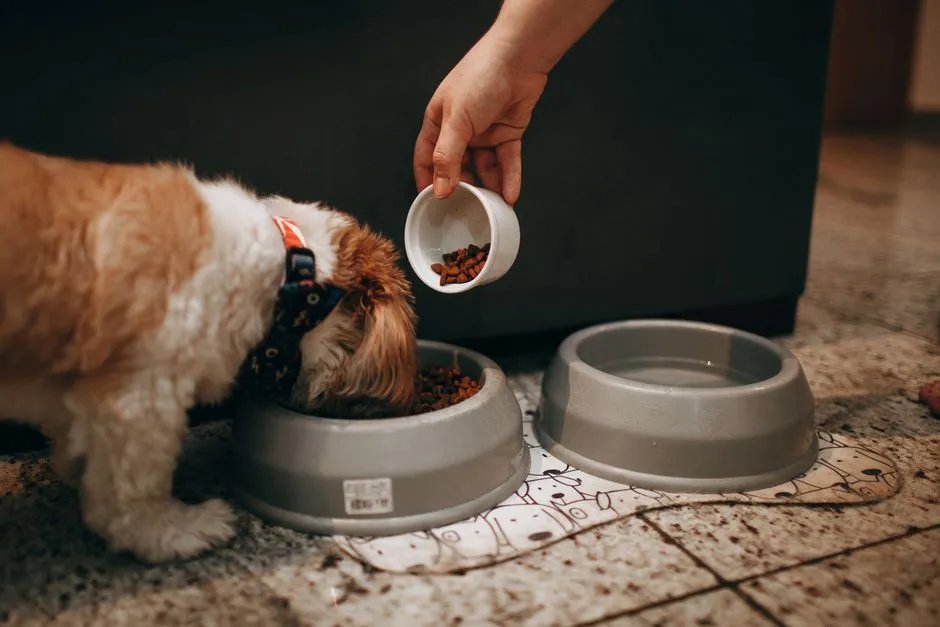
Older dogs rely heavily on internal rhythm, and when the evenings darken early, their body clock can get genuinely confused about when dinner ‘should’ happen. Many owners unintentionally push mealtime later simply because it now feels darker earlier, which can throw off digestion and blood sugar regulation in senior dogs with conditions like diabetes or pancreatitis.
Most owners don’t realize that consistency matters more than the actual clock time. Keeping feeding times locked to a fixed schedule, rather than adjusting based on how dark it feels outside, helps stabilize appetite and energy levels. Senior dogs with slower metabolisms depend on that predictability, and a shifted feeding window can trigger unnecessary begging, restlessness, or even nighttime accidents. And the ripple effects go further than you’d expect.
#2 – Earlier (Not Later) Evening Walks
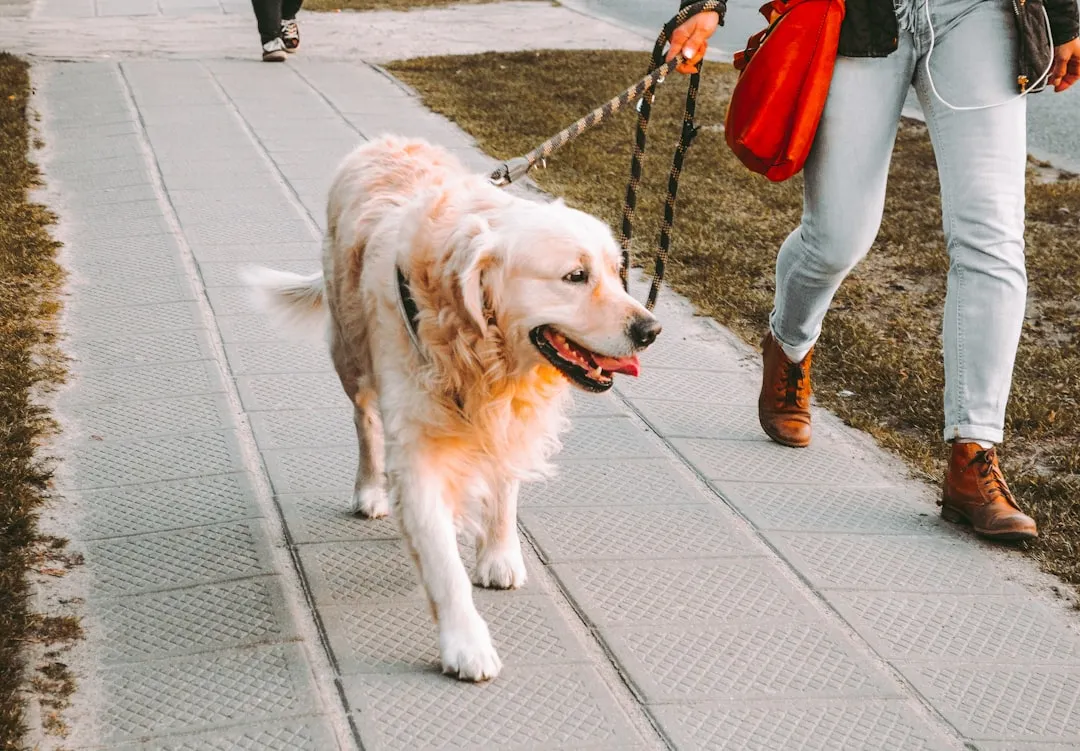
As daylight fades sooner, many owners delay the evening walk until after dinner, but for older dogs, this can be a real mistake. Senior joints stiffen fast once temperatures drop, and walking in near-darkness sharply increases fall risk for dogs with fading eyesight or arthritis.
Experts increasingly recommend shifting the walk earlier, while there’s still usable daylight, rather than pushing it later to fit a human schedule. A 20-minute delay can be the difference between decent visibility and near-total darkness for a dog whose night vision is already fading. This is also exactly when senior dogs are most likely to slip on wet leaves or uneven pavement, so timing genuinely matters here. Here’s where it gets more serious than most owners assume.
#3 – Reflective or Light-Up Gear
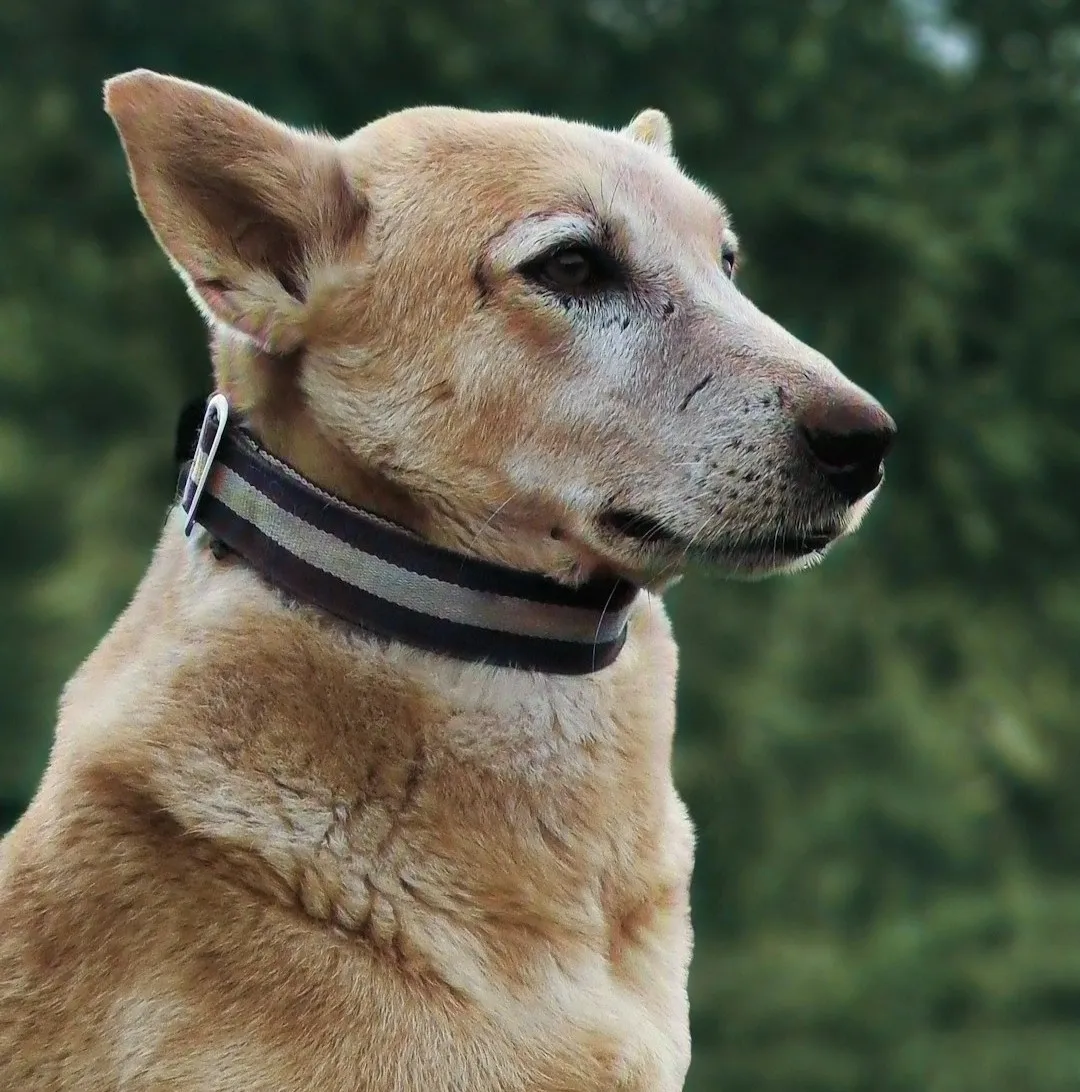
Once evenings draw in early, senior dogs suddenly need visibility gear that younger dogs might never require. Many older dogs already move slower and react less quickly to headlights or bikes, which makes low-light visibility a genuine safety issue rather than a fashion choice.
A simple reflective collar or light-up leash attachment can dramatically cut the risk of accidents on shared paths or roads. Senior dogs are more vulnerable to low-light incidents simply because they can no longer dart out of the way as quickly as they once could. Owners who add visibility gear in early autumn often keep using it year-round once they see the difference it makes. Yet this is only the beginning of what darkness quietly changes.
Quick Compare: Visibility Gear Options
- Reflective collar – catches headlights and streetlights, no batteries required
- LED or light-up leash clip – best choice for pitch-dark streets or trails
- Reflective harness – covers more surface area than a collar alone
- Glow-in-the-dark bandana – lightweight backup option for quick yard trips
#4 – Extra Layers for Warmth
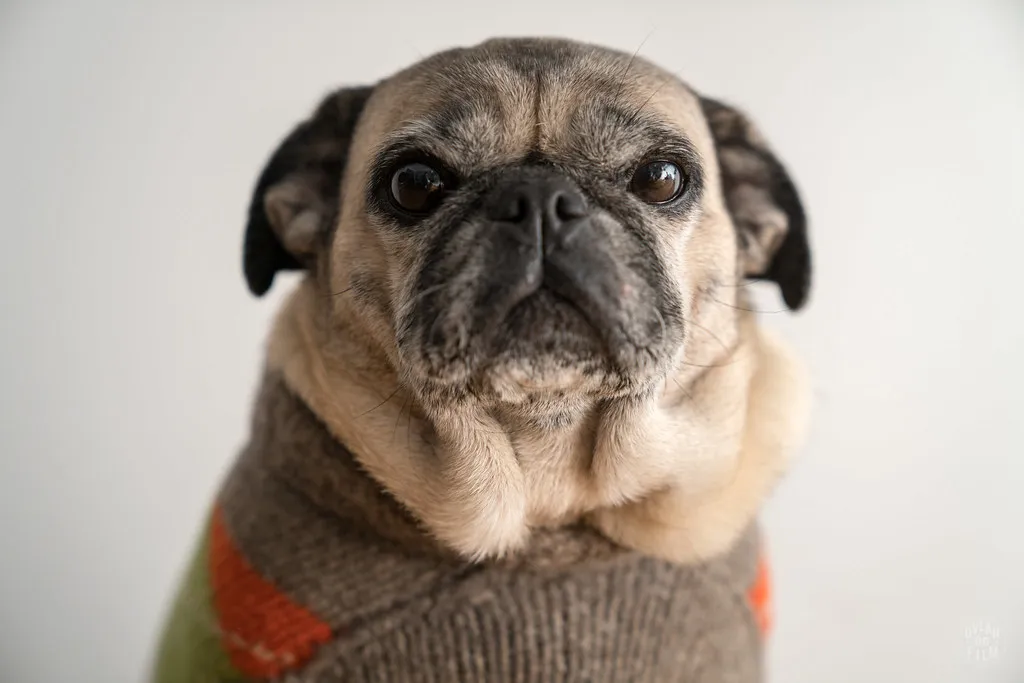
Older dogs lose body fat and muscle mass over time, which means they retain heat far less efficiently than they did in their younger years. As soon as evenings start cooling down early, senior dogs often need a jacket or sweater long before their younger housemates ever will.
This isn’t about looking cute in a sweater. It’s about preventing muscle stiffness and joint pain that flare up in colder air. Most owners underestimate how much a 10-degree drop in evening temperature can affect an arthritic senior dog’s mobility the next morning, and vets frequently see a spike in stiffness complaints during the exact weeks when evenings start getting noticeably darker and cooler. But warmth is only half the story.
#5 – Turning On the Lights Sooner Than Feels Necessary
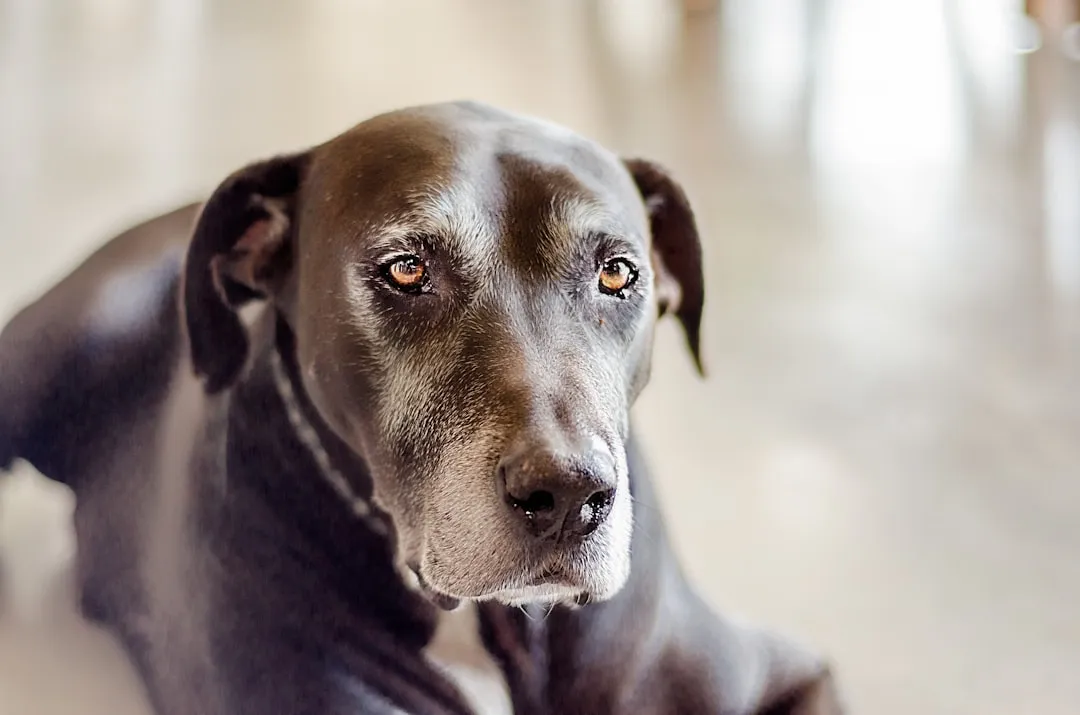
As natural light disappears earlier, senior dogs with vision decline can struggle navigating a home that suddenly feels darker sooner in the evening. Cataracts and age-related vision loss are extremely common in older dogs, and dim lighting makes it harder for them to judge distances, stairs, and furniture edges.
Simply turning on lights earlier, rather than waiting until it’s fully dark, gives senior dogs more time to adjust visually. Sudden light-to-dark transitions are far more disorienting for aging dogs than a gradual dimming ever is. Nightlights near stairs or hallways can prevent falls that owners often mistake for clumsiness rather than a lighting problem. And lighting is just the first fix most owners overlook.
#6 – A Predictable Wind-Down Routine
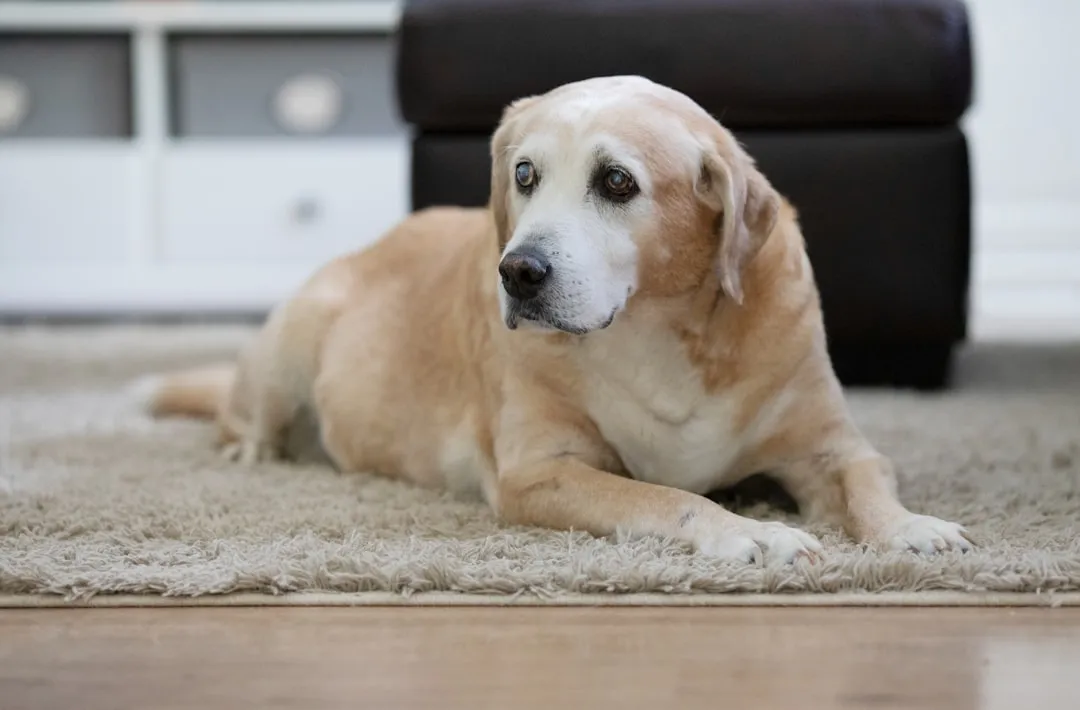
Dogs are creatures of rhythm, and older dogs especially rely on cues to signal that the day is ending. When evenings darken early, that internal signal can arrive hours before the household is actually ready for bedtime, leaving senior dogs anxious or restless in the meantime.
Building a consistent wind-down routine, like dimming lights, taking a short walk, then settling into their bed, helps bridge the gap between ‘it feels like night’ and ‘it’s actually bedtime.’ Darkness itself acts as a biological cue for dogs, not just a visual change, and most owners never think of it that way. Skipping this transition often shows up as pacing, whining, or unsettled behavior right around dusk. Still, routine alone doesn’t solve everything.
#7 – Retiming the Joint Supplements
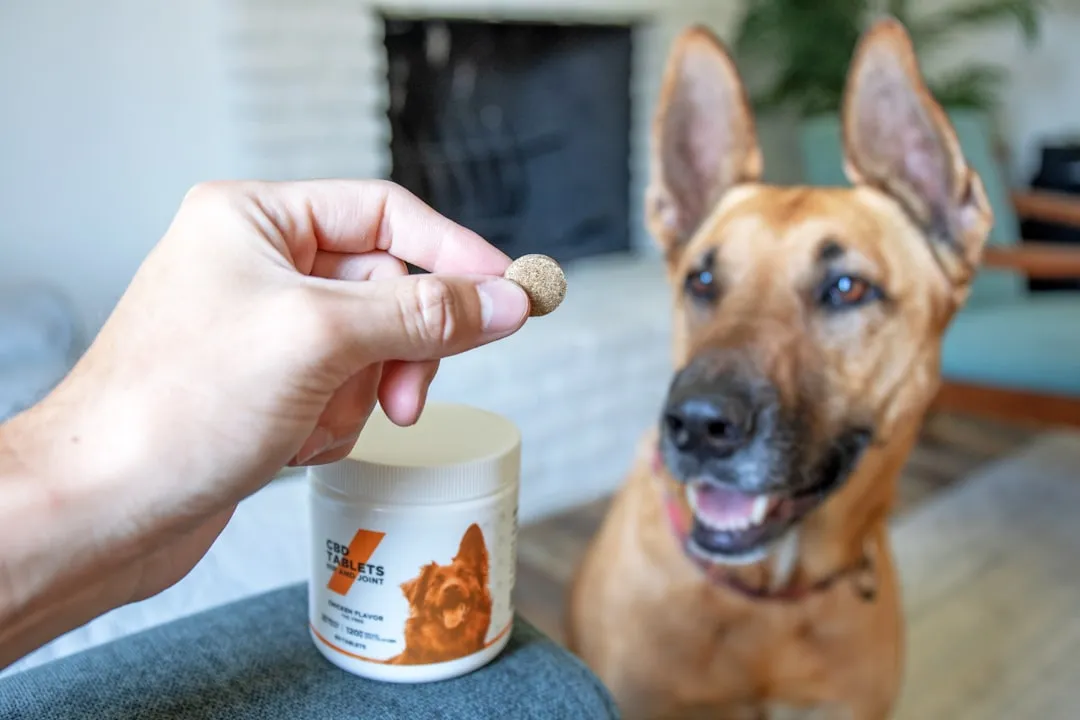
Cooler, damper evenings are notoriously hard on aging joints, and many senior dogs need their joint supplements or medication timing adjusted once the weather shifts. Vets often see a seasonal uptick in stiffness complaints that lines up almost exactly with shorter daylight hours.
This doesn’t necessarily mean a new medication. Sometimes it simply means giving existing supplements earlier in the day so they’re fully active by the time evening stiffness sets in. Many owners are unknowingly dosing at the wrong time, not realizing timing affects how well a supplement actually works. A quick chat with a vet about adjusting the schedule can make a noticeable difference in evening mobility. Timing, it turns out, matters more than the supplement itself.
Fast Facts
- Glucosamine and chondroitin are often absorbed best when given with a meal, earlier in the day
- Fish oil supplements can be more effective when paired with food containing some fat
- Prescription joint medications typically work best with consistent, same-time dosing
- A vet-adjusted schedule can matter just as much as the supplement itself
#8 – More Frequent Bathroom Breaks
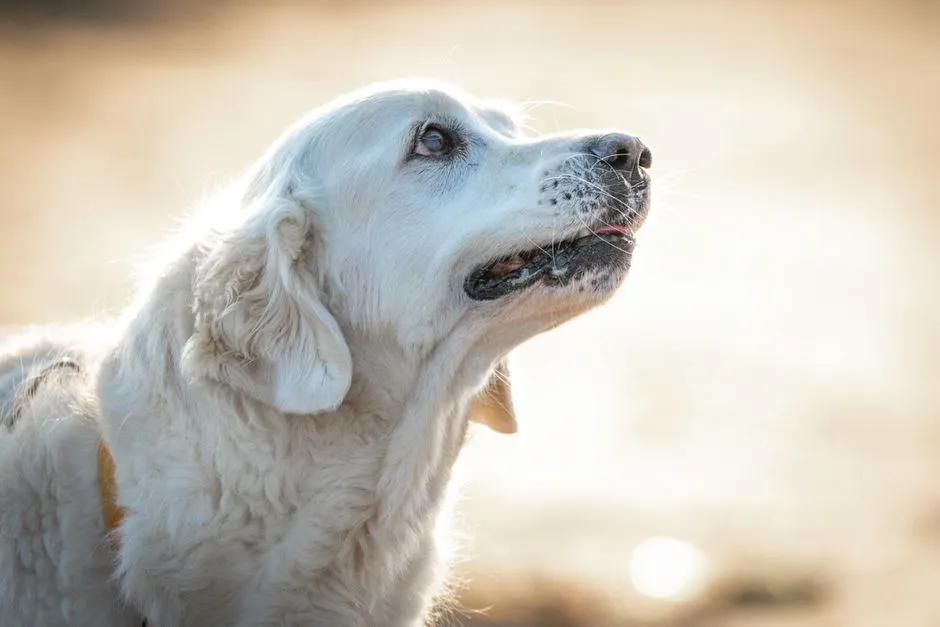
As evenings get darker earlier, many senior dogs instinctively want to ‘settle in’ sooner, which can mean less enthusiasm for that final outdoor bathroom break of the night. This is especially true for dogs with early-stage cognitive decline, who may become disoriented by darkness outside.
Owners often notice more indoor accidents during this seasonal shift, and it’s rarely about training. It’s about comfort and visibility. Most people never connect early darkness with a spike in nighttime accidents, but vets say the two are closely linked. Adding one extra, earlier bathroom trip before full darkness sets in can prevent the issue entirely. Which brings up a problem most owners blame on the wrong thing.
#9 – Their Favorite Sleeping Spot Turns Cold Overnight
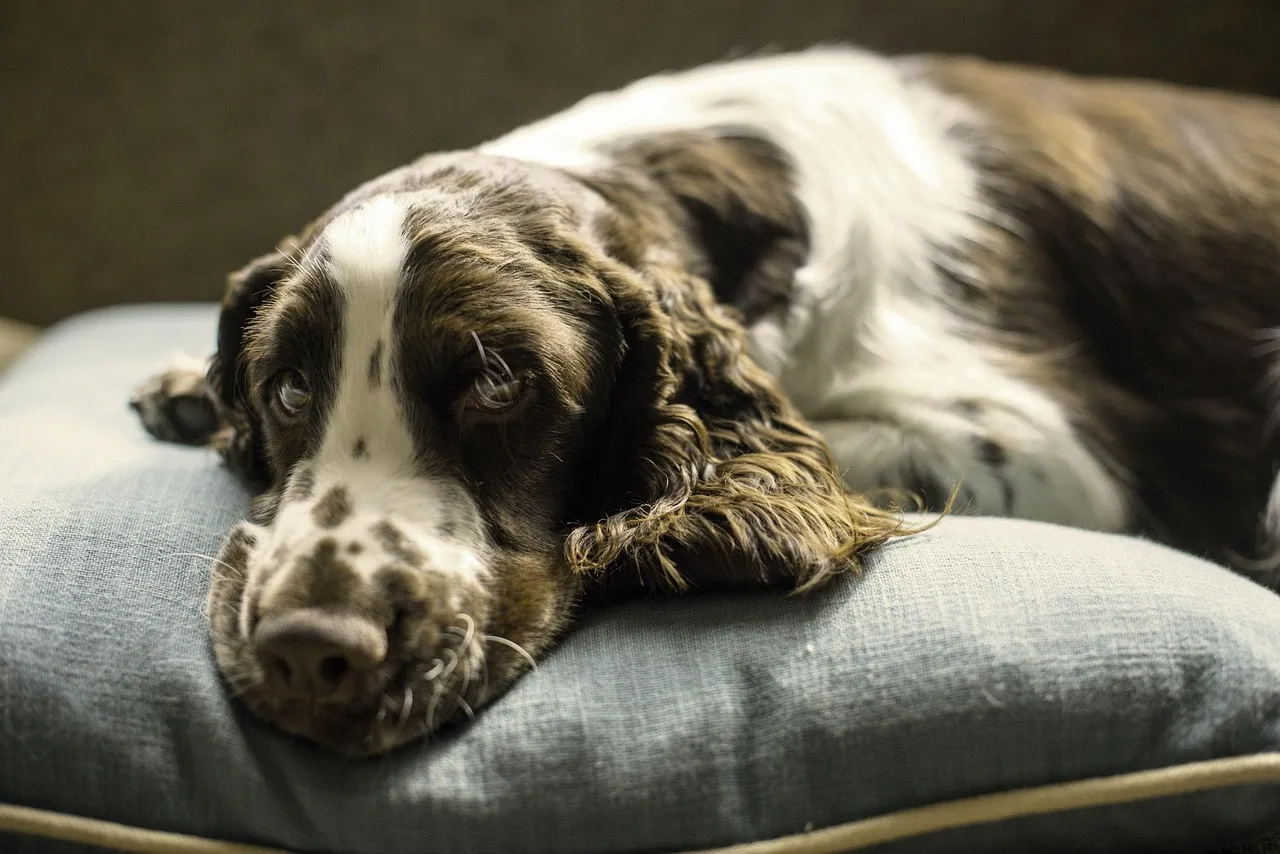
Older dogs are more sensitive to cold floors and drafts, and once evenings turn dark and chilly earlier, their usual sleeping spot may no longer be warm enough. A bed near a drafty door or window that felt fine in summer can become genuinely uncomfortable once autumn evenings set in.
Many owners find their senior dog suddenly seeking out warmer spots, near radiators, on soft rugs, or closer to family members, as a direct response to this shift. Senior dogs often ‘vote with their paws’ by relocating their sleeping spot the moment their environment stops meeting their needs. Elevated, insulated beds away from drafts tend to solve this almost immediately. And where they sleep isn’t the only thing quietly shifting.
#10 – Earlier Dinner-to-Bedtime Gap
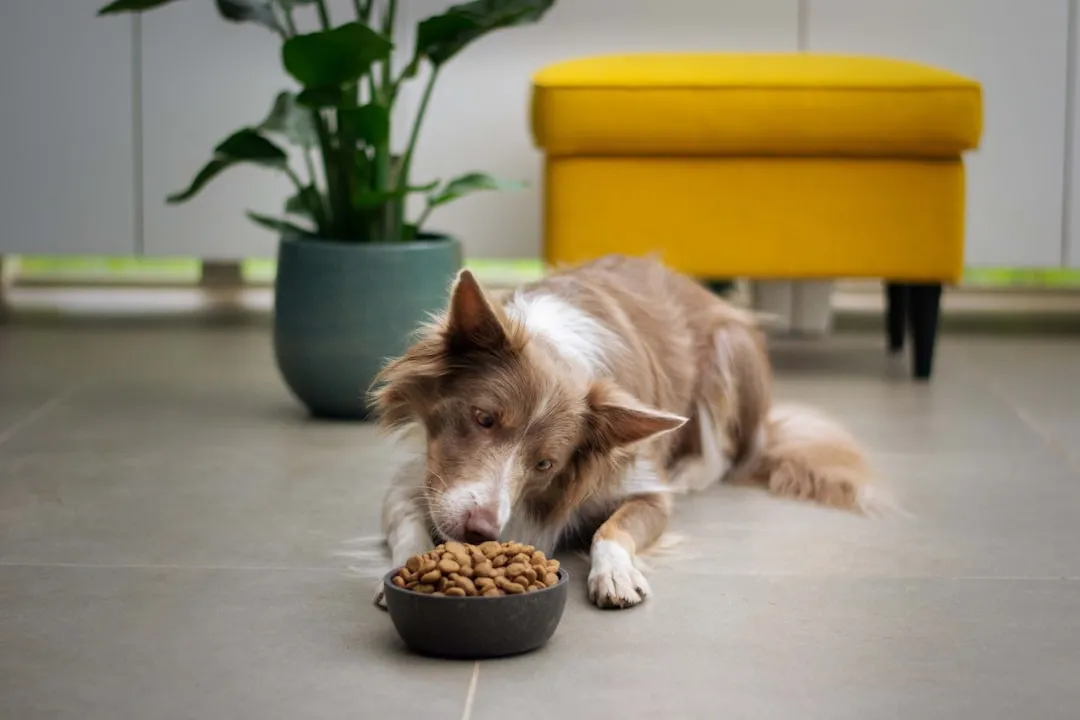
Digestive efficiency slows with age, and senior dogs often need more time between their last meal and bedtime than they did when younger. When evenings darken early and the whole household schedule shifts earlier, dinner sometimes gets pushed too close to bedtime without anyone noticing.
This compressed gap can lead to nighttime discomfort, restlessness, or even regurgitation in dogs with sensitive stomachs. A shrinking daylight window quietly compresses your dog’s entire evening schedule, digestion time included, and most owners never catch it happening. Keeping at least a few hours between dinner and sleep remains important even as the whole day shifts earlier. This compressed window causes more trouble than it seems.
#11 – Extra Mental Stimulation Before Dark
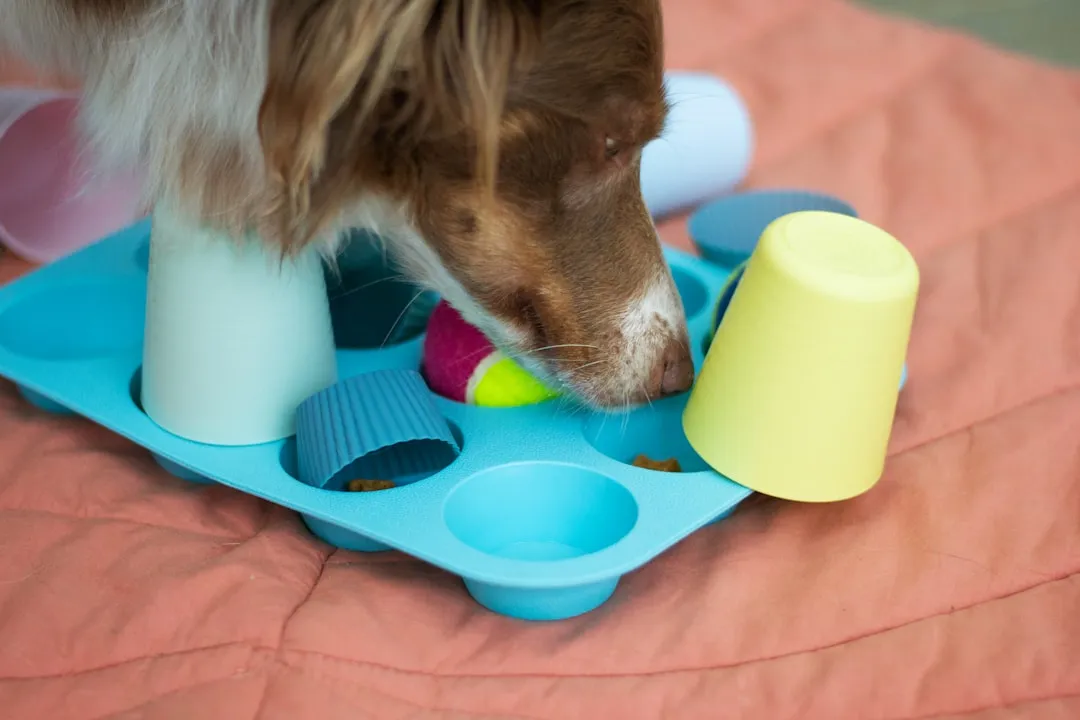
Shorter daylight often means shorter outdoor time, which can leave senior dogs under-stimulated mentally well before bedtime. Bored, understimulated senior dogs are more prone to anxious behaviors once darkness sets in and outdoor options disappear.
Simple enrichment, like sniff games, puzzle feeders, or short training sessions, can fill that mental gap left by reduced outdoor time. Many behavior issues that seem seasonal are actually boredom in disguise, triggered by shrinking daylight hours rather than anything dramatic. A little extra mental engagement in the late afternoon often prevents restless, anxious evenings entirely. Boredom and darkness make a rough combination.
#12 – Watching for Canine ‘Sundowning’
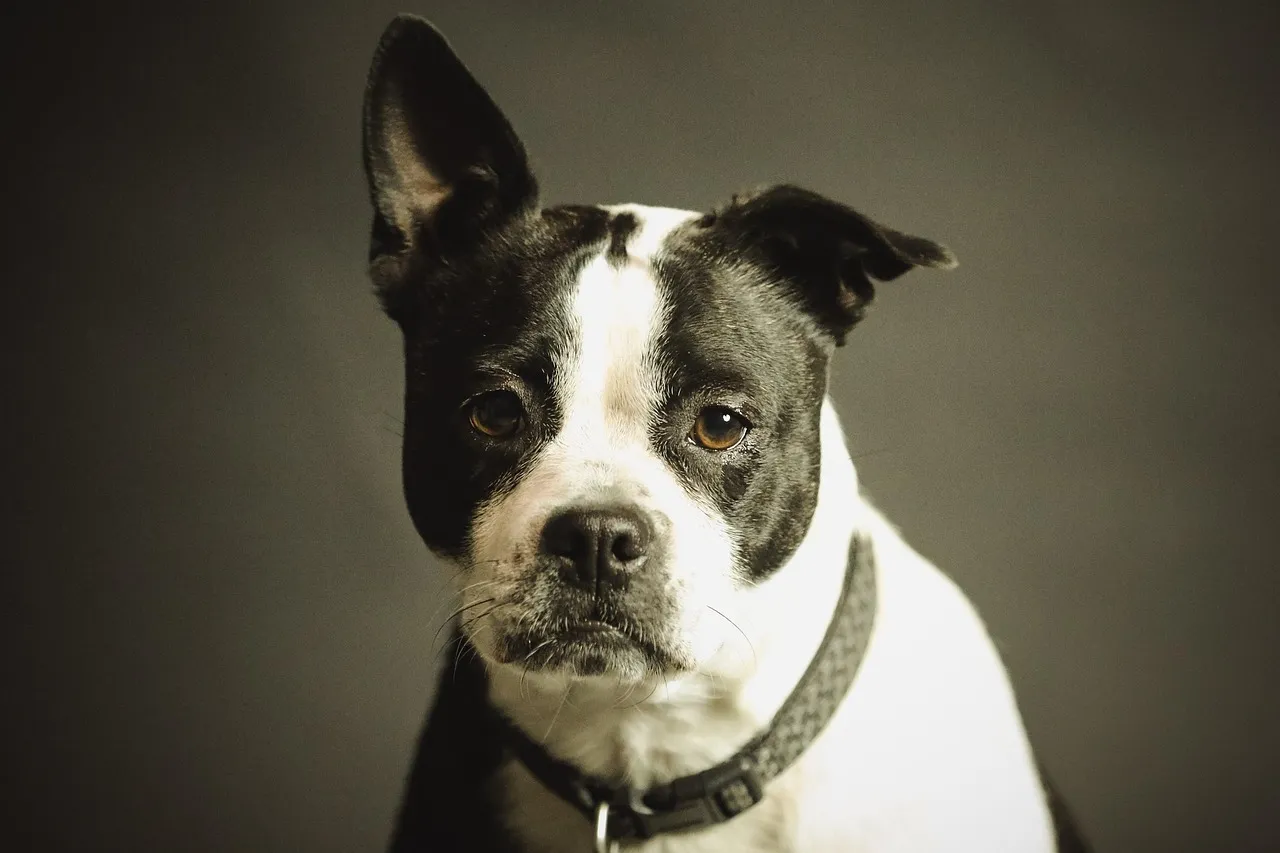
Dogs can experience a canine version of sundowning, where confusion, pacing, or anxiety increase specifically around dusk. This is more common in senior dogs with cognitive decline, and it tends to intensify exactly when evenings start darkening earlier in the year.
Owners often mistake this for simple restlessness, but it’s a recognized pattern tied to canine cognitive dysfunction, not random moodiness. Sundowning in dogs is a real, documented phenomenon, not just anecdotal behavior swapped between worried owners. Recognizing it early allows owners to adjust routines, lighting, and stimulation to ease the transition instead of dismissing it. This one surprises even longtime dog owners.
Worth Knowing: Signs of Canine Sundowning
- Pacing or wandering that starts right around dusk
- Increased whining, barking, or vocalizing in the early evening
- Disorientation in familiar rooms once natural light fades
- Restlessness that noticeably eases once full darkness settles in for the night
#13 – Increased Need for Reassurance
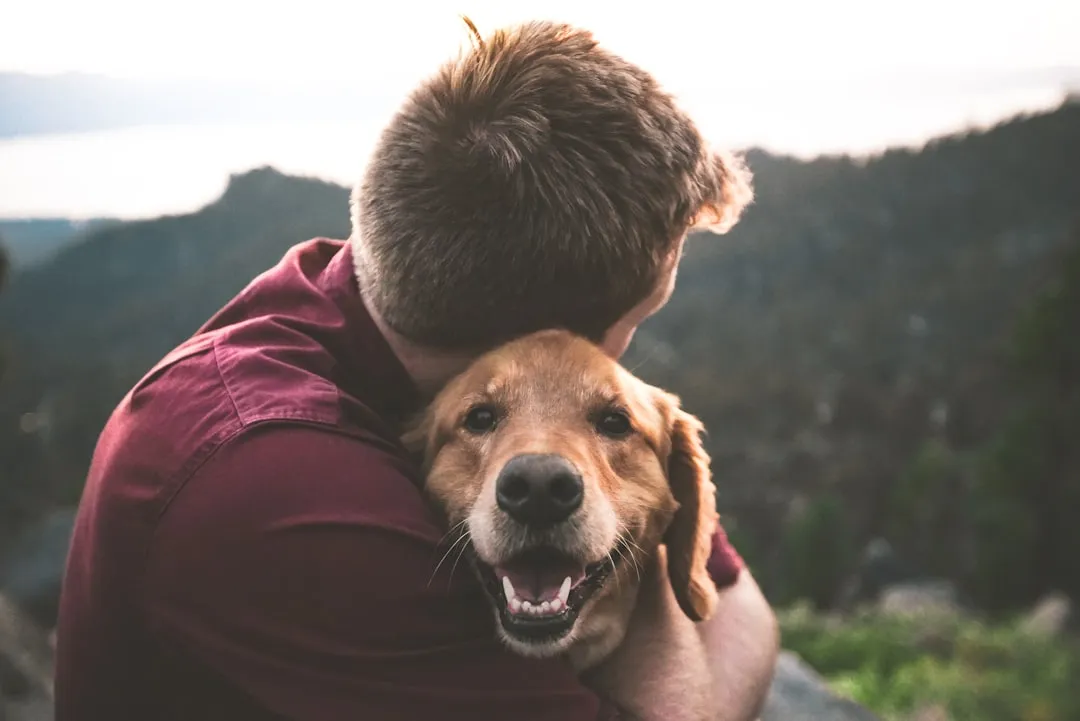
Older dogs often become more attached and reassurance-seeking once environmental cues, like darkness, signal uncertainty or change. This isn’t neediness for its own sake. It’s frequently tied to declining senses making the world feel less predictable.
A dog that suddenly wants to be closer to you in the evening isn’t being dramatic. They may genuinely be using your presence to navigate a less certain sensory environment. Increased clinginess in senior dogs during darker months is often a coping mechanism, not a behavioral problem to correct. Simply allowing more physical closeness during this seasonal shift can meaningfully reduce anxiety. And clinginess isn’t the only emotional shift worth watching for.
#14 – A Gentler, More Frequent Exercise Load
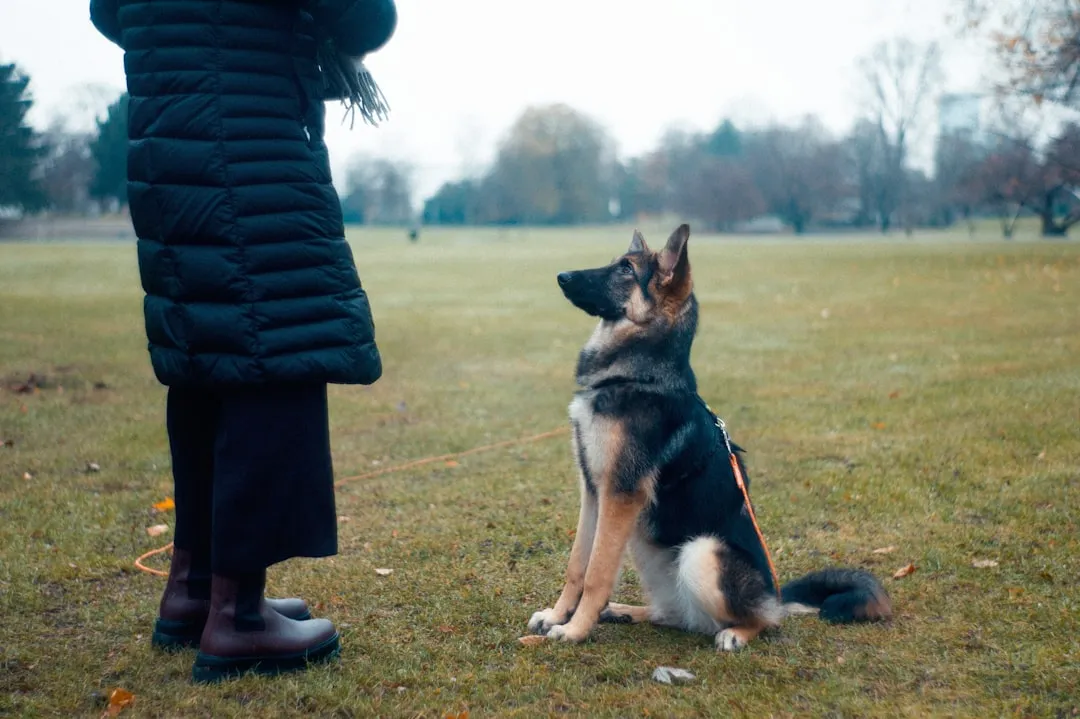
While senior dogs still need movement, darker evenings often mean less time and less visibility for the kind of vigorous exercise they got all summer. Many owners either overcompensate with one intense weekend outing or under-exercise entirely, and both can backfire on aging joints.
The better approach is shorter, more frequent, lower-intensity movement sessions spread across the daylight that’s still available. Inconsistent exercise patterns are actually harder on senior joints than simply doing less, as long as it’s consistent. This seasonal adjustment period is exactly when many senior dogs benefit from a genuinely revised, lower-impact routine. Getting this balance wrong is more common than you’d think.
As dogs age, keeping their routine, environment, and health monitoring consistent becomes one of the kindest things an owner can do for their comfort and confidence.
American Veterinary Medical Association
#15 – Temperature-Regulated Water Access
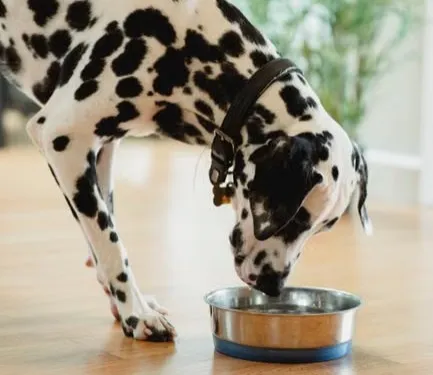
It’s easy to assume water needs drop as temperatures cool, but many senior dogs actually need encouragement to keep drinking once evenings turn cold. Reduced activity and cooler air can suppress natural thirst cues, quietly increasing the risk of dehydration in older dogs.
This is particularly important for senior dogs with kidney concerns, where consistent hydration is critical no matter the season. Dehydration risk in senior dogs often rises in early autumn, not just during heat waves, simply because owners stop monitoring water intake as closely. Keeping fresh water easily accessible near their evening resting spot helps maintain intake without extra effort. This one catches even attentive owners off guard.
#16 – Grooming Mistakes That Strip Away Warmth
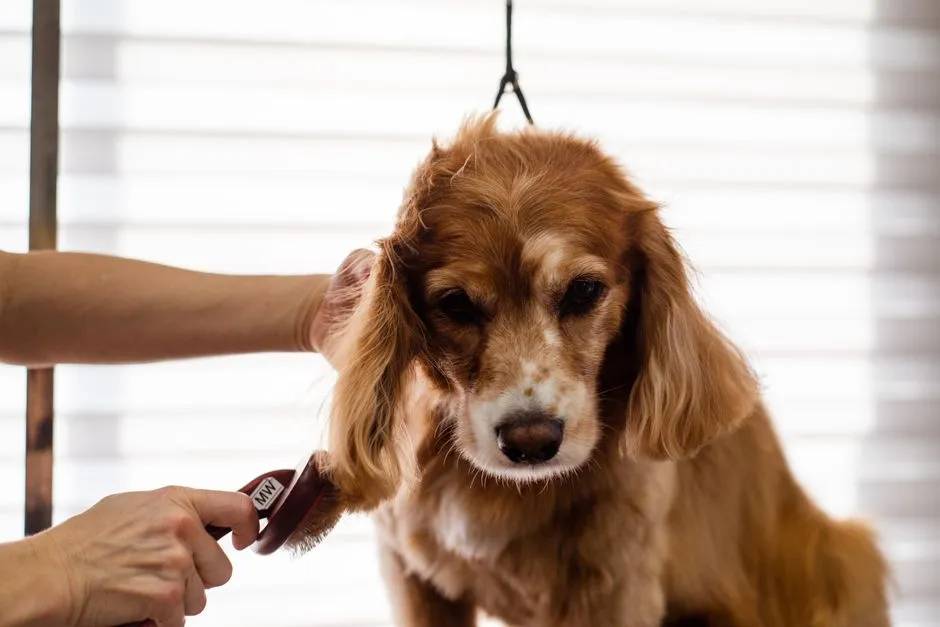
As evenings cool earlier, many owners are tempted to keep grooming exactly the same as summer, but a dog’s coat plays a real role in insulation once temperatures drop. Over-trimming a senior dog’s coat right as cold evenings set in can leave them under-insulated exactly when they need warmth most.
This doesn’t mean skipping grooming altogether. It means adjusting technique to preserve undercoat insulation rather than stripping it completely. Seasonal grooming timing matters just as much for warmth as any sweater or jacket, yet almost nobody thinks about it that way. A quick conversation with a groomer about seasonal coat management can prevent unnecessary cold sensitivity. One wrong grooming decision can undo everything else you’ve already fixed.
#17 – Vet Check-Ins Tied to the Seasonal Shift
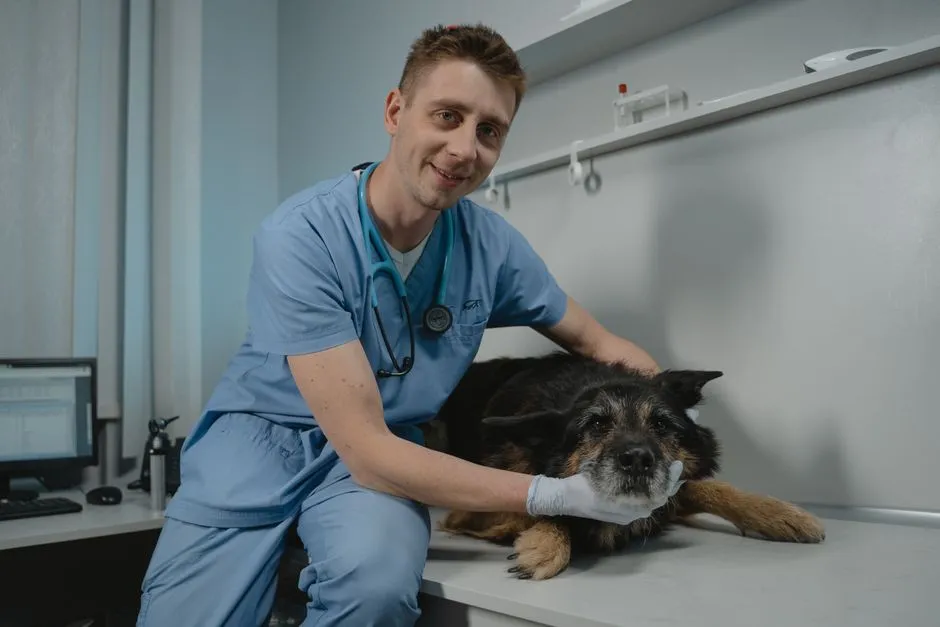
Many vets report a genuine uptick in senior dog check-ups right around the time evenings start drawing in early, and it’s not a coincidence. Seasonal light changes can reveal or worsen underlying issues, like vision decline, joint pain, or cognitive changes, that were easy to overlook during longer summer days.
This makes early autumn a smart, proactive time for a wellness check rather than waiting until symptoms become severe. Treating this seasonal shift as a built-in checkpoint for senior dogs, rather than a scheduling coincidence, catches problems while they’re still manageable. Catching subtle changes early, right as the light shifts, often leads to easier, less invasive management down the line. This single appointment often changes everything that follows.
At a Glance: What to Flag at a Seasonal Vet Visit
- Any new stumbling, squinting, or hesitation on stairs
- Changes in appetite or water intake since the days got shorter
- New nighttime restlessness, pacing, or vocalizing
- Stiffness that seems noticeably worse in the evening than the morning
#18 – Emotional Adjustment Time for the Whole Household
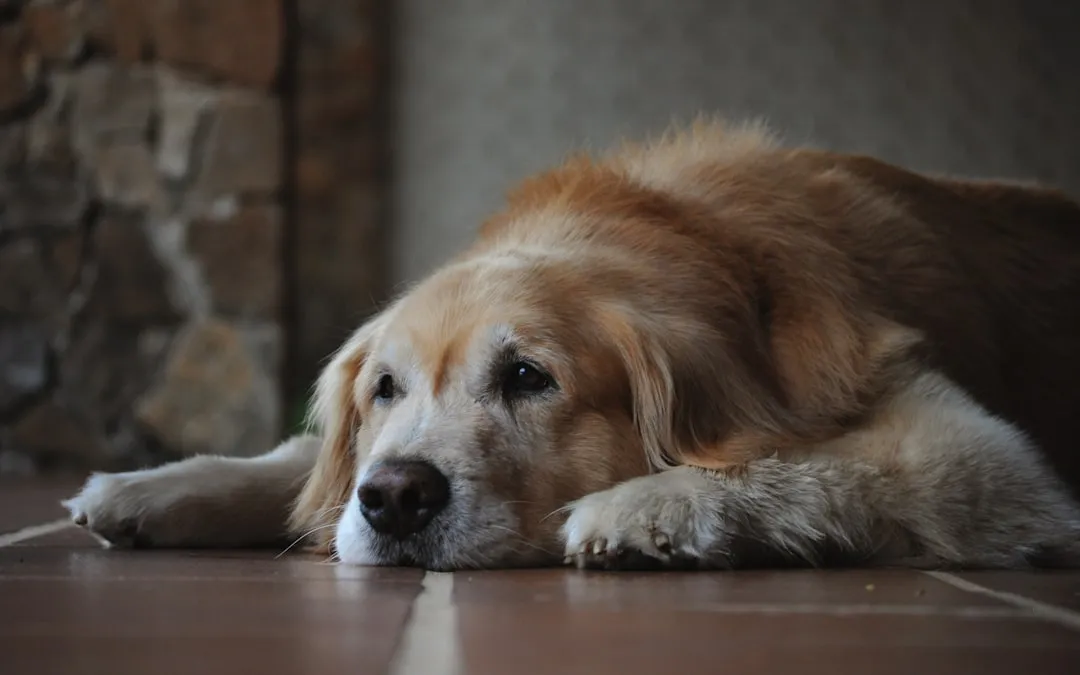
This last one gets overlooked constantly: senior dogs need their owners to emotionally adjust to the seasonal shift too, not just adjust routines on paper. Dogs pick up on human stress and schedule disruption, and a household that’s frazzled by earlier darkness often unintentionally transmits that unease to an already sensitive senior dog.
Taking a moment to genuinely accept the new rhythm, rather than fighting it or resenting the shorter days, tends to produce calmer, more settled senior dogs. Most owners underestimate how much their own frustration with early darkness bleeds straight into their dog’s evening mood. A calm, adjusted owner is arguably the single most underrated tool for helping a senior dog through this transition smoothly.
The Bottom Line
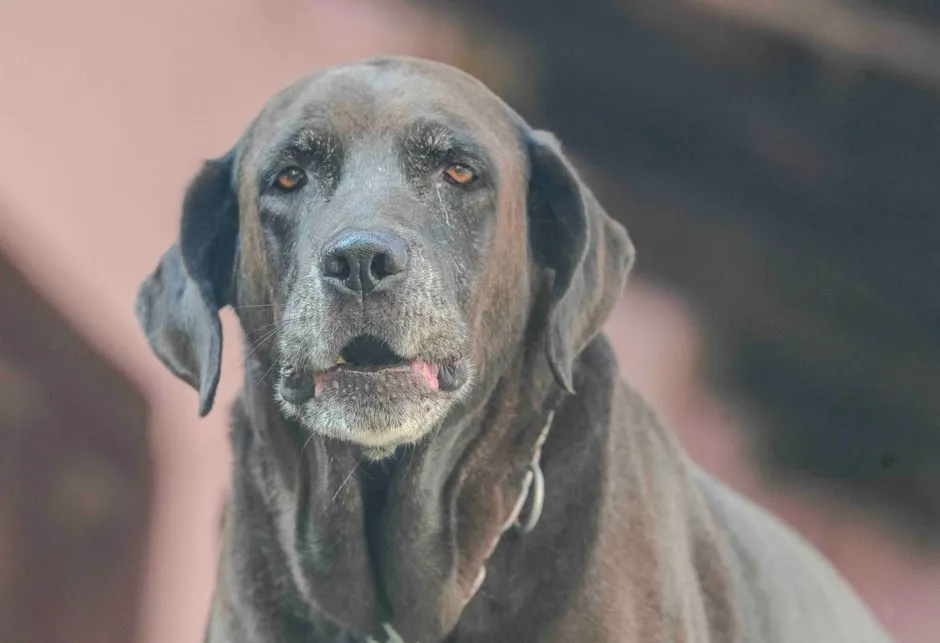
Early darkness isn’t just a lighting inconvenience. It’s a genuine disruption to a senior dog’s biology, routine, and emotional stability, and most owners never connect the dots until something already feels wrong. From joint stiffness to sundowning to quietly rising dehydration risk, these eighteen shifts prove that ‘it’s just getting dark earlier’ deserves far more attention than it typically gets.
Frankly, too many owners wait for obvious symptoms instead of adjusting the moment evenings start drawing in, and that delay is exactly where preventable suffering sneaks in. Your senior dog can’t tell you the days feel shorter and stranger now. But if you’re paying attention, he’s already telling you in a dozen small ways. Which one of these caught you off guard with your own senior dog? Drop it in the comments.