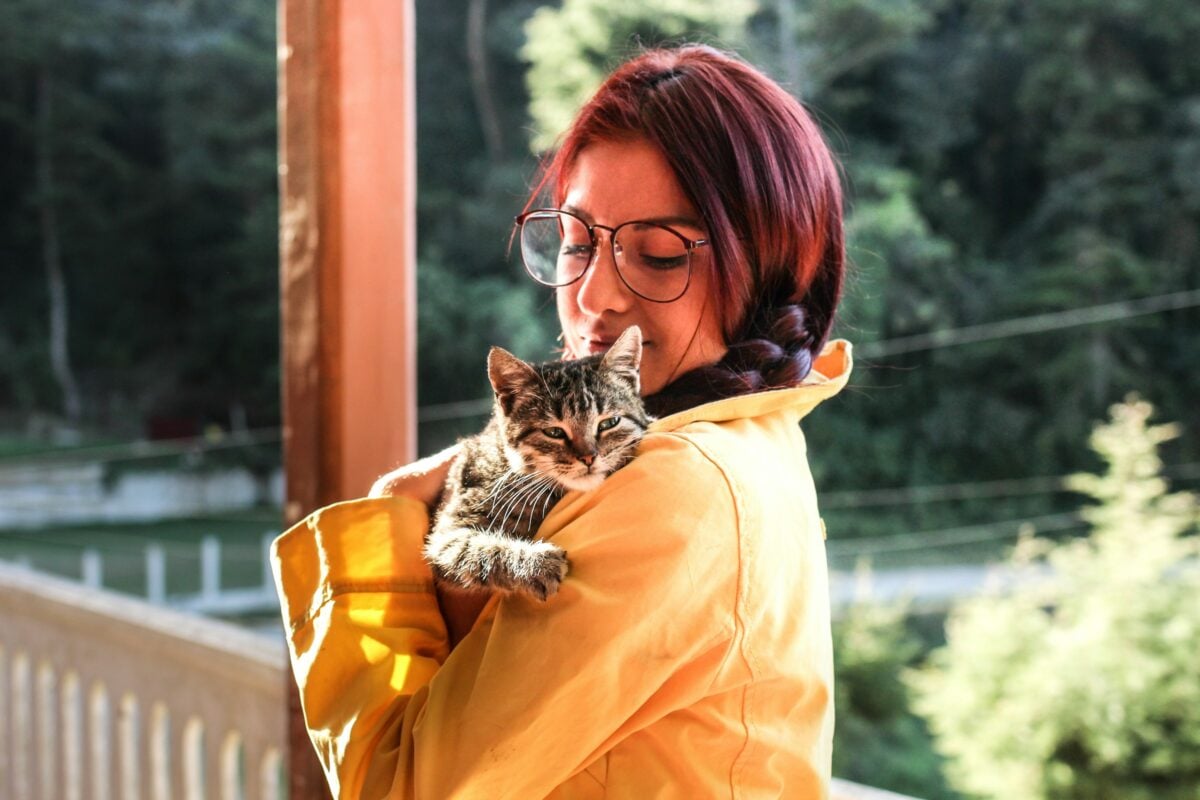
Most people believe a dying cat fades away quietly, alone in some closet or under a bed, because that’s just how nature “intended” it. Veterinary hospice specialists say the opposite happens far more often than owners expect.
In a cat’s final days, something ancient and instinctual gets quietly overwritten. The same animal that spent its entire life hiding vulnerability from every living creature suddenly picks one person – just one – and refuses to let that trust waver. It has nothing to do with who scoops the litter box or fills the food bowl. There’s a real pattern behind it, and once you know what to look for, you’ll never read your cat’s final weeks the same way again.
#1 – It Breaks Its Own Survival Instinct to Be Near You
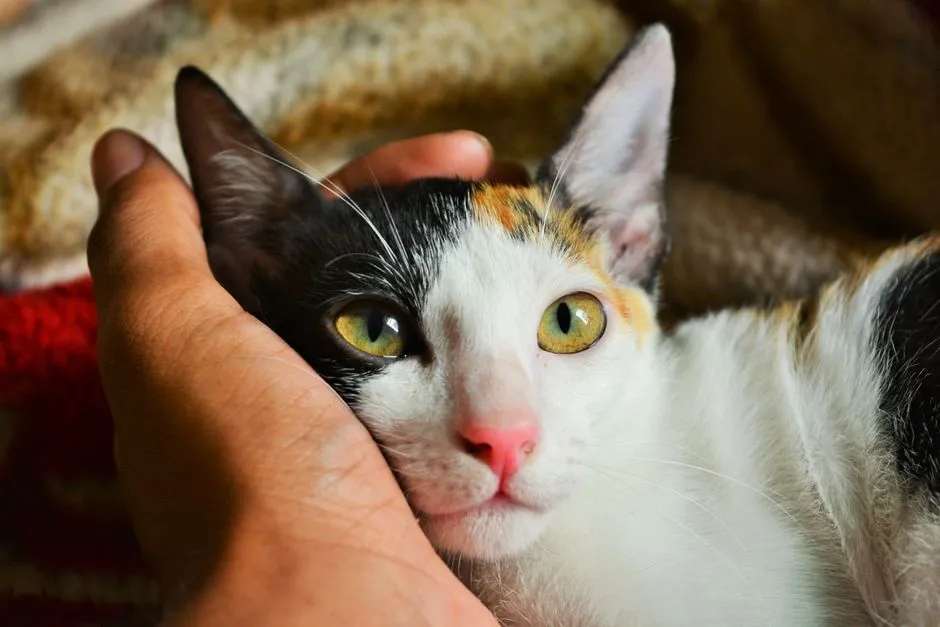
A dying cat’s first instinct, biologically, is to disappear. For millions of years, hiding from predators when weak was the only thing keeping a sick cat alive long enough to recover – or die unseen. That rule is hardwired into every domestic cat on the planet, no matter how many decades removed from the wild they are.
And yet, in a cat’s final chapter, that ironclad rule often gets broken for exactly one person. Many owners describe a cat who spent its whole life avoiding vulnerability finally choosing to let go while being held, touched, or simply lying pressed against the person it trusted most. That single override is the clearest signal there is. But that’s nothing compared to what we found about #2.
#2 – It Suddenly Prefers Your Lap Over Any Warm, Soft Bed
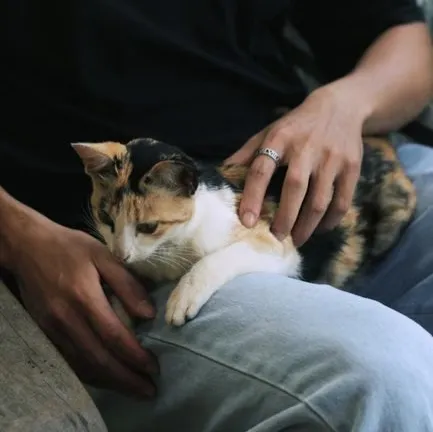
Old cats are obsessed with comfort – heated beds, sunny windowsills, fleece blankets. So when a senior cat abandons all of that for a bony human lap, something has shifted.
Most owners assume this is just about body heat, but hospice vets note it’s rarely that simple. A cat nearing the end of life is already burning less energy and craving warmth, yet it will climb past a heated pad to reach a specific set of knees. That’s a preference override, not a temperature decision – and it tends to intensify in the final stretch, pairing with reduced appetite and longer stretches of sleep. Next up is a behavior almost every cat owner has seen but few understand.
Fast Facts
- A lap-over-bed preference often signals declining energy reserves, not just a craving for warmth.
- This shift usually overlaps with reduced appetite and longer sleep stretches.
- Hospice-focused vets treat it as a behavioral marker worth tracking, not just a cute quirk.
- Once the preference sets in, it rarely reverses back to the old bed or blanket.
#3 – It Follows You Room to Room Even When Walking Hurts
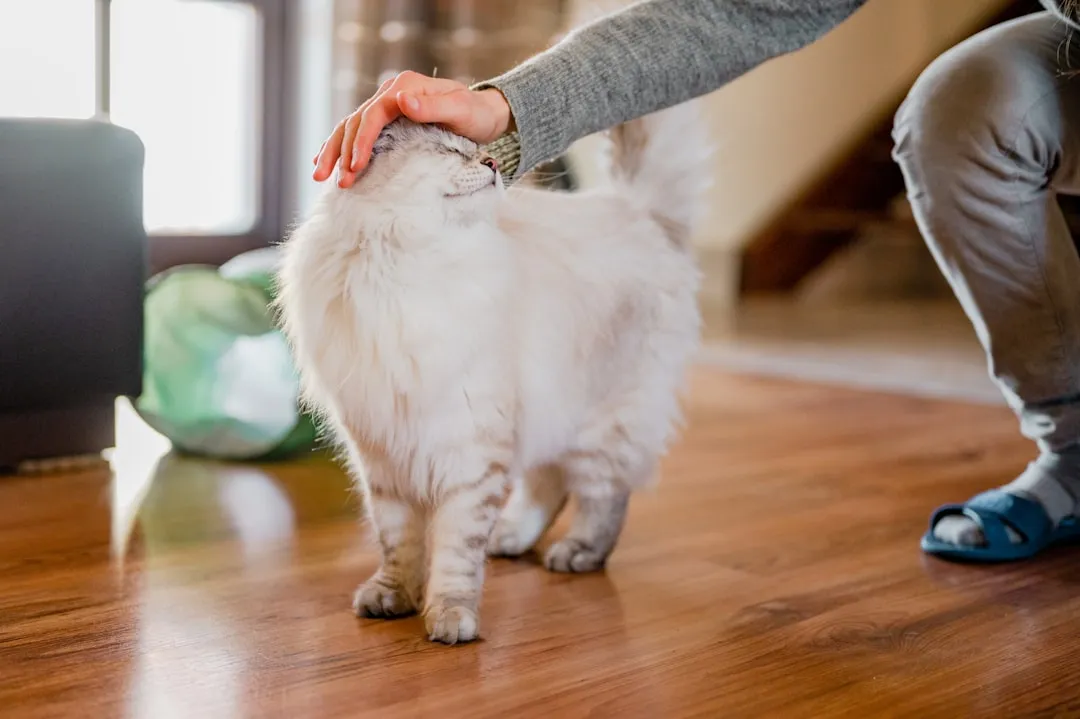
A senior cat with arthritis or advanced illness conserves every movement it can. Walking becomes a calculated expense. That’s what makes trailing behavior so telling.
When an old cat drags itself off a comfortable bed just to follow you into the kitchen, it’s spending precious, limited energy on proximity instead of rest. This isn’t the playful shadowing of a kitten – it’s a deliberate, costly choice made by a body that has almost nothing left to spend. Vets who work in feline hospice care see this constantly: cats who can barely jump onto a couch will still haul themselves across a house to stay in the same room as their chosen person.
#4 – It Starts Grooming You Like You’re Another Cat
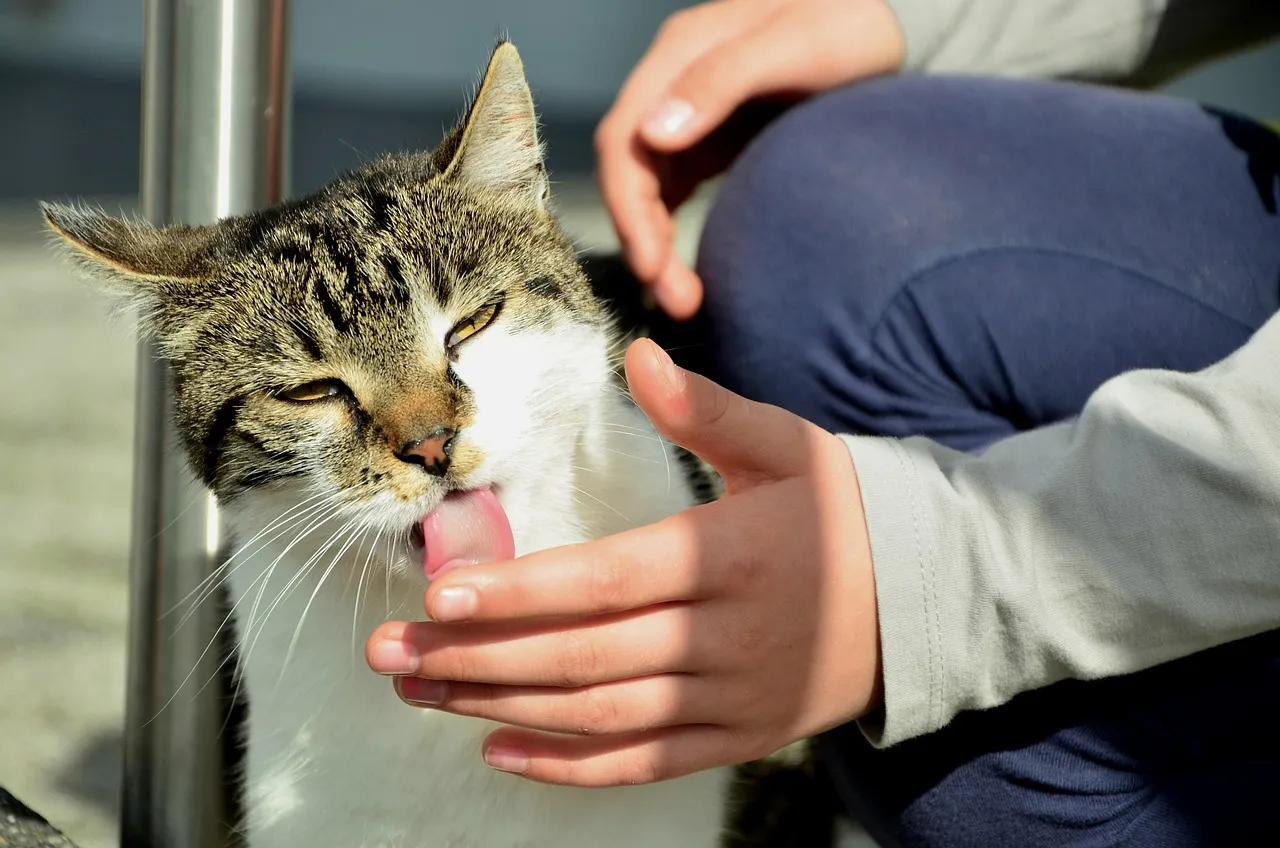
Grooming is not hygiene. In feline social structure, it’s one of the highest forms of trust a cat can offer. A cat licking your hand or your cheek is never just affection – it’s one of the deepest bonding behaviors in a cat’s repertoire, usually reserved for other cats they trust completely.
Near the end of life, this behavior often intensifies or reappears in cats that stopped grooming others years earlier. It’s a final act of inclusion, the cat placing you inside the small, exclusive category of “safe.” Most people miss this signal entirely because they assume the cat is just being affectionate, without realizing how rare and specific that gesture actually is.
#5 – Its Purr Changes Pitch Specifically When You’re Near
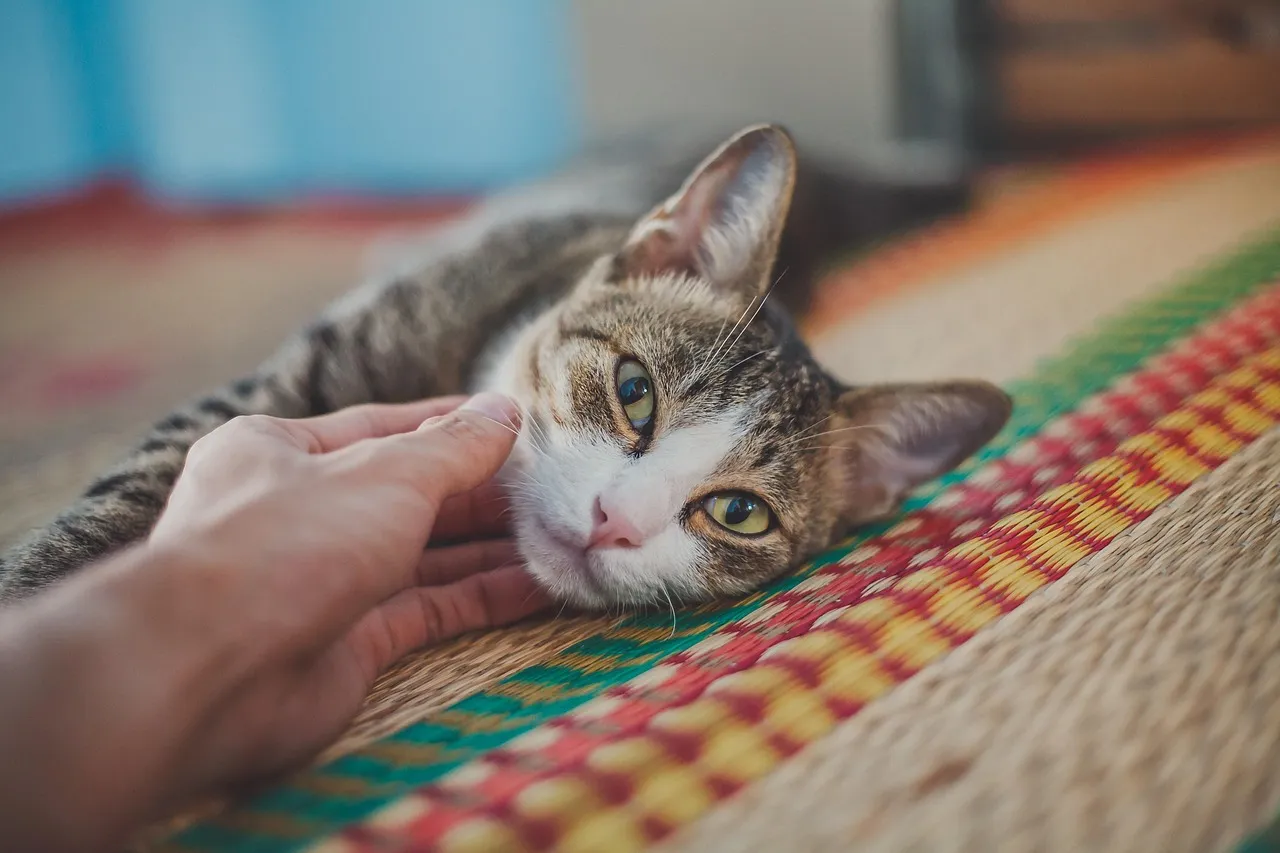
Purring is often mistaken for a universal sign of contentment. It isn’t. Purring uses very little energy, making it one of the few comforting behaviors a weakened cat can still manage – and cats also purr while nursing kittens or approaching another cat, which shows it’s tied to comfort-seeking, not just happiness.
What’s less known is that the sound itself can shift. A change in purr pitch or rhythm is something many hospice-focused vets watch for closely. When that altered purr shows up almost exclusively in one person’s presence, it’s not coincidence – it’s the cat’s limited remaining toolkit being aimed at a single target.
#6 – It Rejects Food From Everyone Except You
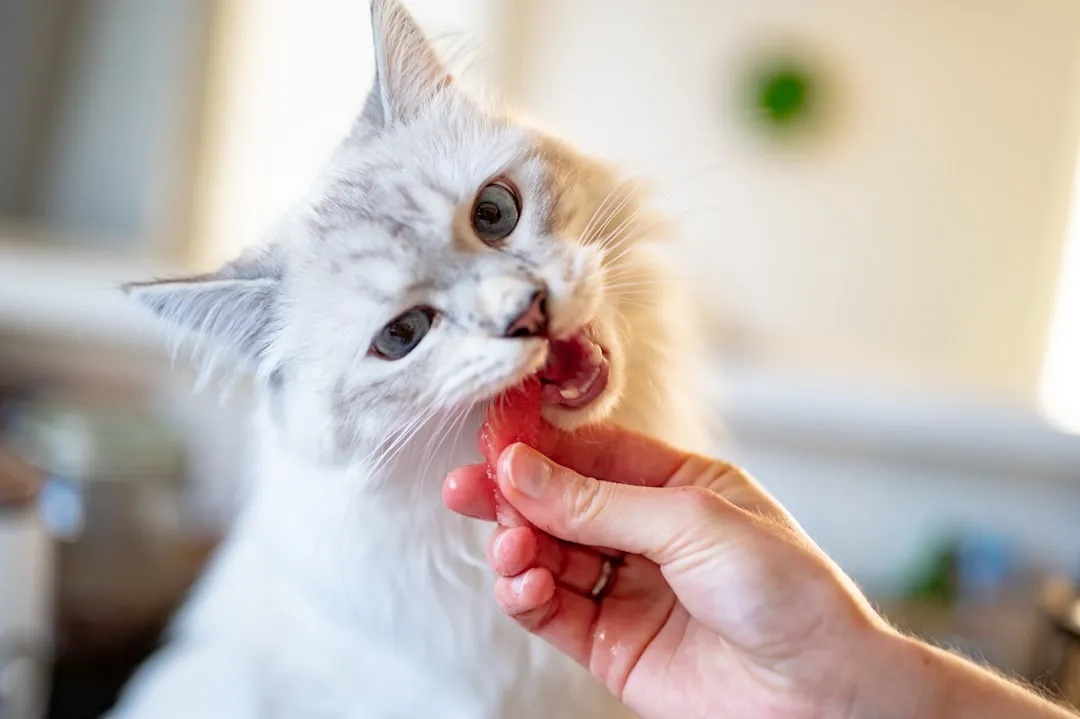
Appetite loss is one of the clearest markers of a cat approaching the end. But who a cat will eat for often matters just as much as whether it eats at all. Some dying cats stop accepting food or medication from anyone in the household except one person.
This isn’t stubbornness – it’s a trust threshold. A body shutting down becomes hypersensitive to stress, and a cat instinctively avoids anything that feels uncertain. Veterinarians frequently coach families through this exact scenario, teaching a second family member to mimic the “safe” person’s tone or handling style just to get a weakening cat to eat one more bite. When a fading animal has one human it will still open its mouth for, that’s a final line of trust it refuses to cross with anyone else.
#7 – It Waits by the Door Only for You, Not Other Family Members
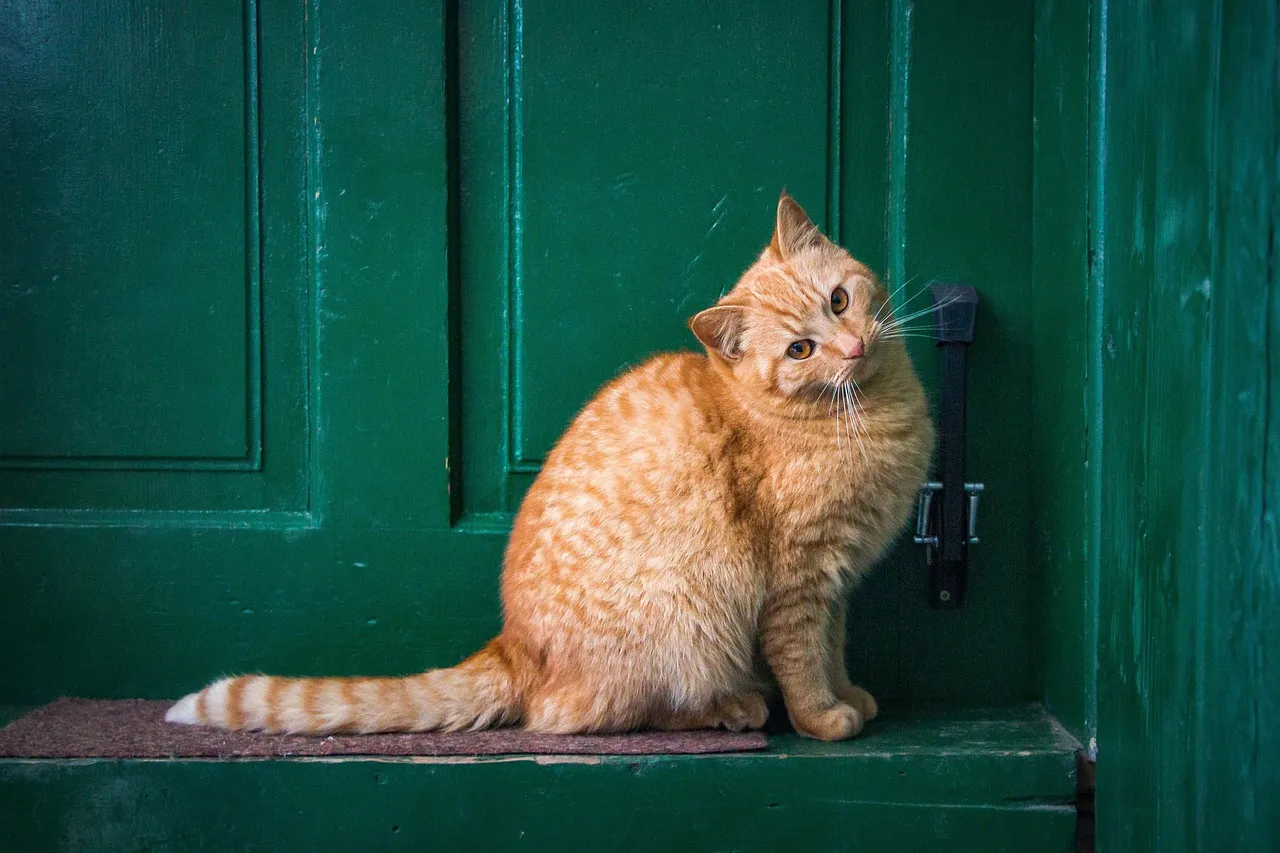
A dying cat conserves nearly all its movement. So when it spends what little mobility it has left watching a doorway, the question becomes: whose arrival is worth that? In multi-person households, hospice-stage cats often stop greeting everyone and narrow their attention to a single arrival.
This narrowing isn’t random affection – it’s triage. The cat’s body is shutting down systems it no longer needs, and social energy gets funneled toward the one relationship it has decided is worth the cost. Everyone else may get a glance. One person gets the movement, the greeting, the lap.
#8 – Its Breathing and Heart Rate Visibly Calm Down in Your Presence
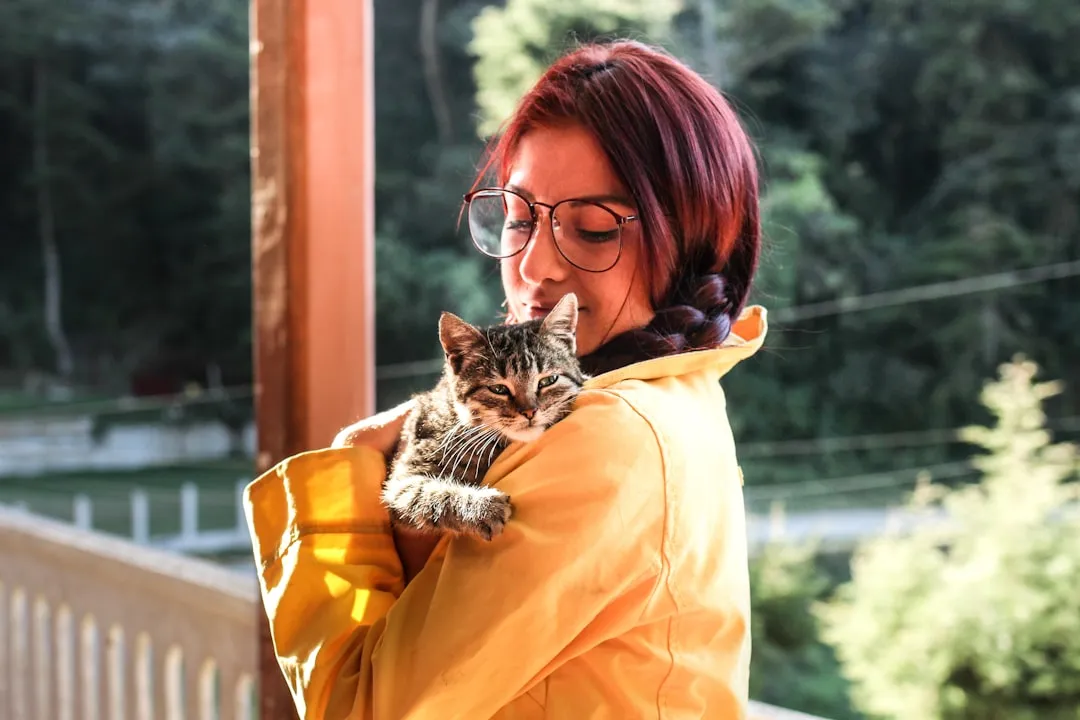
This is one of the more physiological, harder-to-fake signs – and it’s the one hospice vets pay closest attention to. A distressed, dying cat’s breathing is often rapid, shallow, or irregular. But many owners notice that the moment they pick up or sit beside their cat, that breathing visibly slows.
Stress hormones drop measurably when a trusted bond is triggered, even in an animal whose body is otherwise failing. When that relaxation response consistently shows up around one specific person and not others, it’s not sentimentality – it’s the nervous system responding to safety. A calmer breath rate in your presence is arguably the most measurable proof of “choosing” available, short of a lab test.
At a Glance
- Rapid, shallow breathing often eases specifically in the presence of a trusted person.
- Stress-hormone drops can occur within seconds of physical contact.
- This response is measurable and repeatable, unlike purely emotional interpretations.
- Many hospice vets consider it one of the most reliable physical indicators of a chosen bond.
#9 – It Positions Itself Against Your Chest or Heartbeat
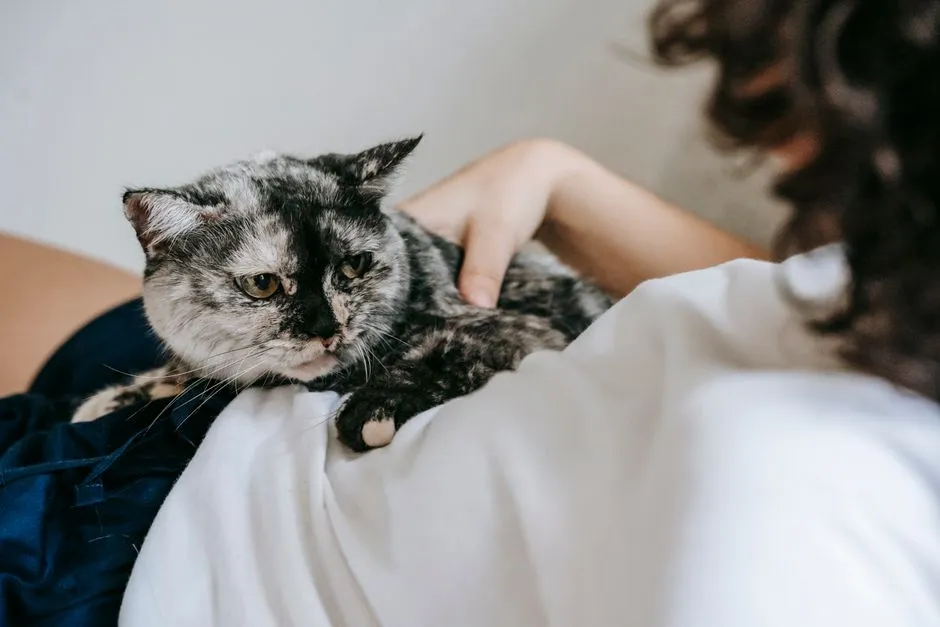
There’s a reason so many owners report their dying cat pressing directly against the chest, near the heart. This isn’t accidental positioning. Cats are extraordinarily sensitive to rhythm, vibration, and warmth, and a steady heartbeat mimics the same soothing input kittens receive from their mother in the first weeks of life.
This kind of positioning tends to show up specifically in the final hours, not the early stages of decline, which is part of why it stands out so clearly to people who’ve been through it. It’s rarely subtle – the cat isn’t just nearby, it’s pressed in, chest to chest, as if trying to sync with something steady while its own body becomes unpredictable.
#10 – It Stops Hiding Entirely, Even Though Every Instinct Says To
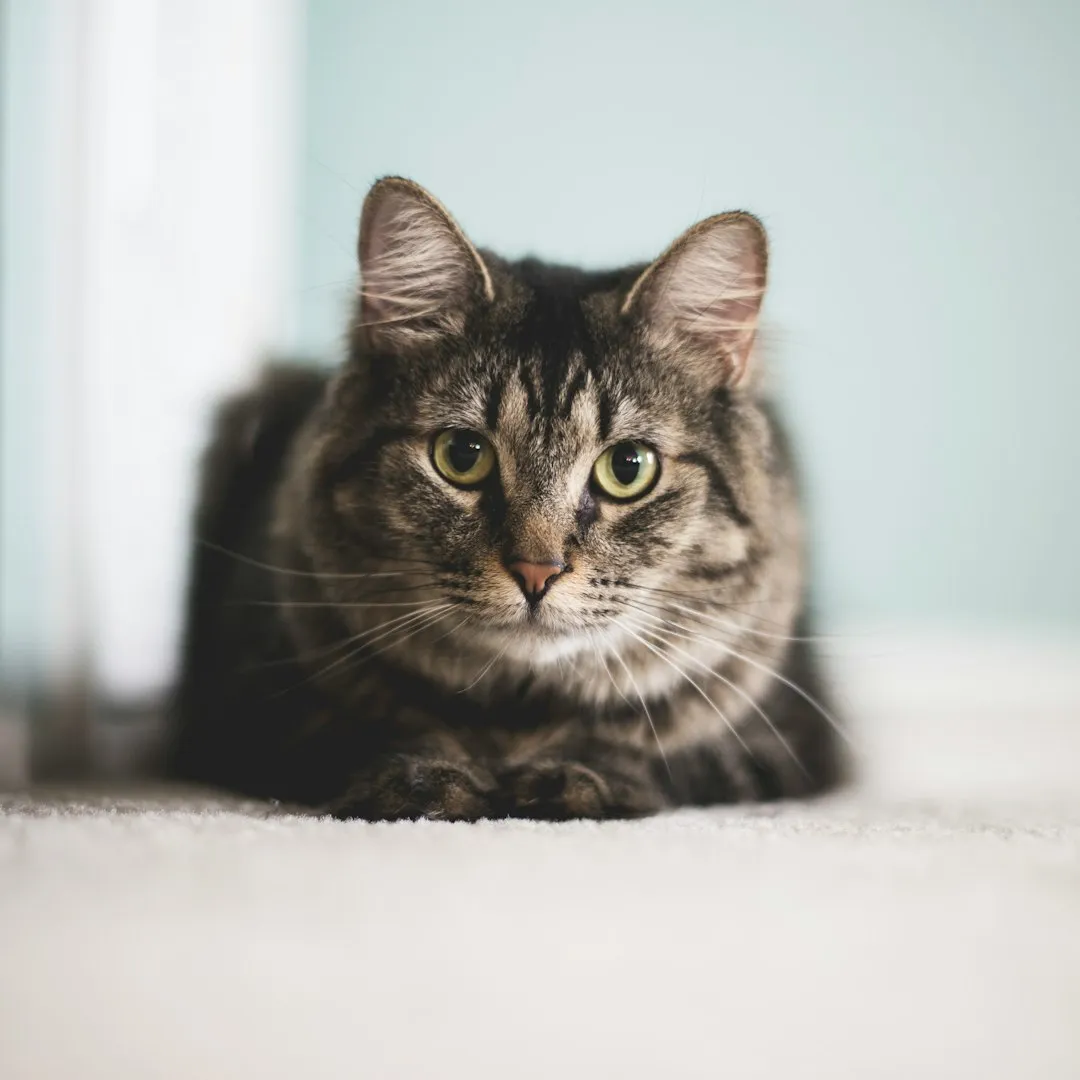
Hiding is the default response of a sick cat. If your cat is hiding all the time, that’s the textbook expectation, and it’s accurate for many cats nearing the end. But a smaller, notable subset does the opposite entirely in the final days.
They abandon hiding spots altogether and stay out in the open, specifically near their person, becoming intensely clingy instead of withdrawn. This is one of the more controversial points among cat owners, because so many people insist “my cat just wanted to be left alone.” Both patterns are documented and both are real – but the clingy, in-plain-sight version is far more common in cats with one deeply bonded person than most people assume.
Quick Compare
- Withdrawn pattern: retreats to hidden spots, avoids handling, seeks solitude away from noise and activity.
- Clingy pattern: abandons hiding spots, stays in the open, and presses close to one specific person.
- Both patterns are well documented in hospice-stage cats – neither is “more correct.”
- The clingy version is more common specifically in cats with one clearly bonded person in the household.
#11 – It Becomes More Physically Affectionate Only With You, Not Others
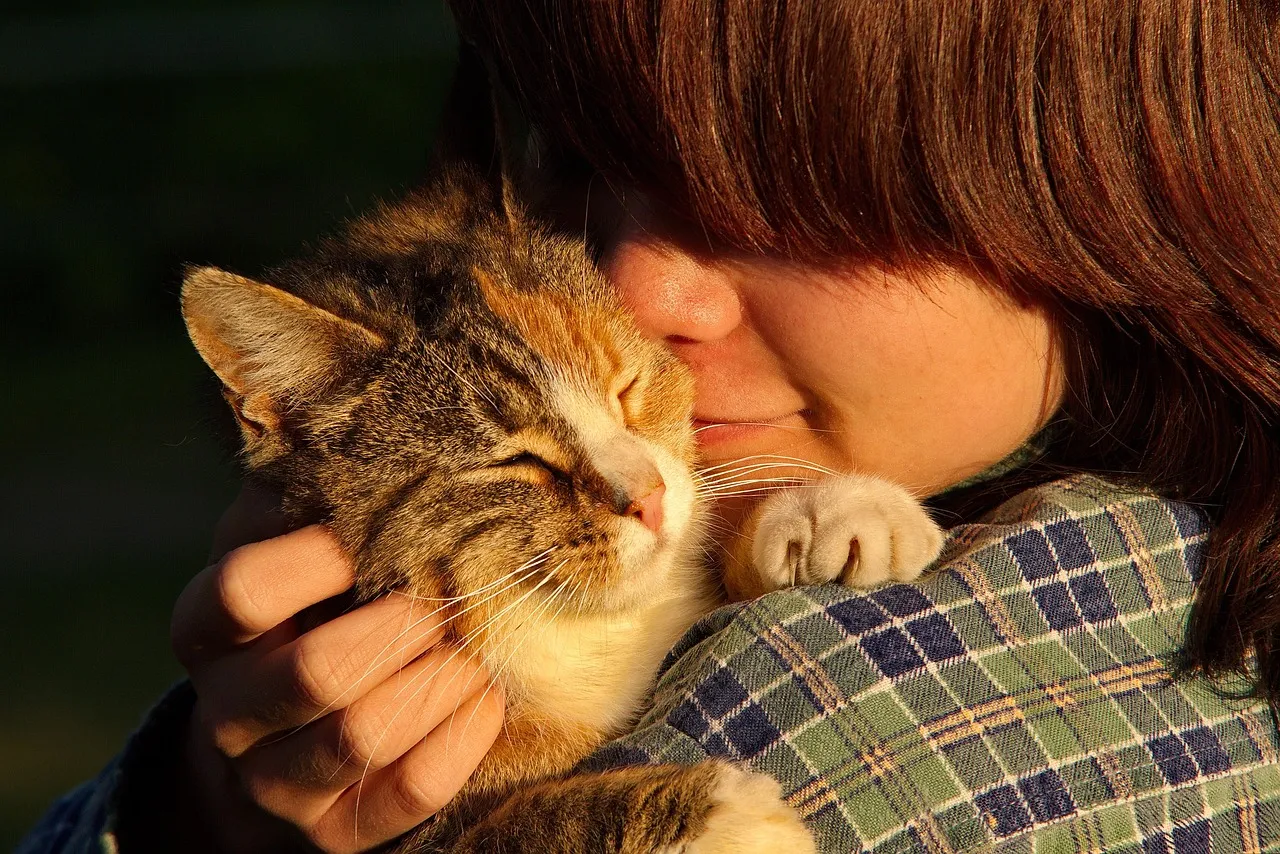
Personality shifts near the end of life are common, but they’re rarely evenly distributed across the household. Some cats become more loving near the end and want to stick close – but “their person” is the operative phrase. This isn’t a blanket increase in friendliness toward every human in the house.
A dying cat that becomes affectionate with the whole family is showing generalized comfort-seeking. A dying cat that becomes affectionate with exactly one person while staying withdrawn from others is showing something closer to a decision. Most people flatten this into “my cat got sweeter before the end,” missing that the sweetness had an address.
#12 – It Reaches a Paw Toward You Specifically When You Try to Leave
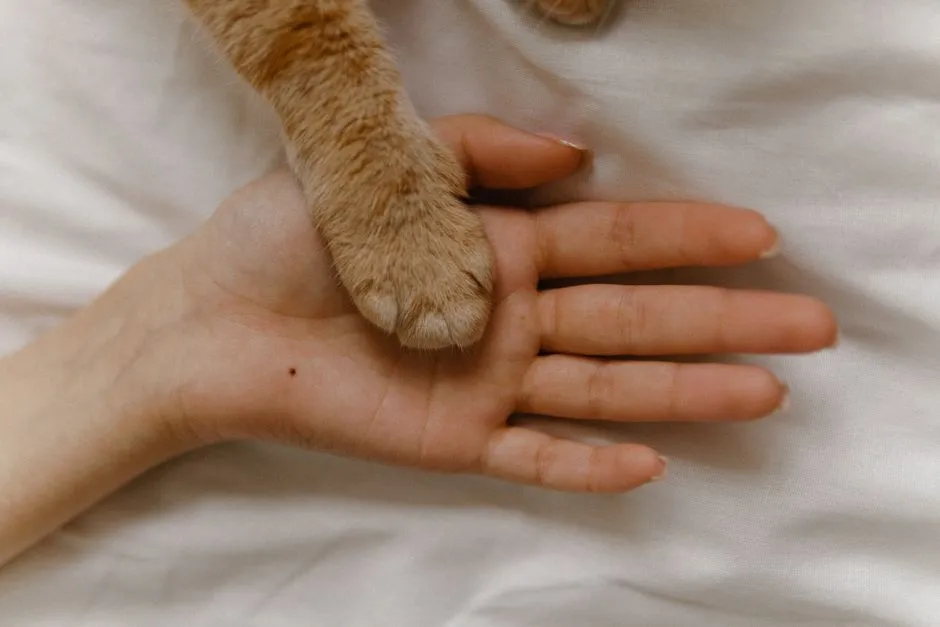
A subtle but frequently reported behavior: a weakened cat, too tired to follow, extends a single paw toward one person as they start to walk away. This is a physical “stay” request, and it’s notable because it requires effort a dying cat rarely has to spare.
Reaching costs energy a fading body doesn’t waste on nothing. When that reach is aimed at one specific person’s hand, sleeve, or leg – and not at anyone else in the room – it reads less like a reflex and more like a targeted request. Hospice-focused veterinarians and pet-loss counselors frequently hear this described almost word-for-word by grieving owners: the paw reaching out just as they turned to leave the room.
#13 – It Holds Prolonged, Slow-Blinking Eye Contact With You Alone
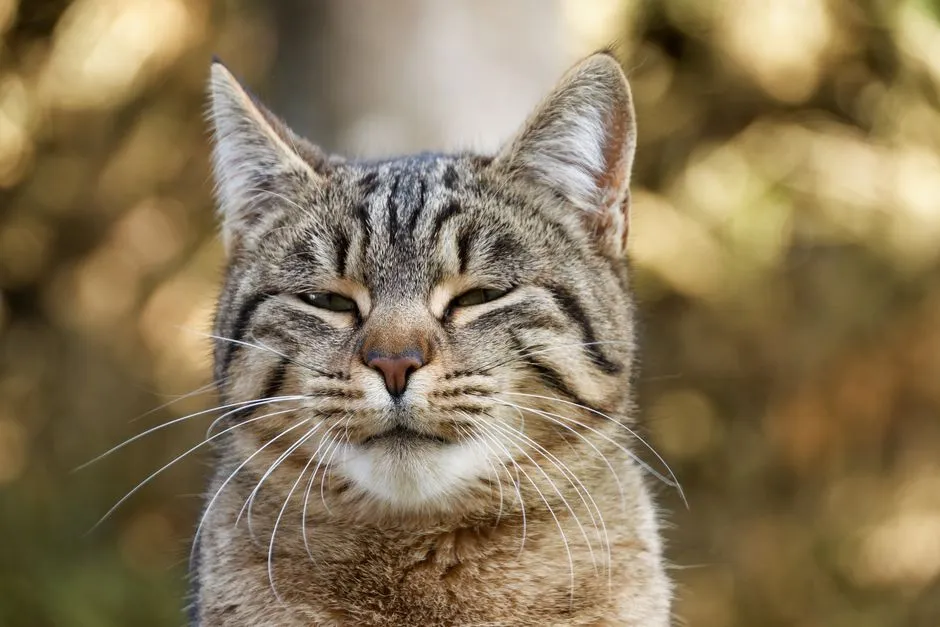
Slow blinking is widely recognized as a feline trust signal – the closest thing cats have to a smile. In healthy cats, this is subtle and quick. In a dying cat, owners frequently describe something longer and more deliberate: extended eye contact held for seconds at a time, directed at one person while the cat otherwise seems detached from its surroundings.
This isn’t the cat “checking out” – it’s one of the last intentional communications it has left. Because vision and alertness are often among the last senses to noticeably decline, this behavior can persist even after a cat has stopped eating or moving much. When a fading cat still manages to lock eyes and hold that slow blink for one specific person, it’s using one of its final remaining tools of connection – deliberately, and selectively.
#14 – It Seeks Out Objects That Carry Your Scent Specifically
As mobility drops, dying cats often gravitate toward one item obsessively: a worn shirt, a pillow, a blanket that smells like one person. Scent is arguably a cat’s most trusted sense, more reliable to them than sight in many situations.
For a cat that’s lost most other capabilities, scent-based comfort can become the primary way it locates safety in a confusing, weakening body. Hospice caregivers often recommend leaving worn, unwashed clothing near a dying cat’s resting spot for exactly this reason. When a cat consistently chooses to lie on the item that smells like one person over every other soft surface available, it’s making the same choice it would make if that person were physically there.
Worth Knowing
- Scent is often the last sense a fading cat consistently relies on to locate safety.
- Leaving an unwashed shirt or blanket near a resting spot can visibly reduce anxiety.
- A weak cat will often choose a scented item over a fresh, unscented one nearby.
- This is one of the easiest hospice signs for owners to test for themselves at home.
#15 – It Calms Down Fastest When You’re the One Handling It
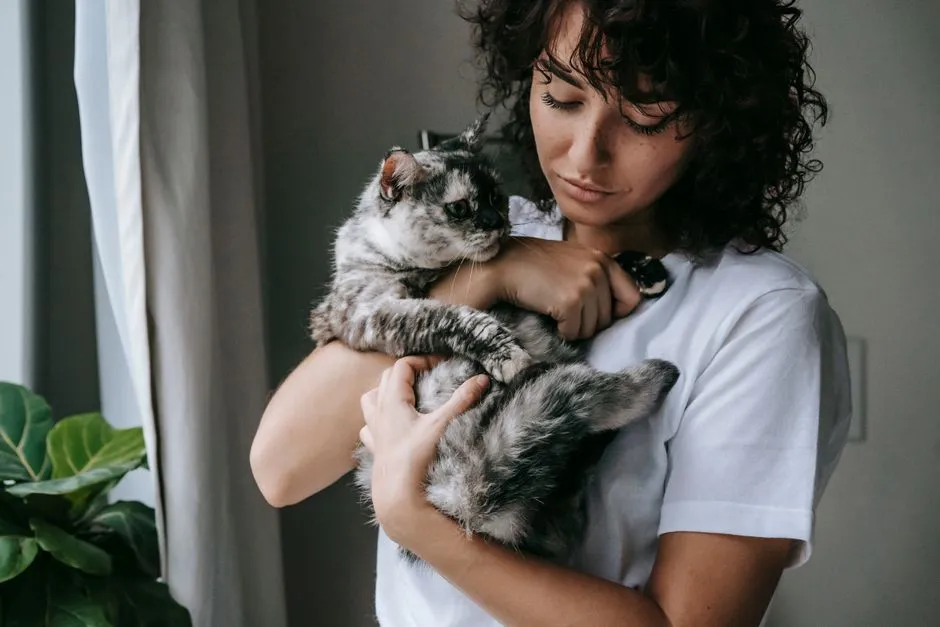
Multiple people in a household might handle a sick cat with equal gentleness, yet the cat’s stress response still varies wildly depending on who’s holding it. This comes down to a favorite human chosen for consistent care and patience – a pattern that becomes magnified, not diminished, once a cat is fragile and in pain.
This is where the “whoever feeds them wins” myth falls apart. The cat accepts the whole family, but when it comes to coziness, cuddling, or when the cat is ill, it chooses one person. Feeding and litter duty build baseline tolerance. But the fastest calming, the quickest drop in defensive posture during a vet visit or medication dose, almost always belongs to one specific relationship.
#16 – It Vocalizes Differently, and Almost Exclusively, Toward You
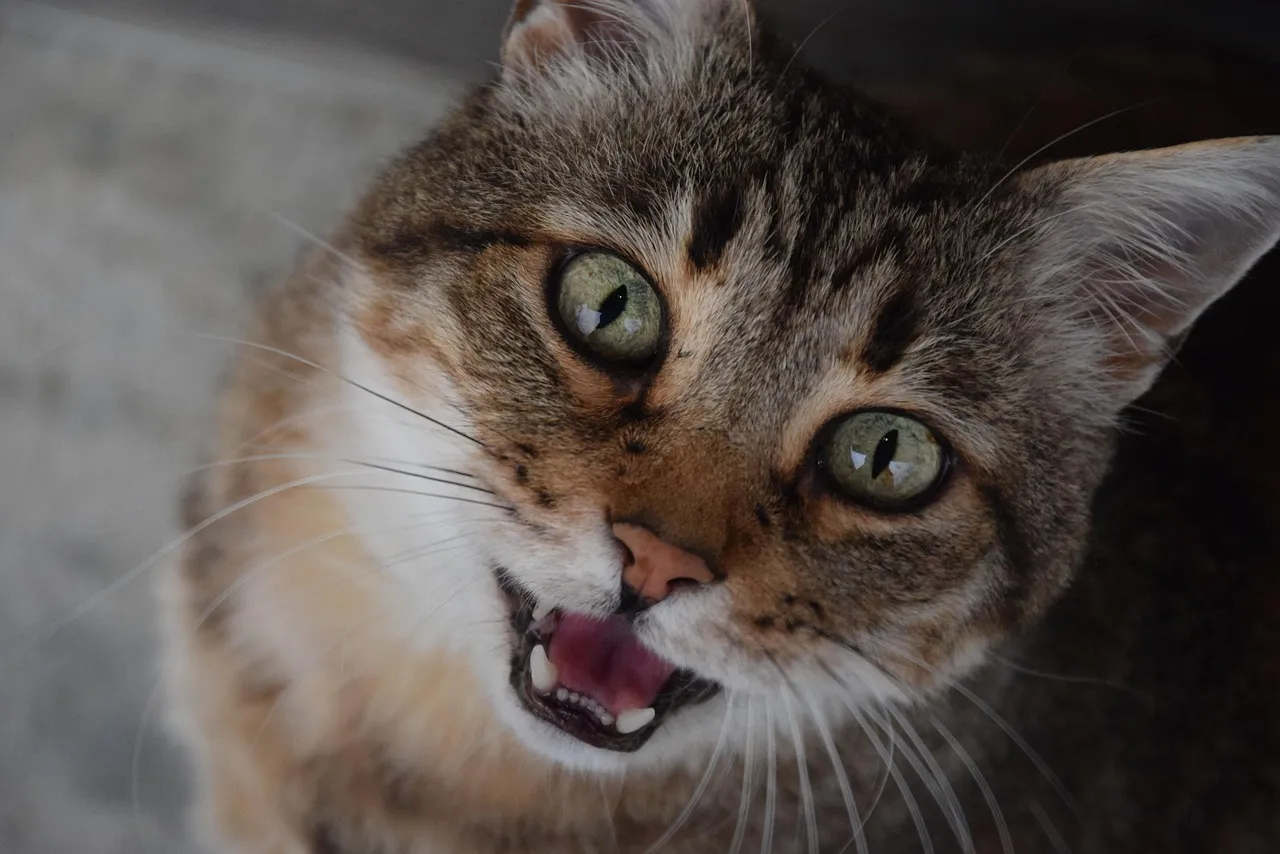
Occasionally, cats that are dying may become suddenly, loudly, and unexpectedly vocal – yowling, meowing, or whining that can signal pain or distress. That’s the widely known version of this sign. Less discussed is who the vocalizing is aimed at.
Many owners report their cat’s new, unfamiliar sounds – soft chirps, low murmurs, repeated short meows – happening almost exclusively when one specific person enters the room, not as generalized distress calls to the household. This targeted vocalizing suggests the cat isn’t just announcing pain – it’s trying to communicate with someone specific. One person hears it. One person is meant to.
#17 – It Leans Its Full Weight Into You Instead of Standing Independently
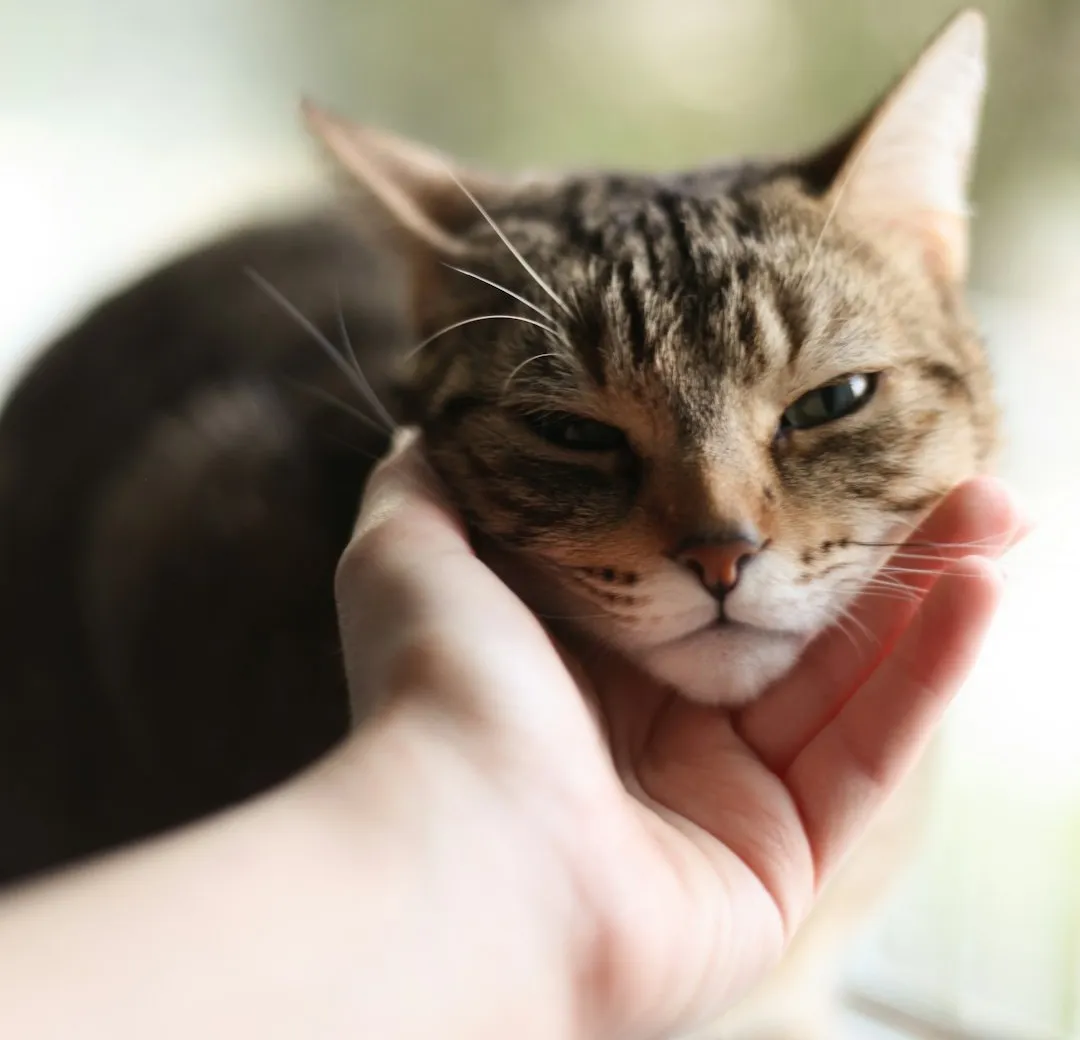
Healthy cats are famously self-sufficient, physically balanced creatures that rarely need support to simply exist in a room. A dying cat leaning its entire body weight into one person’s hand, arm, or lap is a significant departure from that baseline.
This isn’t affection in the traditional sense – it’s physical reliance. The cat’s own strength is failing, and rather than collapsing into a bed alone, it’s using a trusted person as literal structural support. A cat that could lean against a wall, a cushion, or a heated pad – and instead chooses a person’s body – is making a support decision, not just a comfort one. Nowhere is that decision clearer than in the very last moment of all – #18.
#18 – It Waits for You Before It Finally Lets Go
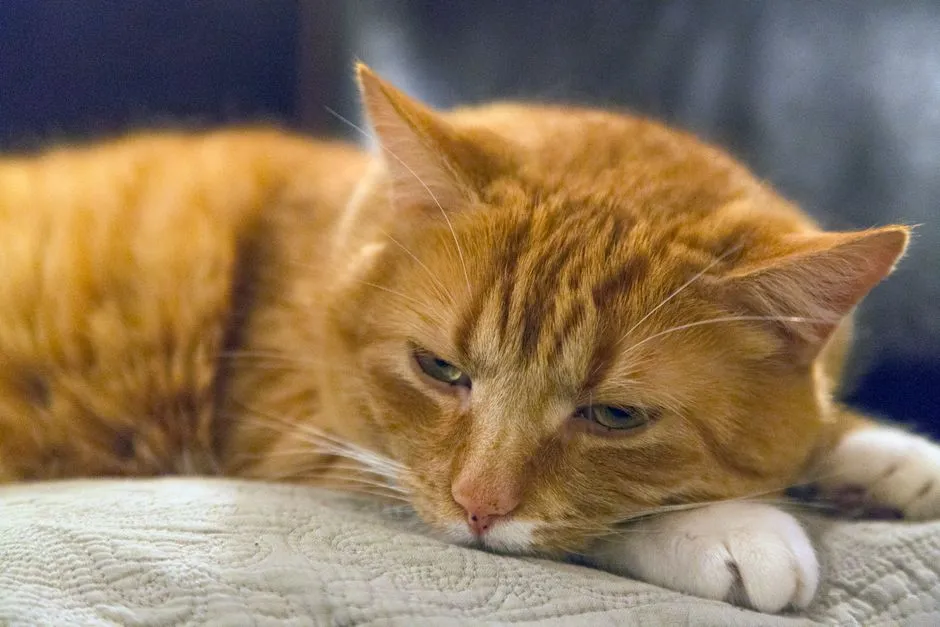
This is the one hospice workers and grieving owners bring up more than any other, almost always in the same disbelieving tone. A cat that seemed to be fading for hours, sometimes days, will slip away within minutes of the chosen person arriving, sitting down, or simply saying its name one more time. Vets can’t fully explain the timing, but the pattern shows up too often across too many households to wave off as coincidence.
Nobody is claiming a dying cat understands death the way we do. But the relaxation response described back in #8, the calmer breathing and dropping stress hormones triggered by one specific presence, may be doing exactly what it sounds like: allowing a failing body to finally stop fighting once its one safety signal is in the room. Whether you call that biology or something harder to measure, it’s the last and loudest version of everything on this list – the hiding instinct broken, the energy rationed, the trust narrowed down to a single person, arriving all at once in the final seconds, with the one person the cat chose from the very start still there.
The Bottom Line
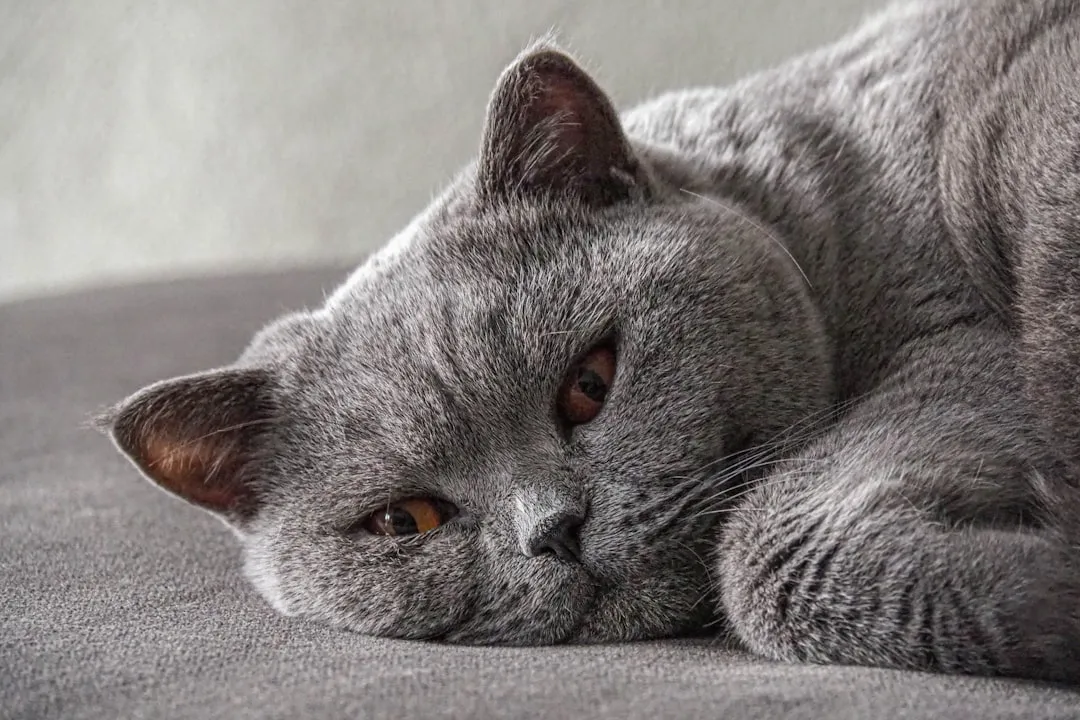
The pattern across all eighteen behaviors is impossible to ignore: a dying cat’s body may be shutting down, but its choices sharpen, not blur. The instinct to hide gets overridden. The energy to follow, purr, groom, and reach gets spent on one person, deliberately, again and again.
That’s not projection from grieving owners. It’s a consistent, repeated pattern seen across hospice care, feline behavior, and thousands of individual goodbyes. We’ll say it plainly: a dying cat “choosing” someone isn’t sentimental fluff, it’s observable, physiological behavior, and it deserves to be taken seriously rather than brushed off as coincidence. Has your cat ever done this near the end? Tell us which sign hit hardest – because chances are, you weren’t the only one who noticed.