
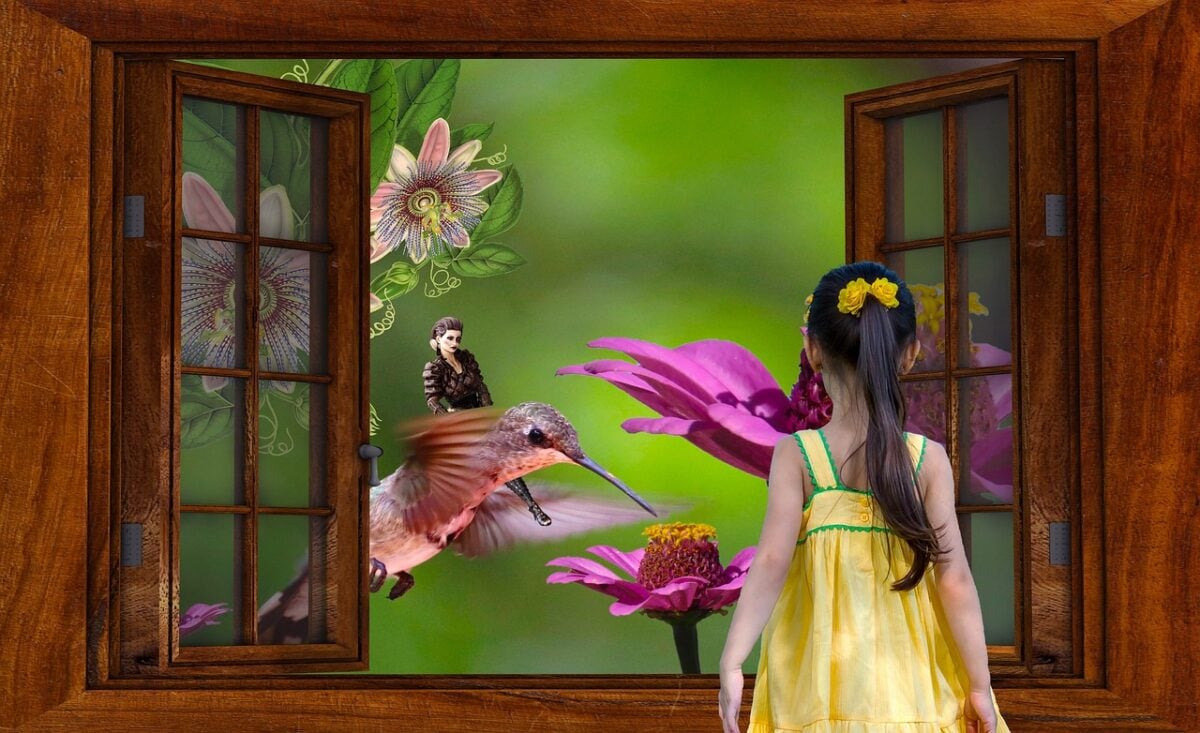
Most people think hummingbirds are just tiny, sugar-obsessed flying jewels zipping from flower to flower on pure instinct. Researchers watching them with high-speed cameras and hidden feeders keep finding something else entirely — behavior that looks less like reflex and a lot more like personality. When these birds think no one is watching, they do things that look suspiciously like play, pouting, grudges, even eavesdropping.
A lot of the cutesy hummingbird stories floating around online are nonsense. But some of the strangest claims now have real data behind them, gathered by field biologists, lab researchers, and long-term banding studies who caught these birds mid-act, when the yard was empty and the cameras were rolling. Here’s what they actually found — starting with the behavior that makes you wonder if your hummingbird has been quietly testing you the whole time.
#19 – They Quietly Test Your Memory
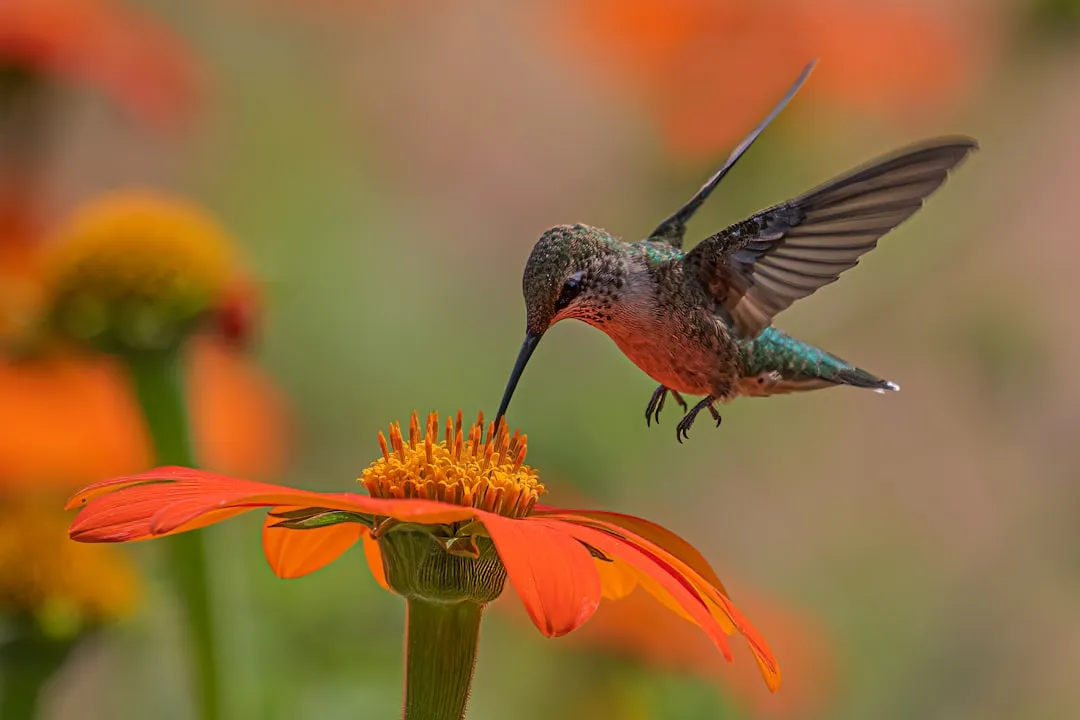
Researchers say that when no one’s paying attention, hummingbirds run little experiments on us. They’ll visit a feeder at slightly different times each day, almost as if probing whether you remember to refill on schedule. In several studies, wild birds learned exact refill intervals down to 10–15 minutes and adjusted their visits accordingly. That’s not random bouncing around your yard — that’s time-tracking.
When observers step back or go inside, some birds get bolder and check multiple potential nectar spots, including dry flowers and empty feeders, almost like they’re mapping your laziness. They’ll often return first to whichever feeder was most reliable the day before, even if it isn’t the closest one. It’s flattering to think they like you — but really, they’re judging your consistency.
#18 – They Fake-Clean Flowers to Scout for Rivals
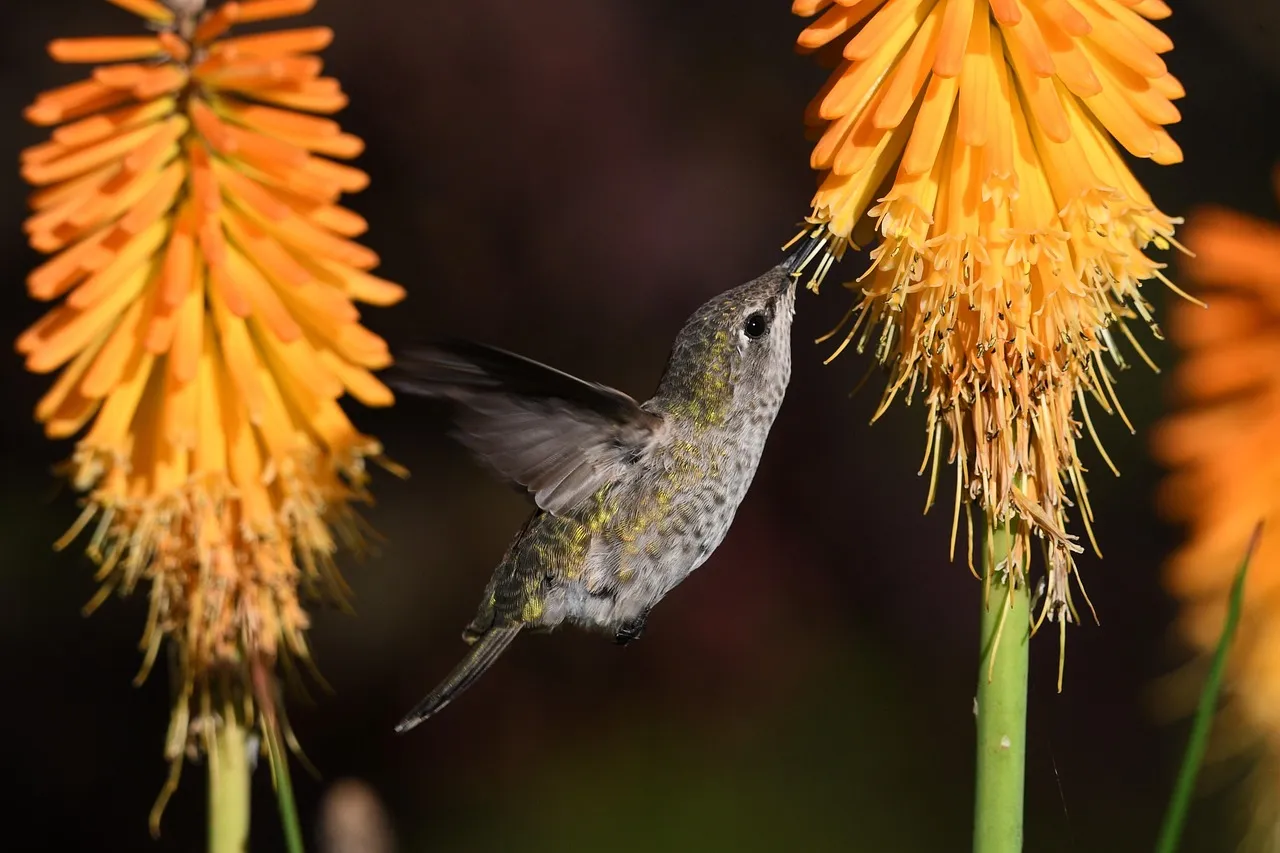
On the surface, a hummingbird gently probing a flower looks like simple feeding. But under low-observation conditions, researchers have caught birds performing “fake” visits — brief taps at blossoms they clearly know are empty — while their attention tracks the surrounding area, not the bloom. It’s less about nectar and more about surveillance.
In territories with heavy competition, a bird may run a fast inspection loop, touching flowers it drained minutes earlier just to see who else has stopped by. Pollen smudges, slight motion in the stalks, even leftover scent can tip off a rival’s recent visit. To a casual backyard observer this looks like bad memory. Some biologists now argue it’s closer to a security check than foraging.
#17 – They Hover-Spy on Predators From Safe Blind Spots
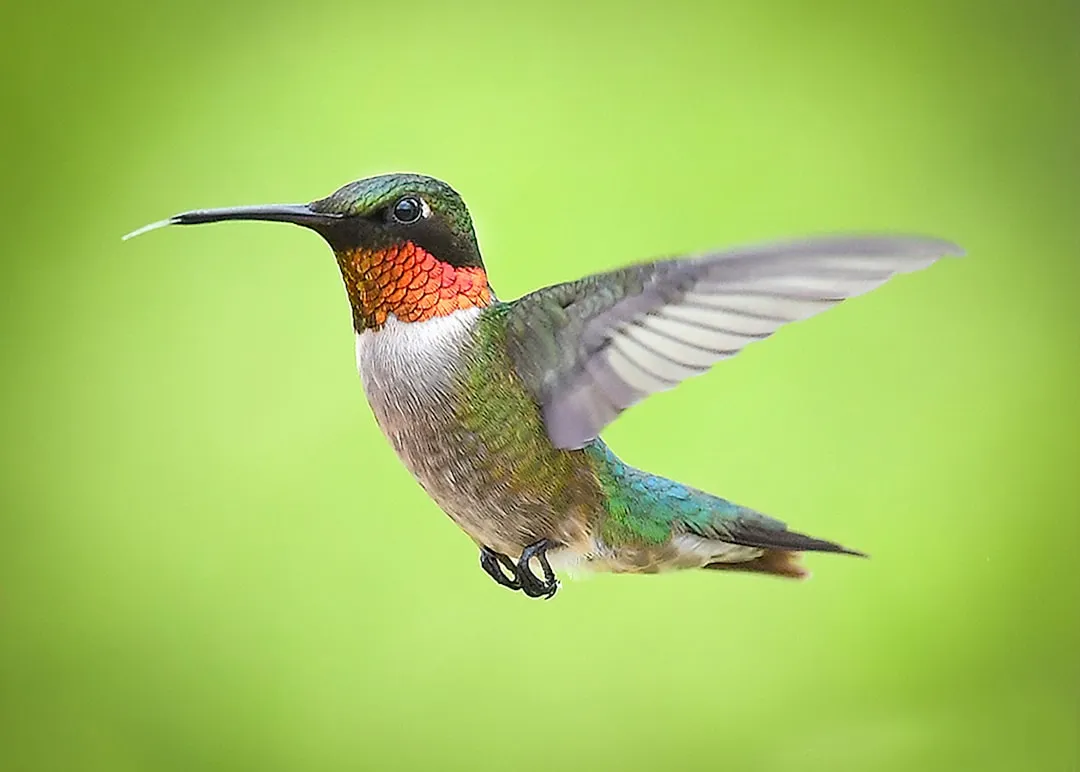
Most people assume a hummingbird either flees a predator or freezes. In reality, when they believe they’re unseen, they often hold weird “spy positions” to keep tabs on danger. Researchers have documented birds hovering just behind branches, rooflines, or feeder poles — spots where a hawk or cat can’t see them, but they have a perfect line of sight.
From these blind spots, they bob slightly up and down, adjusting for the predator’s movements like a living drone camera. This isn’t panic-flight — it’s controlled, almost surgical observation. If the threat shifts position, the bird quietly relocates to a new angle instead of bolting outright, which makes the whole fearless-hummingbird reputation look more like paranoid air-traffic control.
#16 – They Run Practice Flights With No Nectar Reward
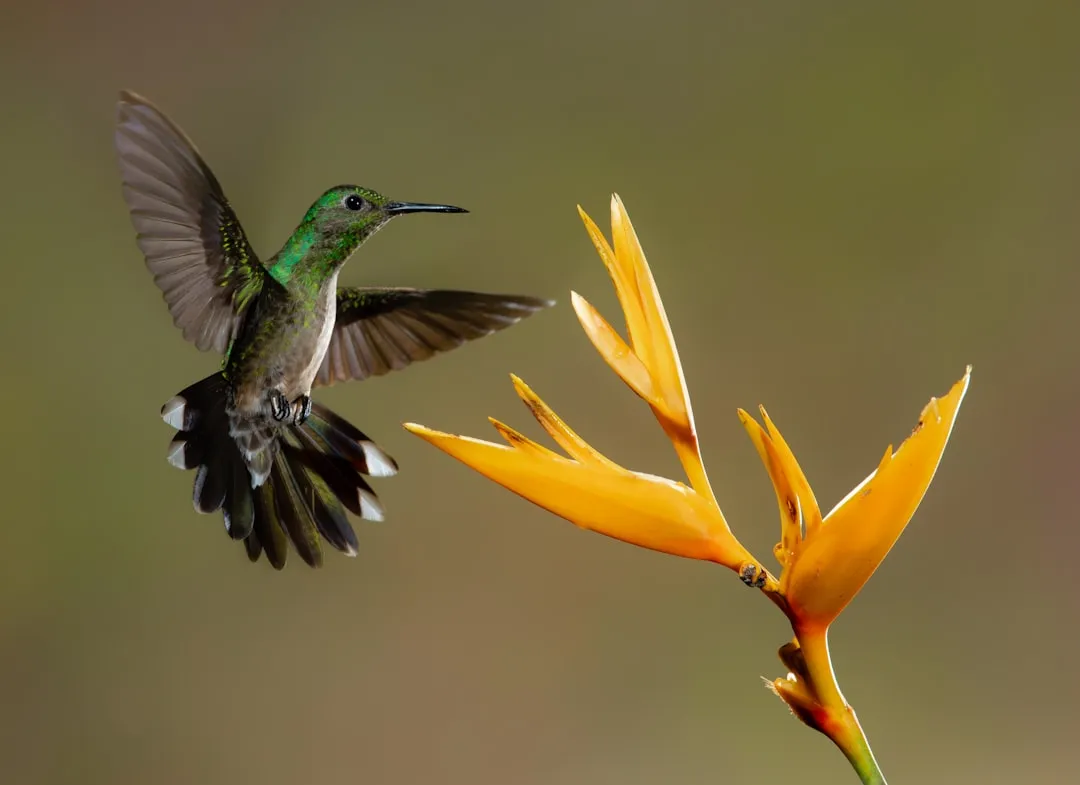
You’d think a creature with such a brutal metabolism would never waste energy on nothing. Yet when researchers hide their cameras and human activity drops, hummingbirds sometimes run obviously pointless flight drills — tight loops, sharp vertical climbs, sudden stops — with no food source anywhere in range.
These aerobatic rehearsals show up most in young birds and at dawn, before nectar is abundant, and they look like muscle training and navigation practice. Some individuals repeat the exact same pattern around the same perch, like a self-designed obstacle course. It’s tempting to call this “play,” but the more uncomfortable read is that life is so calorie-expensive for a hummingbird that it has to constantly rehearse not dying.
#15 – They Quietly Reorganize Ownership of Your Yard
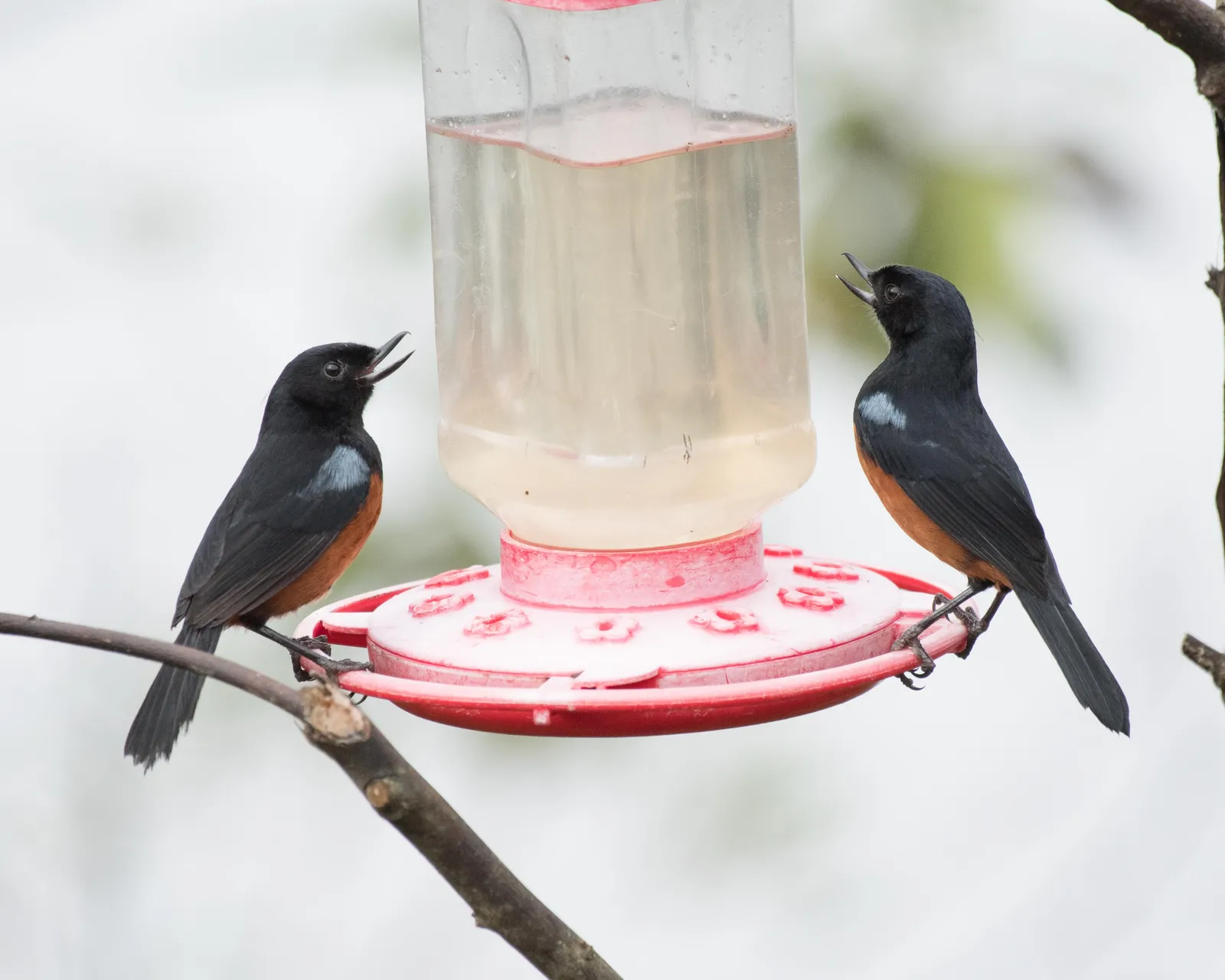
When we’re outside, feeder politics look simple — one aggressive bird rules the roost and chases everyone else off. When we’re not looking, the politics get stranger. Researchers tracking banded birds noticed dominant individuals often temporarily relax control at specific times, letting certain subordinates in while still excluding others.
These off-peak permissions tend to happen when human traffic is low and predators are scarce. The top bird perches at a distance, watches who shows up, and only intervenes if an unapproved rival appears — basically running a time-share system nobody agreed to. Over weeks, this forms a quiet social ladder of tolerated guests, tolerated hours, and absolute no-go zones.
#14 – They Hover-Stare at Windows Like They’re Screens
Plenty of people swear their hummingbird “watches TV” or admires itself in the glass. Most of that is projection. But controlled observations tell a more interesting story: when humans are gone and reflections are clearer, birds often hover at windows longer, tracking subtle interior movement and shifts in light.
They aren’t admiring themselves — they’re trying to decode the giant, unpredictable mammal ecosystem on the other side of the glass. If you regularly move near an indoor window close to a feeder, some birds start watching for that motion as an early signal of refills or disturbance, slowly pairing your silhouette with what happens outside. Is that consciousness? That’s a stretch. It’s definitely more than random hovering, though.
#13 – They “Misuse” Spiderwebs in Ways We Didn’t Expect
Everyone loves the fact that hummingbirds use spider silk to build stretchy nests. The strange part shows up when the cameras keep running and there’s no nest in progress. Researchers have caught birds collecting silk even outside of nesting season, wrapping it around certain twigs or reinforcing old perches.
In some cases, individuals seem to stabilize a favorite lookout spot by adding extra silk, like reinforcing a wobbly chair. Others tug and test web strands near feeding corridors, almost checking whether a flight path is clear. It’s not confirmed as deliberate engineering, but it doesn’t fit the tidy nest-only story from kids’ books — we still don’t fully understand how flexibly they use spider silk.
#12 – They Sing Quiet, Almost Secret Songs
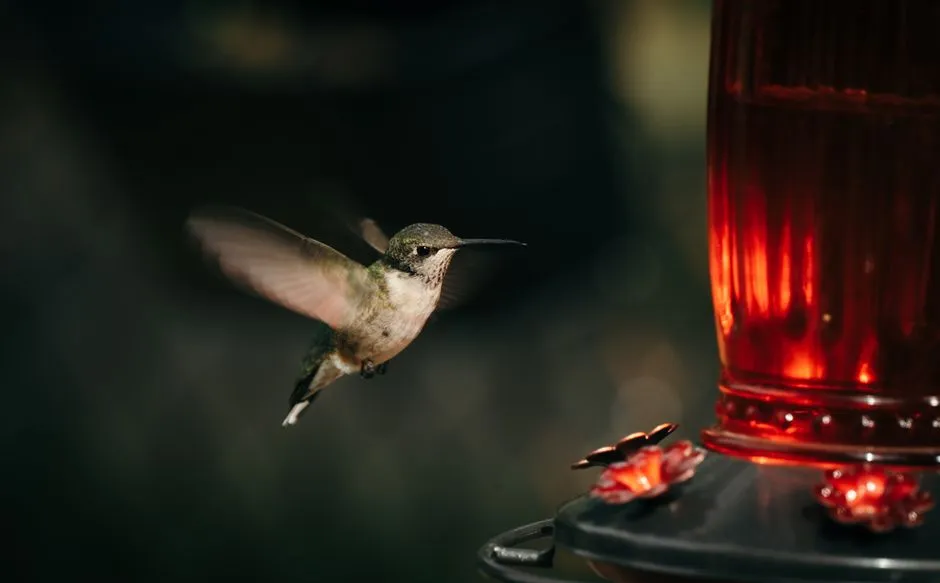
Most people assume hummingbirds are silent except for wing buzzes and angry chirps. In reality, several species produce soft, complex vocalizations that you almost never hear unless everything else is quiet — and they’re more likely to do it when no humans are nearby.
These low-volume songs and mutters seem built for close-range communication, not broad advertisement. Some are tied to courtship or territorial tweaking, others may just be contact calls between neighbors. When recorders run continuously, researchers find far more vocal activity at dawn and in the lulls between human presence — meaning your yard has an entire private channel you rarely notice.
#11 – They Weaponize Their Tail Feathers for Secret Sound Effects
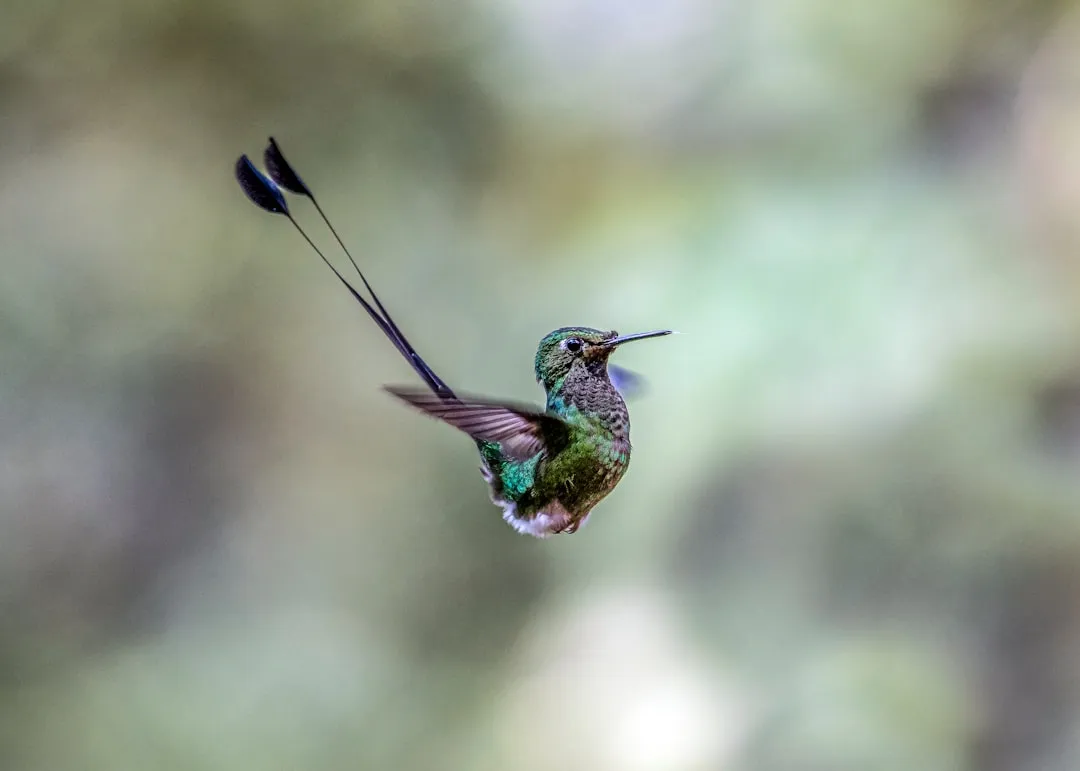
The dramatic tail-dive of a courting male hummingbird is fairly well known. What’s less known is that, away from people, some birds use subtle tail-fan movements to generate faint whistles and buzzes even during ordinary flights and chases.
Experiments with trimmed and altered feathers show specific tail shapes create specific sounds at certain speeds. Males of some species exploit this trick not just in showy dives but in quick, close chases when they think no one’s watching, adding an extra layer of audio threat or display. It sounds overcomplicated for a bird lighter than a coin — but the physics checks out.
#10 – They Memorize Individual Flowers Far Beyond “Instinct”
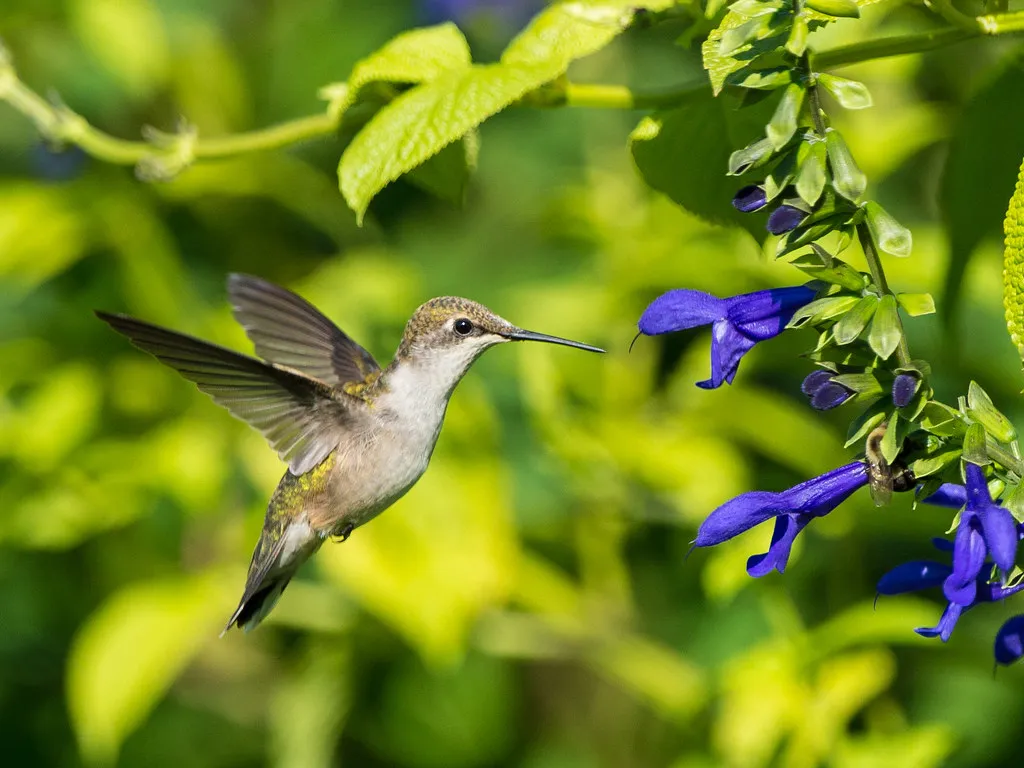
People love to say hummingbirds “remember every flower,” which sounds like romantic fluff. The truth is more unnerving: controlled maze and field studies suggest some individuals maintain detailed mental maps of dozens of specific nectar sources and their refill rates.
When humans step away and stop disturbing the area, this shows up clearly. Birds visit certain flowers in consistent, efficient sequences, skipping blooms they recently drained and prioritizing ones with a better historical payoff. That’s not “next flower, next flower” — that’s route optimization that rivals some mammals, and it means your chaotic-looking garden is, to them, a carefully tracked resource network.
#9 – They Shadow Other Species to Shortcut the Work
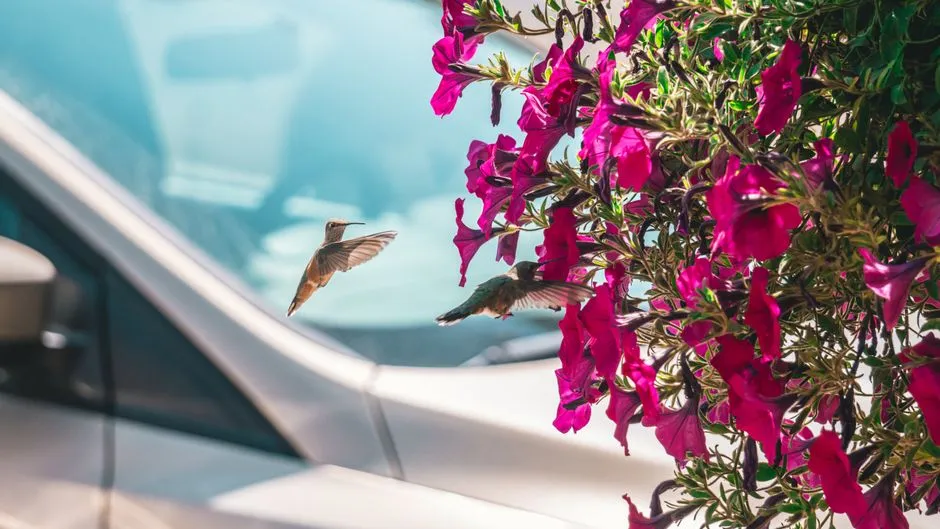
When we’re nearby, hummingbirds look independent, each bird on its own solo mission. When we’re gone, some quietly track bees, butterflies, and even other bird species to locate fresh nectar or new food patches.
In observational studies, certain individuals follow insect swarms or hover near where larger birds are foraging, then peel off to sample nearby blossoms. It’s efficient and a little ruthless: let everyone else scout, then swoop in for the best flowers. Bird-lovers like to paint hummingbirds as innocent pollinators, but their unseen behavior is closer to informed opportunism.
#8 – They Take Micro-Naps in Positions That Look Impossible
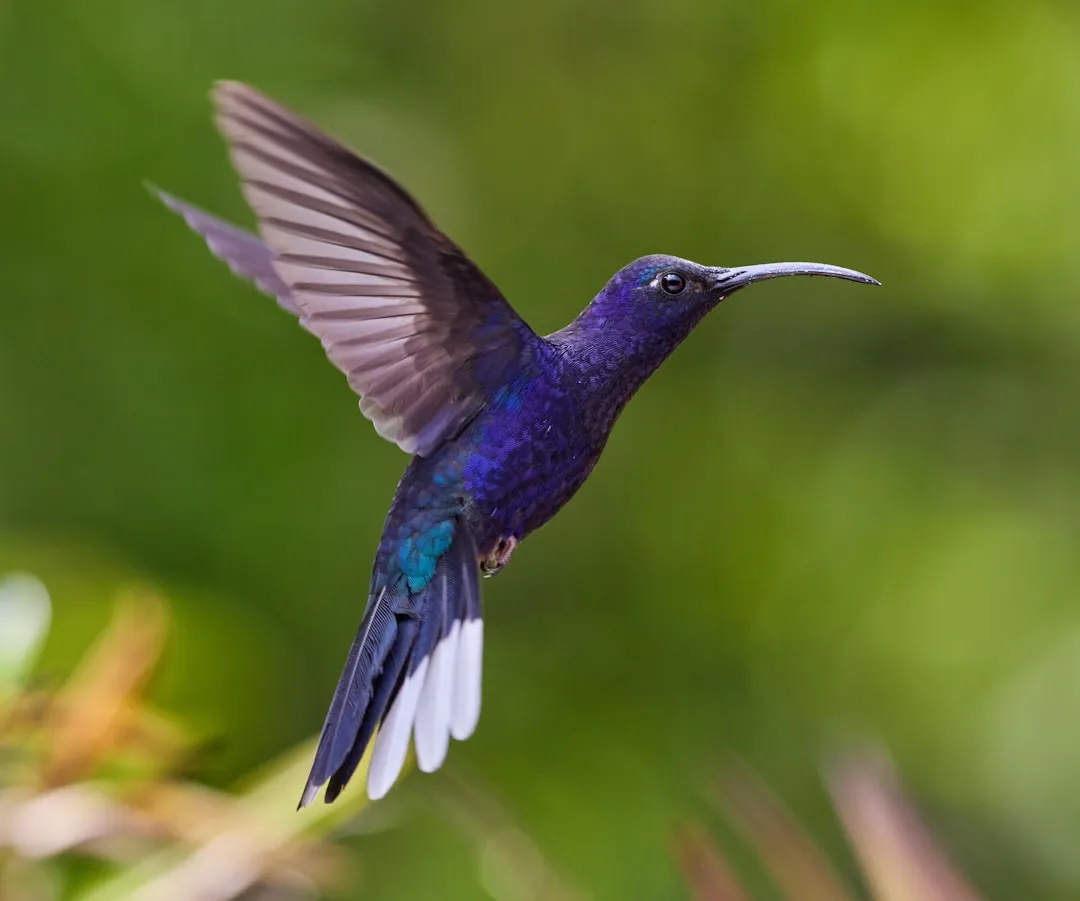
Because hummingbirds can’t afford long stretches of inactivity, most people assume they only sleep deeply at night. Hidden cameras tell a twist: during quiet, unobserved stretches, some birds slip into ultra-short rest states — seconds to minutes — while clinging at bizarre angles or even swaying in the wind.
These micro-naps aren’t full torpor, just brief drops in responsiveness. The bird looks frozen, eyes half-lidded, head slightly drooped, before snapping back to full alertness and taking off. You almost never see this when humans are close, because any disturbance ruins the point — which means the blur of nonstop motion you associate with hummingbirds is actually stitched together by countless tiny energy collapses.
#7 – They Hoard “Backup” Perches Like Real Estate
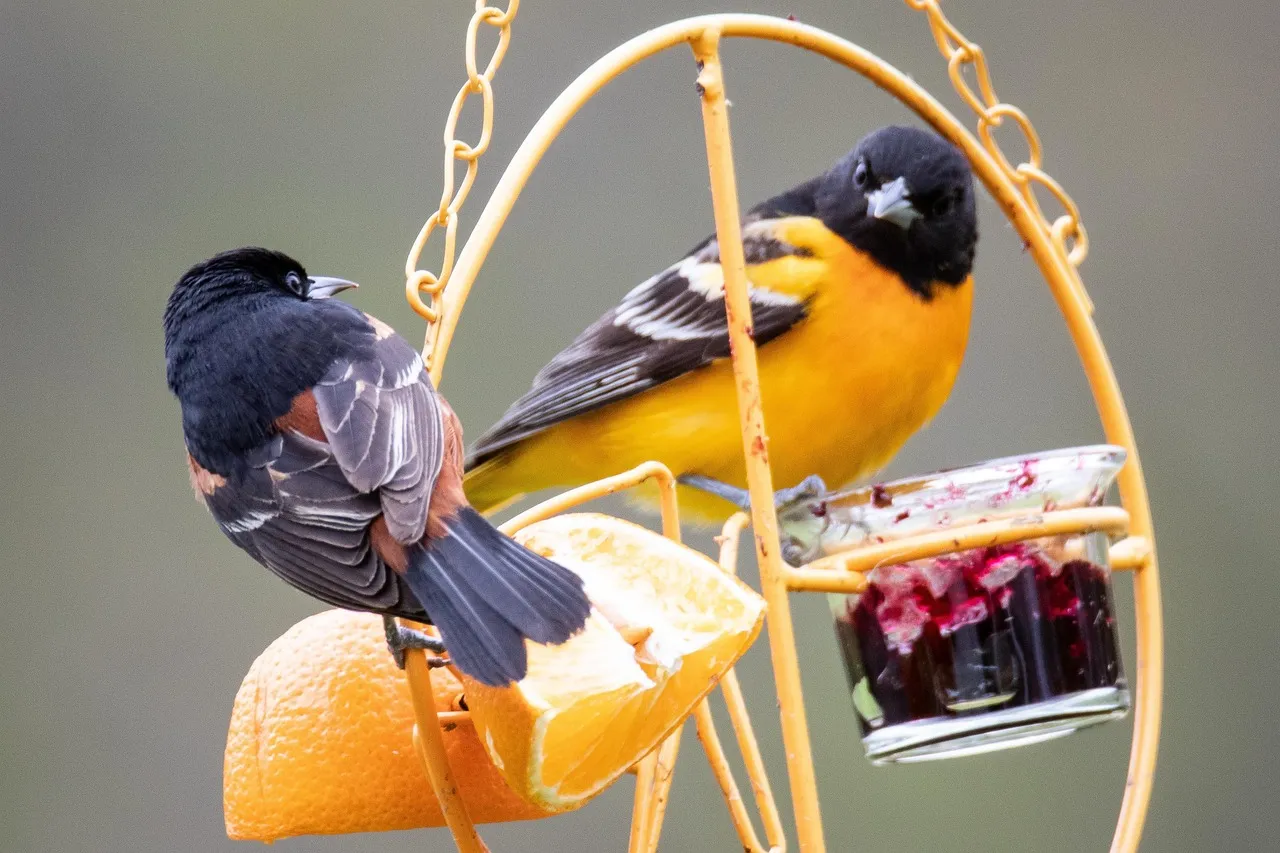
Most backyard birders can point to the one obvious perch near a feeder. What you don’t see is the network behind it. When people are gone, birds rotate through sets of backup perches at specific distances and elevations, testing each one for safety, view, and escape routes.
Long-term observers have mapped these perch networks and found individuals reusing the same constellation of lookout points day after day. If a branch breaks or a cat shows up under one spot, the bird seamlessly switches to a secondary option, then a tertiary one. Most of us imagine hummingbirds “living” at the feeder — their real home is a lattice of carefully vetted micro-thrones you almost never notice.
#6 – They Play Games With Each Other
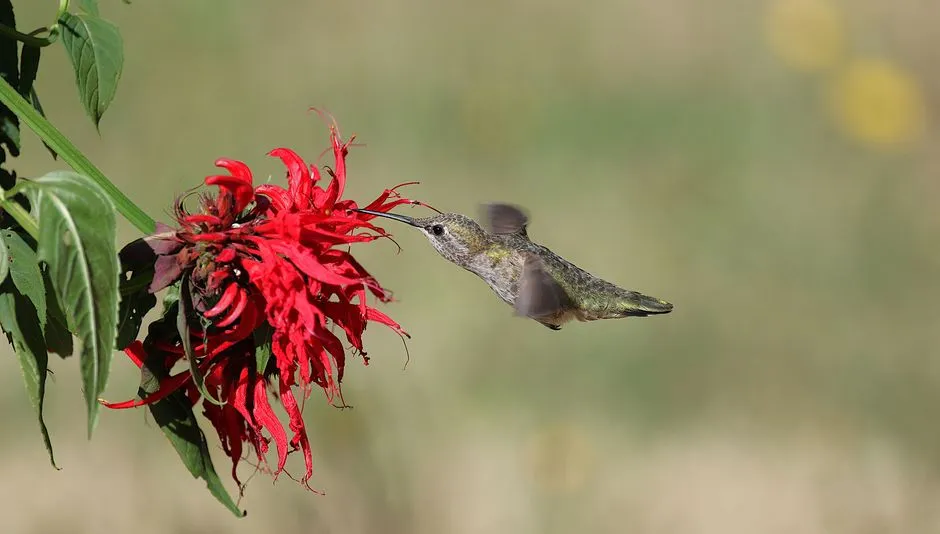
Scientists are understandably cautious about calling anything in animals “play.” Still, high-speed footage from low-disturbance sites shows young hummingbirds running repeated, non-contact chase patterns that don’t seem to be about food or serious fighting.
Two or three birds will streak past each other at high speed, skimming within centimeters, then loop back to repeat the same maneuver with the same spacing — no actual hits. It looks like practicing aerial dodges and pursuit motions rather than real combat, and the behavior fades as birds mature. Birders love the idea that they’re “playing tag.” The more uncomfortable version is that they’re rehearsing escape and attack in a world where one mistake means death.
#5 – They Quietly Adjust Their Personal Speed Limit
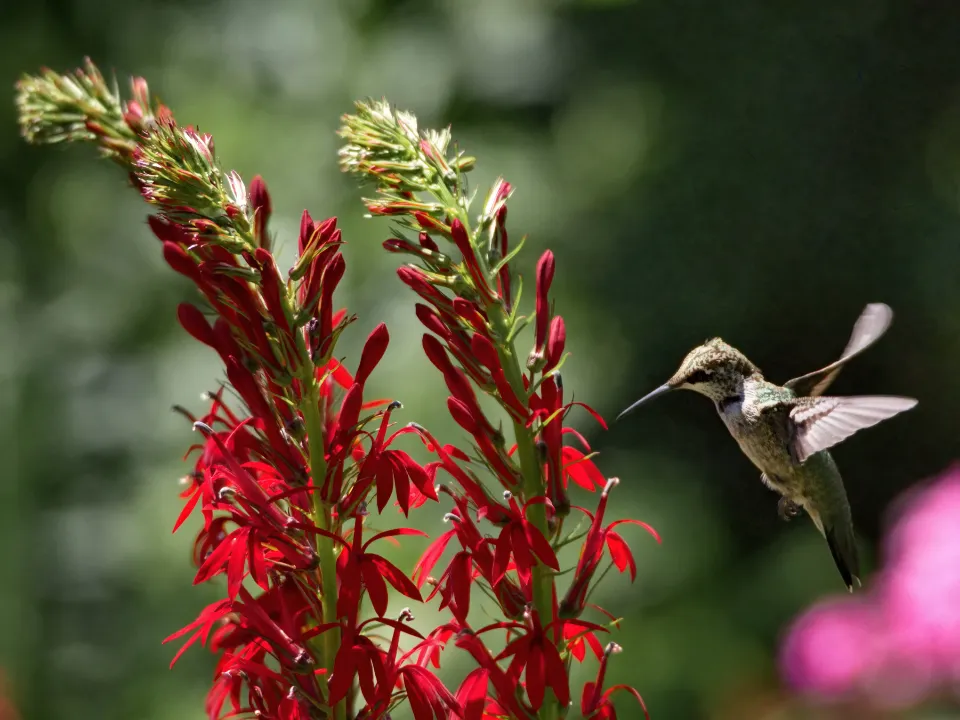
We picture hummingbirds operating at max RPM constantly. In reality, when no one’s nearby, many individuals dial down their flight intensity — smoother wingbeats, longer glides between flowers, more deliberate routes — to stretch their energy budget.
In high-disturbance areas, birds fly harder and faster, burning more calories just to maintain access to food. In lower-disturbance windows, the same birds float in slower arcs, pause more, and sit longer between trips. To a casual observer, a hummingbird is either “fast” or “not here.” To the bird, there’s a whole spectrum of speed settings we rarely see, because we’re usually the ones cranking their system up.
#4 – They Audit Feeder Quality and Punish Bad Service
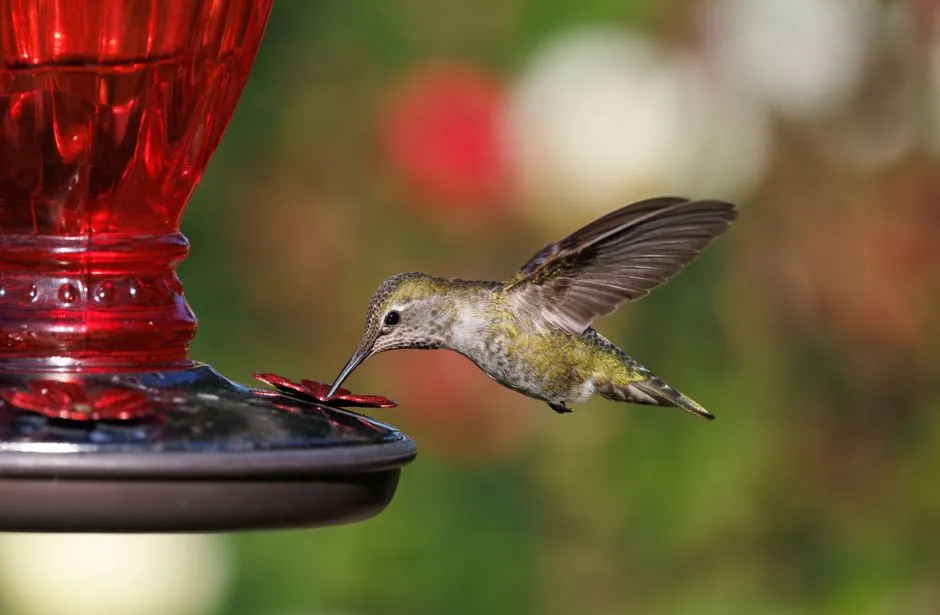
Plenty of people swear their hummingbirds “get mad” when the feeder runs low. The science isn’t that emotional, but it isn’t flattering either. Careful observation shows birds sometimes reduce visits or abandon a site altogether after repeated encounters with low-quality nectar or inconsistent refills.
When humans are out of sight, birds perform short test sips and leave abruptly if the sugar concentration is off. They’ll keep auditing over several days, but if your feeder keeps failing the test, they invest their time elsewhere. That’s not a tantrum — it’s cold cost-benefit analysis. If you feel ghosted by your hummingbirds, you probably were, and the decision got made during the quiet moments you weren’t watching.
#3 – They Enter Torpor That Looks Alarmingly Like Death
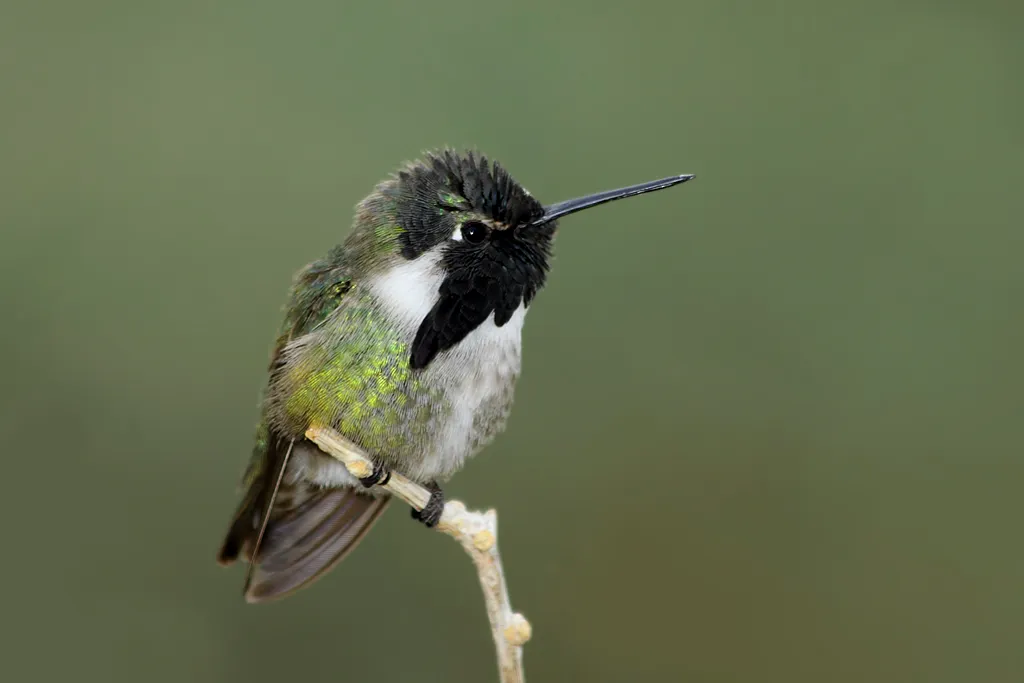
Most people have never seen a hummingbird in full torpor, and the ones who do usually assume the bird has died. During extreme energy stress or a cold night, a bird can drop its body temperature and metabolism so dramatically that it goes motionless, eyes closed, often hanging at a strange angle.
Researchers using night-vision and thermal cameras have confirmed that some individuals slip into torpor even on marginal nights, especially after a bad day of foraging. This almost never happens when humans are close, because any disturbance forces the bird to burn precious energy waking back up. What looks like a hummingbird “disappearing” at night is often a high-risk survival bet you simply never get to witness.
#2 – They Quietly Remember (and Avoid) Specific Humans
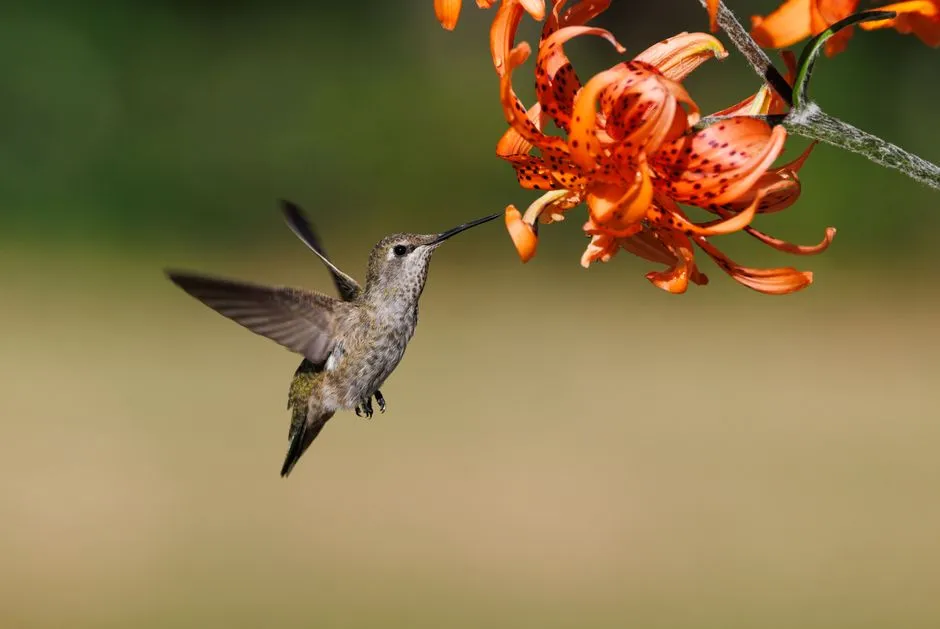
This is the one fact a lot of people don’t want to hear. Evidence from marked populations suggests some hummingbirds can distinguish individual humans, associating specific people with either reliable food or repeated disturbance.
If you routinely walk under a favorite perch or approach too close, a bird may shift its main lookout to a different part of the yard — but only during the hours you’re usually around. The moment you’re gone, it reclaims the better spot. Bird-lovers like to believe “they know me and trust me.” In a lot of cases, they know you and are working around you.
#1 – They Run an Invisible, Personalized Schedule of Your Entire Yard
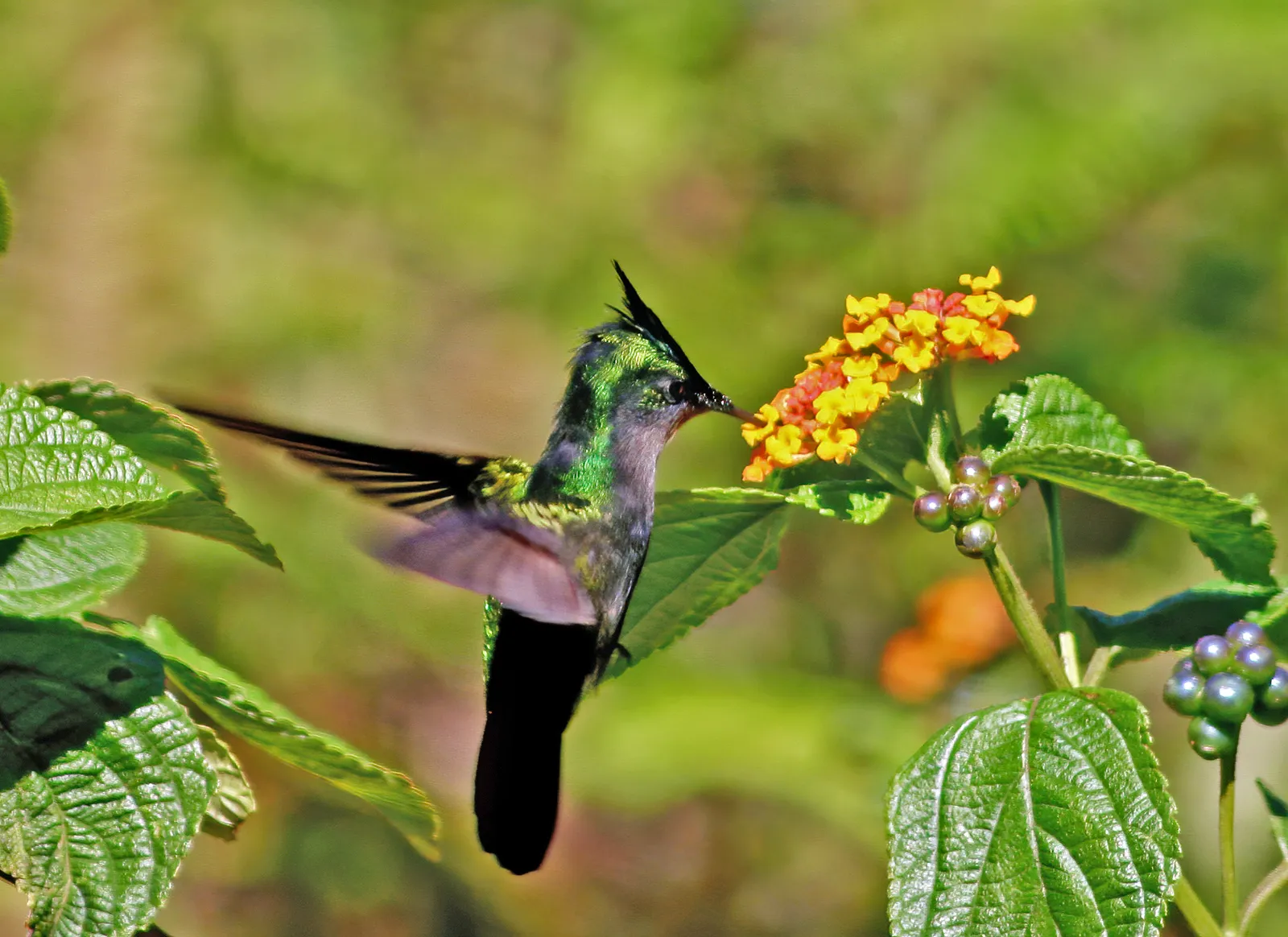
The strangest thing researchers keep circling back to isn’t one single behavior — it’s the pattern underneath all of them. When hummingbirds believe no one is watching, they move through your space on a highly individualized schedule: specific flowers at specific times, particular perches under particular light, alternate routes during certain predator hours or human routines.
One bird might favor the east side of the yard early in the morning, switch to shaded western routes by midday, then return to central perches once human traffic drops. Another might ignore an entire feeder during dog-walk hours but lean on it heavily once the house goes dark. None of this shows up if you only glance out from the porch at lunchtime — when you’re not looking, each hummingbird is quietly rewriting its own operating system for your property.
The Bottom Line
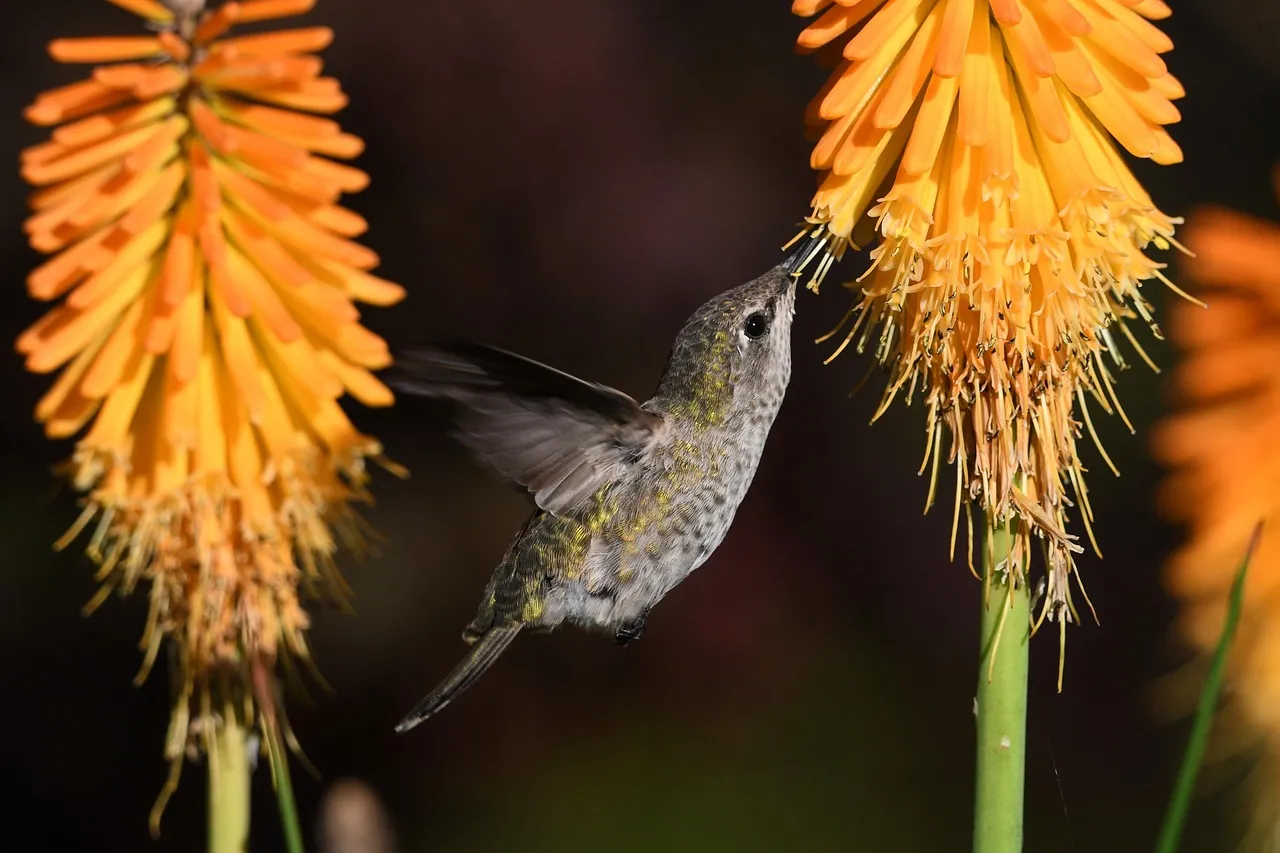
Researchers aren’t saying hummingbirds are tiny people with wings. They are saying the old cartoon version — mindless nectar robots — is broken. The evidence points to birds that track time, audit human behavior, rehearse survival skills, and constantly rewire their use of space based on who’s around and what’s risky.
That’s a staggering amount of strategy packed into a body smaller than your thumb. If anything, the cute stories undersell them. The real hummingbird is suspicious, calculating, occasionally wasteful, often stunningly efficient — and doing its most interesting work in the exact moments you stop paying attention.
The uncomfortable truth is simple: to them, you’re not the main character in your own backyard. You’re just part of the terrain to be timed, tested, and worked around.

- 19 Strange Things Researchers Say Hummingbirds Do When They Believe Nobody Is Watching Them - August 12, 2026
- If Your Cat Has Turned Fifteen These 17 Changes Are the Ones Vets Never Dismiss - August 12, 2026
- If Your Horse Has Started Changing These 19 Things Stable Hands Notice Long Before You - August 12, 2026