

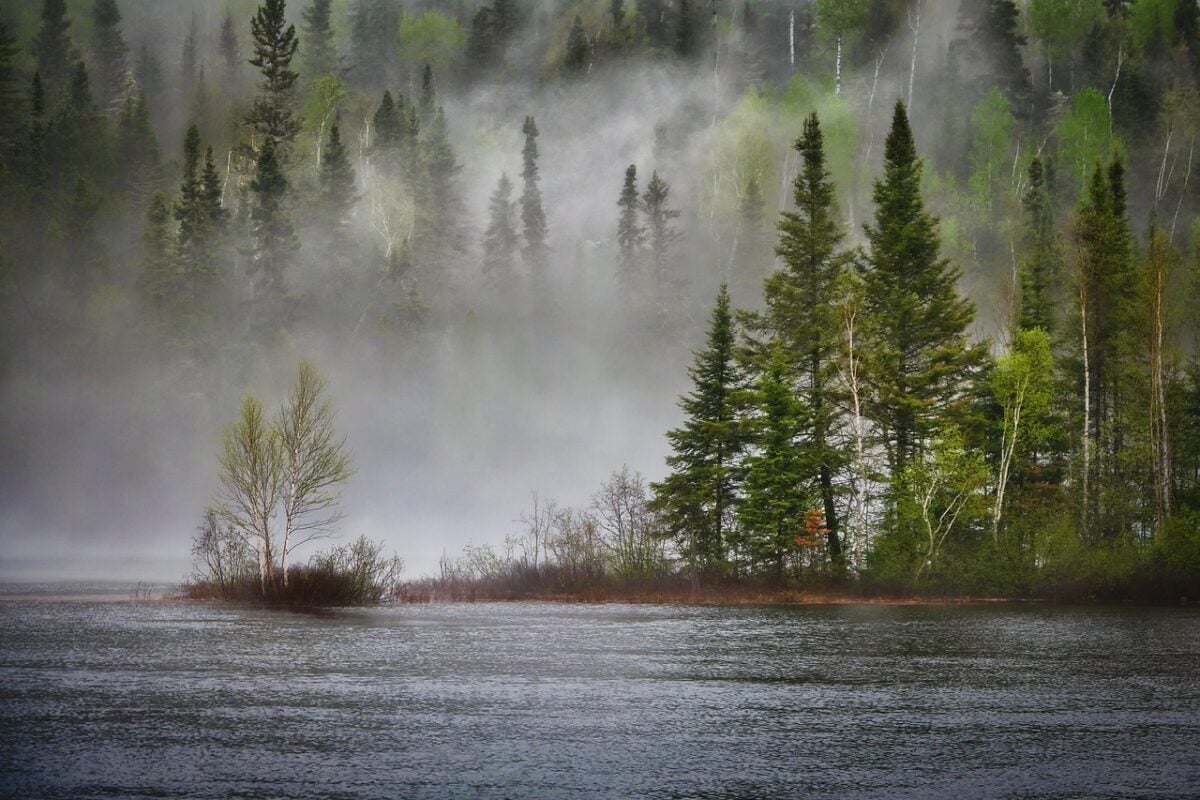
Everyone assumes you need a plane ticket to Patagonia or a $25 parking receipt at Lake Tahoe to see water that looks digitally enhanced. That assumption is dead wrong, and it’s quietly costing people some of the best views in the entire country.
Turns out, the U.S. is hiding a string of lakes so saturated, so glassy, and so improbably clear that they look like someone dragged a Photoshop slider too far. No selfie-stick traffic jams, no wall-to-wall marinas, just water that shouldn’t exist outside of a screensaver. Some of these sit hours past the nearest interstate. Others are practically ignored by tourists standing a few miles away, staring at a more famous view instead. Here are 17 lakes that prove the most surreal water in America is often the least crowded.
#1 – Lake McDonald, Montana (Glacier National Park)
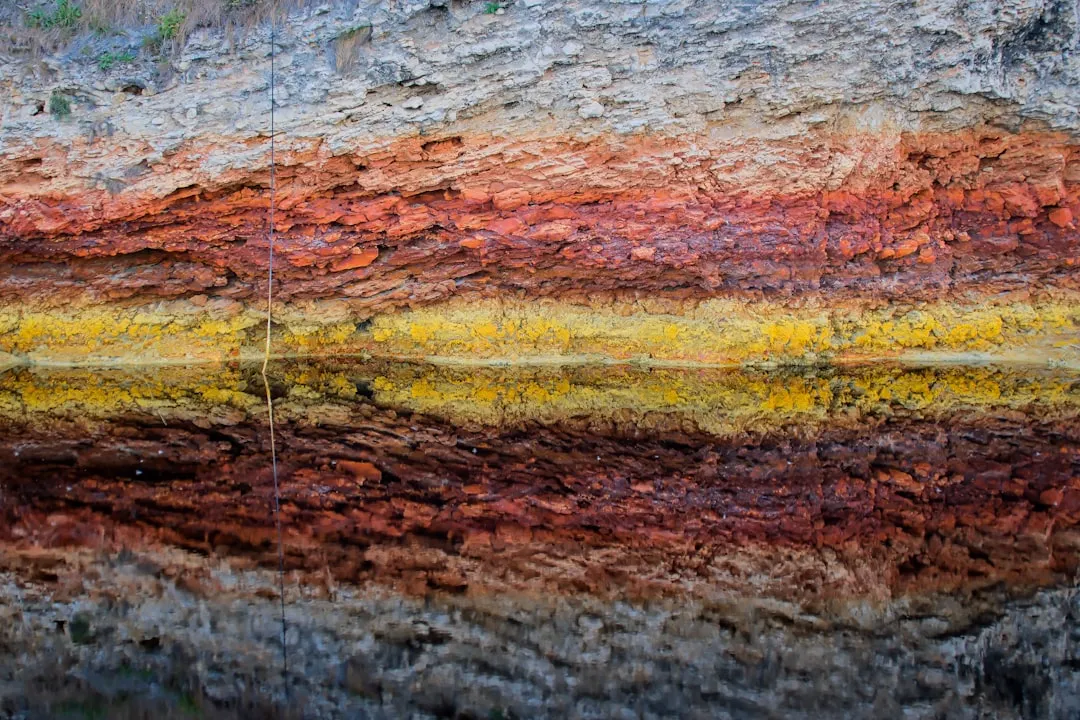
At first glance, Lake McDonald looks fake enough to be a Windows wallpaper. The largest lake in Glacier National Park stretches about 10 miles, but what really breaks people’s brains are the multicolored “jellybean” rocks visible through water that looks like polished glass. Because most visitors rush straight to the famous hikes and overlooks, this shoreline can feel strangely calm, especially early or late in the day.
On windless mornings and evenings, the surrounding mountains reflect perfectly on the surface, like someone mirrored the whole scene digitally. Water clarity is so intense that boats seem to float on air, and photographers quietly agree this is one of the most forgiving spots in America to shoot a flawless reflection. If you’ve only seen Glacier through Instagram reels of the big overlooks, you’ll be shocked how empty these pebbled beaches can feel.
#2 – Diablo Lake, Washington
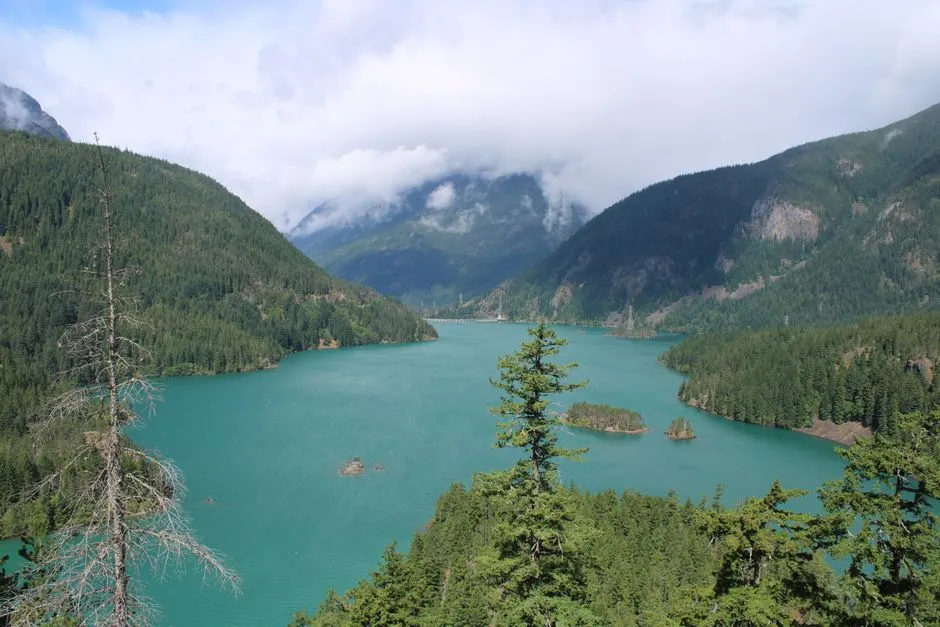
Diablo Lake looks like someone cranked the saturation slider way too far. Tucked into Washington’s North Cascades, its water glows an unreal electric turquoise caused by glacial “rock flour” suspended in the lake. On overcast days it looks painted; on sunny days it’s almost hard to stare at directly.
While the main overlook gets a trickle of visitors, the lake itself stays quiet, with long stretches where you hear more wind than voices. Unlike Tahoe or Crater Lake, this one doesn’t sit next to a major vacation town, and the North Cascades see far fewer tour buses than the big-name parks. Kayakers drift across a color so bright it looks computer-generated, framed by jagged peaks that could pass for a mini-Patagonia.
#3 – Lake Crescent, Washington
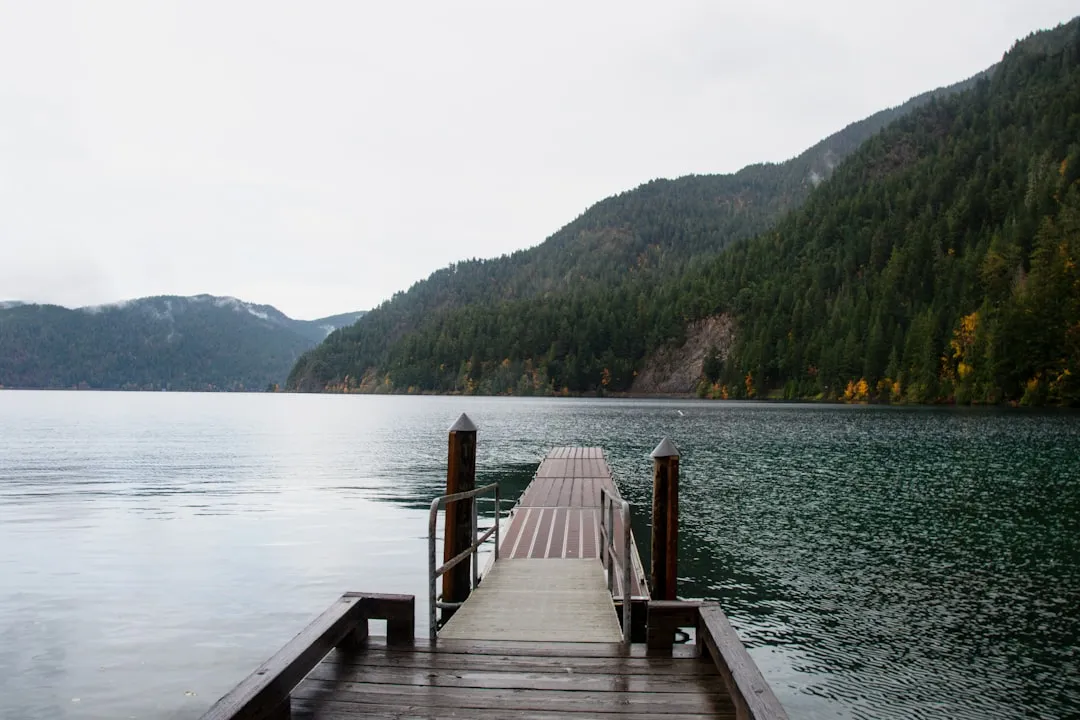
Lake Crescent is what you get when a glacier and a fjord have a love child. Set in Olympic National Park, this long, deep lake has water so clear and dark blue that visibility can reach 60+ feet down on good days. Steep forested mountains plunge straight into the shoreline, creating a dramatic, almost Scandinavian look.
Here’s the wild part: most Olympic visitors sprint straight to the rainforest or the coast, treating Crescent as a quick photo stop. That keeps many coves and trails quiet, especially on shoulder-season weekdays. Old-growth trees lean over ice-blue shallows, and mist clings low on rainy mornings, turning the whole place into a moody, movie-set backdrop.
Fast Facts
- Located entirely inside Olympic National Park, Washington
- Plunges to a maximum depth of roughly 624 feet
- Naturally low nitrogen levels limit algae growth, which helps keep the water so clear
- Home to rare native trout subspecies found almost nowhere else on Earth
#4 – Walden Pond, Massachusetts
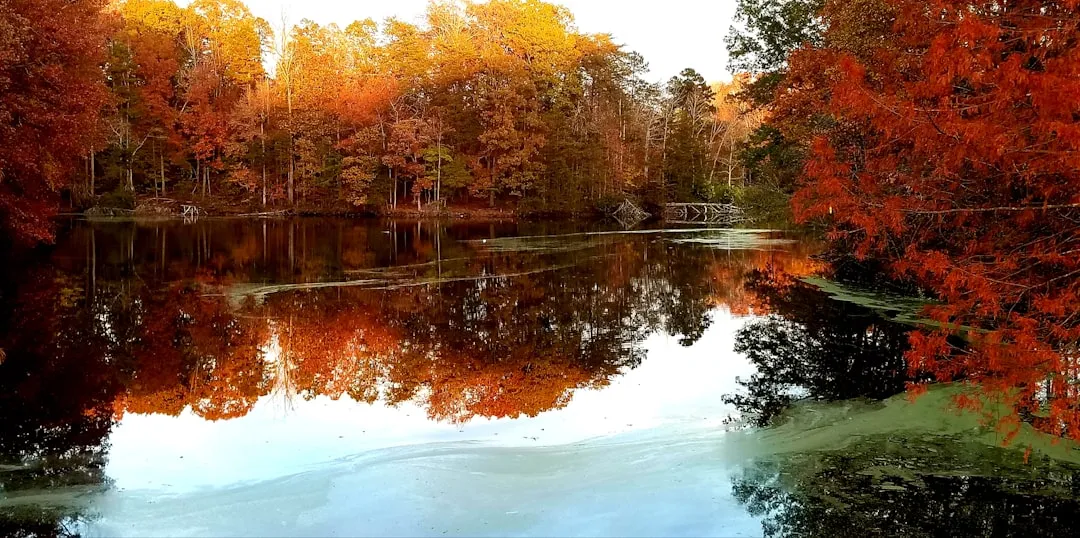
Yes, the famous Walden is still weirdly calm – if you time it right. Most people know Walden Pond from high school English class, not Instagram, which is exactly why its water, startlingly clear and emerald in the right light, doesn’t draw the same mob as better-known New England lakes. Off-season mornings and cool days can feel eerily close to the quiet that obsessed Henry David Thoreau.
A lake is the landscape’s most beautiful and expressive feature. It is earth’s eye.
Henry David Thoreau
The shoreline stays forested and simple – no giant resorts, no flashy marinas. Local swimmers show up on hot weekends, but many travelers skip it entirely, assuming it’s just a muddy “literary” pond. Purists complain summer crowds “ruined” Walden, but that’s usually code for showing up at noon in July. Patient travelers know its off-peak face is something else entirely.
#5 – Lake Ouachita, Arkansas
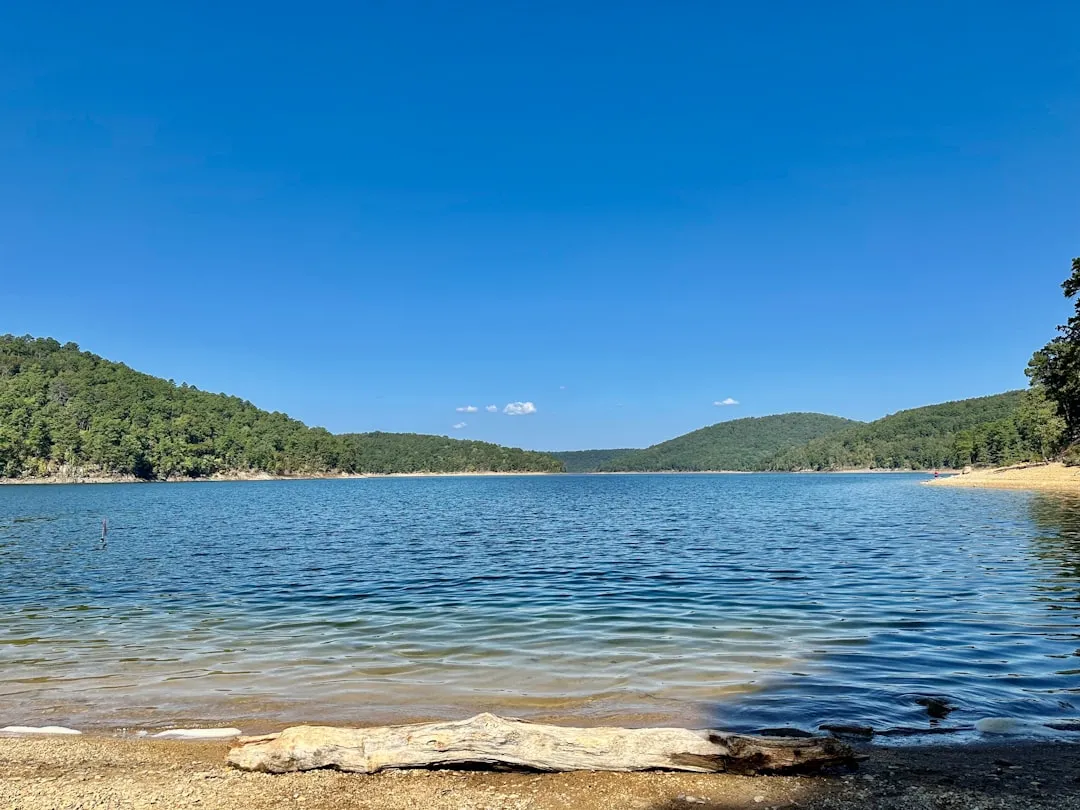
Lake Ouachita is the lake people from other states don’t even know exists. Spread across the Ouachita Mountains, this massive reservoir is ringed by forest and dotted with over 200 tree-covered islands, many of them undeveloped and totally empty on weekdays. The water is famously clear for a southern lake, often a rich blue that pops against dark green hills.
What keeps it quiet? No big metro city on the shore, limited flashy marketing, and a surprising amount of protected land. While nearby Hot Springs soaks up the spa traffic, Ouachita quietly spoils boaters and kayakers with long, empty coves and stargazing-level darkness at night. Ask hardcore freshwater divers and they’ll tell you it’s one of the cleanest lakes in the region, period. It just doesn’t brag about it.
#6 – Bear Lake, Utah/Idaho
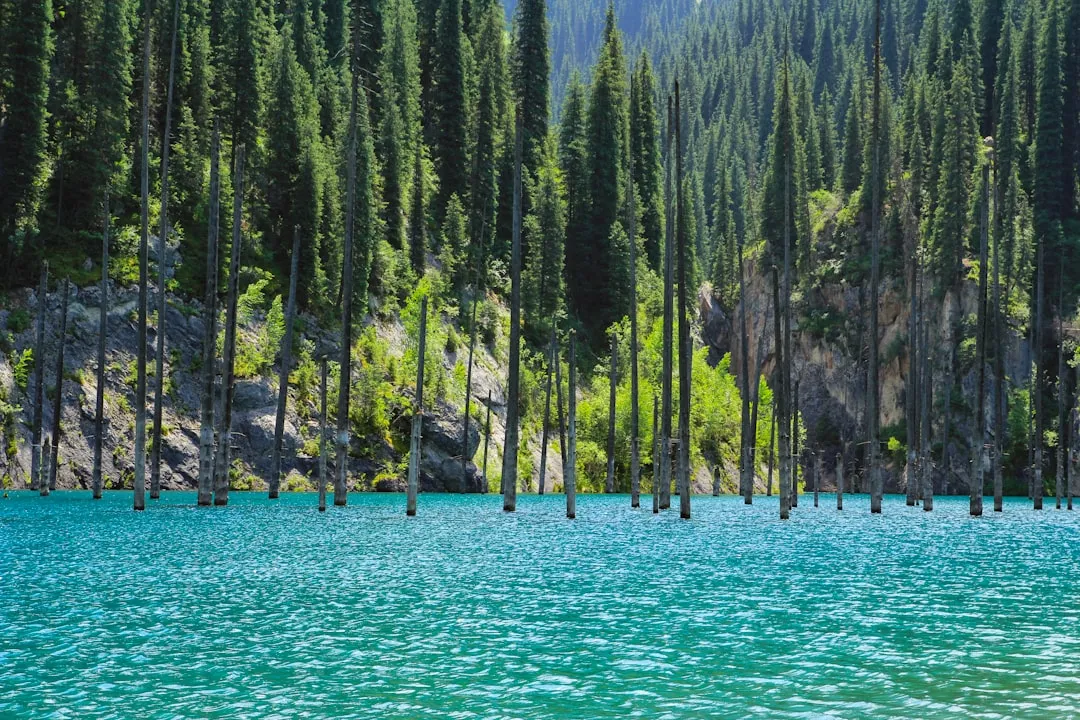
Bear Lake looks like someone spilled tropical paint in the Rockies. Straddling the Utah–Idaho border, it’s nicknamed the “Caribbean of the Rockies” for a reason: the unusual turquoise color comes from suspended limestone particles that scatter light in that distinctive, almost fake-looking way. On calm days, the lake glows a bright, milky blue that feels more Bahamas than high desert.
Despite the color, Bear Lake isn’t slammed like Tahoe or the big Utah national parks. The area has cabins, small towns, and raspberry-shake stands, not giant high-rise resorts. Once you leave the main beach areas, long stretches of shoreline stay surprisingly quiet, especially outside peak July weekends, with sunsets turning the sky peach and lavender against that opaque blue surface.
#7 – Lake Santeetlah, North Carolina
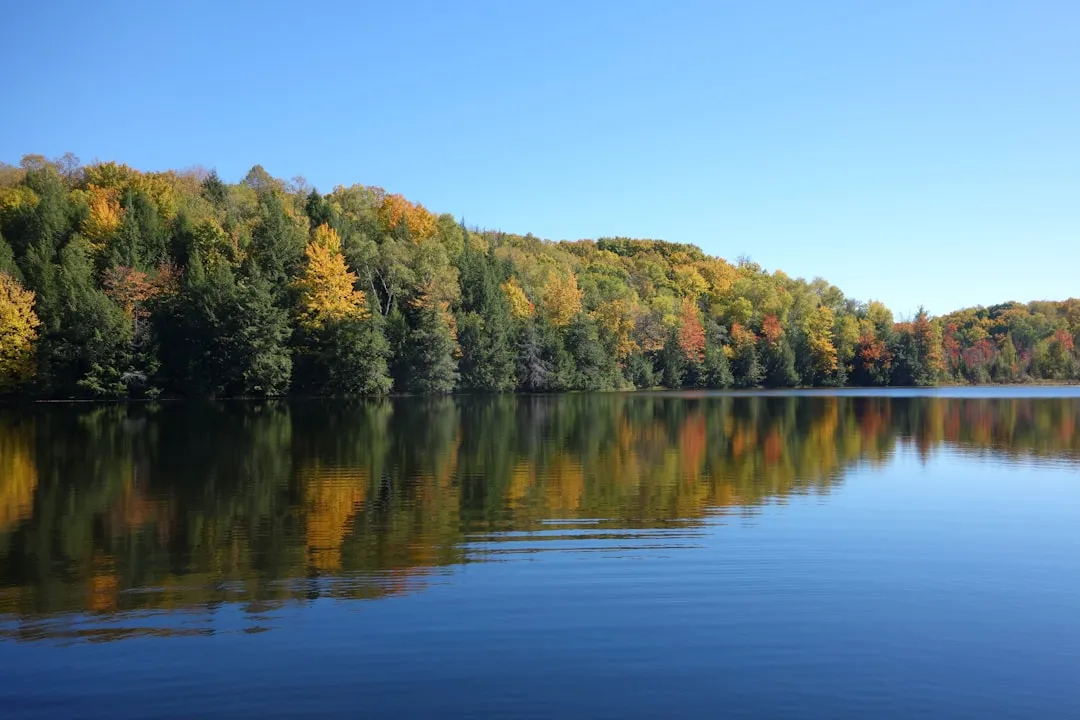
In a state obsessed with Asheville and the Outer Banks, Lake Santeetlah flies completely under the radar. Tucked into North Carolina’s far-west corner near the Great Smoky Mountains, this lake is about 80% bordered by national forest, meaning huge chunks of shoreline stay undeveloped, leaving glassy coves and dense, unbroken tree lines that feel almost Canadian. When the water’s calm, autumn colors double in reflections that genuinely look edited.
Unlike closer, party-heavy lakes, Santeetlah hasn’t turned into a floating tailgate. Boat traffic is modest, there’s no wall of bars on the shore, and cell service can be patchy – something solitude seekers secretly love. To many locals, this is quietly the best lake in North Carolina, and they’re not thrilled when outsiders figure that out.
#8 – Lake Quinault, Washington
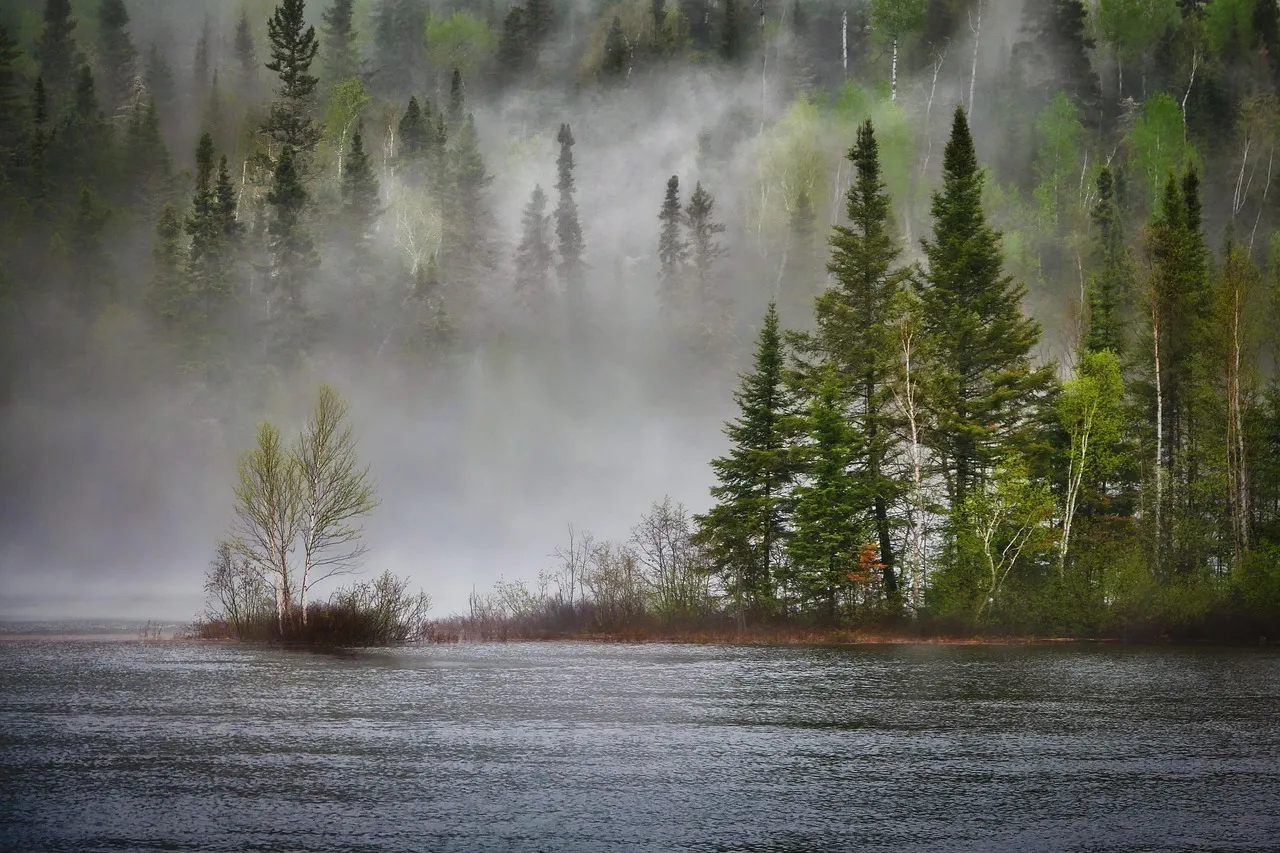
If a rainforest had a favorite lake, it’d be Lake Quinault. On the southwest edge of Olympic National Park, it sits surrounded by temperate rainforest, giant spruce, and mist that often hangs so thick over perfectly still water that the entire scene looks like a fantasy movie set. On drizzly days, the water darkens to an inky, reflective blue-black, with mossy trunks framing every view.
The thing is, most visitors chasing “wow” photos head for the Hoh Rain Forest and skip Quinault entirely. That leaves this valley far quieter than it should be. A couple of classic lodges and campgrounds dot the shore, but long stretches remain deep, green, and empty-feeling – which is why serious photographers quietly rate it above louder PNW icons.
#9 – Lake Wenatchee, Washington
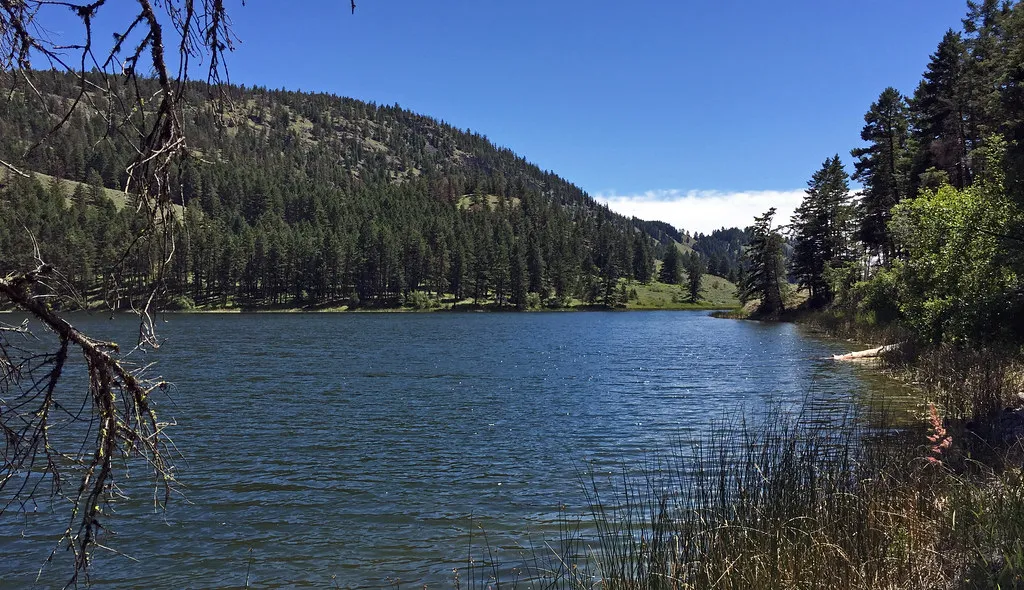
Lake Wenatchee is basically Washington’s version of a secret screensaver. Fed by mountain snowmelt, its water can be so clear and cold that you can see stones and submerged logs in striking detail several feet down. On windless days, the surrounding Cascade peaks reflect with almost embarrassing perfection.
Unlike the nearby tourist circus of Leavenworth, Wenatchee stays much more low-key. Locals camp, paddleboard, and walk the shore, but this isn’t a high-rise resort scene. Ironically, many people drive right past the turnoff on their way to “more famous” spots, missing a lake that often photographs better than where they’re headed.
At a Glance
- Sits roughly 20 minutes from the busy tourist town of Leavenworth
- Fed largely by snowmelt and mountain streams draining off the Cascades
- Anchored by a state park with campgrounds instead of resort towers
- A favorite for quiet paddleboarding, swimming, and shoreline camping
#10 – Jenny Lake, Wyoming (Grand Teton National Park)
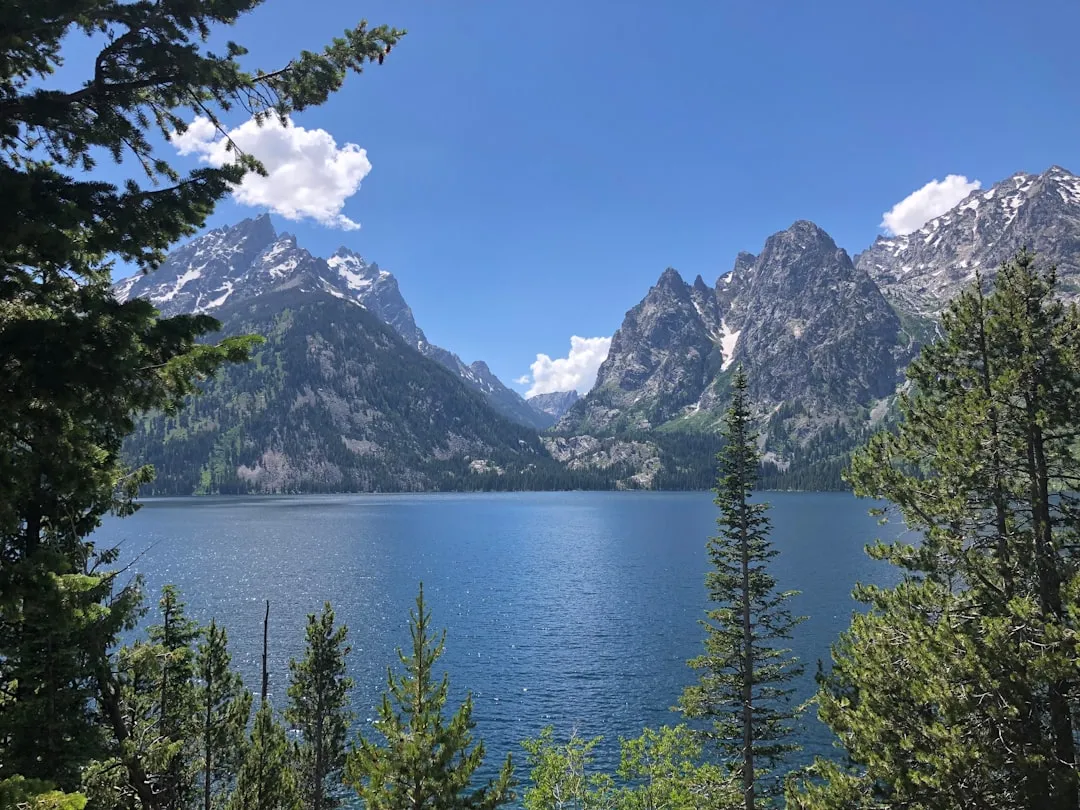
Jenny Lake has no bad angles, and that’s not an exaggeration. Sitting directly beneath the Tetons, it offers one of the sharpest, most dramatic mountain reflections in the entire national park system when the water goes still. Jagged peaks plunge straight from the lakeshore into the sky, giving wide-angle photos a depth that looks suspiciously CGI.
Yes, Grand Teton is popular – but people concentrate hard around a few overlooks and short walks. Hike even a short distance along Jenny Lake’s trail and the chatter dies off fast. You’re left with loons, light wind, and a sheet of glass reflecting those serrated peaks. Some purists argue Jenny has gotten “too busy,” but that usually means they stuck to the paved edges.
#11 – Lake Superior’s Pictured Rocks, Michigan
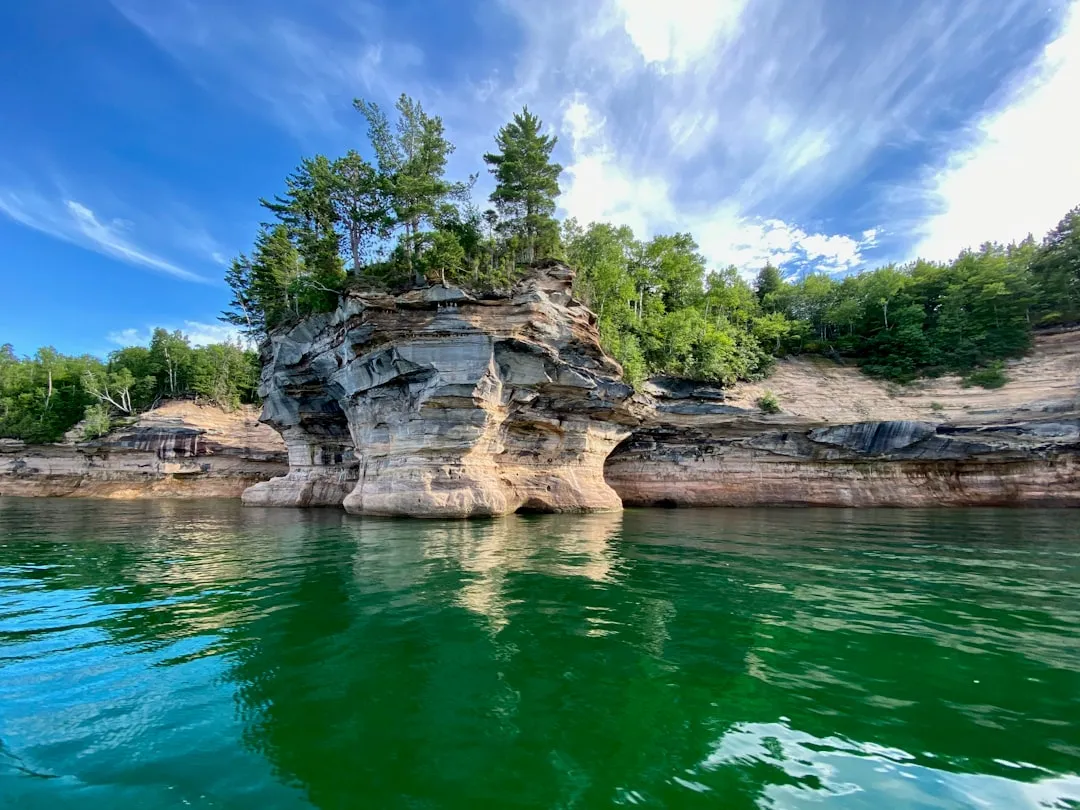
Lake Superior in the Pictured Rocks area looks like several countries smashed into one shoreline. This stretch along Michigan’s Upper Peninsula combines glowing teal shallows, sheer multicolored sandstone cliffs, and hidden coves that look like Mediterranean postcards – except with pine trees and zero crowds in shoulder season. On sunny days, water near the cliffs turns a surreal blue-green that pops against streaks of orange, white, and red rock.
Because it’s far from major cities and gets real winter, casual tourists often skip it. That leaves long days in spring and fall where you might share certain overlooks with just a handful of people. People hear “Great Lakes” and picture industrial shorelines; this area quietly rewrites that file in your brain.
#12 – Lake Jocassee, South Carolina
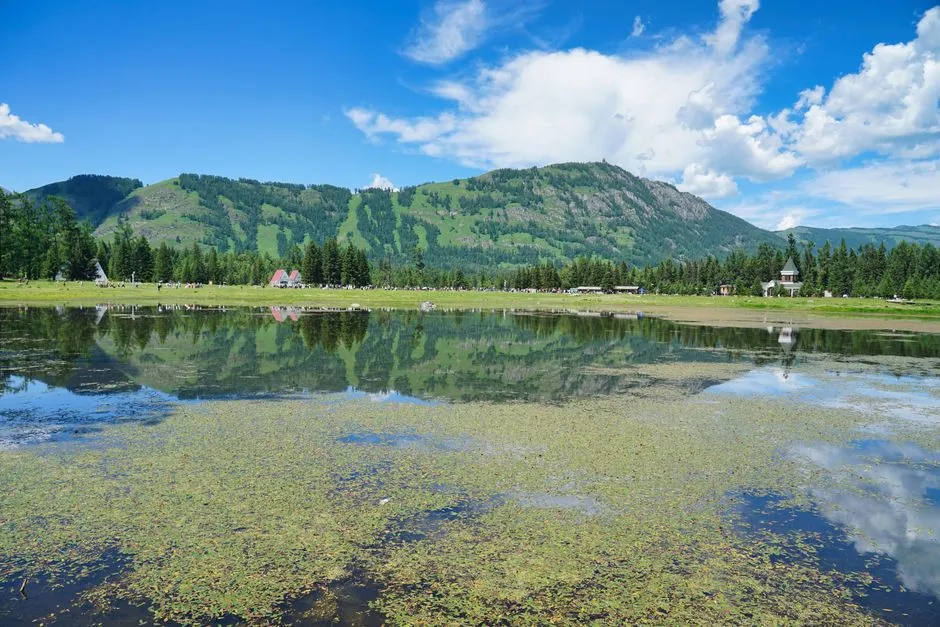
Lake Jocassee is the Southeastern lake that shouldn’t look this wild – or this empty. Carved into the Blue Ridge foothills, it’s fed by multiple mountain rivers and waterfalls, which keep its water cleaner and clearer than almost any other major lake in South Carolina. Visibility can be shockingly high for a warm-climate reservoir, with emerald shallows and deep, inky blues in the main basin.
Most of the shoreline is protected, so instead of condo walls, you get steep, forested slopes and hidden waterfalls spilling directly into the lake. Scuba divers come for old submerged structures, but average travelers barely know it exists. While nearby Lake Keowee grabs more real estate buzz, Jocassee quietly wins every “which lake is actually prettier” argument among locals.
Quick Compare
- Jocassee: mostly protected shoreline, minimal development, standout clarity
- Keowee: heavily developed with lakefront homes and busy marinas
- Jocassee: fed by cold mountain rivers and hidden waterfalls
- Keowee: warmer water, more boat traffic, far less of a wilderness feel
#13 – Lake Chelan, Washington
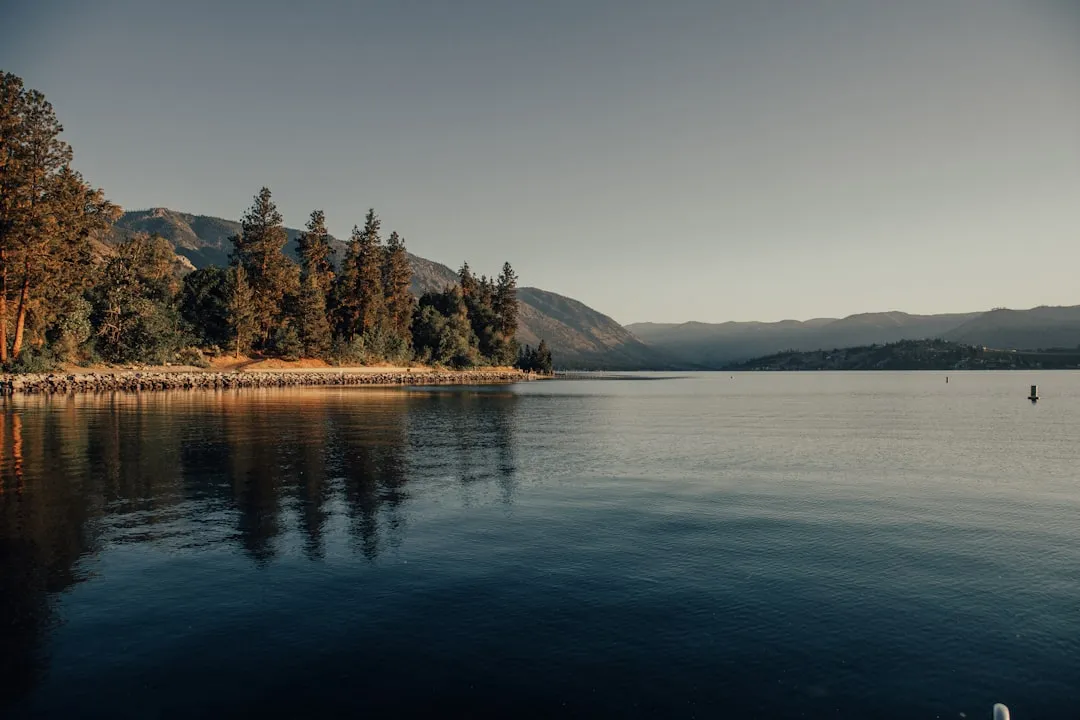
Lake Chelan is ridiculously long, deep, and oddly under-hyped nationally. Stretching over 50 miles into the North Cascades, it’s one of the deepest lakes in the United States, with pure, glacier-fed water that often shifts from rich sapphire to jewel-toned teal near shore. Steep mountains rise from much of the lakeside, especially in the remote upper basin, creating narrow fjord-like vistas.
Yes, there’s a resort town at one end – but most visitors never see the wilder stretches only reachable by boat or a long drive. Up-lake, near places like Stehekin, the human footprint drops off sharply, leaving that strange feeling of being very far away while still technically in the lower 48.
#14 – Lake Clark, Alaska (Lake Clark National Park)
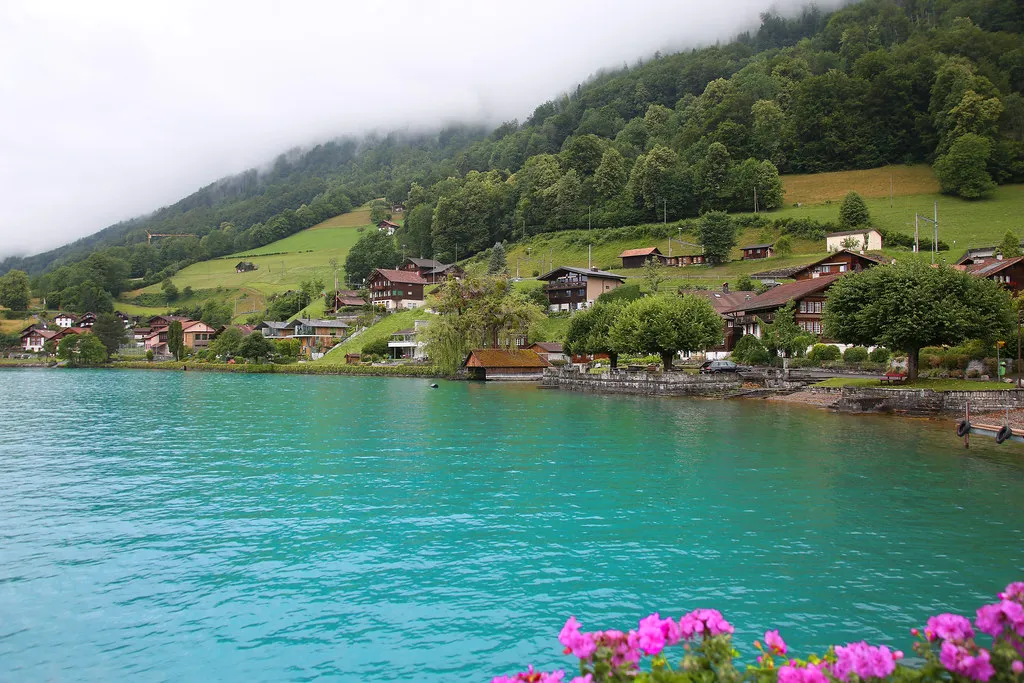
Lake Clark barely feels real, and yet almost no one you know has been. This huge, turquoise lake sits inside one of Alaska’s least-visited national parks. The water’s bright color comes from glacial silt, giving it that opaque, milky turquoise you usually see in viral Canadian photos. It’s ringed by snow-streaked peaks, wild rivers, and very few human structures.
There are no roads into Lake Clark National Park. You fly in on small planes or boats, which is the main reason this place remains almost absurdly empty by Lower 48 standards. On many days, the loudest thing you’ll hear is a floatplane taking off, or absolute silence broken by the occasional loon. This is one of those lakes that makes national park junkies openly admit it ruins other destinations for them.
#15 – Lake Superior’s Isle Royale, Michigan
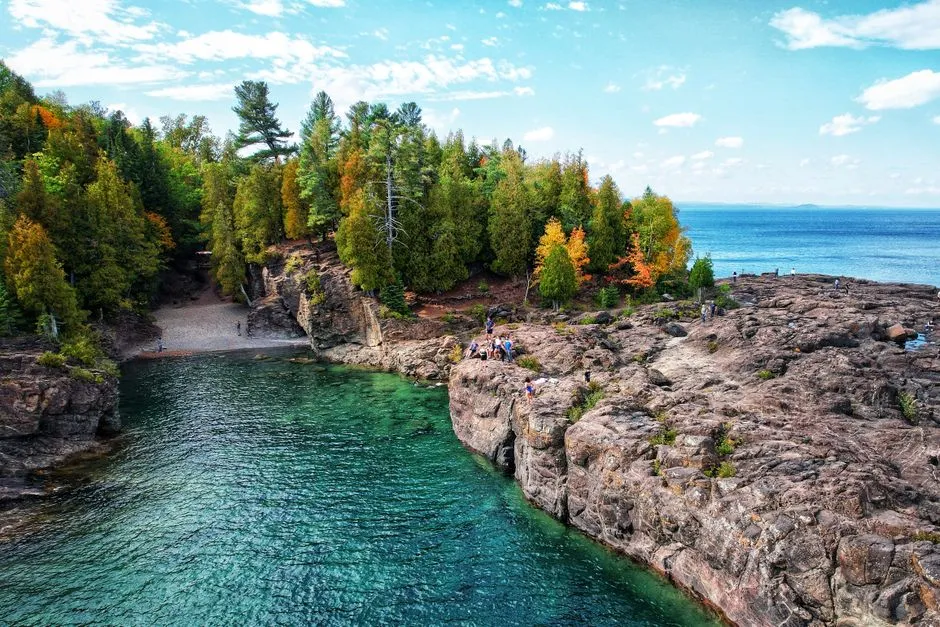
Isle Royale is a national park in the middle of Lake Superior that feels like a secret. Accessible only by boat or seaplane, it’s surrounded by cold, startlingly clear Superior water that can look cobalt, jade, or steel gray depending on the sky. Tiny inlets, narrow channels, and rock points create endless compositions that could pass for coastal Scandinavia – just with more moose and fewer people.
The park is one of the least visited in the entire system, partly because it closes all winter and requires real effort to reach. That means even in “busy” season, you’ll find coves and shoreline spots where there’s not another soul in sight. Most Americans can name Yosemite and Yellowstone but have never even heard of this place, which is honestly fine for those who go.
Worth Knowing
- Isle Royale consistently ranks among the least-visited national parks in the country
- The park closes completely from November through mid-April
- No roads or bridges connect it to the mainland; access is boat or seaplane only
- It’s home to a decades-long wolf-and-moose ecological study that’s still running today
#16 – Lake Tahoe’s East Shore, Nevada Side
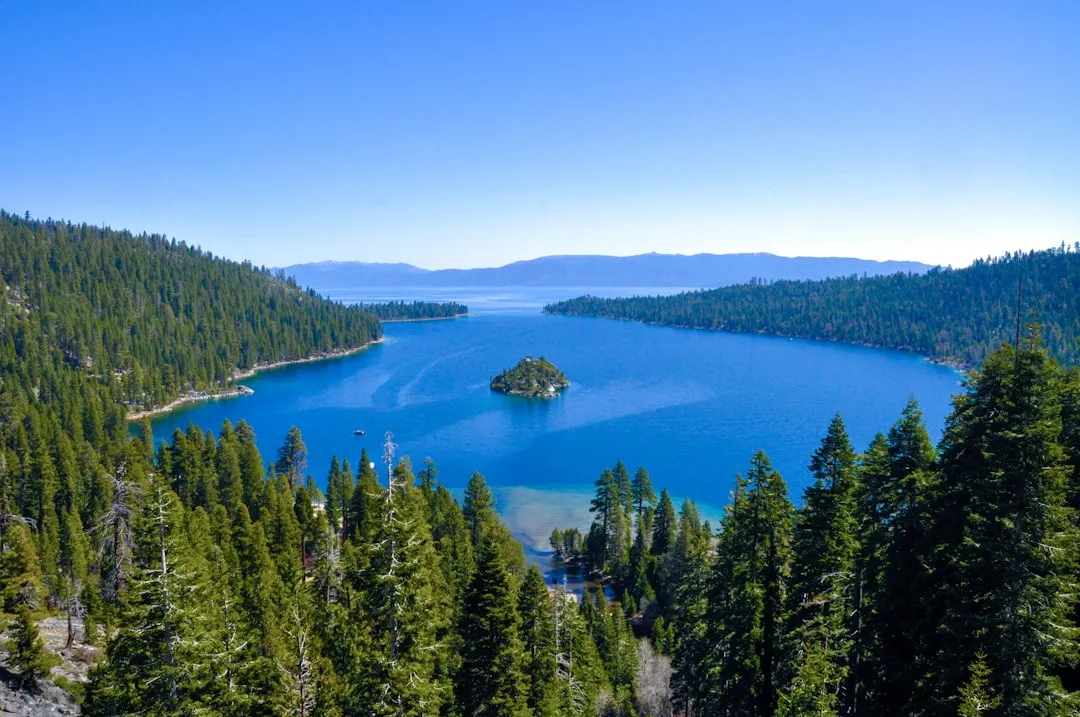
Yes, Tahoe is famous – but this specific slice can still feel unreal and surprisingly calm. While the California side gets hammered, the Nevada east shore hides coves where huge granite boulders sit under crystal-clear water that shifts from Caribbean turquoise to deep cobalt in just a few feet. On quieter weekdays or shoulder seasons, some of these small beaches feel far more low-key than Tahoe’s reputation suggests.
Snorkelers and paddlers glide over rocks that look magnified and sharpened, like someone upped the clarity slider in Lightroom. The clarity is no illusion: Tahoe is famously deep and clean, and the east shore gets the angles and sun that make it photograph like a tropical bay – with snowcapped peaks as a bonus. Locals will roll their eyes at including Tahoe on a “quiet” list, but they’re also the first to admit most visitors cluster around the same overrun hotspots.
#17 – Crater Lake, Oregon (Off-Peak and Off-Route)
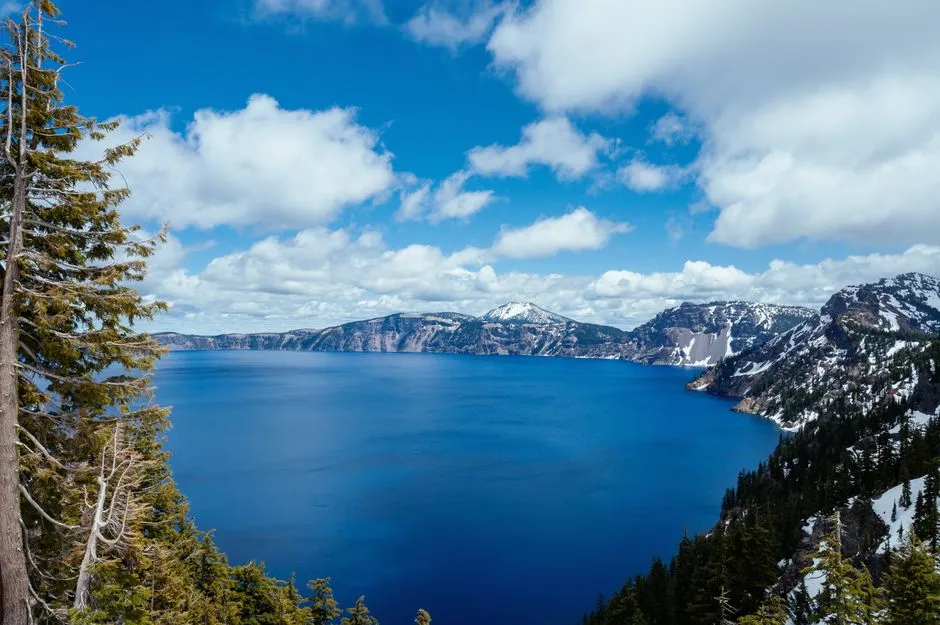
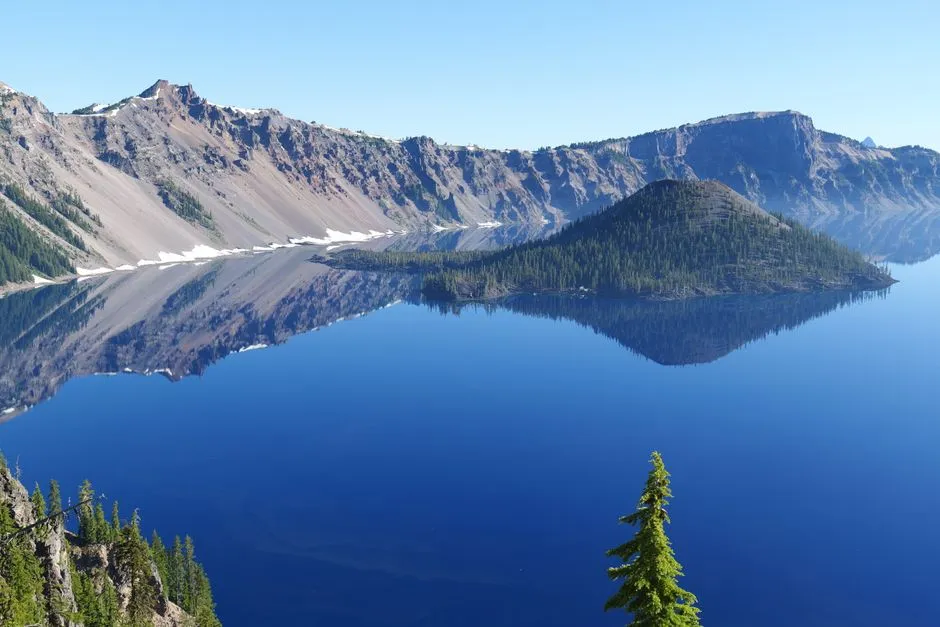
Crater Lake looks so unreal that people assume every photo is edited. Formed in a collapsed volcano, it’s the deepest lake in the United States, and its intense, almost electric blue color comes from incredibly pure water that absorbs and scatters light differently than shallower, murkier lakes. On clear, still days, the color plus the perfect cone of Wizard Island give it an otherworldly, digital feel.
Yes, the main viewpoints get traffic. But outside peak mid-day hours and along less popular pullouts on the Rim Drive, you can stand quietly, sometimes alone, watching clouds drift past in reflections that feel almost too sharp. People call Crater Lake “overrated” when what they actually did was show up at noon in August and stand in one spot. Seen on its own terms, at sunrise or in the shoulder seasons, it’s one of the most surreal, quiet-feeling scenes in the country.
The Bottom Line
Most travelers keep recycling the same five overcrowded lakes because that’s what shows up on postcards and generic “Top 10” lists. The truth is, many of America’s most surreal, Photoshop-looking lakes are either hard to reach, poorly marketed, or hiding in plain sight behind flashier destinations. From Crater Lake’s impossible blue to Jocassee’s secret waterfalls and Lake Clark’s fly-in wilderness, the pattern holds: the more effort or timing it takes to get there, the more the crowds vanish and the views stop looking believable.
Some people will argue we should stop talking about these places to “protect” them. Fair enough – but pretending they don’t exist won’t fix overtourism anywhere else either. Thoughtful, low-impact visitors can actually help keep them wild instead of loving them to death. So which of these would you actually go out of your way to see – and which one do you think is already overrated?

- 17 Quiet American Lakes That Look Photoshopped But Are Entirely Real and Barely Ever Crowded - August 13, 2026
- If You’re Above 70, Here Are the 10 Best Dog Breeds For You - August 12, 2026
- Urban Growth Quietly Rewrites Bird Songs - August 12, 2026