

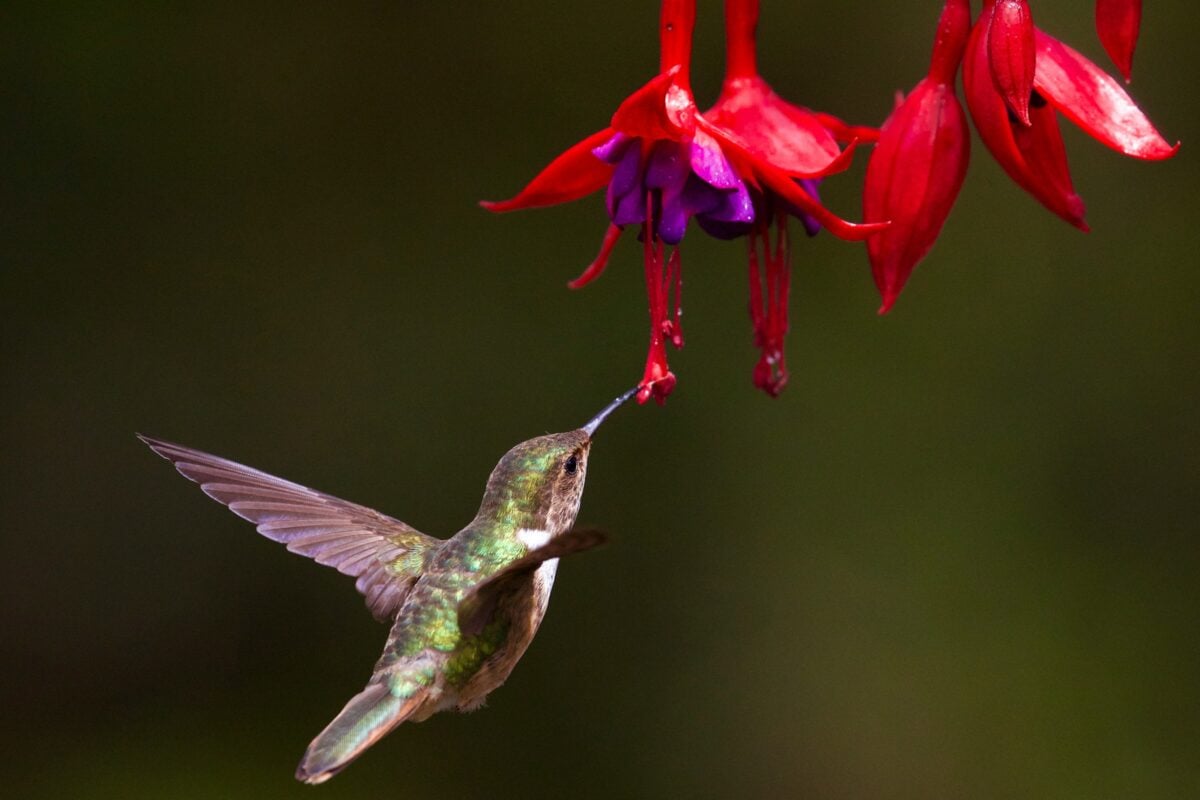
Your hummingbird feeder might be the least interesting thing in your yard, and the birds know it long before you do. Most people assume hummingbirds are simple creatures: hang something red, plant anything bright, and wait. In reality, these birds run brutal cost-benefit math on every bloom in your yard, testing a flower once and then either committing to it for years or blacklisting it forever.
Garden centers keep selling the flashy stuff that gets one curious sniff and nothing else, while the quiet, unglamorous plants next door quietly turn into a hummingbird’s personal breakfast counter. Below are nineteen plants that earn that loyalty, and nineteen more that only look good on your Instagram grid. By the end, you’ll know exactly which half of your garden is secretly wasting your time.
#1 – Trumpet Vine: The Overachiever They Can’t Quit
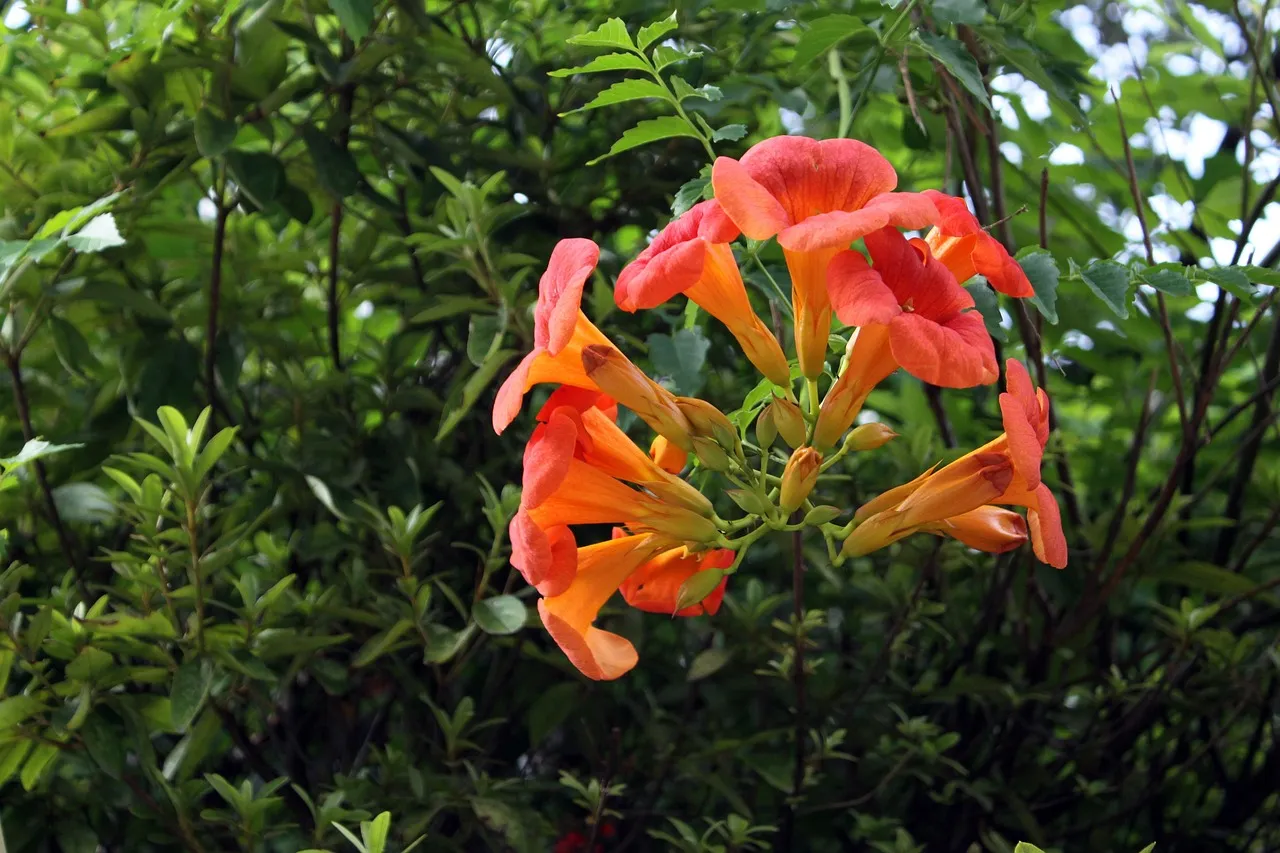
Trumpet vine proves color alone isn’t the secret – tube shape plus sugar-rich nectar is. The long, trumpet-shaped flowers are practically built for a hummingbird’s beak, and they’re held out from the foliage so birds can zip in, feed, and back out in a split second.
Once a hummingbird finds a mature vine, it usually folds that plant into its daily patrol and returns at roughly the same times each day. Yes, it can be aggressive and even invasive in some regions, which drives casual gardeners crazy. But for hummingbirds, that same relentless spread is exactly what makes it a guaranteed stop.
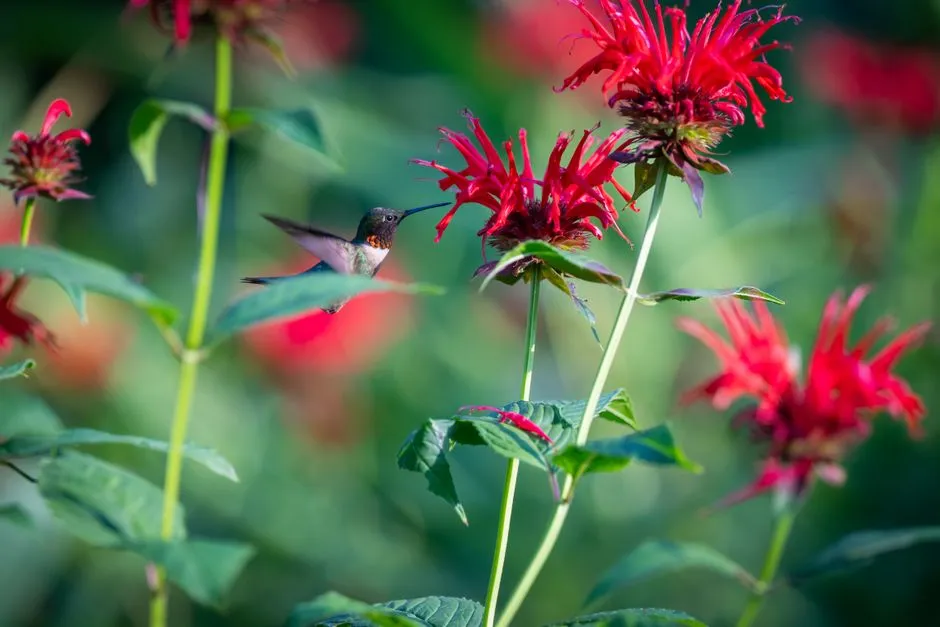
#2 – Red Bee Balm (Monarda): The “Hummingbird Buffet” Perennial
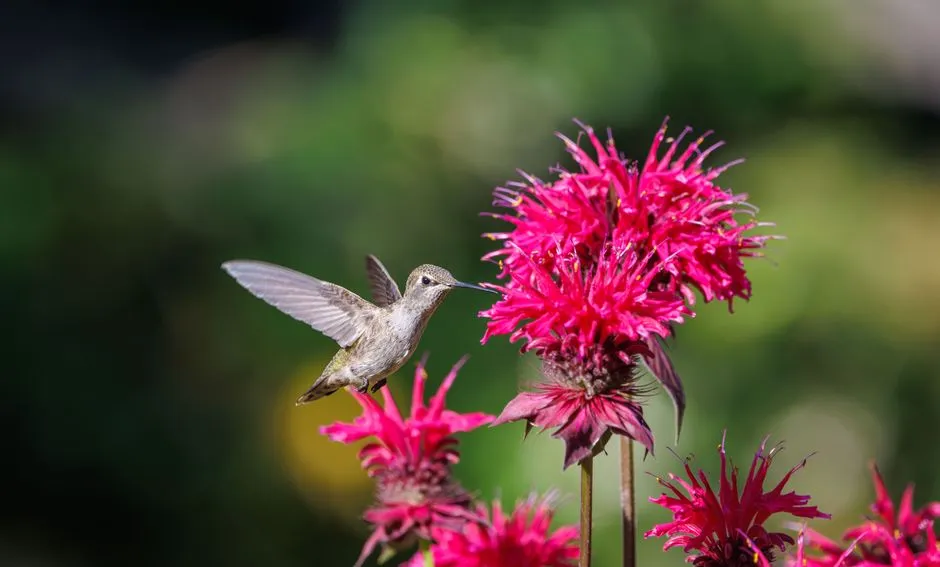
If trumpet vine is the overachiever, bee balm is the reliable best friend hummingbirds never ghost. Each flower head is a cluster of tubular blossoms, and most observers notice hummingbirds don’t just sip and leave – they circle the entire bloom, hitting dozens of tubes in one visit.
That efficiency matters more than people realize, and bee balm does something most seed-packet “hummingbird mixes” don’t: it comes back year after year from the same spot, spreading into bigger clumps. Once hummingbirds learn where your patch is, they check it every season, often within days of when it bloomed last year.
#3 – Salvia (‘Black & Blue’ and Red Varieties): The Daily Fuel Stop
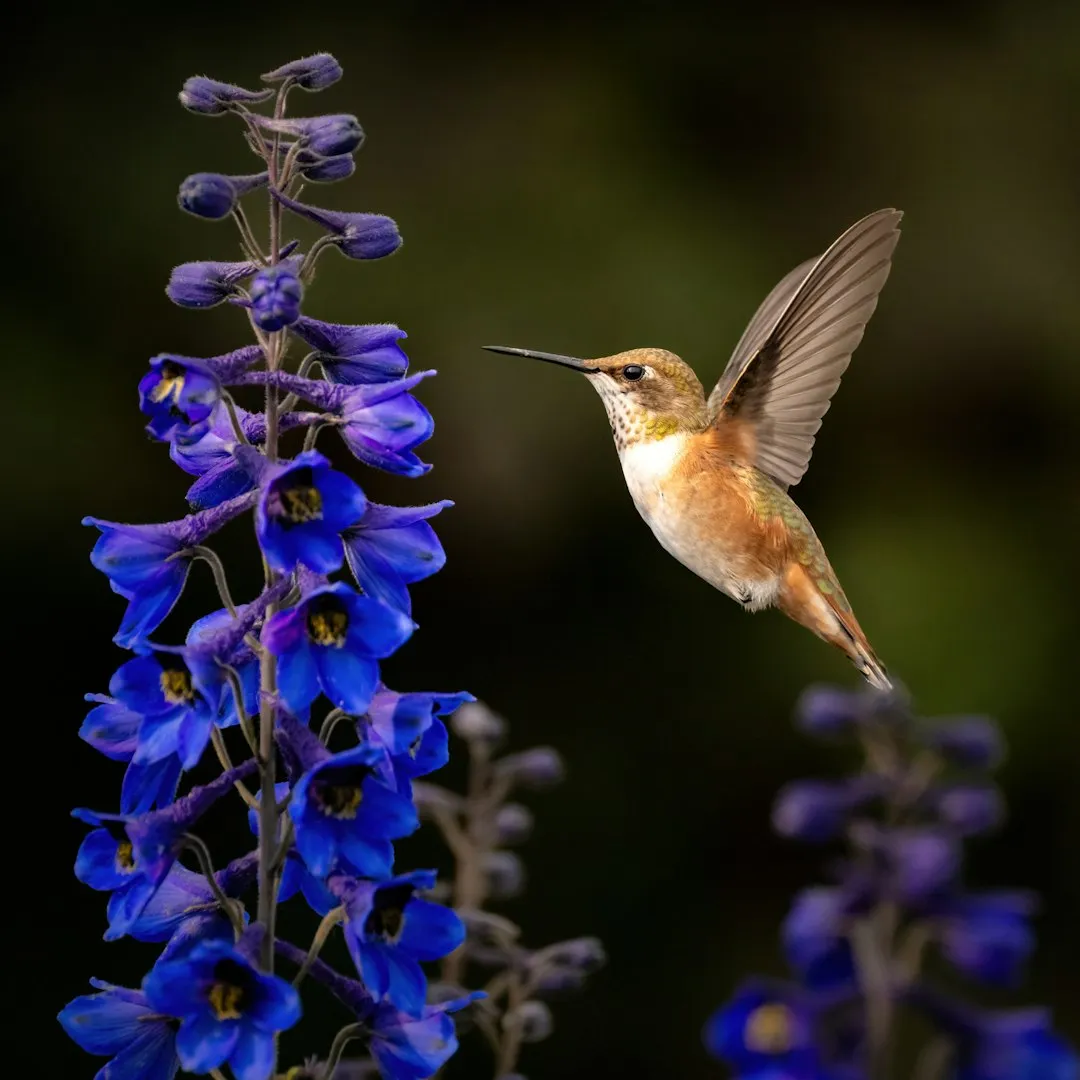
Most people think of salvia as just “blue spiky flowers,” but hummingbirds know better. Varieties like ‘Black & Blue’ and red-flowering salvias are loaded with tubular blossoms hummingbirds can work through like a vending machine, with multiple sips and almost zero repositioning.
Unlike one-and-done spring bloomers, many salvias flower for months if you deadhead lightly. That long bloom window matters more than people think – hummingbirds remember and prioritize plants that keep paying out all season, not just in May.
#4 – Agastache (Hyssop): The Scented Goldmine They Remember
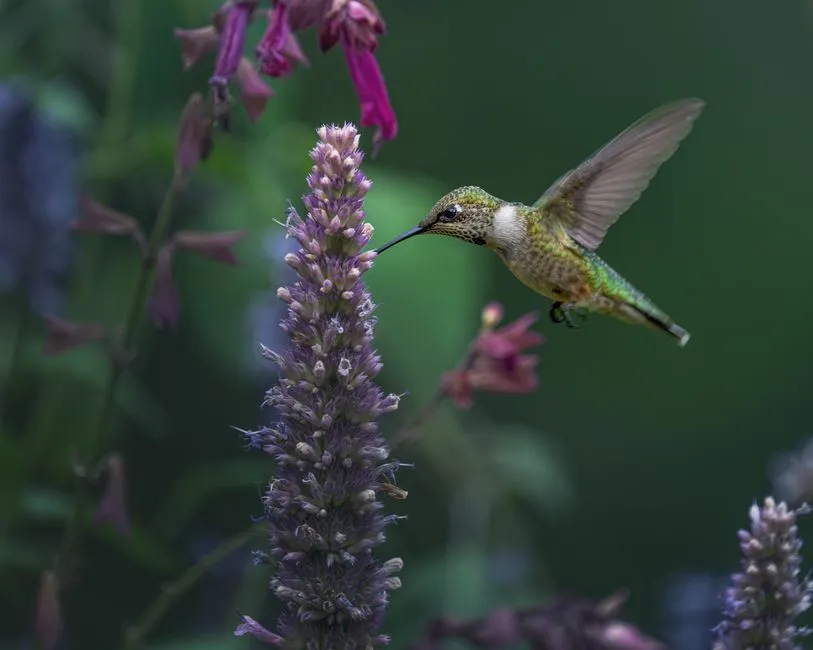
Agastache is one of those plants most big-box shoppers walk right past, but hummingbirds treat it like a VIP bar. The dense spikes of narrow tubular flowers pump out nectar steadily for weeks, sometimes months, letting birds perch nearby and feed repeatedly at almost no travel cost.
It isn’t showy from across the street, but once hummingbirds “map” it, they show up like clockwork. It also thrives in heat and lean soil exactly when other nectar sources start to flag, which makes it a genuine migration-season lifesaver.
#5 – Cardinal Flower (Lobelia cardinalis): The High-Octane Native
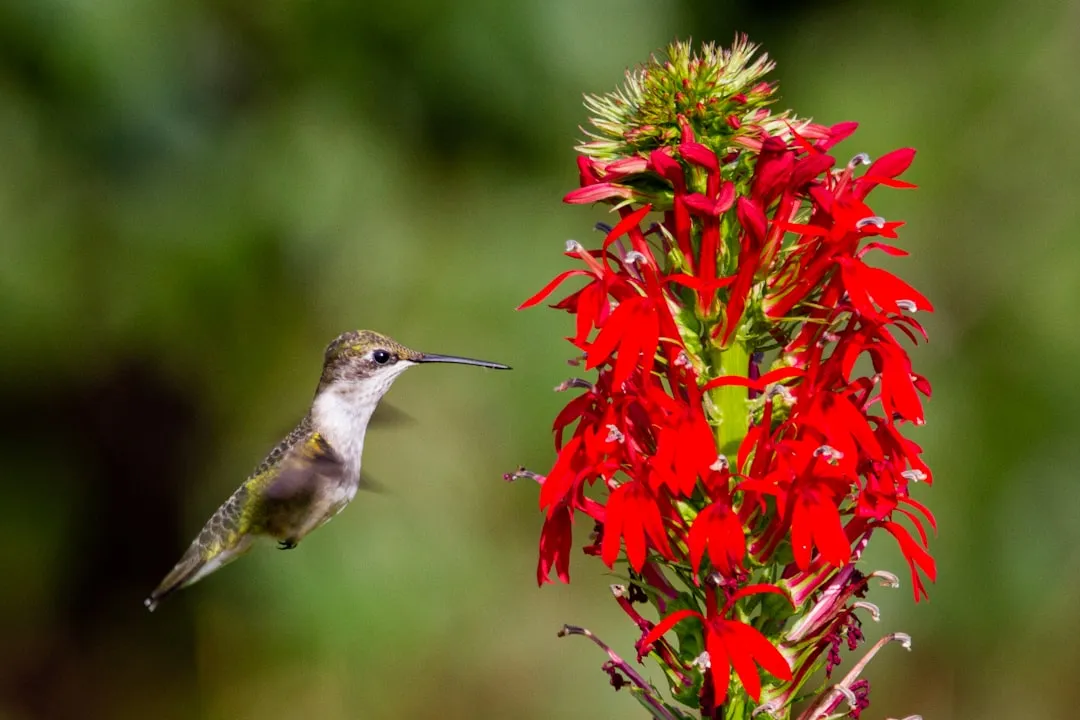
Cardinal flower is one of the few native plants even cautious experts call a must-have. The scarlet spikes look engineered specifically for hummingbirds – tall, vertical, and loaded with narrow tubes that field notes consistently report hummingbirds visiting again and again while it’s in bloom.
Unlike garden prima donnas, cardinal flower prefers moist, even boggy conditions, which makes it a star in rain gardens or pond edges. Some gardeners complain it’s short-lived, but hummingbirds don’t care about lifespan – they care about bloom time and nectar.
Fast Facts
- Ruby-throated hummingbirds may visit hundreds of flowers a day just to meet their energy needs.
- They favor nectar with roughly 20 to 25 percent sugar concentration, close to what many tubular garden blooms naturally produce.
- Hummingbirds have strong spatial memory and often return to the exact same plants year after year.
- Their long, narrow bills and tongues are built for tubular flowers, not flat or overly double blooms.
#6 – Non-Invasive Honeysuckle (Lonicera sempervirens): The Scented Evening Magnet
People get this one wrong constantly. Invasive Japanese honeysuckle is a real ecological problem, but non-invasive, trumpet-flowered types like Lonicera sempervirens are hummingbird gold, with tubular clusters birds work up and down, dartingfrom bloom to bloom.
What makes these vines special is repeated bloom cycles – with decent care, many flower in waves from late spring through summer, far longer than the “Instagram-famous” showoffs that peak for two weeks and vanish. Hummingbirds notice that consistency and keep checking long after other plants have quit.
#7 – Hardy and Hanging Fuchsia: The Underestimated Shade Magnet
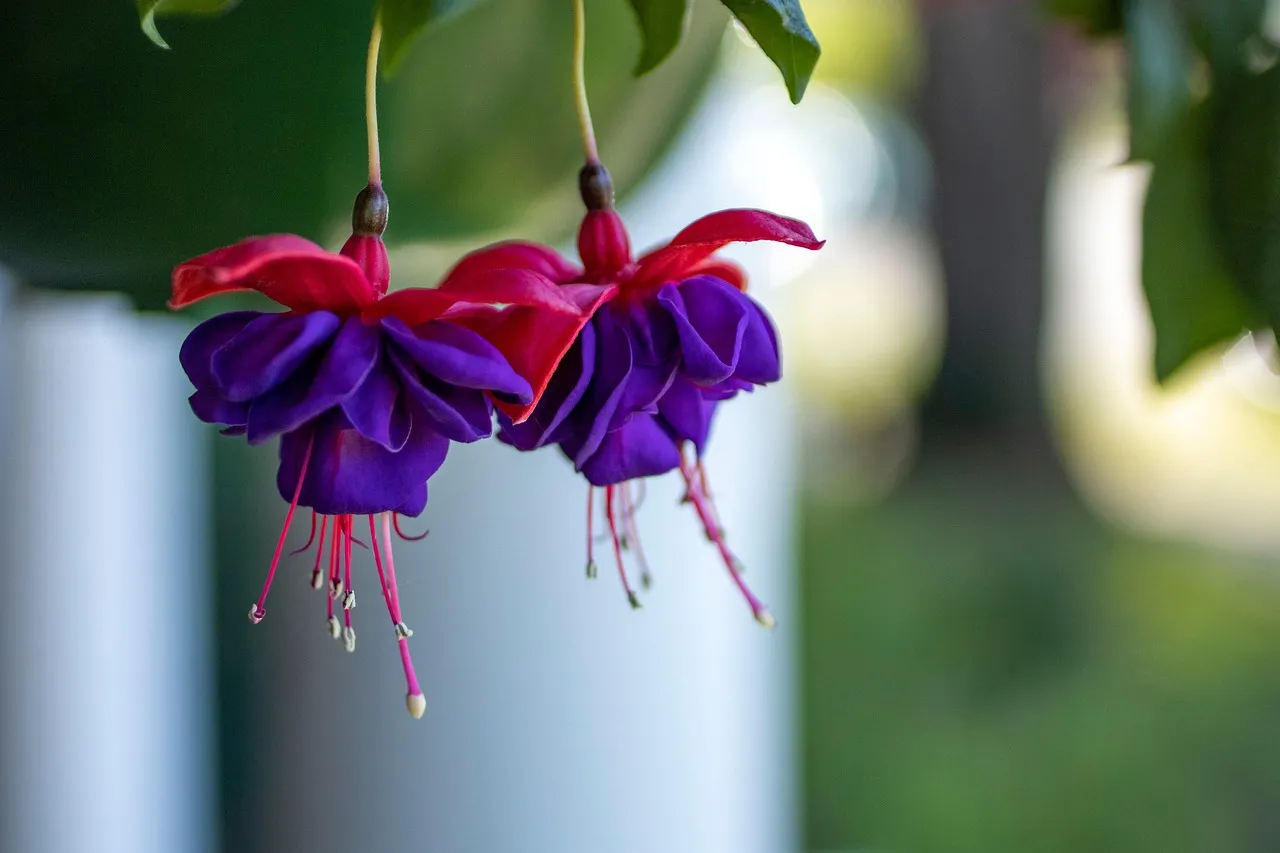
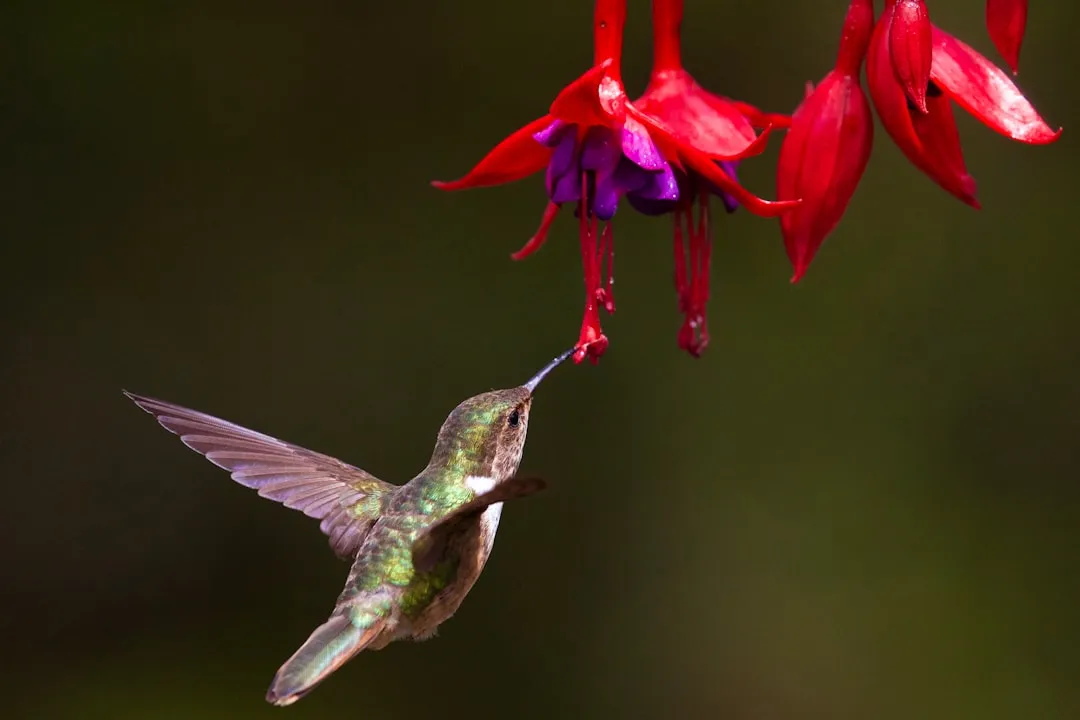
Garden centers push fuchsias as “pretty shade baskets,” but hummingbirds treat them like flying drive-thrus. The dangling, tubular flowers hang free of the foliage, giving birds clear access while they hover underneath without fighting leaves or tight plant structure.
Fuchsias shine exactly where other hummingbird plants struggle: cool, part-shade patios and porches, which happens to be where people love to sit and watch. If your sunny border gets random visits while your shaded porch feels dead, this is usually why.
#8 – Penstemon (Beardtongue): The Spring Launchpad
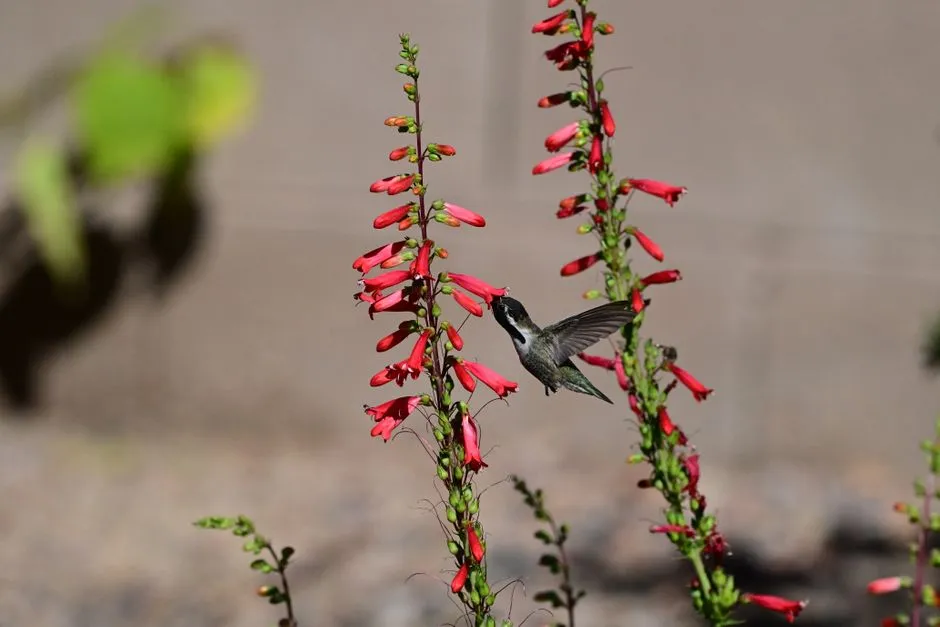
Penstemon doesn’t get the hype it deserves, mostly because it peaks before splashy summer annuals even wake up. For hummingbirds arriving in late spring, penstemon is often one of the first reliable nectar sources that isn’t a tree or shrub, and the tubular bells align perfectly with their feeding style.
Many native species thrive in dry, sunny spots where gardeners usually dump gravel or “easy-care” shrubs, which means you can convert a dead zone into a real hummingbird fuel station. Once birds find a patch, they tend to check it every year around the same week it paid off before.
#9 – Native Red Columbine (Aquilegia canadensis): The Woodland Secret
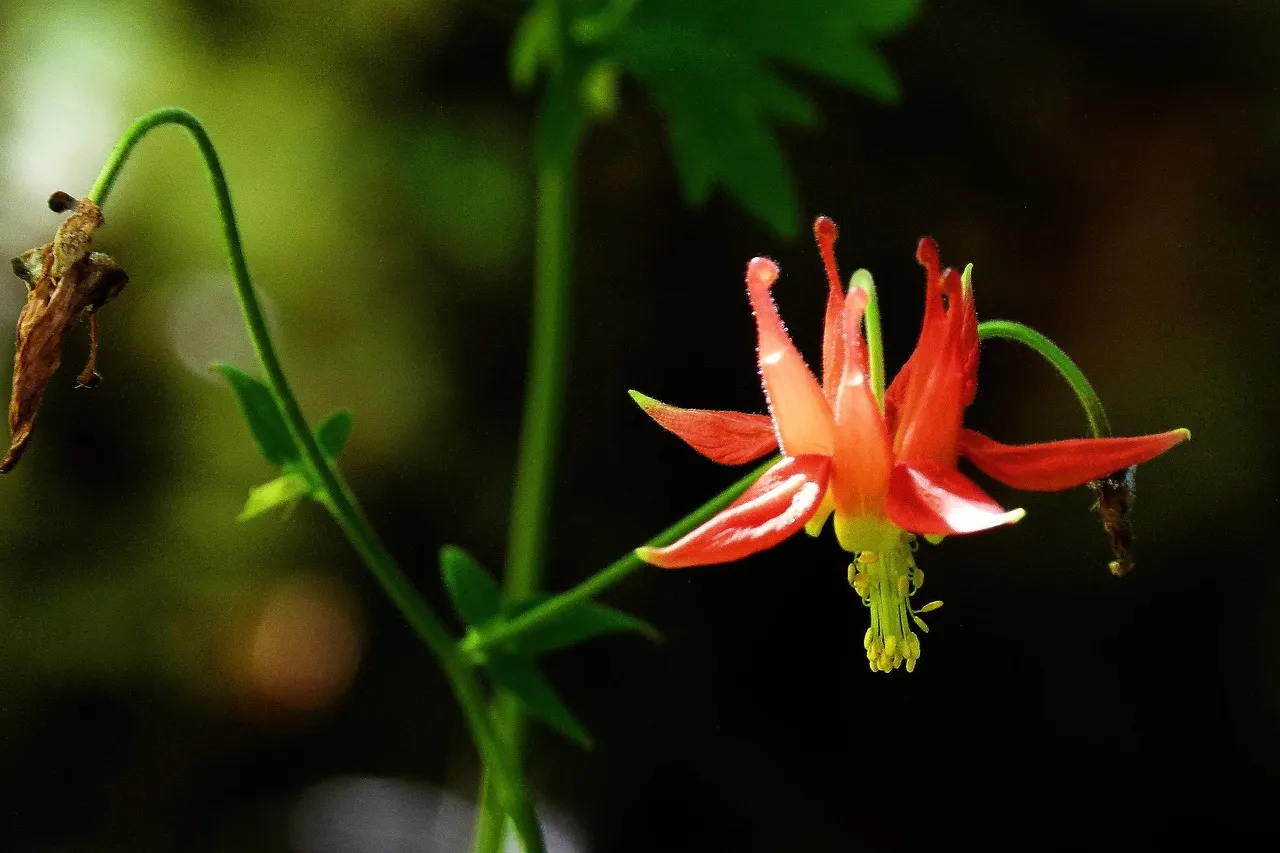
Most gardeners assume hummingbirds demand full sun and hot borders. Native red columbine quietly proves that wrong, with nodding, red-and-yellow spurred flowers and nectar-filled tubes exactly the length of a hummingbird’s beak, right as birds are exploring and setting up territory.
It tolerates partial shade and woodland conditions, making it perfect under trees where full-sun favorites fail, and it self-seeds gently into small dependable colonies. Trendy double-flowered hybrid columbines often produce less accessible nectar – the plain native red one is the one they’ll actually come back for.
#10 – Cuphea (Cigar Plant): The Tiny Flower With a Big Bloom Count
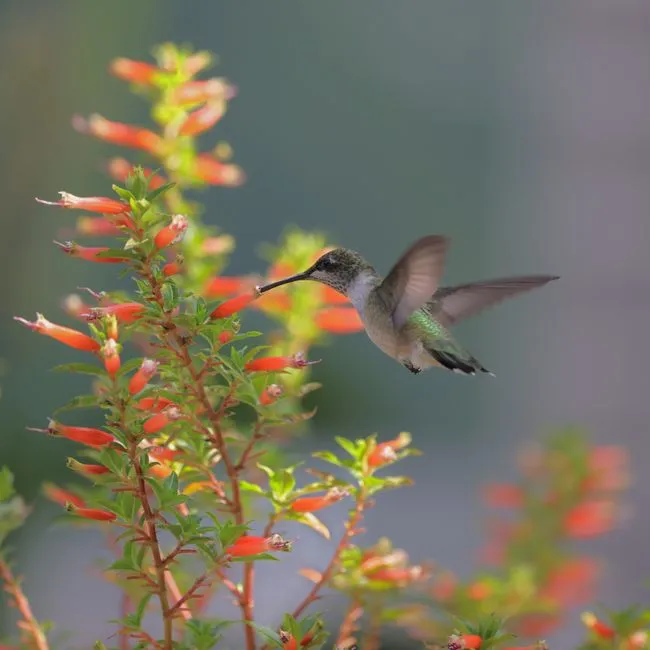
Cuphea, especially the bat-faced and cigar plant varieties, produces small tubular flowers nonstop from early summer straight through frost. Most people underestimate it at the nursery because the individual blooms are tiny, but hummingbirds don’t care about size – they care about a steady nectar drip.
That’s exactly what cuphea delivers, month after month, from a single small pot. It thrives in heat, barely needs deadheading, and turns a patio container into a legitimate hummingbird stop rather than just a pretty accent.
#11 – Butterfly Bush: The “Wrong Audience” Plant Hummingbirds Claim Anyway
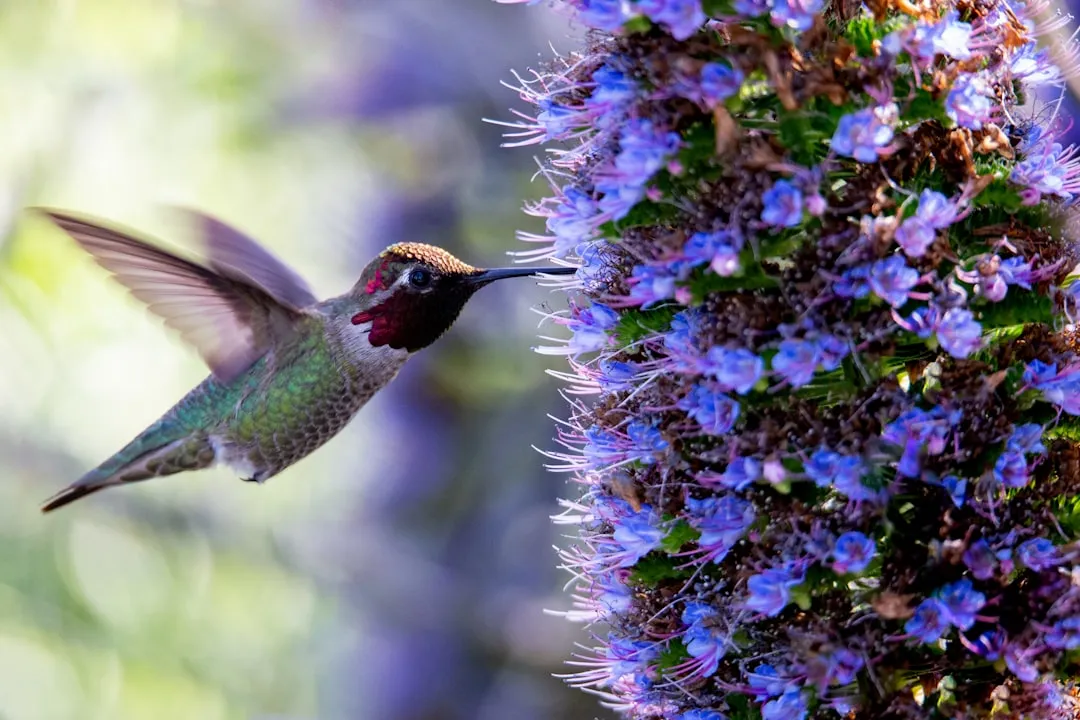
Butterfly bush gets marketed hard for butterflies, but the long, cone-shaped flower clusters work just as well for a hummingbird’s bill. Each cluster holds dozens of small tubular blooms, so a single stop can turn into a full meal instead of a quick sip.
It blooms in a big midsummer wave and, with regular pruning, often again in fall – right when migrating hummingbirds need fuel most. Once it establishes, it becomes one of those set-it-and-forget-it magnets you barely have to think about.
At a Glance
- Spring launch: penstemon and native columbine open first, right as hummingbirds arrive and scout territory.
- Summer stretch: bee balm, salvia, agastache, and butterfly bush carry the heaviest daily traffic.
- Fall finish: lantana and California fuchsia keep feeding birds straight through peak migration.
#12 – Single-Flowered Zinnias: The Overlooked Volume Play
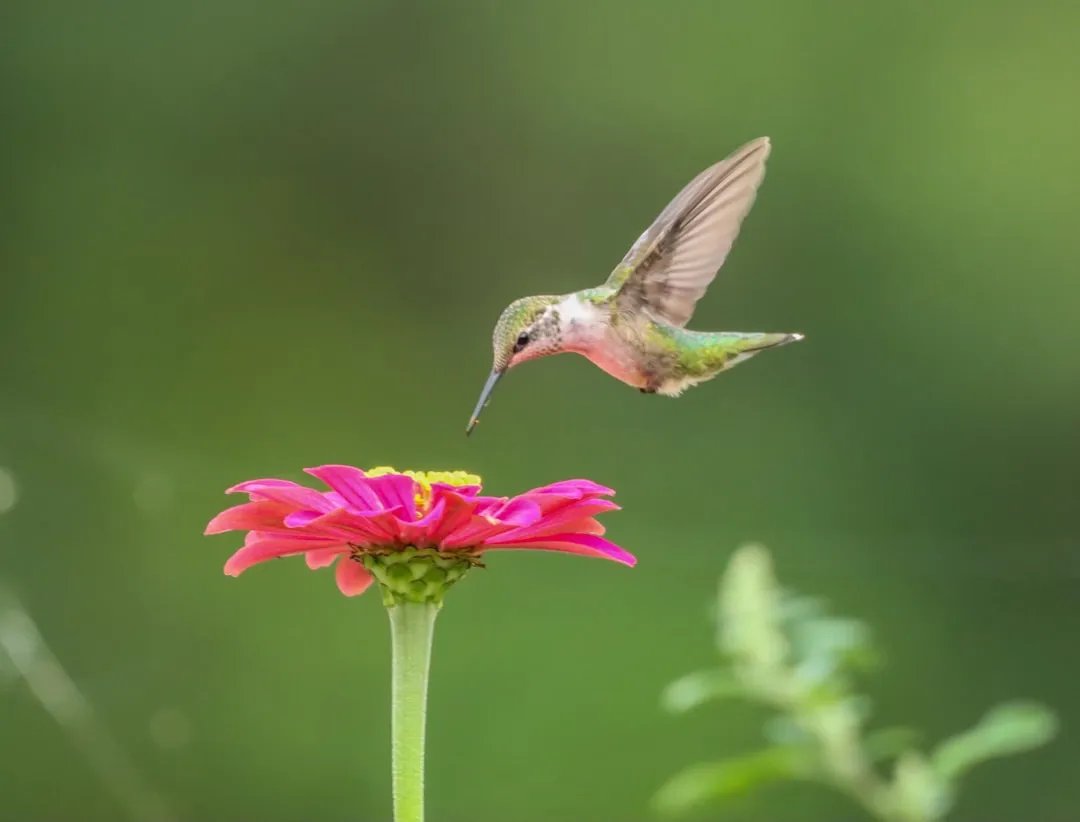
Regular, single-petaled zinnias – not the tightly packed double kinds – offer a flat but nectar-rich landing pad that hummingbirds will genuinely work, especially in orange, red, and hot pink. They aren’t the deepest tube on this list, but they don’t need to be.
Their sheer bloom volume and long summer run make up for the shallower shape. Plant a row of single zinnias next to salvia or agastache and even a plain vegetable garden border starts pulling real hummingbird traffic.
#13 – Lantana: The Gas Station That Never Closes
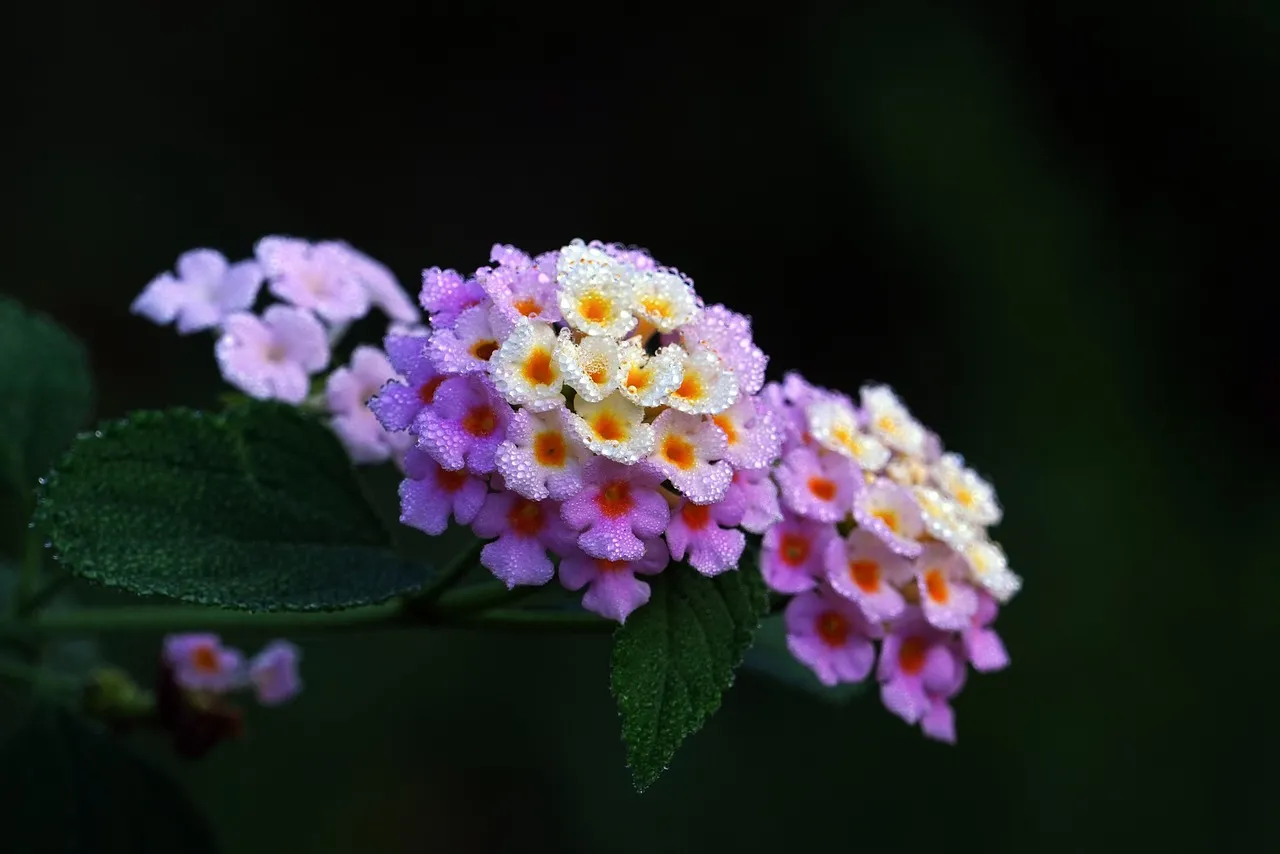
Lantana’s small clustered flowers are practically a nonstop nectar factory in hot climates, blooming from late spring straight through the first frost. Established beds become a reliable stop on a hummingbird’s daily loop, the same way a favorite gas station becomes part of a commute.
It thrives in exactly the conditions that make other plants sulk – blazing sun, poor soil, and drought – which is why it keeps showing up on “plant it and forget it” lists from gardeners across the South and Southwest.
- Handles neglect better than almost anything else on this list.
- Blooms so long it bridges early summer and fall migration.
#14 – Four O’Clocks: The Last Call Before Dark
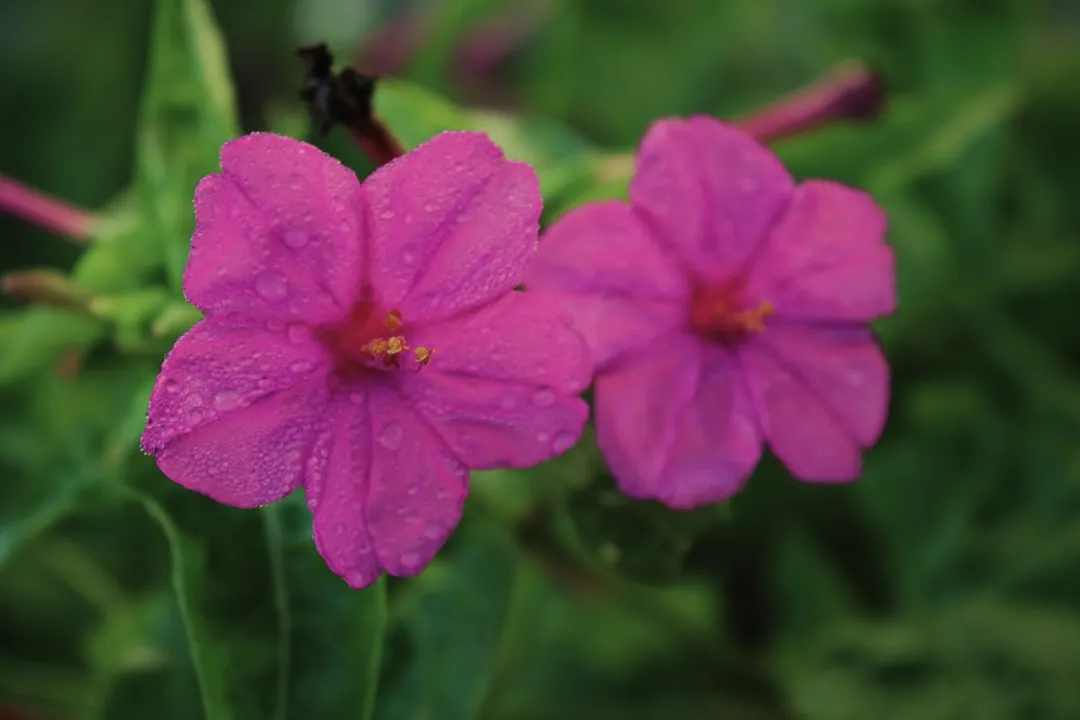
Four o’clocks open their trumpet-shaped blooms in late afternoon and evening, exactly when many other flowers are shutting down for the night. That timing alone makes them a favorite for a hummingbird’s final feeding run before dark.
The tubes are long and nectar-rich, matching a hummingbird’s bill almost perfectly. They also self-seed readily, so a patch planted once can quietly reappear and expand for years with almost no effort from you.
#15 – Flowering Tobacco (Nicotiana): The Dusk Specialist
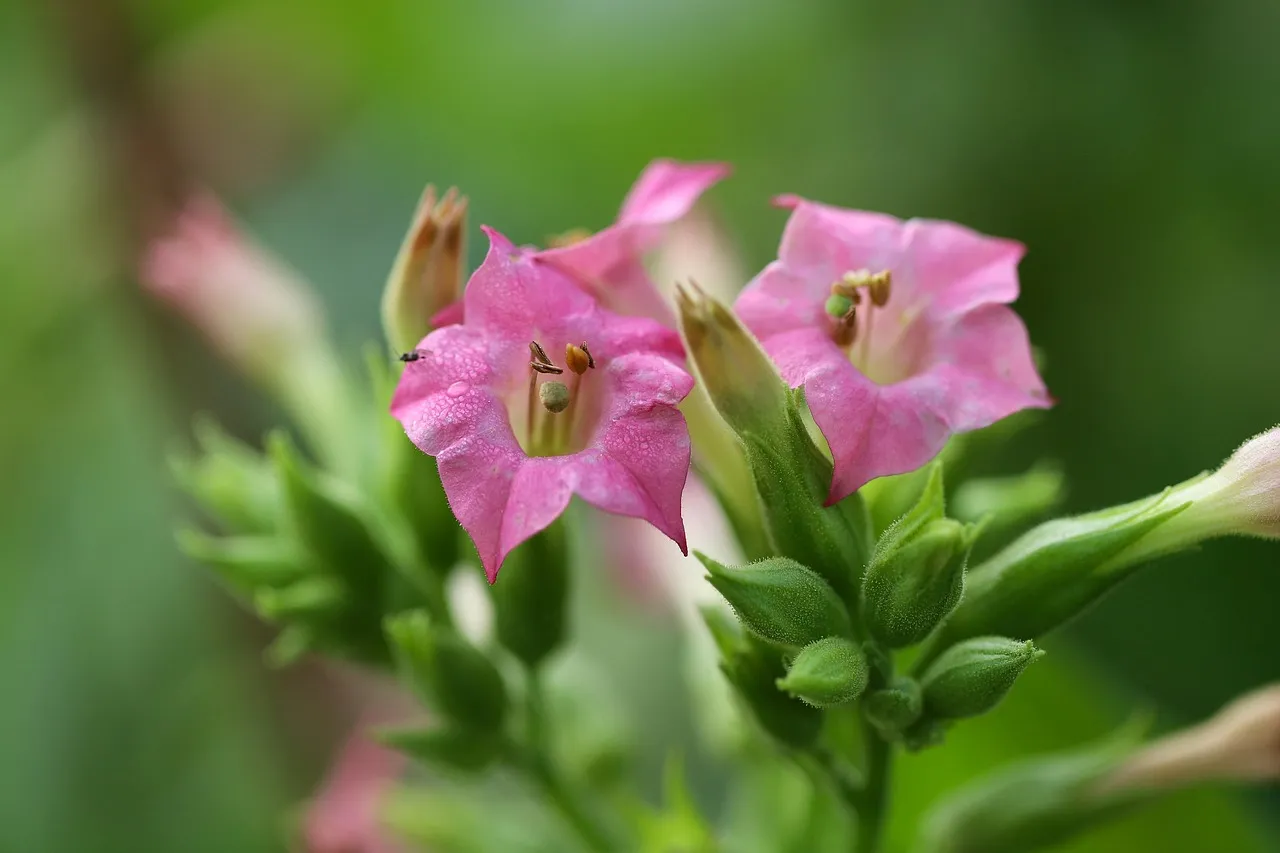
Flowering tobacco’s long, trumpet-shaped blooms release nectar and fragrance most strongly at dusk, lining up perfectly with a hummingbird’s last feeding push of the day. It’s an old cottage-garden plant that quietly outperforms flashier modern hybrids.
Taller varieties in white, red, or pink work best – compact bedding types bred for uniform color often trade nectar for looks. Once hummingbirds find a nicotiana patch, they’ll swing by it on their evening rounds like clockwork.
#16 – Red Hot Poker (Kniphofia): The Slow-Burn Torch
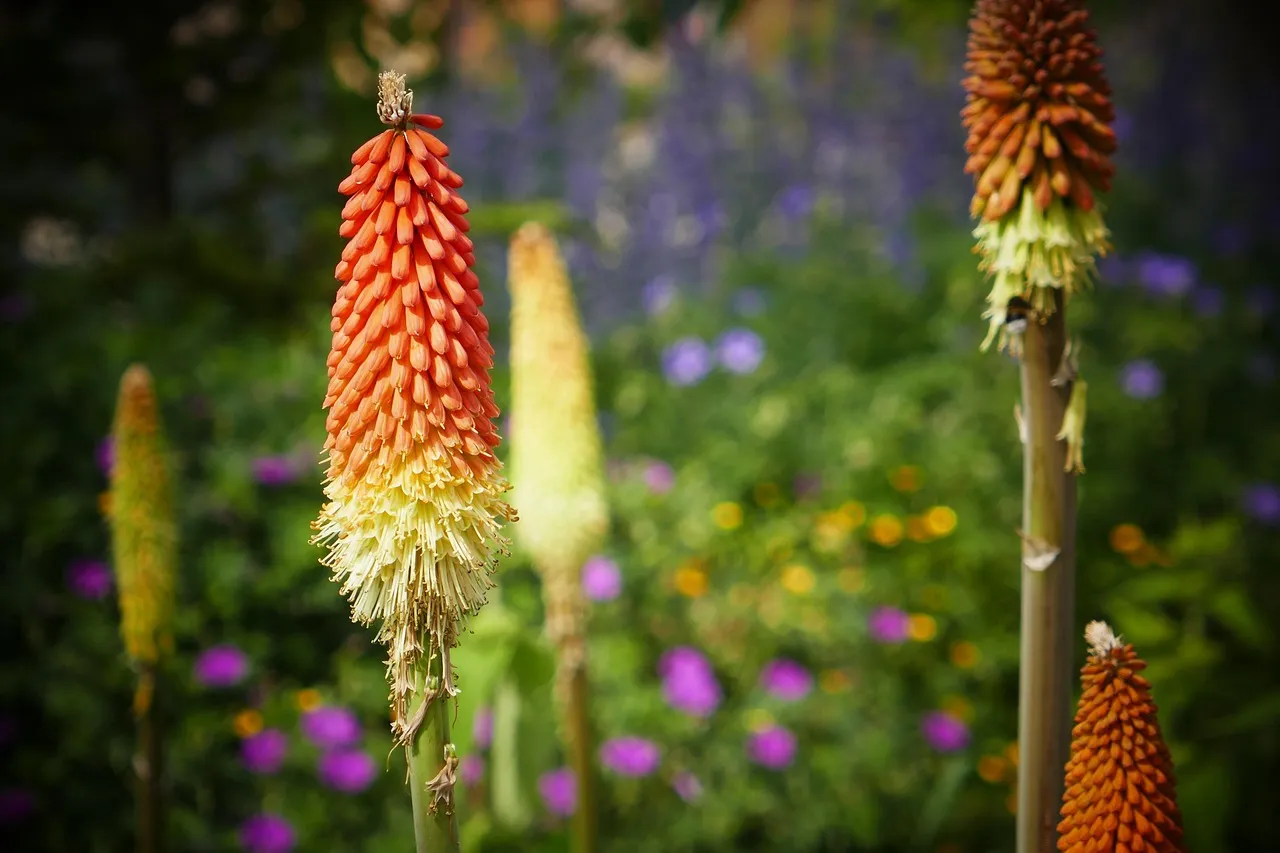
Red hot poker’s tall, torch-shaped spikes are basically stacked rows of tiny tubular blooms that open from the bottom up over several weeks. That slow-motion bloom pattern means a single spike can feed hummingbirds repeatedly over a long stretch instead of all at once.
It flowers early-to-midsummer, which helps fill the gap between spring perennials fading and summer favorites like bee balm hitting their stride. Established clumps come back reliably every year with almost zero maintenance.
- Bridges the awkward gap between spring and summer nectar sources.
- Tolerates neglect once established.
#17 – Weigela: The Old-Fashioned Shrub Nobody Talks About
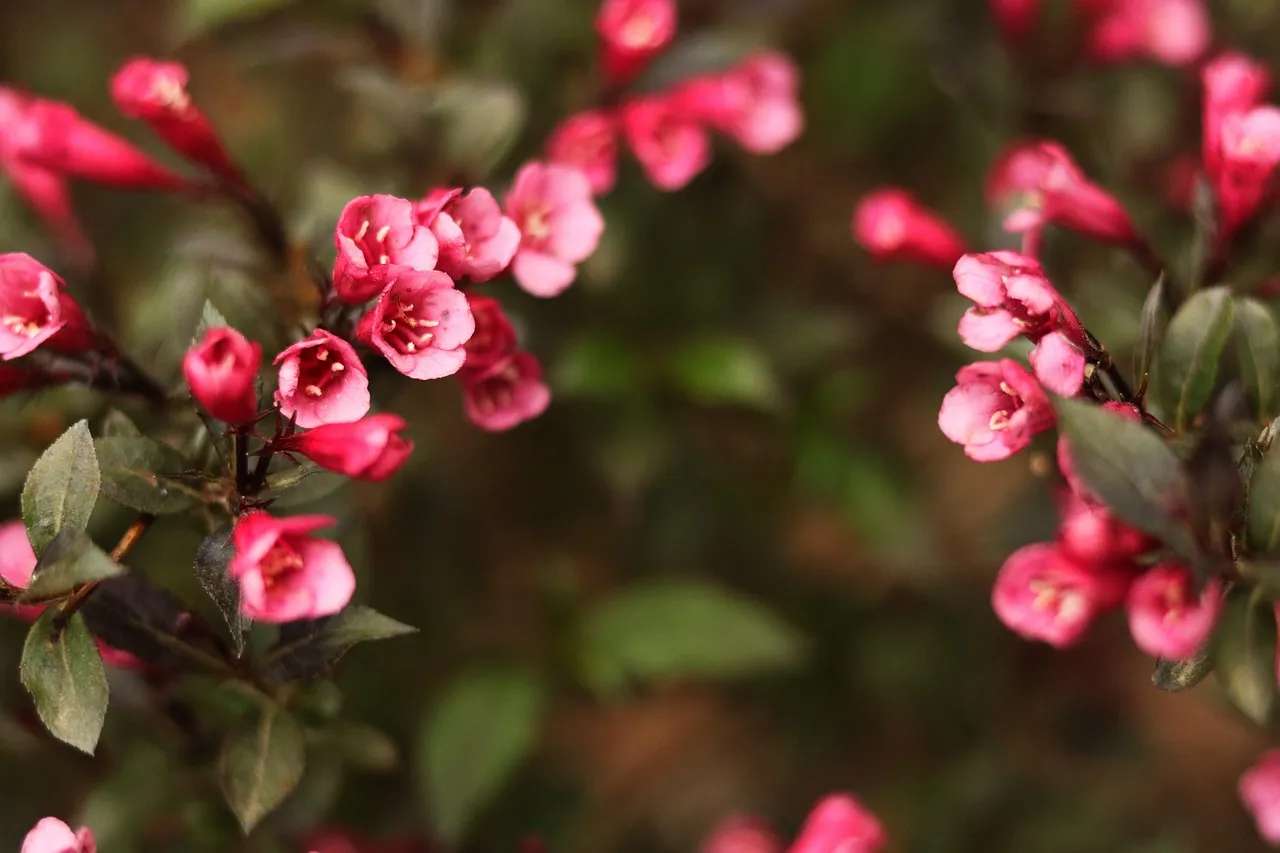
Weigela is an old-fashioned shrub a lot of newer gardeners overlook, but its funnel-shaped, nectar-rich flowers are a near-perfect match for a hummingbird’s bill. On a mature shrub in late spring, activity can genuinely get loud.
Unlike shrubs grown purely for foliage or fall color, weigela earns its space by directly feeding birds during a stretch when not much else is blooming yet. Prune right after flowering and many varieties will offer a smaller rebloom later in summer.
#18 – Scarlet Runner Bean: The Vegetable Garden’s Secret Weapon
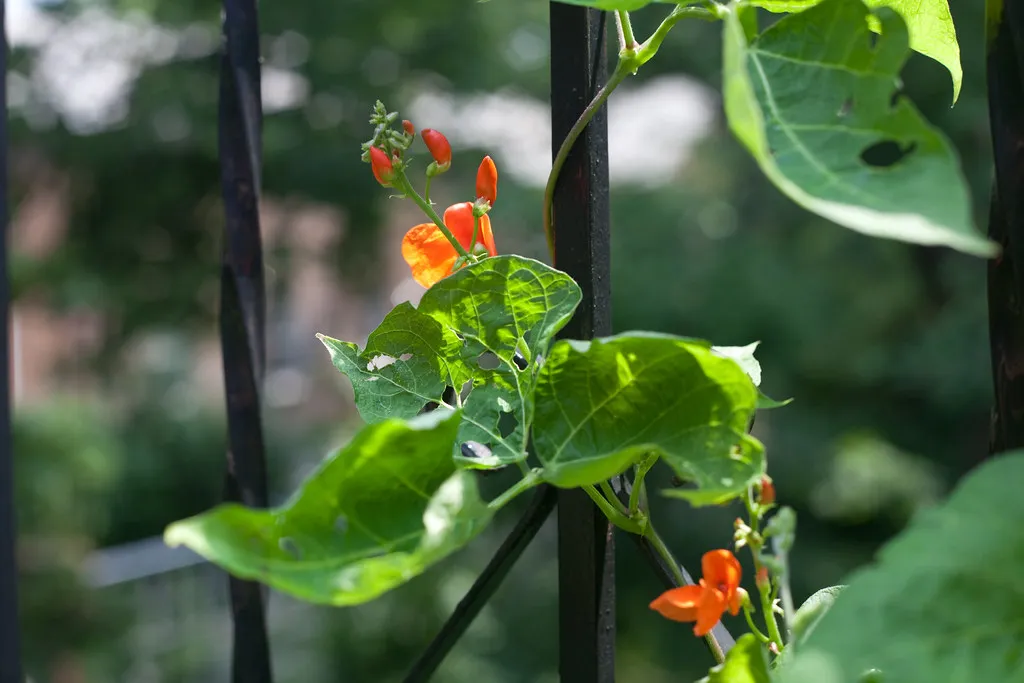
Scarlet runner bean is technically a vegetable, but its bright red, tubular flowers are pure hummingbird bait. Grow it on a trellis near tomatoes or squash and birds will visit your vegetable patch just as often as your flower beds.
It blooms continuously through summer as long as you keep harvesting the beans, which keeps the plant producing new flowers instead of going to seed. Few plants offer this much hummingbird traffic for something you can also eat for dinner.
#19 – California Fuchsia: The Late-Season Lifeline
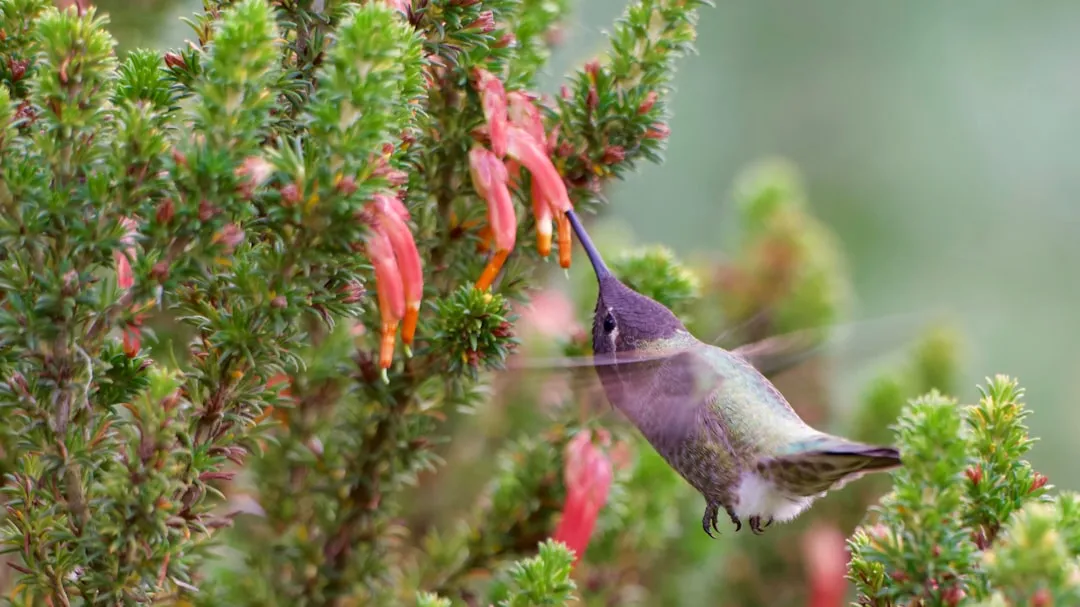
California fuchsia is a late-season secret weapon, exploding into bloom in August and September when many other nectar sources have already faded. Its narrow, tubular red-orange flowers are tailor-made for a hummingbird’s bill.
For gardeners in the West especially, it’s one of the most reliable ways to keep feeding migrating hummingbirds heading south. Drought-tolerant and low-maintenance, it rewards you most exactly when you’d expect the garden to be winding down.
- Blooms right during peak fall migration.
- Needs almost no water once established.
Nineteen plants down. Now let’s talk about the nineteen that get all the marketing budget and none of the repeat visits.
#20 – Big Double Roses and Peonies: The Beautiful Dead Ends
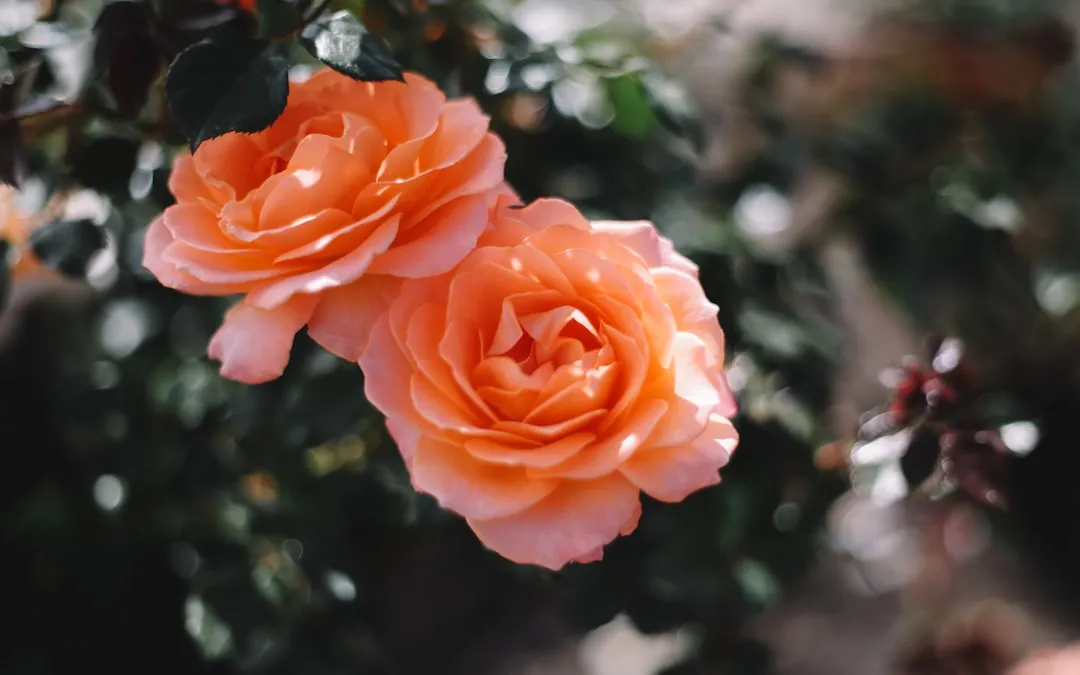
Some of the most expensive, “romantic” plants in your yard might as well be plastic to a hummingbird. Fully double roses and big, frilly peonies are engineered for human eyes and fragrance, and their packed petals physically block hummingbirds from reaching anything useful underneath.
A bird might hover near a red rose out of curiosity, but it learns fast there’s no reward and doesn’t come back. Hummingbirds don’t keep revisiting empty flowers – they spend their limited energy where the payoff is predictable, and roses simply don’t qualify.
#21 – Hydrangeas: Giant Blooms, Almost No Payoff
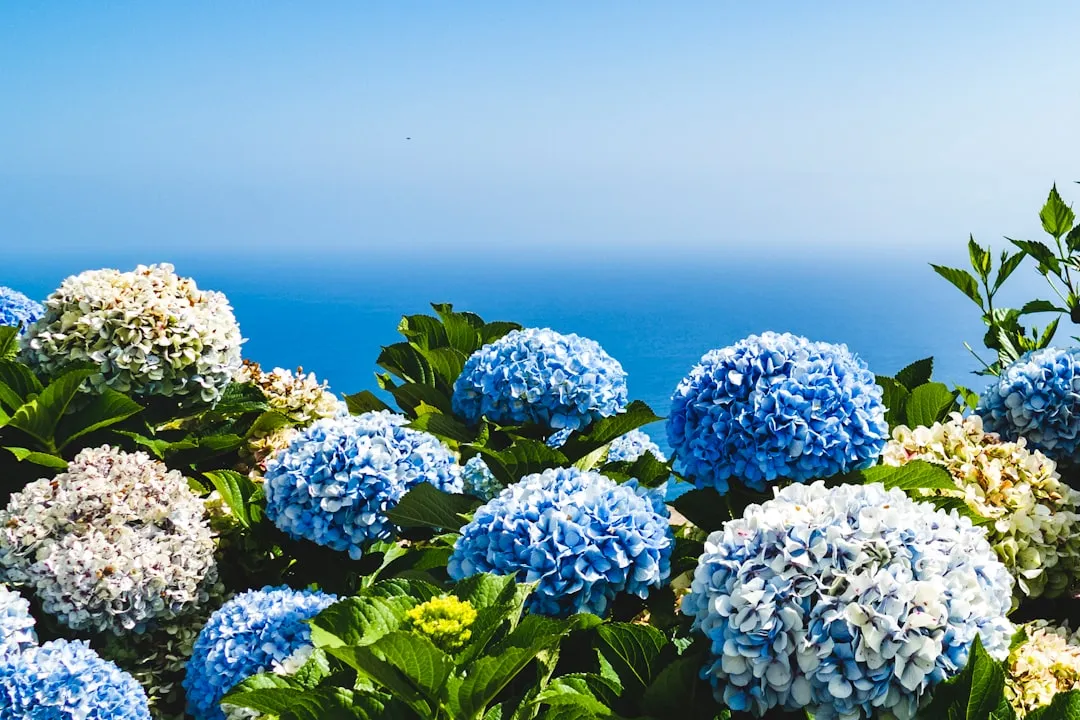
Hydrangeas are the poster children for visual deception. Huge mophead flowers look like they should be nectar powerhouses, but most popular varieties are made up of showy sterile florets that exist almost entirely to impress humans.
Birds may pass by, but they quickly learn there’s nothing worth returning for, while these shrubs hog space, water, and shade you could be using for nectar-rich bloomers instead. Count your actual hydrangea visits over a full month and compare that to a single salvia clump – the gap will surprise you.
#22 – Most Marigolds and Geraniums: Bright Colors, Wrong Shape
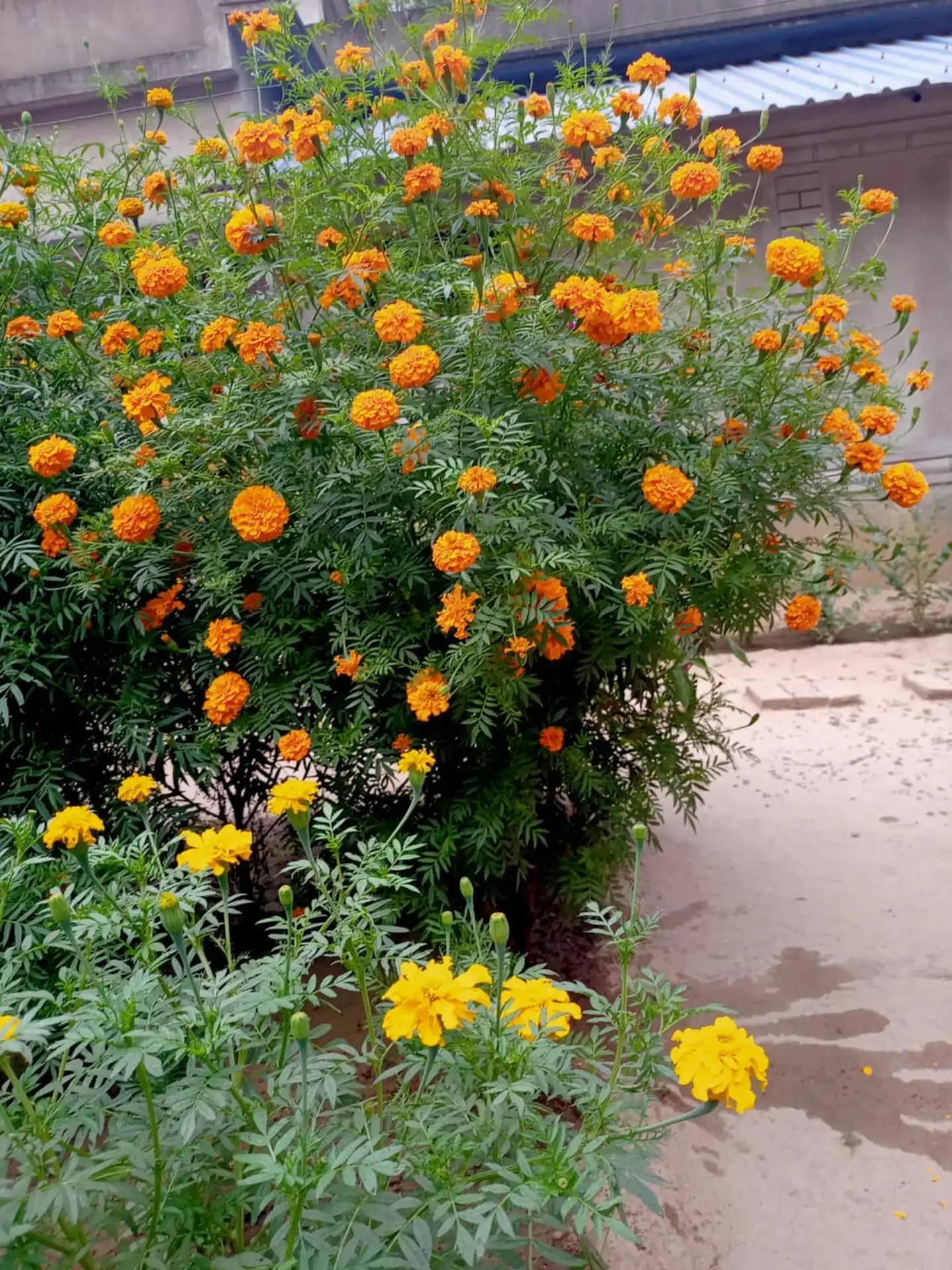
Garden-center marketing has convinced people that any bright color equals hummingbird bait. Marigolds and common zonal geraniums prove that wrong – their flower structure is short, open, and pollen-focused, with little nectar accessible to a long-billed hummingbird.
You might see a hummingbird inspect a red geranium once, then watch a quick rejection and a hard pivot to something else. Over time, they memorize which beds are worth their time, and porches lined with marigolds and geraniums quietly become nectar deserts.
#23 – Daylilies: The Overhyped One-and-Done Bloom
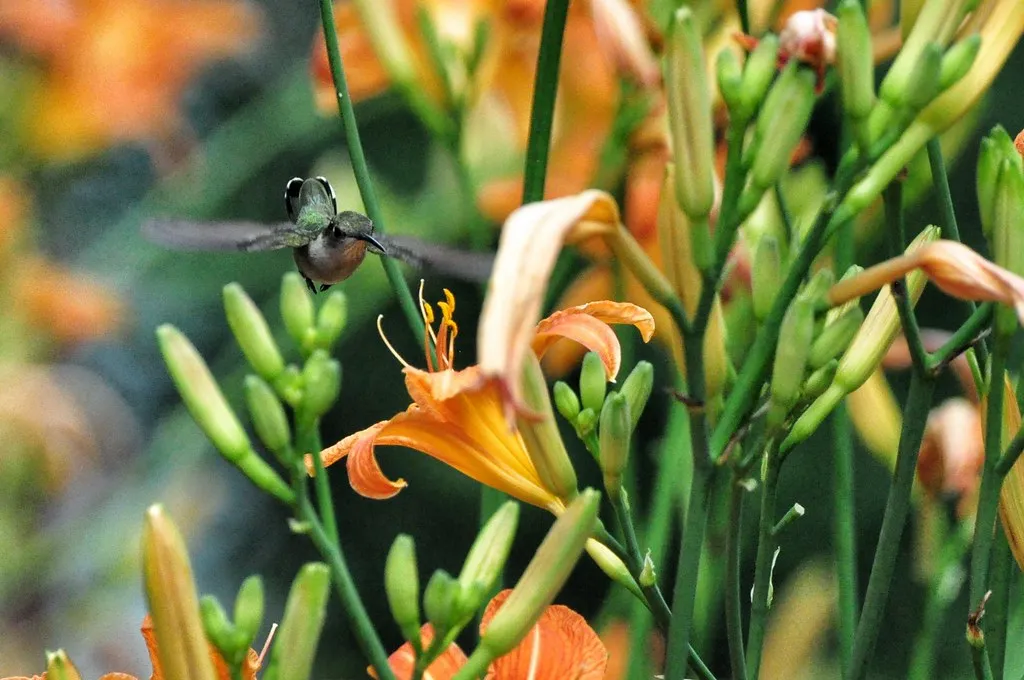
Daylilies explode in ads as “hummingbird friendly,” and the flowers are technically tubular-ish, but many common cultivars simply don’t produce the nectar volume needed to justify a targeted, repeat visit. A passing bird may sip, but it rarely anchors a route around them.
Each flower also lasts a single day, so even a heavily budded plant offers limited nectar at any given moment. Hummingbirds are pattern-based – if today’s stop was weak, they drop it from tomorrow’s route, which is exactly why daylily-only yards see so little activity.
#24 – Tulips, Daffodils, and Most Bulbs: Seasonal Dead Ends
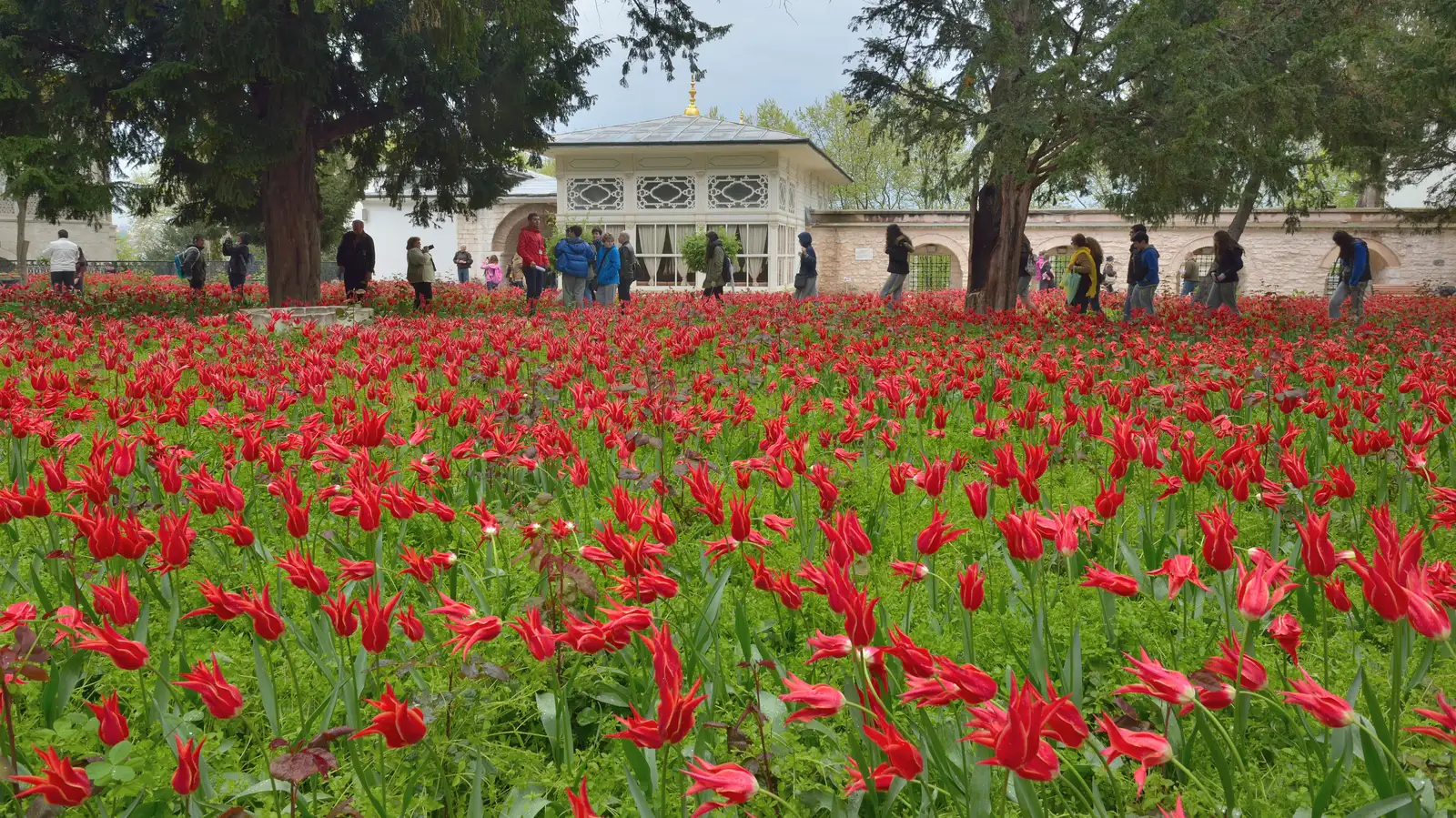
Spring bulb displays look spectacular, but they’re a human strategy, not a hummingbird one. Tulips, daffodils, and most ornamental bulbs are geared toward early pollinators like bees, and the flower shape is too shallow for hummingbirds to prioritize.
By the time hummingbirds arrive in many regions, the main bulb show is already fading, leaving those neat rows as visual wallpaper to a migrating bird scanning for tube-shaped fuel. Swapping just 20 to 30 percent of that bulb space for hummingbird-focused perennials would change your backyard traffic dramatically.
Worth Knowing
- Flat or open flower shapes rarely hold enough nectar to justify a hummingbird’s hover-and-feed energy cost.
- Early spring bulbs often finish blooming before many hummingbirds even arrive in a region.
- Plants bred for bigger, showier blooms frequently trade away nectar volume for petal count.
- Hummingbirds test an unfamiliar flower once, then quickly drop low-reward plants from their routine.
#25 – Ornamental Grasses and Hostas: Great Texture, Zero Nectar
Designers love ornamental grasses and variegated hostas, and to be fair, they’re fantastic for structure and shade gardens. For hummingbirds, though, they’re basically furniture – almost no direct nectar, just perching and maybe a bit of insect hunting.
If your entire shade plan is hostas plus hydrangeas, you’ve built a hummingbird viewing room with no food in it. Thread in red columbine, hardy fuchsia, or cardinal flower around the edges, or you’re just running an empty restaurant with nice décor.
#26 – Overfilled Mix Pots: The Visual Buffet That’s Nutritionally Empty
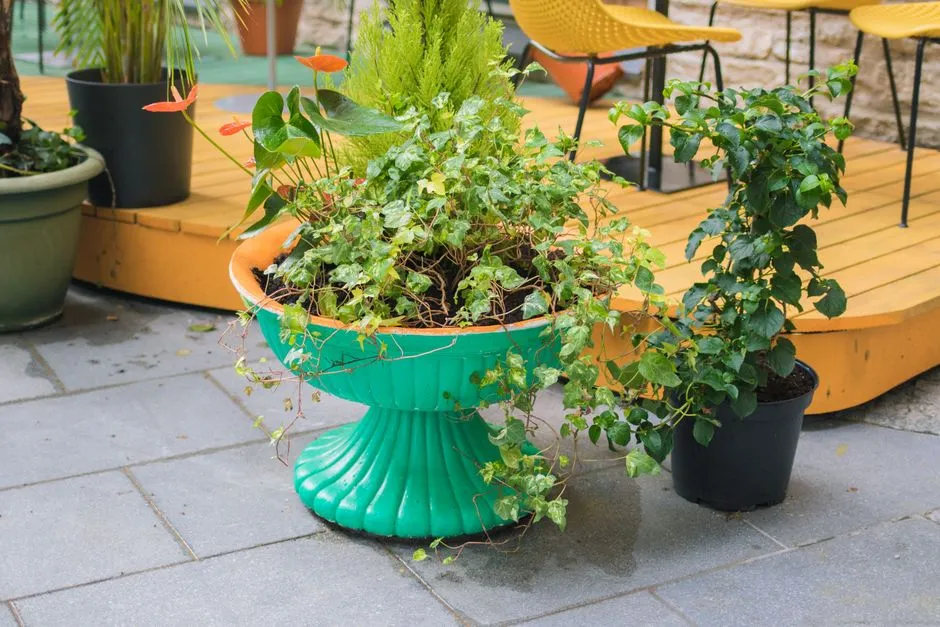
Those packed, overflowing mixed containers at big-box stores are designed to seduce humans, not hummingbirds. Petunias, lobelia, bacopa, and random fillers all crammed together look rich, but the actual nectar output per square inch is often shockingly low.
To a hummingbird, these pots are chaotic – short, shallow flowers of mismatched shapes that aren’t worth the hover cost. Birds test them early in the season, and once they find minimal reward, they effectively blacklist those containers from their foraging route for good.
#27 – Sunflowers: The Birdseed Farm Disguised as a Hummingbird Plant
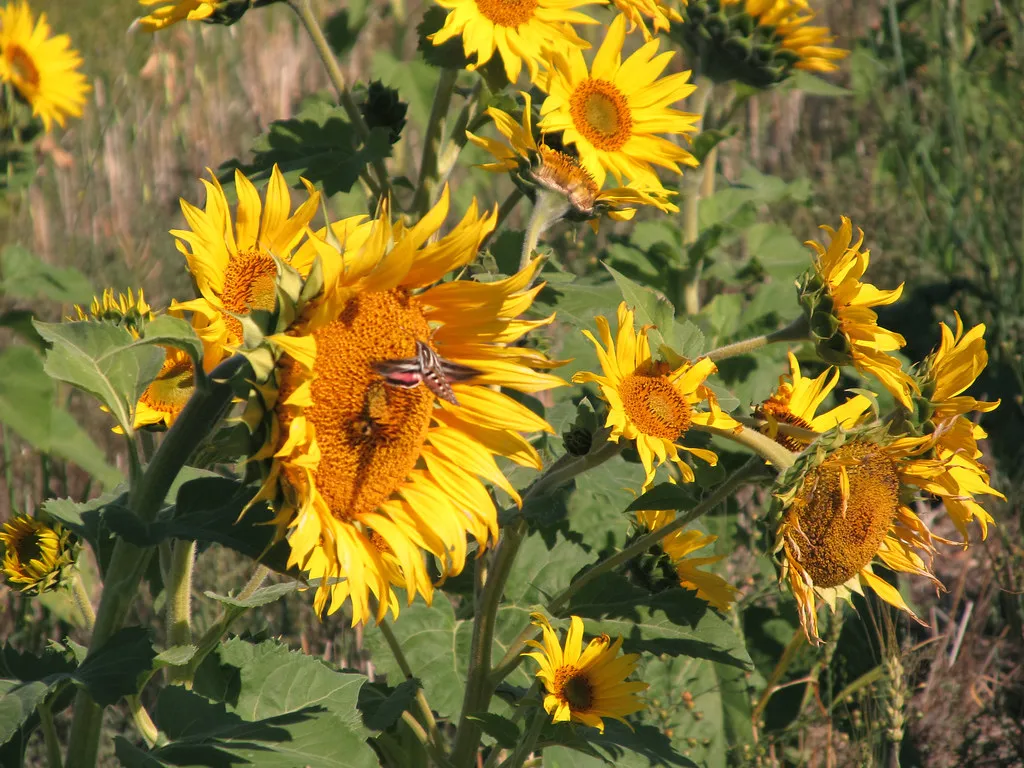
Sunflowers look like they should be a hummingbird jackpot – huge, bright, impossible to miss. But the flower head is built for bees and seed-eating birds, with pollen-packed disc florets that offer almost no accessible nectar for a long, narrow hummingbird bill.
You’ll occasionally see a hummingbird investigate a sunflower out of curiosity, but it won’t stick around. If sunflowers are your main “hummingbird plant,” you’re actually running a finch feeder, not a hummingbird nectar stop.
#28 – Coneflowers (Echinacea): The Pollinator Favorite That Isn’t Theirs
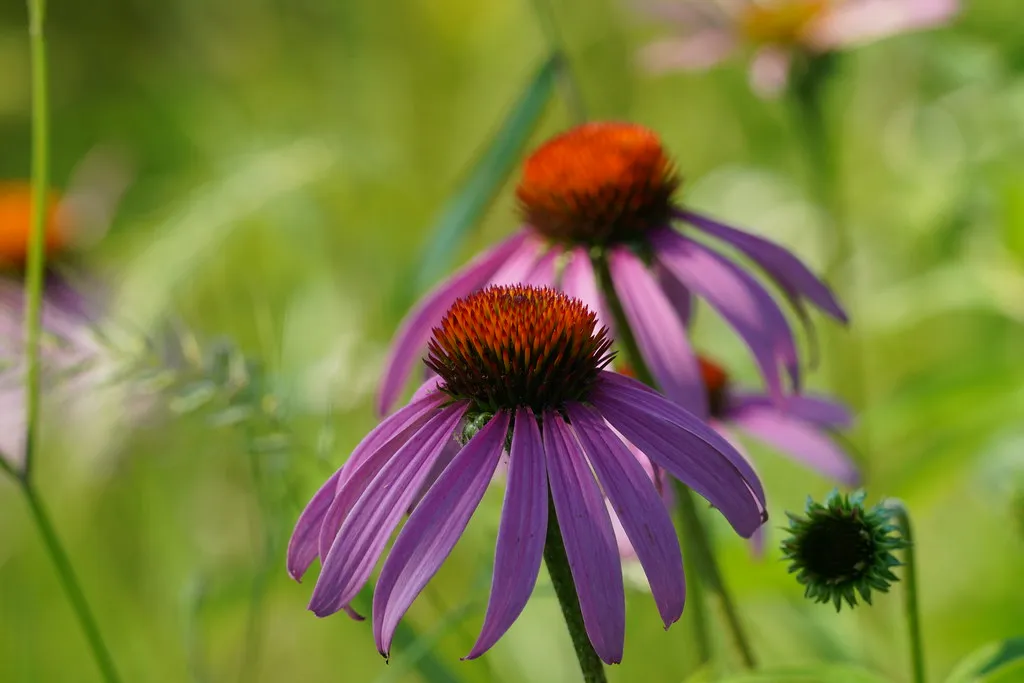
Coneflowers are pollinator darlings – bees and butterflies swarm them – but their flat, cone-shaped centers aren’t built for a hovering hummingbird’s feeding style. There’s some nectar in there, but it’s shallow and awkward to reach compared to a true tubular bloom.
Hummingbirds may pass through an echinacea bed on their way to something better, but they rarely linger. If your coneflowers are doing double duty as your “hummingbird garden,” you’re mostly feeding everything except the bird you’re trying to attract.
#29 – Asters and Mums: The Fall Décor Trap
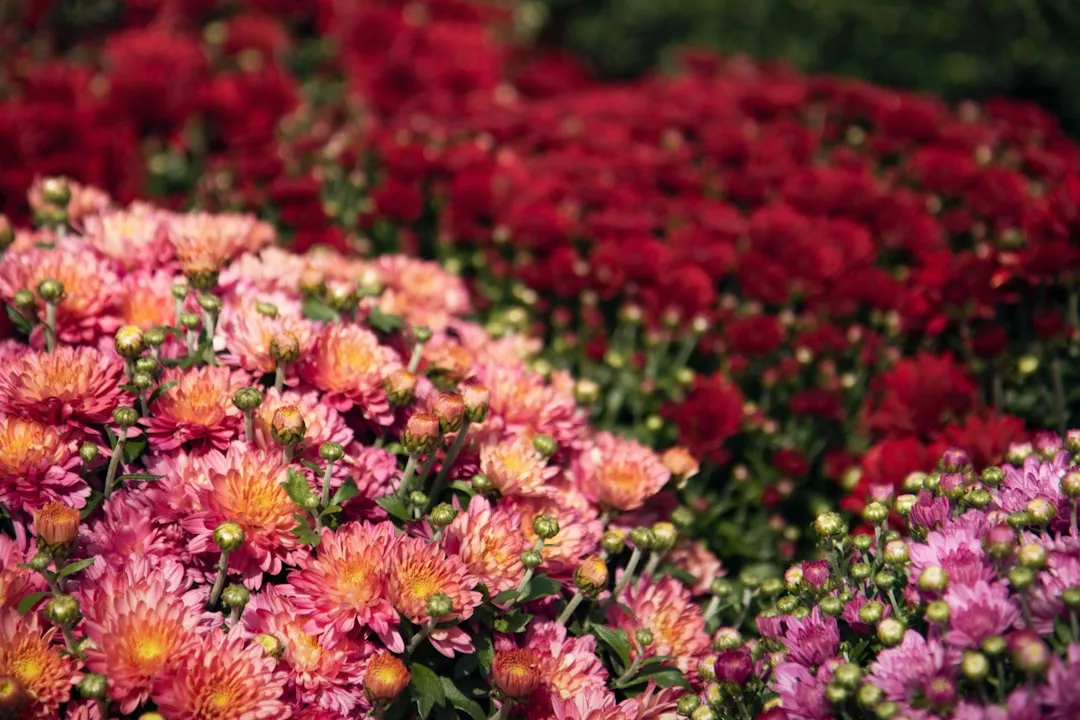
Fall asters and chrysanthemums put on a huge color show right when gardens need it most, but their dense, daisy-like flower heads are shaped for small pollinators, not long-billed hummingbirds. The nectar sits too shallow and scattered to be worth the hover.
By the time these bloom in force, most hummingbirds in a given region are already migrating, chasing tubular late bloomers like California fuchsia instead. Asters and mums end up being a fall porch display, not a fall food source.
#30 – Pansies and Violas: Pretty, But the Wrong Season and Shape
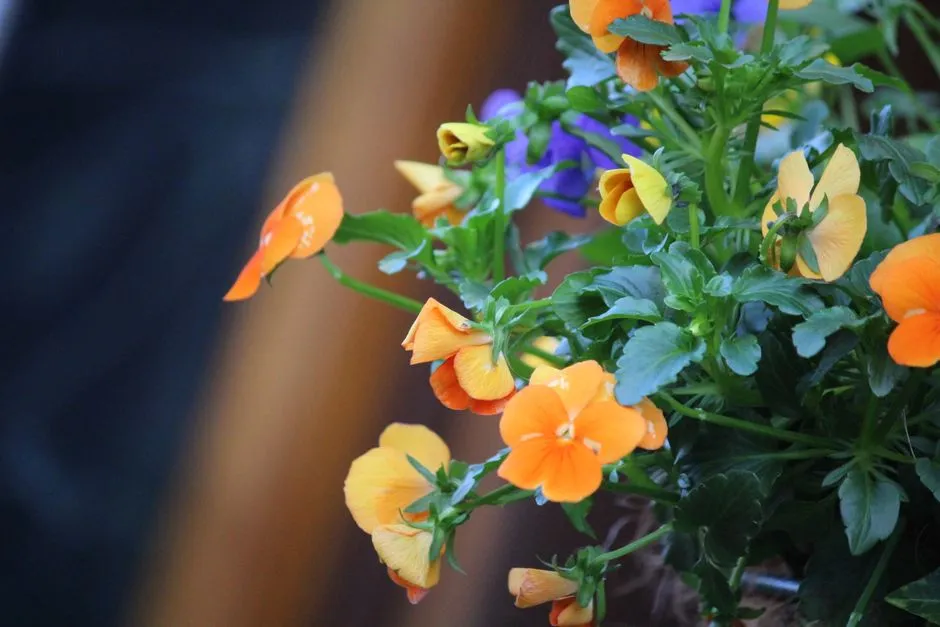
Pansies and violas are cool-season staples that fill window boxes every spring and fall, but their small, flat-faced flowers simply don’t have the depth to reward a hummingbird’s long bill. They’re built for tiny pollinators working close to the ground.
Hummingbirds generally aren’t even active during the cooler weeks these plants bloom best, which compounds the mismatch. If you’re hoping for hummingbird traffic, these two are decoration, not dinner.
#31 – Waxy and Tuberous Begonias: All Color, No Access
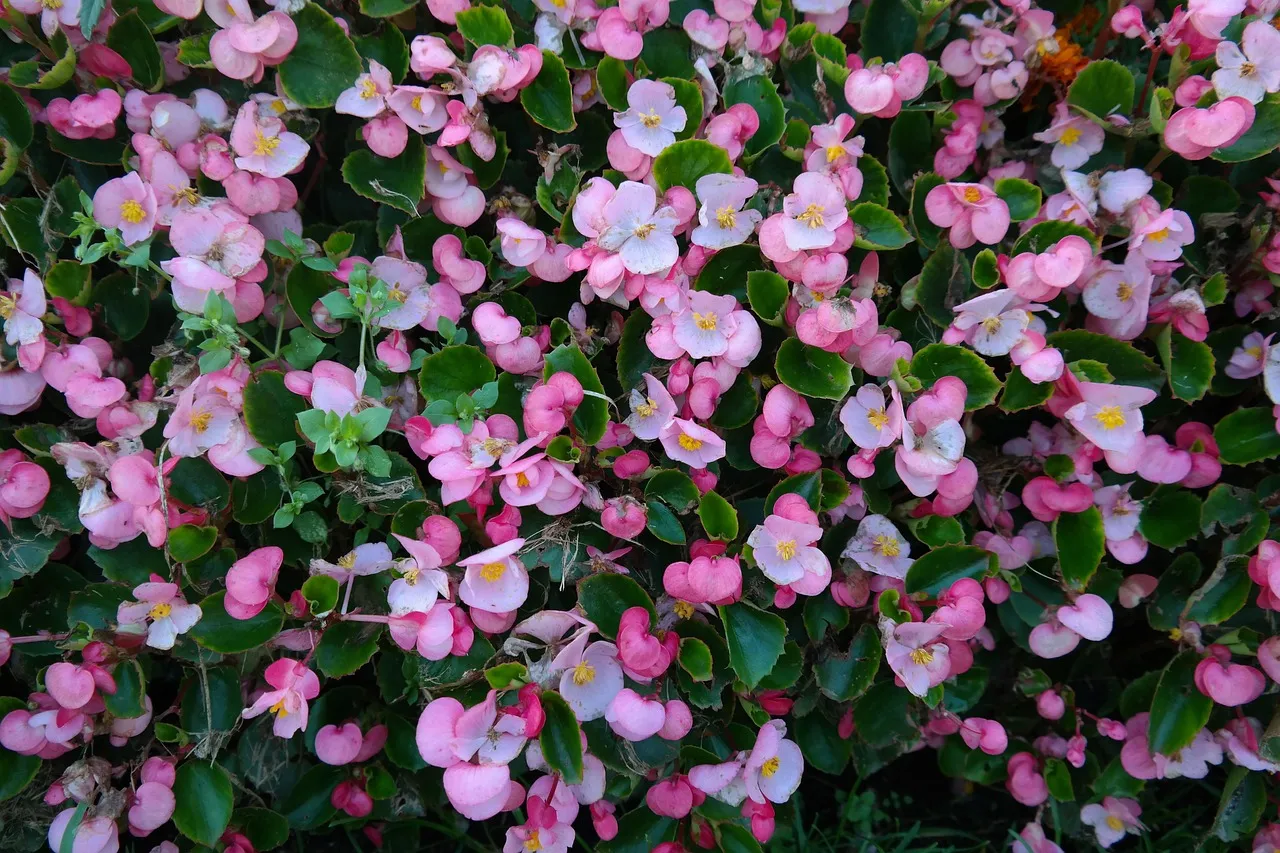
Waxy begonias and many tuberous varieties have flowers that are either too shallow, too doubled, or too waxy-textured for hummingbirds to bother with. They’re bred almost entirely for nonstop color in shade, not for nectar access.
You’ll rarely see repeat hummingbird visits to a begonia bed, even a massive one. It’s a shade-garden filler that quietly does nothing for the birds you’re actually trying to attract.
#32 – Lavender: The Bee Magnet That Isn’t a Hummingbird One
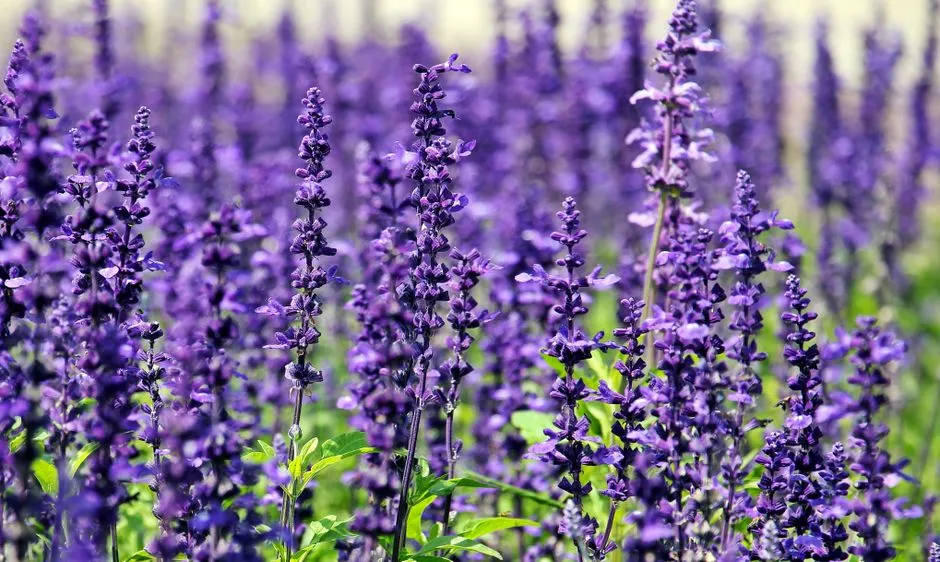
Lavender has a devoted bee-and-butterfly fanbase, and its scent makes people assume it must be pulling in every pollinator, including hummingbirds. In practice, the tiny individual flowers are shallow and low in nectar volume, and hummingbirds rarely prioritize them over tubular alternatives nearby.
If you already grow lavender for the fragrance or the bees, keep it – just don’t count on it to anchor your hummingbird garden. Pair it with salvia or agastache instead of expecting it to carry that job alone.
- Great for bees and scent, not for hummingbird traffic.
- Works best paired with a real tubular bloomer nearby.
#33 – Yarrow: A Great Plant, Wrong Audience
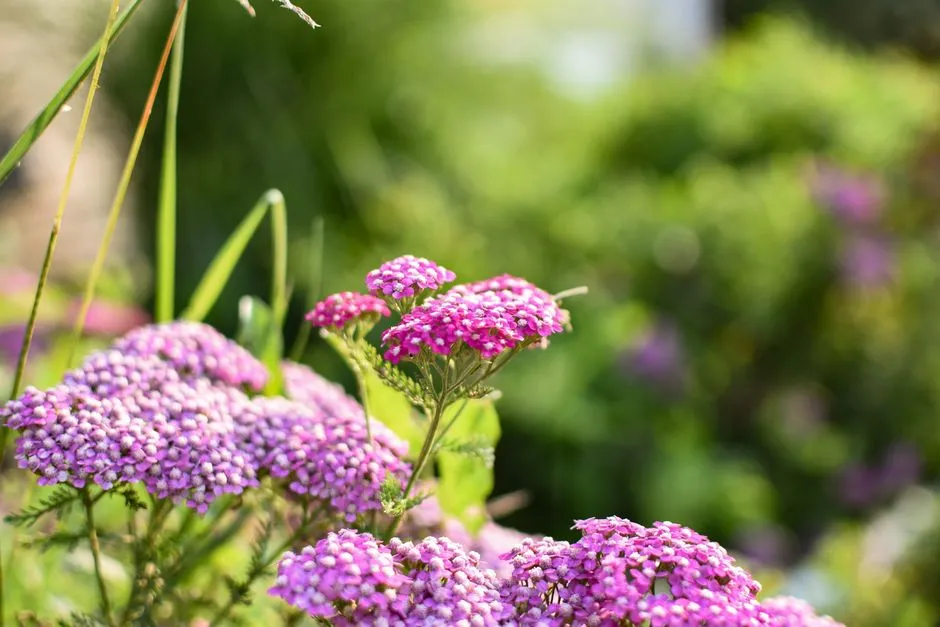
Yarrow’s flat clusters of tiny flowers are a magnet for beneficial insects and butterflies, but the individual blooms are far too shallow for a hummingbird’s feeding style. It’s a workhorse in a pollinator garden, just not this particular bird’s workhorse.
Hummingbirds will fly straight over a yarrow bed to reach a single salvia spike a few feet away. It’s a genuinely good plant that’s simply solving a different problem.
#34 – Sedum and Stonecrop Groundcovers: Beautiful, But Too Flat
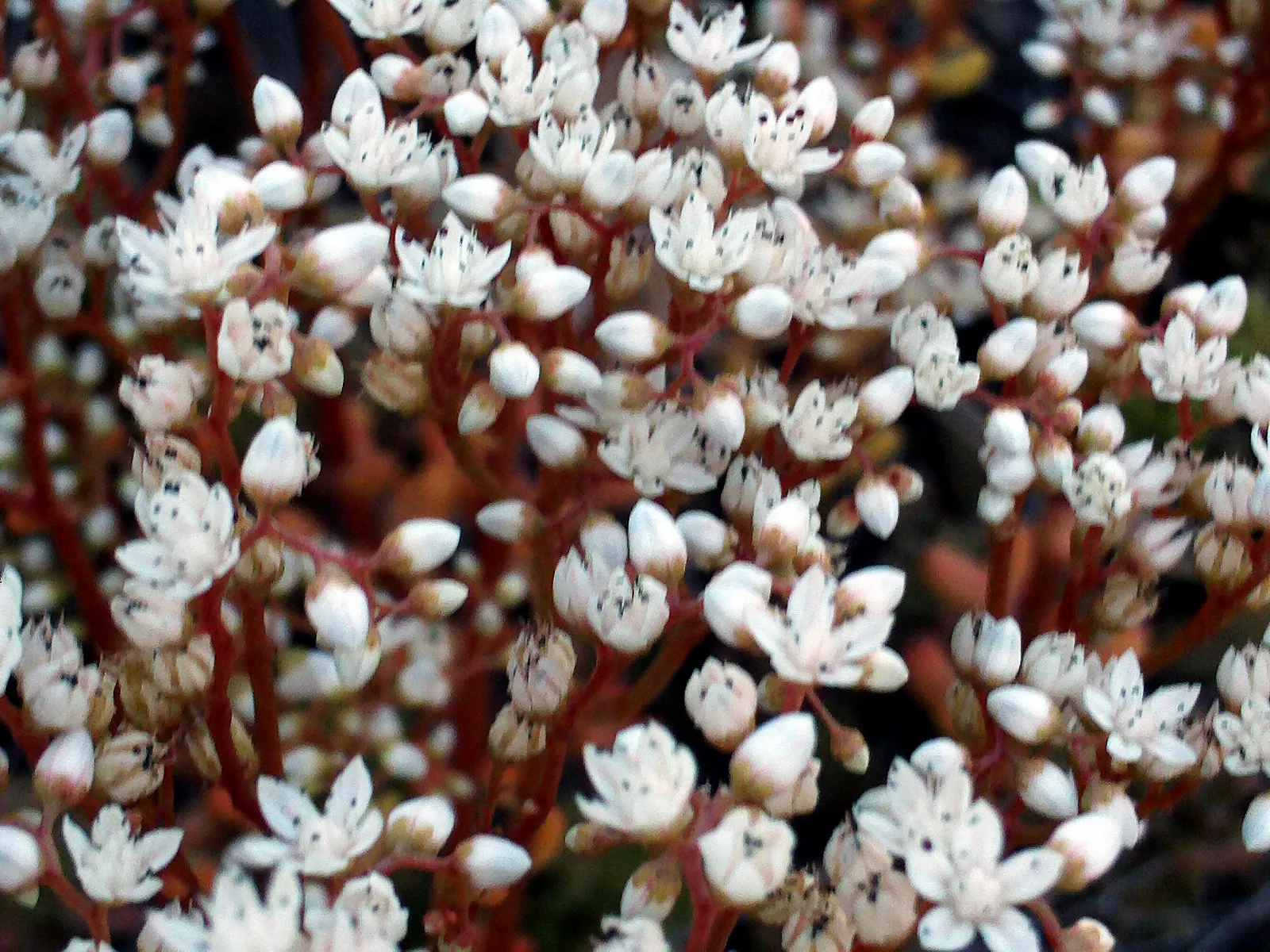
Low-growing sedums and stonecrops are beloved for drought tolerance and late-season color, and bees swarm them in fall. But their tiny, star-shaped flowers sit close to the ground in flat clusters, offering nothing close to the tubular depth hummingbirds look for.
They’re excellent low-maintenance groundcover, just don’t expect them to pull hummingbird traffic on their own merit. Save that part of the budget for something upright and tubular instead.
#35 – Sweet Alyssum: Fantastic Filler, Forgettable to Hummingbirds
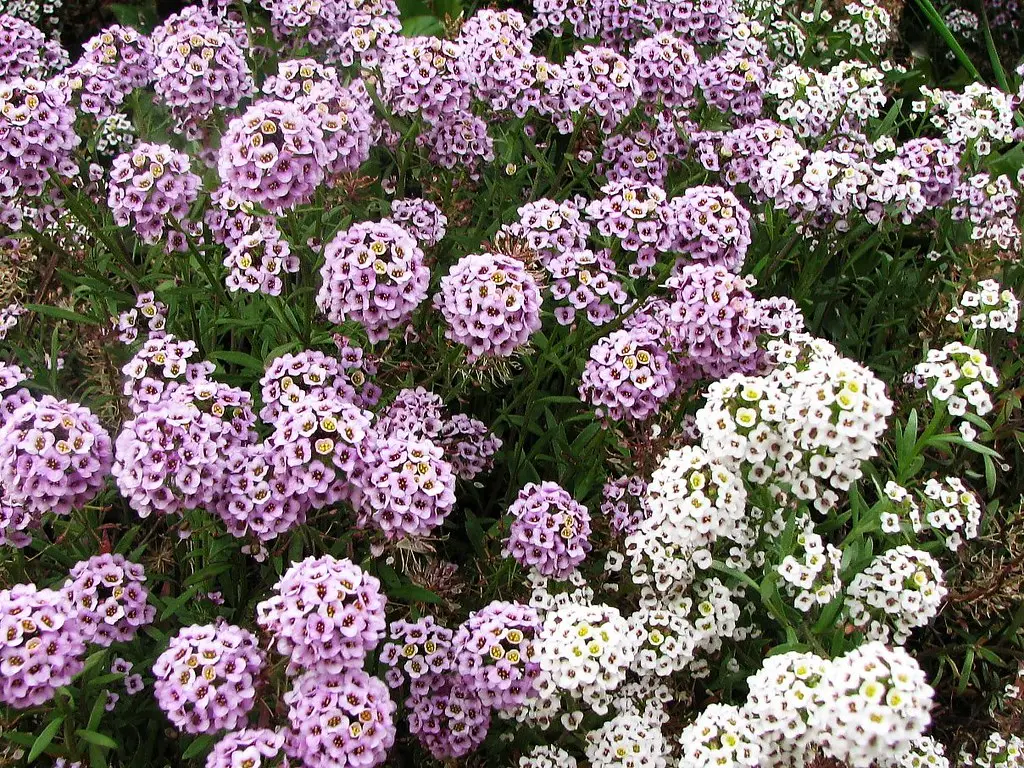
Sweet alyssum’s tiny clustered flowers are a favorite of hoverflies and small bees, prized for their honey-like scent and nonstop bloom. But the flowers are simply too small and shallow for hummingbirds to bother investigating more than once.
It’s a fantastic edging plant for a general pollinator border, just not a hummingbird one. Think of it as background music, not the headliner your hummingbirds are actually listening for.
#36 – Boxwood and Other Flowerless Shrubs: Structure Without Substance
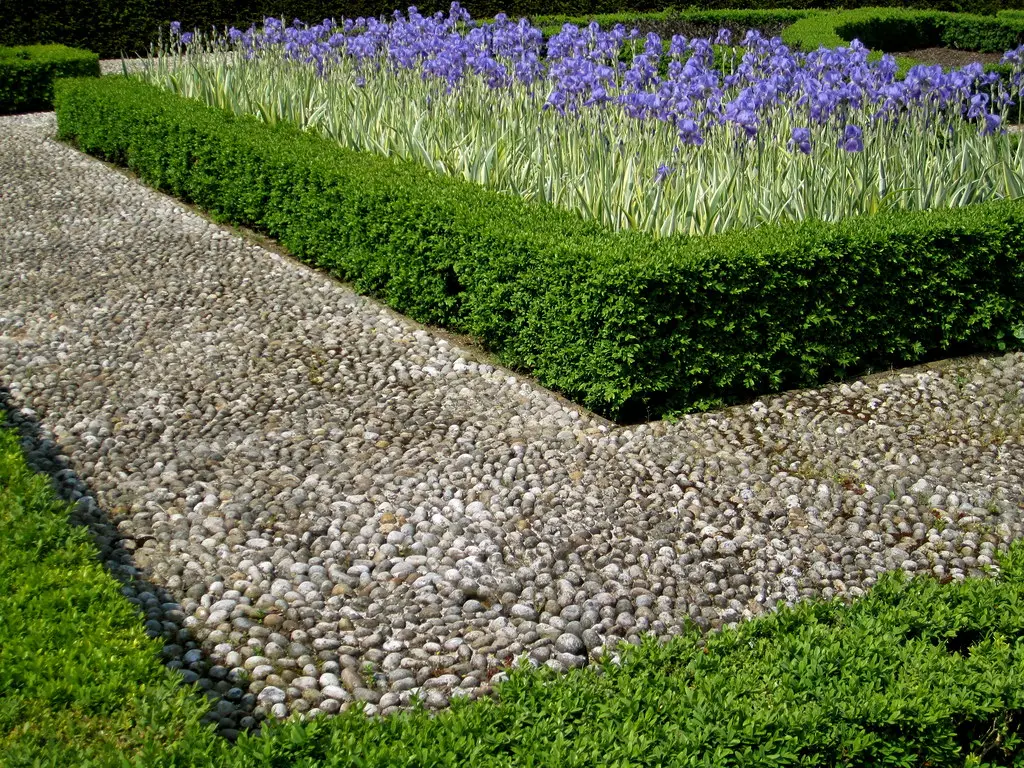
Boxwood, privet, and similar structural shrubs are garden backbone material, prized for shape and evergreen presence rather than flowers. Without meaningful blooms, they offer hummingbirds essentially nothing beyond an occasional perch to rest on.
They’re not “wrong” plants – every garden needs structure – but calling a boxwood hedge part of your hummingbird strategy is wishful thinking. Save the flower budget for something that actually feeds the birds you’re hoping to see.
#37 – Dinner-Plate Dahlias: The County Fair Winner, Not the Hummingbird’s
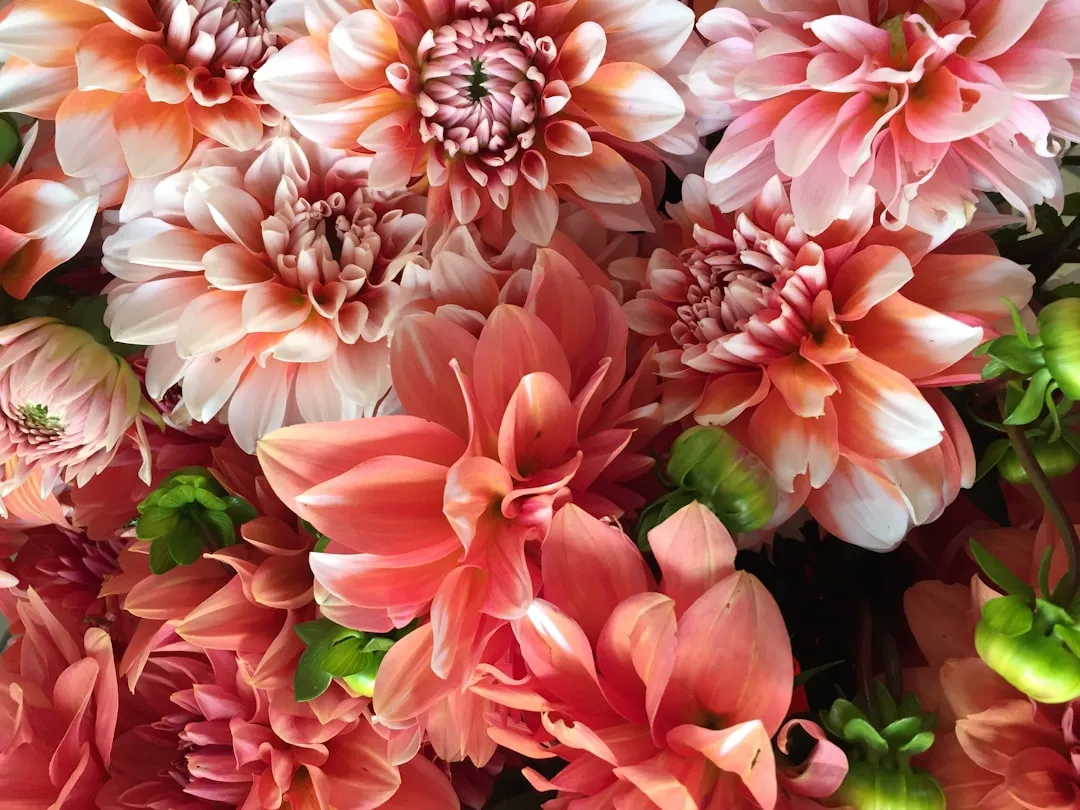
Dinner-plate dahlias are showstoppers at the fair, but their densely packed, fully double petals create the same problem as double roses and peonies: there’s no clear path to whatever nectar might be underneath. The flower is built for size and symmetry, not access.
Hummingbirds may glance at a giant red dahlia and move on within seconds. If you love dahlias, grow them for the ribbon at the county fair, not for the birds you’re hoping to feed.
#38 – Snapdragons: The Flower That Locks Its Own Door
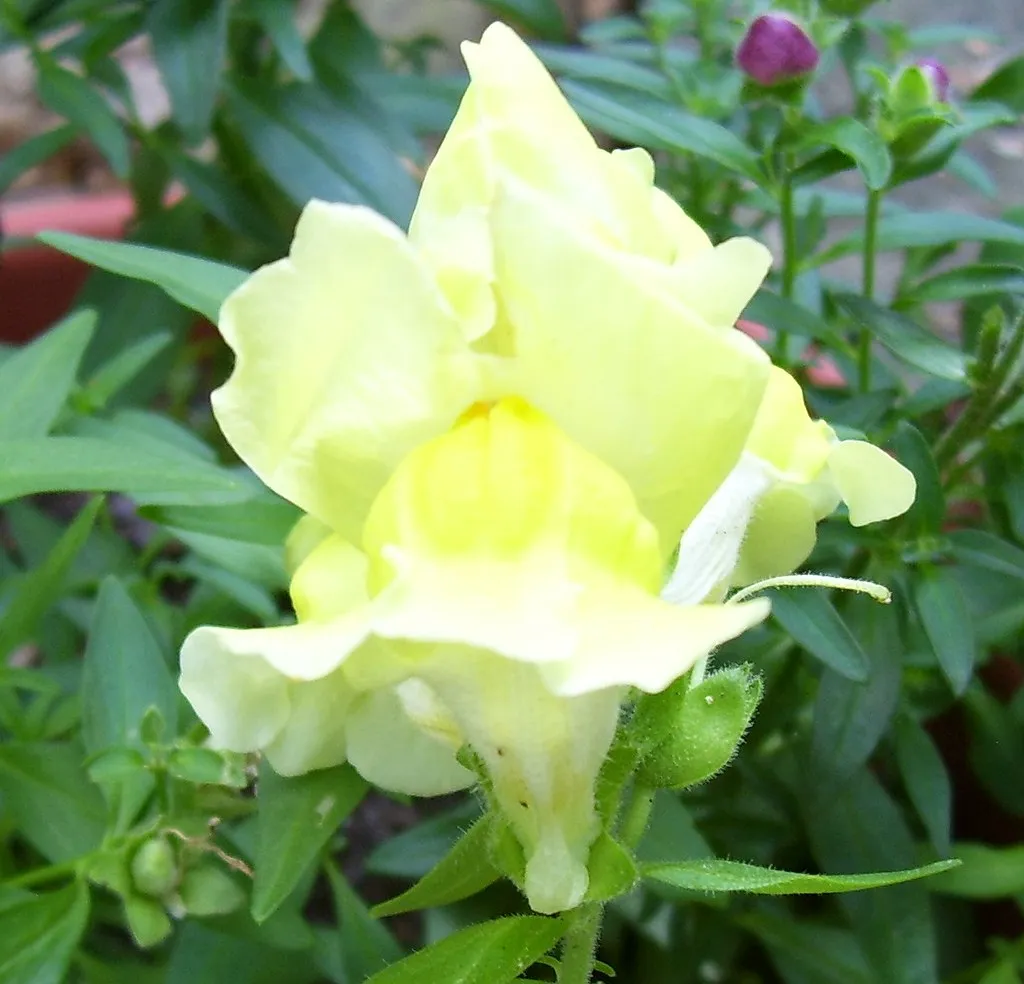
Snapdragons look tubular enough to fool a lot of gardeners into assuming they’re hummingbird food. The catch is that the flower’s “mouth” is hinged shut and needs real weight – like a bumblebee landing and pushing – to pry it open and reach the nectar inside.
Hummingbirds hover instead of landing, so they usually can’t trigger that mechanism efficiently. They’ll test a snapdragon spike once, get nowhere, and move on to literally anything with an open tube instead.
Quick Compare
- Double and packed petals (roses, peonies, dahlias): block access even when nectar exists underneath.
- Flat or shallow faces (marigolds, coneflowers, asters, alyssum): too little depth for a hummingbird’s long bill.
- Mechanically locked blooms (snapdragons): require landing weight hummingbirds can’t easily provide while hovering.
The Bottom Line
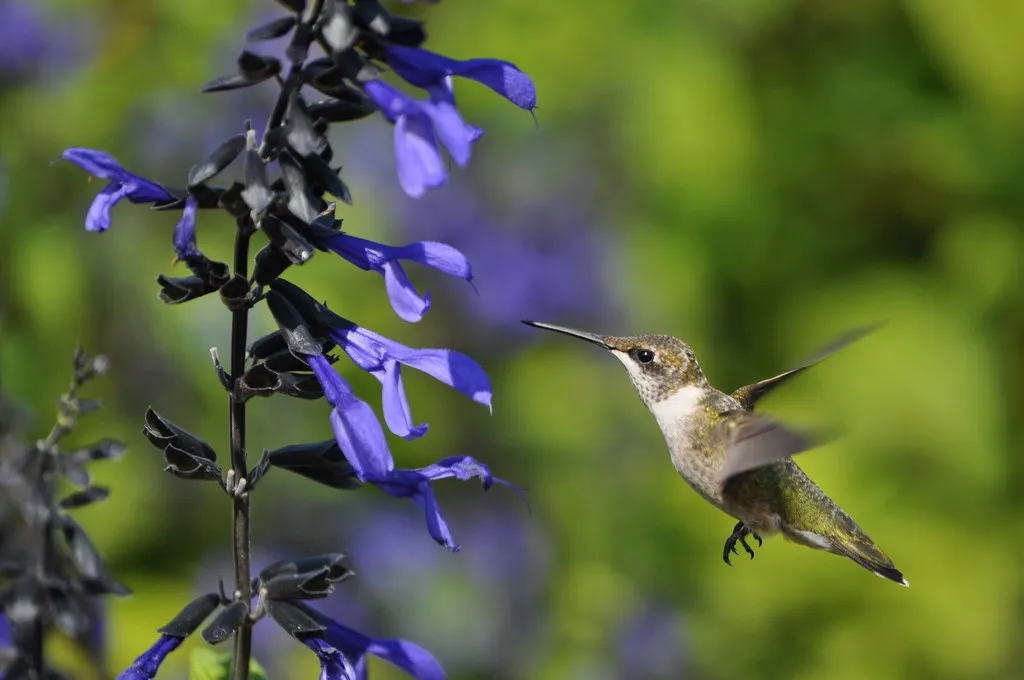
Strip away the marketing fluff and hummingbirds are brutally simple: they return to plants that offer deep, accessible, sugar-rich nectar in tubular blooms over a long season, and they quietly ignore the rest. Trumpet vine, bee balm, salvia, cardinal flower, agastache, cuphea, and their cousins earn a permanent spot on a hummingbird’s mental map, which is why the same birds keep looping back every day, every year.
Meanwhile, hydrangeas, double roses, peonies, dahlias, and those overstuffed “designer” pots work almost entirely for us, not for them. My honest take after going through all thirty-eight of these side by side: most yards don’t need more plants, they need braver swaps. Pull one showy dud from this list, drop in a real nectar workhorse instead, and your hummingbird traffic will expose the hype within a single season.
Did we call out one of your “must-have” plants as a hummingbird flop, or miss a nectar workhorse you swear by? Drop your best – or worst – hummingbird plant story in the comments.

- 19 Garden Plants Hummingbirds Return To Every Single Year and 19 They Completely Ignore - August 13, 2026
- 5 Ways to Keep Groundhogs From Attacking Your Pumpkins This Halloween - August 13, 2026
- Why Do Dogs Stare at Walls Like They See Ghosts? - August 13, 2026