
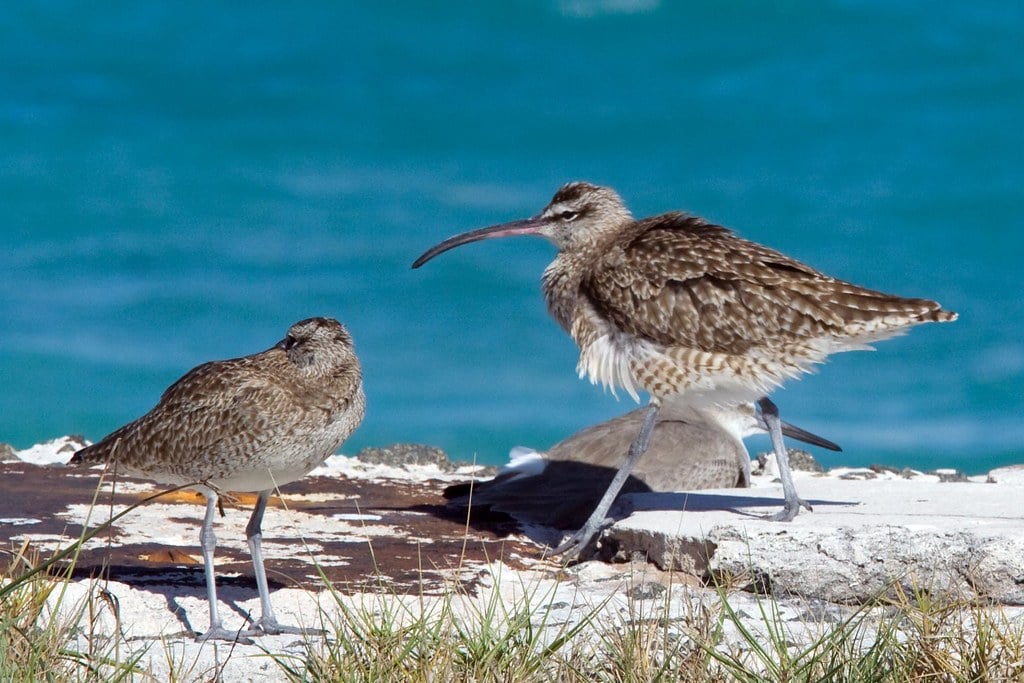
Florida is one of those places where you can step out of your car, look up, and suddenly feel like you’ve wandered onto the set of a wildlife documentary. Scarlet spoonbills drift over your head, anhinga dry their wings like tiny dinosaurs, and somewhere in the reeds, a secretive bittern is pretending to be a stick. If you’ve ever wanted birdwatching to feel a little bit magical, Florida will ruin you for other states in the best possible way.
What surprises most people is how wildly different the birding can be within just a few hours’ drive: coastal mudflats, endless sawgrass marsh, pine savanna, tropical hardwood hammocks, even urban parks full of parrots and ibises. You don’t need to be an expert or carry a huge camera to enjoy it either; half the fun is just learning to notice what’s already there. Let’s walk through seven of the most rewarding places , and why each one offers a very different kind of thrill.
Everglades National Park: The Big, Wild Classic
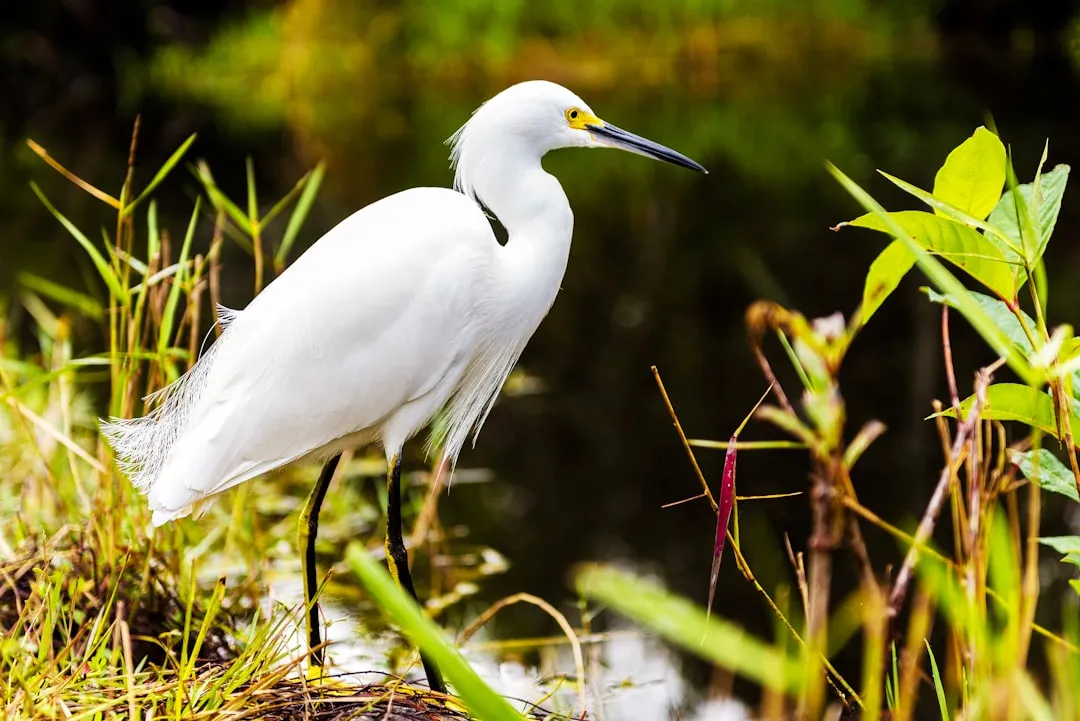
If you had to pick one place that defines Florida birding, it would be the Everglades. This vast sawgrass wilderness, dotted with tree islands and mangrove estuaries, pulls in wading birds like a magnet: great egrets, tricolored herons, roseate spoonbills, wood storks, and more. It’s one of the rare spots where you can watch a purple gallinule walking across lily pads in front of you while a snail kite hunts over the marsh behind you.
Popular spots like Anhinga Trail and Shark Valley may feel a bit busy, but they’re busy for a reason: birds are simply everywhere, and they’re often surprisingly tame. Boardwalks and viewing platforms make it easy for beginners to get close views without crashing through the swamp. My personal opinion: if you’ve never done serious birding before, a morning on Anhinga Trail will hook you for life – there’s nothing quite like having an anhinga stare back at you from a few feet away while an alligator basks below.
Merritt Island National Wildlife Refuge: Space Coast Birding
Next to the Kennedy Space Center, Merritt Island feels like a strange and wonderful combination of high-tech and wild. One moment you’re seeing launch pads in the distance; the next, you’re watching flocks of ducks, shorebirds, and herons in shallow lagoons. The refuge’s Black Point Wildlife Drive is legendary among birders because you can find dozens of species without ever leaving your car.
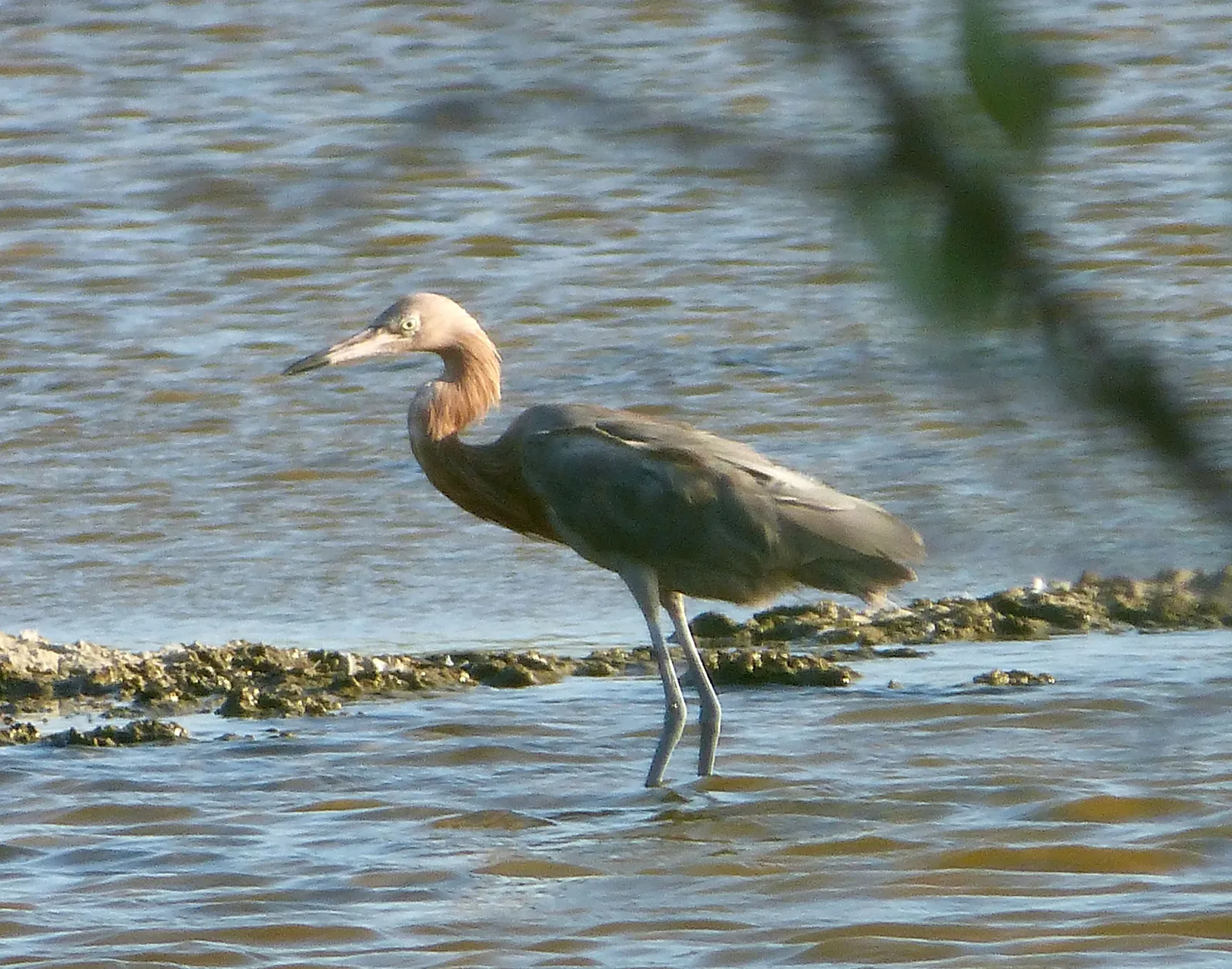
Winter is especially dramatic here, with huge concentrations of waterfowl and shorebirds using the refuge as a seasonal buffet. Reddish egrets dance in the shallows, Northern pintails glide across the water, and if you’re lucky, you might spot a secretive rail weaving through the reeds. I like Merritt Island because it rewards both patience and curiosity: if you spend time scanning the mudflats and listening carefully, you start picking up birds you’d never notice at first glance.
Corkscrew Swamp Sanctuary: Cathedral of the Old-Growth Cypress
Corkscrew Swamp Sanctuary near Naples feels almost spiritual, even if you’re not the spiritual type. A long boardwalk winds through old-growth bald cypress forest, some trees older than many countries’ constitutions. The still, reflective water and moss-draped branches create a dim, echoing world where every call – from a warbler’s thin song to a barred owl’s hoot – seems louder and more important.
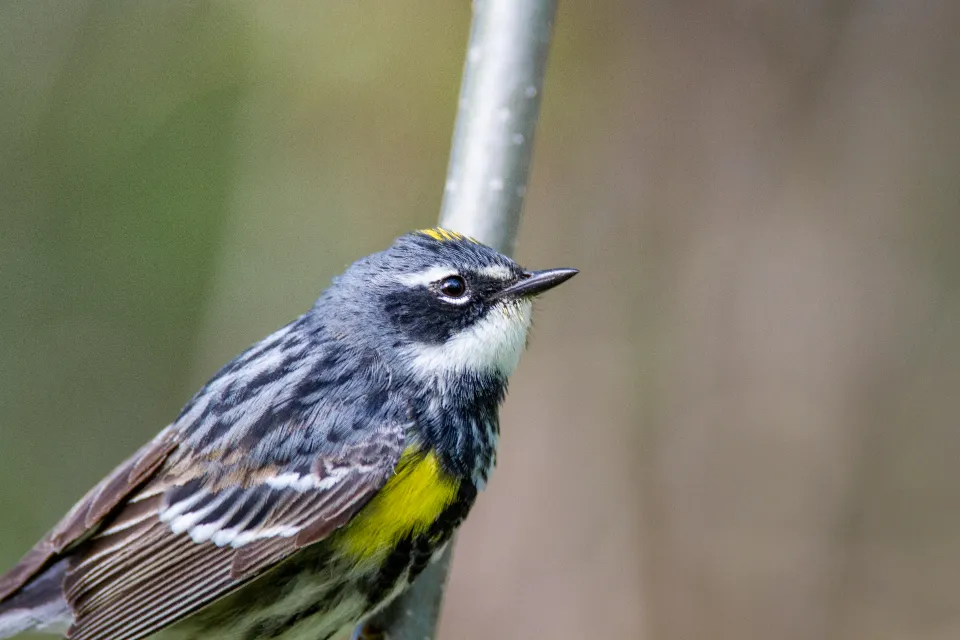
This is a fantastic place for woodpeckers, warblers, and secretive forest birds that you don’t usually associate with “Florida.” You might hear pileated woodpeckers hammering away or catch a flash of color as a painted bunting slips past in the understory. Personally, I think Corkscrew is one of the best places to slow down and really listen; it forces you to shift from scanning big horizons to reading tiny movements and subtle sounds, which is a totally different kind of birding joy.
Dry Tortugas National Park: Remote Island Migration Hotspot
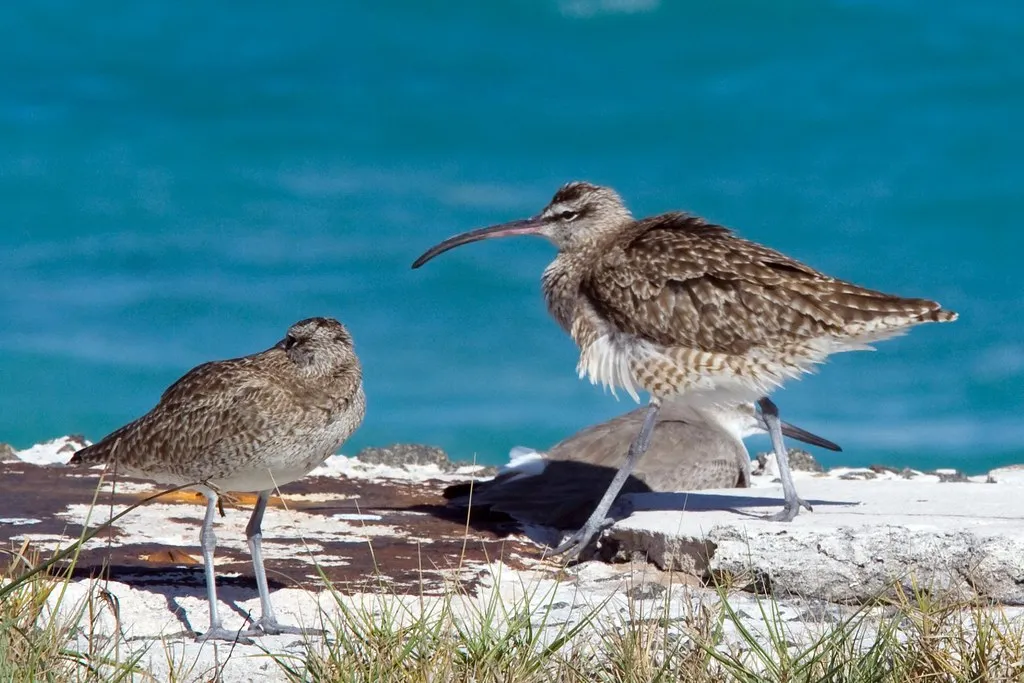
If you want drama and isolation, Dry Tortugas is hard to beat. Located about 70 miles west of Key West, this cluster of islands is accessible only by boat or seaplane, and that sense of remoteness is exactly what makes it a bird magnet. For countless migratory birds crossing the Gulf, these islands are a lifesaving rest stop after a brutal flight.
Birders come here for spectacular seabird colonies and adrenaline-filled migration days when the trees and fort walls seem covered in warblers, tanagers, and thrushes. You can stand on the ramparts of Fort Jefferson and watch sooty terns wheeling over impossibly blue water while frigatebirds hang in the air like kites. It’s not the easiest or cheapest birding destination, and that’s my honest take: you go to the Dry Tortugas when you’re ready to treat birding like an adventure, not just a Sunday stroll.
J.N. “Ding” Darling National Wildlife Refuge: Gulf Coast Wader Heaven
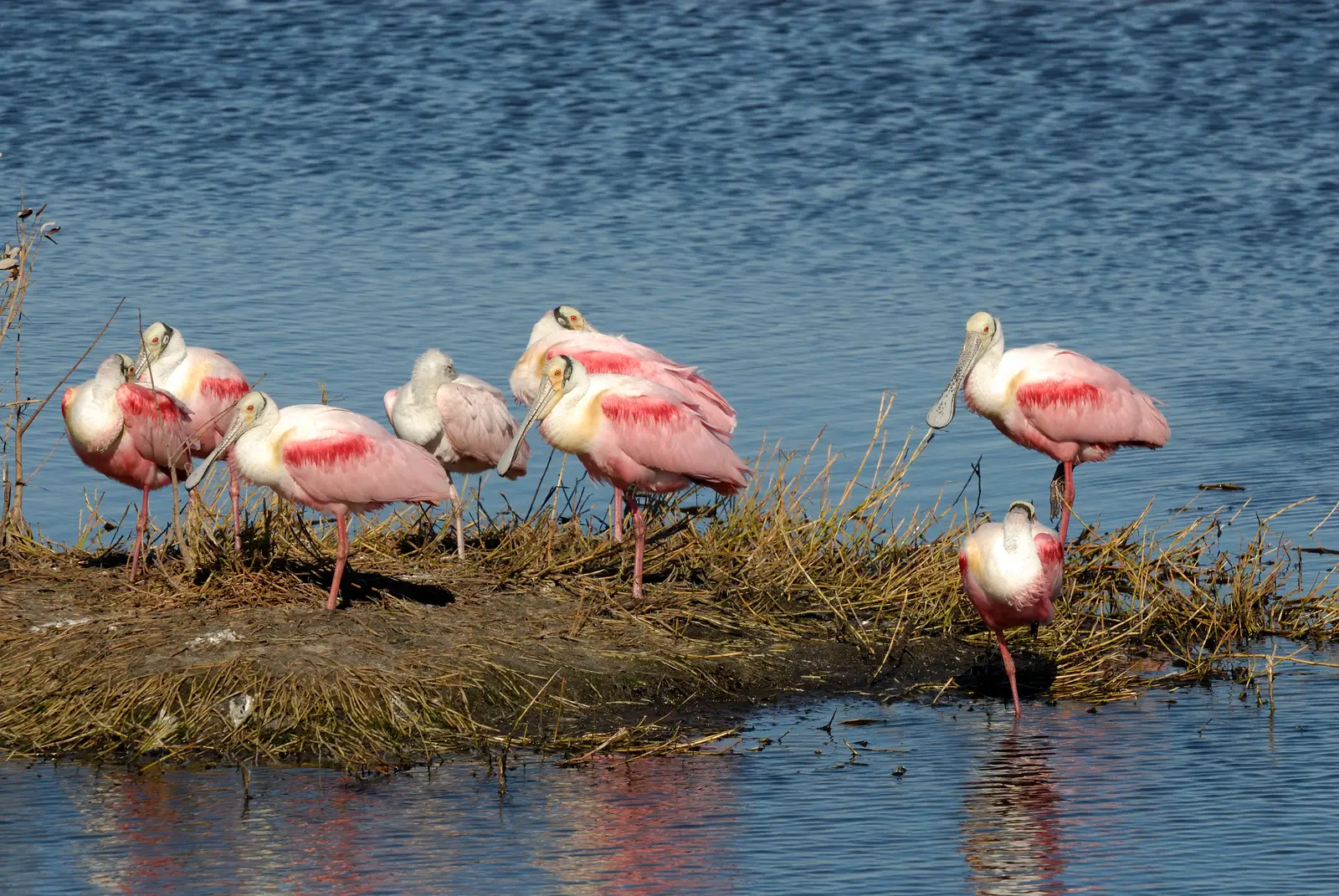
On Sanibel Island, “Ding” Darling is the kind of place that makes even non-birders stop their cars and grab a camera. Its shallow tidal flats and mangrove-fringed channels are perfect for wading birds, and low tide can look like someone sprinkled the shoreline with egrets and herons. Spoonbills add splashes of rose color, and pelicans glide in formation like heavy bombers just above the water.
The refuge’s wildlife drive and trails make it easy to hop out, scan for birds, then move on when you’re ready. It’s especially good for learning how to tell similar species apart – like the subtle differences between snowy egrets and little blue herons – because they’ll often be feeding side by side. To me, “Ding” Darling feels like an outdoor classroom where the lesson is always: slow down, look closer, nature’s putting on a show whether you’re paying attention or not.
Paynes Prairie Preserve State Park: Florida’s Wild Heartland
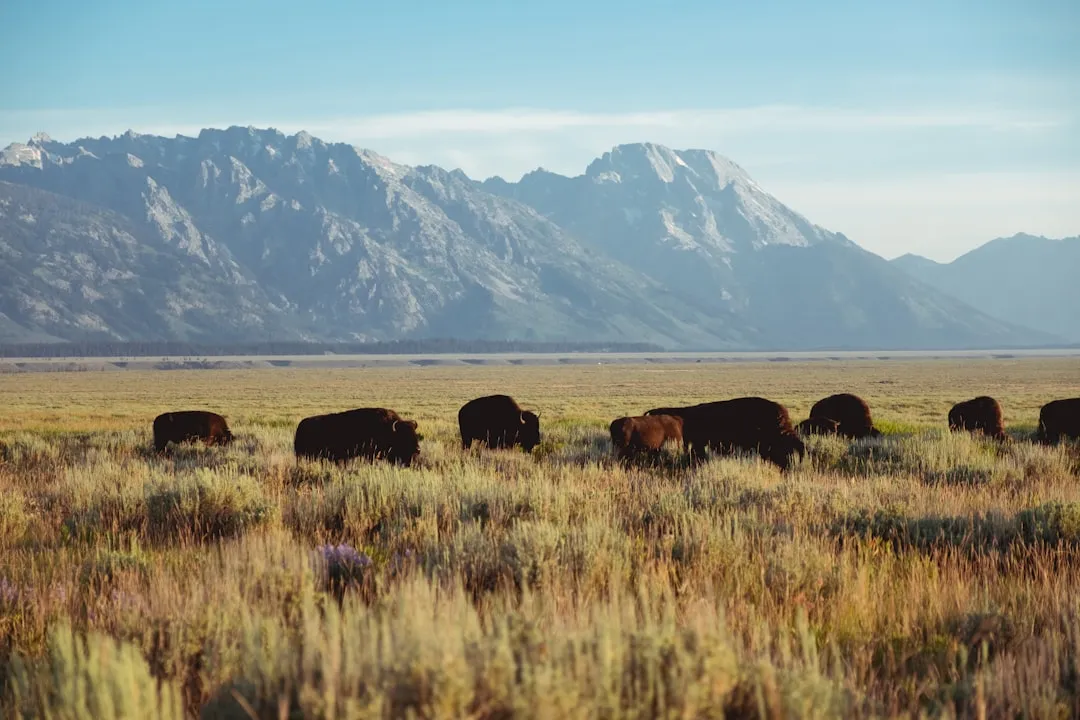
In north-central Florida near Gainesville, Paynes Prairie flips the usual Florida stereotype on its head. Instead of beaches and palms, you get vast grasslands, wet prairies, and distant tree lines that look more like the interior of the continent. It’s a major stopover and wintering area for sandhill cranes, raptors, and a wide mix of marsh and grassland birds.
One day you might watch a harrier gliding low over the marsh; another day, you’re listening to chorus of rails at dusk while cranes bugle overhead. There are even bison and wild horses roaming the prairie, adding to the feeling that you’ve stepped back in time. I think Paynes Prairie is underrated compared with the coastal hotspots, but that’s part of its charm: you can have an incredible morning of birding without the crowds, surrounded by a landscape that feels unexpectedly wild and wide open.
Urban and Suburban Florida: Surprising Backyard Safaris
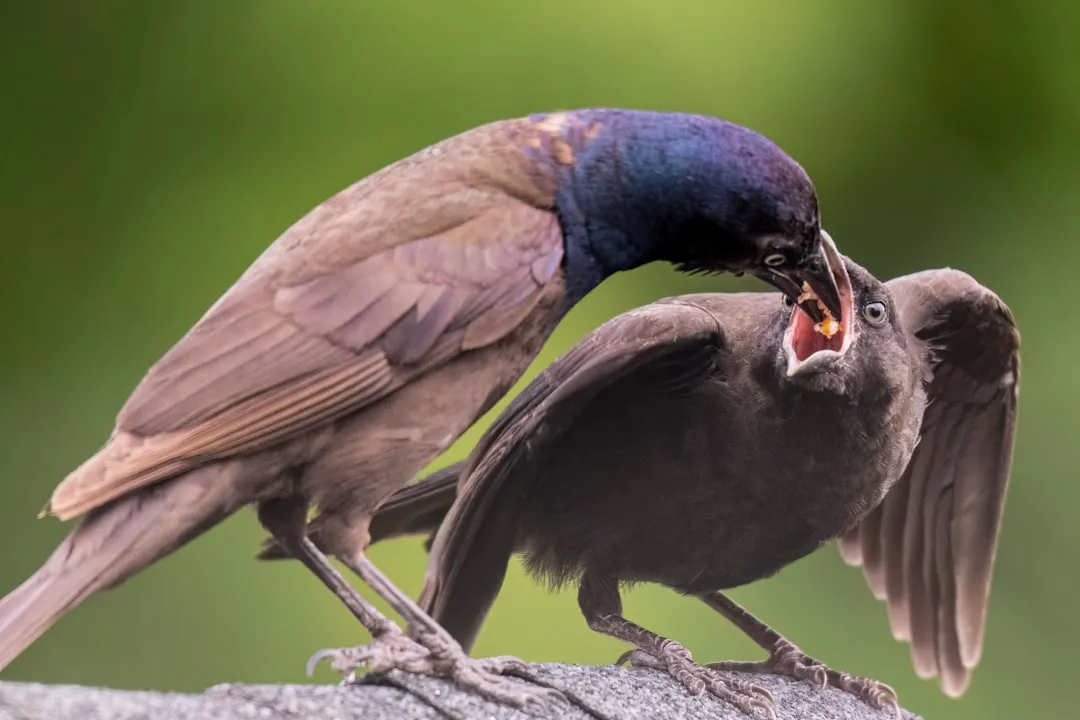
Here’s the twist that still shocks newcomers: you don’t have to drive to a famous refuge to have great birding in Florida. City parks, retention ponds, golf courses, and even shopping center parking lots can be packed with ibis, herons, grackles, and hawks. Parrots in some metro areas add a tropical soundtrack, while ospreys perch on light poles like they own the place – because, in a way, they do.
Neighborhood lakes may host wintering ducks, while flowering shrubs attract hummingbirds and migrating songbirds. I’ve had some of my favorite Florida birding moments standing on a random sidewalk, field guide app in hand, trying to identify a bird singing from a live oak over someone’s mailbox. If you live here, or even if you’re just visiting for a week, my opinion is simple: treat every walk to get coffee as a mini birding trip. You’ll start to realize that in Florida, the line between “wild” and “everyday life” is much thinner than it looks.
Conclusion: Florida Birding Rewards The Curious, Not Just The Hardcore
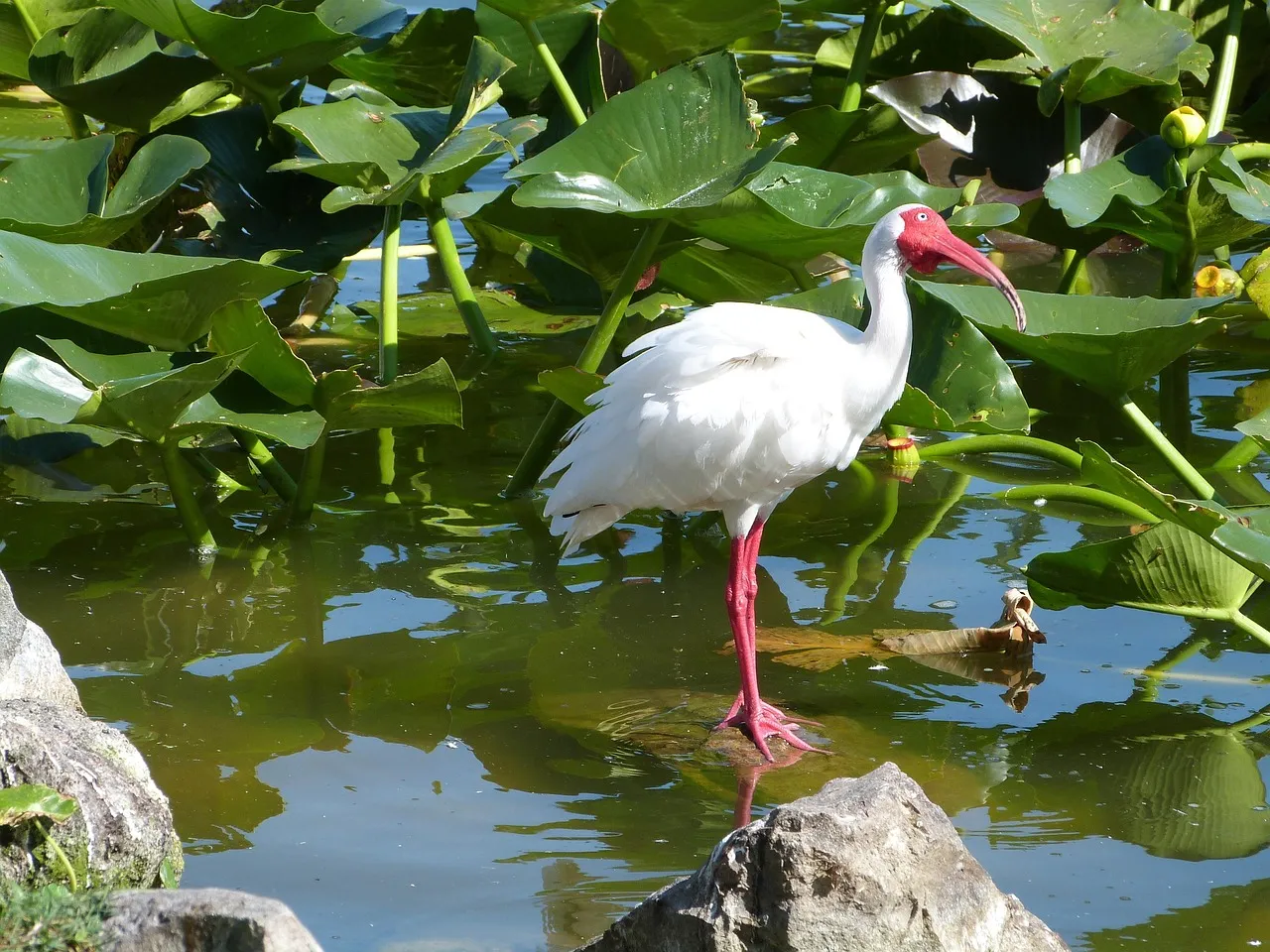
Florida has a reputation as a birding paradise, and honestly, it deserves it – but not just because of the rare or glamorous species. What makes it special is the sheer variety and accessibility: from the vast, humbling sweep of the Everglades to a tiny retention pond behind a supermarket, there’s always something with feathers doing something interesting. You do not need the best binoculars, the longest life list, or a scientist’s vocabulary; you mostly need curiosity and a willingness to look twice at that “just another bird” on the lawn.
If I had to be blunt, I’d say this: Florida spoils birders. After you’ve watched spoonbills glowing at sunset or stood on an island fortress surrounded by migrating warblers, it’s hard to pretend that birding is a dull hobby. The real question isn’t whether Florida is worth birding – it’s whether you’re ready to let it change how you see every patch of sky and water afterward. Next time you find yourself here, will you treat it like just another vacation, or like a chance to glimpse the world the way the birds see it?

- Where to Go Birdwatching in Florida - August 15, 2026
- What Native American Philosophy Says About The Horse Spirit Animal - August 15, 2026
- How Changes in Temperature Affect Animal Reproduction - August 15, 2026