
Some animals treat death less like a full stop and more like a comma. While we panic over a bad night’s sleep, these creatures can dry out into a crisp, freeze solid, slow their hearts to almost nothing, and then stroll back into life when conditions improve. It sounds like science fiction, but it is very real biology.
What makes them so compelling is that their survival tricks are not just weird; they challenge what we think life even is. As you meet each of these comeback specialists, you’ll see just how far nature is willing to bend the rules, and why scientists are quietly obsessed with them.
Tardigrades: The Tiny “Immortals” That Shut Life Off Like a Switch
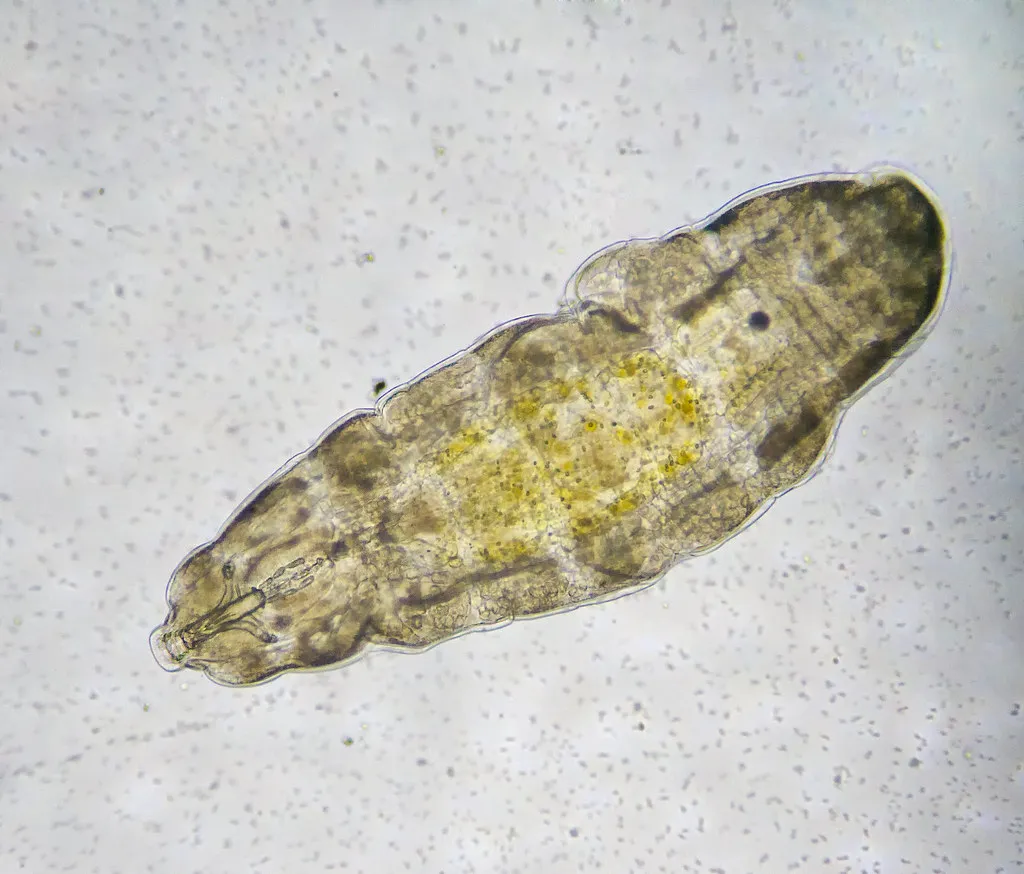
Imagine a plump, eight-legged grain of rice that can shrug off outer space, boiling water, and crushing pressure deep in the ocean. That is the tardigrade, also known as the water bear, a microscopic animal that survives by pulling off one of biology’s wildest tricks: it basically turns itself off. When things get bad, tardigrades curl up, lose nearly all their water, and enter a state called a cryptobiotic “tun,” where metabolism drops to barely detectable levels.
In this dried-out form, they withstand freezing, radiation, vacuum, and extreme dryness that would tear most cells apart. When water returns, they rehydrate, unfold, and restart life as if someone pressed play on a paused video. I remember the first time I watched a tardigrade revive under a basic school microscope – it looked like a tiny deflated pillow suddenly waking up and walking off, and it honestly felt wrong that something could come back from being that close to dust.
Wood Frogs: The Little Amphibians That Freeze Solid and Thaw Back to Life
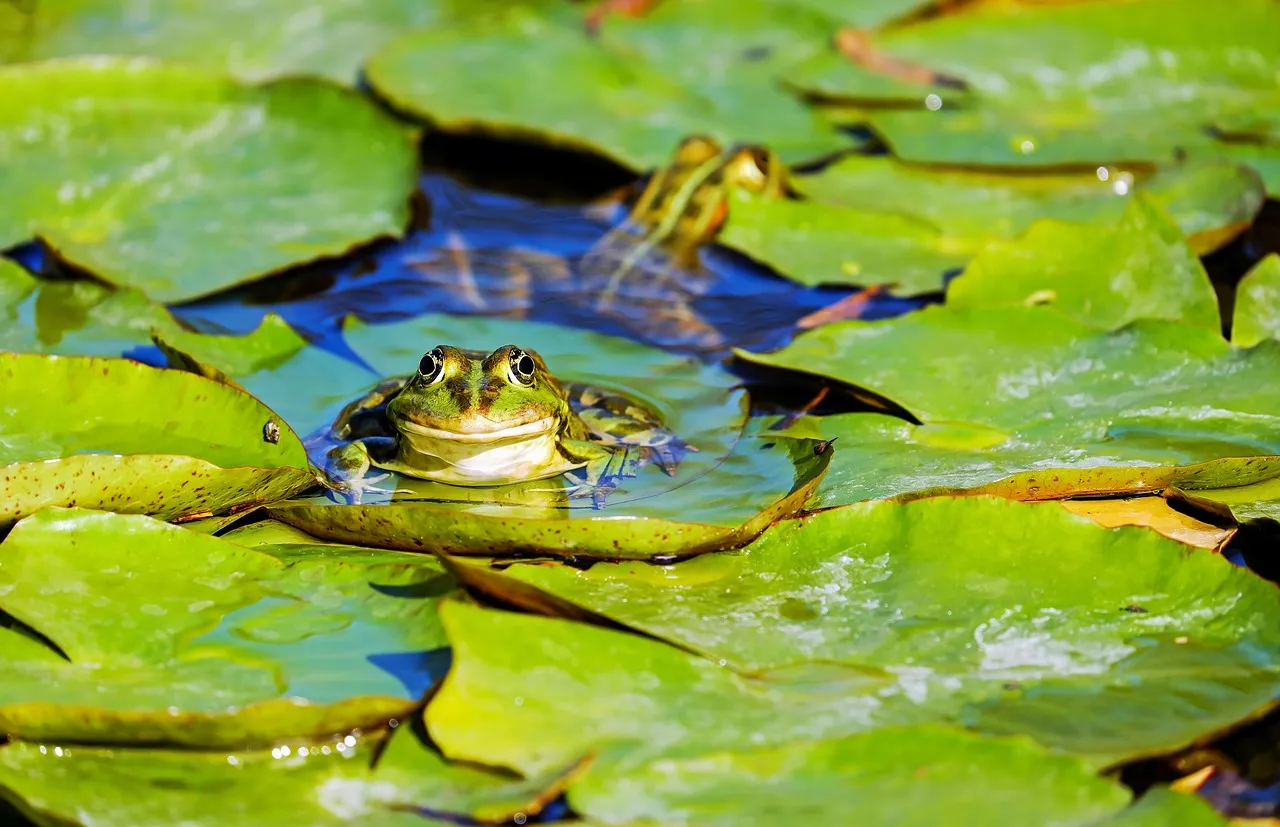
Wood frogs spend winter doing what sounds like instant death for almost any other vertebrate: they freeze. Their hearts stop beating, their blood stops flowing, ice crystals form around organs, and yet, when spring arrives and temperatures rise, they thaw out and hop away. The magic is in their blood chemistry; they flood their bodies with natural cryoprotectants like glucose and urea, which limit damage from ice and protect their cells.
From the outside, a frozen wood frog looks like a stiff, lifeless leaf on the forest floor. But once warmth returns, circulation restarts, the heart begins to beat again, and their organs resume normal function. It is hard not to think about the implications for human medicine – organ preservation, trauma care, maybe even long-distance space travel – yet nature has been running this “freeze–revive” trick in northern forests for far longer than we have been dreaming up sci‑fi stories.
Lungfish: Ancient Survivors That Sleep in the Mud for Years

Lungfish look like something halfway between a fish and a forgotten myth, and their survival strategy is just as dramatic. When their ponds dry up, some lungfish species burrow into the mud, secrete a protective mucus cocoon around themselves, and slow their metabolism to a fraction of normal. In this estivating state, they can stay encased underground for years, waiting for the return of rain.
To an untrained eye, a dried mud clod with a lungfish inside looks absolutely dead. But once water returns and oxygen levels increase, the fish breaks out of its cocoon, wakes up, and resumes swimming, feeding, and breathing air at the surface. It is essentially pressing pause on life until the environment is hospitable again, an evolutionary hack that feels oddly relatable – except our version is Netflix and theirs is multi‑year suspended animation.
Brine Shrimp and Fairy Shrimp: “Sea Monkeys” With Time‑Travel Eggs
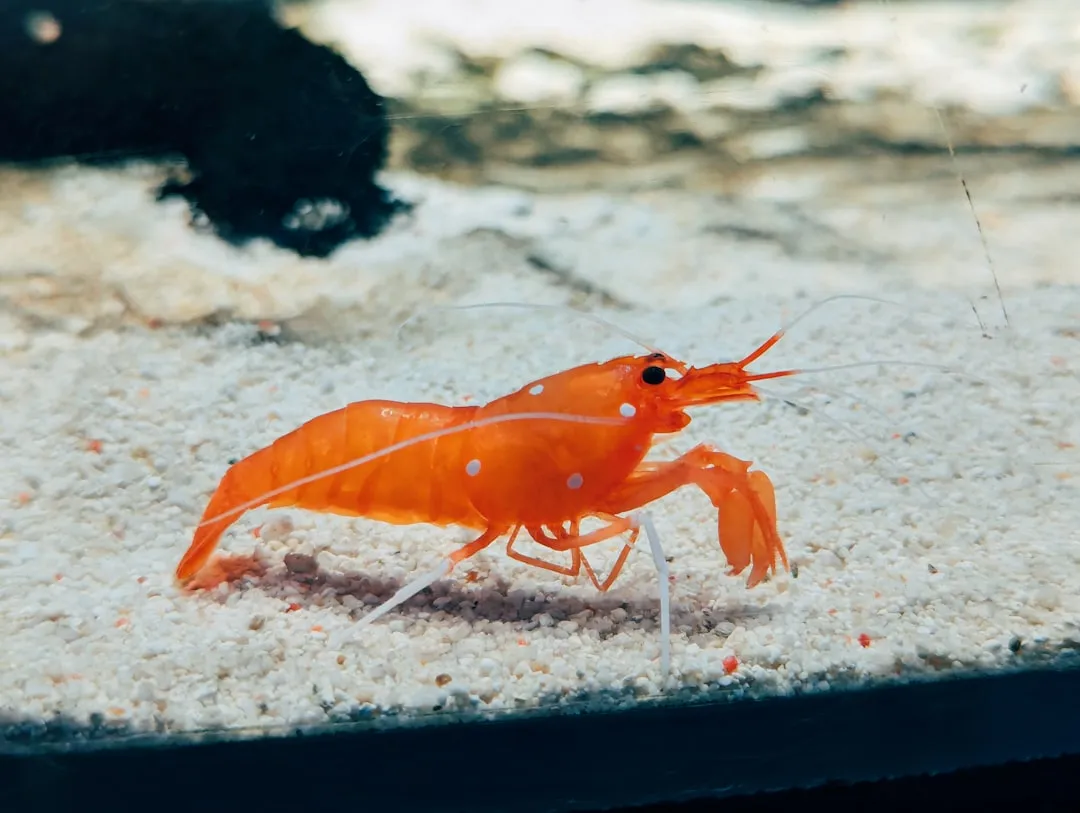
Many people accidentally met resurrection biology as kids, when they poured water into a packet of “sea monkey” eggs and watched life magically appear. Those “monkeys” are brine shrimp, and their eggs are one of nature’s great backup plans. Under harsh conditions – too salty, too cold, too dry – the embryos inside the eggs halt their development, enter a cryptobiotic state, and sit there in a kind of biological standby mode.
These eggs, called cysts, can survive extreme dryness and temperature swings for years, sometimes decades. Once conditions improve and water and oxygen are available again, the embryos “wake up,” resume development, and hatch as if nothing happened. Fairy shrimp in temporary pools do something similar: their eggs lie in dried-out pond beds that to us look barren, but are in reality scattered with tiny, sleeping futures just waiting for a good rainstorm.
Planarian Flatworms: Masters of Regrowth That Blur the Line Between Death and Damage
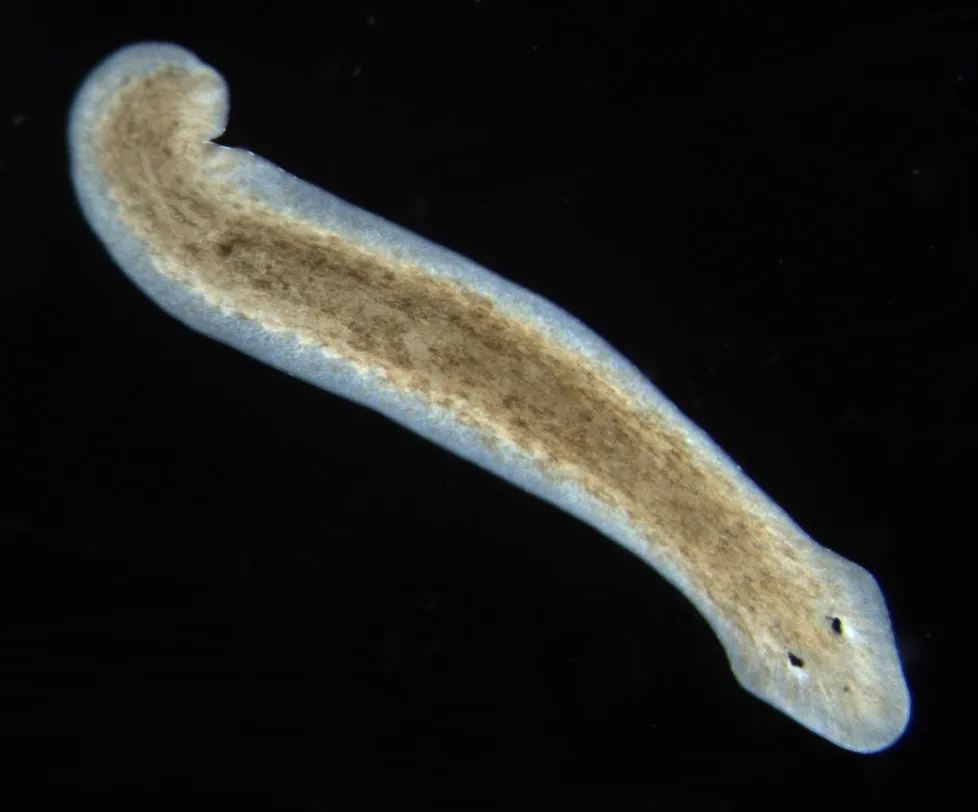
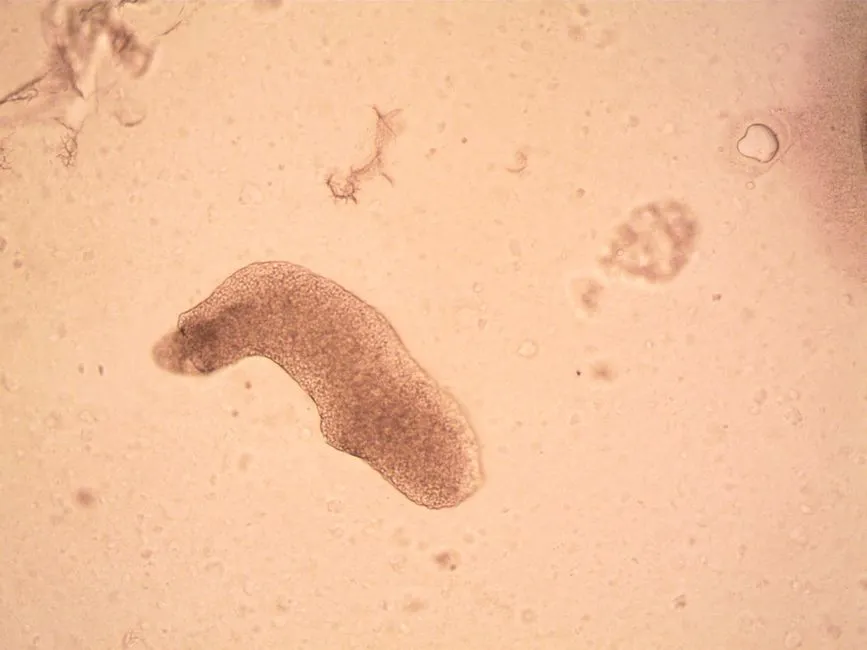
Planarian flatworms are small, simple-looking worms, but their regenerative powers are almost unsettling. Cut one into pieces, and many of those fragments can regrow a complete, fully functional worm – including a new brain and nervous system. They are packed with stem-cell-like neoblasts, capable of rebuilding virtually any tissue the animal needs, again and again.
This does not mean they are truly immortal, but it does mean that injuries that would be instantly fatal to most animals are just a kind of extreme inconvenience to a planarian. From a human perspective, watching one regrow a head after you have just sliced it off with a lab scalpel is eerie and oddly hopeful at the same time. If a flatworm can reconstruct a working brain from scratch, it raises hard questions about identity – and exciting possibilities for regenerative medicine.
Hydra: The Tiny Freshwater Animals That Refuse to Age Normally
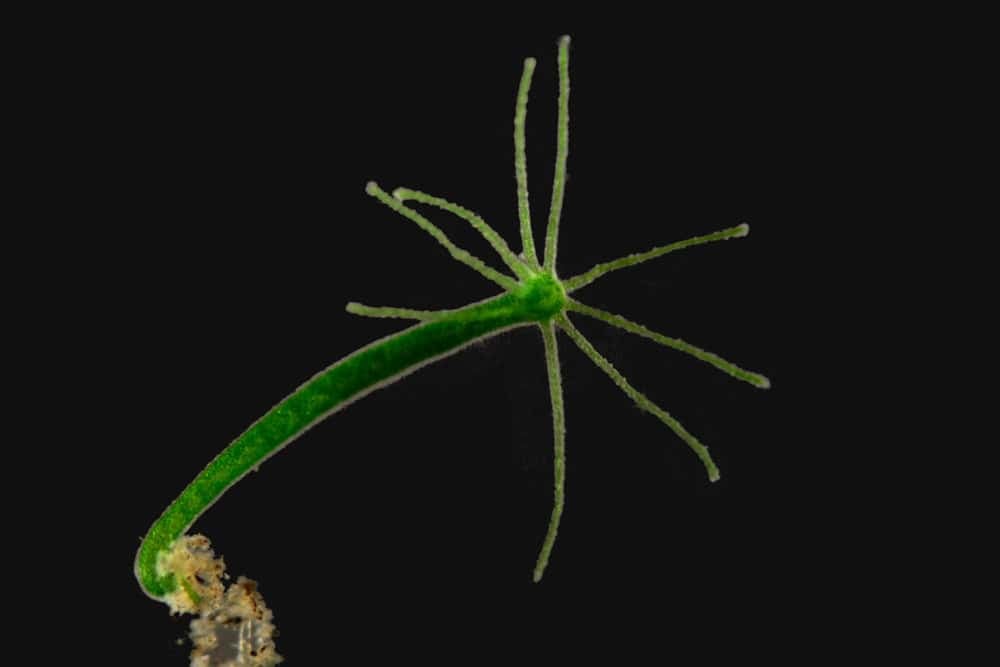
Hydra are delicate, tentacled creatures that drift in freshwater, looking a bit like miniature underwater flowers. What makes them astonishing is that, under good conditions, they show an extraordinary resistance to aging. Their bodies constantly renew through stem cells, replacing old cells so efficiently that, in lab studies, they can go years with no clear signs of the usual age-related decline.
When a hydra is badly damaged, it can rebuild large parts of its body, including its head region, in a way that feels less like simple healing and more like reassembly from scratch. To an observer, a shredded hydra that later reforms into a normal, feeding animal feels like a resurrection in slow motion. It is a reminder that what we think of as “wearing out” with time is not a universal biological rule, but just one strategy among many that evolution has tried.
Red‑Eared Slider Turtles: Breathless Survivors of Long, Frozen Winters
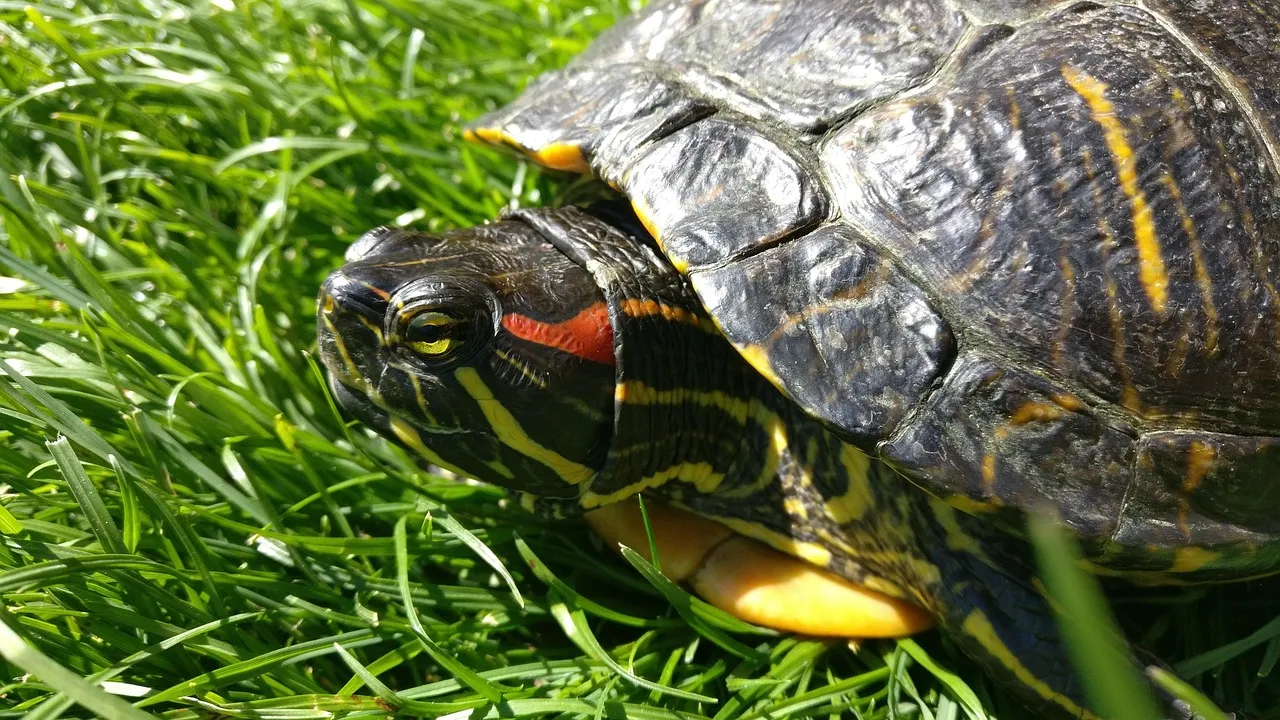
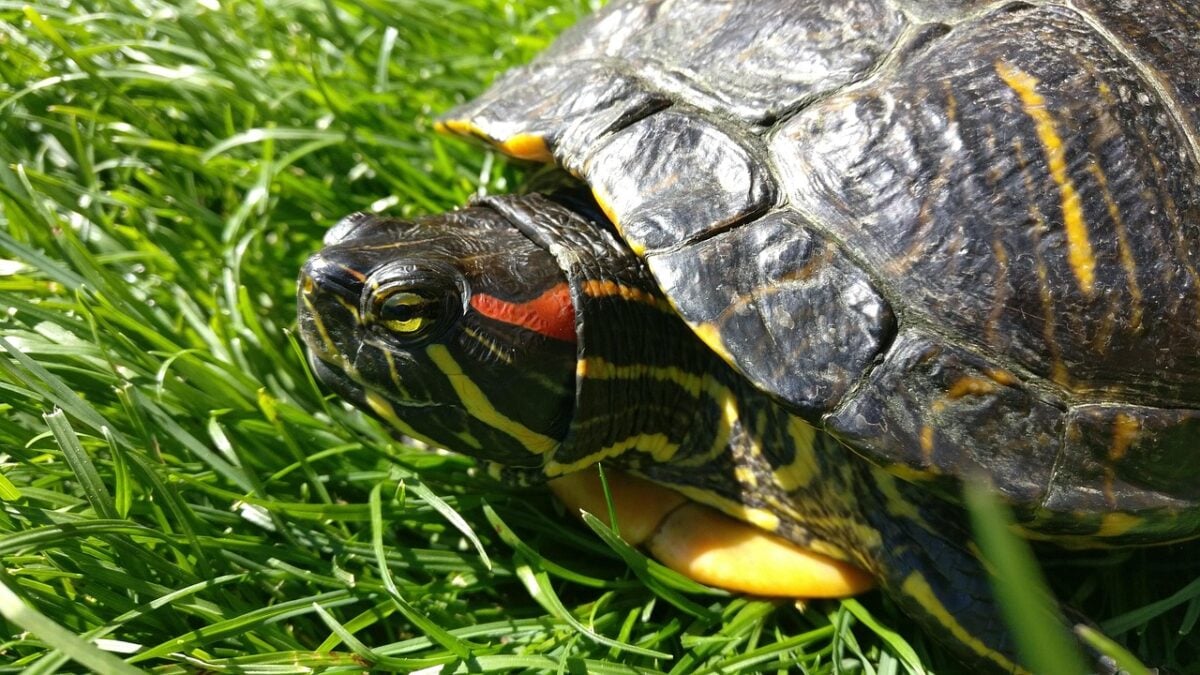
Red‑eared slider turtles, common in ponds and lakes, have a hidden superpower that only shows up in winter. When they hibernate underwater in cold climates, oxygen levels can drop so low that breathing through their lungs or skin is not enough. Instead of dying, they slow their metabolism to a crawl and rely on special physiological tricks to tolerate very low oxygen and high levels of lactic acid that would be dangerous for most vertebrates.
To casual observers, a motionless turtle at the bottom of a cold pond or buried in mud might look lifeless, but internally, it is running on the tiniest flicker of energy, just enough to keep vital processes from shutting down entirely. When spring warms the water and oxygen returns, they rouse, swim to the surface, and bask in the sun as though nothing dramatic has happened. It is not as visually spectacular as freezing solid, but it is every bit as impressive – a slow, quiet flirtation with conditions that skim the edge of survivability.
Resurrection Plants: The “Zombie” Botanicals That Come Back From Crispy
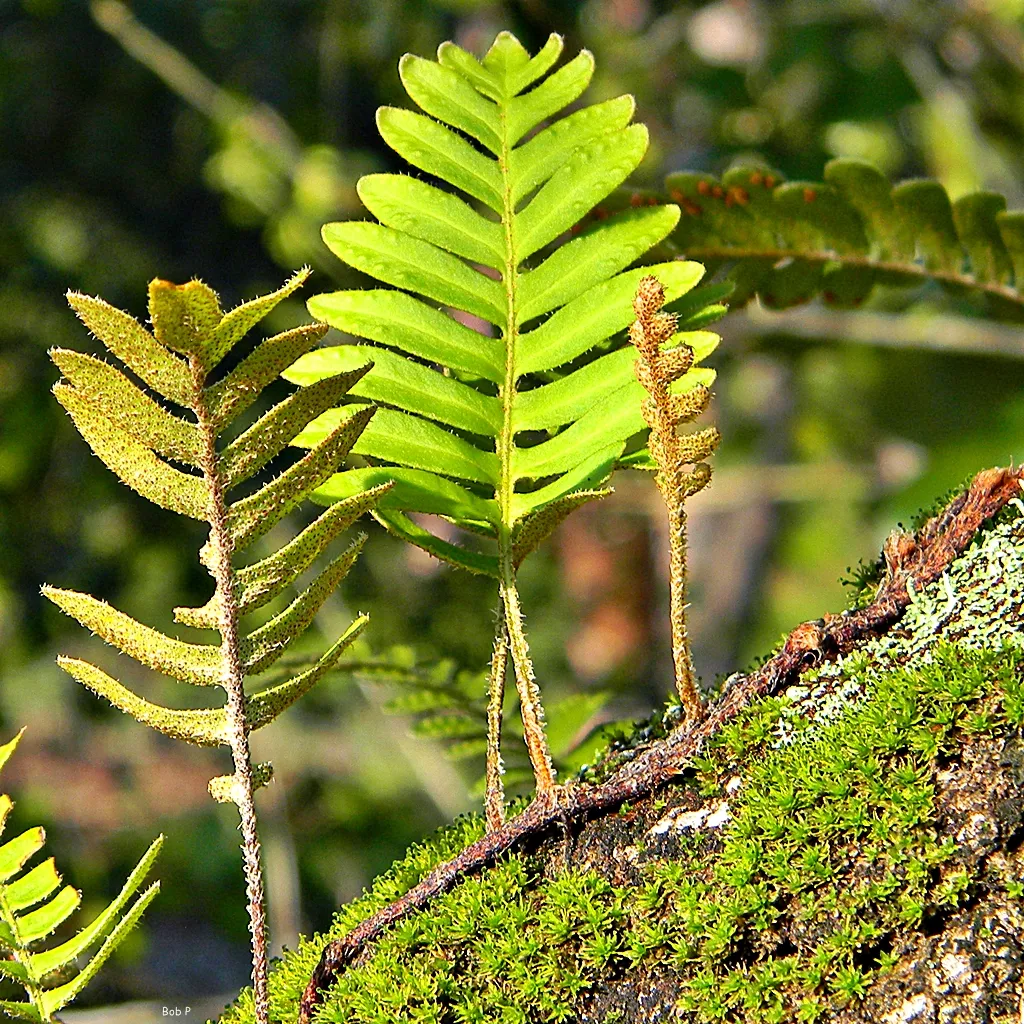
Not all near‑death comebacks belong to animals. Resurrection plants, such as certain species in arid regions, can dry out so completely that they curl up into brown, brittle balls that look like they belong in a compost pile. In this desiccated state, their metabolism is drastically reduced, cell structures are stabilized by special sugars and proteins, and they can sit like this for months or years without truly dying.
When water finally returns – maybe a rare desert rain or a generous human with a watering can – the plant unfurls, turns green again, and resumes photosynthesis. Watching one revive in a bowl of water is like watching time-lapse footage in real life; it is strangely emotional, seeing something that seemed dead literally rehydrate into color and motion. To me, they are a quiet, botanical reminder that life sometimes survives not by fighting the environment, but by stepping aside and waiting it out.
Sea Cucumbers: Soft-Bodied Escape Artists With Regenerating Organs
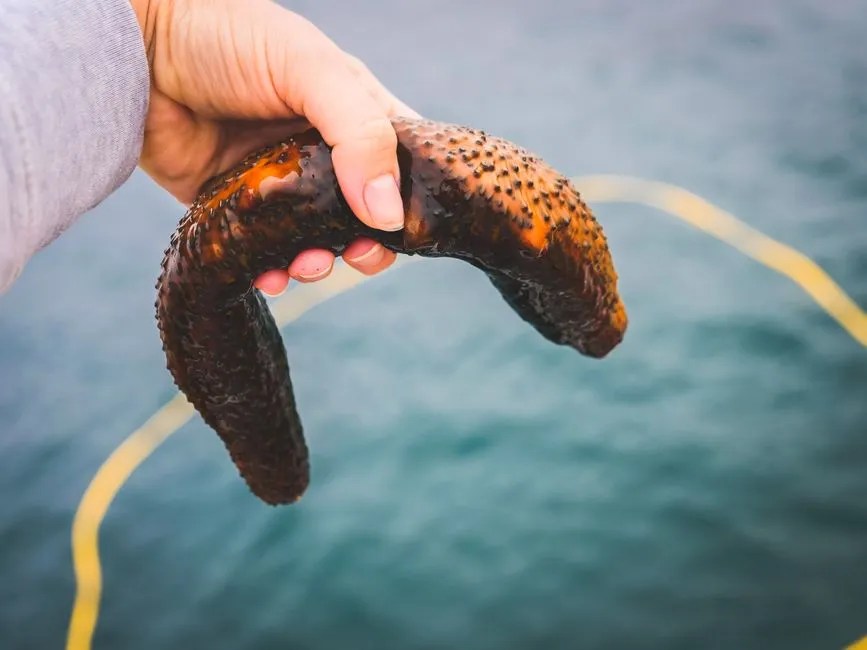
Sea cucumbers are slow, squishy animals that creep along the seafloor, which makes their survival strategy all the more shocking. When threatened, some species literally eject parts of their own internal organs out of their body to distract or deter predators. That sounds suicidal, but for them, it is basically an extreme reset button; they can regenerate the lost organs over time and carry on living.
From a human point of view, the idea of puking out your guts as a defense move and then calmly growing them back is almost comedic in its brutality. Yet it perfectly captures the theme running through all these creatures: what counts as “fatal” is incredibly flexible in nature. Sea cucumbers treat organ loss as a problem to be fixed, not a full‑stop sentence, and that attitude, if we can call it that, feels oddly inspiring in its own grotesque way.
Conclusion: What These Creatures Really Tell Us About Life and Death
Looking at these eight comeback champions side by side, one thing becomes obvious: our human idea of death as a sharp, clean line is mostly about us, not biology. For tardigrades, frogs, lungfish, worms, hydra, turtles, plants, and sea cucumbers, there is an entire gray zone where life can be slowed, paused, shredded, dried, or half‑frozen – and still find its way back. I think that should make us both humble and a little uneasy, because it means our instincts about what is “hopeless” are often shaped by our limitations, not nature’s.
At the same time, I find it incredibly hopeful. If evolution can invent animals that survive space vacuum, winters spent as ice, multi‑year mud naps, and total organ evictions, then our own medical and technological limits are probably nowhere near the ceiling. These creatures are not just curiosities; they are a loud, living argument that life’s rules are more flexible than we like to admit. The real question is not whether nature can resurrect from near death – we know it can – but how far we dare to follow its lead.

- 8 Astonishing Creatures That Can Resurrect From Near Death - August 15, 2026
- Where to Go Birdwatching in Florida - August 15, 2026
- 10 States With the Highest Senior Dog Adoption Rates - August 15, 2026