
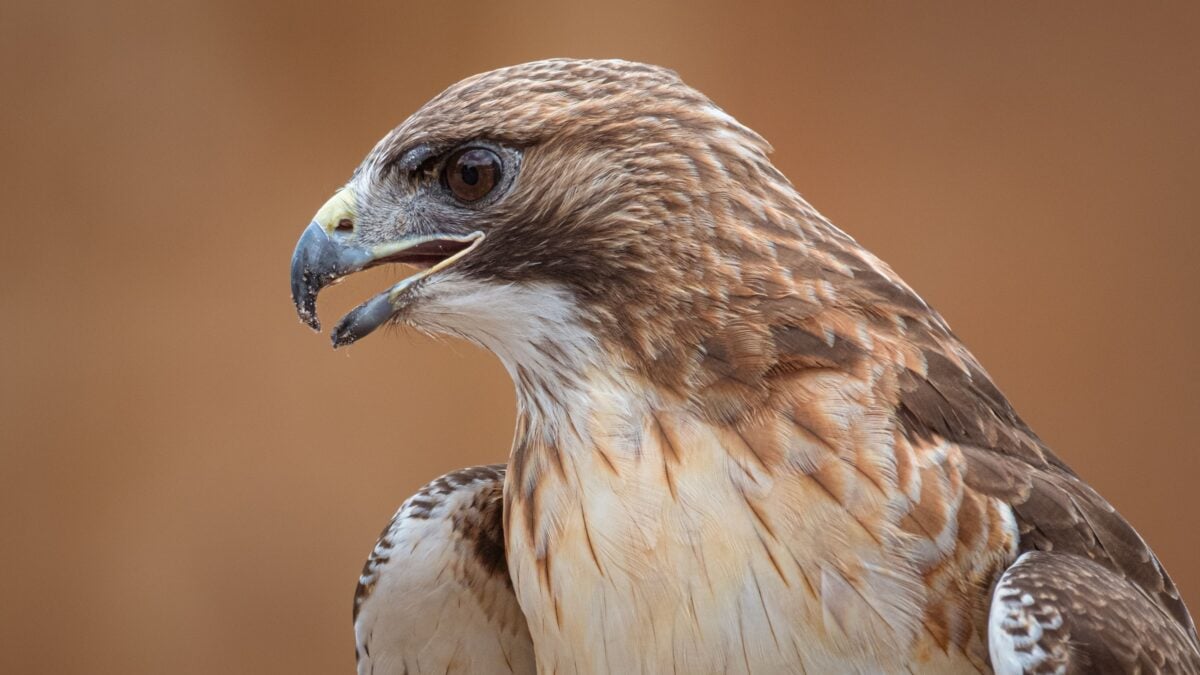
Watch a red-tailed hawk circling high over a field and it can feel almost mystical, like the bird is just following instinct and luck. But the more biologists pay attention, the clearer it becomes: these hawks are not just winged hunters, they are students of the landscape. Before the dramatic dive and the sudden strike, there is a quiet phase of watching, mapping, and learning that can make the difference between a full crop and an empty one.
In recent years, animal behavior research has been pointing to something fascinating: red-tailed hawks tend to hunt more efficiently in areas they know well. They are using memory, spatial awareness, and even something close to strategy. Once you see it, you can’t unsee it. That lazy circle above the pasture is not laziness at all; it is more like a pilot reviewing a familiar flight pattern or a chess player scanning an old opening. Let’s dig into what scientists think is really going on up there.
The Red-Tailed Hawk: More Than a Soaring Stereotype
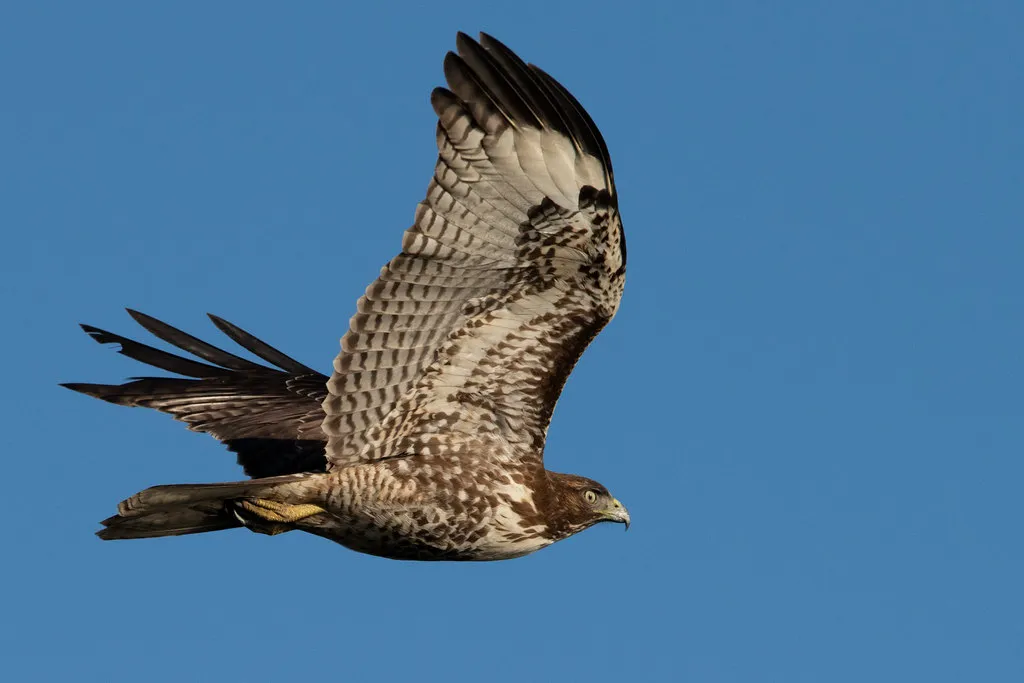
Red-tailed hawks have become almost a visual shorthand for “wild America”: that raspy cry in movies, the silhouette over highways, the bird perched on a lone fencepost. Because they are so common, it is easy to underestimate them, to treat them as background scenery rather than highly capable predators making fine-grained decisions about where and how to hunt. Yet their success across farms, deserts, suburbs, and city edges hints at serious mental flexibility.
These hawks are generalists, which means they do not rely on just one type of prey or one rigid hunting method. They will go after rodents, rabbits, snakes, and even birds, adapting their tactics to whatever the terrain and conditions offer. That flexibility only works if they are paying close attention to the landscape. You cannot be a generalist predator in a changing world by winging it every single time; you need to learn the patterns of a place, then lean on that knowledge when it matters.
How Hawks “Read” a Landscape Before They Strike
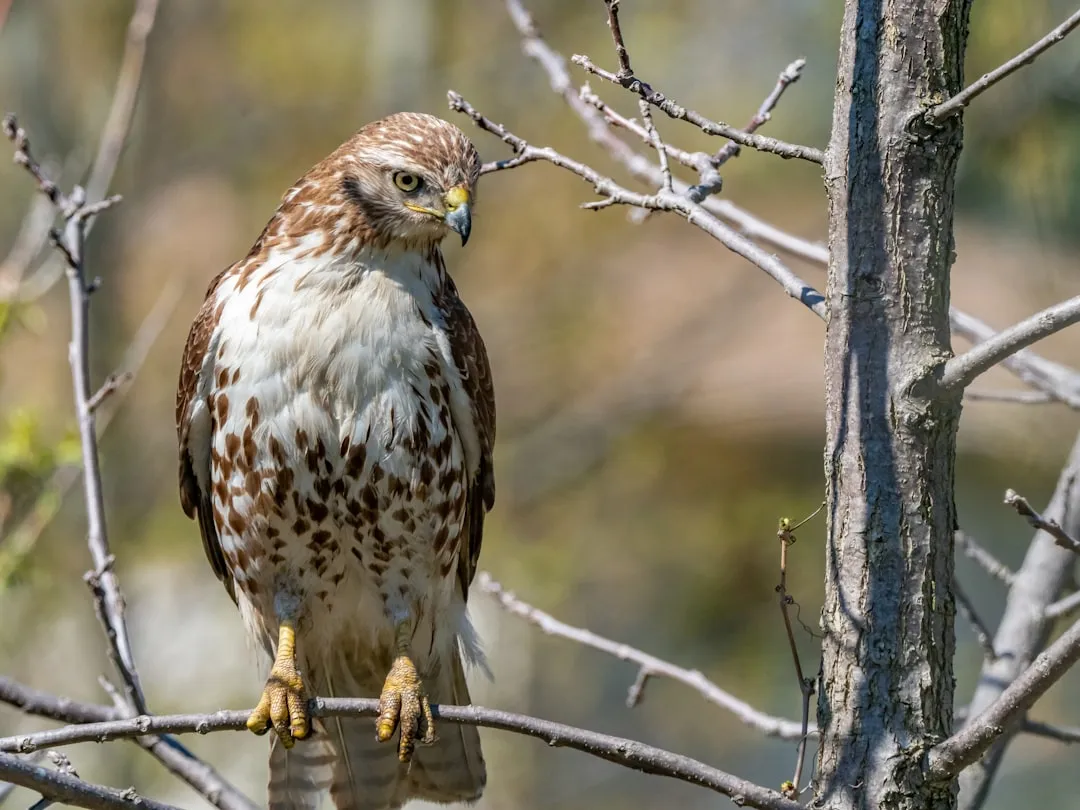
One of the most striking things researchers and careful observers notice is how much time red-tailed hawks spend just looking. Perched on a power pole or circling in a thermal, they are doing what looks like nothing. In reality, they are building a mental map: where the ground is uneven, where cover is thick, where rodents have been seen before, where the wind hits strangely. It is landscape study disguised as daydreaming.
Imagine driving a route you know versus one you have never taken. On your usual route, you know every sharp bend, sneaky speed trap, and pothole. A hawk gains that same kind of familiarity over its hunting territory. With repeated flights over a field, it starts to anticipate where a mouse is likely to sprint for cover or where a rabbit trail disappears into brush. That knowledge tightens the timing of a dive and sharpens the angle of attack, shaving milliseconds off reactions that can separate a successful hunt from a miss.
Memory, Maps, and the Hawk Brain
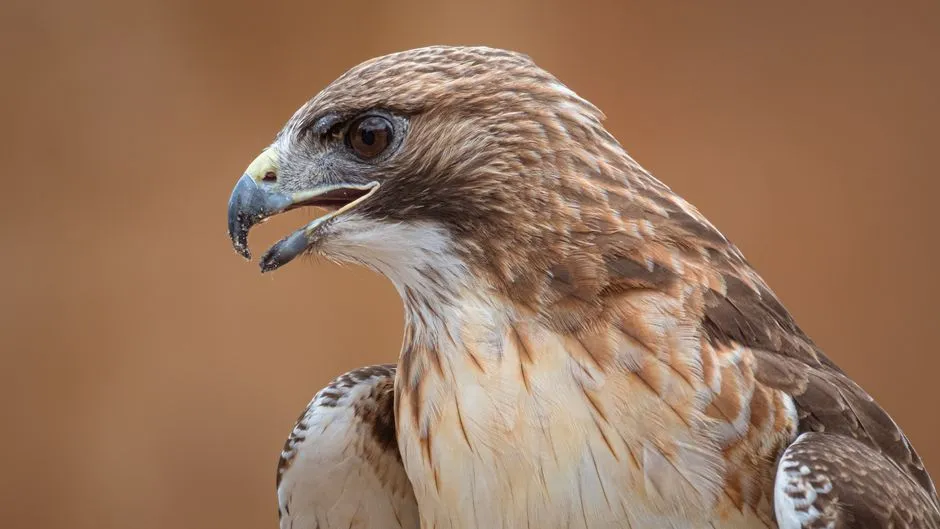
There is growing evidence across many bird species that spatial memory is not just a nice extra; it is central to survival. While we do not have a complete atlas of the red-tailed hawk brain, we do know that birds in general can have impressive memory for locations. Think of food-storing birds that remember thousands of hiding spots months later. Predatory birds tap into similar neural systems to track productive hunting areas and landmarks that matter.
For a red-tailed hawk, a familiar patch of land is like a well-worn mental map. The bird is not just reacting to what it sees in the moment; it is also leaning on what it has seen there before: where ground squirrels popped up last spring, where roadkill attracts scavengers, where irrigation creates wet patches that draw small animals. That accumulated experience lets the hawk spend less energy scanning everywhere and more energy targeting key micro-spots it already knows have paid off.
Why Familiar Territory Boosts Hunting Success
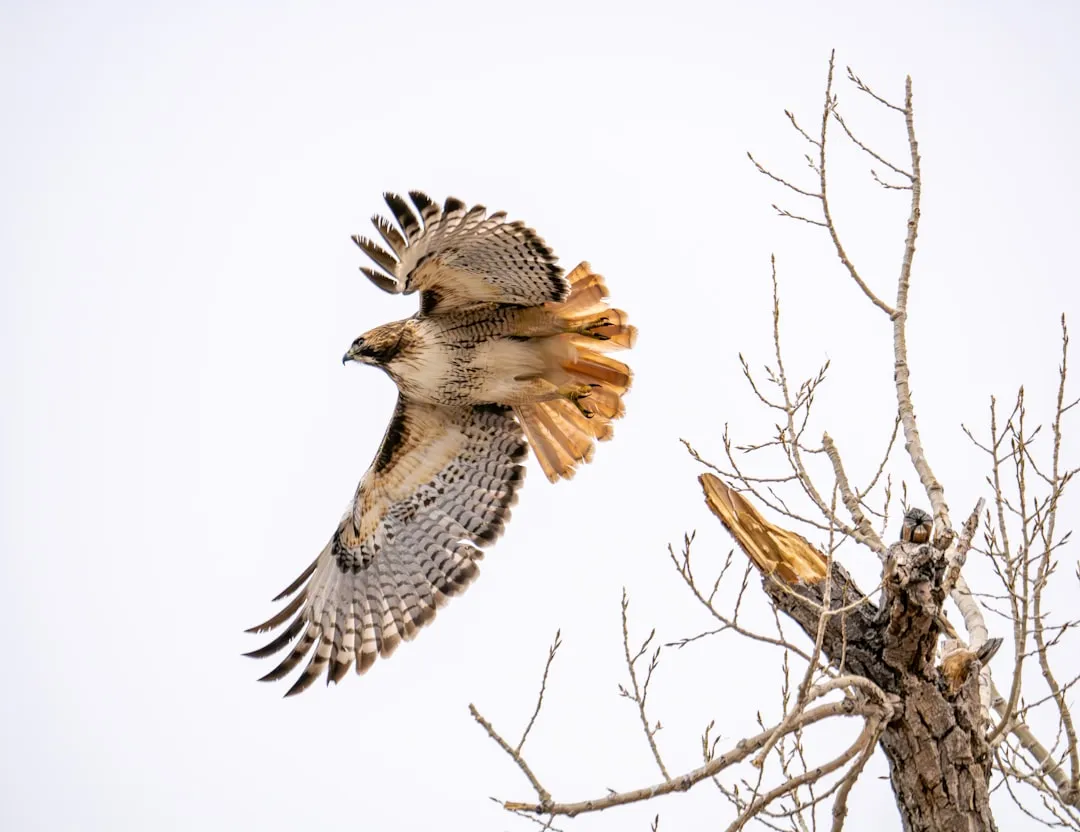
When scientists study predators more broadly, a pattern keeps showing up: animals tend to be more efficient hunters on home turf. Familiarity means fewer surprises and more refined strategies. For red-tailed hawks, a known landscape can allow tighter flight paths, better choice of perches, and smarter timing based on past encounters with prey. It is the difference between tossing a net randomly into the sea and casting it where you know fish usually congregate.
Energetically, this matters. Hunting is expensive. Climbing into the sky on broad wings, fighting wind, and diving at high speed all burn calories. Every failed attack is wasted fuel. By studying and reusing landscapes where they have already learned the “hotspots,” red-tailed hawks likely cut down on wasteful attempts and increase their ratio of successful strikes. It is not just that they hunt more; they hunt smarter in places they understand.
Perches, Thermals, and Hidden Hunting Highways
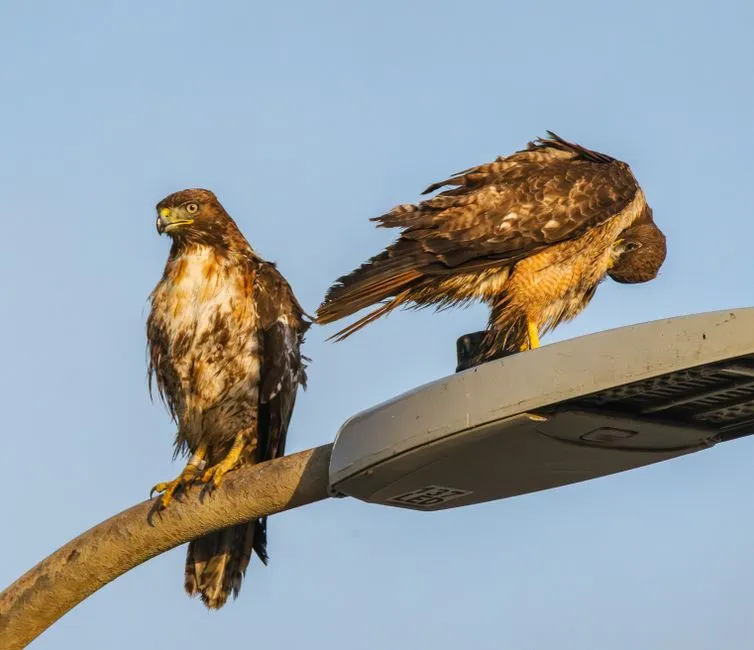
People tend to focus on prey, but red-tailed hawks also study the landscape for invisible advantages. Where are the best perches with a full view yet enough cover to stay unnoticed? Where do thermals, those rising columns of warm air, reliably form in the late morning so they can soar with minimal effort? Over time, hawks learn these invisible “hunting highways” that let them cruise, observe, and strike without burning themselves out.
Think of it like a city commuter learning which side streets avoid traffic jams or which train car empties near the right exit. That knowledge does not change the destination, but it makes the whole process smoother and faster. In the same way, hawks that understand where the air lifts them more easily or which treeline gives a perfect ambush angle are stacking the deck in their favor. The landscape is not a static backdrop; it is a dynamic tool they keep reusing.
Living With Humans: How Hawks Learn Our Landscapes Too
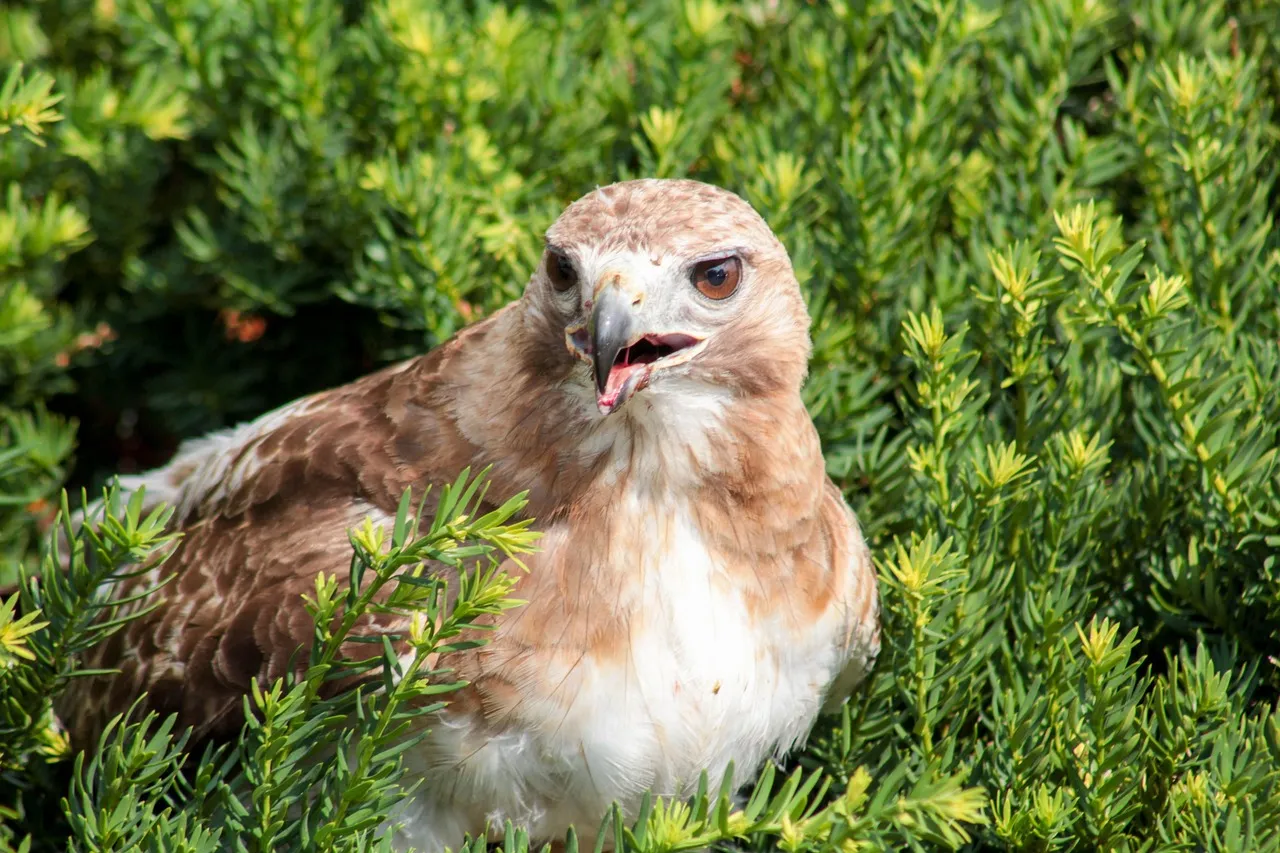
Red-tailed hawks are surprisingly comfortable around people, at least compared to many other raptors. They hunt along highways, on the edges of industrial parks, and above suburban neighborhoods dotted with lawns and parking lots. None of that is “natural” habitat in the old sense, but for a learning predator, it is just another landscape to decode. Over time, they notice patterns: how mowing exposes rodents, how traffic kicks up scavenging opportunities, how certain power lines become perfect vantage points.
From my own experience watching a pair near my apartment, I started to see their routines syncing up with ours. Garbage days brought more gulls and crows, and not long after, the hawks started showing up during those windows too. It really drove home for me that they were not just floating around randomly. They were watching us, reading the rhythm of the neighborhood, and folding our messy human habits into their hunting plans.
What This Teaches Us About Animal Intelligence and Respect
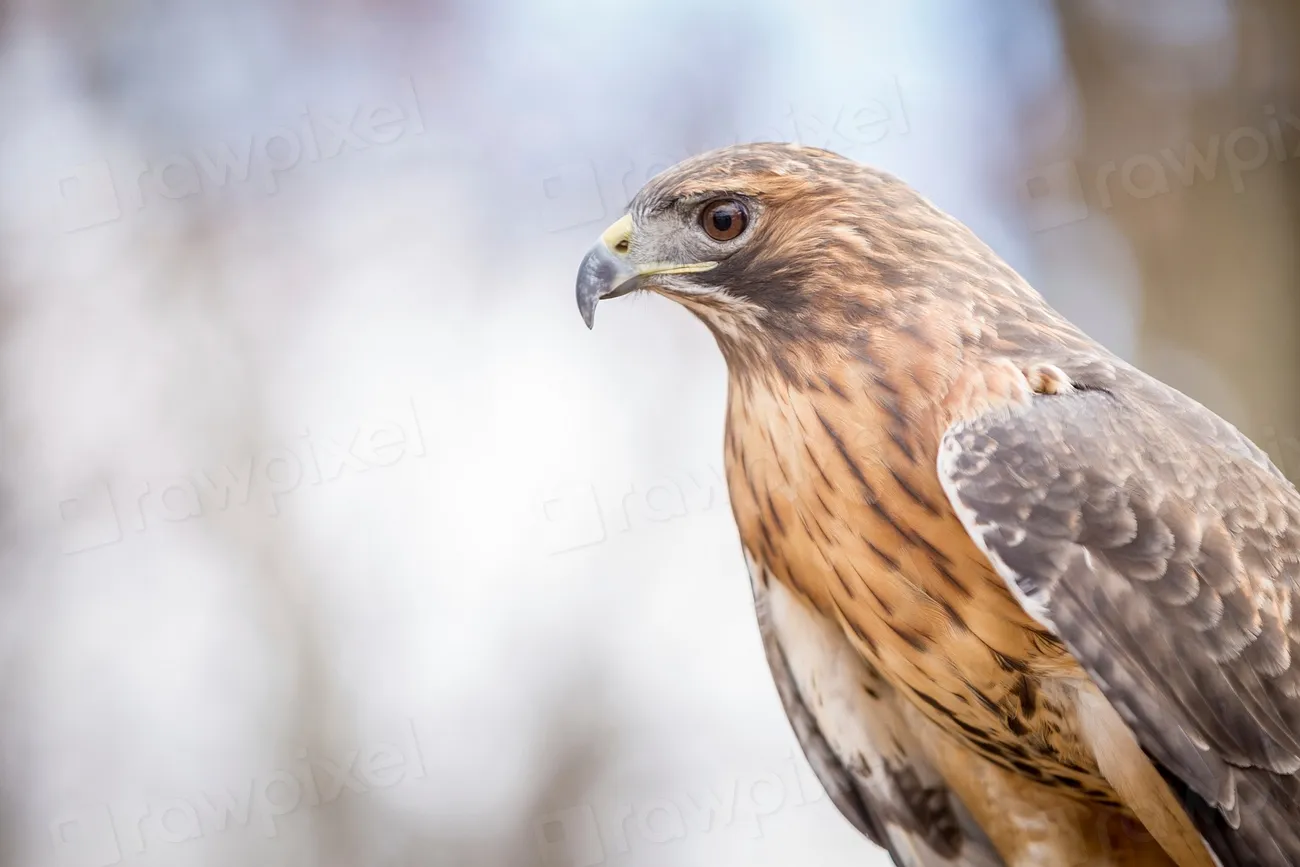
When we say red-tailed hawks hunt better after studying a landscape, we are really saying they are active learners, not just bundles of hardwired instinct. That challenges a stubborn idea that wild animals are predictable automatons, locked into simple biological scripts. Instead, these birds show that memory, observation, and even something close to problem-solving are woven into daily survival, especially in a world humans are constantly rearranging.
To me, that realization demands a bit more humility. If a hawk can invest time in learning a field, the least we can do is acknowledge the value of that effort before bulldozing, draining, or fragmenting it. Every time we drastically alter a landscape, we are not just moving dirt; we are erasing mental maps some animals have spent seasons building. Respecting that hidden knowledge is not sentimental; it is a practical step toward living alongside creatures that are clearly thinking harder than many of us ever noticed.
Conclusion: Studying the Land, Sharing the Sky
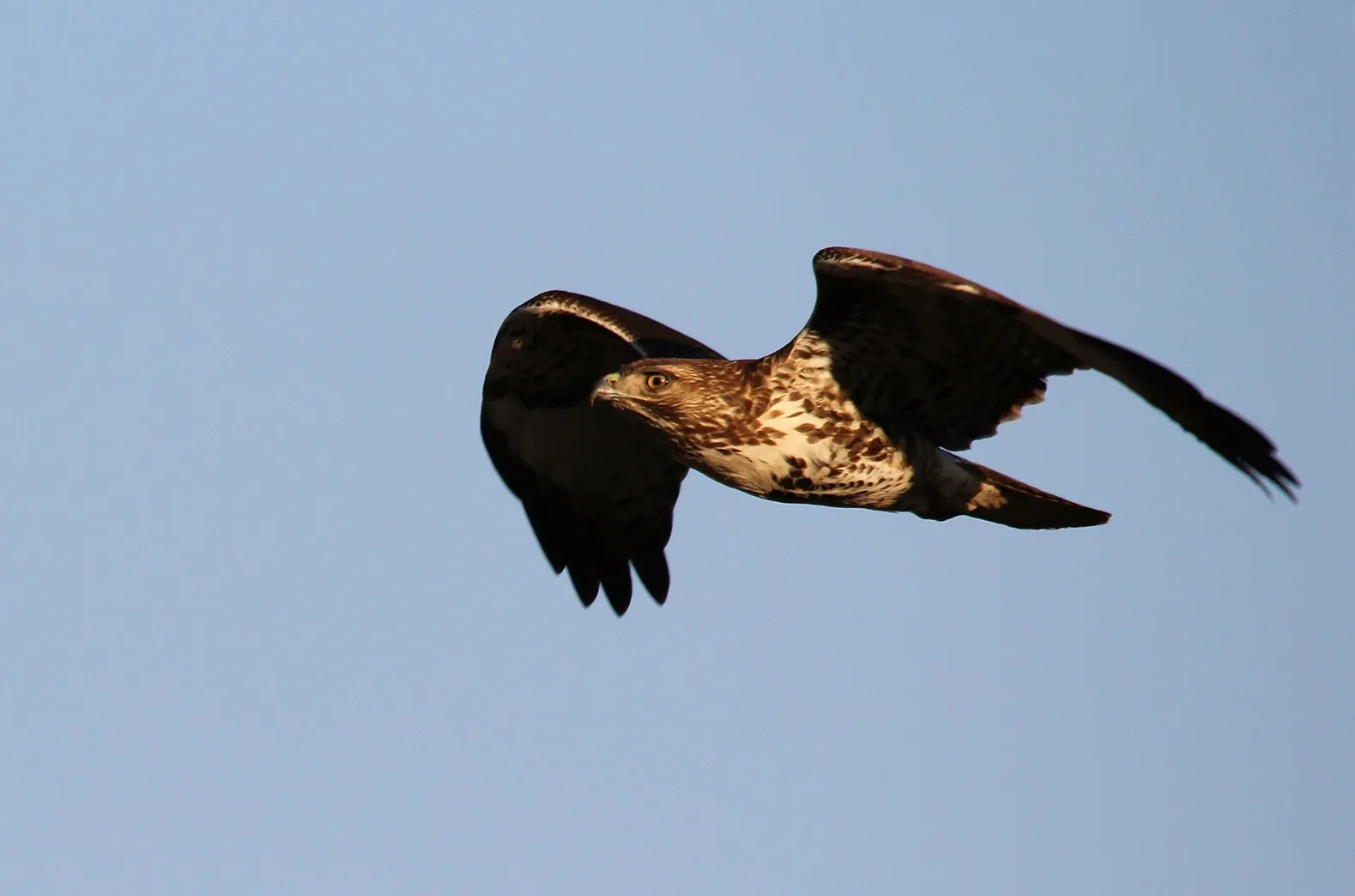
Red-tailed hawks do not become better hunters by luck alone. They get better by paying attention: circling, watching, remembering, and then using that stored knowledge when the moment to strike finally arrives. The idea that these birds hunt more effectively after studying their landscape is not some romantic fantasy; it is a logically consistent picture that fits what we know about predator behavior and bird cognition in general. The more we look, the more the evidence lines up with the simple truth that experience in a place sharpens performance in that place.
My own view is that we are only seeing the surface of what these hawks are capable of, and we have underestimated them for a long time. If a bird can turn a cornfield, a canyon rim, or a strip of highway median into a deeply familiar classroom, maybe we should start treating those spaces with a bit more seriousness too. Their success depends on landscapes that can be learned and relearned, not constantly wiped clean. Next time you see a red-tailed hawk circling overhead, it is worth asking yourself: is that just a bird killing time, or a quiet mind reviewing the map that keeps it alive?

- Animal Science Says Red-Tailed Hawks Hunt Better After Studying a Landscape - August 22, 2026
- Animal Science Says Cardinals Recognize Territorial Rivals by Song Alone - August 22, 2026
- 9 Cat Breeds That Act More Like Tiny Bodyguards - August 22, 2026