
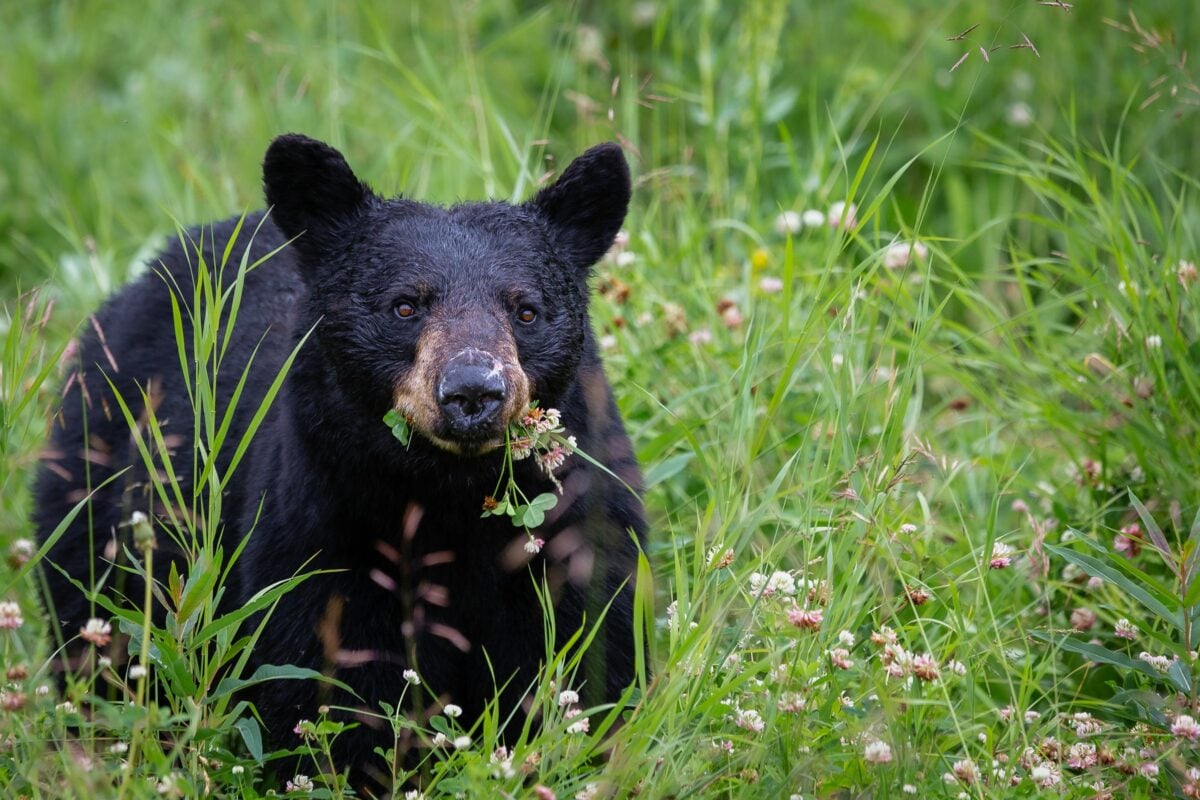
Picture a huge black bear stepping quietly through the woods. What’s the first story that pops into your head? For most people, it’s something like: hungry predator, stalking around looking for anything to eat, maybe even people. But here’s the twist that wildlife biologists keep repeating: black bears are spending more energy dodging us than chasing down their next meal. That single idea flips the whole script on who’s really scary out there.
Once you see it from the bear’s point of view, the landscape looks completely different. Suburbs, campgrounds, hiking trails, cabins, roads, all stitched through what used to be wild forest – to them, we’re everywhere. Instead of roaming freely, they’re sneaking around like guilty teenagers trying not to get caught breaking curfew. And the more biologists track their movements and study their behavior, the clearer the pattern becomes: black bears are living an almost undercover life around people, and we barely notice.
The Surprising Truth: We Scare Black Bears More Than They Scare Us
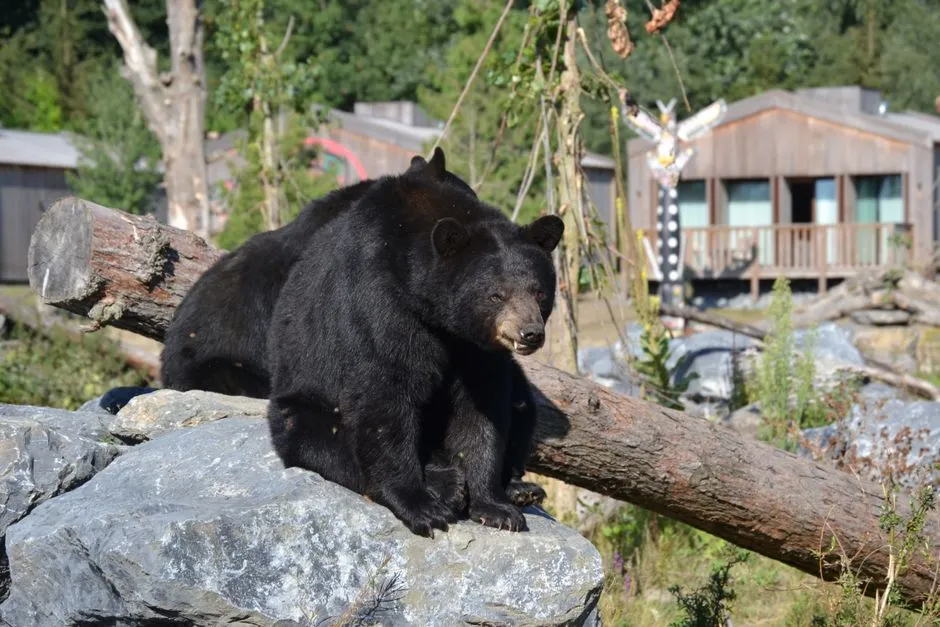
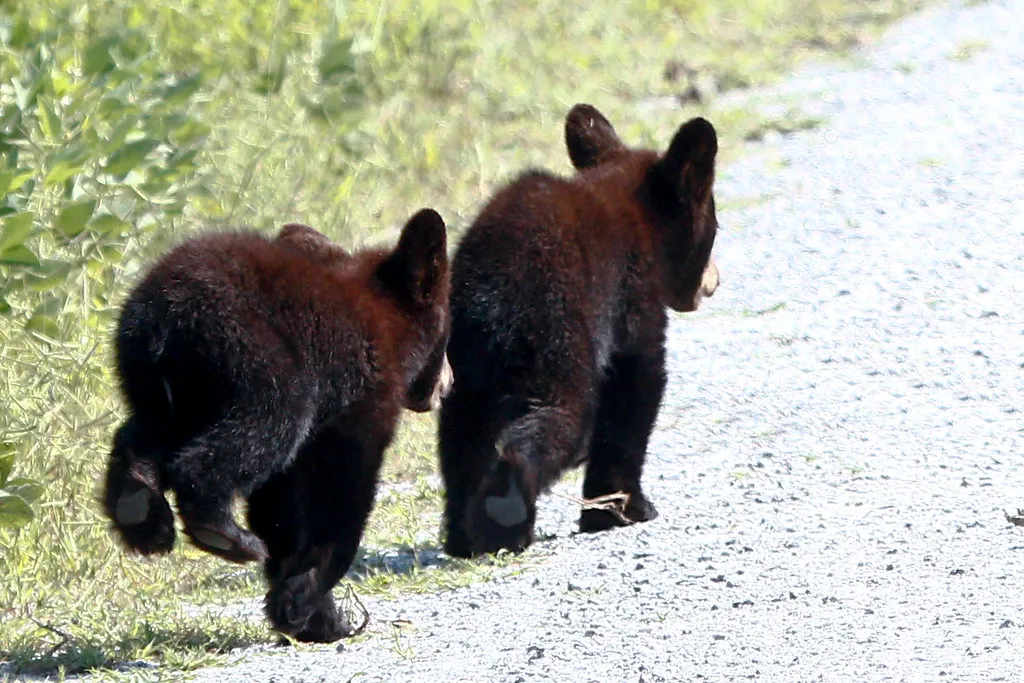
It sounds backwards, but biologists studying black bears keep finding the same thing: bears treat people like a giant, unpredictable danger zone. When wildlife researchers map GPS collar data, you can literally see bears bending their paths around busy hiking trails, cabins, and roads, even when there’s good food nearby. They hesitate to cross open areas, they wait to move until we’re less active, and they slip through thick cover whenever they can. In simple terms, they are constantly saying, “Avoid the humans first, worry about the snacks later.”
That does not mean bears never get into trouble. We absolutely see them raiding bird feeders, knocking over trash cans, or breaking into coolers at campsites. But those incidents can make it look like they’re laser-focused on our stuff, when in reality, those are the rare bold moments we notice. The everyday story is quieter: bears watching, listening, backing off, circling around us. If you could replay a week in a wild bear’s life, you’d probably be startled by how many times it chose to walk away from people you never even saw.
How Biologists Know: Collars, Cameras, and Quiet Data
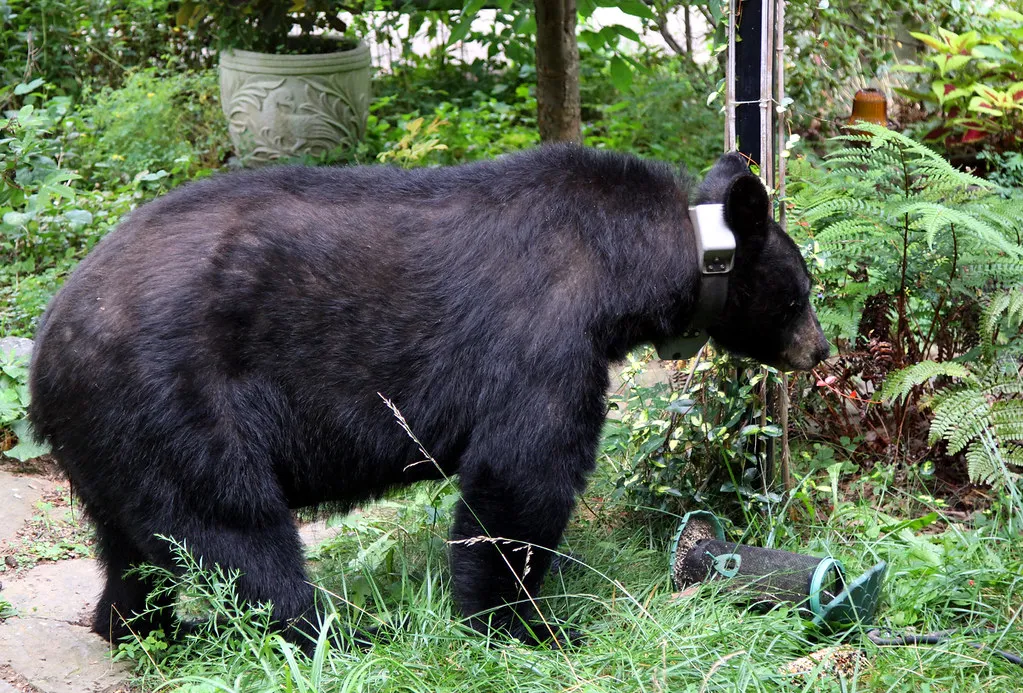
This whole idea that bears avoid us is not just a nice story; it comes from a pile of data wildlife biologists have been building for years. Researchers fit bears with GPS collars that log their locations around the clock, sometimes every few minutes. Then they layer those bear paths over maps of human activity: roads, homes, hiking trails, campsites, and towns. Again and again, the patterns show bears steering clear of the noisiest, busiest parts of the landscape, especially at times when people are most active.
Trail cameras and behavioral studies back it up. Cameras set near roads or popular trails often catch bears passing through only at night or just before dawn, then vanishing once the sun is up and hikers arrive. Noise playbacks in controlled experiments – like human voices or traffic – tend to push bears away from good habitat they would otherwise use. All of this paints a clear picture: black bears can physically live close to us, but they’re constantly shrinking their world around us, like someone tiptoeing through their own house when guests they do not trust are over.
The Myth of the “Relentlessly Hungry” Bear
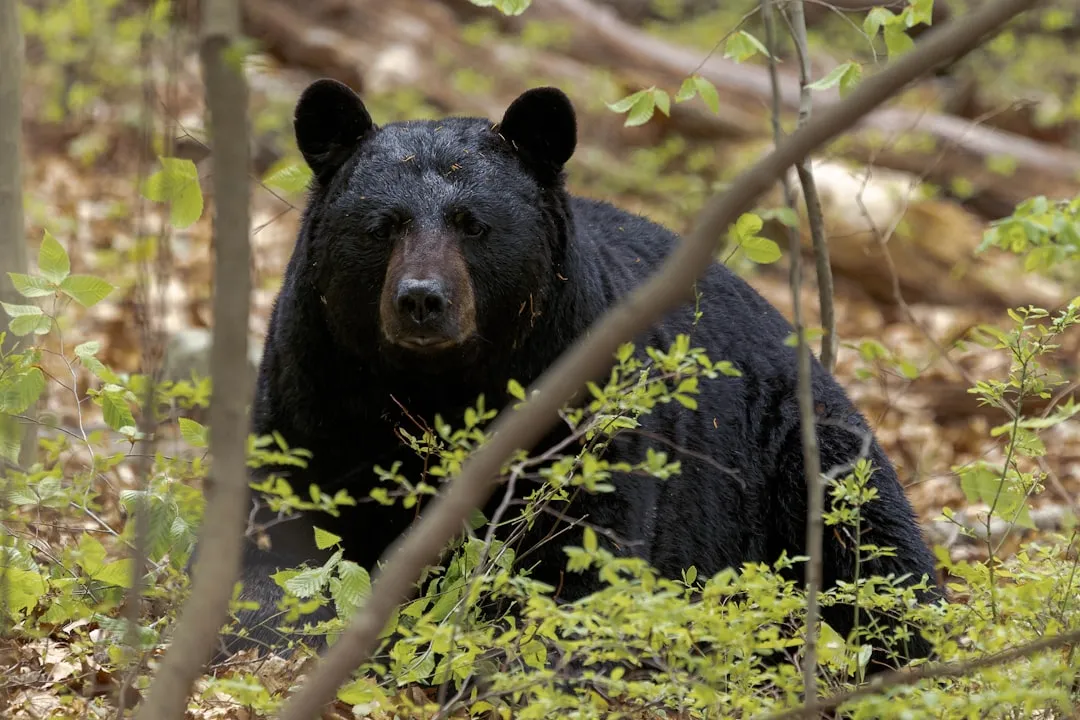
Movies, headlines, and secondhand campfire stories love the idea of the always-hungry bear, lurking for any chance at an easy meal. The problem is, that myth mixes up a few dramatic incidents with the daily reality of hundreds of thousands of shy, cautious animals. Most wild black bears are naturally wary, and their first instinct when they detect people is to disappear, not to charge in for food. If food and humans come as a package deal, many bears will decide it is simply not worth the risk.
When we do see the “relentlessly hungry” behavior, it is almost always the result of human habits that taught a particular bear to connect people with food: trash cans left open, bird seed out all year, cabins with food inside, camp leftovers scattered around. Those bears are not proof that the species is naturally bold and aggressive; they are more like cautionary tales about what happens when we train wildlife the wrong way. Without those easy pickings, the average black bear is closer to a skittish deer than a horror movie monster.
Life on the Edges: How Bears Navigate a Human-Dominated World
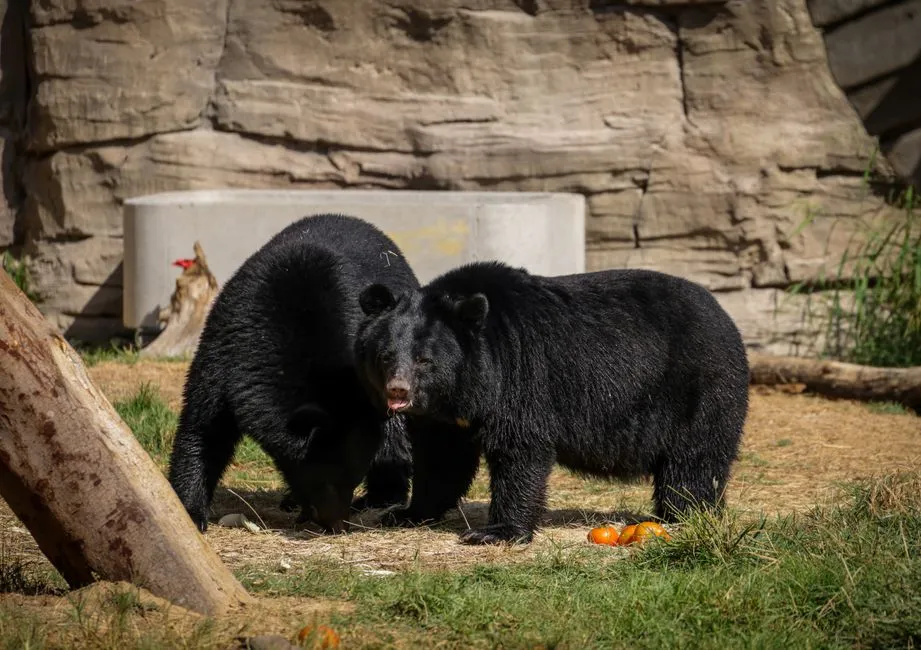
Black bears are masters of the edges, those in-between places where forest meets backyard, mountain meets subdivision, and campground meets deep woods. Biologists often describe them as adapting remarkably well to human landscapes, but that adaptation looks less like casual coexistence and more like careful avoidance. They slip through patches of cover, follow stream corridors, move along ridgelines, and hug tree lines to stay out of sight and out of trouble. They’re basically working around us, stitching together scraps of safe space we have not yet paved over or lit up.
What’s wild is that many communities now have bears living right on the fringes without realizing how often those animals are nearby. A bear might pass within a few hundred yards of a neighborhood at night, then vanish by sunrise. It might cross under a roadway through a culvert, or wait until traffic drops off to sprint across. To us, the neighborhood looks calm and “bear free.” To the bear, it is a dangerous, bright, noisy maze it has to solve carefully just to find enough berries, acorns, and insects to get through the season.
Why Avoiding Humans Shapes Almost Everything Bears Do
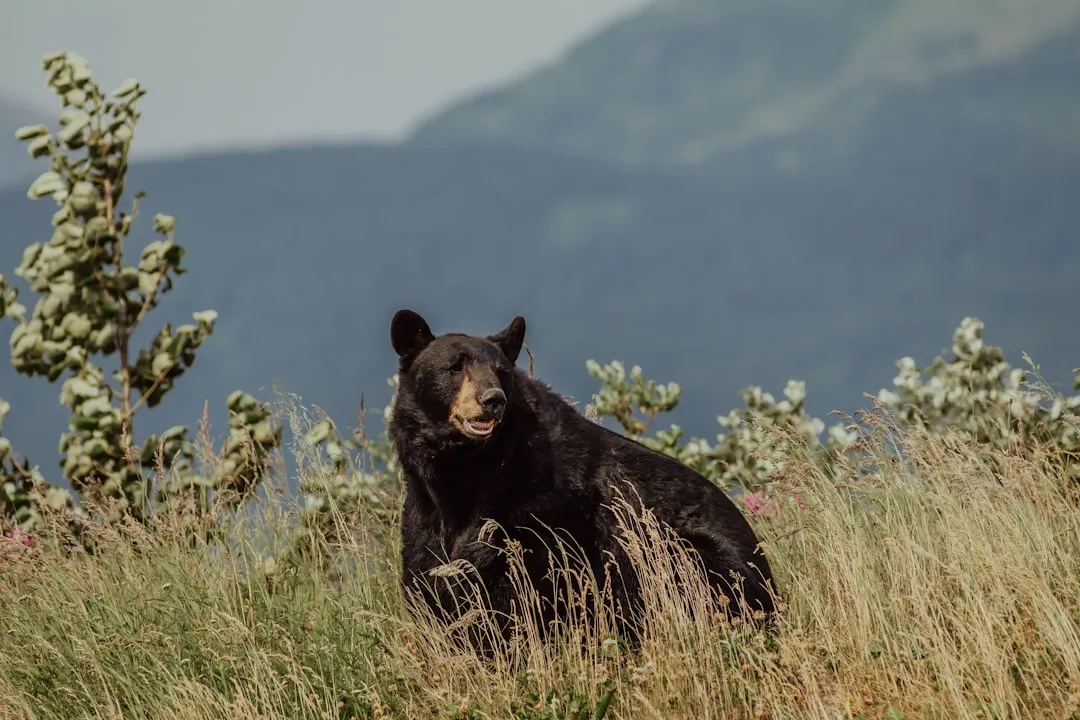
Once you accept that black bears are prioritizing human avoidance, their daily schedule starts to make more sense. In many areas, bears have become more nocturnal than they naturally would be, shifting their activity into the late evening and early morning when people are quieter. Think about that tradeoff: nighttime is not always the best time to find berries, plants, or insects, but it is safer. So the bear gives up some feeding opportunities just to stay under the radar. That is like a person taking a worse shift at work purely to avoid rush-hour traffic and crowds.
Habitat choices are shaped the same way. Bears might skip over a lush patch of food that is close to houses or a busy trail and instead wander into a less productive but quieter patch deeper in the woods. Females with cubs are often especially cautious, sticking to thicker cover, avoiding roads, and taking long detours around signs of human presence. Over time, all that cautious behavior can affect body condition, reproduction, and even where different family lines of bears can survive. Avoiding humans is not just one behavior among many; for many black bears, it is the central problem their entire lifestyle is built around solving.
How Our Habits Turn Shy Bears into “Problem Bears”
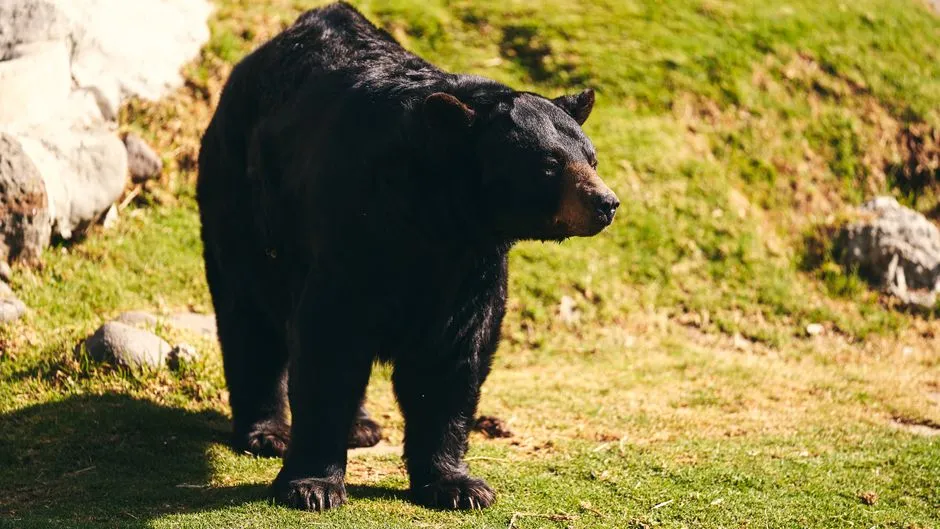
Here is the irony: the same animals that spend so much time avoiding us can quickly become “problem bears” when our habits invite them in. Unsecured trash, pet food on porches, grills with grease, compost heaps, fruit left on trees, and tasty bird feeders are like neon signs saying, “Free calories, right here.” For a naturally cautious bear, it only takes a few successful raids with no bad consequences to convince it that human spaces might be worth the risk. That is when avoidance starts to crack and boldness takes over.
Once a bear crosses that line and starts making regular visits, people often describe it as brazen, fearless, or dangerous, and call for it to be removed or killed. But from a wildlife biology perspective, the bear is mostly doing what it has learned works. We trained it, unintentionally, by giving it easy access to food again and again. The hard truth is that “problem bears” are often symptoms of “problem humans”: our trash systems, our lack of secure storage, our careless camping setups, and our tendency to forget that we share the landscape with big wild neighbors who are always calculating risk versus reward.
Coexisting with a Species That Mostly Wants to Avoid Us
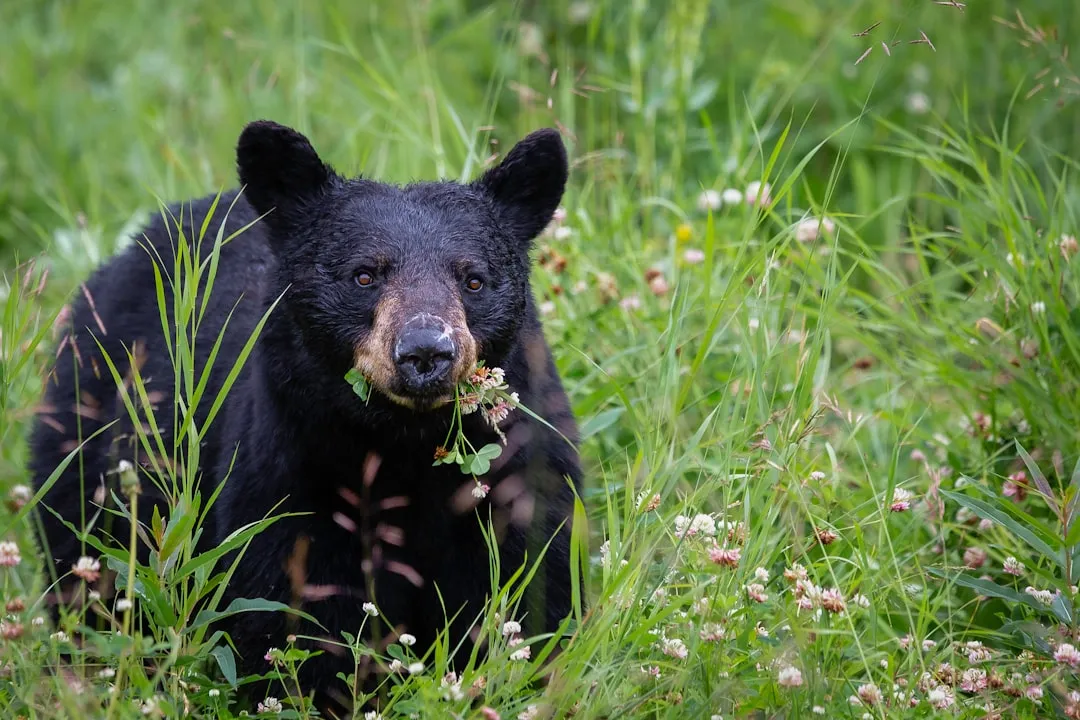
When you realize black bears are working this hard to dodge us, coexistence stops feeling like a fantasy and starts looking like a practical choice. If an animal is already trying not to cross your path, the least you can do is stop leaving a buffet on the front porch. Securing trash, locking up food, keeping grills clean, and being mindful with bird feeders dramatically changes the equation. It tells bears that coming close just is not worth it, reinforcing their natural instinct to give humans a wide berth.
On the trail or at a campsite, a little bit of awareness goes a long way. Making some noise so bears know you are there, storing food properly, and not feeding wildlife on purpose or by accident all support what biologists see in the data: bears prefer to keep their distance. In a way, it is like being a decent neighbor in an apartment building. If you keep your hallway clean, lower the noise, and do not leave pizza boxes outside your door, your neighbors are more likely to stay behind theirs. When we behave like respectful residents of bear country, the bears quietly do their part too.
Conclusion: Rethinking Who Is Really in Charge Out There
I will be blunt: the more time I spend reading wildlife research and talking to people who work in the field, the more it feels like we have told ourselves the wrong bear story for decades. We cast black bears as hungry villains forever prowling for human food, when in reality they are spending a huge chunk of their lives just trying to stay out of our way. That does not mean we should be naive or careless; a big wild animal will always deserve respect and caution. But it does mean that fear-driven narratives say a lot more about us than they do about bears.
If anything, the science makes me think we owe black bears a bit of an apology and a lot more responsibility. They are doing the emotional labor of coexistence, tiptoeing around our roads, our noise, and our constant expansion, while we get spooked by the rare times they slip up or take advantage of the bad habits we have created. In my opinion, a truly modern, science-based view of bear country starts from a simple, humbling idea: they are already trying to avoid us. The real question is whether we are willing to meet them halfway and act like neighbors instead of invaders. When you picture a black bear moving through the woods now, do you see a hunter closing in on your world, or a nervous traveler just trying to slip past ours?
