

In the Australian wilderness, a remarkable avian artist excels at acoustic deception—melding nature with human-made sounds. This bird is not only an extraordinary songster but also a proficient imitator of chainsaws and car alarms. Welcome to the melodic world of the lyrebird, where creativity and survival beautifully intertwine.
Meet the Lyrebird

The lyrebird is a native of Australia, recognized for its impressive vocal mimicry skills. Named for their striking tail feathers that bear a resemblance to a classical lyre, these birds are not just celebrated for their beauty but also for their sonic talents. There are two species—the Superb Lyrebird and Albert’s Lyrebird—both of which boast astonishing imitative capabilities.
Home in the Ancient Forests

Lyrebirds are typically found in the dense forests of southeastern Australia, particularly within the rainforests of Victoria and New South Wales. These ancient environments offer the perfect backdrop for their ethereal calls, with thick vegetation providing ample material to weave into their elaborate songs.
The Art of Mimicry

Capable of replicating the calls of over 20 different bird species, lyrebirds extend their repertoire to include a variety of artificial sounds. Everything from camera shutters to mechanical noises like chainsaws and car alarms gets incorporated into their melodic displays. This capacity showcases their adaptability and intelligence, capturing the imagination of both scientists and nature enthusiasts.
A Unique Courtship Ritual

The lyrebird’s mimicry plays a crucial role in its courtship rituals. Male lyrebirds use their expansive vocal library to serenade prospective mates, exhibiting their vocal prowess by layering natural and artificial sounds into a harmonized crescendo. This serves not only to attract females but also to establish territory and demonstrate physical fitness.
How Do They Do It?

The intricacy of lyrebird mimicry lies in their highly specialized syrinx—a vocal organ unique to birds. This structure enables them to produce a wide range of frequencies and replicate sounds with remarkable precision. By practicing and refining these calls, lyrebirds can accurately copy complex sound sequences.
An Evolutionary Advantage
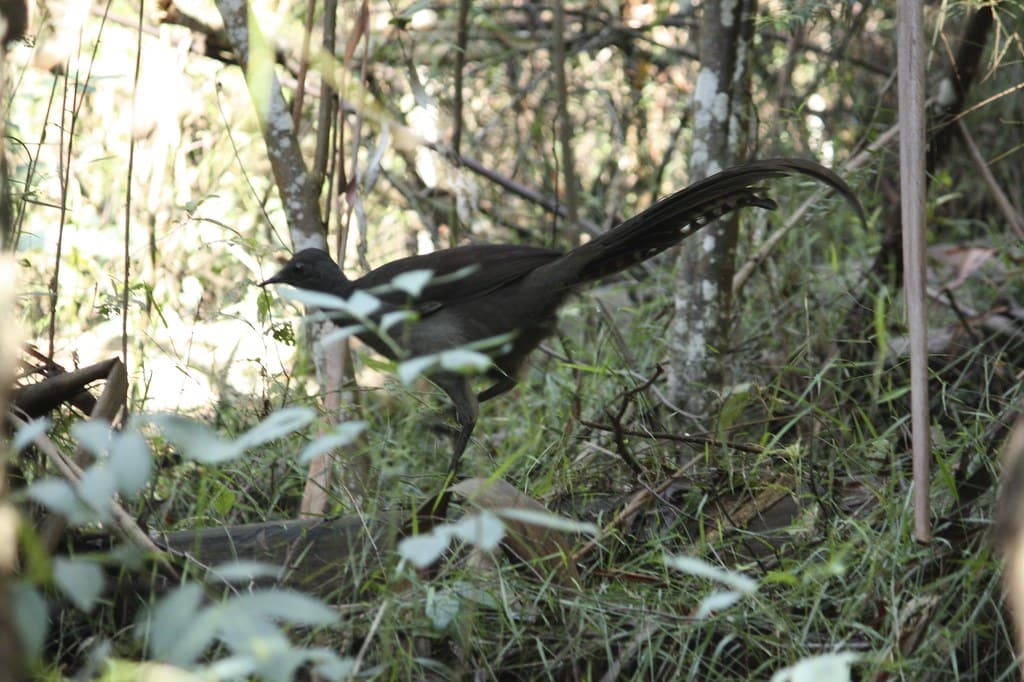
Mimicry may afford lyrebirds an evolutionary advantage by confusing predators and competing males. By mimicking the calls of other species, and sometimes even their predators, lyrebirds can create an acoustic environment that disorients potential threats and increases their chances of survival.
Historical Encounters and Cultural Significance

Throughout history, the lyrebird has fascinated indigenous cultures and European settlers alike. Depicted in art and folklore, these birds occupy a special place in Australian history, symbolizing the rich musical tapestry of the continent’s natural world.
Challenges in a Modern World

Despite their adaptability, lyrebirds face contemporary challenges. Habitat destruction and climate change threaten their environments, posing long-term risks to their population stability. Conservation efforts are vital to ensure these vocal virtuosos continue to thrive amid growing ecological stressors.
Conservation Efforts and Research
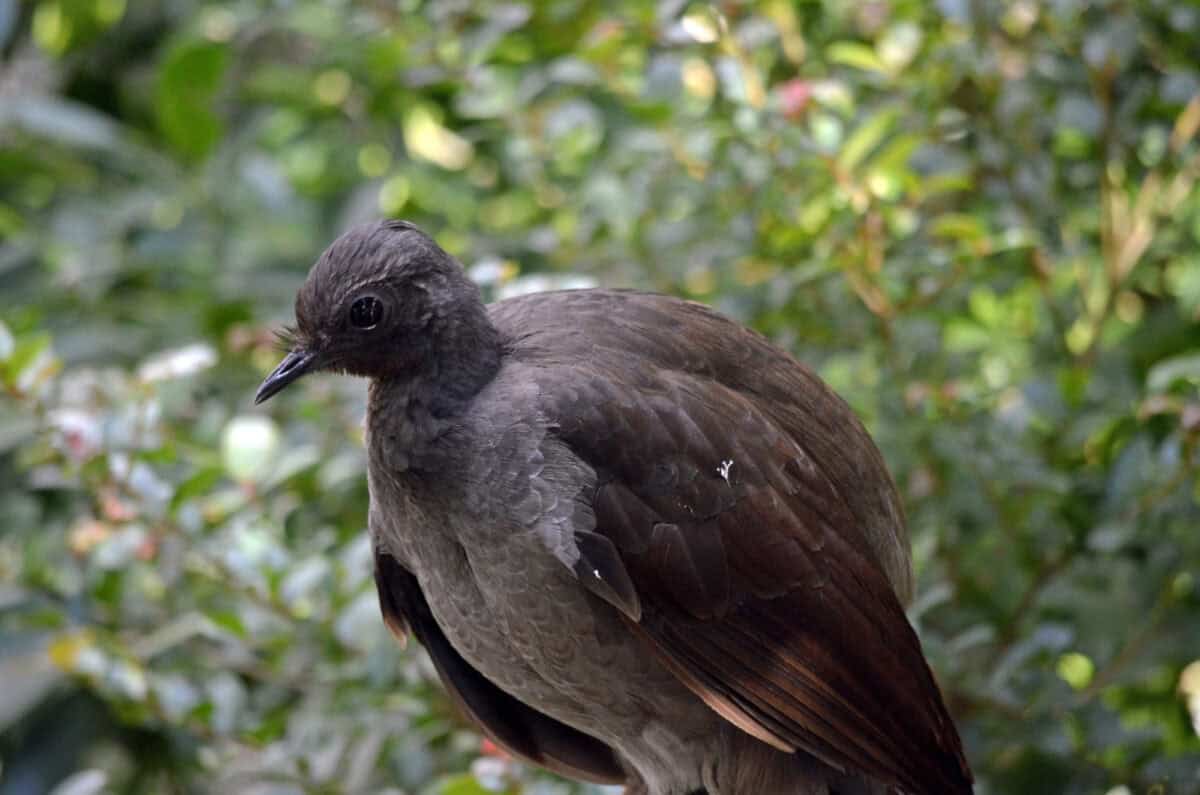
In response to these threats, conservationists and researchers are dedicated to preserving lyrebird habitats. From protected areas to reforestation initiatives, ongoing efforts aim to maintain and restore the delicate ecosystems that support these remarkable birds.
Lyrebirds in Popular Media

The captivating abilities of lyrebirds have secured their place in popular media, featuring in documentaries, films, and viral videos. Through these platforms, audiences worldwide gain insight into the wonders of avian mimicry and the importance of conserving natural habitats.
What Can We Learn?

The lyrebird reminds us of nature’s intricate diversity and ingenious adaptability. Their mimicry serves as an aural canvas, highlighting both the beauty and fragility of ecosystems. By listening closely to their songs, we foster a deeper appreciation for the intricate web of life and the subtle sounds that populate our world.
Conclusion: A Symphony in the Wilderness

Lyrebirds are more than just avian entertainers; they are symbols of resilience and adaptive genius. Their astonishing ability to mimic both natural and artificial sounds offers a window into the complexities of animal communication and the evolutionary dance between species and their environments. As custodians of our planet, it is our duty to protect the symphonic landscapes where lyrebirds reside, ensuring that their melodies enrich the wilderness for generations to come.

- The Secret Language of Dolphins Decoded by Researchers - July 20, 2026
- 7 Animals That Can Survive Extreme Environments You Couldn’t - July 20, 2026
- The Longest Snake Ever Found in the U.S. - July 20, 2026