

Artificial reefs are underwater structures designed to mimic natural reefs, providing homes for marine life and strengthening ocean ecosystems. These human-made formations are built using materials like concrete, old ships, and even 3D-printed designs. By creating new habitats, they help counteract the damage done to natural reefs by human activities and climate change.
How Artificial Reefs Help Marine Life

By offering surfaces for corals, algae, and other organisms to attach to, artificial reefs create thriving underwater habitats. Over time, fish and other sea creatures move in, turning the structures into vibrant ecosystems. This process helps restore marine biodiversity, giving struggling species a better chance of survival.
Restoring Fish Populations

Artificial reefs attract fish, including species important for commercial and recreational fishing, such as red snapper and grouper. By providing shelter and breeding grounds, these reefs help replenish fish populations that have been affected by overfishing and habitat destruction. Healthier fish populations contribute to a more balanced food chain, supporting the entire marine environment.
Protecting Coastlines from Erosion

Some artificial reefs are strategically placed to act as barriers against strong waves and storm surges. By breaking up wave energy, they help reduce coastal erosion and protect vulnerable shorelines and communities from damage. This is especially important for areas facing rising sea levels and stronger storms due to climate change.
What Are Artificial Reefs Made Of?

Artificial reefs can be built from various materials, including: Concrete structures designed to resemble natural reefs, sunken ships, which provide shelter for marine life, 3D-printed reefs made to encourage coral growth, repurposed construction materials, like steel or rock formations. Each material is carefully selected to ensure it is safe for the environment and supports marine biodiversity. Scientists and conservationists continuously test new materials to improve sustainability and maximize their benefits for ocean life.
The Role of Artificial Reefs in Coral Restoration

Coral reefs are under threat due to climate change, pollution, and human activities. Artificial reefs help by providing stable surfaces for coral to grow on. Some projects even transplant live coral fragments onto artificial structures to speed up reef recovery. These efforts are crucial for maintaining marine biodiversity, as coral reefs support more species per unit area than any other marine environment.
Challenges and Environmental Considerations

While artificial reefs offer many benefits, they need to be carefully designed and placed. Poorly planned reefs can disrupt natural ecosystems or create ecological traps for certain species. Additionally, improper materials or placement can lead to pollution or damage to existing marine habitats, emphasizing the need for responsible development.
Advancements in Artificial Reef Technology
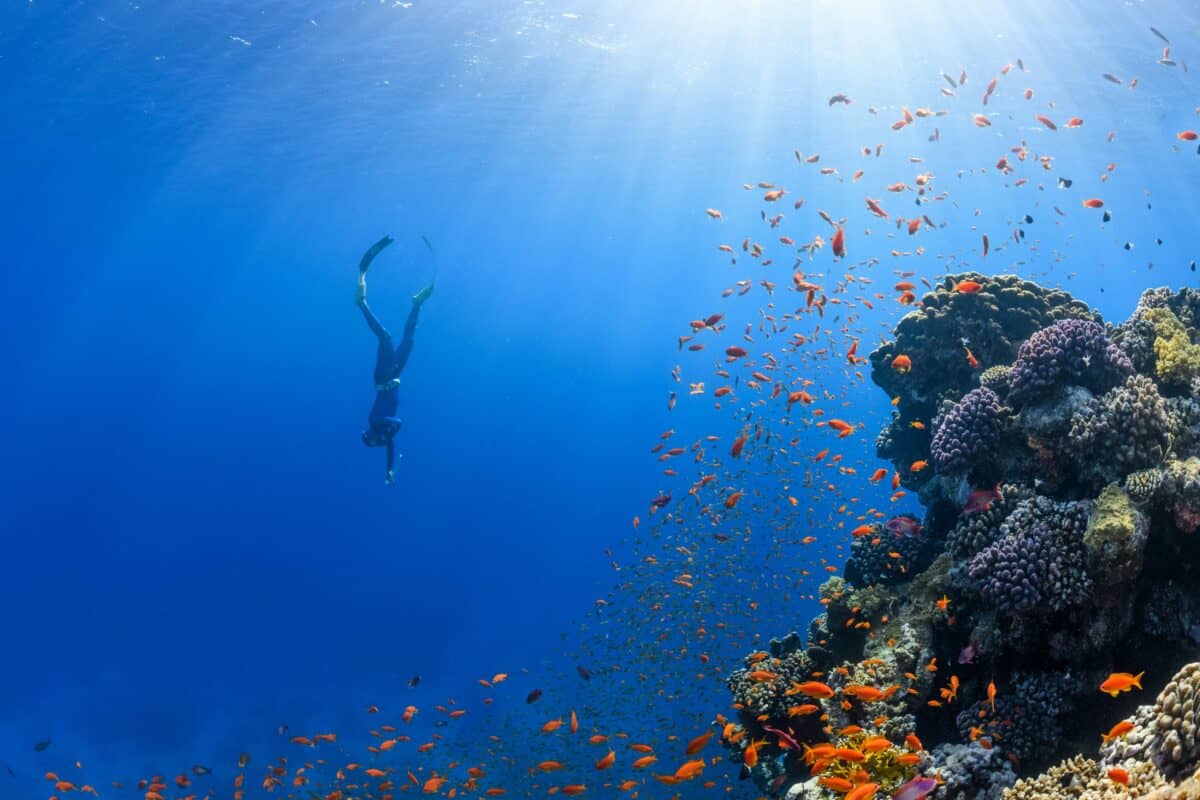
New technologies, like 3D printing, are helping scientists create more effective artificial reefs. These modern designs mimic natural reef formations, offering better habitats for marine life and encouraging coral settlement. Some projects also explore the use of biodegradable materials that dissolve over time, reducing long-term environmental impact.
The Future of Artificial Reefs

Artificial reefs are playing an increasingly important role in ocean conservation. By supporting marine life, helping fisheries, and protecting coastlines, they offer a valuable tool for restoring balance in our oceans. As technology and scientific understanding improve, artificial reefs will become even more effective at safeguarding marine ecosystems for future generations.

- Foods Your Pet Snake Should Never Eat - August 3, 2026
- The Most Loyal Zodiac Signs and Their Animal Counterparts - August 3, 2026
- Why Vaccinations are Important for Small Dogs - August 2, 2026