

Butterfly migrations are among the most spectacular natural events to witness, with millions of these delicate creatures embarking on their long journeys. In Texas, one such migration is so vast and vibrant that it can actually be observed from space. Here, we dive into the fascinating world of butterfly migrations, exploring the significance, the science, and the breathtaking views these migrations create.
Understanding Butterfly Migrations
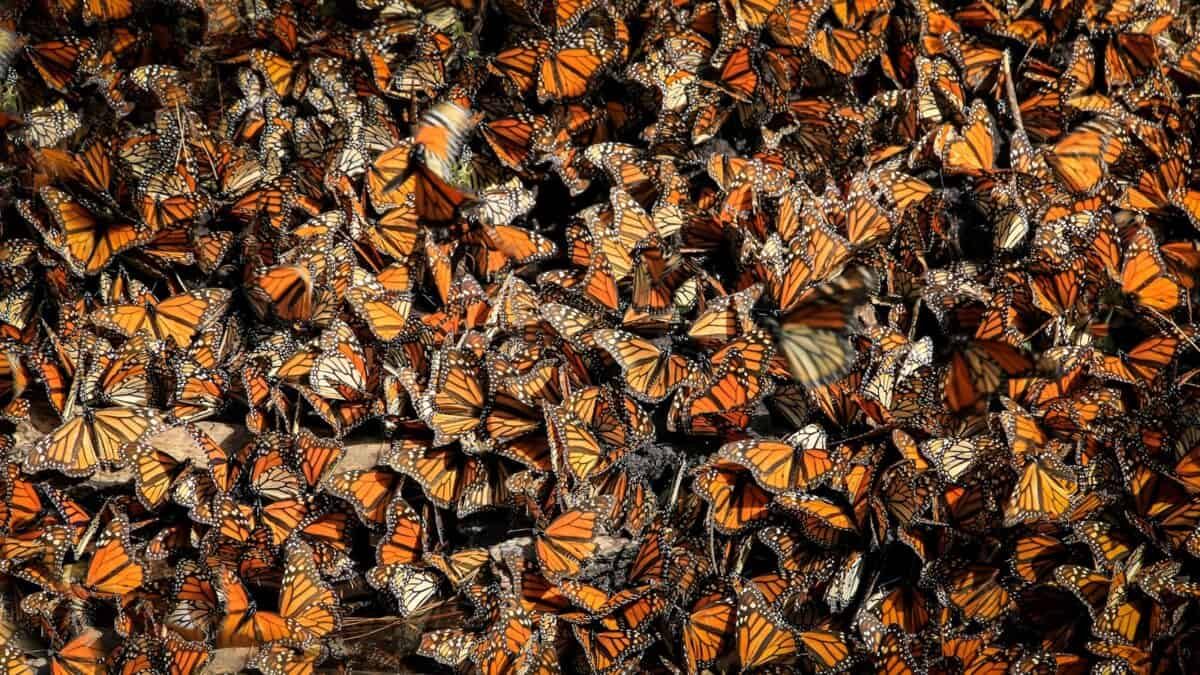
Butterfly migrations involve the seasonal movement of large numbers of butterflies from one region to another. This behavior is typically driven by the search for suitable breeding grounds, climate conditions, and food availability. These migrations can cover thousands of miles, depending on the species, and often span many generations of butterflies.
The Iconic Monarch Migration

The most famous butterfly migration is the annual journey of the monarch butterfly. These vibrant orange and black insects travel from as far north as Canada to their wintering sites in central Mexico. The migration is a multi-generational event, as no single butterfly completes the entire journey. The scope of their travel is so immense that vast clusters of these butterflies have been detected from space.
How Migrations Appear From Space

With advanced satellite technology, scientists have been able to track and observe these migrations on a larger scale. The dense clusters of butterflies create a distinct signature that can be picked up by satellites, particularly when they cross areas lacking in vegetation, such as deserts or open fields.
Timing and Path of the Texas Migration

The Texas leg of the monarch migration typically occurs in the fall, between late September and early November. Butterflies travel through Texas on their southward journey to Mexico, creating a funnel effect as they pass through the central flyway. This concentrated path leads to spectacular aerial views, visible even from miles above the Earth.
The Role of Texas in Monarch Migration
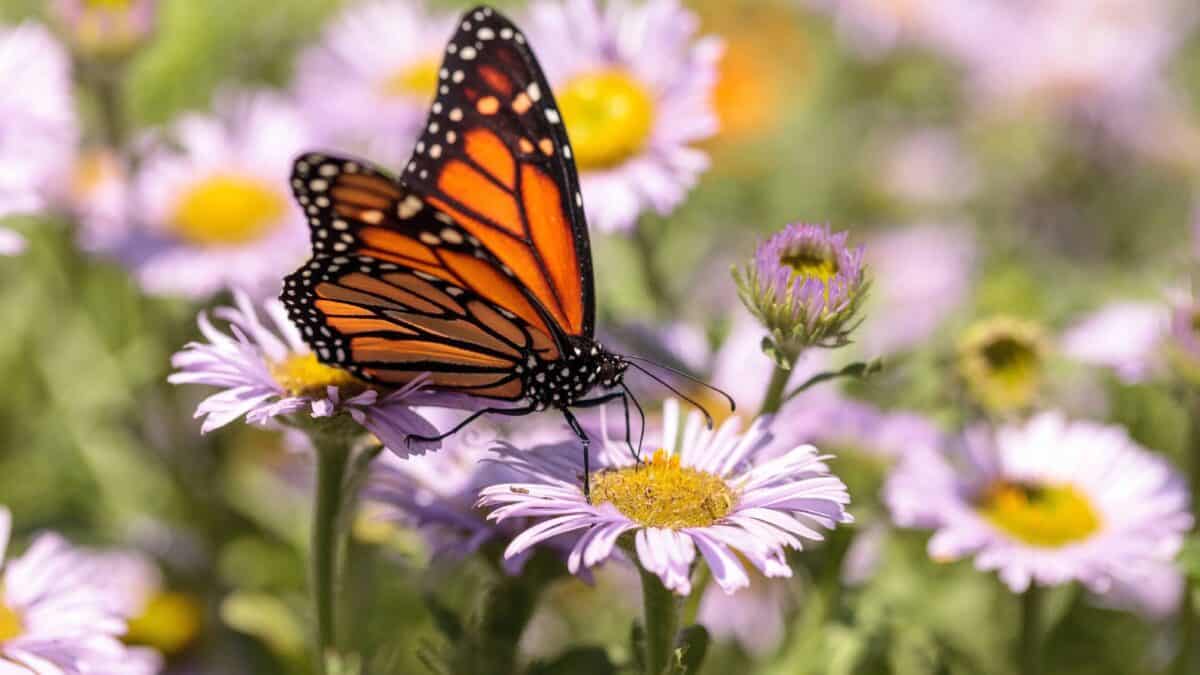
Texas serves as a critical stopover for monarchs due to its ideal combination of geographical location, climate, and abundance of milkweed—the essential plant for monarch reproduction. Texan fields provide crucial resting and feeding spots for the butterflies as they continue their journey.
Challenges Faced by Migrating Butterflies

Despite their delicate appearance, migrating butterflies face numerous challenges, including extreme weather, predators, habitat destruction, and human-induced threats such as pesticide use. These factors can drastically decrease the number of successful migrants reaching their final destinations each year.
Conservation Efforts in Texas

Several organizations in Texas are dedicated to preserving butterfly habitats and supporting migration patterns. Efforts include planting native milkweed and nectar plants, crafting “butterfly gardens,” and implementing educational programs to raise awareness of monarch conservation needs.
Citizen Science and Butterfly Tracking
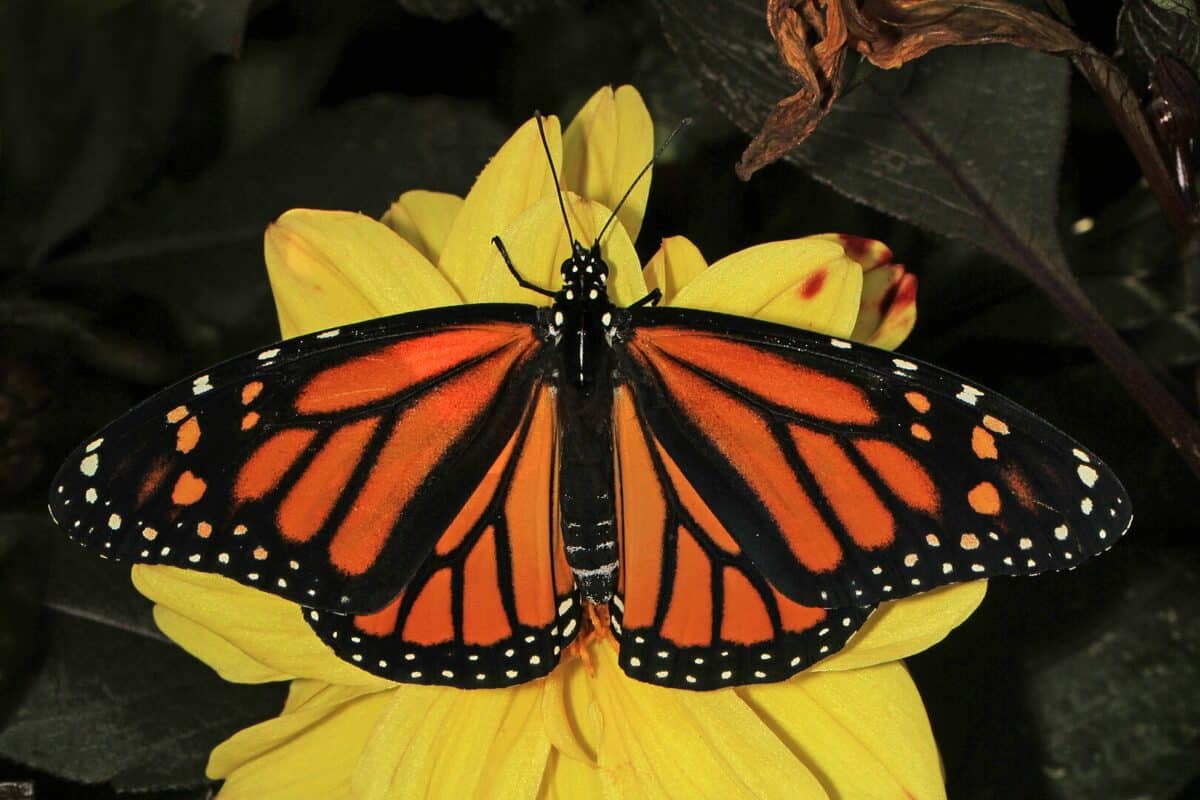
Citizen scientists in Texas play a significant role in tracking butterfly migration. Through programs like Journey North, volunteers document sightings, their tracking data helps scientists analyze migration trends, improving our understanding and ability to protect these incredible journeys.
The Significance of Migration Visibility
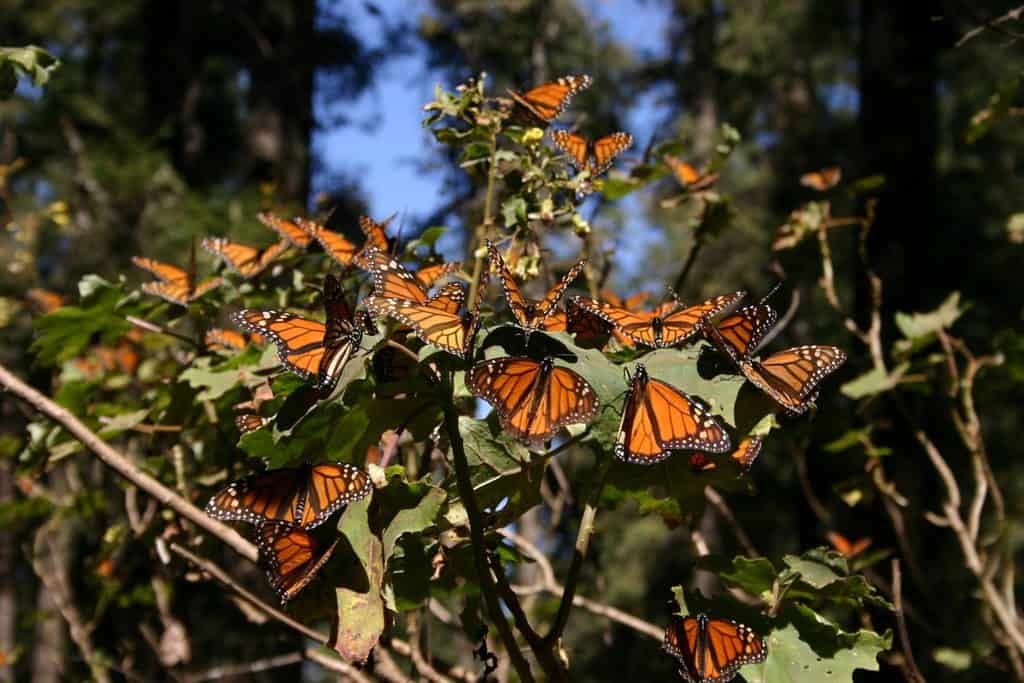
The fact that butterfly migrations can be seen from space highlights their immense scale and the interconnectedness of ecosystems across North America. This visibility serves as a reminder of the global impact of environmental changes on even the smallest of creatures.
The Cultural Impact of Butterfly Migrations

Butterfly migrations have cultural significance for many communities, particularly in indigenous cultures, where they hold symbolic meanings and are celebrated through festivals. In Mexico, monarchs are seen as souls returning to Earth during Dia de los Muertos celebrations.
Futuristic Approaches to Studying Migrations
As technology continues to evolve, new methods are being developed to study butterfly migrations in even greater detail. Innovations like micro-tagging butterflies with GPS units, using drones for low-earth observances, and genetic analysis of migrating populations are paving the way for deeper insights into these phenomena.
A Call to Action for Butterfly Conservation

As we learn more about butterfly migrations and their visibility from space, it’s essential to act on the knowledge to preserve and protect these natural marvels. Supporting conservation efforts, creating butterfly-friendly spaces, and advocating for environmentally responsible agricultural practices are crucial steps in ensuring that future generations can continue to marvel at these celestial journeys.
The ability to see butterfly migrations from space is a testament to the magnitude of these events and the intricate balance of nature. By understanding and supporting these migrations, we not only protect butterflies but also the broader ecosystems that they rely on, ultimately enriching our natural world.

- The Perfect Pet for Each Zodiac Sign - July 7, 2026
- The Wild Animal That Embodies Your Zodiac Sign’s Spirit - July 6, 2026
- 7 Steps to Planting Admirably Beautiful Bluebonnets - July 6, 2026