

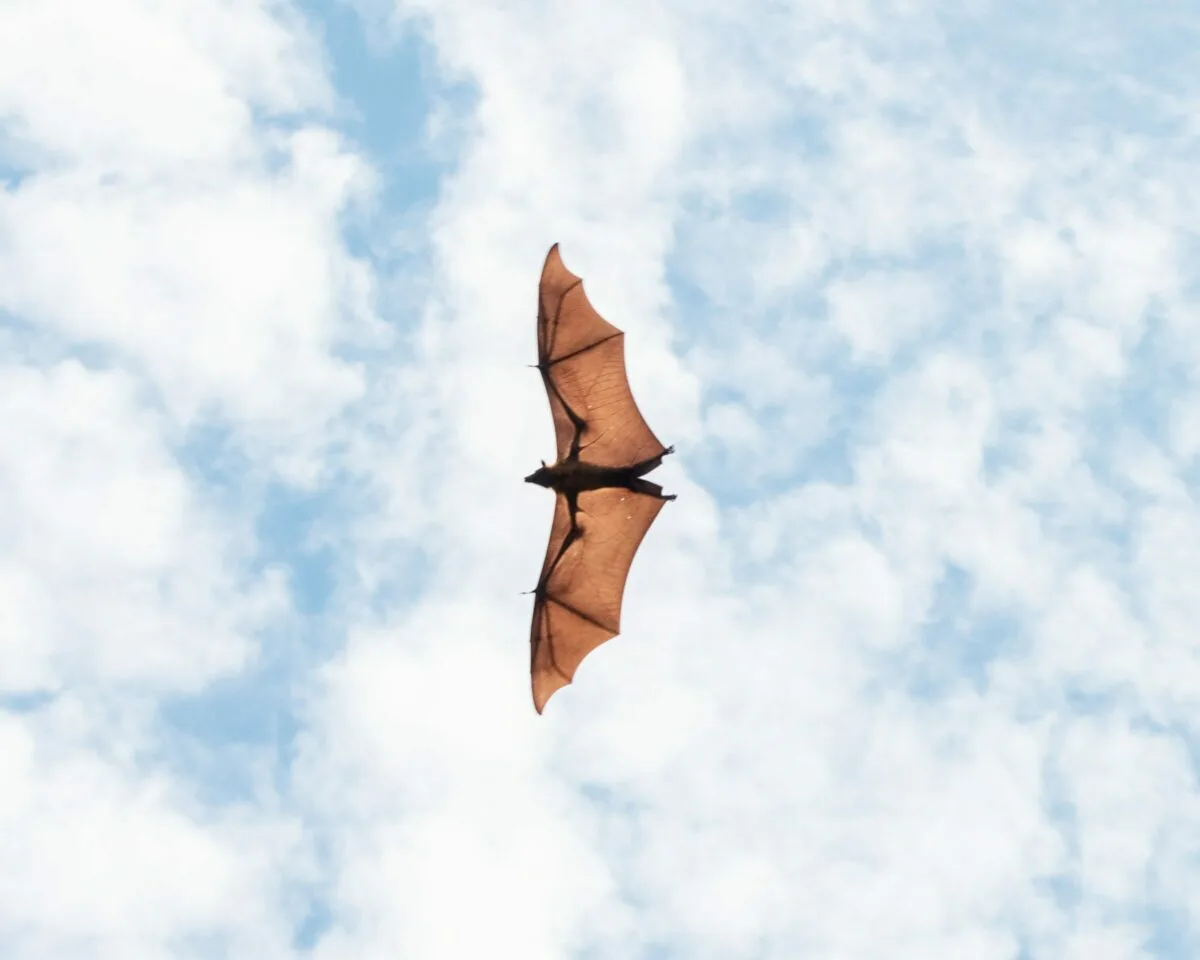
Australian Bat Lyssavirus (ABLV) is a virus closely related to rabies that infects bats in Australia. Discovered in 1996, it can cause a fatal disease in humans and animals. Like rabies, it attacks the nervous system and leads to severe brain inflammation if untreated.
How Do People Get Infected?

🔥 Would you like to save this?
We'll email this post to you, so you can come back to it later!
People can contract ABLV if bitten or scratched by an infected bat, or if bat saliva gets into their eyes, mouth, or an open wound. Even small scratches matter—any direct contact with bats poses a risk. The virus does not spread from person to person.
How Common Is ABLV?
🔥 Would you like to save this?
We'll email this post to you, so you can come back to it later!
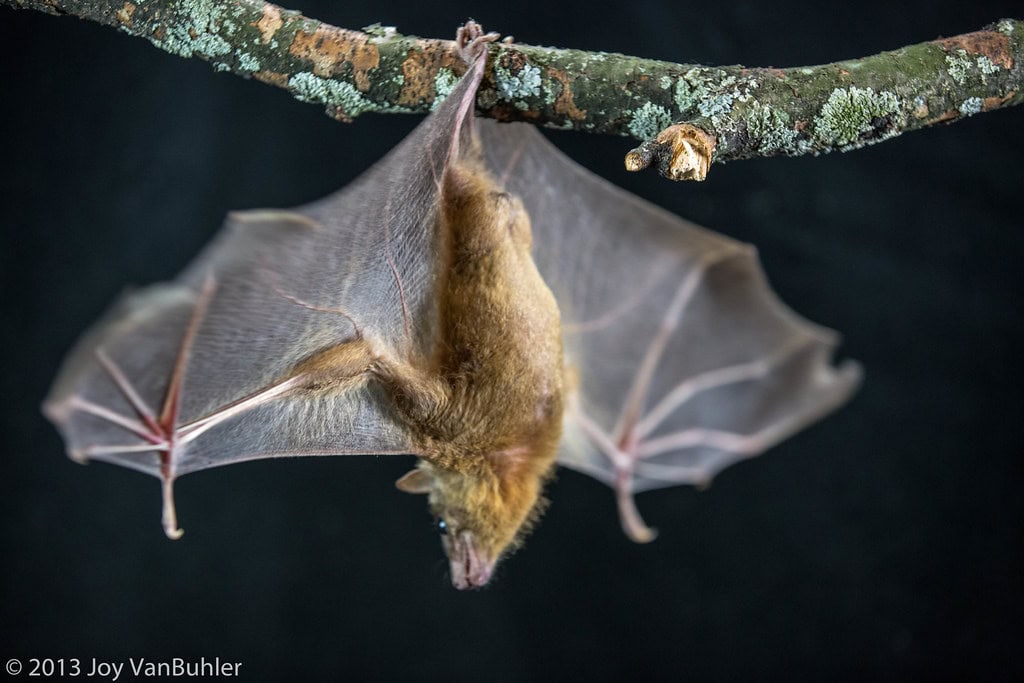
ABLV infection in humans is extremely rare. Since its discovery, only three human cases have been reported in Australia, all of which were fatal. However, the virus has been found in multiple bat species across the country, especially in flying foxes and insect-eating microbats.
Symptoms to Watch Out For
🔥 Would you like to save this?
We'll email this post to you, so you can come back to it later!
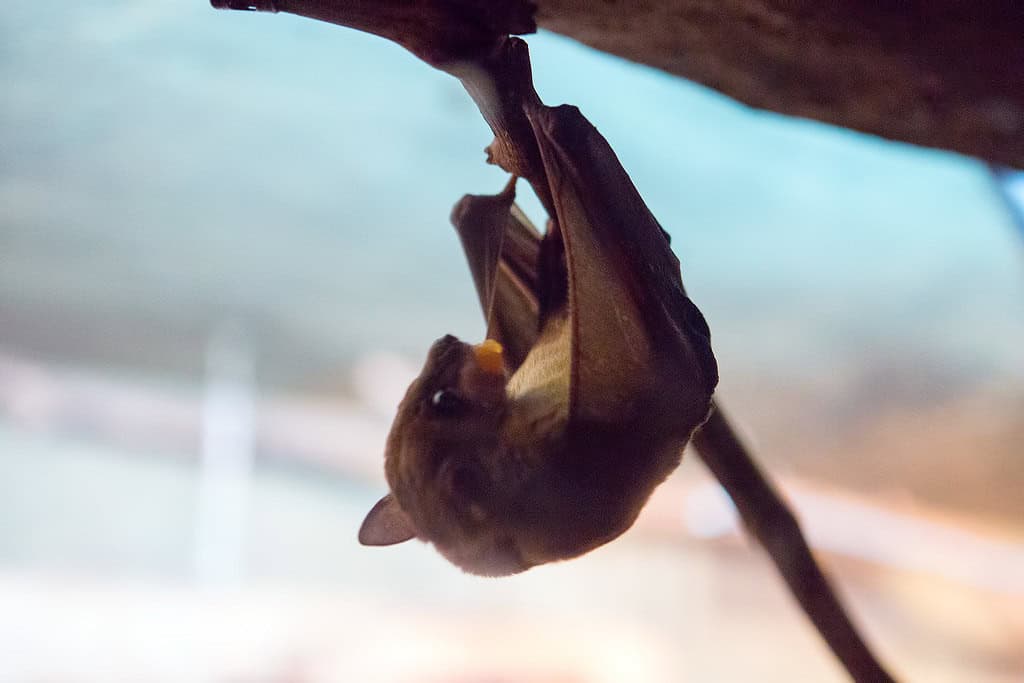
Symptoms are similar to rabies and can appear weeks to months after exposure. They often start with fever, headache, or weakness before progressing to paralysis, confusion, seizures, and coma. Once symptoms appear, the disease is almost always fatal.
What Should You Do After Bat Contact?
🔥 Would you like to save this?
We'll email this post to you, so you can come back to it later!
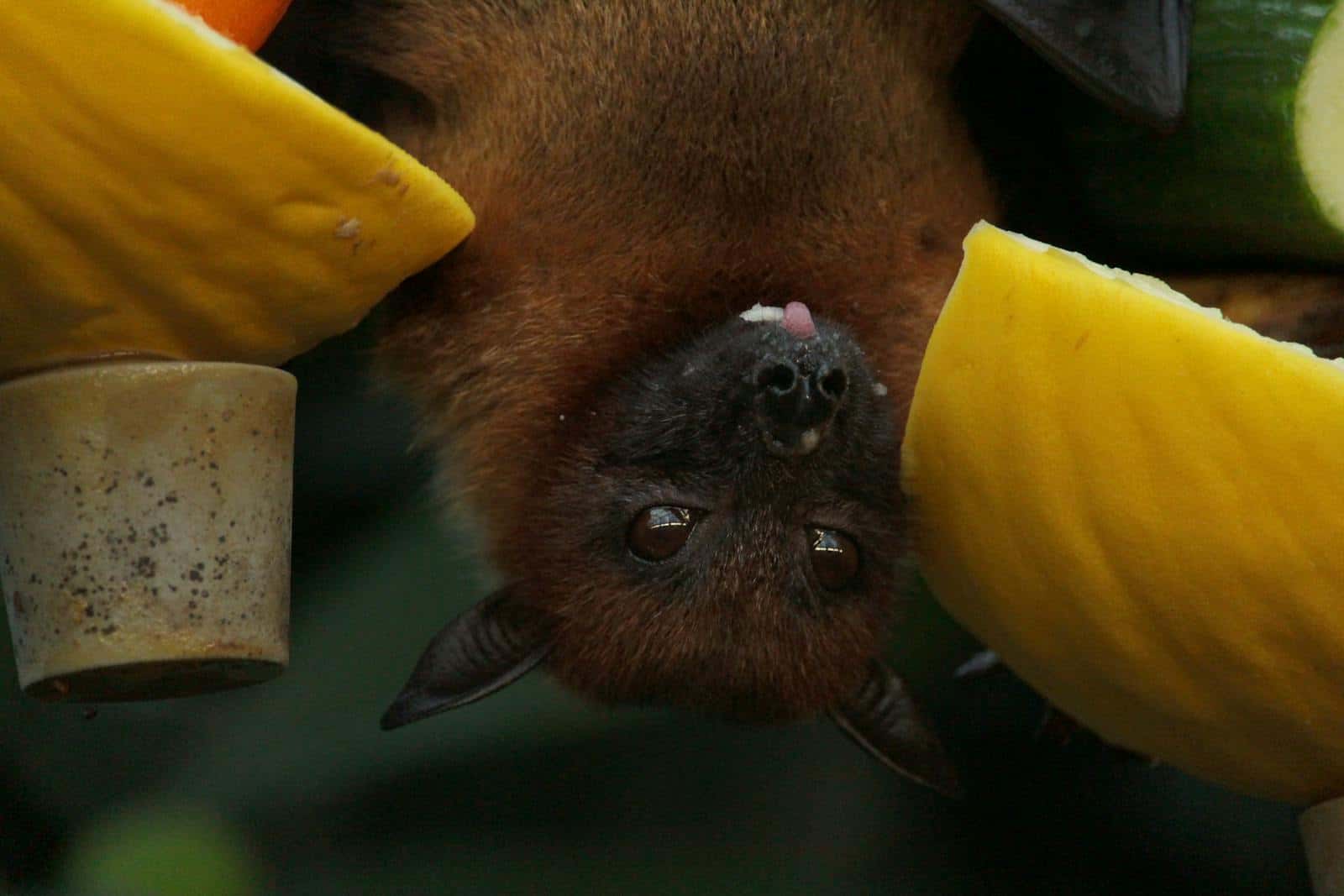
Anyone bitten or scratched by a bat should immediately wash the wound thoroughly with soap and water for at least five minutes, apply antiseptic, and seek urgent medical attention. Doctors may recommend a course of rabies vaccine and rabies immunoglobulin (post-exposure prophylaxis) to prevent infection.
How to Protect Yourself
🔥 Would you like to save this?
We'll email this post to you, so you can come back to it later!
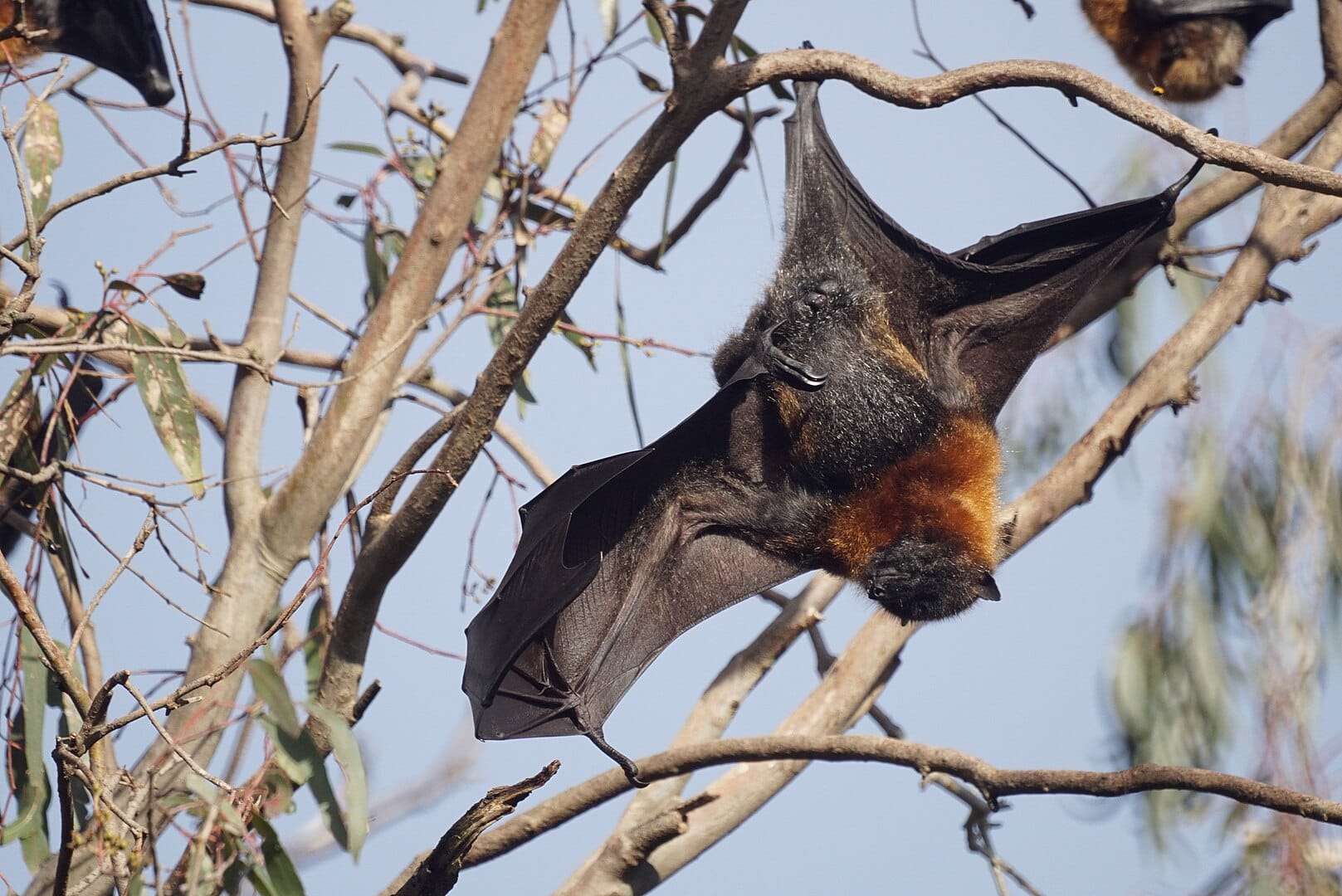
- Never handle bats, even injured ones.
- Call licensed wildlife carers or trained professionals if you find a bat in distress.
- Educate children about the dangers of touching bats.
- Vaccination against rabies is recommended for people who work closely with bats, such as wildlife carers, veterinarians, and researchers.
Final Thoughts
🔥 Would you like to save this?
We'll email this post to you, so you can come back to it later!
While Australian Bat Lyssavirus is rare, it’s deadly if untreated. Awareness and caution are key. By avoiding direct contact with bats and knowing what to do if exposure occurs, you can protect yourself and others from this serious but preventable disease.

adventuring, photography and videography. I am currently working towards a BSc in Biodiversity and Ecology at Stellenbosch University to go on to specialise in Marine Sciences one day.
Please send any feedback to Feedback@animalsaroundtheglobe.com
- 26 Most Dangerous Snakes Found in North America - October 19, 2026
- 21 Things Not to Feed Your Pet Dog - October 18, 2026
- 10 Sacred Native American Sites in North America - October 16, 2026