
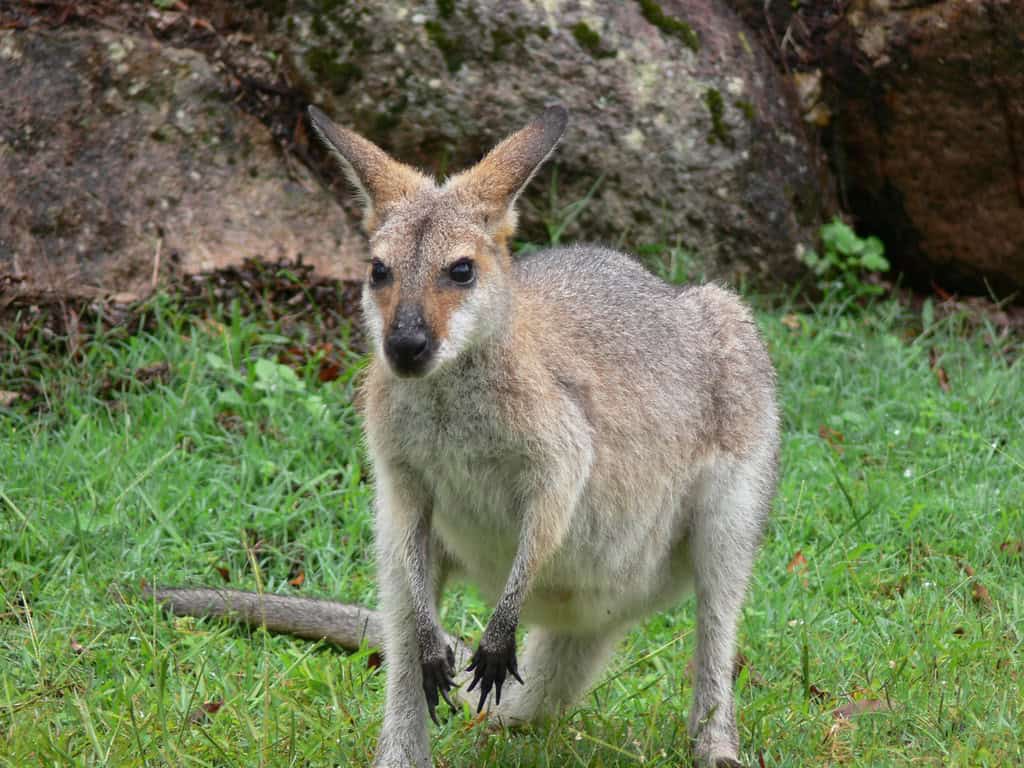
In an extraordinary event that captured national attention, a kangaroo managed to escape from its enclosure at the Sunset Zoological Park in Manhattan, Kansas, in July 2023. The marsupial, a four-year-old red kangaroo named Houdini, lived up to his namesake by finding a weakness in his habitat’s fencing during a period of severe storms that had swept through the region. Zoo officials discovered the escape during their routine morning check, finding an empty enclosure where the 4-foot-tall male kangaroo should have been. The escape sparked an immediate response from zoo staff and local authorities, who mobilized to locate and safely return the Australian native to his home.
Meet Houdini: The Kangaroo Behind the Headlines
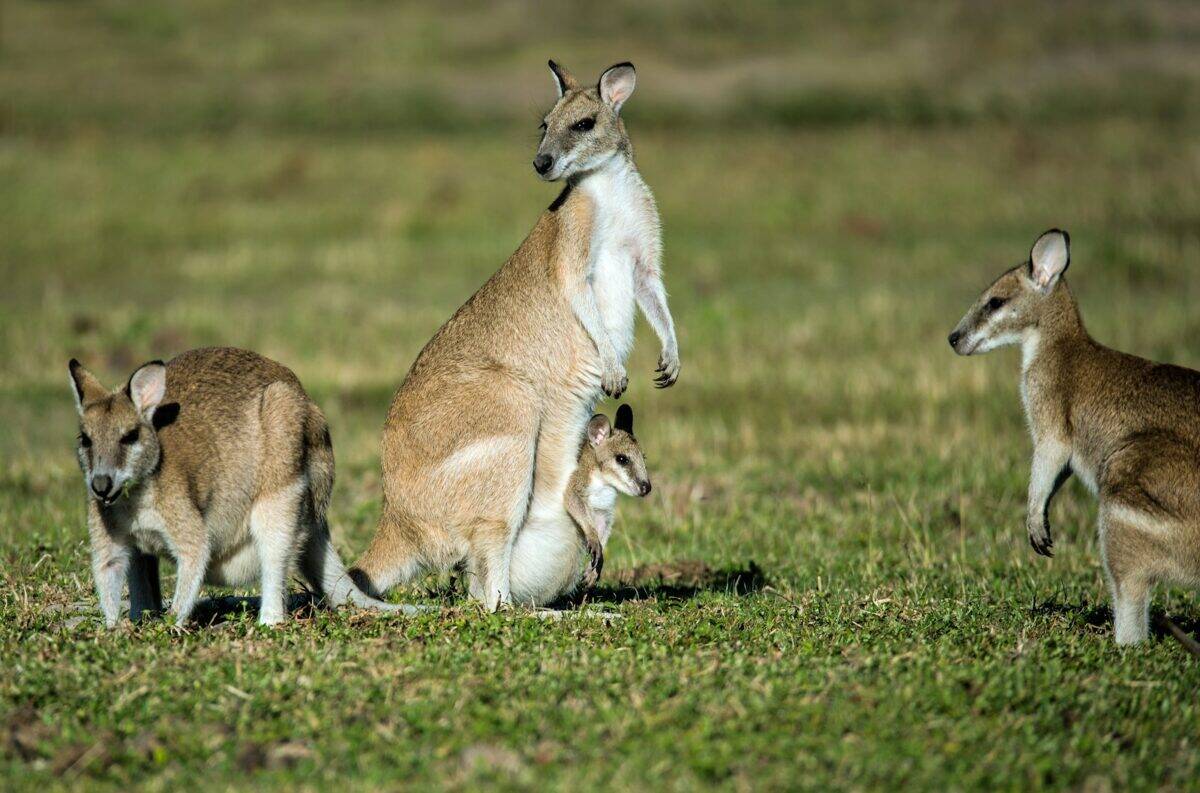
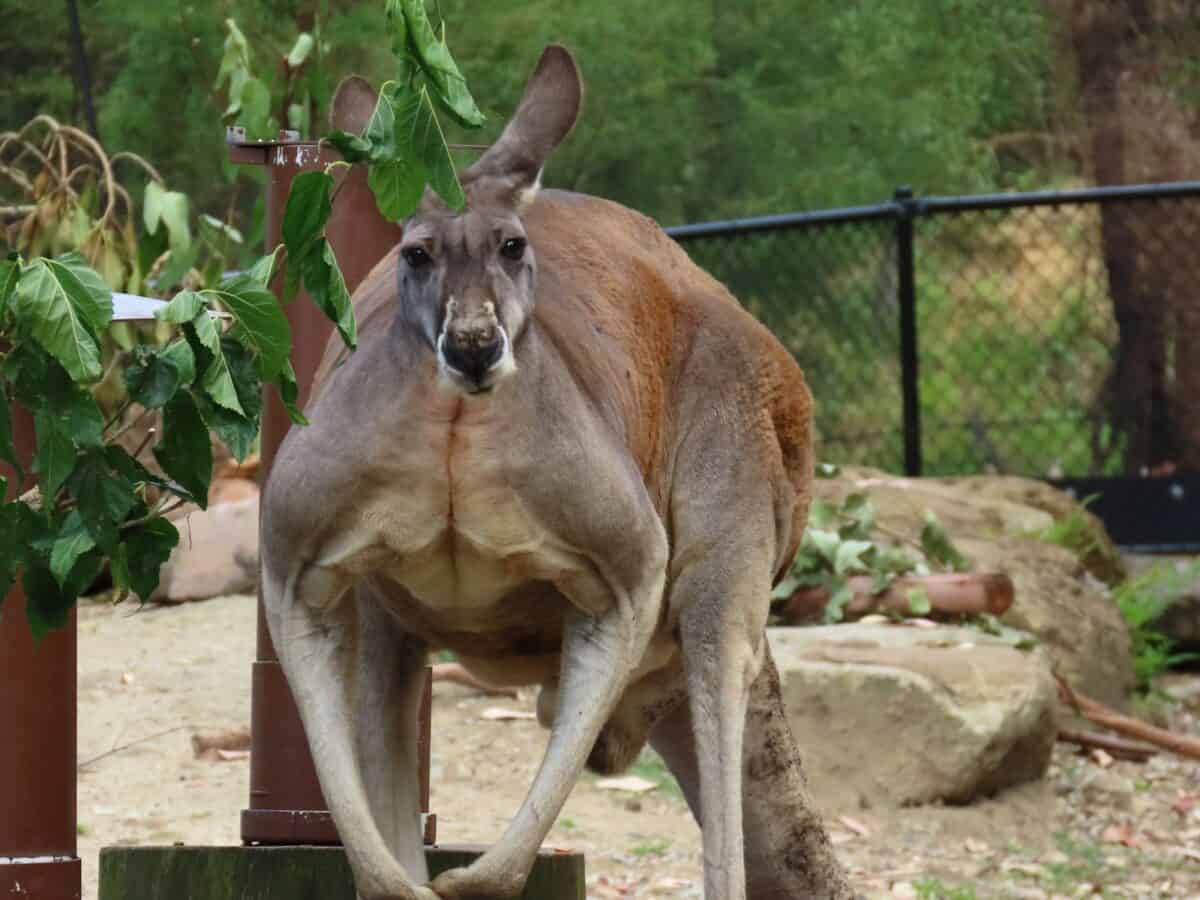
Houdini wasn’t just any kangaroo. As a red kangaroo (Macropus rufus), he belonged to the largest marsupial species in the world. Standing approximately four feet tall and weighing around 120 pounds, Houdini had been a resident of the Sunset Zoo for nearly three years before his daring escape. Known for his curious nature and distinctive reddish-brown coat, he was a favorite among zoo visitors, particularly children fascinated by his powerful hopping abilities. Zoo staff described him as generally docile but noted he could become startled by unfamiliar situations—a concern that heightened the urgency of finding him quickly in an environment far removed from the Australian outback.
The Discovery: How the Escape Was First Noticed
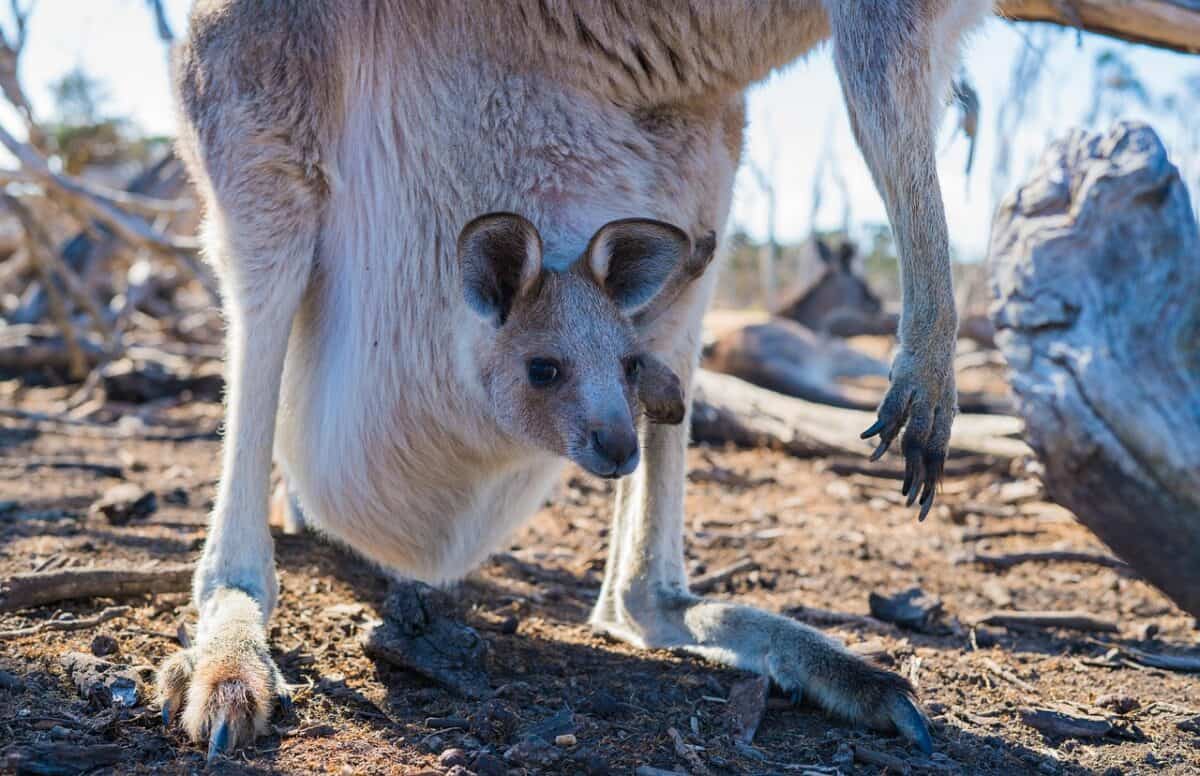
The day began like any other at Sunset Zoo, with staff arriving early to check on animals and prepare for visitors. It was approximately 6:15 AM when a zookeeper entered the Australian Outback exhibit and immediately noticed something amiss—Houdini was nowhere to be seen. A quick inspection revealed a section of fencing that had been compromised during overnight storms. Heavy winds had knocked down a tree branch that damaged the enclosure’s perimeter, creating an opening just large enough for an agile kangaroo to squeeze through. Within minutes of the discovery, zoo director Scott Shoemaker activated their animal escape protocol, a procedure the staff had practiced but hoped never to implement for such a mobile and potentially disoriented animal.
The Perfect Storm: Weather Conditions That Facilitated the Escape
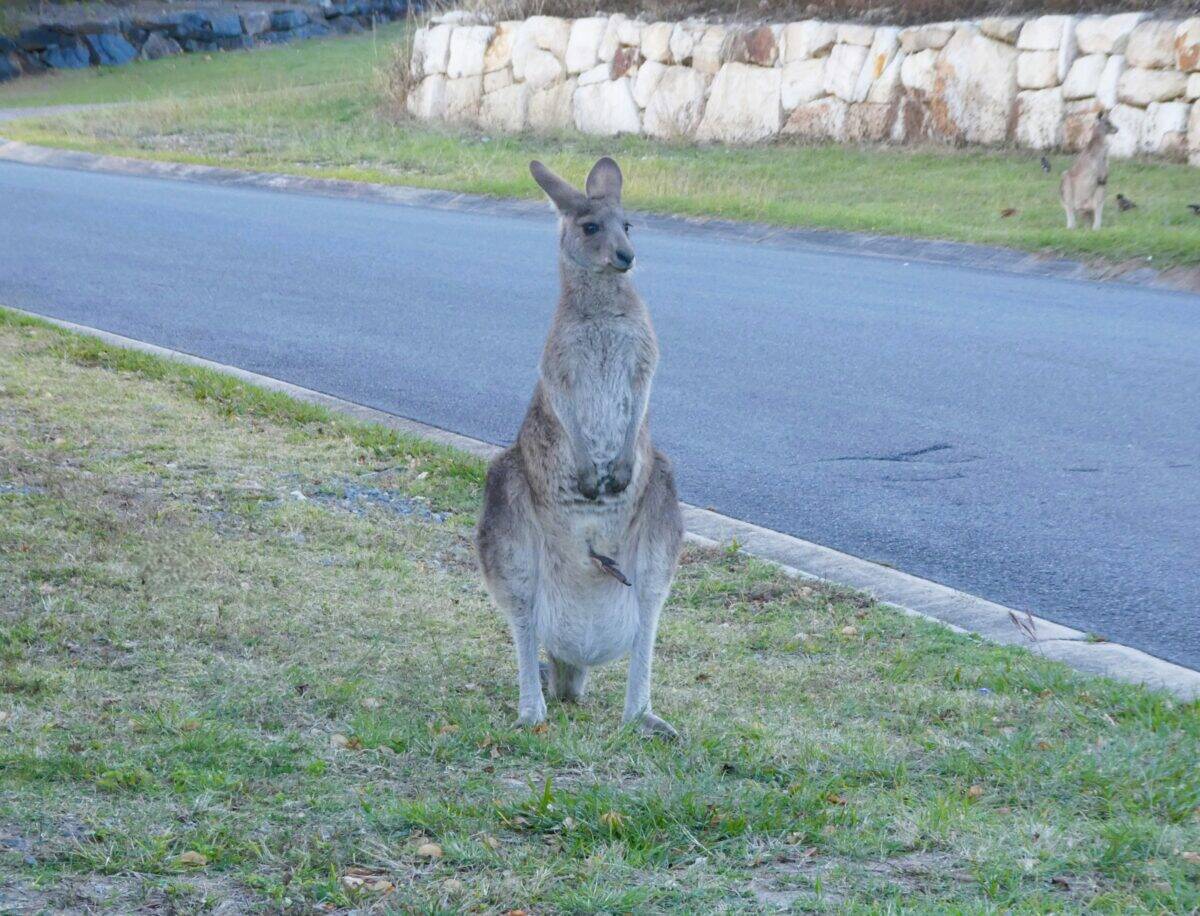
Meteorological data from that fateful night revealed that Manhattan, Kansas had experienced unusually severe weather conditions. Thunderstorms producing wind gusts exceeding 60 mph had swept across Riley County, downing numerous trees and power lines throughout the area. The National Weather Service had issued severe thunderstorm warnings, but few expected the indirect consequence would be a marsupial jailbreak. The combination of saturated ground and powerful winds had created the perfect conditions for the tree failure that damaged Houdini’s enclosure. Zoo officials later acknowledged that while their facilities are designed to withstand typical Kansas weather, the intensity of this particular storm system had exceeded their protective measures in this specific location.
Search and Rescue: Mobilizing the Community
Within hours of discovering Houdini’s absence, zoo officials had coordinated with local law enforcement, animal control officers, and volunteer groups to form search parties. The Riley County Police Department issued alerts to residents, warning them not to approach the kangaroo if spotted but to call authorities immediately. Search efforts concentrated on wooded areas and open fields surrounding the zoo, with particular attention to nearby Tuttle Creek State Park, where the vegetation and terrain might appeal to a kangaroo. Drones equipped with thermal imaging capabilities were deployed to scan areas that were difficult to access on foot. Social media channels buzzed with updates and sightings, as the community rallied together in what became known locally as “Operation Kangaroo Jack,” a reference to the popular 2003 comedy film.
Kangaroos in Foreign Territory: Survival Challenges

Wildlife experts expressed significant concerns about Houdini’s chances of survival in the Kansas environment. Red kangaroos are native to Australia’s arid interior, where they’ve evolved specific adaptations for hot, dry conditions. Kansas in July, while warm, presents different challenges including predators unknown to kangaroos, unfamiliar vegetation, and potential exposure to roadways with fast-moving vehicles. Experts from Kansas State University’s veterinary medicine program consulted with zoo officials, noting that while kangaroos can survive on a variety of vegetation, finding appropriate food and avoiding dehydration would become increasingly problematic the longer Houdini remained at large. Additionally, the stress of being in an unfamiliar environment could compromise his immune system and overall health.
The Sightings: Tracking Houdini’s Journey
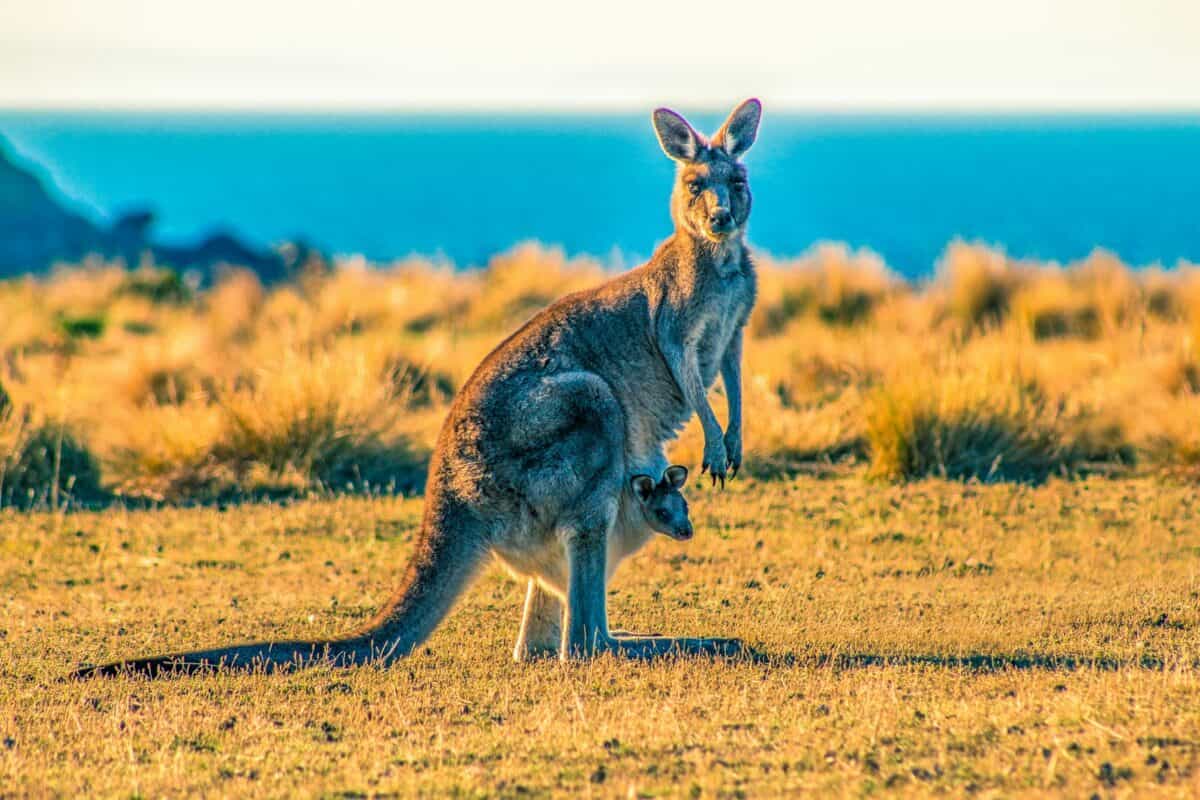
The first confirmed sighting came approximately 18 hours after the escape, when a farmer reported seeing what he initially thought was an unusually large deer bounding across his property about three miles southwest of the zoo. Wildlife cameras subsequently captured images of Houdini near a creek bed, suggesting he was following water sources. Over the next 48 hours, reports flooded in from across Riley County, some credible and others clearly cases of mistaken identity or hoaxes. Authorities created a digital map tracking verified sightings, which revealed Houdini was moving in a roughly southwestern direction, averaging about two miles per day. One particularly concerning report came from a motorist who narrowly avoided colliding with the kangaroo as it crossed Highway 18 in the early morning hours, highlighting the dangers Houdini faced in his unexpected adventure.
Capture Strategies: The Hunt for Houdini
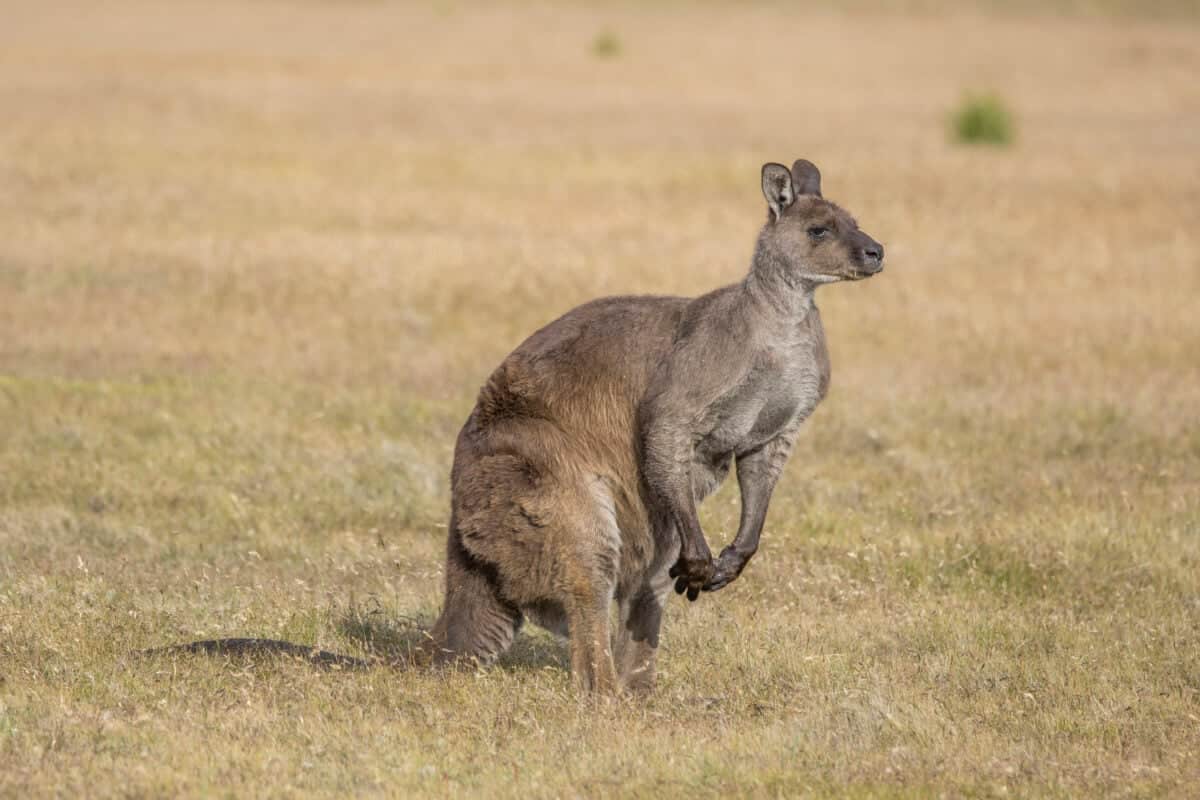
As days passed without a successful capture, zoo veterinarians and wildlife management experts developed increasingly sophisticated strategies. Traditional large-animal traps were modified with features specific to kangaroo behavior. These included one-way entrances, calm-inducing pheromones, and favorite foods from Houdini’s regular diet. Teams carried tranquilizer guns with doses calibrated specifically for a kangaroo of Houdini’s size, though using this method presented challenges due to the need for precise aim and concerns about the kangaroo’s location upon sedation taking effect. Perhaps most innovative was the deployment of recordings of female red kangaroo calls, played from portable speakers in areas where Houdini had recently been spotted. This bioacoustic approach leveraged the natural social behaviors of kangaroos, who typically live in groups called mobs in the wild.
The Kansas Community Responds

What began as a concerning wildlife management situation evolved into something of a community bonding experience for residents of Manhattan and surrounding areas. Local businesses embraced the story, with coffee shops offering “Hopping Good” specials and t-shirt vendors quickly producing “Find Houdini” merchandise. Schools used the situation as an educational opportunity, with science classes discussing marsupial biology and habitat requirements. Perhaps most notably, a local brewery created a limited-edition “Runaway Roo” pale ale, pledging to donate a portion of proceeds to the zoo’s habitat improvement fund. The story reached national news outlets, bringing attention to both the Sunset Zoo and the community’s collaborative efforts to safely resolve the unusual situation.
The Successful Capture

On the fifth day of his freedom, Houdini’s adventure came to an end. A family living on a small acreage approximately seven miles from the zoo discovered the kangaroo resting in their horse barn early in the morning. Having followed the news closely, they immediately recognized their unusual visitor and contacted the emergency hotline established for sightings. Zoo staff arrived within 30 minutes, approaching carefully with specialized equipment. In what staff later described as “the best possible scenario,” Houdini appeared exhausted and relatively calm, allowing veterinarians to administer a mild sedative before securing him in a specialized transport crate. By noon, he was back at the zoo, where a thorough medical examination revealed he was dehydrated and had minor abrasions but had otherwise survived his adventure in remarkably good condition.
Aftermath: Changes at the Zoo
In the weeks following Houdini’s return, Sunset Zoo implemented comprehensive changes to prevent similar incidents. Engineers conducted a facility-wide assessment of all animal enclosures, with particular attention to weather vulnerability. The Australian exhibit underwent significant renovation, including reinforced fencing with deeper footings, additional height, and protective barriers to prevent damage from falling debris. The zoo board approved funding for enhanced monitoring systems, including motion-activated cameras throughout the facility perimeter. Perhaps most significantly, the zoo revised its severe weather protocols to include specific pre-storm and post-storm enclosure inspections. Zoo director Shoemaker addressed the public transparently, acknowledging the shortcomings that had allowed the escape while detailing the improvements designed to prevent recurrence.
Houdini’s Life After Fame

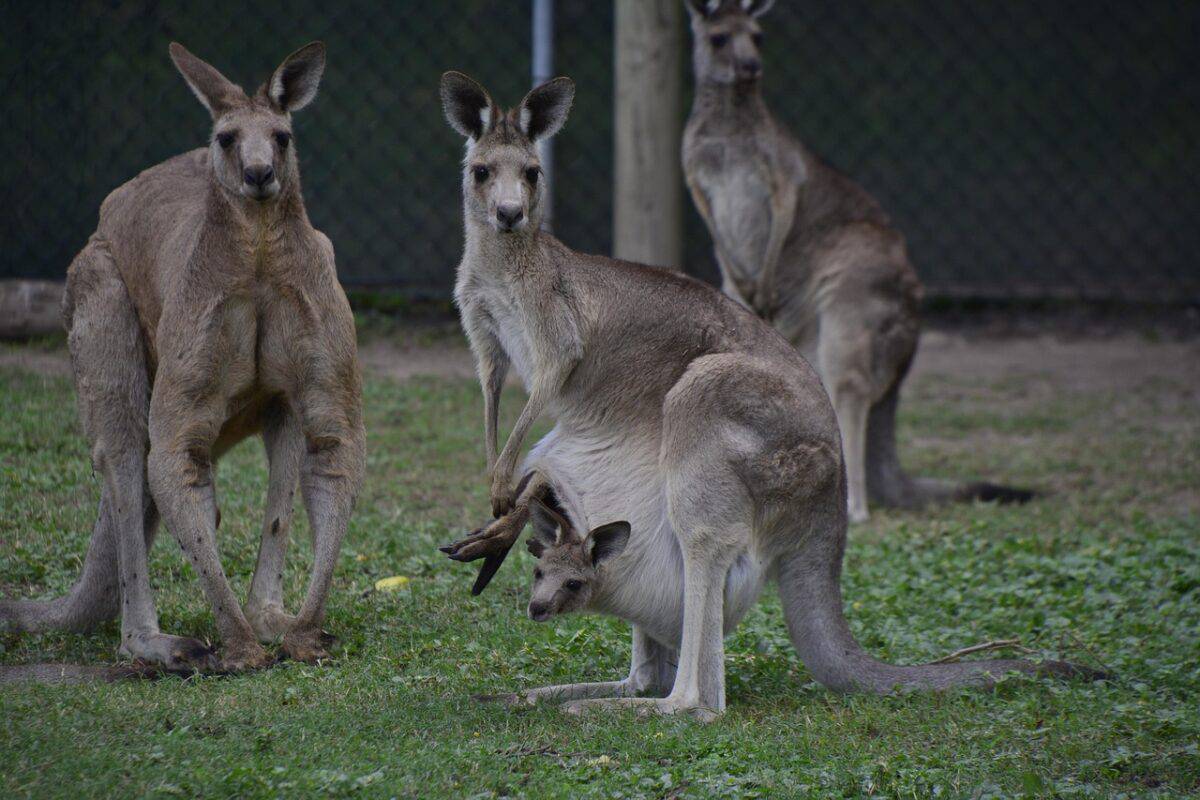
Following his return to the zoo and subsequent recovery period, Houdini became something of a celebrity. Attendance at Sunset Zoo increased by nearly 40% in the month following his capture, as visitors flocked to see the “escape artist” kangaroo. Zoo educators developed a special program focusing on marsupial adaptations and conservation, featuring Houdini as the ambassador for his species. Veterinary staff reported that after his initial recovery period, Houdini showed no lasting psychological effects from his adventure and readjusted well to captivity. In a development that delighted both staff and visitors, the zoo announced plans to introduce a female red kangaroo to the newly renovated habitat, giving Houdini a companion and potentially establishing a breeding program that would contribute to the conservation of the species in North American zoos.
Conclusion: Lessons from an Unusual Escape

The saga of Houdini the kangaroo represents more than just an amusing anecdote about wildlife management gone awry. It highlights the complex challenges of maintaining exotic animals in captivity, particularly as climate change increases the frequency and severity of extreme weather events that can compromise even well-designed facilities. The community response demonstrated how unusual circumstances can bring diverse groups together, creating unexpected opportunities for education and engagement around wildlife conservation issues. For the staff at Sunset Zoo, the experience provided valuable lessons in emergency response, public communication, and facility design that will benefit not just Houdini but all the animals under their care. Finally, Houdini’s safe return underscores the importance of preparedness, adaptability, and collaboration when facing unexpected challenges—qualities as valuable in animal management as they are in everyday life.

- The Truth About Giraffes’ Silent Communication Skills - July 22, 2026
- 10 Fierce Animals That Match Elon Musk’s Fearless Ambition - July 22, 2026
- The Tortoise: A Symbol of Patience and Slow Movement - July 22, 2026