


When Dr. Emma Carter turned away from traditional animal experiments, she didn’t know she was stepping into a revolution. Her decision to pursue humane, non-animal research methods transformed not only her career but also the future of scientific progress. What began as a personal ethical choice has now positioned her at the forefront of a global shift toward sustainable science.
Breaking Away From the Old Model

For years, Dr. Carter worked in a lab where animal testing was the norm. Mice, rabbits, and primates were routinely used in experiments to test new drugs and treatments. However, she couldn’t ignore the growing evidence that many of these tests were unreliable, failing to predict how human bodies would respond. More importantly, she realized there were better alternatives—methods that didn’t require animals at all.
A New Way to See Science

Despite pushback from colleagues, Dr. Carter embraced cutting-edge technologies like organ-on-a-chip systems, 3D human tissue cultures, and AI-powered drug testing. These methods provided more accurate, human-relevant data without the ethical dilemmas. She found herself in a world where science and compassion could coexist, proving that progress didn’t have to come at the cost of animal suffering.
Trust in Innovation

The shift wasn’t easy. Many researchers clung to outdated animal models, arguing they were necessary. But Dr. Carter built her career on trust—trust in emerging science, in better data, and in a future where humane methods would replace the old ways. Slowly, she convinced institutions to invest in these alternatives, demonstrating their reliability and efficiency.
A Future Without Animal Testing
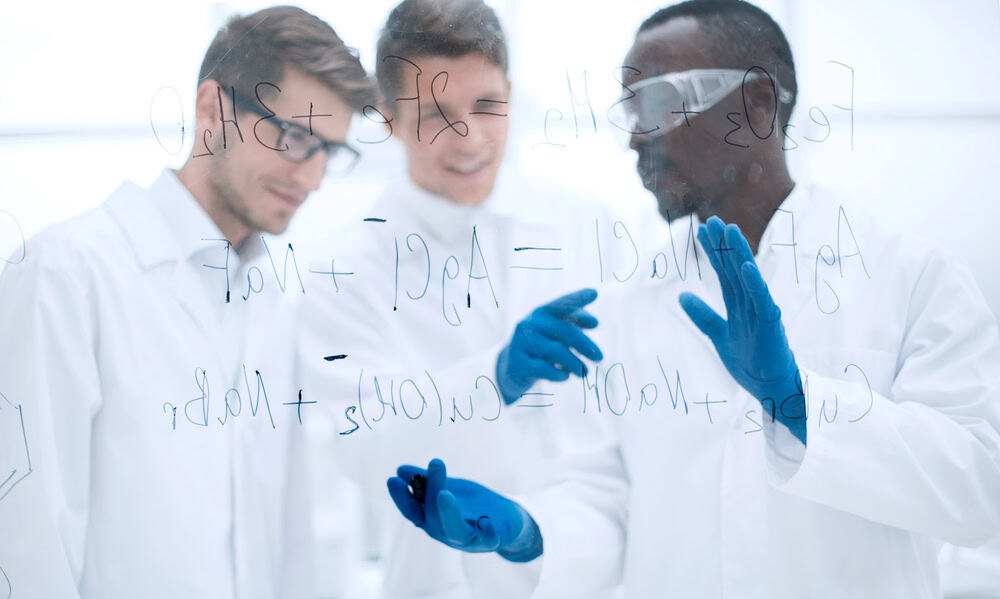
Decades of research had conditioned scientists to see animal testing as unavoidable. But the truth was clear: these methods often failed, leading to misleading results and wasted resources. By championing non-animal technologies, Dr. Carter became part of a movement proving that sustainable science is not only possible—it’s essential.
A Scientist Who Changed the System

Dr. Carter often jokes that she’s “raising” a new generation of scientists—ones who think beyond animal models and embrace innovation. Her work is more than research; it’s a commitment to reshaping science itself. Just as she once stood at a crossroads, she now helps others take that leap.
Science for a New Era

Dr. Carter’s journey isn’t just about rejecting the past—it’s about building a better future. The world of research is evolving, and with leaders like her, the transition away from animal testing is accelerating. What started as one scientist’s choice is now a global paradigm shift, proving that science can advance without cruelty.
Dr. Carter didn’t just step away from animal experiments—she became a leader in the revolution for humane, effective, and sustainable research. In doing so, she’s proving that the future of science belongs not to outdated methods, but to innovation driven by ethics and efficiency.

adventuring, photography and videography. I am currently working towards a BSc in Biodiversity and Ecology at Stellenbosch University to go on to specialise in Marine Sciences one day.
Please send any feedback to Feedback@animalsaroundtheglobe.com
- Top 21 Must-see Birds For Bird Watchers In America - July 20, 2026
- Italy Mourns Hero Police Dog Killed by Food Laced with Nails - July 20, 2026
- Pigeon Turns into Fashionista and Wears Bread - July 19, 2026