
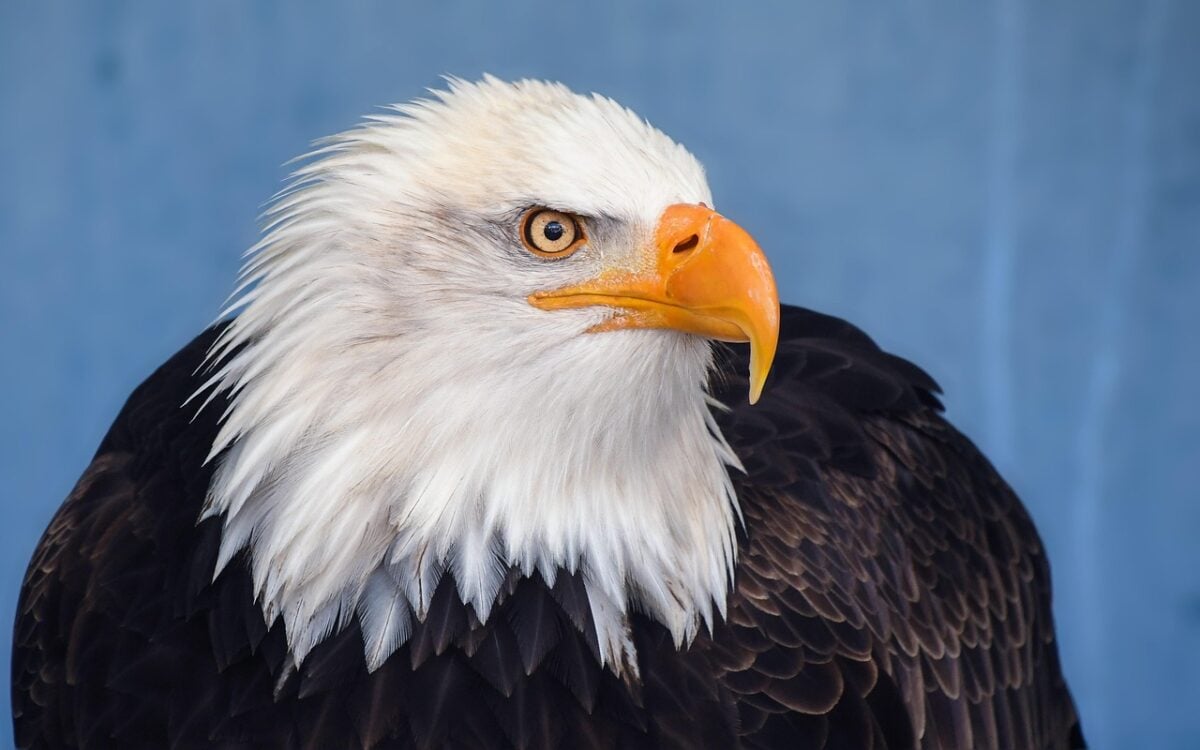
There is something almost unsettling about the way an eagle glides overhead. You feel it in your chest before you even spot the bird itself. Long before social media started filling our feeds with slow-motion eagle videos, many Native American nations already saw these raptors as far more than impressive hunters in the sky. They were understood as messengers between worlds, carrying prayers, warnings, and blessings on their wings.
When you start to really look at how deeply the eagle appears in Native American stories, ceremonies, and everyday life, it becomes clear that this is not just a bird with good eyesight. It is a bridge between the human and the sacred. Once you see the eagle through that lens, even a distant silhouette on a highway drive starts to feel like a quiet conversation with the universe.
The Eagle as a Living Bridge Between Earth and Sky
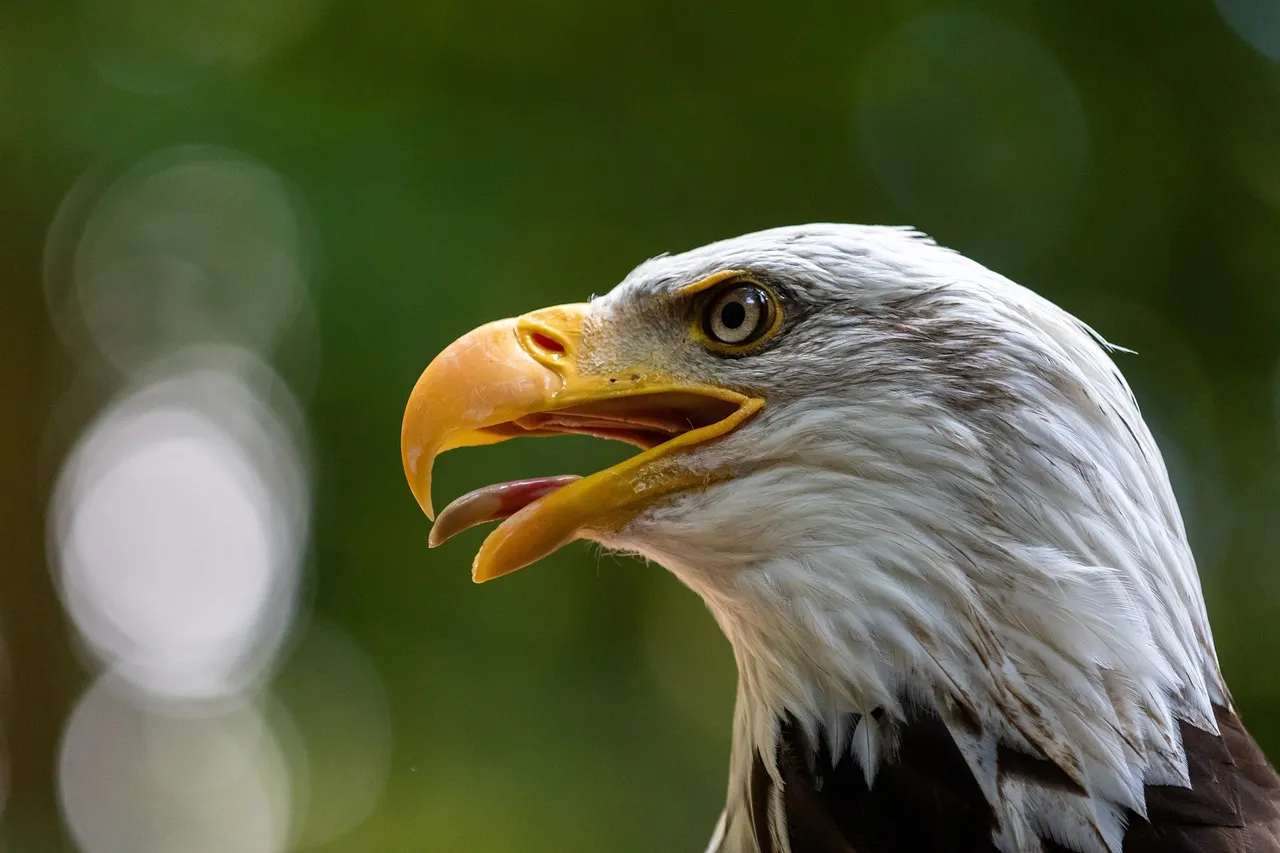
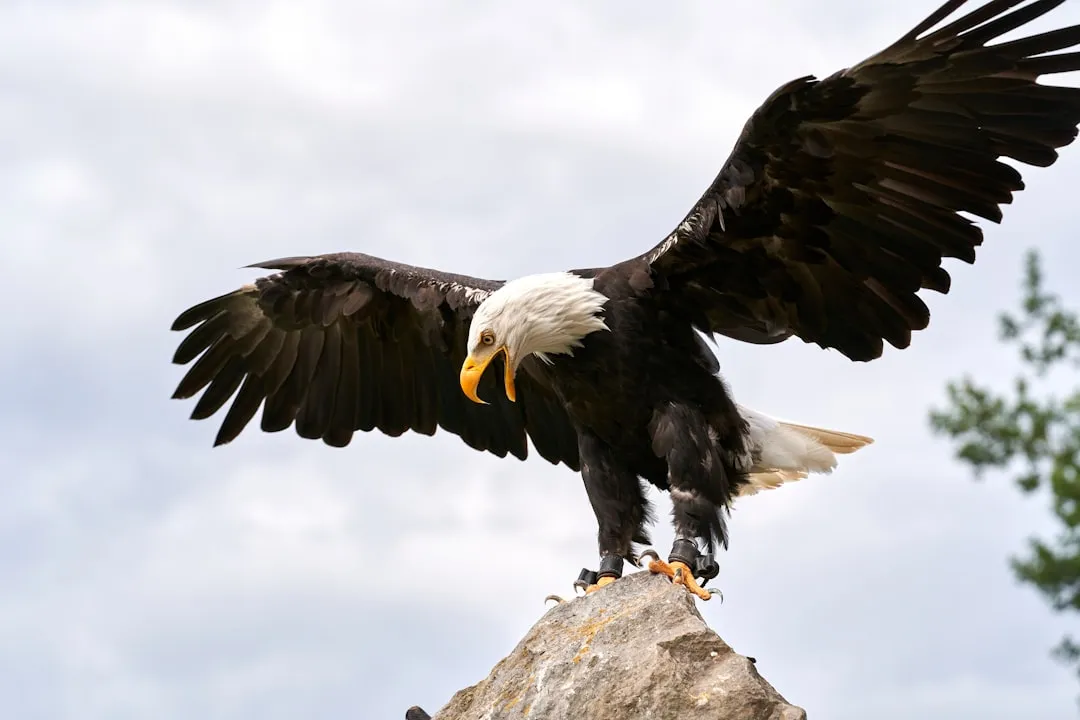
In many Native American traditions, the eagle is not symbolic in a vague, decorative way. It is seen as a literal go-between, a living messenger connecting the ground we walk on with the realms of spirit above. Its ability to soar at great heights, disappearing into the clouds and then reappearing in a smooth, controlled descent, made it an obvious candidate for a creature that navigates both worlds.
Instead of seeing heaven and earth as fully separated, a lot of Native teachings describe reality as layered, interconnected, and constantly in conversation. The eagle becomes the one who can fly through those layers effortlessly. When people prayed, sang, or danced, the presence or image of an eagle could signal that their words were being carried upward, not lost to the wind but escorted.
Why Eagle Feathers Are Sacred, Not Souvenirs
To outsiders, an eagle feather might look like an impressive natural collectible, something to frame or display. In many Native communities, though, an eagle feather is closer to a medal, a responsibility, and a spiritual tool all in one. It is not just a piece of an animal; it is treated as a living extension of the relationship between Creator, eagle, and person.
People might receive eagle feathers for acts of bravery, leadership, or service, and they are often handled with pure intention and great care. Dropping one during a ceremony can trigger its own special protocol to respectfully recover it. This is not superstition; it is a practical way of reinforcing that you are dealing with something powerful, not just decoration from a craft store.
Prayers That Ride on Wings: Spiritual Communication
In many traditional practices, the eagle is seen as a carrier of human prayers. When people raise feathers, offer smoke, or dance in specific ways, they are not just performing a ritual. They are participating in a direct line of communication, trusting the eagle to help transmit their messages to the Creator or to the spirit world.
Think of it like sending a letter with the most trusted courier available, instead of just throwing it into the wind and hoping. The eagle’s height, clarity of vision, and strength are seen as qualities that make it a reliable messenger. The bird is not worshipped, but deeply respected as a partner in the spiritual dialogue that shapes community life, healing, and decision-making.
Sharp Eyes and High Flights: Scientific Traits That Fed the Mythic Role
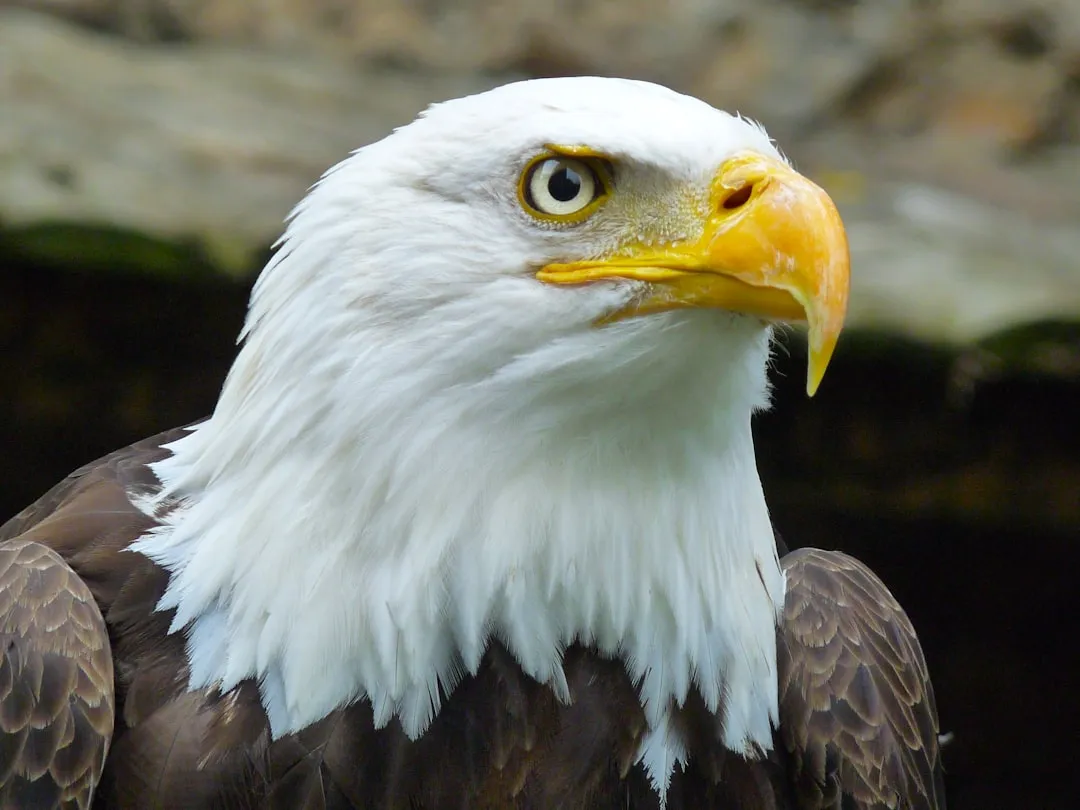
The spiritual status of the eagle did not appear in a vacuum. It is rooted in very real, observable traits that anyone spending time outdoors would notice. Eagles can see with extraordinary clarity, detecting movements at distances that humans simply cannot match. Their ability to lock onto prey from high above and dive with stunning precision makes them appear almost superhuman.
They also tend to nest in high places, whether cliffs or tall trees, positioning them physically closer to the sky. When you consistently see a powerful bird living high above you, flying where most animals never go, it is not a stretch to see it as part of a higher order. The science and the spirituality are not competing here; they are layered, with natural behavior providing the foundation for a sacred role.
Ceremonies, Dances, and the Eagle’s Central Role
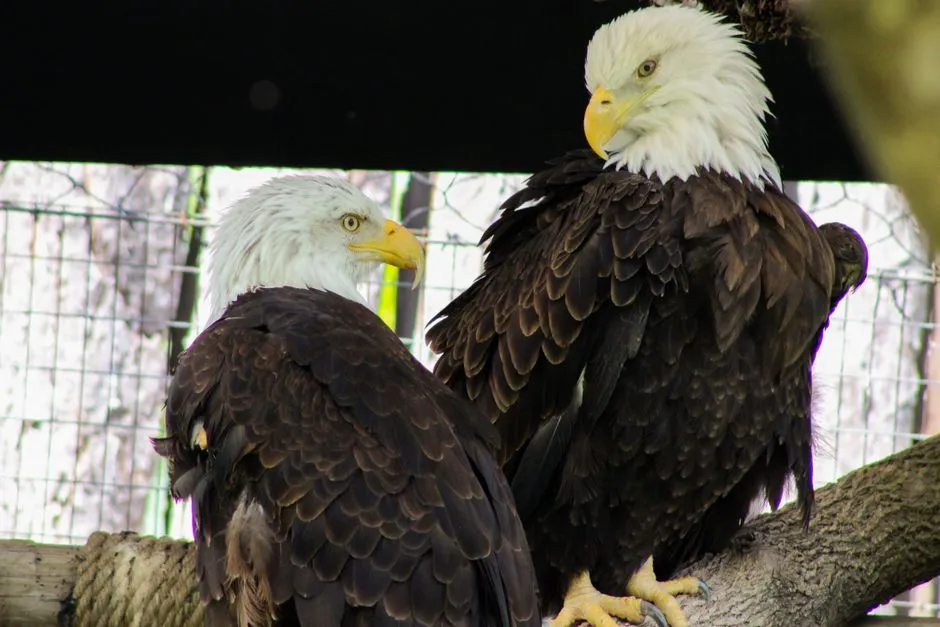
Eagles appear in many Native ceremonies, regalia, and dances, not as accessories but as central elements carrying meaning. In some traditions, the Eagle Dance honors the bird’s movements, strength, and spiritual responsibilities. Dancers might imitate the spread of wings, the circling flights, or the focused gaze, turning observation of nature into living prayer.
Feathers might be used in prayer fans, headdresses, or held in the hand as part of healing and blessing practices. The point is not to dress up as an eagle but to invite its qualities into the space. When you see an eagle feather in a ceremony, you are watching people quite literally hold a symbol of the connection between their community and the divine.
Different Nations, Different Stories, Shared Reverence
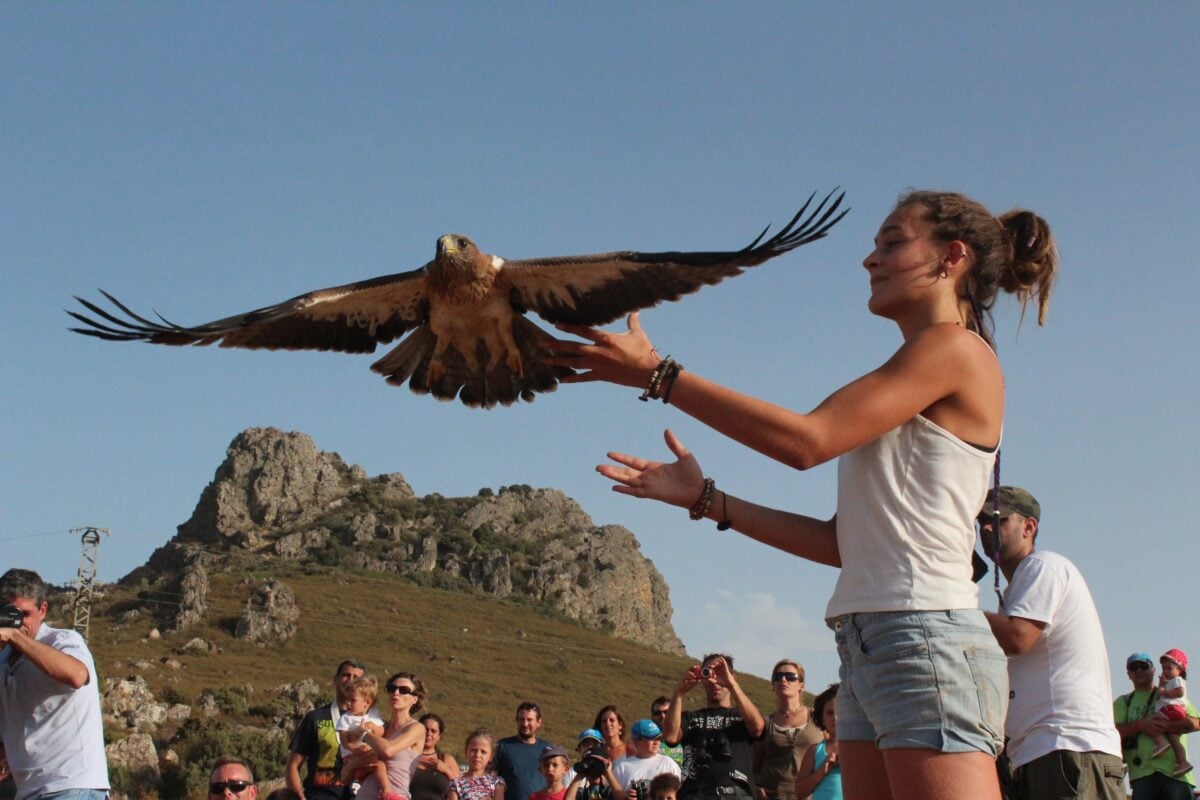
It is important not to flatten all Native beliefs into one generic story. Different nations have their own languages, teachings, and relationships with the eagle. Some emphasize its role as a war symbol, others as a healer, a protector, or a watcher that keeps an eye on human behavior. The specifics shift with landscape, history, and culture, but the respect is a common thread.
What you do see across many traditions is the idea that the eagle stands closer to the Creator than most other beings. It often appears in origin stories, medicine teachings, and moral lessons as a figure that sees farther than humans can. Even where the details differ, the underlying message is similar: this bird is not ordinary, and how you treat it says something about how you understand the sacred.
Law, Conservation, and the Modern Struggle to Protect a Sacred Being
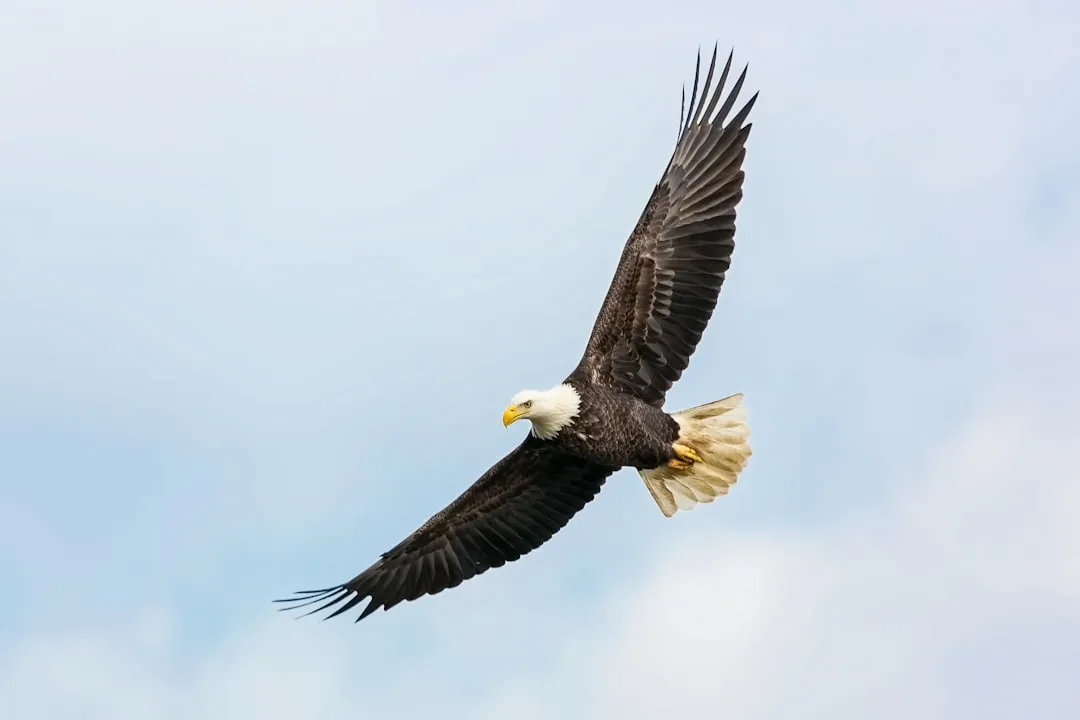
Because of this deep spiritual significance, the loss of eagles due to hunting, habitat destruction, or pollution has never been just an environmental issue for Native communities. It has been a spiritual and cultural crisis. When eagles decline, people do not just lose a symbol. They lose access to a sacred messenger, and ceremonies are affected in a very real way.
Modern laws have tried to balance species protection with cultural rights, allowing certain Native individuals and groups to access eagle feathers through regulated channels. It is a complicated, often frustrating space where federal rules, tribal sovereignty, and spiritual needs collide. But at the heart of it is a simple truth: protecting the eagle is not just about biodiversity; it is about protecting a living link between people and the sacred.
Seeing the Eagle Differently: What This Tradition Asks of Us
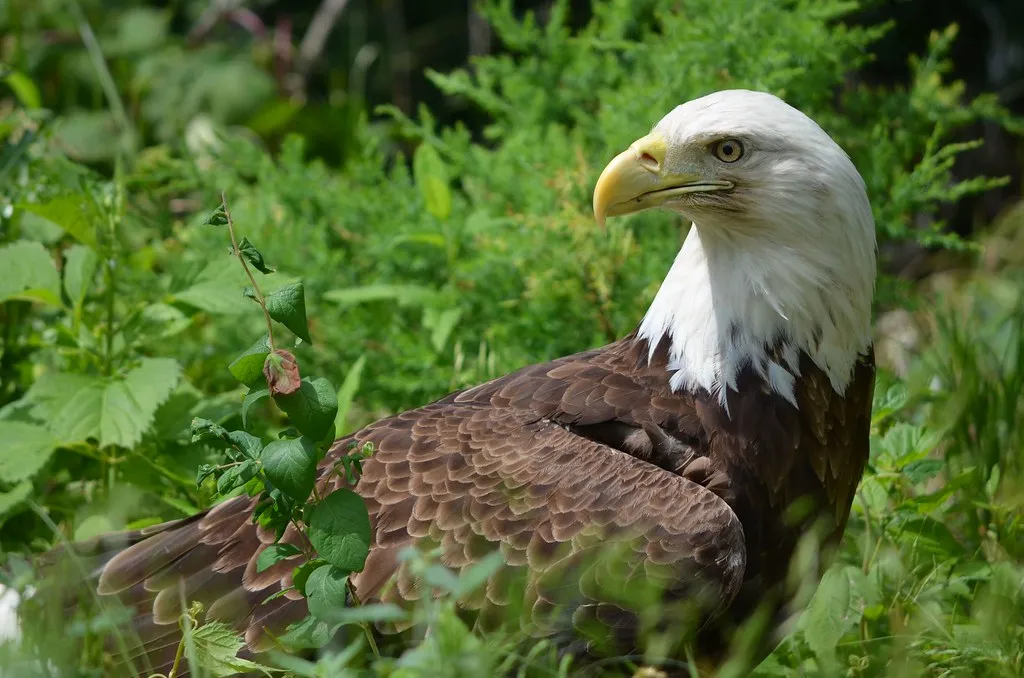
Once you understand how many Native cultures see the eagle, it becomes hard to look at one and think of it as just another bird of prey. Personally, I find that every time I catch sight of an eagle now, there is a brief pause, almost like I have walked into a quiet, outdoor temple. You do not have to share every belief to appreciate the depth of that relationship or the care it has inspired over generations.
In a world that often reduces animals to data points, mascots, or tourism props, the Native understanding of the eagle offers a strong, necessary correction. It insists that some beings carry responsibilities beyond what we can measure on a chart. To me, that is not just a beautiful idea; it is a challenge. The next time an eagle crosses your sky, will you see a predator on the hunt, or a messenger reminding you there is more going on above you than you usually remember to notice?
