

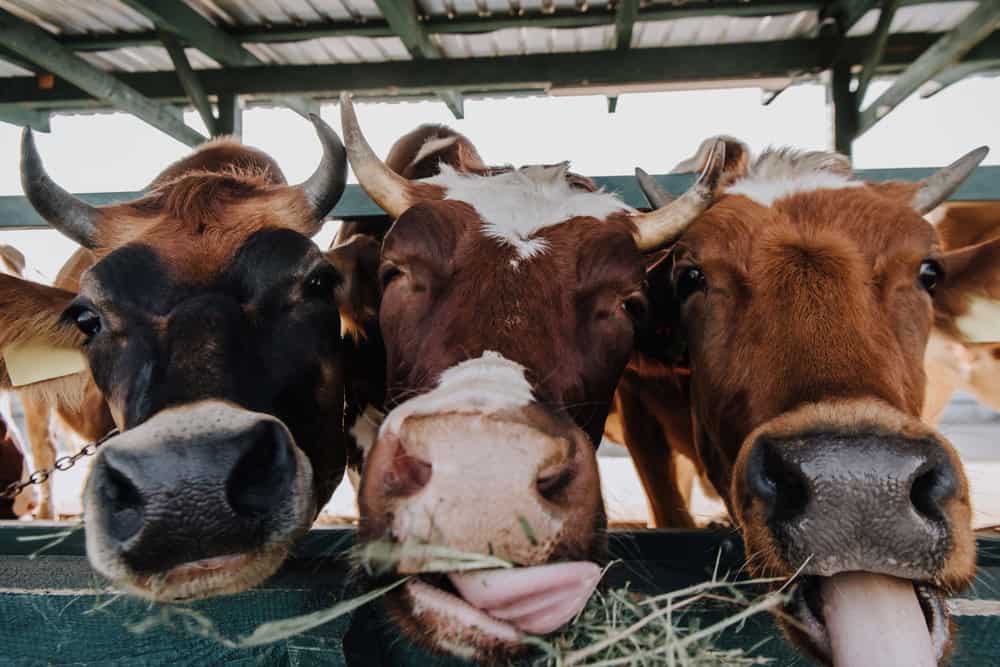
The agricultural sector is facing an unprecedented challenge: a ‘triple threat’ of devastating animal diseases. Avian influenza, foot and mouth disease, and the resurgence of the flesh-eating screwworm parasite are spreading simultaneously. These outbreaks not only impact livestock health but also threaten food security, trade, and public health.
The Impact of Avian Influenza

The H5N1 strain of bird flu has escalated into a major crisis, infecting over 500 bird species worldwide. Mass die-offs of both wild and domestic birds have forced farmers to cull millions of poultry. Even more concerning, the virus has begun infecting mammals, including sea lions and even humans. Experts fear that further mutations could lead to human-to-human transmission.
The Return of Foot and Mouth Disease
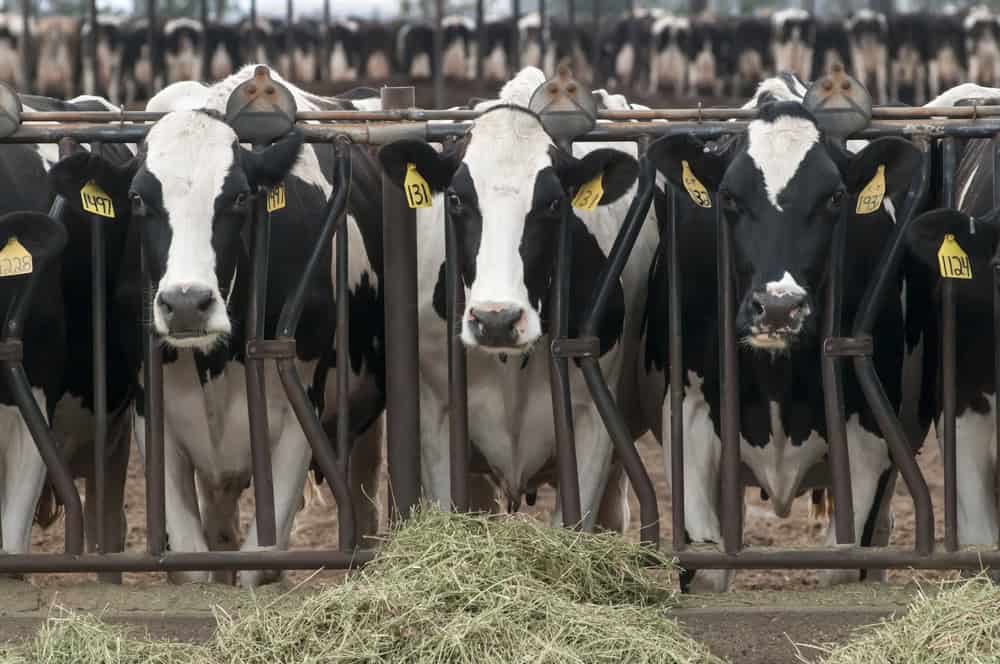
After nearly 40 years of absence, foot and mouth disease has reappeared in countries like Germany. This highly contagious livestock disease disrupts food production, leading to mass culls and economic losses in the billions. Outbreaks also trigger trade bans, further harming agricultural economies and food supply chains.
The Flesh-Eating Screwworm Resurfaces
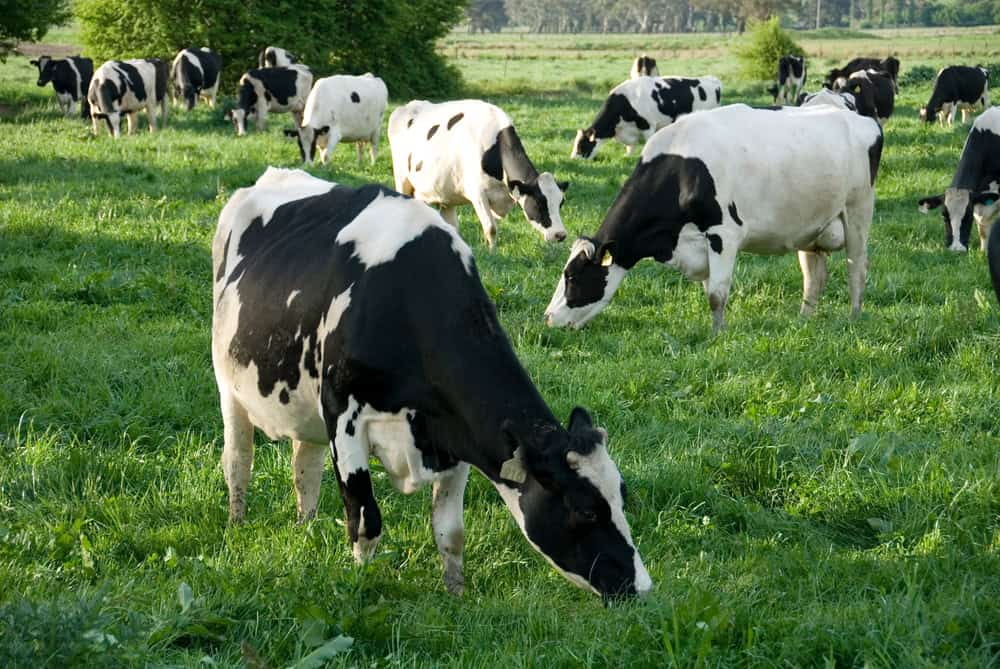
The New World screwworm, a deadly parasite that burrows into wounds, has been detected in Mexico. If it spreads north, it could devastate U.S. cattle populations and impact the beef industry. Left untreated, infected animals suffer severe tissue damage and even death, making early detection and control efforts critical.
The Economic and Public Health Consequences
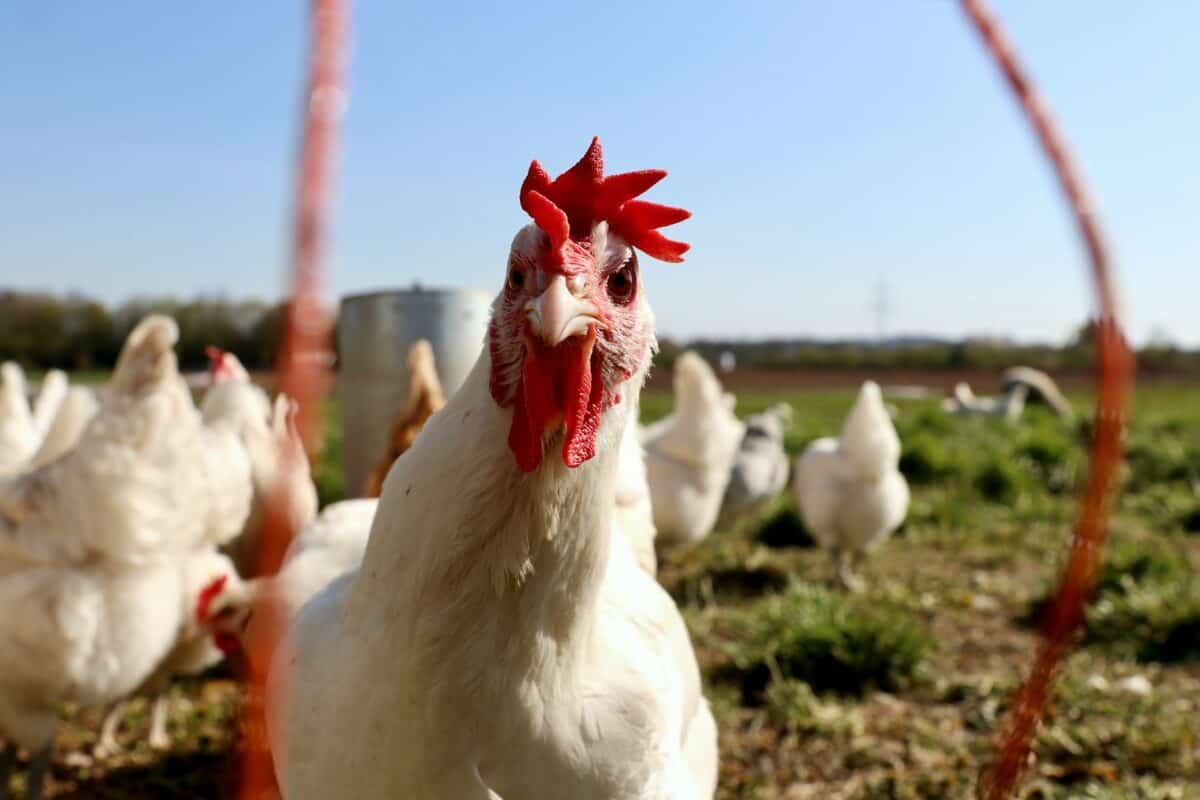
With livestock losses mounting, food prices are rising, and trade restrictions are causing financial turmoil. Egg and poultry shortages have already led to price spikes in major markets. Meanwhile, zoonotic disease risks are increasing, with scientists worried about potential new pandemics if these viruses continue evolving.
Prevention and Protection
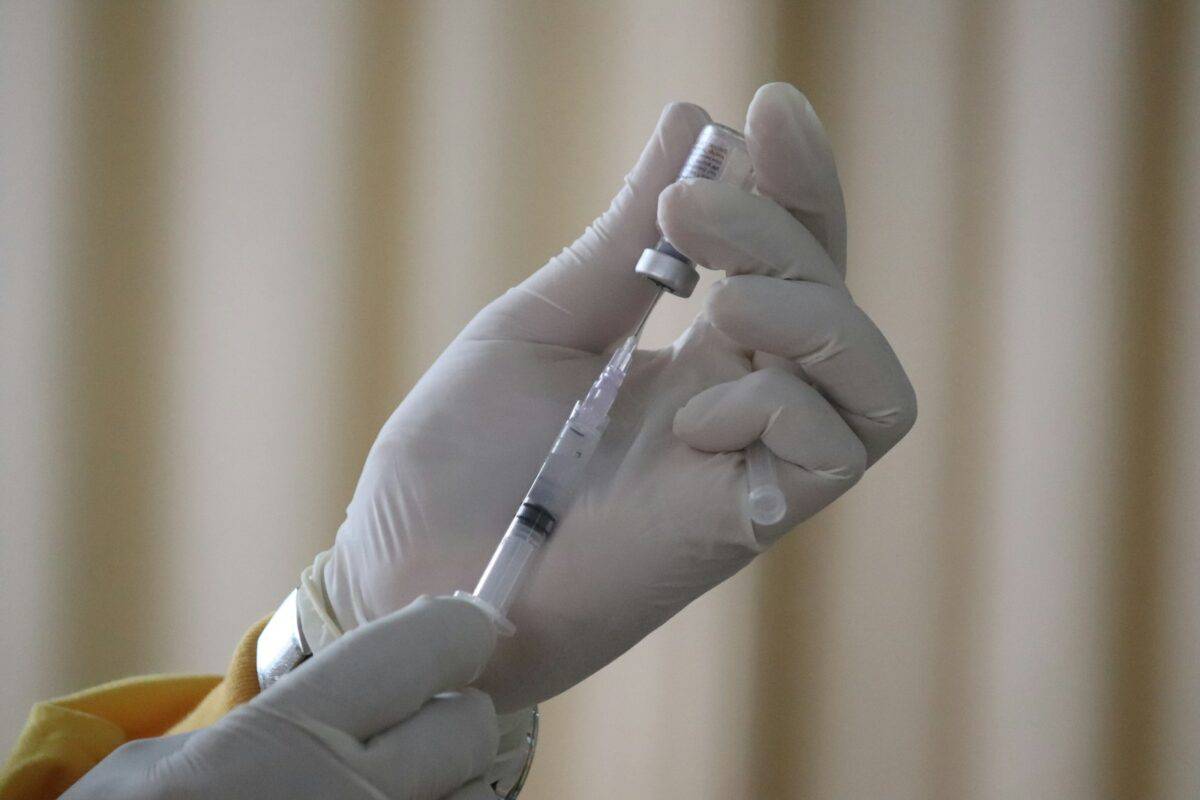
Experts urge stronger biosecurity measures, enhanced surveillance, and expanded vaccination programs to combat the crisis. International collaboration is key to stopping the spread before it worsens. As agriculture faces this ‘triple threat,’ proactive action will determine the future of food security and public health.

adventuring, photography and videography. I am currently working towards a BSc in Biodiversity and Ecology at Stellenbosch University to go on to specialise in Marine Sciences one day.
Please send any feedback to Feedback@animalsaroundtheglobe.com
- Curious Black Bear Plays on Swingset - July 18, 2026
- Meet Deep Blue: The Largest and Oldest Living Shark Ever Recorded - July 17, 2026
- Cat Accidentally Eats Fish When Drinking Water - July 17, 2026