

Deep in the murky waters and dense vegetation of Georgia’s wetlands, American alligators (Alligator mississippiensis) reign as prehistoric predators that have survived for millions of years. These remarkable reptiles are a vital part of Georgia’s rich ecosystem, from the Okefenokee Swamp in the south to various waterways throughout the state. As apex predators, they help maintain the delicate balance of wetland habitats while captivating both scientists and wildlife enthusiasts with their ancient adaptations and behaviors. This exploration of Georgia’s alligator population reveals their fascinating biology, habitat preferences, conservation status, and the complex relationship they share with the state’s human inhabitants.
The Natural History of American Alligators in Georgia

American alligators have inhabited Georgia’s waterways for millennia, with fossil evidence suggesting their ancestors have been present in North America for over 8 million years. These resilient reptiles are members of the Crocodilia order, which includes crocodiles, caimans, and gharials. While their range once extended throughout the southeastern United States, hunting and habitat loss significantly reduced their numbers by the mid-20th century. Georgia’s climate and abundant wetlands provide ideal conditions for alligators, allowing the species to thrive particularly in the southern parts of the state where warmer temperatures support their cold-blooded physiology. Their remarkable ability to adapt to changing environmental conditions has enabled their survival through countless ecological shifts, making them true living fossils in Georgia’s diverse ecosystems.
Identifying Georgia’s Alligators

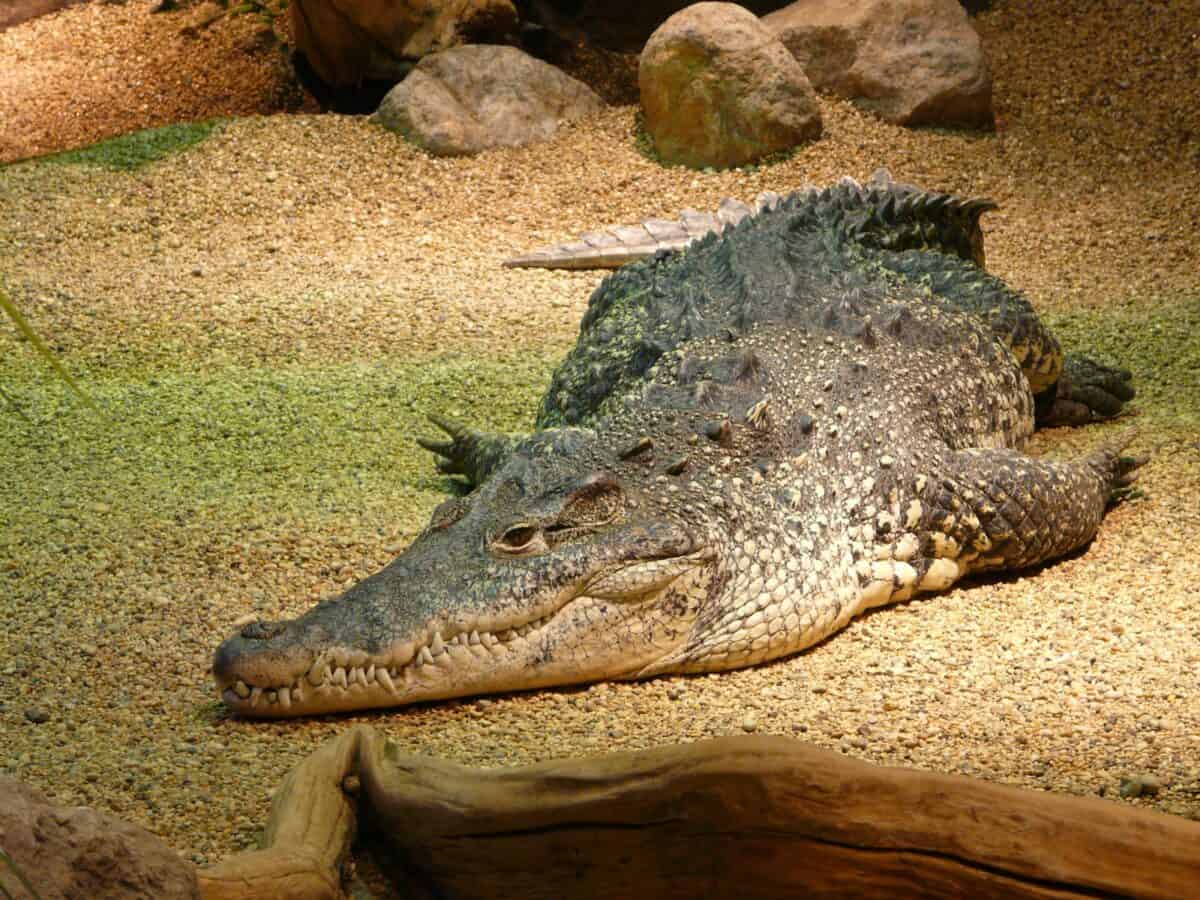
American alligators in Georgia typically reach lengths of 10 to 15 feet for males and 8 to 10 feet for females when fully grown. Their distinctive features include a broad, rounded snout, black or dark gray coloration with lighter undersides, and heavily armored bodies covered in bony plates called osteoderms that provide protection. Young alligators display yellow banding patterns that fade as they mature. Perhaps their most recognizable feature is their powerful jaw, which can exert over 2,000 pounds of pressure per square inch—among the strongest bite forces in the animal kingdom. Unlike their crocodile cousins, alligators have a broader upper jaw that conceals most of their teeth when their mouth is closed. Georgia residents can distinguish alligators from the rare American crocodile (found primarily in Florida) by the alligator’s darker coloration and more rounded snout, though crocodile sightings in Georgia are extremely uncommon.
Prime Alligator Habitats in Georgia

The crown jewel of Georgia’s alligator habitats is undoubtedly the Okefenokee Swamp, a vast 438,000-acre wetland that straddles the Georgia-Florida border. This ancient ecosystem houses thousands of alligators, with population densities among the highest in the United States. Beyond the Okefenokee, alligators flourish in the state’s coastal marshes, blackwater swamps, and river systems, particularly in the southern and coastal regions. The Altamaha River basin, Lake Seminole, and the coastal areas near Savannah also support substantial alligator populations. These reptiles prefer freshwater environments but can tolerate brackish water and have been spotted in saltwater areas for short periods. Ideal habitats provide a combination of deep water for cooler months and shallow areas with abundant vegetation for hunting and nesting. While historically concentrated in the southern third of Georgia, warming temperatures in recent decades have allowed alligators to expand their range slightly northward, with occasional sightings reported as far north as Atlanta in urban lakes and ponds.
Alligator Behavior and Lifestyle

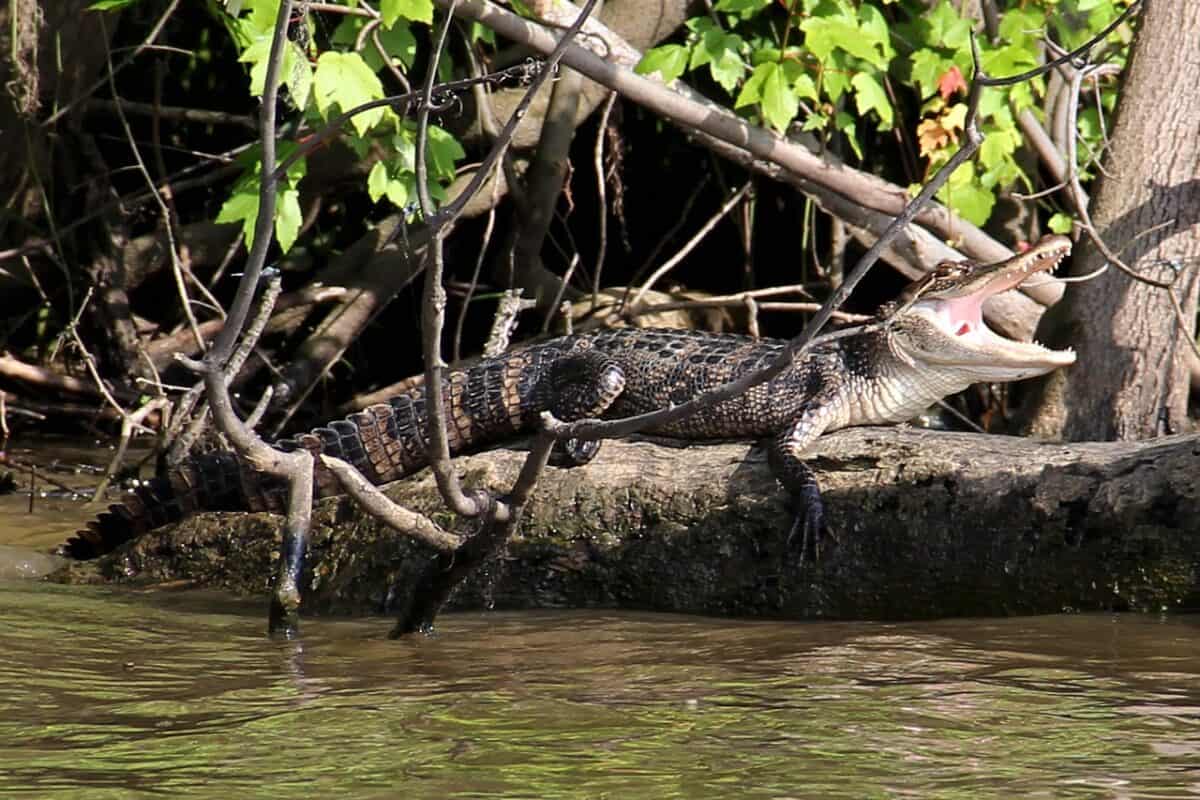
Georgia’s alligators exhibit fascinating behavioral patterns that vary with seasons, temperature, and reproductive cycles. As ectothermic (cold-blooded) animals, they rely on external heat sources to regulate their body temperature. This explains their characteristic basking behavior, where they can be seen lounging on banks with their mouths open—a posture that helps them cool down through evaporation. During Georgia’s cooler winter months, alligators become less active and may enter a dormant state called brumation, during which they reduce their metabolism and may submerge themselves in water with only their nostrils exposed. Despite their intimidating appearance, alligators are generally shy around humans and prefer to retreat when approached. However, they can move surprisingly quickly in short bursts, reaching speeds up to 35 miles per hour on land for brief distances. In water, they become even more formidable, using their powerful tails to propel themselves with remarkable agility and speed. Male alligators establish territories and announce their presence during mating season with deep bellowing calls and water displays, creating vibrations that can be felt through the ground near shorelines.
Diet and Hunting Strategies

As opportunistic predators, Georgia’s alligators have a diverse diet that evolves throughout their lifetime. Juvenile alligators primarily consume insects, small fish, amphibians, and crustaceans. As they grow, their prey size increases to include larger fish, turtles, snakes, birds, and mammals—including raccoons, opossums, and deer that venture too close to the water’s edge. Alligators employ several highly effective hunting techniques, with the most common being the ambush. They float nearly submerged with only their eyes and nostrils visible, then lunge with explosive speed when prey approaches the water. Their powerful tails provide the thrust needed for these lightning-fast attacks. Unlike many predators, alligators don’t chew their food but rather tear larger prey into manageable chunks by gripping it in their jaws and spinning their bodies in what’s known as a “death roll.” This behavior is particularly important for dismembering prey too large to swallow whole. In Georgia’s ecosystems, alligators play a crucial role in controlling populations of prey species and removing sick or injured animals, contributing to overall ecological health.
Reproduction and Life Cycle

The reproductive cycle of Georgia’s alligators begins in spring, typically April through May, when warming temperatures trigger mating behaviors. Males attract females with complex courtship displays that include head-slapping on the water’s surface, deep bellowing vocalizations, and releasing musky scents from glands under their jaws. After mating, female alligators construct mound nests of vegetation in June to July, usually near the water’s edge but above the flood line. These nests measure approximately 3-5 feet in diameter and 2-3 feet high, providing both protection and a natural incubation system. A typical clutch contains 20-50 eggs that incubate for approximately 65 days. Fascinatingly, nest temperature determines the sex of the offspring—higher temperatures (above 93°F) produce males while lower temperatures (below 86°F) result in females. Mother alligators exhibit remarkable parental care, guarding their nests vigilantly against predators and listening for the distinctive grunting sounds made by hatchlings ready to emerge. When hatching begins, the mother helps free the young by gently uncovering the nest and sometimes carrying hatchlings to water in her mouth. She continues to protect her young for up to two years, though mortality remains high with only about 10-20% of hatchlings surviving to adulthood due to predation by birds, raccoons, and even other alligators.
Conservation Success Story
The American alligator represents one of the most successful wildlife conservation efforts in United States history. By the 1960s, over-hunting for their valuable hides had driven alligator populations to dangerously low levels across their range, including in Georgia. In response, the species was listed as endangered under legislation that preceded the Endangered Species Act. Protection from hunting, combined with habitat conservation efforts particularly in the Okefenokee National Wildlife Refuge, allowed Georgia’s alligator population to recover dramatically. By 1987, the species had rebounded so successfully that it was declared fully recovered and removed from the endangered species list, though it remains protected under the Similarity of Appearance provision to prevent accidental taking of the still-endangered American crocodile. Today, Georgia’s alligator population is estimated at approximately 200,000-250,000 individuals, with sustainable management practices including carefully regulated hunting seasons implemented in 2003. This remarkable recovery demonstrates how effective conservation policies can restore populations of even slow-reproducing species when habitat protection and hunting regulations work in tandem.
Alligator Management in Georgia

The Georgia Department of Natural Resources (DNR) Wildlife Resources Division oversees alligator management throughout the state, balancing ecological needs with human safety concerns. Since 2003, Georgia has implemented a limited, quota-based alligator hunting season that typically runs from mid-August to early October. Permits are distributed through a lottery system, with approximately 1,000 tags issued annually. Hunters must follow strict regulations regarding harvest methods, reporting requirements, and size restrictions. Beyond hunting management, the DNR responds to nuisance alligator complaints, particularly in developed areas where human-alligator conflicts may occur. Not all reported alligators are removed; officials evaluate each situation based on the alligator’s size, behavior, and proximity to people. Smaller alligators are often left alone as they pose minimal risk and play important ecological roles. For alligators deemed dangerous, the state maintains a list of licensed nuisance alligator trappers who can legally capture and, if necessary, relocate or harvest problem animals. This comprehensive management approach aims to maintain healthy alligator populations while minimizing conflicts with Georgia’s growing human population.
Human-Alligator Interactions and Safety

As Georgia’s human population continues to expand into previously undeveloped areas, interactions between people and alligators have increased. While alligator attacks on humans remain extremely rare—with fewer than ten documented unprovoked attacks in Georgia’s recorded history—public safety education remains a priority. The Georgia DNR emphasizes several key safety guidelines: never feed alligators, as this dangerous practice teaches them to associate humans with food; keep pets away from water edges in alligator habitat; swim only in designated areas and during daylight hours; maintain a safe distance of at least 30 feet from any alligator; and be particularly cautious during spring and summer mating and nesting seasons when alligators become more territorial. Most negative encounters occur when alligators lose their natural fear of humans, usually as a result of illegal feeding. Georgia law explicitly prohibits feeding wild alligators, with violations punishable by fines up to $1,000. The state’s nuisance alligator program addresses problem alligators that pose genuine threats to human safety, though education remains the most effective tool for preventing conflicts between Georgia residents and these ancient reptiles.
Cultural and Economic Significance
Alligators hold special cultural and economic significance for Georgia. They feature prominently in local folklore, art, and literature, symbolizing the wild character of the state’s swamplands. Native American traditions in the region included alligator imagery in various cultural expressions, recognizing the creature’s power and endurance. Today, alligators contribute significantly to Georgia’s economy through ecotourism, with thousands of visitors taking boat tours of the Okefenokee Swamp and other wetlands specifically to glimpse these impressive reptiles in their natural habitat. The regulated alligator hunting season also generates revenue through licensing fees and supports businesses that process alligator products, including meat and leather. Alligator meat, considered a delicacy with a flavor often compared to chicken with a light fish taste, appears on menus in restaurants across the state. Additionally, alligators serve as unofficial mascots for various Georgia institutions and businesses, further cementing their cultural relevance. The University of Florida Gators may be the most famous alligator-themed sports team in the Southeast, but Georgia’s relationship with its alligator population runs just as deep, reflecting both respect and appreciation for these ancient creatures.
Threats and Challenges
Despite their successful recovery, Georgia’s alligators face several ongoing and emerging challenges. Habitat loss and fragmentation remain primary concerns as coastal development, agricultural expansion, and urban growth continue to encroach on wetland habitats. Water quality degradation from agricultural runoff, industrial pollution, and urban development threatens both alligators and their prey species. Climate change presents additional uncertainties, with potential impacts on sex ratios due to temperature-dependent sex determination, changes in water levels affecting nesting sites, and altered seasonal patterns influencing breeding behaviors. Invasive species pose another challenge—particularly Burmese pythons, which have established breeding populations in neighboring Florida and could potentially compete with alligators for resources if their range expands northward. Human attitudes also present challenges, with some communities viewing alligators as nuisances or threats rather than valuable components of Georgia’s ecosystems. Conservation organizations and the Georgia DNR work continuously to address these threats through habitat protection initiatives, water quality monitoring, public education programs, and research on climate adaptation strategies to ensure the long-term survival of healthy alligator populations throughout suitable habitats in the state.
Viewing Alligators Safely in Georgia

For wildlife enthusiasts and tourists eager to observe alligators in their natural habitat, Georgia offers numerous opportunities for safe and responsible viewing. The Okefenokee National Wildlife Refuge stands as the premier destination, with boardwalks, observation towers, and guided boat tours providing excellent vantage points for alligator spotting. The refuge’s three main entrances—Suwannee Canal Recreation Area near Folkston, Stephen C. Foster State Park near Fargo, and Okefenokee Swamp Park near Waycross—each offer unique access points to different parts of the swamp. Beyond the Okefenokee, other prime viewing locations include Harris Neck National Wildlife Refuge, Altamaha Waterfowl Management Area, and Reed Bingham State Park. When viewing alligators, visitors should use binoculars or telephoto camera lenses to maintain safe distances, follow all posted warnings and guidelines, avoid bringing food near waterways, and never attempt to touch or feed alligators. Early morning and late afternoon typically provide the best viewing opportunities when alligators are most active, particularly during spring and summer months. Guided tours with knowledgeable naturalists not only enhance safety but also provide valuable ecological and behavioral context, enriching the experience while promoting conservation awareness.
Conclusion: Georgia’s Ancient Swamp Dwellers

The American alligator stands as a living connection to prehistoric times, having survived virtually unchanged for millions of years within Georgia’s rich wetland ecosystems. Their remarkable recovery from near-extinction to stable populations throughout the state exemplifies successful wildlife conservation, balancing protection with sustainable management practices. As apex predators, alligators play a crucial ecological role in maintaining healthy wetland systems, controlling prey populations and contributing to biodiversity. The future of Georgia’s alligators depends on continued habitat protection, climate adaptation strategies, and positive human-wildlife relationships based on education and respect rather than fear. For Georgians and visitors alike, these magnificent reptiles embody the wild essence of the state’s swamps and wetlands—ancient guardians of ecosystems that continue to fascinate and inspire awe in all who encounter them.

- The Smallest Bird in the World Is So Tiny It Can Fit in a Teaspoon - July 19, 2026
- What Happens If You Lock Eyes With a Wild Leopard? - July 19, 2026
- 10 Fastest Racing Dog Breeds You Must Know - July 19, 2026