

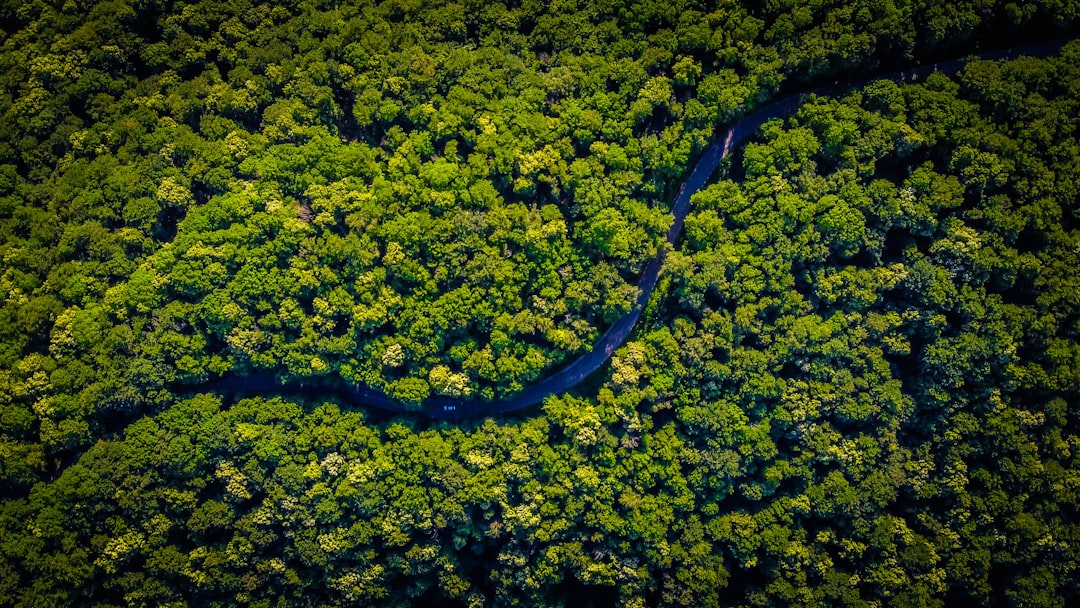
Degraded areas along the edges of Amazonian forests rebound impressively from severe fires, prolonged droughts, and powerful windstorms. Vegetation, including trees, often regenerates with notable vigor in these zones. This resilience, however, unfolds amid altered ecological dynamics that erode species diversity and heighten risks from future threats.
Vegetation’s Robust Return
Researchers observed that forest edges battered by multiple disturbances quickly sprout new growth. Fires scorch the understory, droughts stress root systems, and windstorms topple mature trees, yet green shoots emerge soon after. Tree species, in particular, contribute to this revival, filling gaps left by the destruction.
Such regeneration capacity stands out in tropical ecosystems known for their complexity. The process draws on seed banks and sprouting mechanisms embedded in the soil. Still, the pace and scale of this recovery challenge assumptions about irreversible damage in the Amazon.
New Conditions Drive Change
Recovery does not mirror the pre-disturbance state. Instead, it proceeds under novel environmental pressures that favor certain plants over others. Openings created by fallen trees allow sunlight to penetrate deeper, altering moisture levels and soil composition.
These shifts promote pioneer species adapted to disturbance, sidelining those requiring stable shade or specific humidity. The result forms a different forest structure, less layered and more uniform. Over time, this homogenization reduces the variety of life forms present.
- Fires clear competing vegetation, boosting fast-growing opportunists.
- Droughts select for drought-tolerant flora, excluding moisture-dependent ones.
- Windstorms fragment canopies, creating edge effects that persist.
Diversity Loss and Rising Risks
The drop in species richness weakens ecosystem stability. Fewer plants mean diminished resilience to pests, diseases, and climate extremes. Monocultures of recovering vegetation prove more susceptible to the next wave of disturbances.
Forest edges, already prone to human encroachment and invasive species, amplify these vulnerabilities. What appears as triumphant regrowth conceals a subtler crisis. Biodiversity underpins services like carbon storage and water regulation, both critical for the broader Amazon basin.
Broader Implications for Conservation
These findings underscore the need to address cascading effects beyond initial damage. Protecting intact forest interiors could buffer edge recovery zones. Strategies might include controlled burns or drought mitigation to preserve diverse seed sources.
Climate models predict intensified disturbances ahead, making such insights urgent. The Amazon’s ability to heal offers hope, tempered by the reality of transformed landscapes. Policymakers and scientists alike must weigh this duality in restoration efforts.
In the end, the Amazon’s story reveals nature’s tenacity alongside its fragility. Regrowth signals potential, but only diverse forests can withstand escalating pressures. Monitoring these changes will shape effective safeguards for one of Earth’s vital lungs.

- Urban Coyotes Show Remarkable Adaptability, Learning to Thrive in City Environments - July 22, 2026
- Beavers Are Nature’s Engineers, Creating Vital Habitats for Other Wildlife Species - July 21, 2026
- The Recovery of the California Condor Offers Hope for Other Critically Endangered Birds - July 21, 2026