


Nic Wilson returned to the windswept limestone slopes of Portland Bill in Dorset with a single task: to find bastard-toadflax (Thesium humifusum), a rare semi-parasitic plant that eluded him the first time. Amidst cliffside birdwatching, he realized the plant could only be seen by getting “low and slow” on the ground.
A Humble Plant with Starry Blooms
🔥 Would you like to save this?
We'll email this post to you, so you can come back to it later!
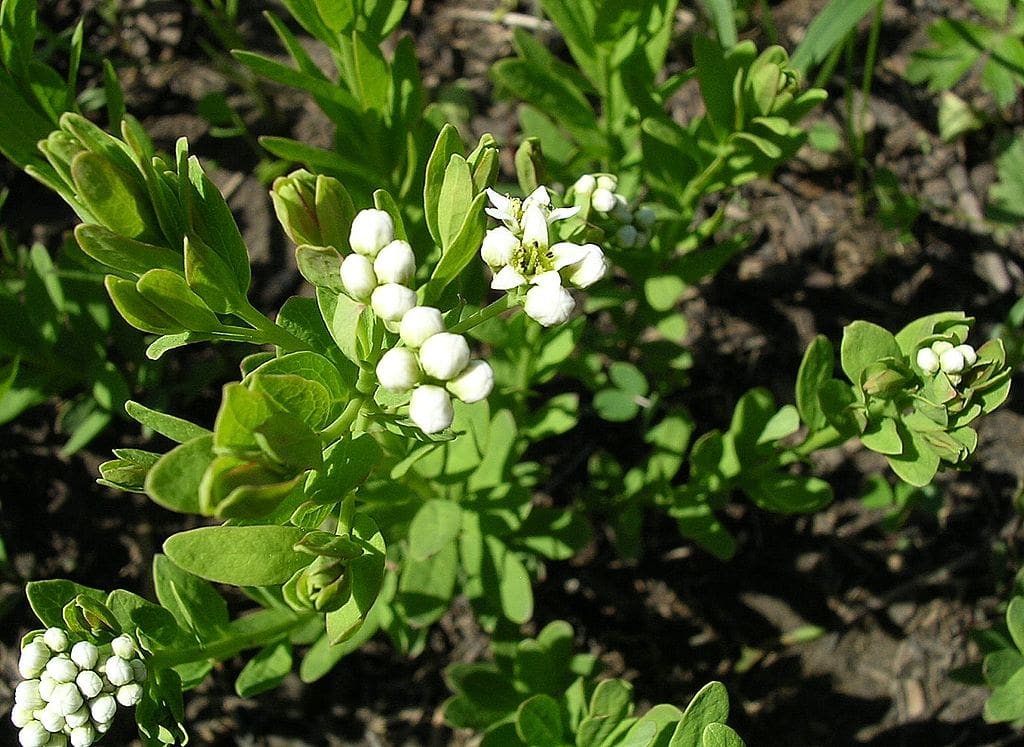
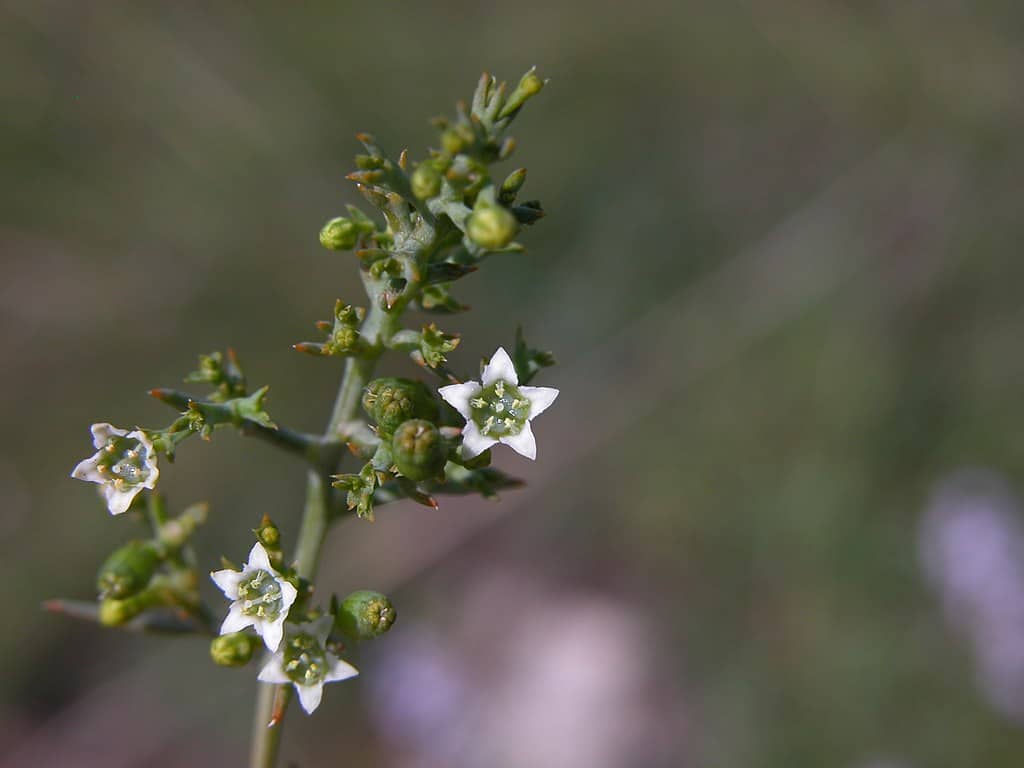
Bending low, Nic discovered the plant’s delicate stems and tiny white flowers—no more than 3 mm across—scattered among grasses, eyebright, bird’s-foot trefoil, and yellow wort. Under his hand lens, the star-like blossoms revealed creamy anthers and a stigmatic tube crowned by sepals.
More Than Just a Plant
🔥 Would you like to save this?
We'll email this post to you, so you can come back to it later!
Although dubbed “bastard” toadflax, the plant is a close relative of mistletoe and a scrabble of survival in dry downlands. Its small stature belies its ecological importance: it’s both species-rich and the sole sustenance for specialist insects.
Spotlight on the Down Shieldbug
🔥 Would you like to save this?
We'll email this post to you, so you can come back to it later!
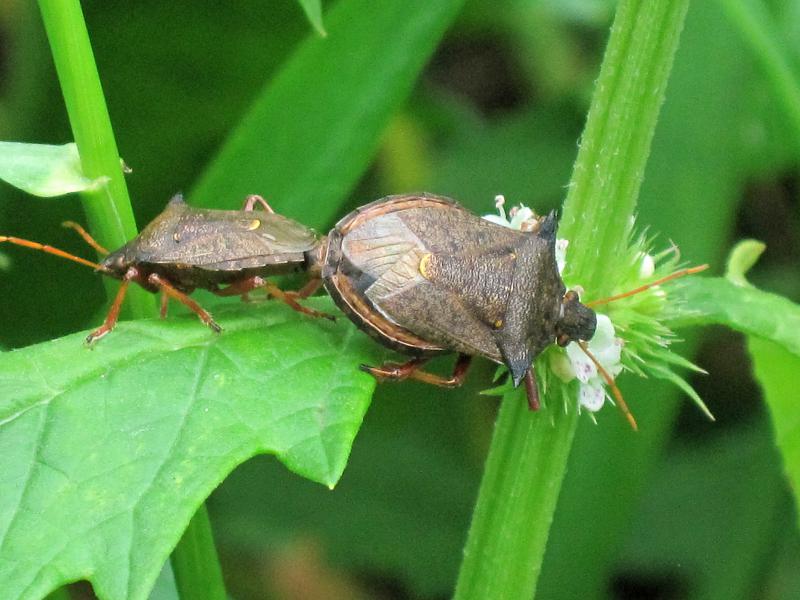
Beneath the plant’s leaves, Nic spotted small black-and-red shieldbug nymphs—the down shieldbug (Canthophorus impressus). These bugs rely completely on bastard-toadflax, developing through five juvenile stages to become metallic blue adults about half the size of green shieldbugs.
An Intimate Ecological Connection

🔥 Would you like to save this?
We'll email this post to you, so you can come back to it later!
This encounter highlighted a remarkable specialist relationship: a monophagous insect wholly dependent on a rare, specialized plant found only on southern English downlands. For the shieldbug, the prostrate plant is an entire world.
A Call to Respect and Preserve

🔥 Would you like to save this?
We'll email this post to you, so you can come back to it later!
Nic’s fieldwork illustrates how small-scale interdependencies form the hidden threads of biodiversity. The Guardian’s Country Diary encourages us to observe slowly, value these specialized relationships, and safeguard their fragile habitats.

adventuring, photography and videography. I am currently working towards a BSc in Biodiversity and Ecology at Stellenbosch University to go on to specialise in Marine Sciences one day.
Please send any feedback to Feedback@animalsaroundtheglobe.com
- 26 Most Dangerous Snakes Found in North America - October 19, 2026
- 21 Things Not to Feed Your Pet Dog - October 18, 2026
- 10 Sacred Native American Sites in North America - October 16, 2026