
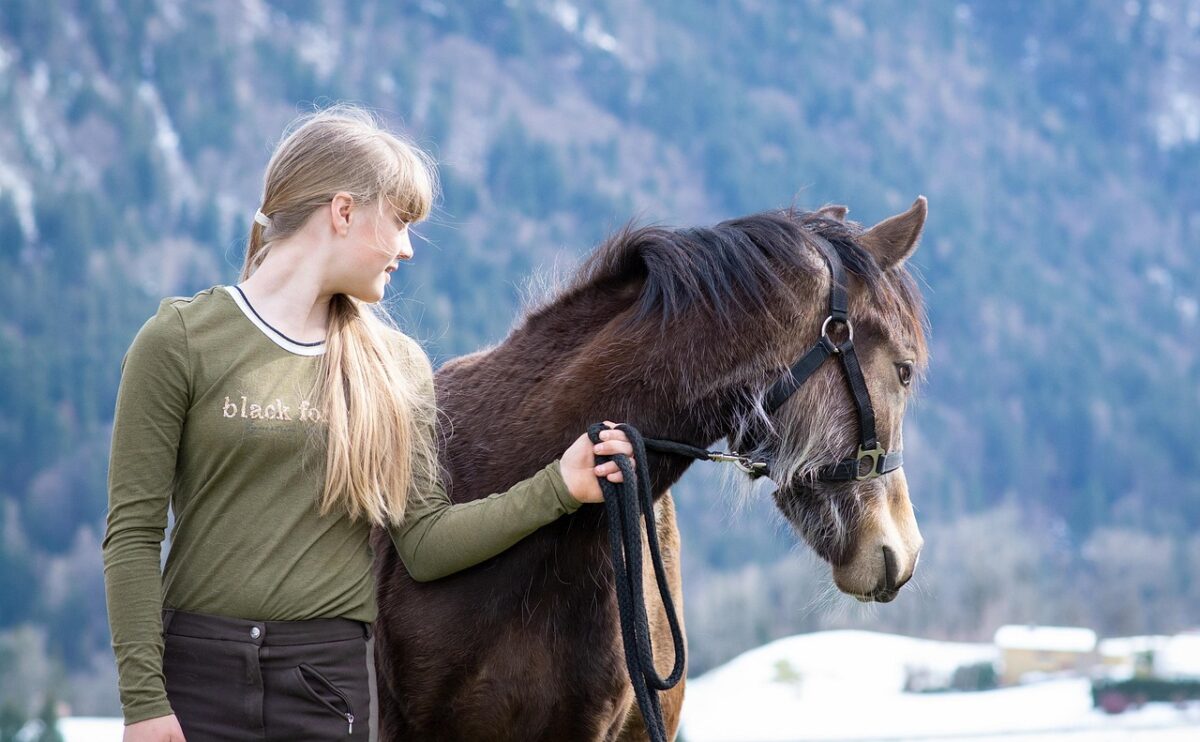
Picture a barn at dusk. You call out from the doorway, still hidden behind a stall wall, and a head swings around before you’ve appeared. Most horse people have seen something like it.
It feels like proof that the horse knows exactly who you are. Researchers have spent years testing that hunch with careful experiments, and what they found is more interesting than a simple yes.
The Experiment That Started the Conversation
🔥 Would you like to save this?
We'll email this post to you, so you can come back to it later!
The study most often cited came out in 2012. Leanne Proops and Karen McComb of the University of Sussex published it in Proceedings of the Royal Society B, showing that horses form cross modal memories of familiar humans. In plain terms, a horse links what a person sounds like with what that person looks like.
The setup was clever. Researchers played recordings of human voices, one familiar to the horse and one unfamiliar, from a hidden speaker while the familiar and unfamiliar humans stood on either side of it. The horse was never told what to do, so its natural reaction was the data.
What the Horses Actually Did
🔥 Would you like to save this?
We'll email this post to you, so you can come back to it later!
The reaction was easy to measure. The horses looked more quickly and for longer at the familiar person when they heard that person’s voice. A stranger’s voice didn’t pull the same response.
Scientific American’s summary of the work notes that researchers placed 32 horses in front of a familiar trainer and a new person, and when the trainer’s voice played from a loudspeaker, the horses looked at the trainer almost exclusively. It’s a small, tidy result, but a revealing one.
Telling Two Familiar People Apart
🔥 Would you like to save this?
We'll email this post to you, so you can come back to it later!
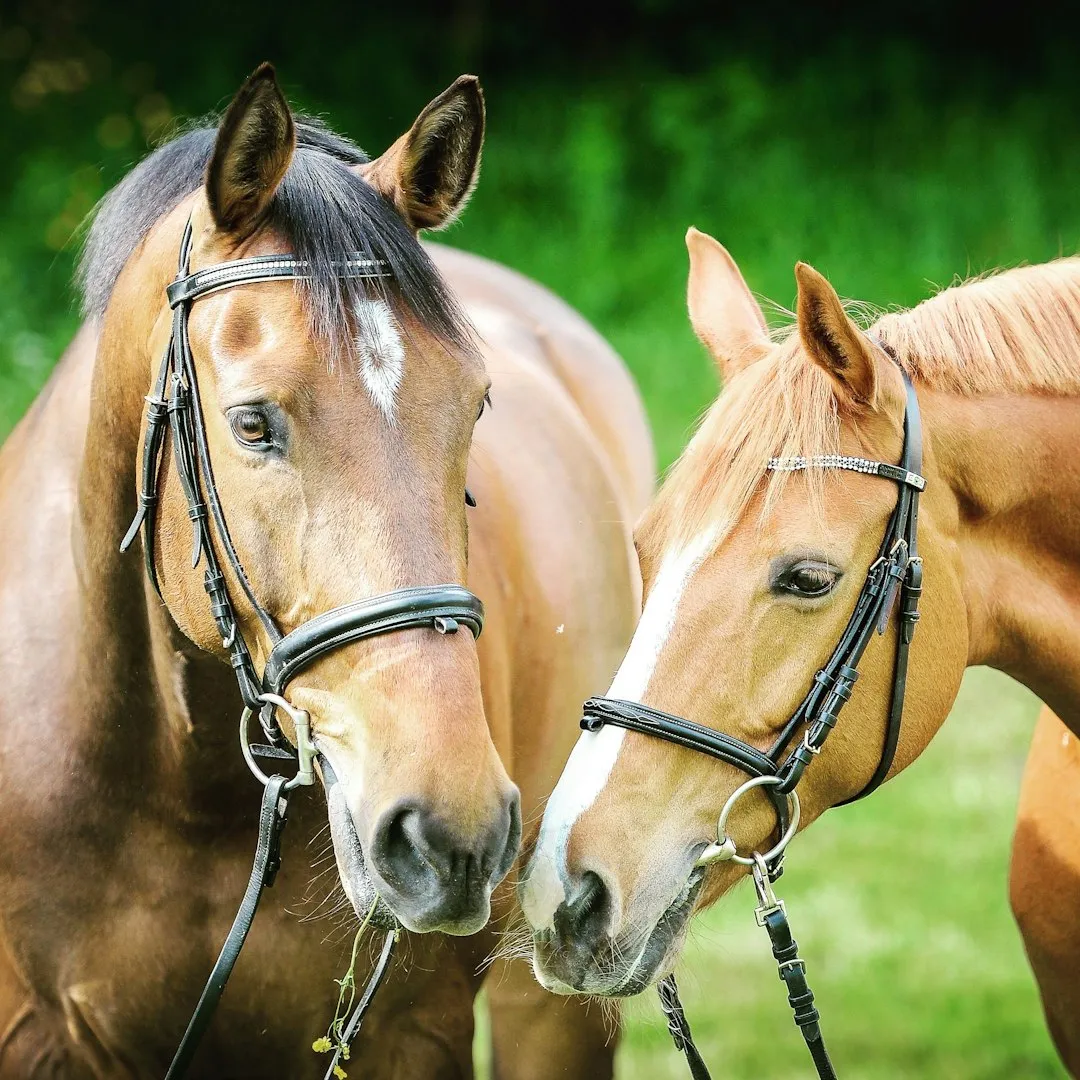
Telling a friend from a stranger is one thing. Telling two friends apart is harder. In a second stage, the horses had to distinguish between the voices of two people who were both familiar to them.
The setup there used more people. One test involved 10 familiar trainers, and the horses looked at the correct person faster and concentrated on that person much more than on the other choices. That suggests the horses weren’t just reacting to “someone I know,” but to a specific individual.
Recognition Without Seeing or Smelling You
🔥 Would you like to save this?
We'll email this post to you, so you can come back to it later!
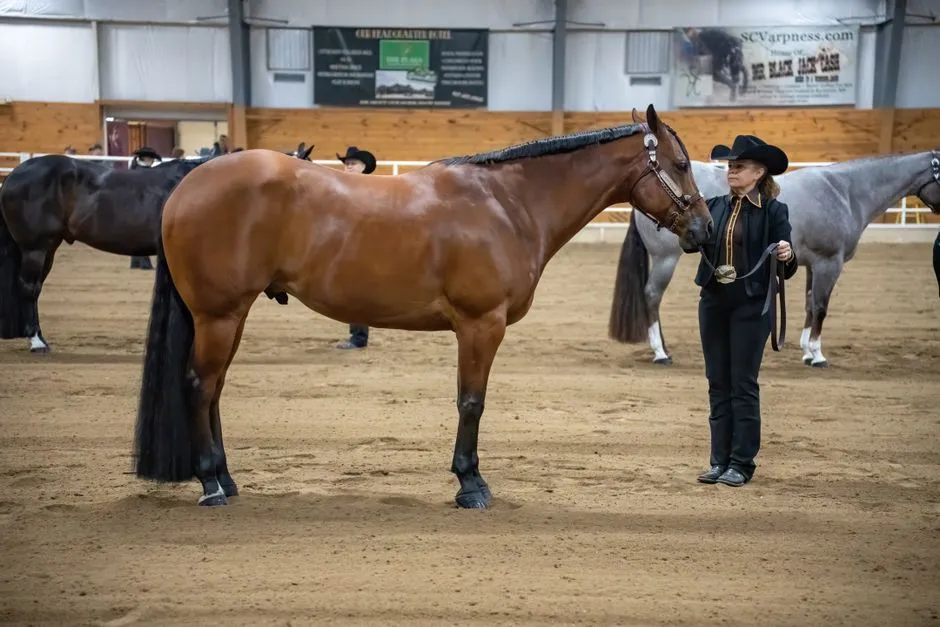
Your question is about the person who’s out of sight, and a later study speaks to that directly. Horses could discriminate between the voices of a familiar and an unfamiliar human without seeing or smelling them at that moment. The reverse worked too. They could tell the same people apart from visual and olfactory cues alone, without hearing their voices.
The authors read this as evidence of a fuller mental picture. They suggest the equine brain integrates multisensory cues into a person representation that survives when one or two senses are missing. So the voice from behind the wall can call up the whole person.
How Researchers Know a Horse Is Surprised
🔥 Would you like to save this?
We'll email this post to you, so you can come back to it later!
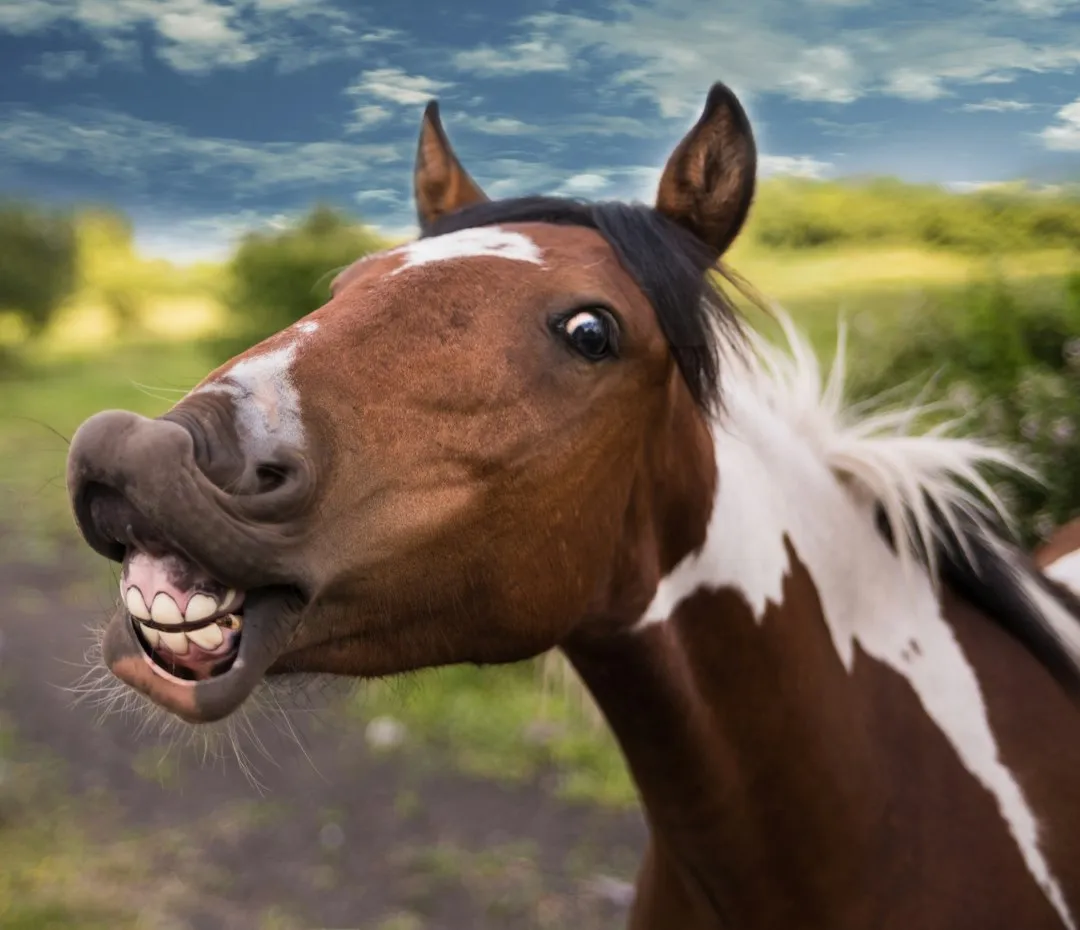
Horses can’t tell us what they think, so scientists use what’s called an expectancy violation setup. Horses were exposed to trials where the cues matched and trials where they didn’t, and they responded more quickly, longer and more often when the cues were mismatched. More attention suggests the mismatch didn’t fit what they expected.
An earlier French study found something similar using a different task. Horses seemed surprised to hear a familiar order given by an unknown voice, shown by their increased monitoring behavior. Different methods, same general direction.
More Than Just Voices
🔥 Would you like to save this?
We'll email this post to you, so you can come back to it later!
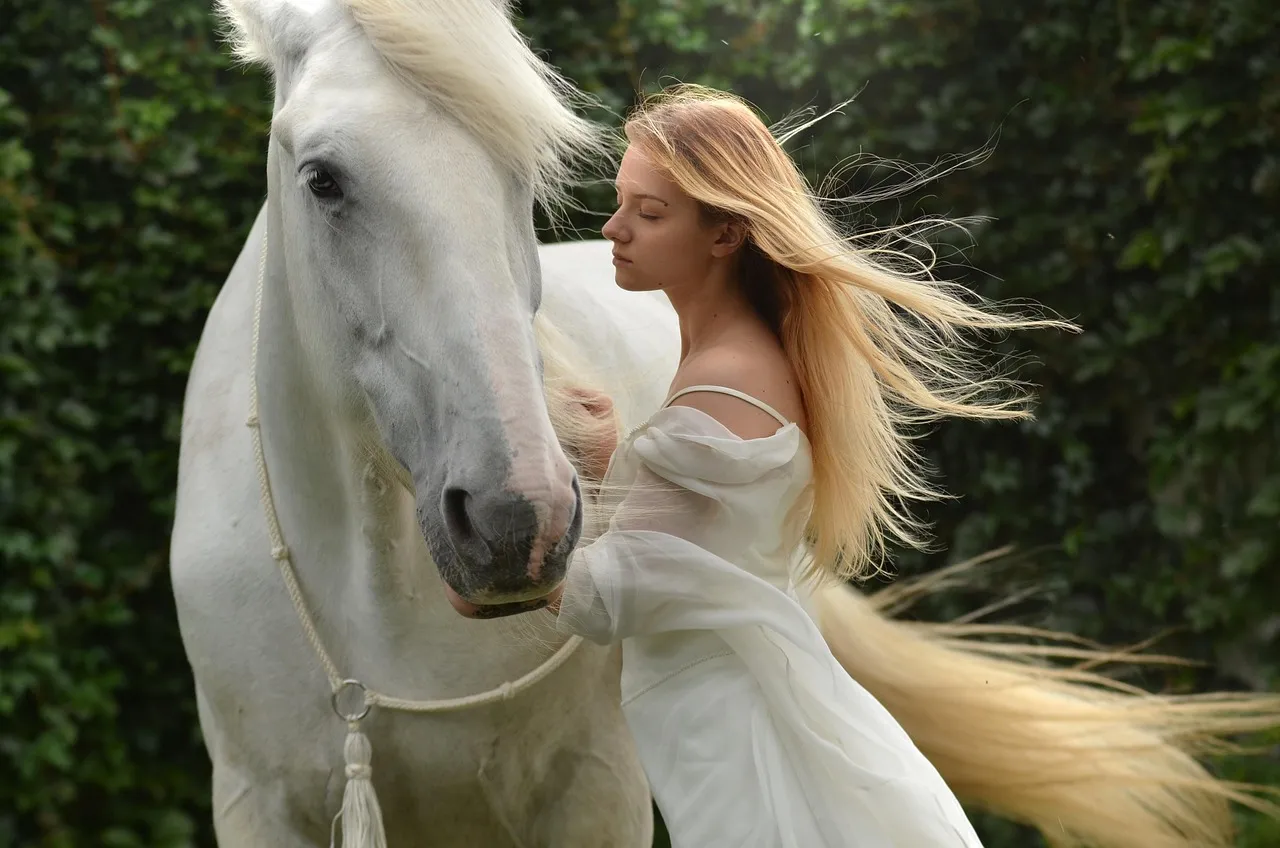
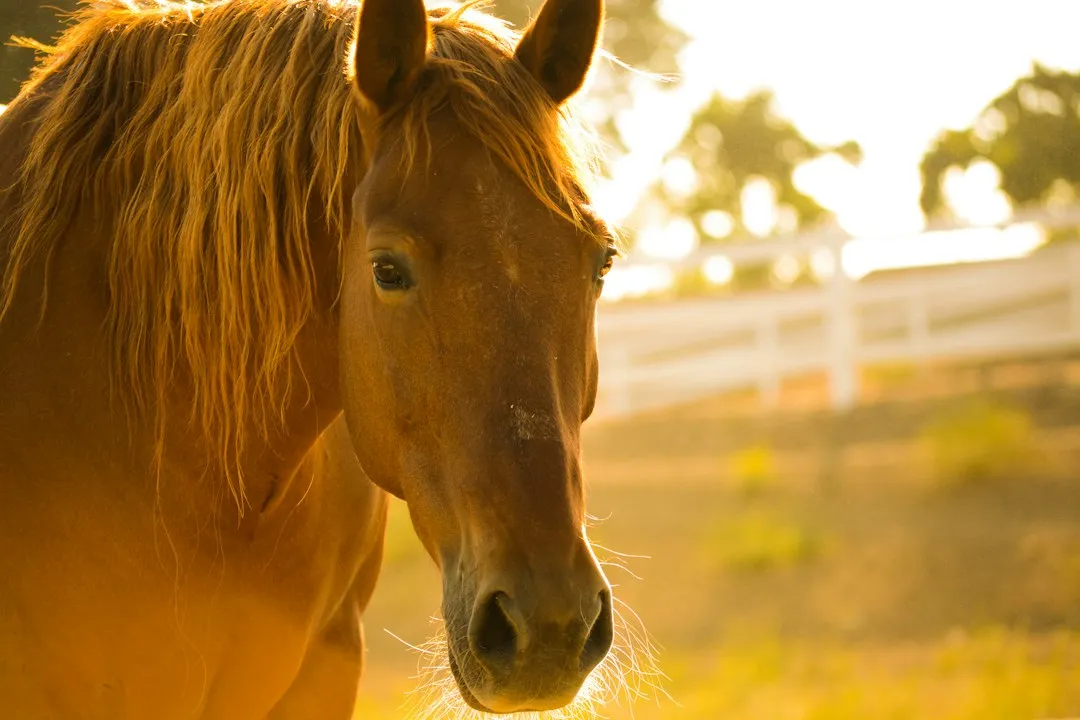
Voice is only one piece. Horses appear to recognize owners through a combination of face, voice, scent and body language rather than one cue. A 2020 study went even further with faces. Its results suggest horses have advanced human face recognition abilities and a long term memory of those faces.
Emotion seems to be part of the picture as well. In one study, horses matched visual and vocal cues for the same emotion, joy or anger. Also, horses can remember whether a relationship with a human was positive or negative for several months afterward.
What It Means for People Who Work With Horses
🔥 Would you like to save this?
We'll email this post to you, so you can come back to it later!
Some caution is worth keeping. These experiments used modest numbers of horses, and looking behavior shows recognition, not affection or love. Claims that horses see you as a trusted friend go beyond what the studies directly measured, though one popular explanation is that horses need to identify humans to judge whether they’re trustworthy, given their strong instinct to avoid threats.
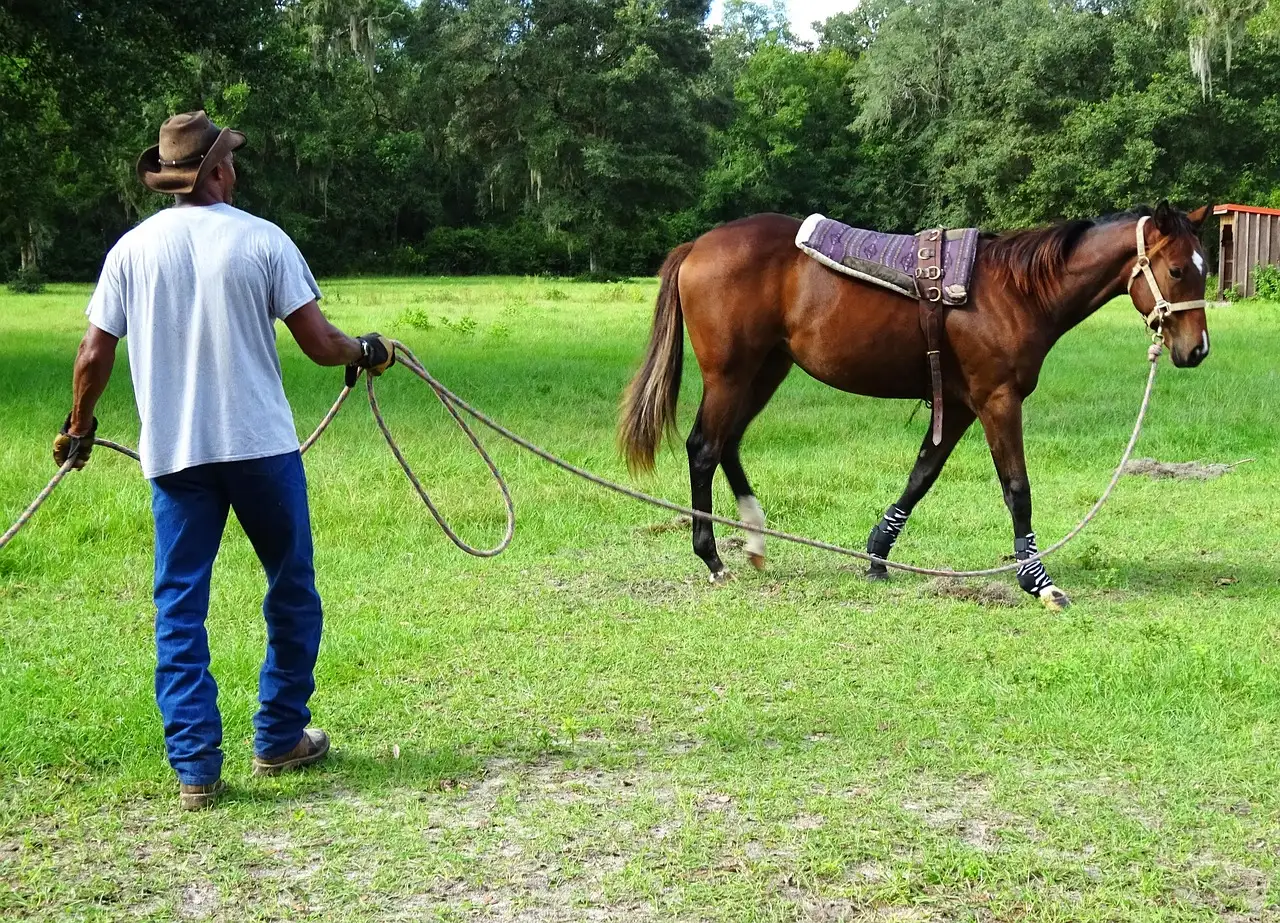
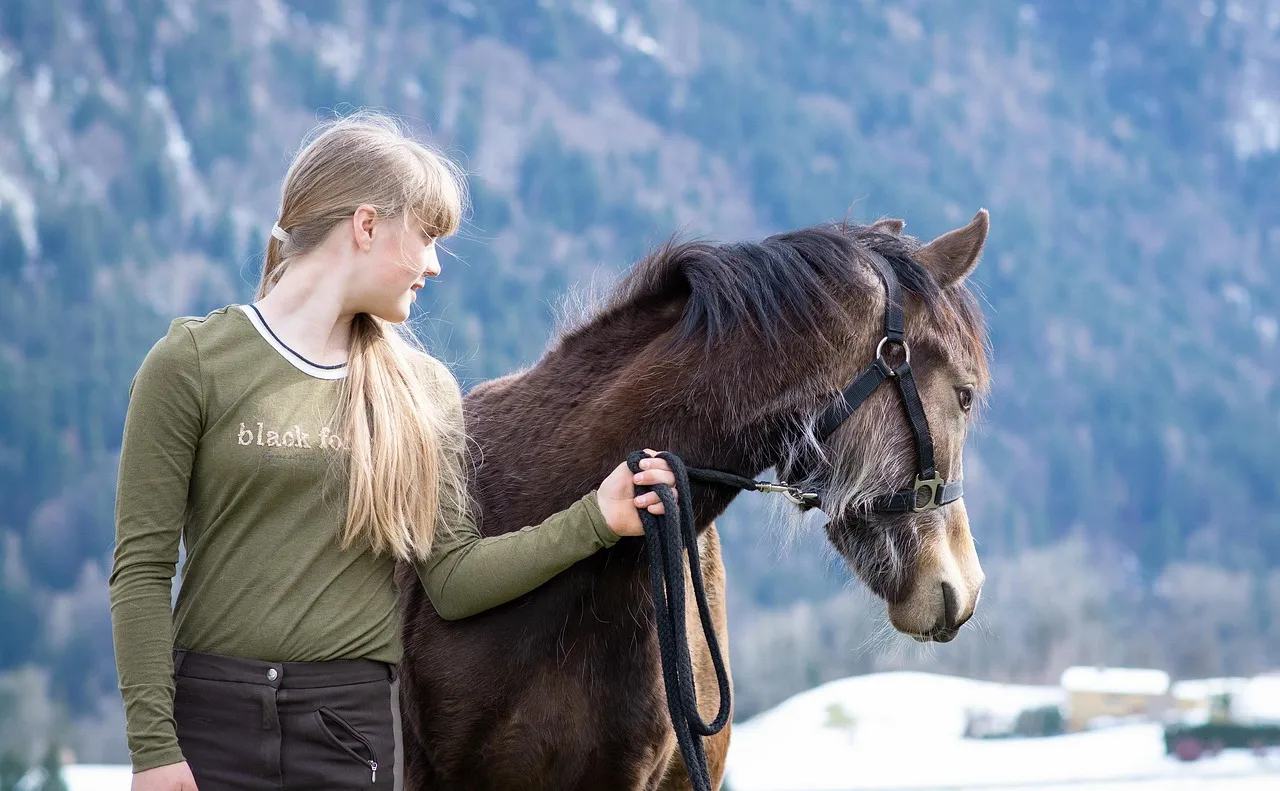
Practically, it makes sense to speak before you walk into a horse’s space. Your voice carries information, and the horse is likely reading it. A calm, consistent tone isn’t just pleasant, it’s probably meaningful.
Final Thoughts
🔥 Would you like to save this?
We'll email this post to you, so you can come back to it later!
I think the barn-door moment deserves more respect than it usually gets. The science doesn’t claim horses write poetry about us, but it does show they carry a mental portrait of individual people and can summon it from a sound alone.
That should change how we behave around them. If a horse knows who is speaking before it sees you, then every greeting, harsh word and soft call is part of a record it keeps. Be the voice worth remembering.

- 7 Everyday Habits That Can Make Your Senior Dog Happier - November 5, 2026
- 10 Enigmatic Structures That Continue to Puzzle Scientists Today - November 5, 2026
- 10 Strange Ruins in the Americas That Challenge What We Know About Early History - November 5, 2026