
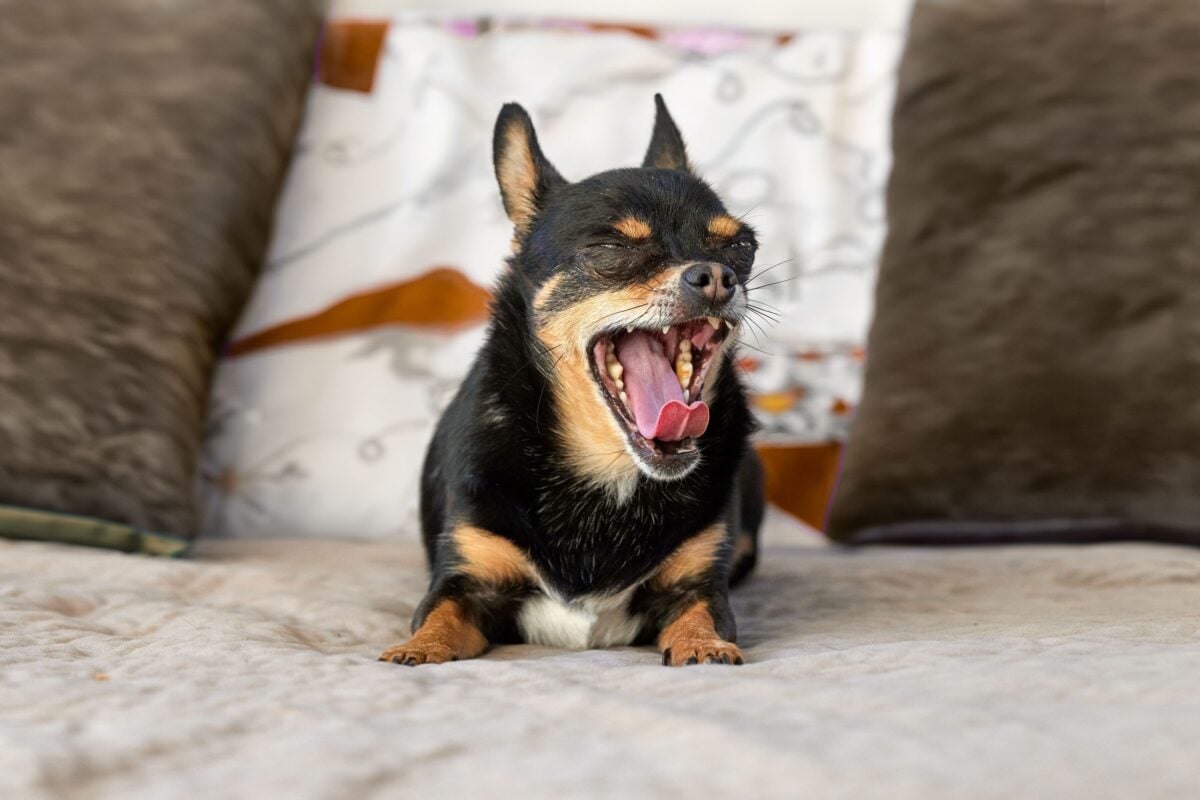
You have probably noticed it during a thunderstorm or right before a trip to the groomer. Your dog lets out a big yawn even though it seems wide awake and alert. That simple action might reveal more about how your pet handles pressure than most owners realize.
Animal behaviorists have spent years watching these moments play out in homes and clinics. Their observations point to yawning as one of several subtle ways dogs manage their own emotions. Understanding the difference changes how we read our companions in daily life.
The Everyday Yawn That Signals More Than Sleepiness
🔥 Would you like to save this?
We'll email this post to you, so you can come back to it later!
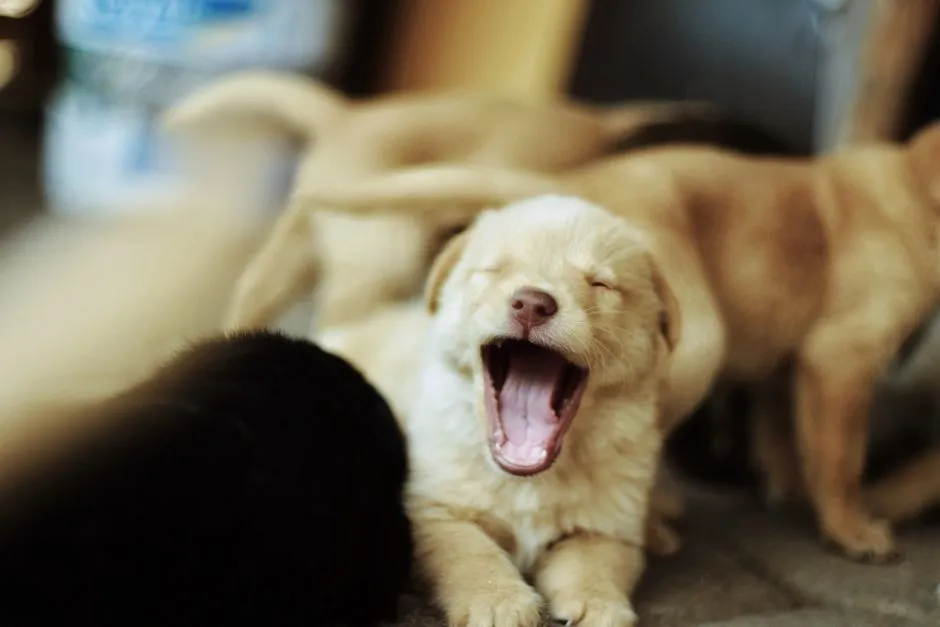
Dogs yawn for many reasons, and fatigue is only one of them. In calm settings a yawn often lines up with stretching or settling down for a nap. Yet the same motion appears in situations that have nothing to do with rest.
Behaviorists note that these yawns tend to occur when something unexpected or mildly unsettling happens. A sudden loud noise or an unfamiliar person entering the room can trigger the response. The timing suggests the action serves a purpose beyond tiredness.
Calming Signals and How Dogs Use Them
🔥 Would you like to save this?
We'll email this post to you, so you can come back to it later!
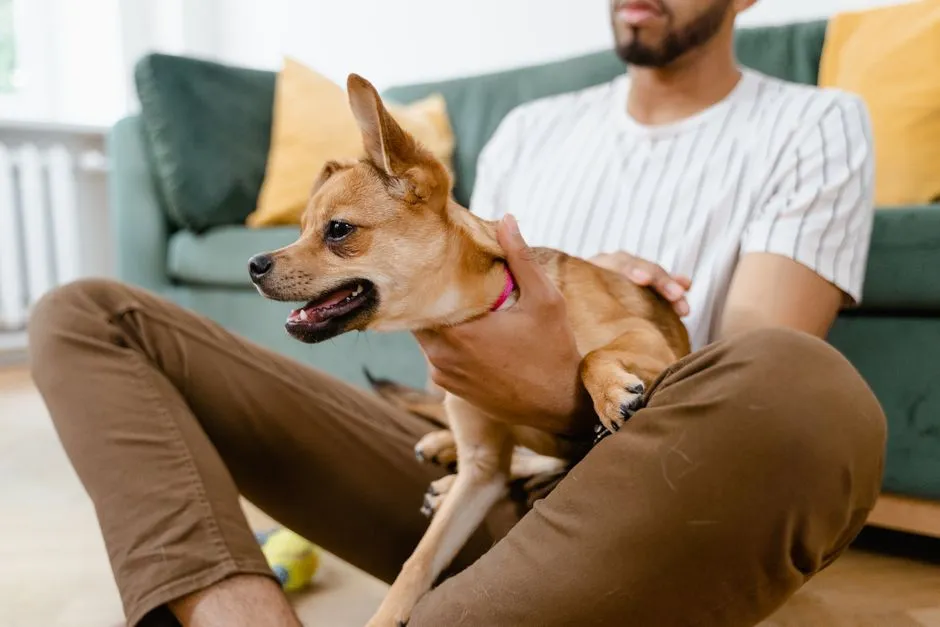
Ethologists describe yawning as part of a broader set of calming signals that dogs display toward one another and toward people. These signals help reduce tension in social encounters. A dog might turn its head away, lick its lips, or yawn to communicate that it prefers a peaceful interaction.
Owners who learn to spot the pattern often see the yawn appear right after a raised voice or during a visit to a busy veterinary waiting room. The behavior seems to function as an internal reset button. It allows the dog to lower its own arousal level without needing to flee or confront the source of stress.
Stress Hormones and the Body’s Quick Response
🔥 Would you like to save this?
We'll email this post to you, so you can come back to it later!
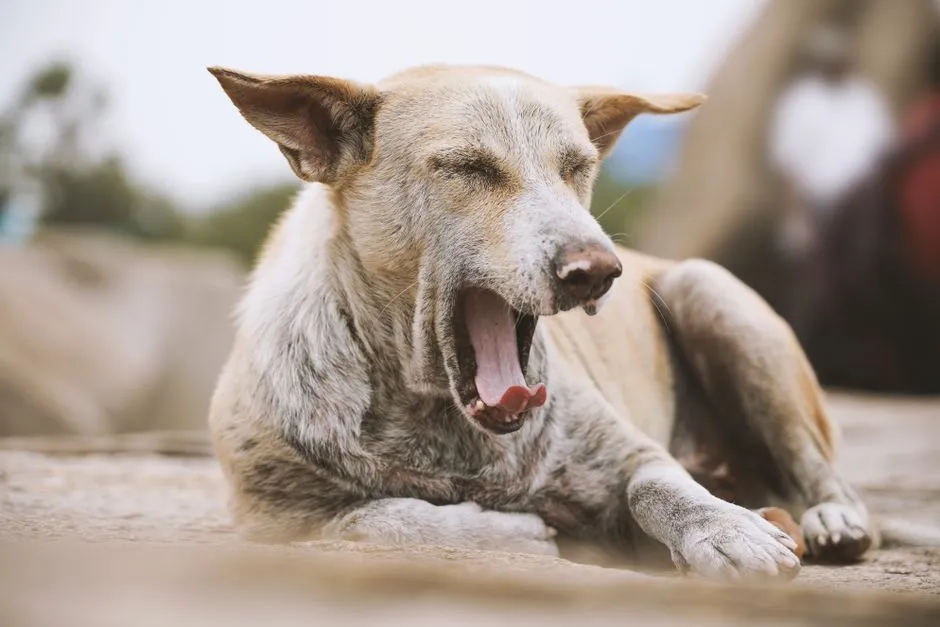
When a dog perceives a threat, even a small one, its body releases stress hormones that prepare it for action. Yawning may help regulate breathing and heart rate during this spike. The deep inhale and slow exhale that accompany a yawn can bring the nervous system back toward balance.
Researchers have observed similar patterns in other mammals, including primates and horses. The shared trait suggests an ancient mechanism that helps social animals stay composed in group settings. For dogs living closely with humans, the same tool comes in handy during everyday household events.
Telling the Difference Between Tired and Tense
🔥 Would you like to save this?
We'll email this post to you, so you can come back to it later!
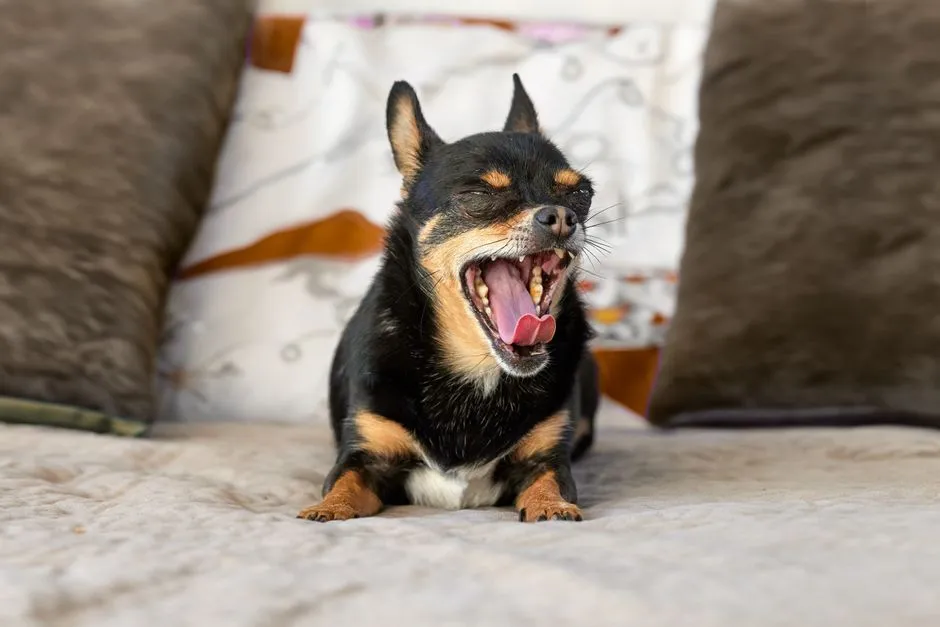
Context matters more than the yawn itself. A dog that yawns after a long walk and then curls up is likely expressing normal fatigue. The same motion during a family argument or while waiting for its owner to return home points in another direction.
Watch for accompanying signs such as tucked ears, a lowered tail, or repeated lip licking. These clusters of behavior give clearer clues than any single action. Over time owners become better at reading the full picture rather than reacting to the yawn in isolation.
Common Household Moments That Trigger the Response
🔥 Would you like to save this?
We'll email this post to you, so you can come back to it later!
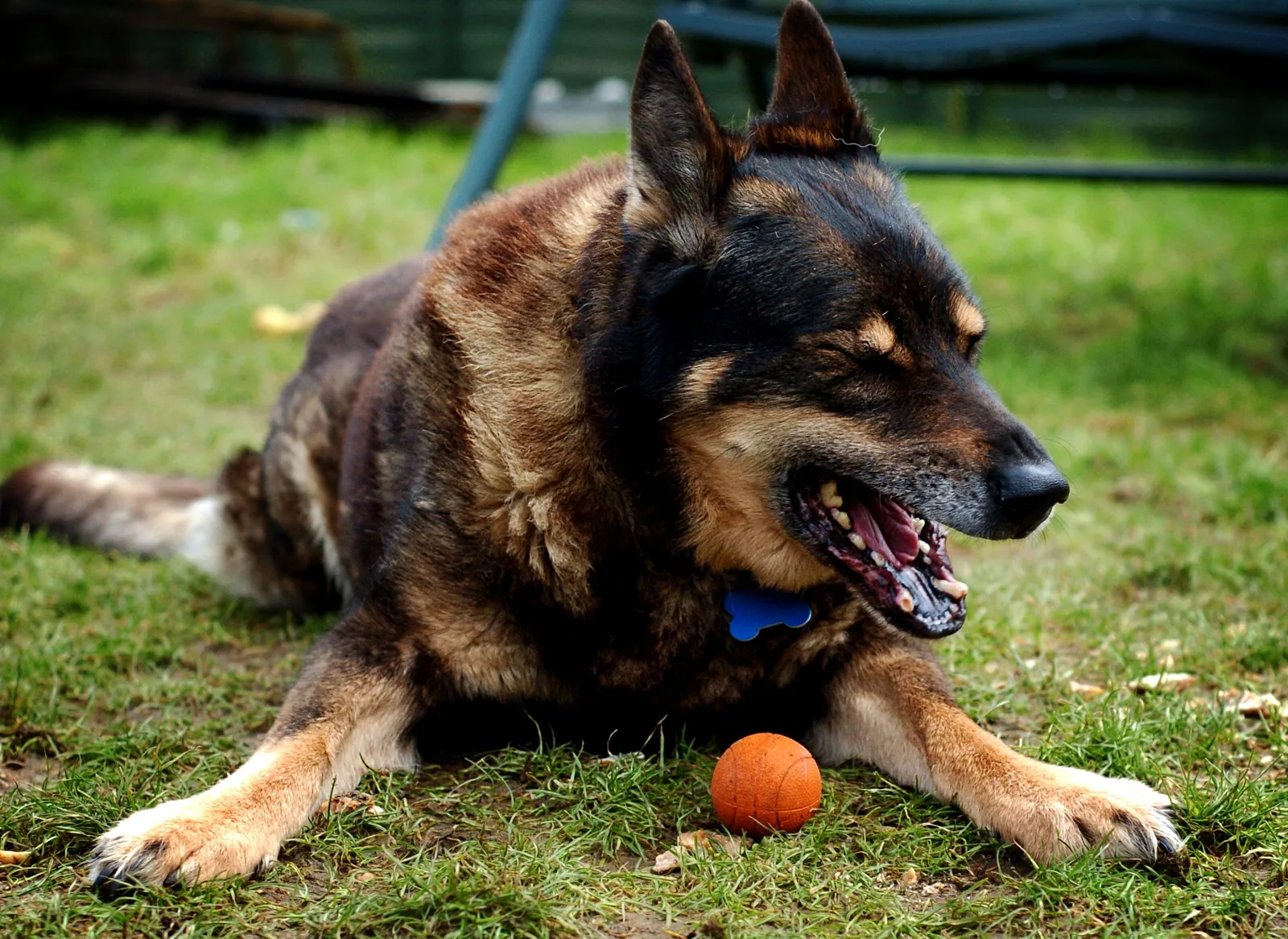
Many dogs yawn when their people prepare to leave the house. The routine of grabbing keys or putting on shoes can create mild anxiety about separation. A yawn in that moment often appears just before the dog settles into its usual spot by the door.
Other triggers include car rides, meetings with new dogs at the park, or even the sound of the vacuum cleaner. Each situation carries a small element of uncertainty. The yawn serves as a quick, low cost way for the dog to manage that uncertainty without escalating into barking or pacing.
Practical Steps Owners Can Take at Home
🔥 Would you like to save this?
We'll email this post to you, so you can come back to it later!
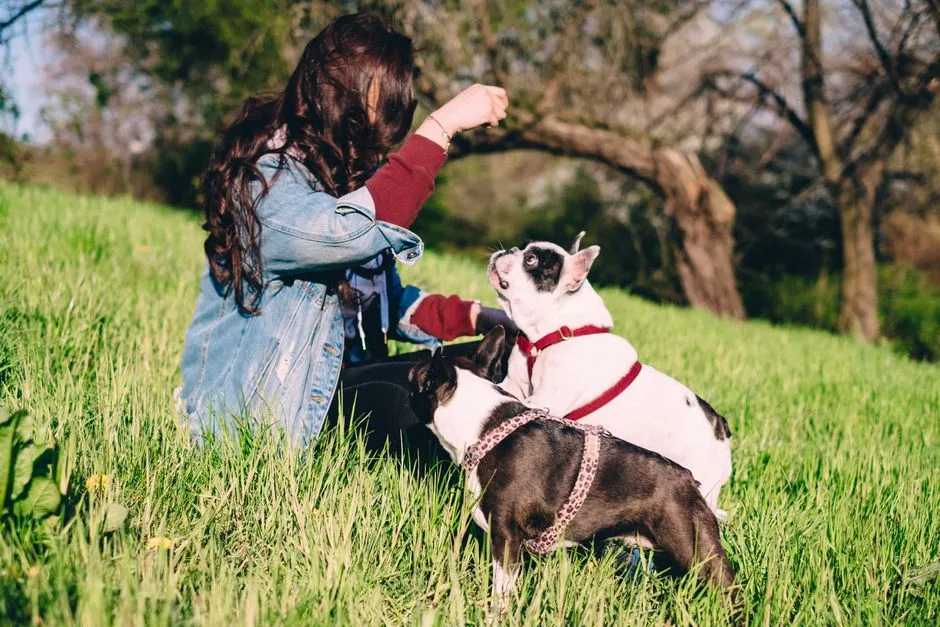
Creating predictable routines helps lower the overall need for these calming behaviors. Short training sessions that pair new experiences with treats can build confidence over weeks. A dog that feels more secure tends to yawn less in previously stressful settings.
Providing a quiet retreat space with familiar bedding gives the animal a place to self soothe when tension rises. Gentle massage or slow walks after a busy day can also support emotional recovery. Small consistent changes often produce noticeable shifts in how frequently the yawns appear.
Why This Insight Matters for Everyday Life With Dogs
🔥 Would you like to save this?
We'll email this post to you, so you can come back to it later!
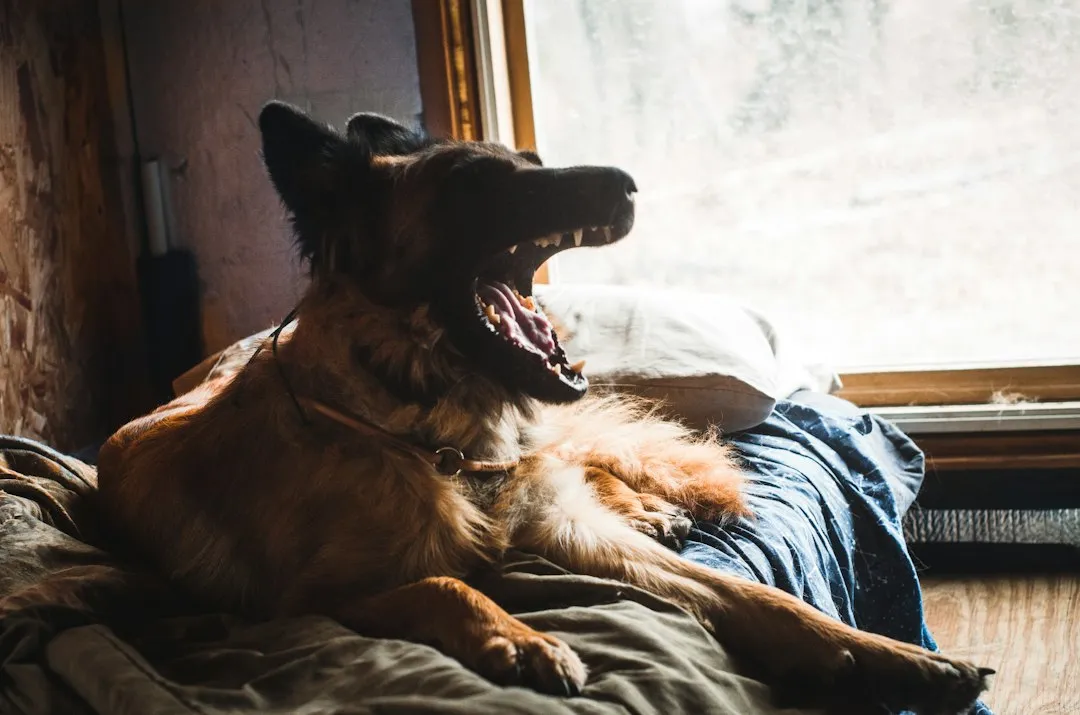
Recognizing yawning as a stress signal encourages owners to pause and consider what their dog might be experiencing. It shifts the focus from simply correcting unwanted actions to addressing the underlying emotion. That perspective often leads to stronger trust between person and pet.
Behaviorists continue to study these subtle communications because they reveal how dogs navigate a world shaped by human schedules and expectations. Paying attention to them improves daily interactions and reduces the chance of misunderstandings. In the end, noticing the yawn becomes one more way to meet a dog where it actually is rather than where we assume it should be.

- 12 Surprising Facts About North American Mountain Lions You Never Knew - November 5, 2026
- Wild Salmon Populations Are Rebounding in the Pacific Northwest, A Sign of Healthier Rivers - November 5, 2026
- 8 Fascinating Facts About Owls You Never Knew - November 5, 2026