

#1 The Basic Gaze Following Behavior Researchers Keep Finding

At the core of this research sits a deceptively simple setup called the object choice task. A human sits between two containers, looks at one of them, and researchers watch to see which container the dog approaches. Across numerous replications, this task assesses the ability to use human communicative cues to locate a reward hidden in one of two containers, with dogs reliably finding the reward by using cues such as pointing and head gaze.
What makes this finding stand out is how consistently it appears across different labs and dog populations. It is not just a party trick performed by a few unusually clever dogs. Instead, it reflects a broad pattern that researchers have documented enough times to treat gaze sensitivity as a defining trait of canine social cognition, one that shows up whether the dog is a family pet or living on the street.
#2 Gaze Versus Pointing: Which Cue Actually Wins
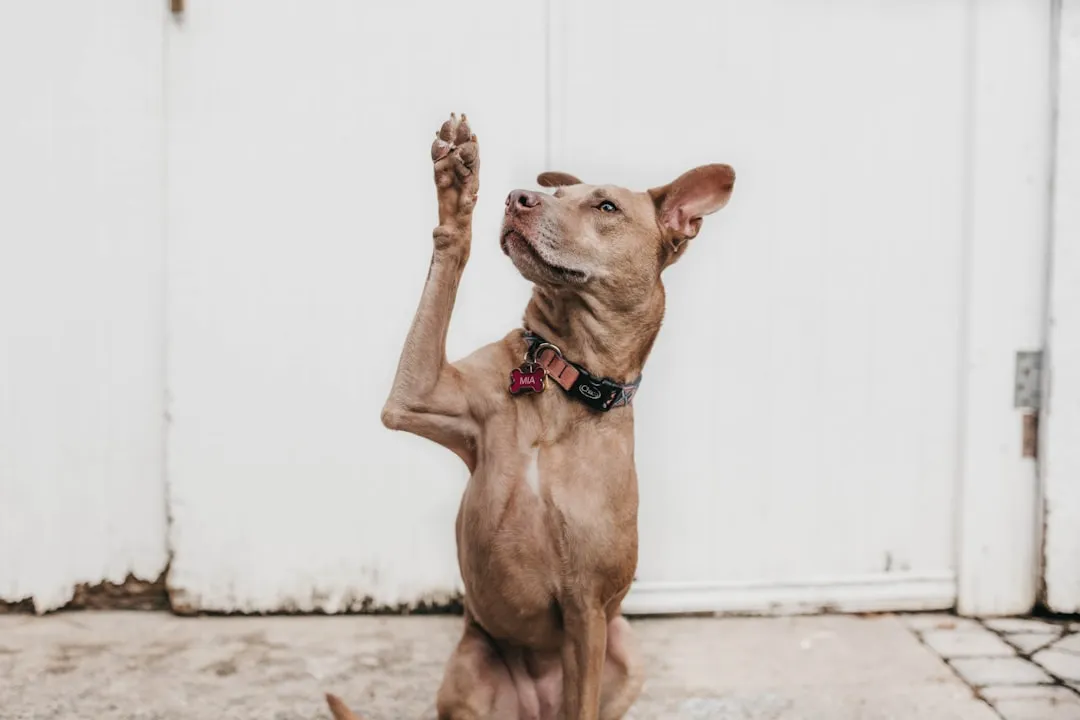
Not all cues are created equal in a dog’s mind, and researchers have gone to considerable lengths to separate gaze from pointing to see which one carries more weight. A recent study on Indian free-ranging dogs set out specifically to investigate the relative roles of human pointing and gazing as communicative cues in enabling free-ranging dogs to locate hidden food, examining whether gaze and pointing alone, or in combination, influence the dogs’ behaviour.
The researchers went in with a working theory, hypothesizing that pointing would be more impactful as a means of communication with free-ranging dogs, than gaze. That hunch matters because it suggests dogs may weigh different human signals unevenly, treating an outstretched arm as more informative than a mere glance. It is a reminder that dogs are not passively absorbing every human gesture in the same way. They appear to rank cues by reliability, much like we might trust a clear verbal instruction over a vague hand wave.
#3 What Eye Tracking Technology Reveals in Real Time
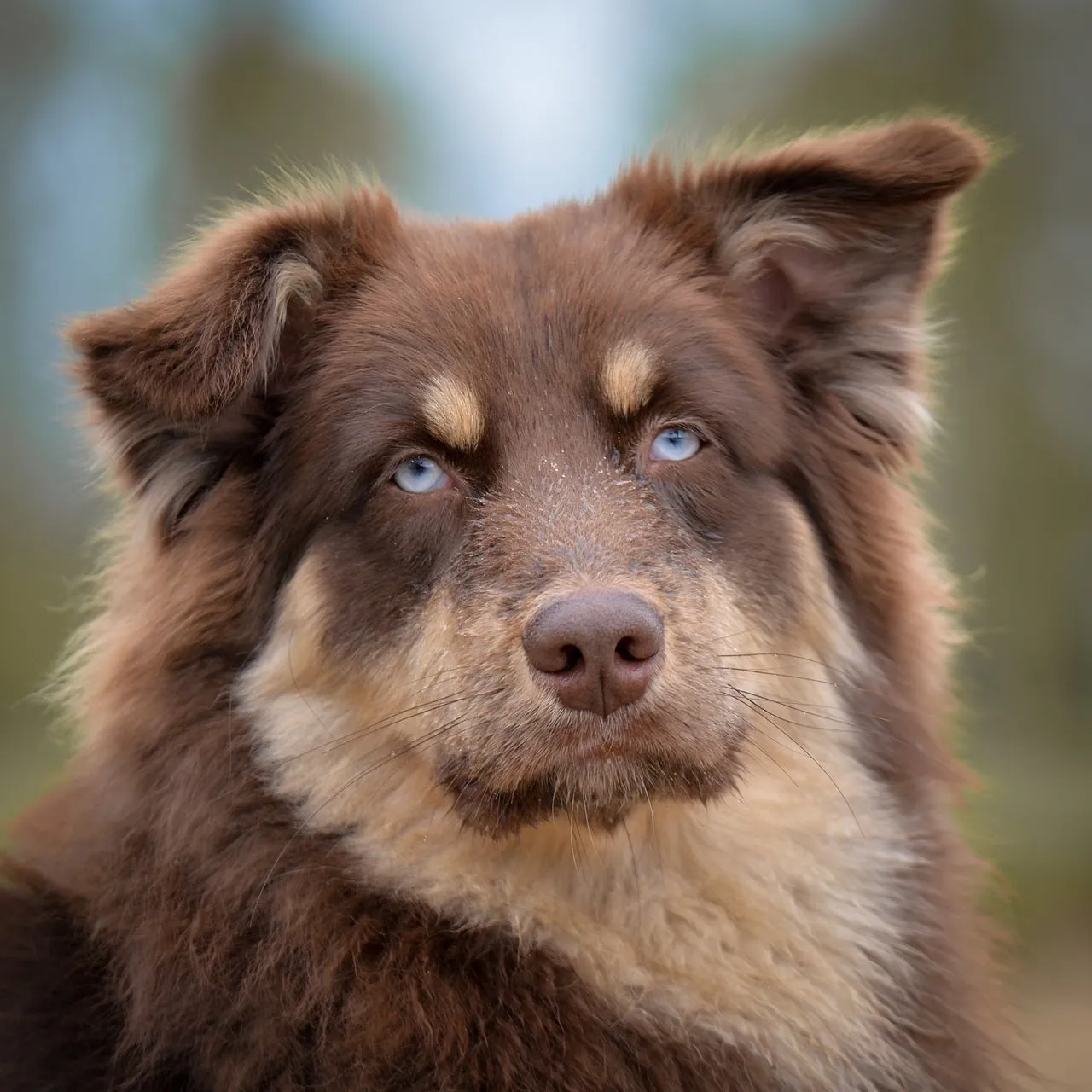
Traditional object choice tests only show researchers the final decision a dog makes, not the moment by moment shifts in attention that lead up to it. To fill that gap, scientists have started strapping mobile eye trackers onto dogs during live interactions. One such study used this technology to investigate during real-world interactions how ostensive pointing and gaze cues direct dogs’ visual attention and bias their subsequent choices in an object-choice task.
The results were striking when cues were combined rather than presented alone. The combination of pointing and gazing significantly increased dogs’ attention towards the designated referent, and in that condition dogs maintained longer attention on the referent compared with other conditions and they approached it significantly above chance levels. This tells us that dogs are not just glancing in a general direction. Their eyes actually lock onto the specific object a human is indicating, which is a much more precise form of understanding than early researchers assumed.
#4 Following Gaze Around Barriers and Behind Obstacles

A harder test of comprehension involves cues that point toward something a dog cannot directly see, forcing the animal to mentally extend a line of sight around a corner or behind an object. Early work on this front found that dogs could manage it. In studies with two subject dogs, researchers reported both dogs were able to follow human pointing reliably to one of several locations where food was hidden, both in front of them and behind them.
Gaze alone proved trickier than pointing in these barrier setups, though it was not entirely absent. The dogs also showed some skills at following human gaze direction in this same task, when both head and eyes indicated the same location, but they did not follow eye direction when it conflicted with head direction. That detail is telling. It suggests dogs may rely more on head orientation as the dominant signal, using eye direction as a secondary confirmation rather than the primary cue itself.
#5 The Guesser Knower Task and Genuine Perspective Taking
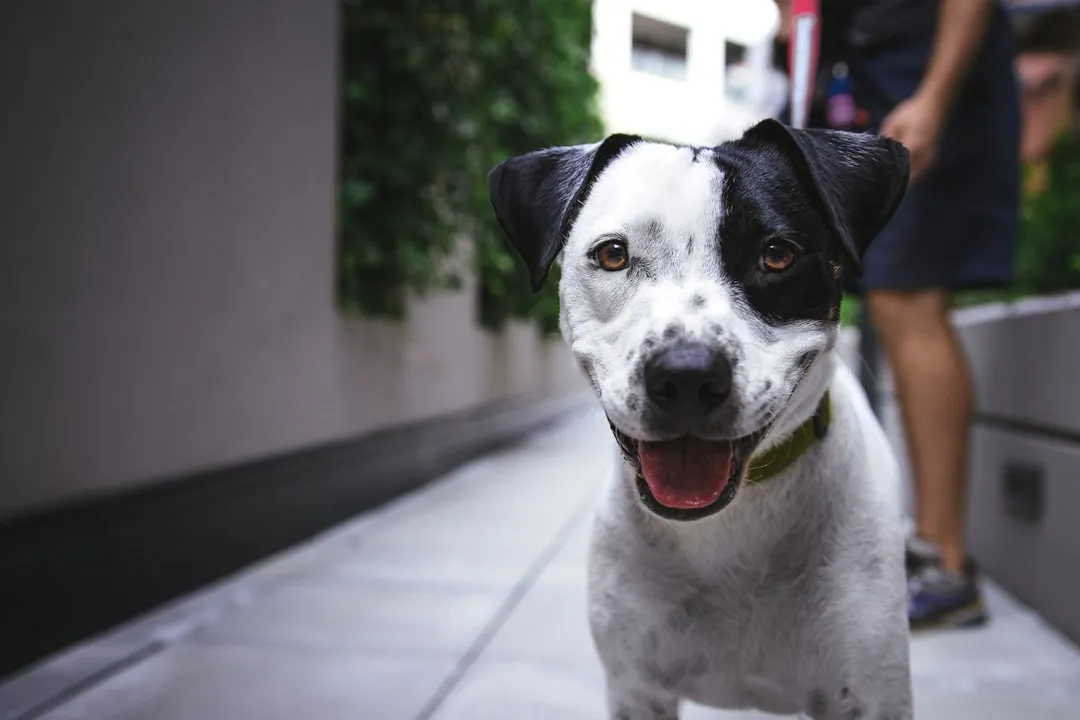
Perhaps the most cognitively demanding version of this research asks whether dogs understand not just where a human is looking, but what that human actually knows. The Guesser Knower paradigm places two people in a room, only one of whom witnesses where food gets hidden, and then checks which person’s pointing gesture the dog trusts. Researchers running an extended version of this test found that a preference for the informed individual provides solid evidence for geometrical gaze following and perspective taking in dogs.
Even more compelling, dogs seemed to notice when someone could not have possibly seen the hiding event in the first place. In one experiment, dogs not only avoided trusting a human who was absent during the hiding of the food, but also avoided following the suggestion of a human who looked at the ceiling or covered her eyes with her hands during the food hiding process. That is not simple cue following. It looks a lot like dogs building a working model of what another mind can and cannot access, which is a cognitive skill once thought to be reserved for primates and very young children.
#6 Pet Dogs and Free-Ranging Dogs Do Not Respond Identically

Most of the foundational research on canine gaze following was conducted on pet dogs living in homes, surrounded by humans who constantly communicate with them through look and gesture. That raised an obvious question: does this ability depend on a cushy domestic life, or is it baked into dogs more broadly? Researchers turned to free-ranging dogs, which have no owners and rely heavily on resources generated from human habitations, constituting roughly 80% of the global dog population.
These street dogs still respond to human cues, but the pattern of their responses differs in subtle ways from their pampered counterparts. Because humans often use pointing, head orientation and eye gaze to indicate the direction of their attention when interacting with free-ranging dogs on the streets, these animals get plenty of real-world practice reading people even without formal training or a consistent owner. This comparison matters because it hints that gaze sensitivity in dogs is not purely a product of selective breeding for companionship. It may be a more general adaptation to living alongside humans in almost any capacity.
#7 Why Scientists Still Debate What Dogs Truly Understand
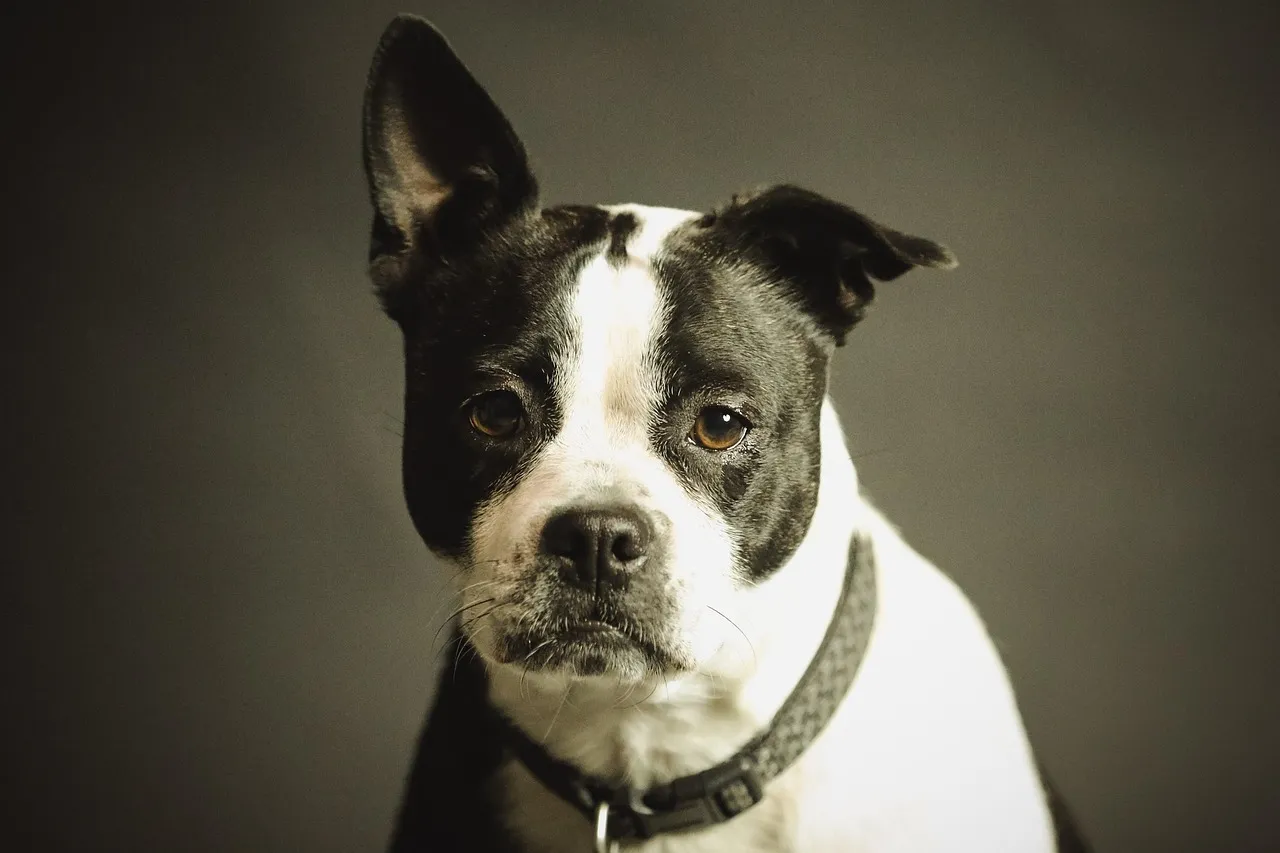
Despite decades of consistent findings, researchers remain divided on what is actually happening inside a dog’s head when it follows a gaze. Some scientists argue dogs grasp the communicative intent behind a look, essentially treating it as language. Others are more cautious, noting that while it is widely accepted that dogs follow some human referential signals, the way they understand them remains controversial.
Adding a genetic layer to the debate, some researchers have even examined whether variation in the oxytocin receptor gene shapes how strongly individual dogs respond to human gaze, since it has been suggested that dogs’ remarkable capacity to use human communicative signals lies in their comparable social cognitive skills, though this view has been questioned recently. This ongoing disagreement is not a weakness in the science. It is a sign that dog cognition is a genuinely complicated field, one where each clever experiment answers one question while opening up two more.
The Bottom Line on What Your Dog Is Really Doing

After sifting through this body of research, I find myself less interested in whether dogs are “smart” in some abstract sense and more impressed by how specifically tuned their social radar has become. These animals are not randomly staring around when we glance at something. They are running a quiet calculation about where our attention is pointed, whether our eyes and head agree, and in some cases whether we even had the chance to see what happened in the first place.
What strikes me most is that this ability likely was not a specific evolutionary target of domestication for a task like herding or guarding. It looks more like a byproduct of thousands of years spent living in close quarters with a species that communicates constantly through eye contact. That accidental byproduct turned into one of the more remarkable examples of cross-species understanding we have documented in any animal. The next time your dog swivels its head toward wherever you happen to be looking, it is worth remembering that a fair amount of careful, peer-reviewed science stands behind that seemingly simple glance.
