
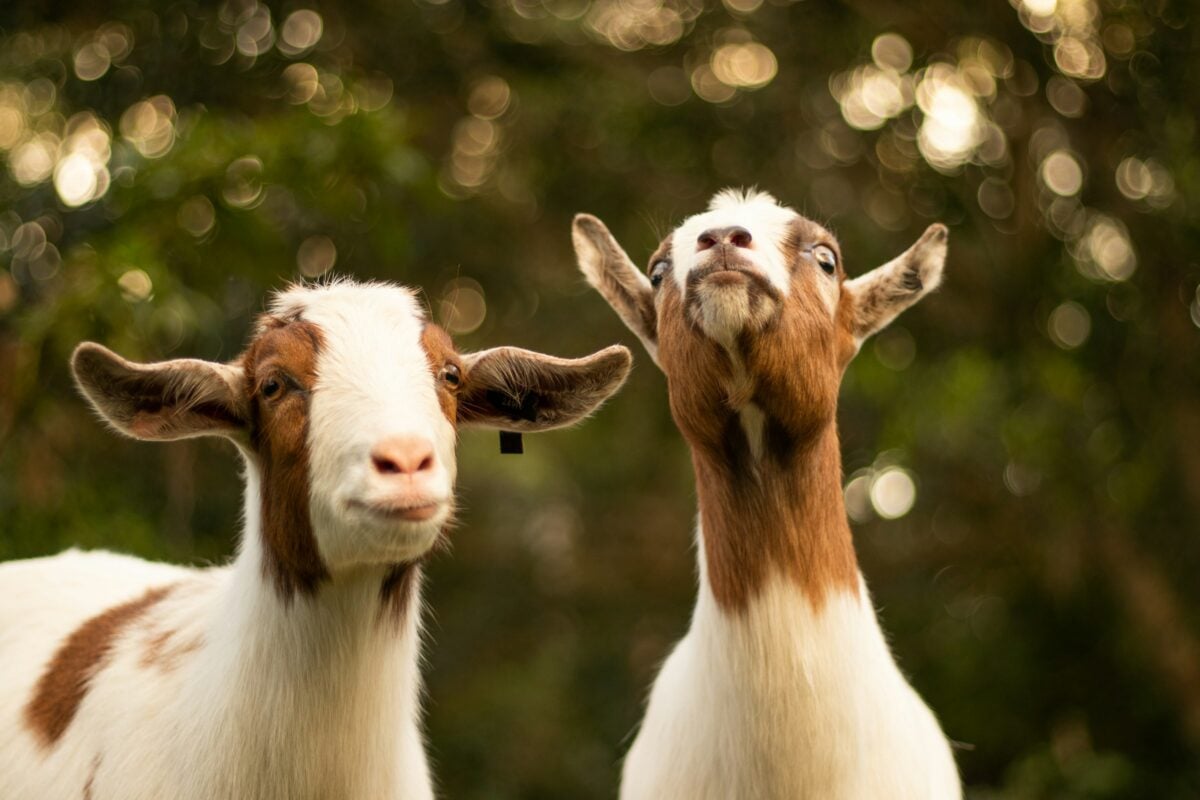
Goats are having a moment. Once seen mostly as funny farm animals that eat anything in sight, they’re now stepping into the spotlight of animal cognition research, and the results are quietly shocking. One of the most intriguing findings: goats can remember how to solve a puzzle months after they first learn it, suggesting a level of long‑term memory and problem‑solving we usually reserve for pets like dogs or highly studied animals like crows and primates. That might sound like a cute bit of trivia, but it has big implications. If a “humble” barnyard goat can form and store complex memories over long periods, then our mental ranking of animals may be badly out of date. What else are we underestimating in the creatures living right beside us? Let’s unpack what this research actually shows, what it means for science, and why it should probably change the way we look at goats forever.
Goats Are Not the Simple Farm Animals We Thought
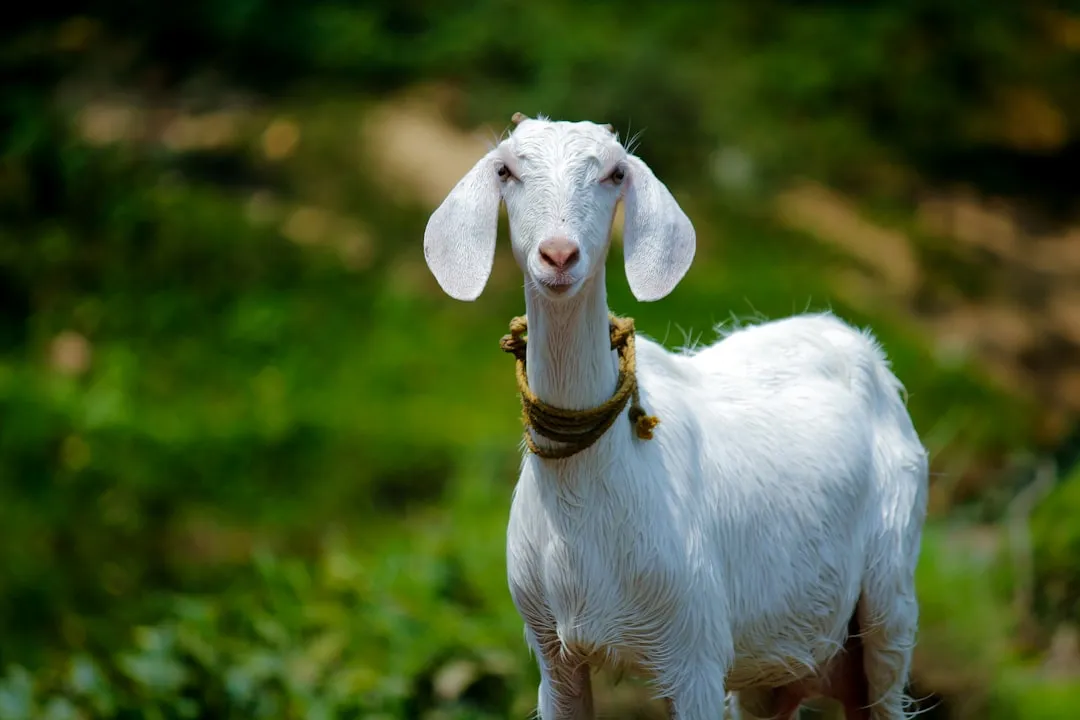
Most people still think of goats as noisy lawnmowers with hooves, more chaos gremlins than thinking beings. For decades, they’ve been used mainly for milk, meat and brush control, not as subjects in high‑end cognition labs. That bias has shaped the way we talk about them, and honestly, it has kept their mental abilities in the shadows.
But when researchers started giving goats actual cognitive tasks instead of just observing them in barns, a different picture emerged. In controlled experiments, goats learned to manipulate parts of a puzzle device to access a food reward, a task that required them to notice patterns, remember actions and adjust when something did not work. That is not random trial‑and‑error anymore; it is deliberate learning.
The Puzzle Tests: What Goats Actually Did
The basic idea of the puzzle tests is surprisingly simple: give goats a device with several parts that must be handled in the right sequence to get food. For example, they might need to pull a lever, then lift or nudge another part, then repeat the sequence consistently to unlock a reward. Researchers track how long it takes the goats to figure it out, and more importantly, how well they repeat the correct sequence later.
Over time, goats in these studies learned the correct steps and showed that they were not just randomly thrashing at the device. They refined their actions, got faster and made fewer mistakes, just like a human who has finally cracked the trick to opening a stubborn childproof package. Once they had the solution, the question became: how long would they hold on to that memory?
Months Later, They Still Remembered the Solution
This is where it gets genuinely impressive. After teaching the goats the puzzle, researchers waited for long gaps before testing them again, not just days but many weeks later. When the goats were brought back to the same device after these long breaks, they did not flail around like beginners. They went straight back to the learned sequence with remarkably few errors.
In human terms, that is like not riding a bike for months and still hopping on and pedaling smoothly without a shaky restart. This kind of long‑term retention shows that goats are forming durable memories of multi‑step tasks. It is not a vague sense of familiarity; it looks like a stored, retrievable solution, something more like “I know how to do this” than “this looks kind of familiar.”
Why This Matters for Animal Cognition Science
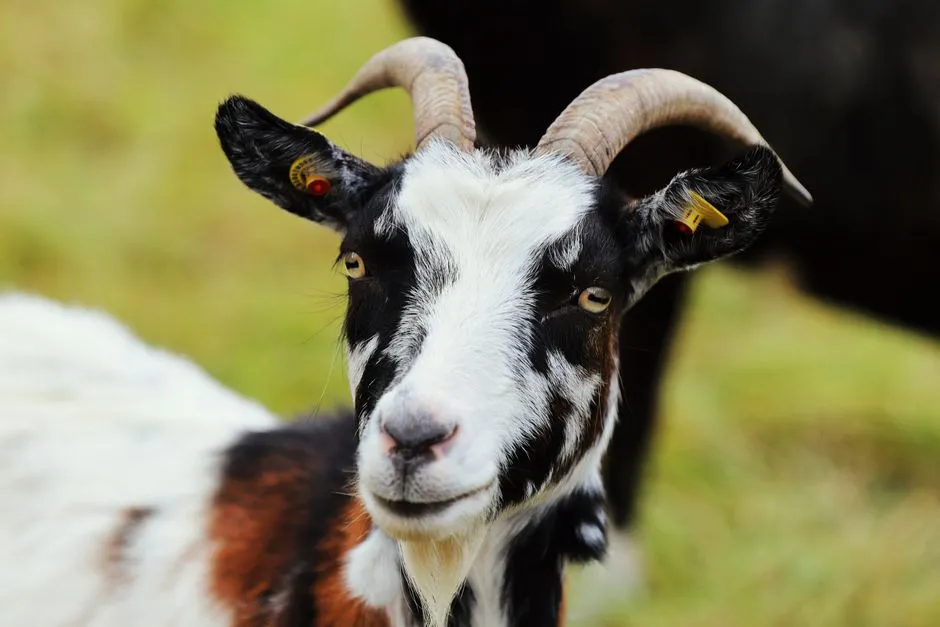
On the surface, goats remembering puzzles sounds like a fun farm anecdote, but in cognitive science it hits a serious nerve. For years, the focus has been on a shortlist of “smart” animals: primates, corvids, dolphins, dogs. The rest of the animal world, especially livestock, has been treated like background characters. Findings like these challenge that hierarchy by showing that animals we mainly raise for food also have sophisticated mental lives.
It forces researchers to ask tougher questions about how intelligence evolved and how broadly abilities like long‑term memory, problem solving and flexibility are spread across species. Instead of a pyramid with humans at the top and everyone else far below, the data suggest more of a sprawling network, with many animals holding pockets of advanced abilities we just never bothered to look for. Goats are now firmly on that map.
What This Says About Goat Personalities and Emotions
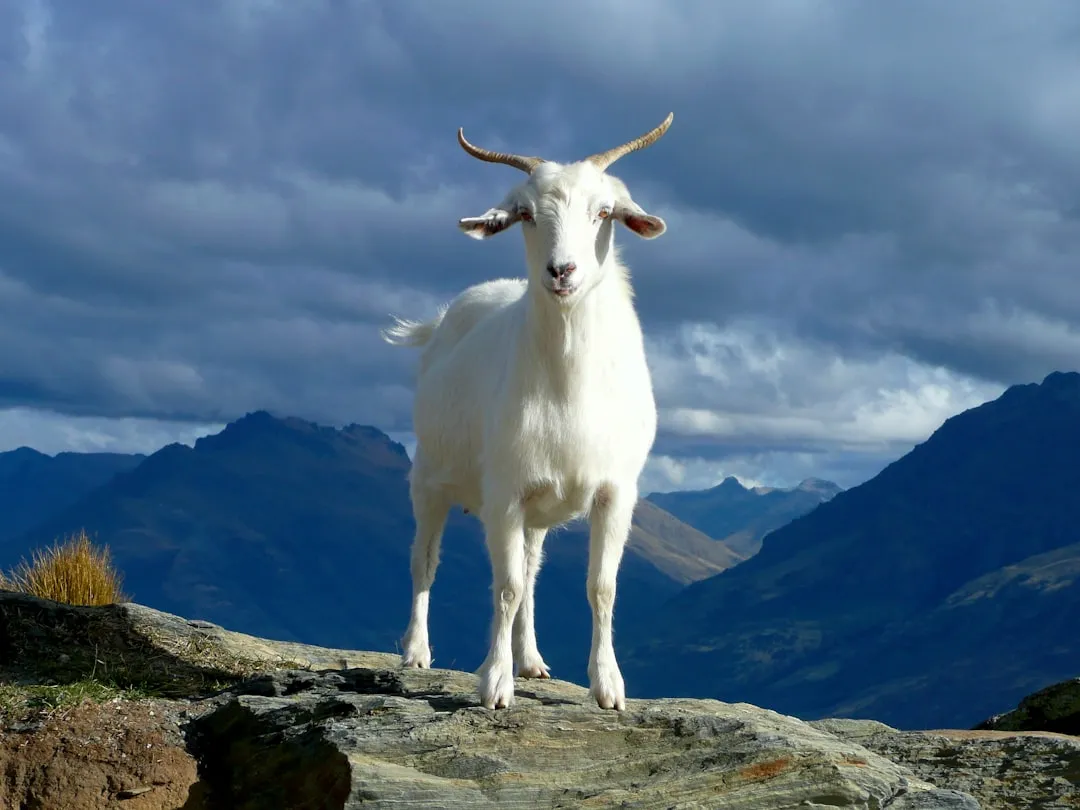
Long‑term memory is not just a party trick; it is the backbone of personality. If a goat remembers how to solve a puzzle months later, it is also reasonable to think it remembers who treated it kindly, where it felt safe and which situations were stressful. That means their inner world is probably richer and more consistent than the old stereotype of a mindless grazer suggests.
Anyone who has spent time with goats will tell you they are curious, pushy, playful and sometimes startlingly focused. The puzzle studies back that up scientifically, showing that curiosity is not just random nosiness but a fuel for learning and memory. To me, that changes the ethical stakes. An animal that can remember complex tasks over months is also an animal that can remember experiences, good and bad, far longer than many people assume.
Practical Implications: Farming, Enrichment and Welfare
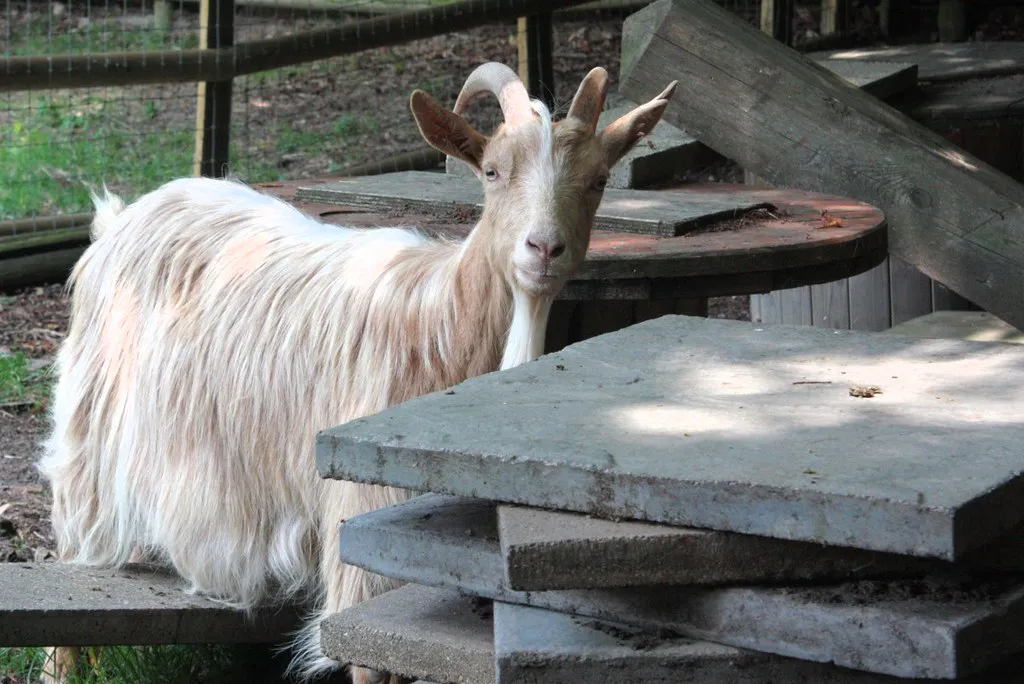
If goats can remember puzzles for months, imagine what that means for the way we keep them. Boredom becomes a much bigger welfare issue when you realize you are dealing with brains that crave challenges and can store solutions. Simple enrichment devices, varied environments and routine changes are not just “nice extras” anymore; they look more like basic respect for a capable mind.
On farms, this research suggests goats might be trained for more complex tasks, handled more thoughtfully and given environments that encourage exploration instead of just containment. Even small changes, like rotating objects they can investigate or using puzzle‑style feeders, can tap into that cognitive potential. It is a bit like the difference between parking a child in front of a blank wall versus giving them a box of building blocks and a sandbox.
How Goats Compare to “Smarter” Animals
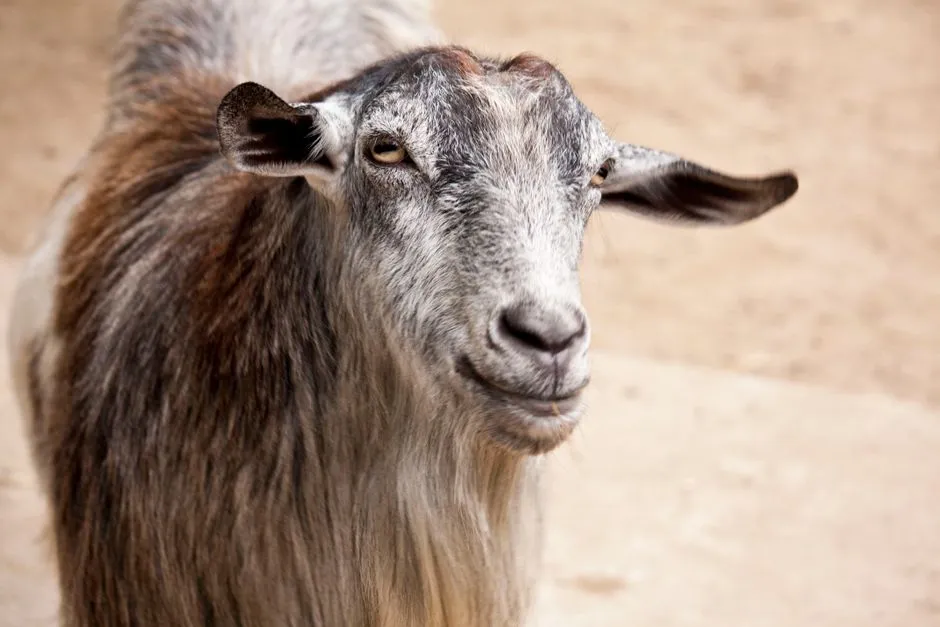
So where does this leave goats on the informal scale of animal smarts? The honest answer is that direct comparisons are messy, but the fact they can learn multi‑step tasks and retain that knowledge for months puts them in surprisingly sophisticated company. You do not need them to match a crow using tools or a dog following complex commands to see that they are running a lot more mental software than we credited them with.
In my view, the most important takeaway is not that goats are “as smart as” some other beloved species, but that the whole ranking game is flawed. We tend to reward intelligence that looks like ours and disregard the rest. Goat cognition reminds us that intelligence is not a single ladder; it is more like a forest of different trees. Goats happen to be very good climbers, literally and mentally, even if their particular tree has been ignored for far too long.
What Goat Memory Teaches Us About Ourselves
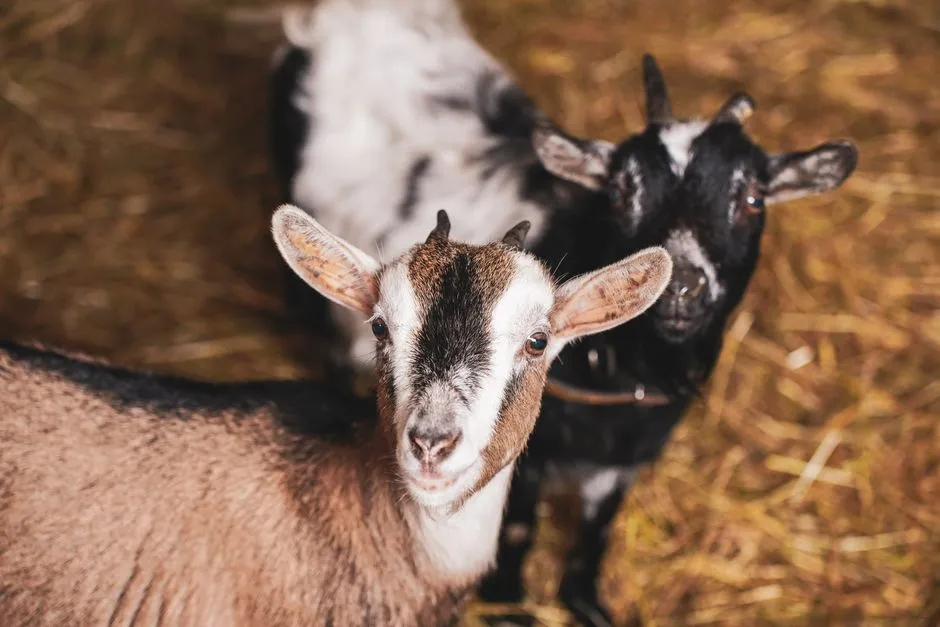
There is a slightly uncomfortable mirror effect here. For years, humans assumed we were the only creatures with rich long‑term memories tied to problem solving and flexible behavior. The more we study animals like goats, the more that story falls apart, and we have to rewrite our place in nature as one clever species among many, not a lone genius in a crowd of fools.
Personally, I find that both humbling and oddly comforting. If a goat on a hillside can quietly store and retrieve multi‑step solutions months later, maybe intelligence is less rare and fragile than we thought. Maybe the world is filled with minds working away in forms we are just starting to notice. The question is not whether goats deserve a spot on some intelligence ranking, but whether we are ready to treat that intelligence as real and act like it matters.
Conclusion: It Is Time to Stop Underestimating the Goat
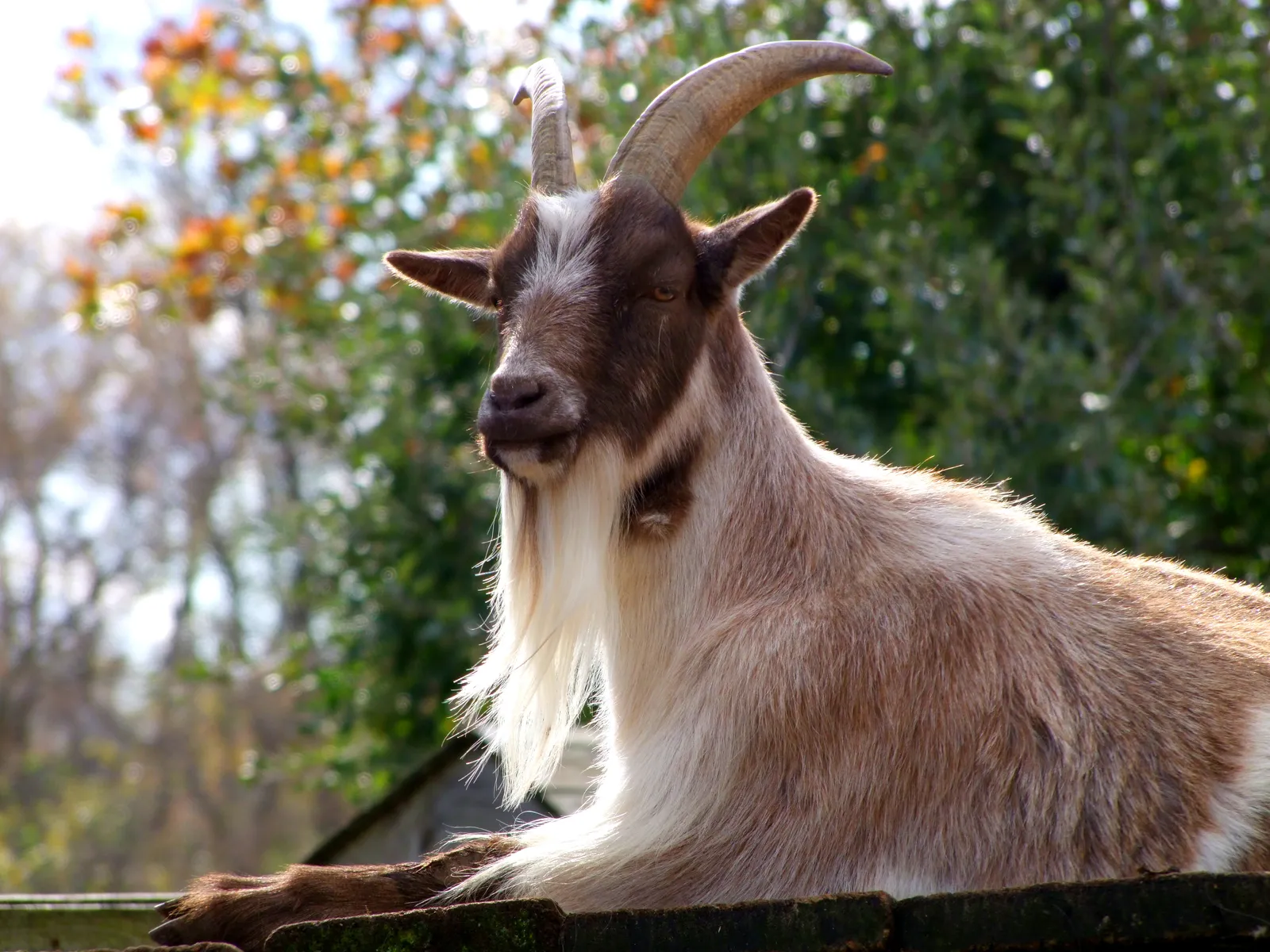
The fact that goats can remember how to solve a puzzle months after learning it should be a turning point, not just a quirky headline. It tells us these animals are not background scenery on a farm but thinking individuals with lasting memories, preferences and problem‑solving skills. Ignoring that because it is inconvenient or unfamiliar feels less like ignorance and more like denial at this point.
My opinion is simple: once you know this, you cannot look at goats the same way again without choosing to forget. Their long‑term memory and cognition demand better handling, richer environments and a lot more respect from us. If a goat can quietly carry a solution in its mind across seasons, maybe the next puzzle to solve is our own stubborn habit of underestimating the animals around us. Now that you know what is going on inside a goat’s head, what else might you be getting wrong?

- Animal Cognition Says Goats Remember How to Solve a Puzzle Months After Learning It - August 6, 2026
- 10 Facts About the Whooping Crane's Long Road Back - August 6, 2026
- 10 Fascinating Facts About the Petrified Forest's Stone Trees - August 6, 2026