
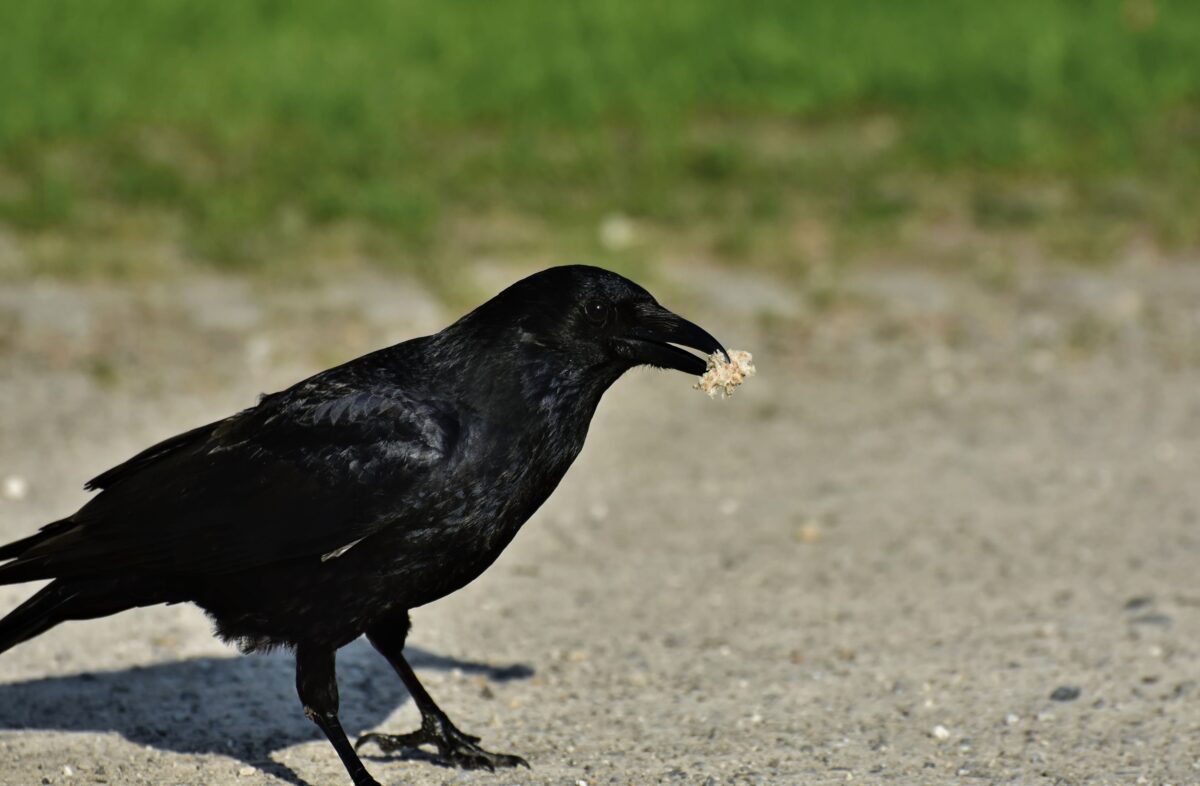
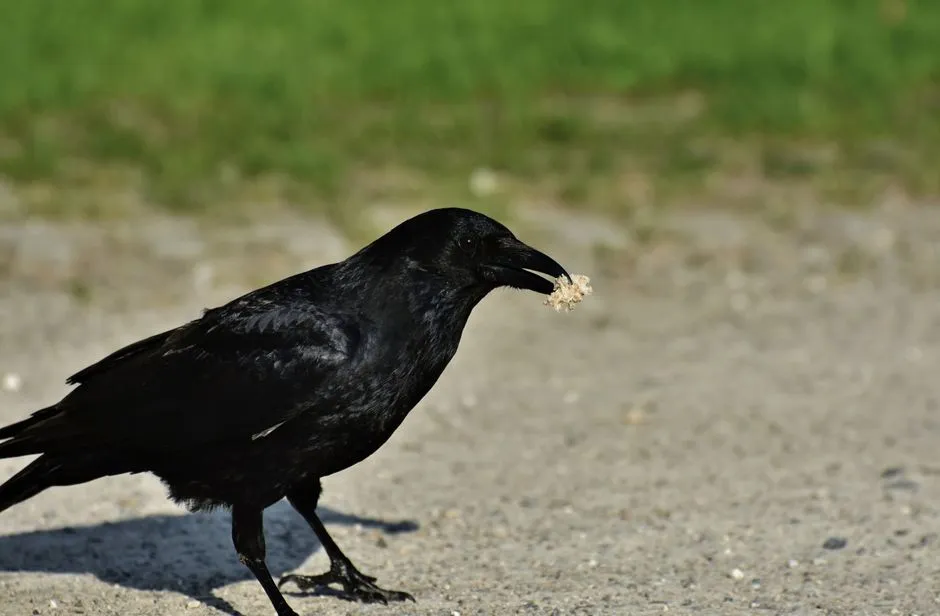
Picture a raven with a tasty morsel in its beak. It looks around, hops a few steps, and then does something that seems almost theatrical: it hides the food, but only after glancing at who’s nearby. For researchers who study animal minds, that small moment holds a big question.
Ravens have a reputation as clever birds, and the reputation is earned. Still, there’s a difference between being clever and tracking what other individuals have seen. Here’s a look at what scientists have actually reported, where the evidence is strong, and where it gets murkier.
Why Ravens Hide Food in the First Place
🔥 Would you like to save this?
We'll email this post to you, so you can come back to it later!
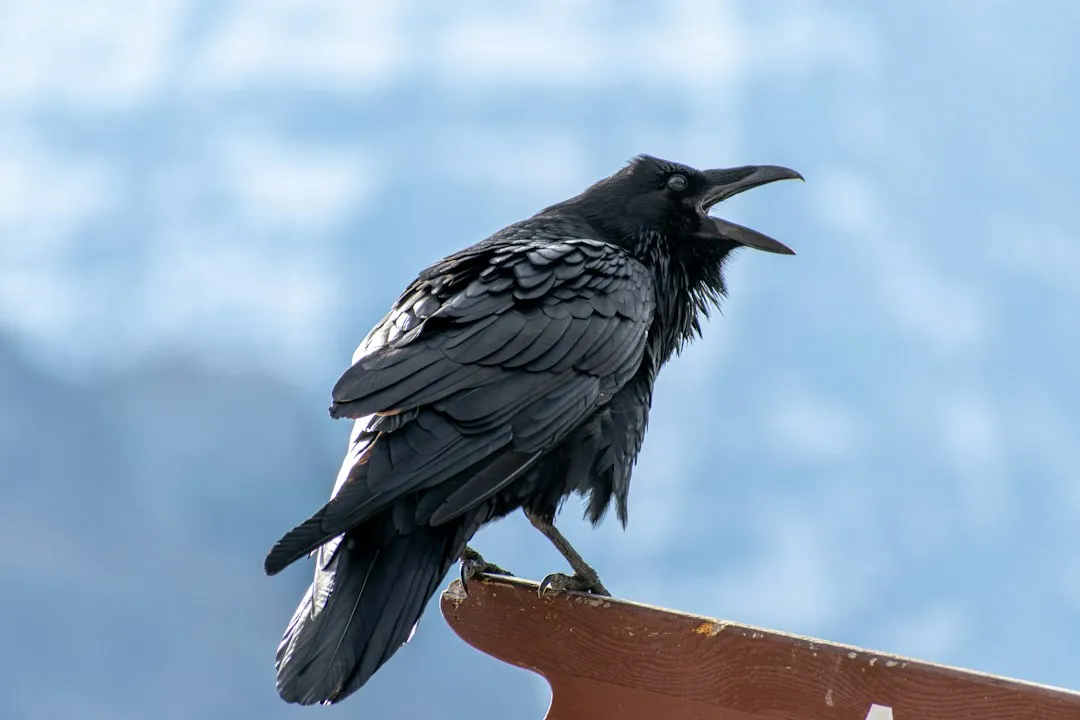
Ravens are food cachers. When they find more than they can eat, they stash the extra in hidden spots to retrieve later. It’s a sensible strategy for animals that live where meals can be unpredictable.
The catch is that a hidden stash only works if nobody else finds it. Ravens often live and feed around other ravens, so thieves aren’t hypothetical. That pressure helps explain why caching birds might become careful about who is watching.
The Experiments That Started the Conversation
🔥 Would you like to save this?
We'll email this post to you, so you can come back to it later!
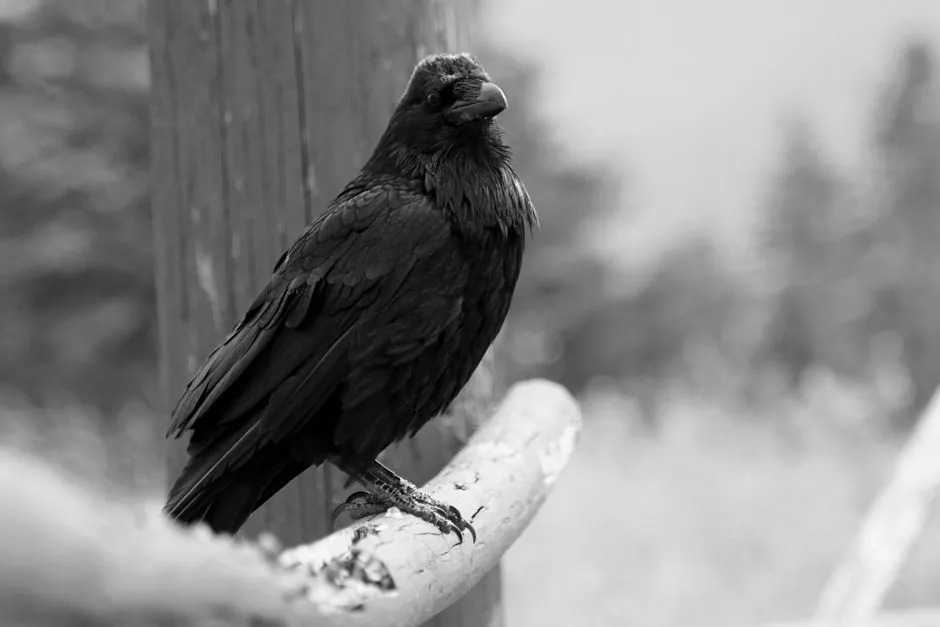
Much of the best known work comes from researchers studying common ravens in controlled settings, including Thomas Bugnyar and colleagues at the University of Vienna. In their experiments, ravens cached food while another raven either could or couldn’t see what they were doing. The birds were then given chances to retrieve their food, sometimes with a competitor present.
Findings from this line of research suggested that ravens treated observed and unobserved caching differently. They tended to protect caches that a rival had seen, and the rivals, in turn, tended to go after the spots they’d watched being used. It’s a tidy picture, though individual studies vary in design and details.
Remembering Who Was Watching
🔥 Would you like to save this?
We'll email this post to you, so you can come back to it later!
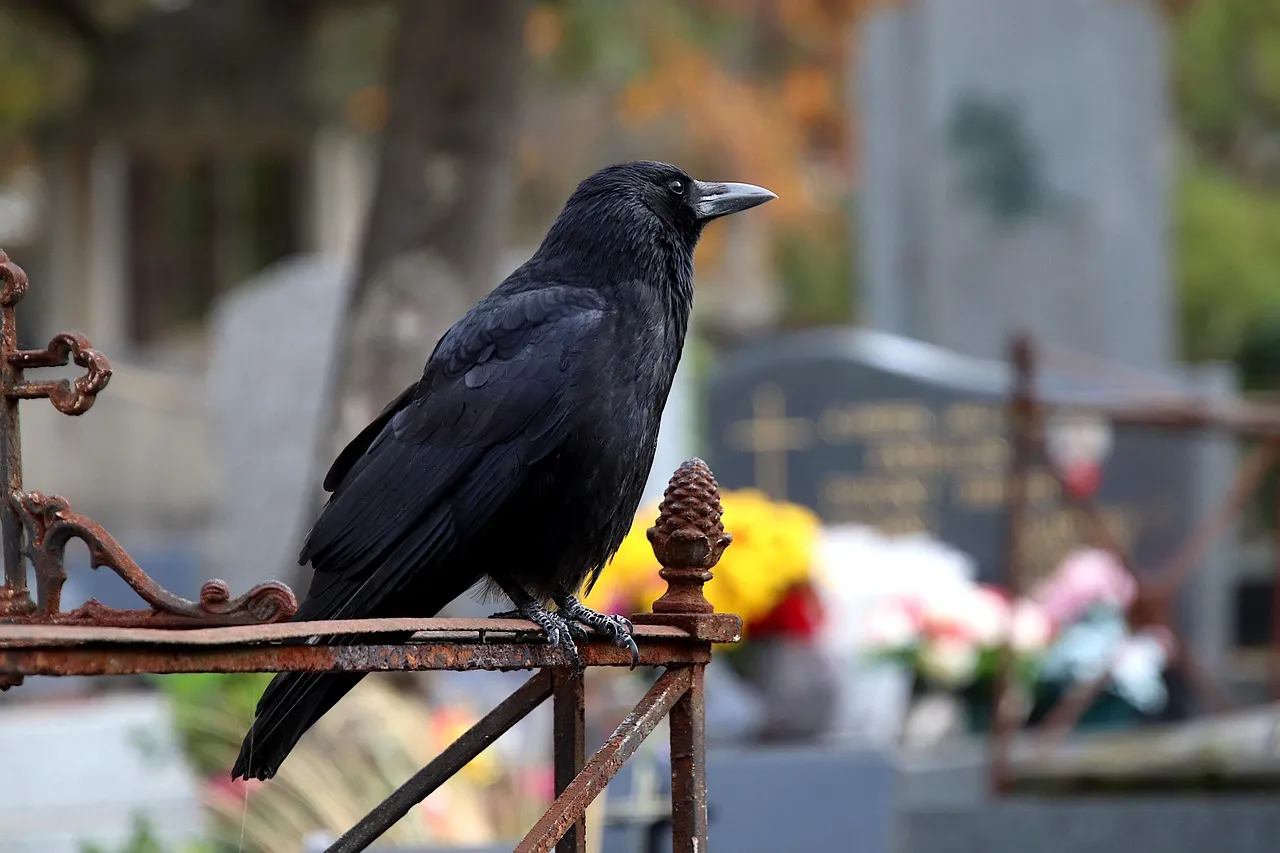
Memory is the quieter half of this story. A raven that protects its stash needs more than a sense that someone is near. It helps to keep track of which individuals actually saw the hiding place.
Studies have indicated that ravens can distinguish among other birds and respond differently based on prior experience with them. That fits with what’s known about their social lives, where relationships and rank matter. How much detail they store about each observer is still being worked out, so it’s wise to treat sweeping claims with caution.
Changing Tactics When Followed
🔥 Would you like to save this?
We'll email this post to you, so you can come back to it later!
The most eye-catching findings involve behavior shifts. In experiments, ravens that knew a competitor was close sometimes moved their food again, chose spots farther from the observer, or hid items in less obvious ways. Researchers have described this as protecting a cache against likely theft.
Some work has also reported that ravens appeared to cache differently when a competitor was nearby but unable to see them, such as behind a barrier. That hints they may respond to cues beyond simple visibility. Even so, the strength of that interpretation is debated.
Is This Really Mind Reading?
🔥 Would you like to save this?
We'll email this post to you, so you can come back to it later!
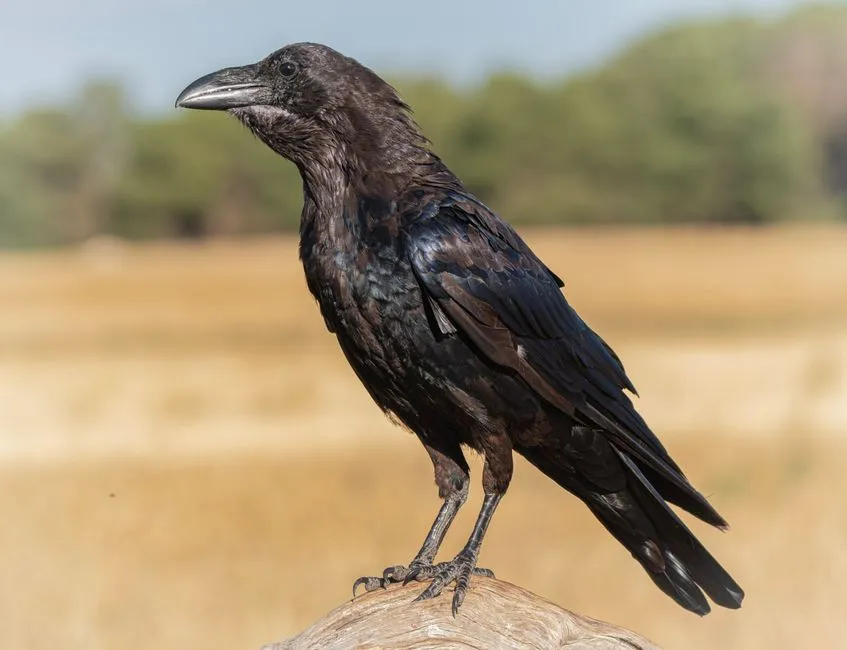
This is where scientists disagree. One view says ravens may understand what others can see or know, a capacity often discussed under the label of theory of mind. Another says they could be using simpler rules, like noticing a rival’s behavior and reacting to it, without grasping anything about the rival’s inner state.
Both explanations can fit the same data, which is why careful controls matter. Some researchers have argued the evidence is suggestive without being conclusive. I find that cautious stance reasonable, since the simpler explanation is hard to rule out entirely.
What This Says About Raven Intelligence
🔥 Would you like to save this?
We'll email this post to you, so you can come back to it later!
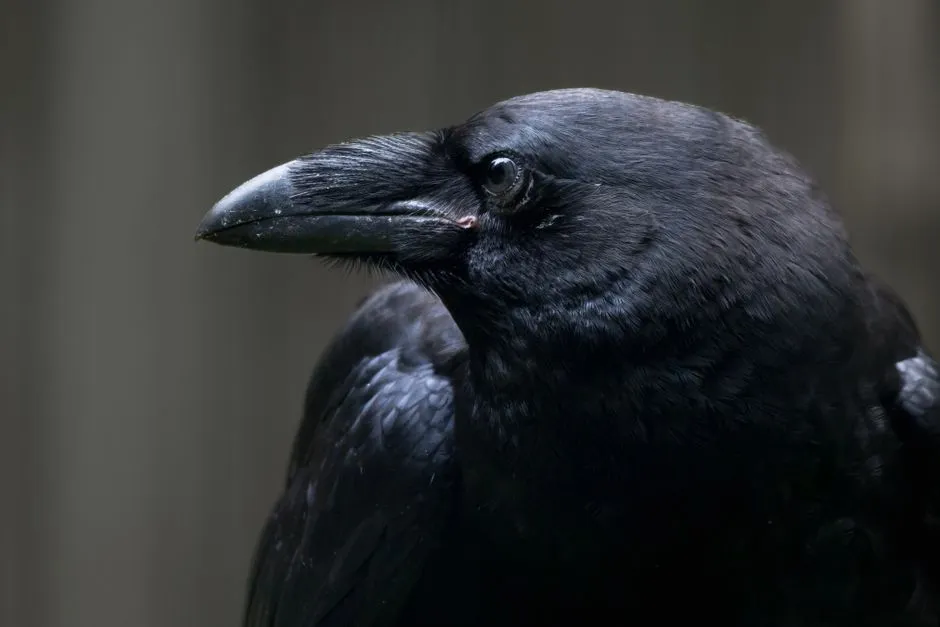
Whatever the mechanism, the results add to a broader picture of corvids as flexible problem solvers. Ravens, crows, and their relatives have been studied for tool use, planning, and social learning. Caching research is one of the more productive windows into how they think.
It also reminds us that intelligence doesn’t have to look like ours. These birds have very different brains from primates, yet they seem to solve some similar social puzzles. That’s a useful nudge for anyone who assumes big mammal brains are the only route to complex thinking.
Final Thoughts
🔥 Would you like to save this?
We'll email this post to you, so you can come back to it later!
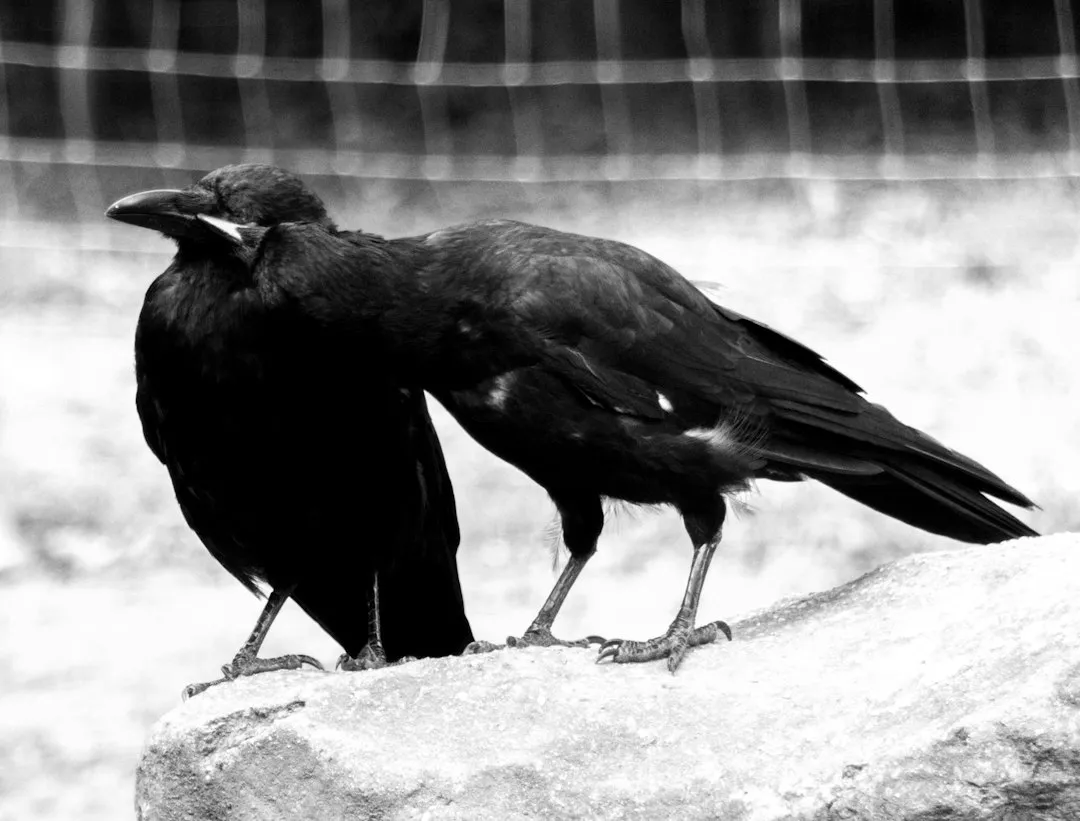
My view is that the headline-friendly version, ravens as little spies outwitting each other, is probably a bit ahead of the evidence. Yet the real picture is still impressive. These birds adjust what they do based on who is around, and that is remarkable without needing to call it mind reading.
I’d rather see the question stay open than get closed too early. Good science here moves slowly, one careful experiment at a time. Next time you watch a bird tuck something away and glance over its shoulder, it’s worth giving it a little respect.

- 7 Everyday Habits That Can Make Your Senior Dog Happier - November 5, 2026
- 10 Enigmatic Structures That Continue to Puzzle Scientists Today - November 5, 2026
- 10 Strange Ruins in the Americas That Challenge What We Know About Early History - November 5, 2026