
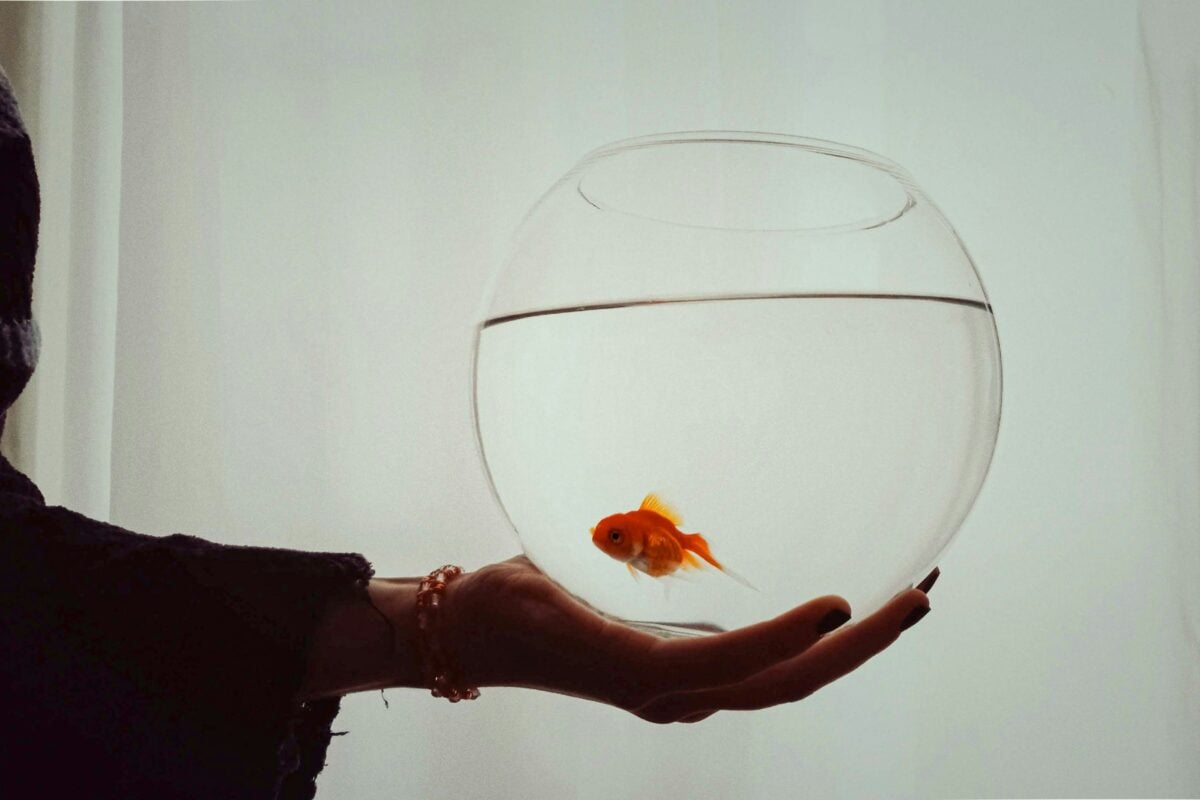
Most of us grew up with the goldfish joke. A fish swims a lap of its bowl, forgets everything, and is delighted by the same plastic castle all over again. It’s a funny image, and it has stuck around for a very long time.
Yet researchers who study fish behavior have been chipping away at that idea for decades. Some species appear to keep track of who is who in their social world, and a few can do it using nothing but a face. What’s behind that finding, and how far does it go?
Where the Three Second Memory Myth Came From
🔥 Would you like to save this?
We'll email this post to you, so you can come back to it later!
Nobody seems able to point to a single study behind the claim that fish forget things within seconds. It’s closer to folklore, repeated so often that it started to sound like science. The idea probably survived because fish are quiet, have no expressive faces by our standards, and live in a medium we don’t share.
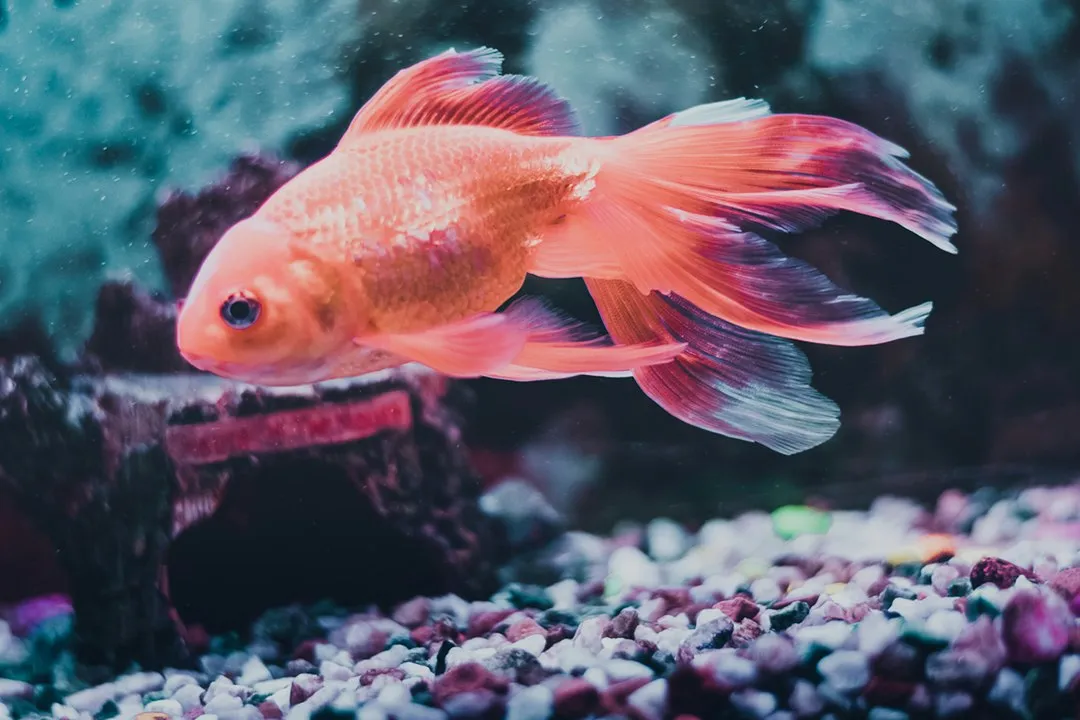
Lab work has pointed the other way for a long time. Fish can learn routes, feeding times and cues linked to danger, and they can hold those lessons for weeks or months. Memory for places and food is one thing, though. Memory for particular individuals is a different and much harder claim.
What Individual Recognition Actually Means
🔥 Would you like to save this?
We'll email this post to you, so you can come back to it later!
In animal cognition, individual recognition means an animal responds differently to a specific familiar individual than to a stranger or to others in general. It isn’t enough that a fish reacts to a bigger rival or to a shoal of its own species. The animal has to be using something distinctive about that one other fish.
That distinction matters because lots of behavior looks like recognition from the outside but can be explained more simply. A fish might just respond to size, smell or location. Careful experiments try to strip those clues away and see whether the fish still treats the familiar one differently.
Cichlids and the Case for Face Reading
🔥 Would you like to save this?
We'll email this post to you, so you can come back to it later!
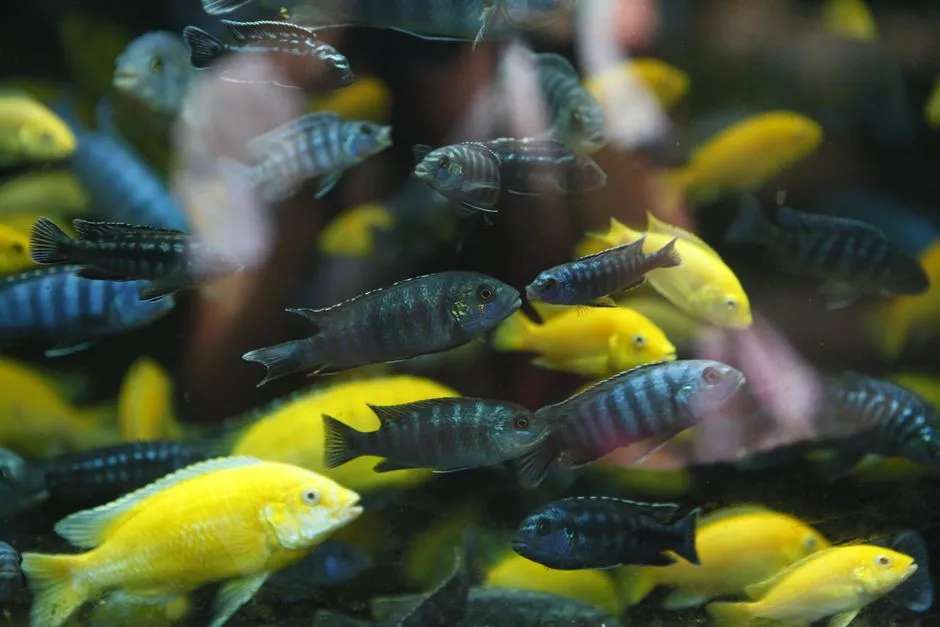
Some of the strongest evidence comes from cichlids, a large family of fish known for complex social lives. Work on a cooperatively breeding Lake Tanganyika species, Neolamprologus pulcher, found that these fish can tell familiar group members from unfamiliar fish, and facial patterns seem to play a key role. Researchers have used altered images and models to test which features the fish rely on.
The setup suits the biology. These fish live in family groups with a clear pecking order, so knowing who you’re dealing with saves energy and avoids pointless fights. A rival you’ve already lost to is worth treating differently than a newcomer who might be beatable.
Archerfish, Rays and Other Surprising Examples
🔥 Would you like to save this?
We'll email this post to you, so you can come back to it later!
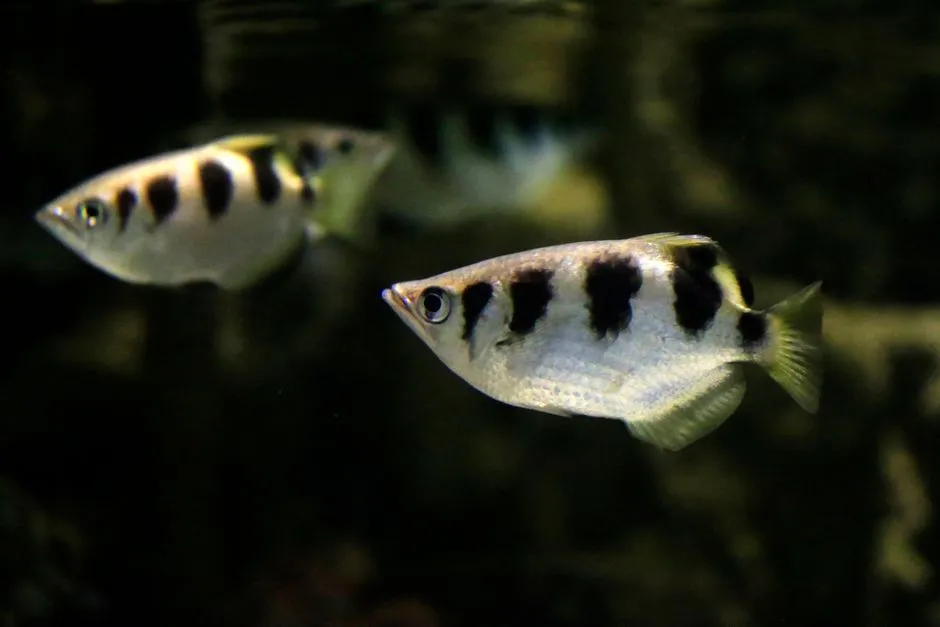
A 2016 study in Scientific Reports trained archerfish to pick out a particular human face from a set of others. The fish, which spit water at insects above the surface, chose the trained face correctly most of the time. They did it without having a specialized brain region like the one mammals use for faces.
That’s a striking result, though it shows a skill with pictures rather than a social habit. Anecdotes about stingrays and other aquarium fish learning to recognize their keepers are common, but they’re less rigorously tested. They’re intriguing hints, not settled evidence.
Neighbors, Partners and Clients
🔥 Would you like to save this?
We'll email this post to you, so you can come back to it later!
Recognition also shows up in everyday fish politics. In many territorial species, animals tend to be less aggressive toward established neighbors than toward strangers, a pattern often called the dear enemy effect. It makes sense, since a known neighbor poses a predictable threat while a stranger might want your territory.
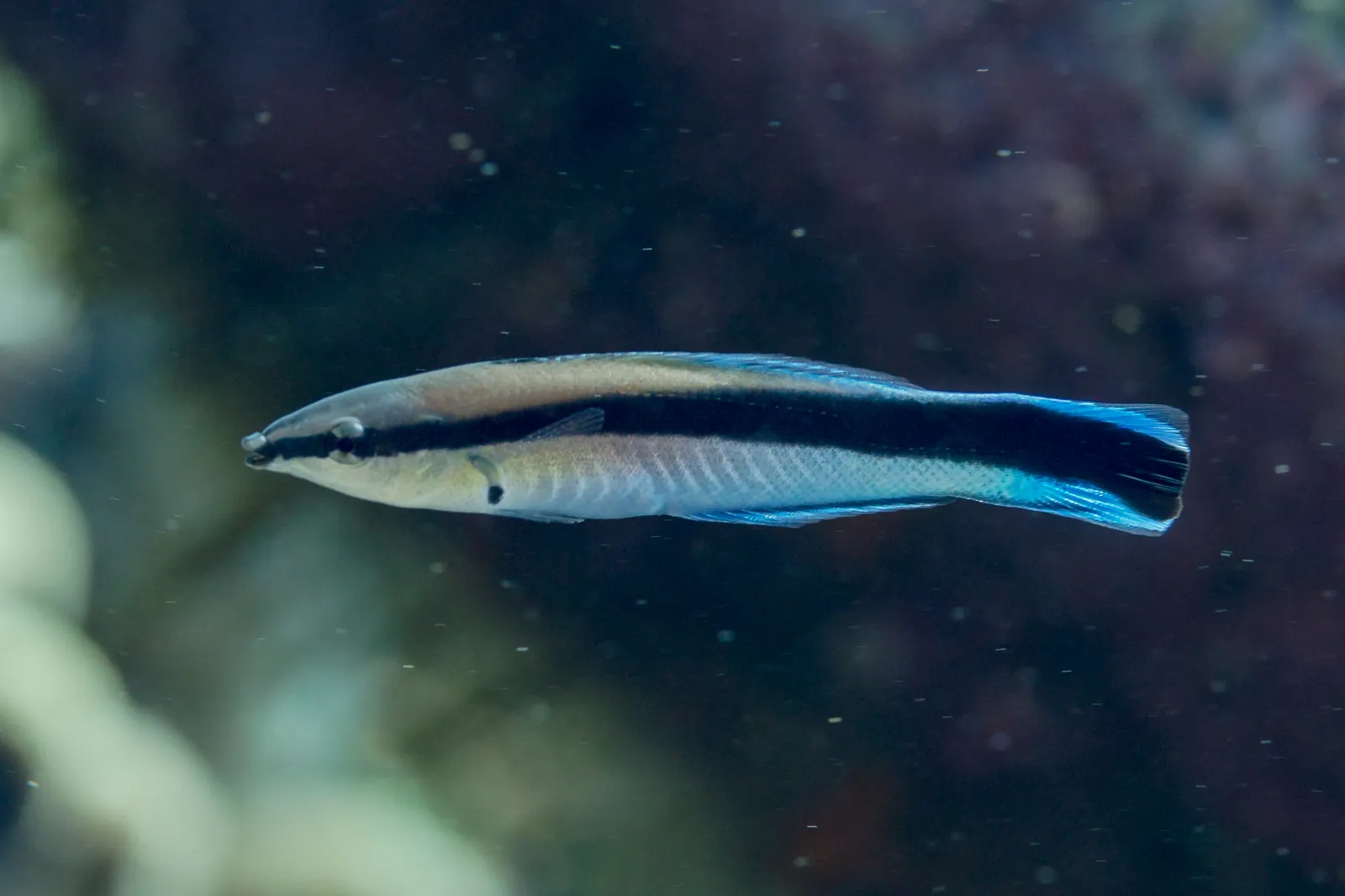
Cleaner wrasse offer another angle. These fish remove parasites from larger clients, and research on their behavior suggests they adjust how they treat clients based on past encounters and the client’s situation. Scientists still debate how much of this is true individual recognition and how much is learned rules about types of clients.
What We Should Take From It, and Why I’d Push Back
🔥 Would you like to save this?
We'll email this post to you, so you can come back to it later!
Fish are a huge and varied group, with tens of thousands of species. Strong evidence for recognizing individuals covers only a small number of them, so sweeping claims about all fish would go beyond the data. Careful researchers say as much.
Still, I think the old belief deserves to retire for good. Calling fish memory almost nonexistent was never a finding, only an assumption, and it shaped how people treated these animals. If a fish can know a familiar face from a stranger, then it’s reasonable to take their minds a bit more seriously, in labs, aquariums and fisheries alike. We don’t need to claim they’re secretly like us, only to stop assuming there’s nobody home.

- 7 Everyday Habits That Can Make Your Senior Dog Happier - November 5, 2026
- 10 Enigmatic Structures That Continue to Puzzle Scientists Today - November 5, 2026
- 10 Strange Ruins in the Americas That Challenge What We Know About Early History - November 5, 2026