
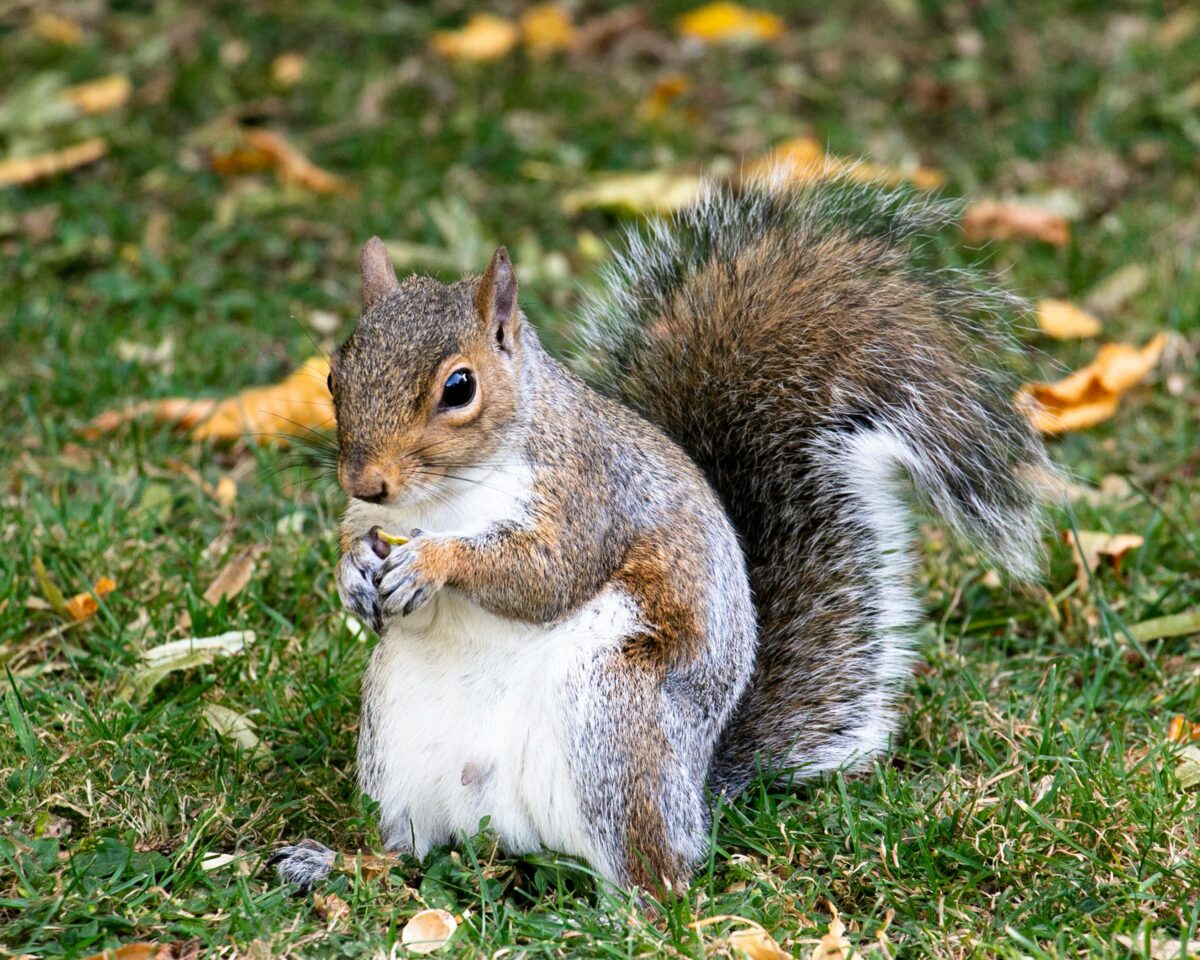
Most people think squirrels are just cute little chaos machines – random little diggers burying nuts with zero long-term strategy. Animal cognition research keeps quietly wrecking that assumption. It turns out these “forgetful” backyard acrobats run complex psychological games on each other, including faking an entire burial when they suspect a nosy rival is watching.
Even stranger: they don’t fake-bury the same way every time. Squirrels seem to dial the deception up or down depending on how likely theft actually is in that exact moment – which starts to look a lot less like blind instinct and a lot more like calculated suspicion. Here’s what the science actually shows, one uncomfortable discovery at a time.
#7 – Squirrels Aren’t Just Hoarders, They’re Strategic Mind Gamers
🔥 Would you like to save this?
We'll email this post to you, so you can come back to it later!
Why It Stands Out
- They track dozens of cache locations at once, weighing value and theft risk for each one
- Fake caches appear more often in visible spots when rivals are nearby
- The behavior looks less like blind instinct and more like real-time risk math
Most people assume squirrels bury whatever they find, wherever they happen to be standing, like tiny hyperactive robots on autopilot. That’s wrong. They make deliberate decisions about where, when, and how to cache food – and whether to fake the whole thing.
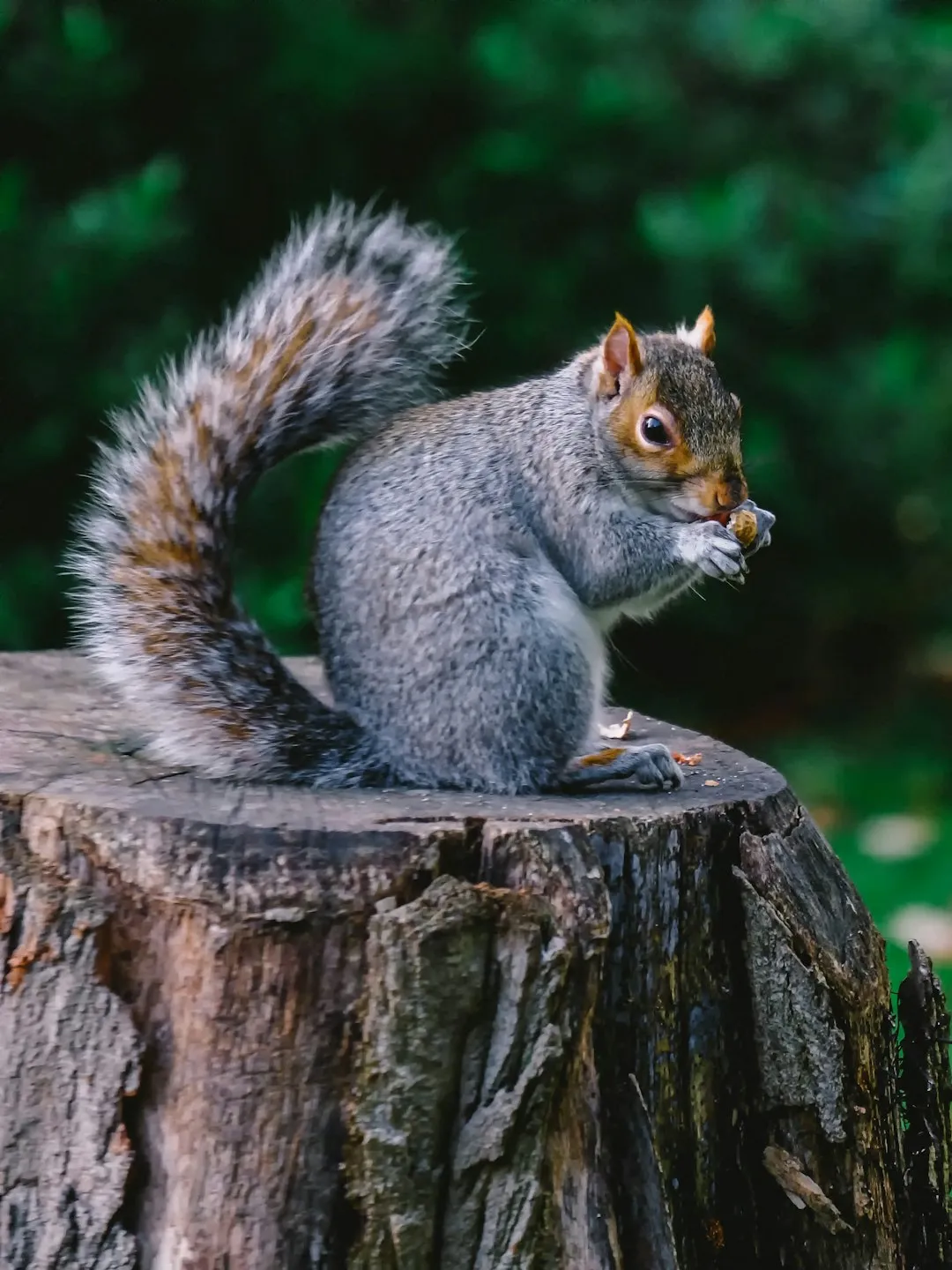
Researchers studying scatter-hoarding species, like gray squirrels, have found that caching is a genuinely demanding mental workout. A squirrel has to remember dozens of locations, weigh how valuable each item is, judge the odds of being robbed, and track who’s watching at that exact second. Under heavy “pilfering pressure,” squirrels don’t just bury more food – they change their whole approach, including staging visible fake caches to throw thieves off the scent. The burying you actually see is only half the story. Even more telling: these fake caches show up more in highly visible spots when other squirrels are nearby, which hints the act is aimed at an audience, not just a nervous tic.
#6 – Fake-Burying Spikes The Moment Squirrels Feel Watched
🔥 Would you like to save this?
We'll email this post to you, so you can come back to it later!
Here’s the wild part: squirrels don’t fake-bury at some steady, constant rate. They ramp it up specifically when they seem to suspect an audience is clocking their every move.
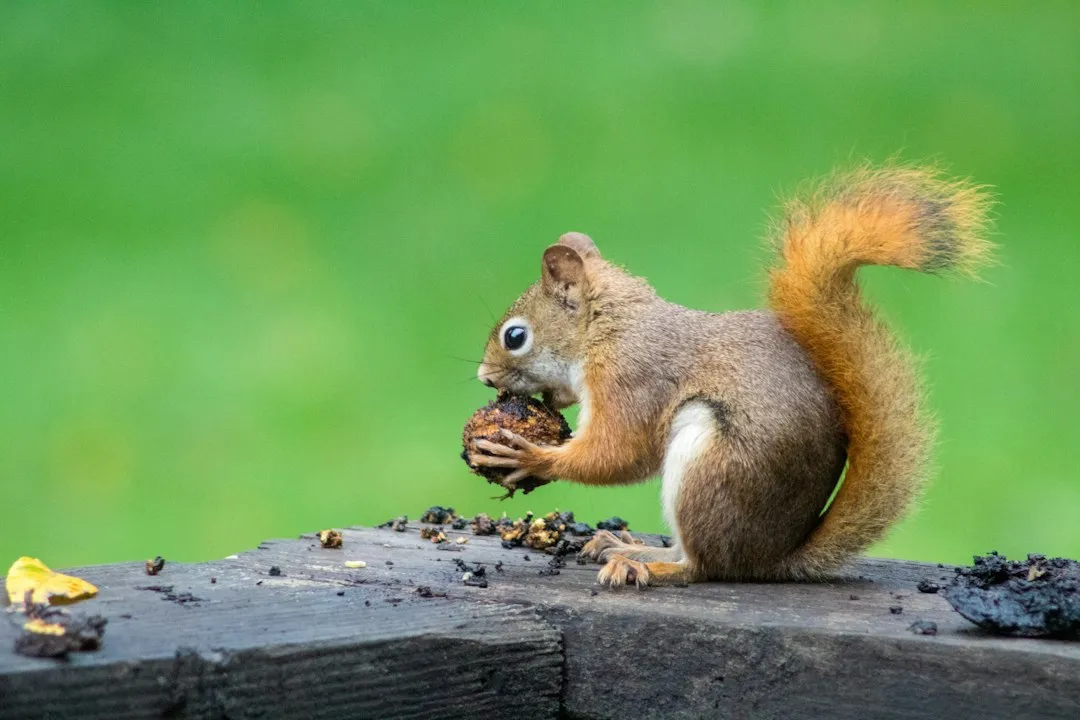
In controlled field studies, when other squirrels – or potential predators – are nearby, individuals are far more likely to go through the entire burying routine without actually leaving the nut behind. They paw at the soil, shove their nose in, push leaves over the spot, then casually hop away with the food still tucked in their cheek. When they’re alone, that elaborate little performance happens far less often. Some observations even suggest they fine-tune it based on exactly who’s watching – a familiar neighbor, a direct competitor, and an actual predator all seem to trigger different levels of caution, like a person cupping their hand around an ATM PIN depending on who’s standing behind them in line.
#5 – They’re Not Just Hiding Nuts, They’re Hiding Information
🔥 Would you like to save this?
We'll email this post to you, so you can come back to it later!
Most people assume caching is only about where the nut ends up. In reality, it’s just as much about controlling who knows anything useful about that location at all.
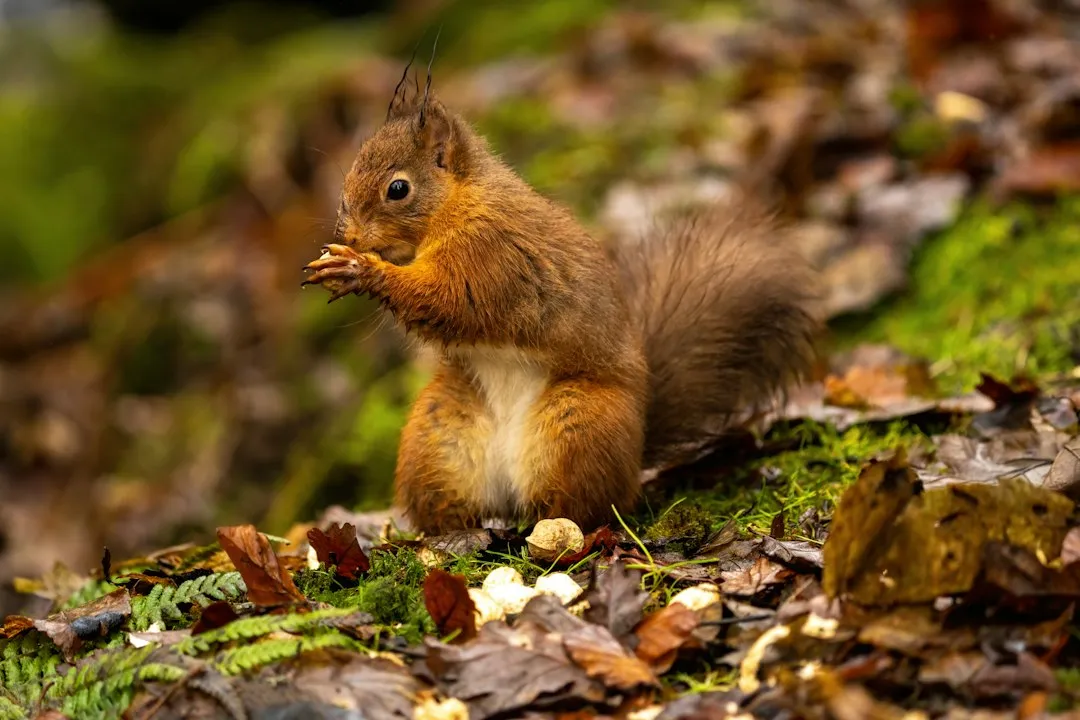
Fake-burying is basically an information war fought in dirt. When a squirrel realizes it’s being tailed by a would-be thief, it sometimes stages a decoy burial in an obvious spot, then quietly circles back later to move the real nut somewhere else entirely. The thief that tracked the first location is left staring into a hole full of nothing. What’s being protected isn’t just the food – it’s the accuracy of the observer’s memory. Scatter-hoarding only pays off if a squirrel retrieves more than its rivals manage to steal, which makes guarding information every bit as important as the original hiding.
#4 – Suspicion Isn’t Hard-Wired, It Flexes With The Moment
🔥 Would you like to save this?
We'll email this post to you, so you can come back to it later!
Quick Compare
- High food abundance: less fake-burying, more genuine caching even with an audience
- Scarce resources: fake-burying rises and cache sites spread wider
- Persistent rival nearby: more elaborate decoys and faster relocations after burial
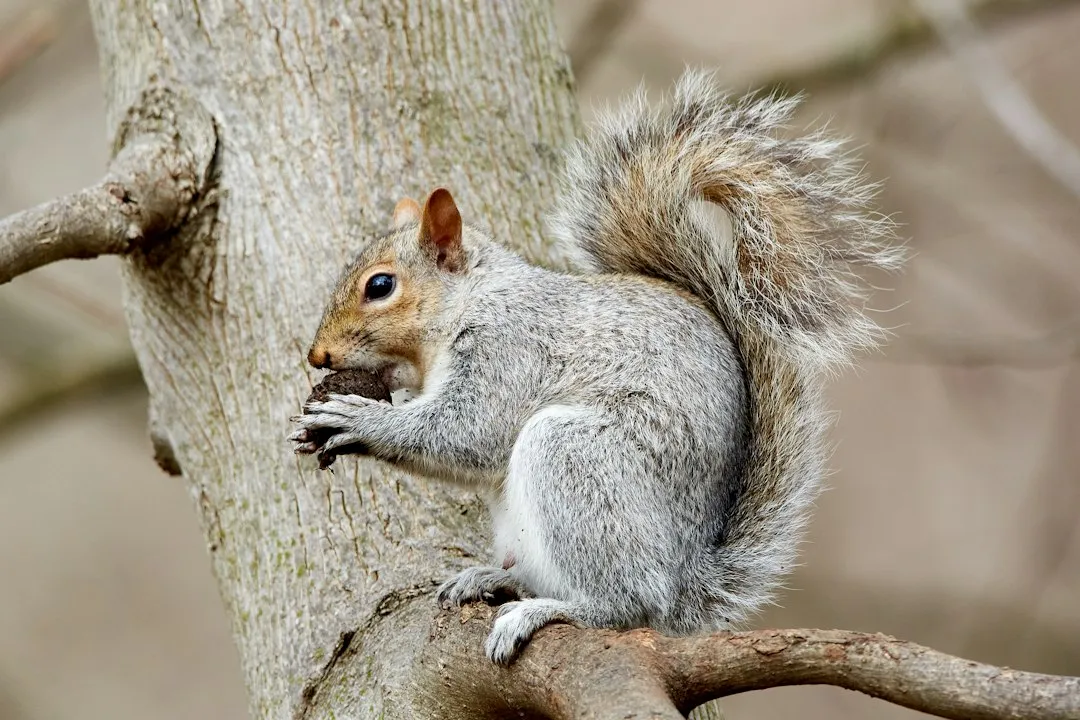
If this were a fixed instinct – see another squirrel, fake-bury automatically, no exceptions – the behavior would look robotic and predictable. It doesn’t.
Fake-burying ramps up and down depending on context, which points to a flexible cognitive process rather than a hardwired reflex. When food is extremely abundant, some squirrels appear to fake-bury less and genuinely cache more, even with an audience present, because the cost of getting robbed drops when there’s plenty to spare. When resources are tight, or a particular rival won’t leave them alone, fake-burying gets more frequent and more elaborate. There’s also evidence that some individuals are simply more deceptive than others, and that they shift tactics over time – the kind of variation you’d expect from learning and adjustment, not a rigid script written into their genes.
#3 – This Looks Uncomfortably Close To “Theory Of Mind Lite”
🔥 Would you like to save this?
We'll email this post to you, so you can come back to it later!
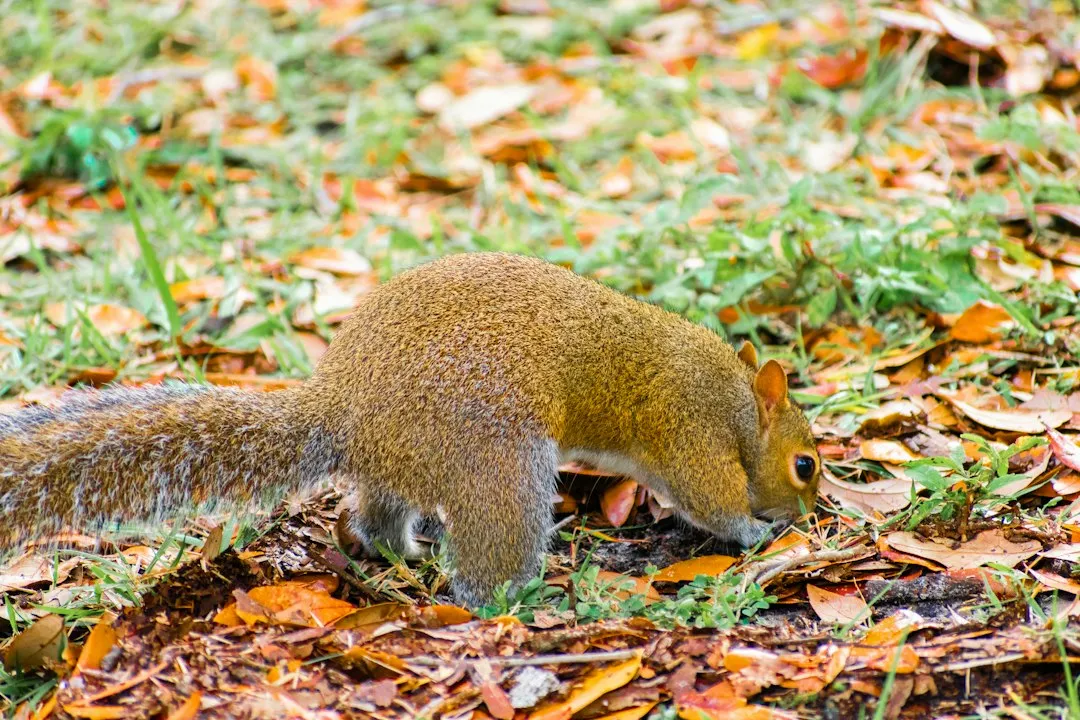
Scientists are careful about claiming any nonhuman animal has full “theory of mind” – the ability to grasp that others hold separate thoughts and knowledge from their own. But squirrel fake-burying edges surprisingly close to a lite version of exactly that idea.
To stage a fake burial that actually works, a squirrel has to behave as if another individual can see where food is placed, might return to that exact spot later, and will be misled if the visible action doesn’t match reality. That doesn’t require language or conscious plotting, but it does demand some mental model of how others act once they’ve gathered information. At minimum, the squirrel is operating on something like: “If they see me place it here, they’ll come back for it later – so I’ll just pretend.” That’s a surprisingly sophisticated layer sitting on top of what looks like simple digging.
#2 – Different Thieves Get Different Tricks
🔥 Would you like to save this?
We'll email this post to you, so you can come back to it later!
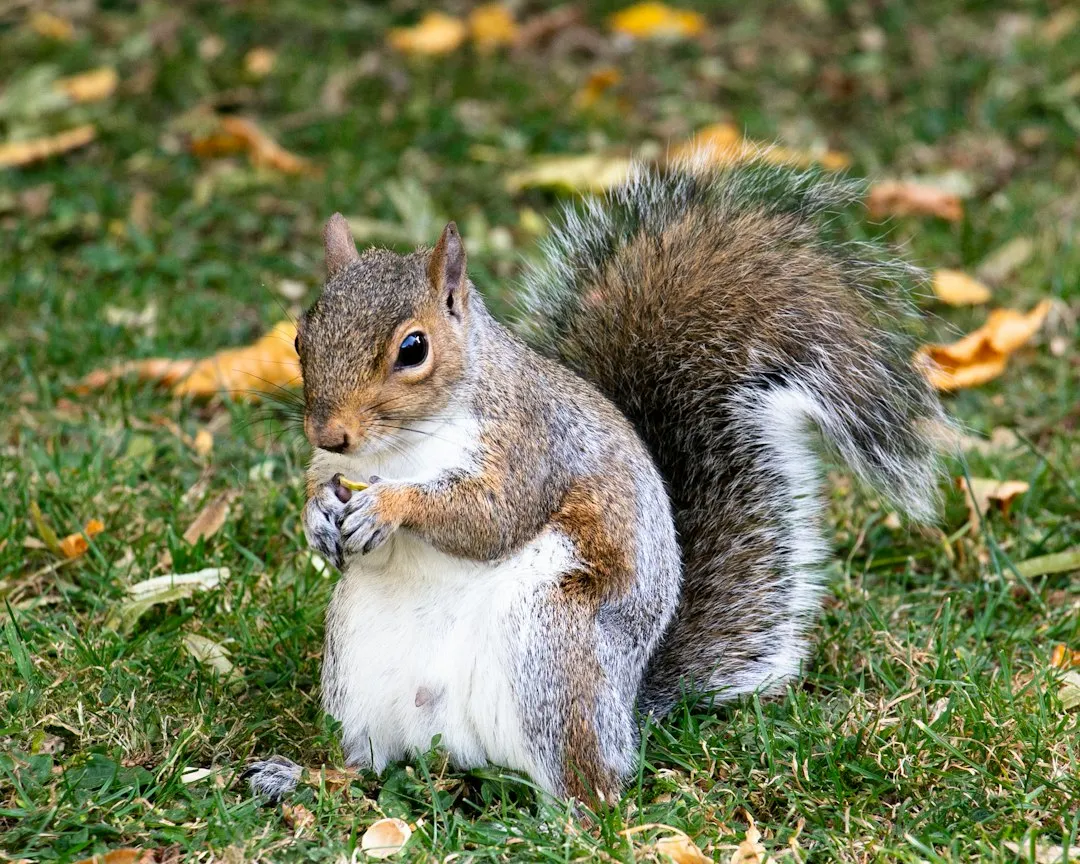
Here’s where it gets even more nuanced: not every threat is treated the same, and squirrels clearly know it. Fake-burying isn’t some generic panic move – it seems specifically tuned to the type of thief currently lurking in the neighborhood.
When the danger is another squirrel of the same species, fake-burying and quiet cache relocation both show up heavily. That tracks, since these are rivals with matching skills and the same appetite, so fooling them directly pays off. When the main competition is a different species – certain birds, other small mammals – the balance shifts, and the smarter move often isn’t faking a burial but spreading caches farther apart or favoring hidden micro-sites instead. Past experience matters too: a squirrel repeatedly robbed in one area tends to get noticeably more guarded there later, with more scanning, more decoys, and more relocating after the first burial. Old theft seems to rewire future suspicion.
#1 – The Environment Turns Up The Paranoia, And Forces Us To Rethink “Simple” Minds
🔥 Would you like to save this?
We'll email this post to you, so you can come back to it later!
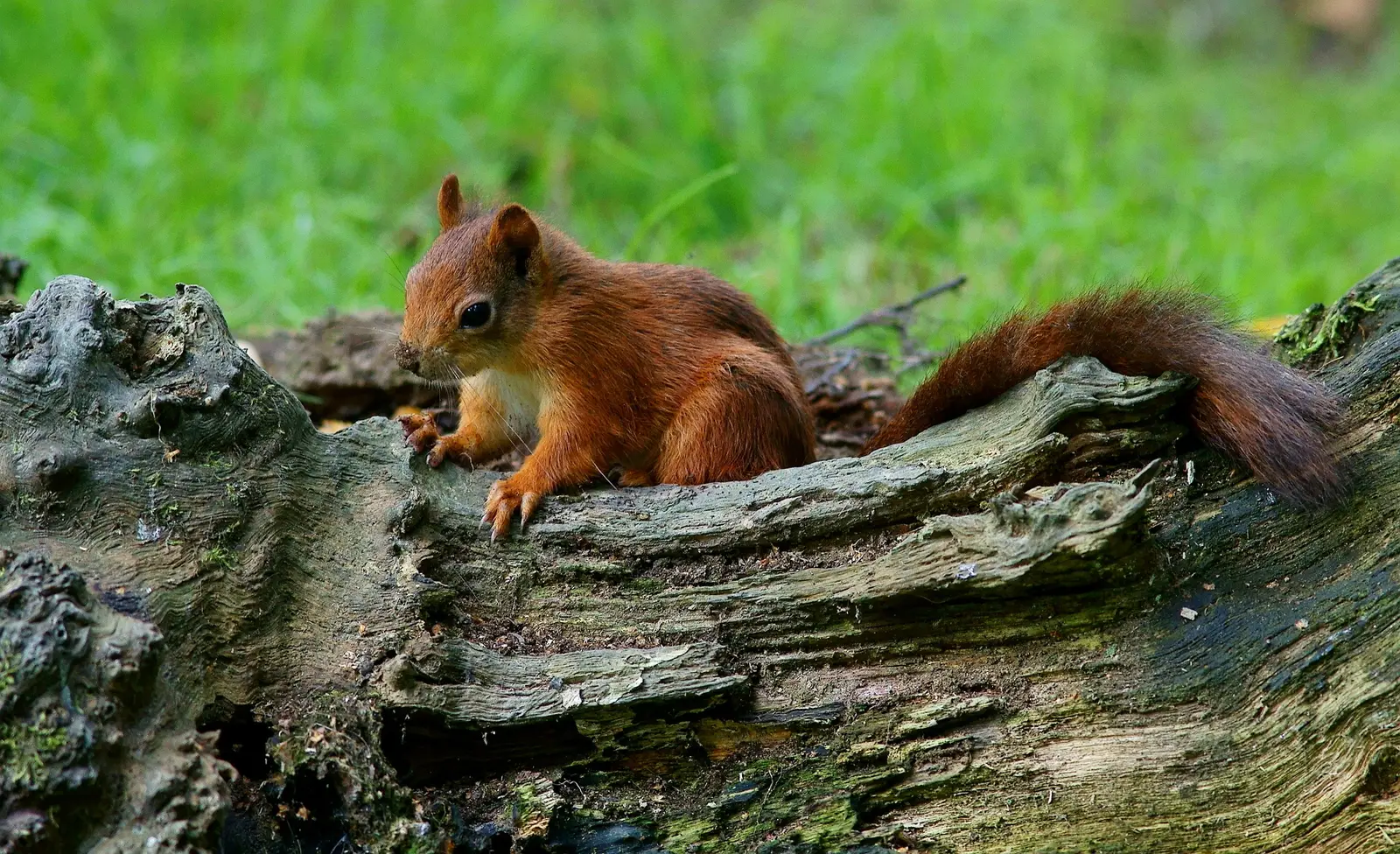
We love imagining squirrel behavior as a fixed personality trait – this one’s bold, that one’s jumpy, this one’s a little mastermind. In reality, the environment cranks the paranoia dial up or down almost by itself. In crowded urban parks with limited safe hiding spots, competition for every nut gets fierce, and you’ll typically see more vigilance, more fake-burying, and faster escapes from exposed ground. In quiet forests with plenty of cover and fewer direct competitors, the same species buries far more confidently, with much less theater, simply because the odds of being tailed are lower. Season matters too – as winter scarcity closes in, each high-energy nut becomes more valuable, the cost of theft rises, and decoy caching becomes worth the extra effort. That squirrel going overboard with fake-burying in late fall isn’t glitching; it’s doing rational math.
And here’s the uncomfortable part: once you accept that squirrels change fake-burying based on who’s watching, you can’t keep pretending their minds are simple. The moment an animal starts tailoring deception to a specific audience, suspicion stops being a purely human trick. It’s easy to write this off as “just instinct” because it protects our ego – it’s comforting to believe complex strategy only lives in big-brained primates and lab-trained animals. Yet out in ordinary backyards, completely untrained squirrels are running live risk assessments, juggling memory demands, and quietly managing what others get to see. That doesn’t make them furry philosophers, but it does mean our old “smart species versus simple species” hierarchy is due for a rewrite. And this is just one behavior in one common animal – which raises the obvious question: what else are we missing in the “ordinary” creatures we’ve stopped bothering to actually watch?
The Bottom Line
🔥 Would you like to save this?
We'll email this post to you, so you can come back to it later!
At a Glance
- Fake-burying spikes the moment squirrels sense they’re being watched
- Behavior shifts based on thief type, food scarcity, and past theft experience
- Environment – not fixed personality – mostly drives caution levels
- The pattern hints at a “theory of mind lite” hiding in plain sight in backyard animals
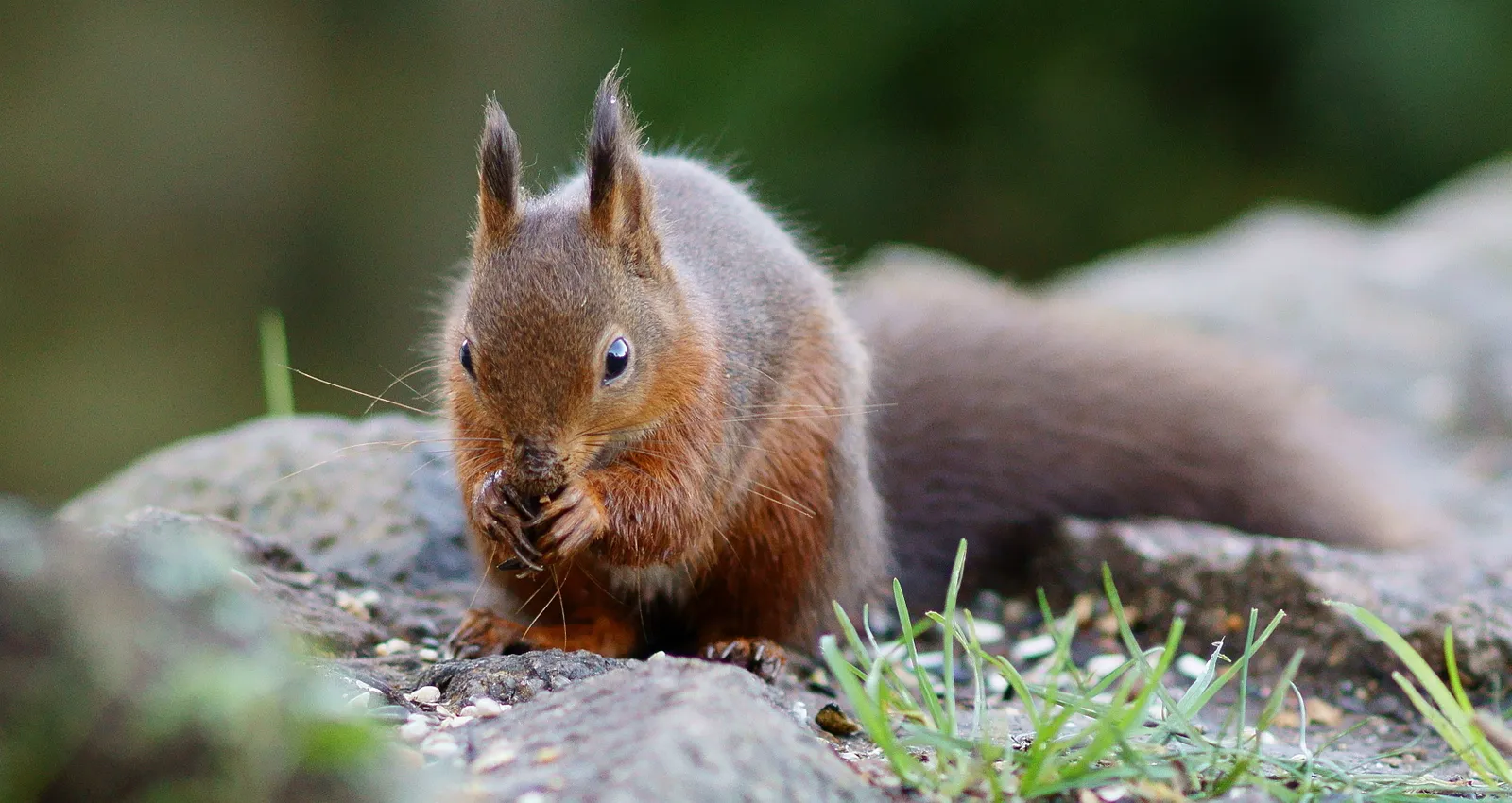
Squirrels aren’t chaotic nut-stuffers. They’re strategic information managers playing a genuinely high-stakes game of theft and deception, and fake-burying isn’t some quirky side-note – it’s a flexible tool they dial up whenever the risk of getting robbed rises, especially under the gaze of a specific rival.
The fact that they adjust this behavior based on who’s watching, how scarce food is, and what’s happened to them before should make the old “small brain, simple mind” story feel a lot shakier. My take? Once a common park squirrel can run basic misdirection on a live audience, the burden of proof flips. We should stop assuming everyday animals are cognitively dull until proven otherwise, and start assuming there’s more going on until we’ve actually bothered to look. Did we underestimate them – or are we still doing it right now, every time we walk past one without a second glance?

- 7 Everyday Habits That Can Make Your Senior Dog Happier - November 5, 2026
- 10 Enigmatic Structures That Continue to Puzzle Scientists Today - November 5, 2026
- 10 Strange Ruins in the Americas That Challenge What We Know About Early History - November 5, 2026