

You probably do not picture a small gray squirrel as a master of psychological warfare, but science is slowly proving that we underestimate them. Under that twitching tail and jittery energy, there is a surprisingly strategic mind that can read situations, react to social pressure, and even fake out rivals. When food is on the line, squirrels are not just hoarders; they are schemers.
I still remember watching a squirrel in a city park bury something, stare right at me, then casually dig it up and move it the moment I looked away. It felt personal, like I had just been outsmarted by a creature that weighs less than my backpack. As it turns out, animal cognition research suggests this was not my imagination. When squirrels think they are being watched, they change their behavior in ways that look a lot like deliberate deception.
Why Scientists Think Squirrels Are Actually Faking It
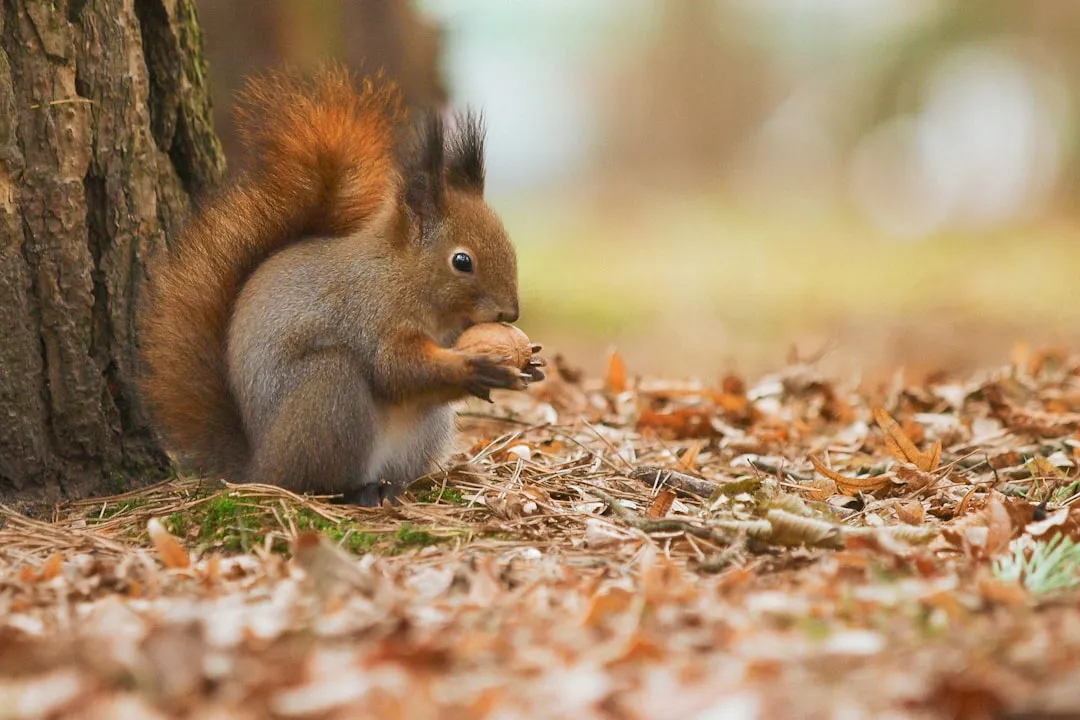
One of the most striking findings from animal cognition studies is that squirrels often perform “false” or “fake” caches when they know another animal is watching. Instead of hiding food where it can be stolen, they go through the motions of burying something in the ground with nothing or little of value. This looks like pure theater: scraping, covering, patting down the soil, then casually moving on as if everything is normal.
Researchers have noticed that these fake-bury routines happen far more often when a squirrel is being observed by a potential thief, like another squirrel or a bird that raids caches. When no one seems to be watching, the same squirrel is suddenly more straightforward and efficient about food hiding. That contrast alone strongly hints there is more here than random behavior or instinct; it suggests at least a basic awareness of what others might see and do.
Suspicion, Surveillance, and the Squirrel “Mind Game”
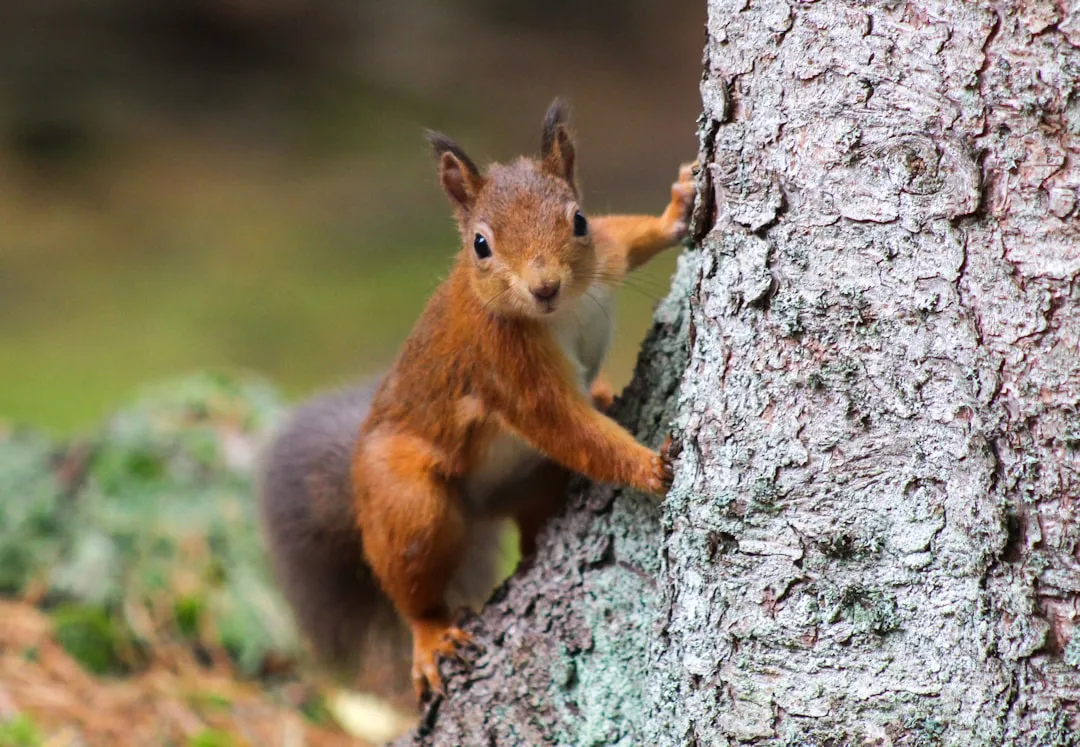
The truly wild part is that squirrels appear to behave differently based on how closely they feel watched. If they sense another animal tracking them attentively, they will sometimes start moving food repeatedly, splitting it into several hiding spots or returning later to quietly relocate it. It almost feels like watching someone trying to shake off a tail in a spy movie, except this spy has whiskers and claws.
This kind of behavior hints at a form of social awareness known as sensitivity to audience. The squirrel is not just responding to the environment in general, but specifically to the eyes on it. That implies there is some internal model, however simple, of another animal’s potential actions. In other words, the squirrel is not only thinking, “I want to hide this nut,” but also, “If they saw me hide it here, they might steal it later, so I should confuse them.” For such a small brain, that is a remarkably slick adaptation.
Deception or Just Clever Instinct? The Big Debate

Of course, not everyone is ready to call this full-blown deception in the human sense, and that debate really matters. Some scientists argue that squirrels are simply following evolved rules of thumb: if watched, act differently; if alone, cache normally. In that view, the animal does not have to be consciously plotting or “lying,” it just has to perform behaviors that happened to work over generations and got genetically locked in.
Others push back and say that the patterns of fake caching and relocation are too context-sensitive to be written off as mindless routines. The fact that squirrels respond more intensely to certain observers, like known thieves, suggests they are not just running a simple script but adjusting on the fly. Personally, I think the honest answer sits in between. Squirrels may not be plotting like human con artists, but calling their tactics “just instinct” undersells how flexible, responsive, and situation-aware they really are.
Food Thieves, Eavesdroppers, and a Life of Constant Risk
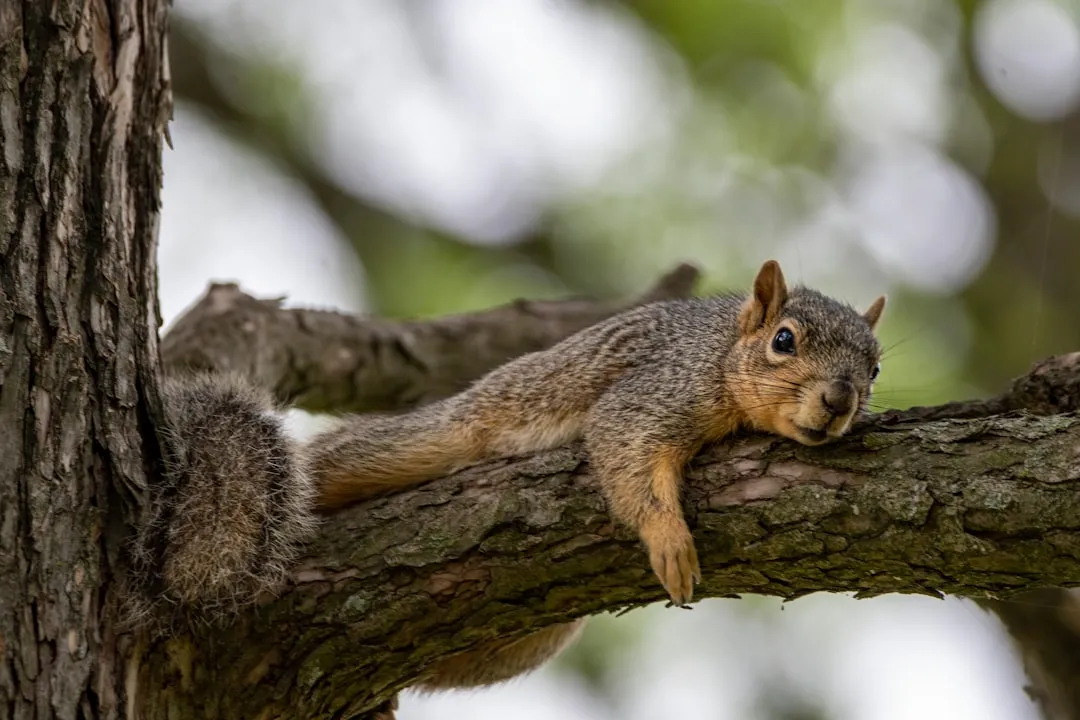
To really understand why squirrels might develop deceptive tactics, you have to picture their daily grind. These animals often hide hundreds or even thousands of food items across a wide area, hoping enough will remain untouched to get them through lean times. Every nut buried is a kind of tiny investment, and every onlooker is a potential thief who could wipe that investment out with almost no effort.
Rivals are not their only problem, either. Birds like jays and crows are notorious food pilferers and happen to be exceptionally good at watching and remembering where other animals bury things. That turns a simple act of caching into a high-stress performance. In an environment where everyone is watching everyone else, deception is not some quirky bonus trait; it is survival strategy. You either learn to mislead your eavesdroppers, or you feed them.
What Squirrel Tricks Reveal About Animal Minds
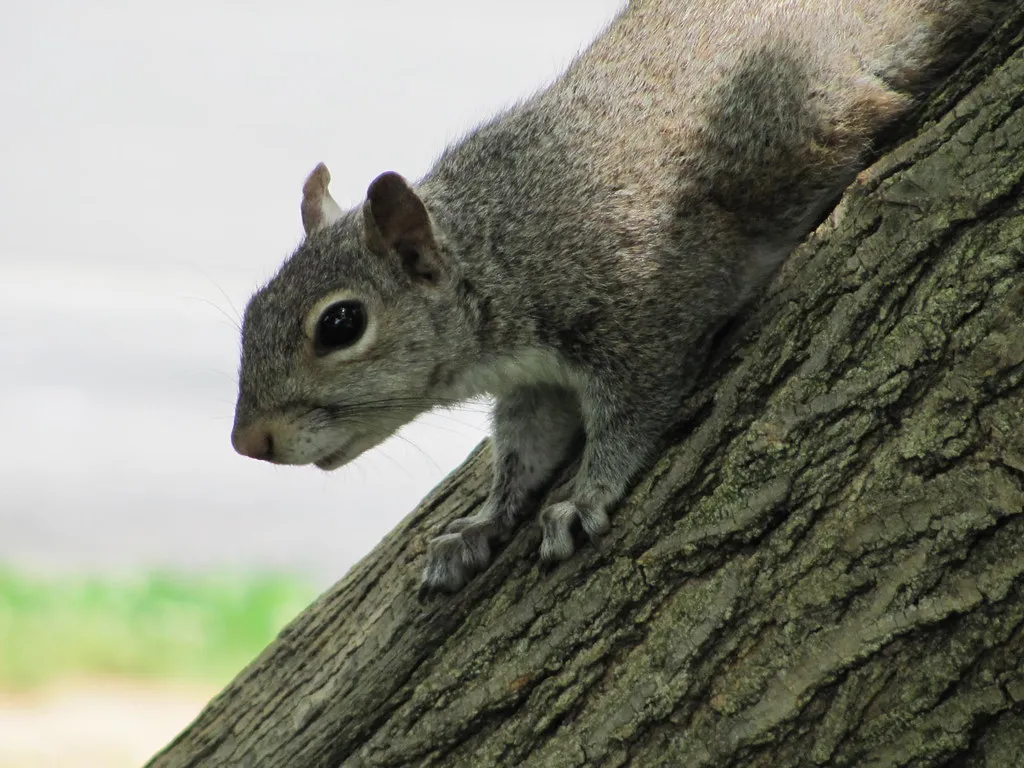
Even if we stay careful and avoid exaggerating, the evidence that squirrels adjust their caching when watched forces us to rethink what “simple” animals can do. For a long time, only primates, corvids, and maybe a few other brainy species were taken seriously as potential deceivers. Squirrels shove their way into that conversation just by being relentless, stubborn, and surprisingly tactical about where they put their food.
These findings also push us to drop the old idea that there is a hard line between “instinct” and “intelligence.” Animal behavior can be both deeply evolved and genuinely flexible at the same time. A squirrel might not sit there and silently reason through pros and cons the way a human would, but it can still weigh risk cues, adjust strategies, and treat other animals as agents whose attention matters. That is a quieter, humbler kind of intelligence, but it is intelligence all the same.
My Own Take: We Are More Like Squirrels Than We Want to Admit

When I watch squirrels fake out their rivals, I cannot help but see a softer reflection of human social games. We shade the truth in job interviews, withhold details in negotiations, or pretend we are not interested in something just so others will not swoop in first. Squirrels are doing their own stripped-down version of this: managing appearances because being fully transparent would get them robbed.
To me, the most compelling part of squirrel deception is not that it makes them seem almost human, but that it shows how widespread strategic behavior is across life. Once you realize this, a park bench stops being just a place to sit, and becomes a front-row seat to a silent, ongoing mind game. If a small squirrel can juggle risk, attention, and advantage with such ease, maybe we need to rethink how “special” we really are in the grand scheme of cleverness.
Conclusion: Yes, Squirrels Deceive – And We Should Take Them Seriously
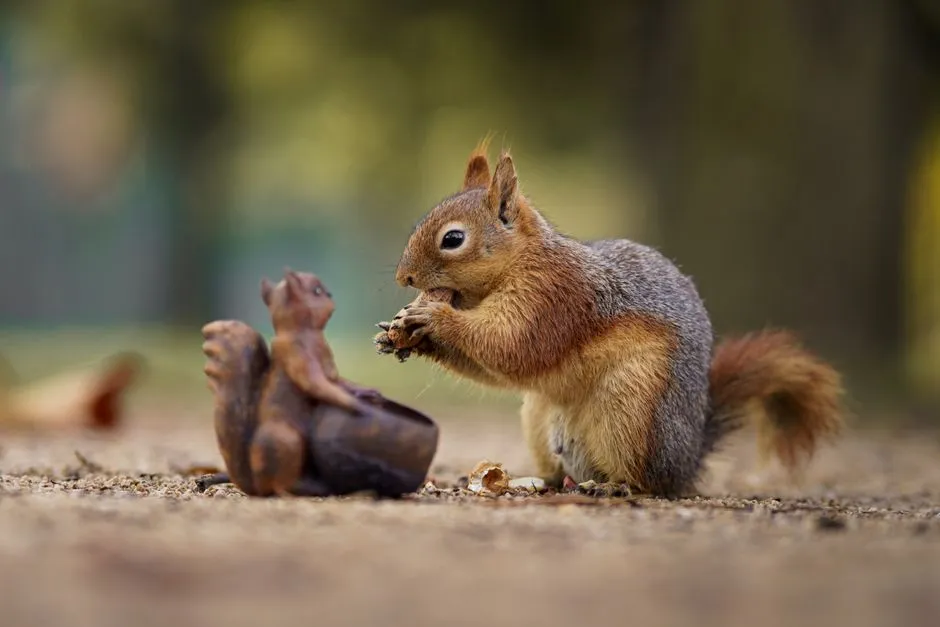
Given what animal cognition research has uncovered, I think the fairest, most grounded conclusion is this: squirrels really do engage in deception-like behavior when they suspect their food is being watched. They fake caches, relocate treasures, and adjust their actions based on who is around and how risky the moment feels. Whether or not we label this as full conscious trickery, it is far more strategic than the old cartoon image of the goofy, forgetful nut-hoarder.
My opinion is that we should stop treating behaviors like these as cute side notes and start seeing them as genuine evidence of complex, evolved minds at work. Squirrels are not tiny people, but they are clearly not mindless automatons either; they live in a social and competitive world that demands flexible tactics, including deception. The real surprise is not that they try to mislead potential thieves, but that we ever assumed they were too simple to do it. Next time you see a squirrel pausing mid-bury and glancing around, are you sure you are the observer – and not the one being played?
