
#1 The classic experiment that proved it wasn’t just habit

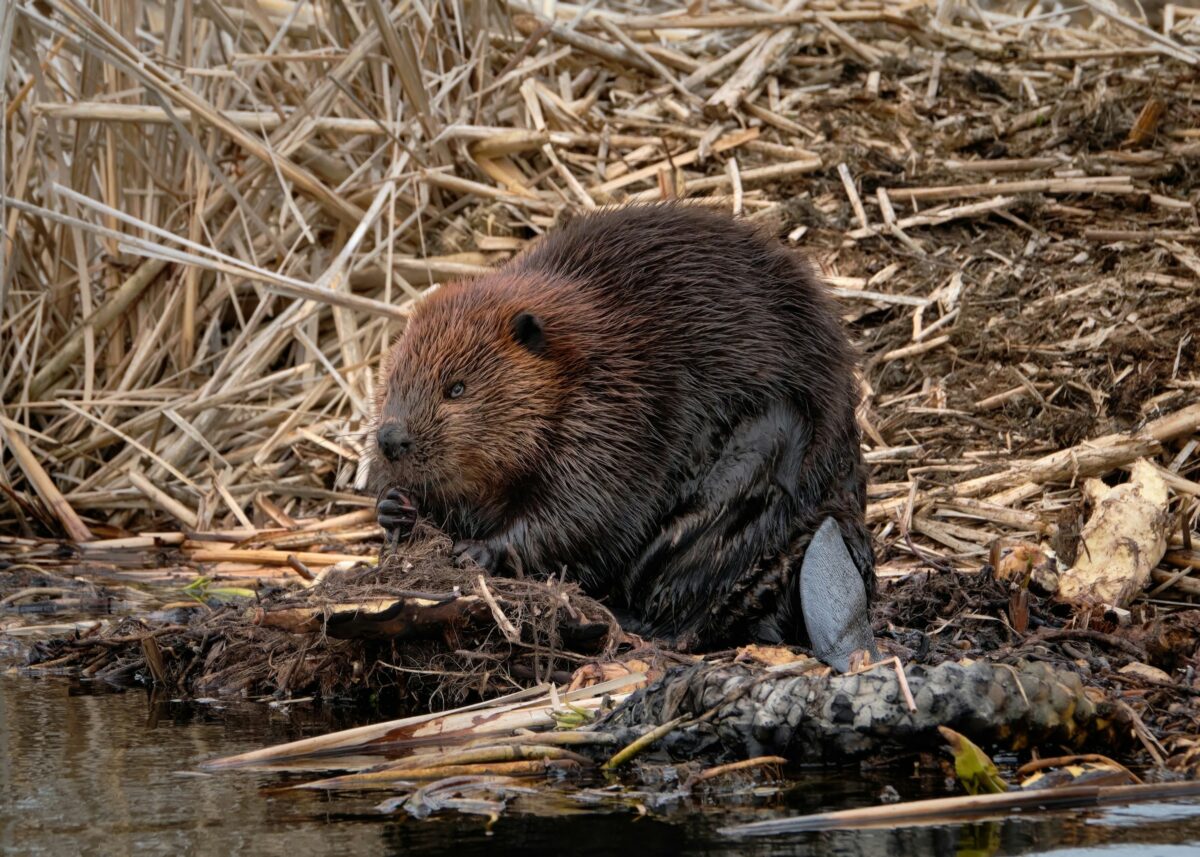
Back in the 1960s, a Swedish biologist named Lars Wilsson set out to answer a basic question that had puzzled naturalists for generations: is dam building something beavers learn from their parents, or is it wired into them from birth? Back in the 60s, a Swedish biologist wanted to know if the dam-building behavior was innate or learned, so Lars Wilsson decided to experiment, catching four adult beavers and raising them in different habitats. Some lived outdoors, others in enclosed spaces where every variable could be controlled and observed.
The most telling part of his work came later, when he raised a new generation in complete isolation from any adult beaver. When a new generation of beavers was born, he chose a few of them to raise in isolation in order to study which of their behaviors were instinctual, and discovered that when released into running water, the young beavers built near perfect examples of dams on their first try. No mentor, no trial and error, no watching mom and dad at work. Just an animal responding to a cue that seemed to be built into its nervous system from the start.
#2 What happens the moment a beaver hears a leak
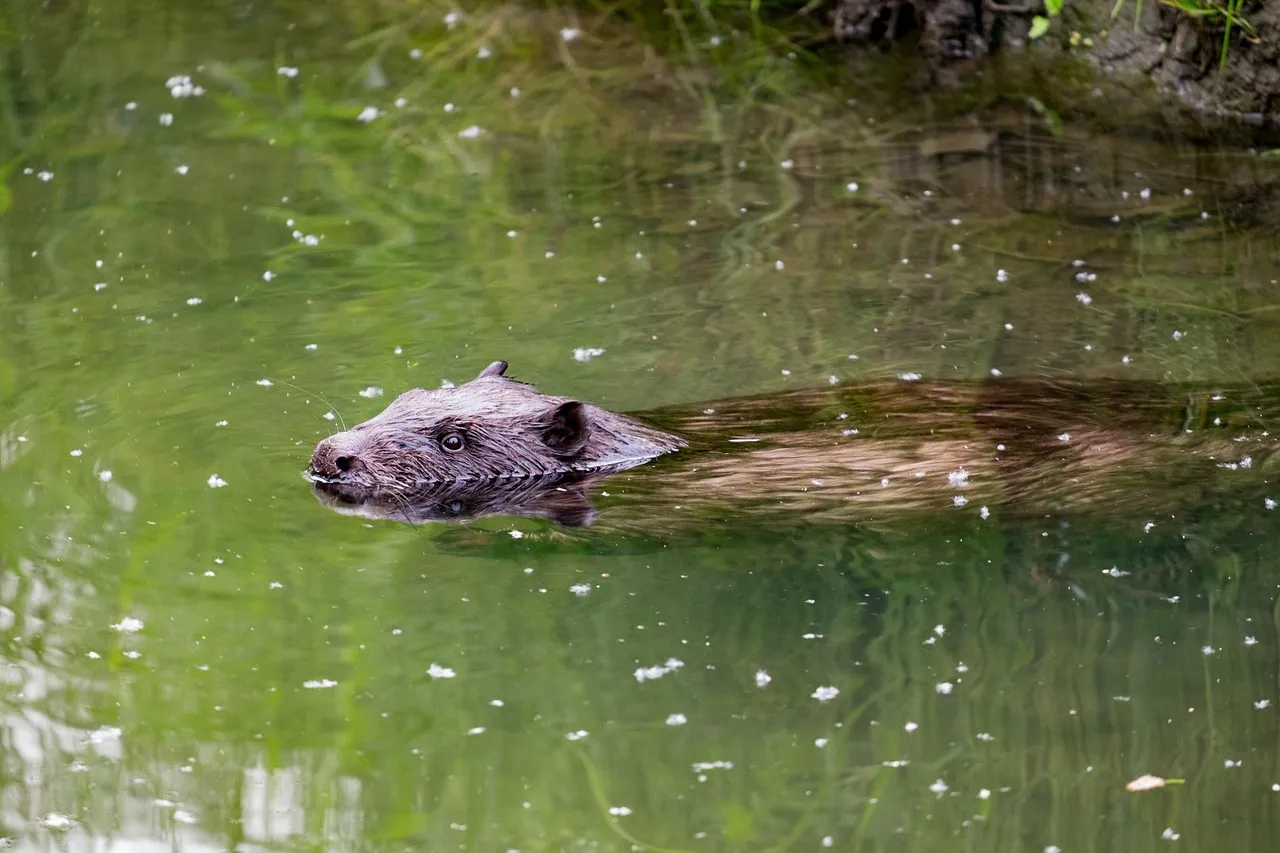
Wilsson didn’t stop at watching beavers in moving water. He also placed them in still or barely moving water to see what would happen without the auditory trigger present. He then tried a different experiment where he placed the beavers in still or very slow-moving water, and the subjects responded by burying themselves in the mud and making no attempts to build. Nothing. No branches gathered, no mud packed, no instinct switched on.
That changed the moment sound entered the picture. It was only when Wilsson played them the sounds of running water through a speaker that their instincts kicked in. The beavers that had been sitting idle suddenly sprang into action, gathering material and working with the kind of urgency you’d expect from an animal facing a real structural failure. It’s a striking reminder that for these animals, sound isn’t background noise. It’s a work order.
#3 Why silent water often gets ignored entirely

Here’s where the story gets a little uncomfortable if you’re rooting for beaver intelligence. In one of Wilsson’s follow up experiments, he gave the animals a completely see through pipe with water quietly leaking out of it, no sound attached. At the same time, he ran a speaker nearby playing the noise of flowing water. When the sound was played for them through a loudspeaker on concrete, the beavers still built their dam over the dry floor, and even when presented with a clear pipe that showed water silently escaping through their dam and a speaker that played them the sound of running water, they chose to build over the speaker.
They ignored the actual problem sitting right in front of them, visible and dripping, and instead devoted their energy to the fake one making noise nearby. It sounds almost comical when you picture it, but it says something real about how deeply this species relies on hearing over sight when it comes to detecting structural threats. Vision clearly plays a role in a beaver’s daily life, but when it comes to triggering the specific urge to patch and build, sound appears to take priority almost every time.
#4 The auditory hardware behind the behavior
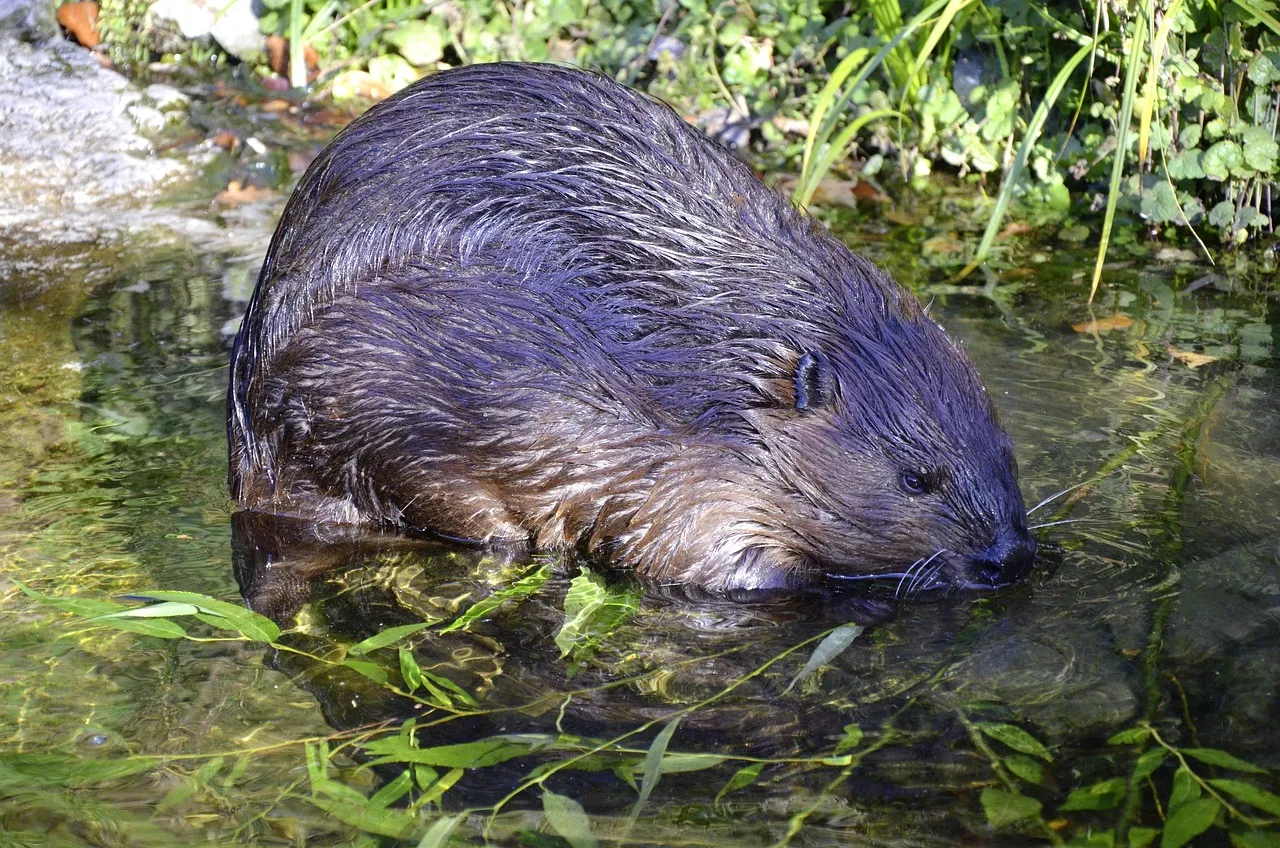
None of this instinct would matter much if beavers weren’t actually good at hearing water in the first place. Their ears are small, tucked close to the head, and covered by a thick layer of fur that keeps water out while they’re swimming. Their ears are small and well-protected by a thick layer of fur, which helps prevent water entry while swimming, though this does not diminish their hearing capabilities.
That combination of protection and sensitivity seems to be the point. Research suggests that beavers can detect a wide range of frequencies, both in air and underwater, allowing them to perceive subtle changes in water flow. In practical terms, that means a beaver moving through its territory at night is essentially running a constant audio scan of its surroundings, picking up on the kind of subtle shifts in pitch and volume that would tell it whether a dam somewhere down the line has sprung a leak.
#5 Beyond Niagara Falls, where the simple theory breaks down
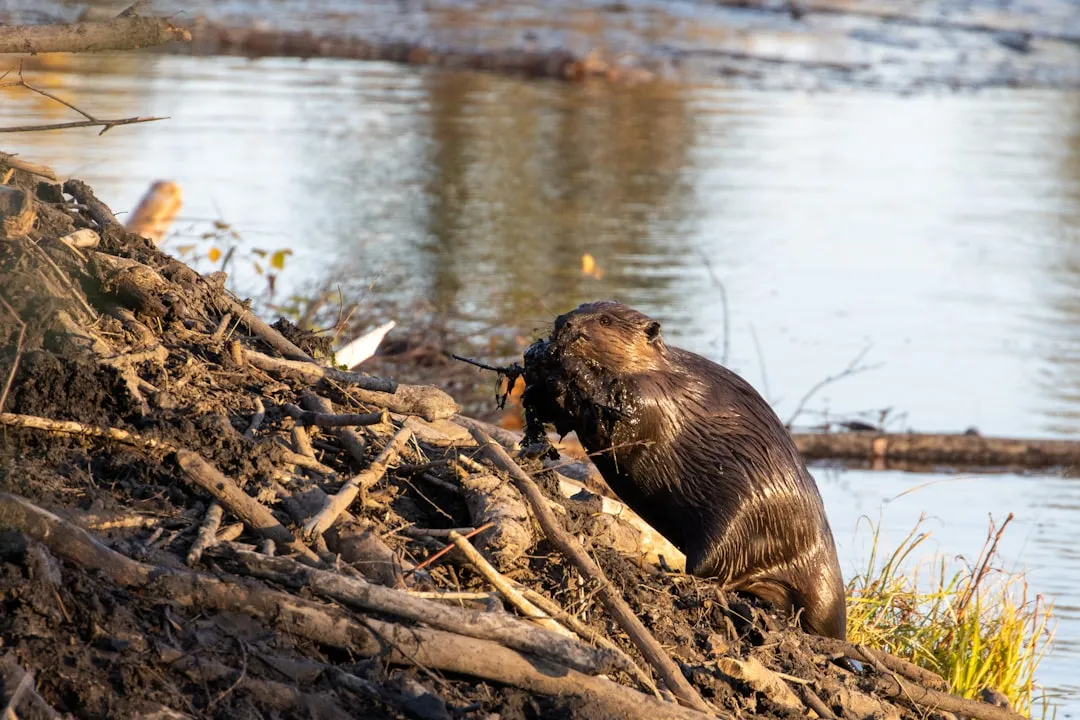
The sound cue idea is compelling, but scientists studying beavers in the wild have started pushing back on treating it as the whole answer. A researcher at Harvard tracking beaver colonies on Blackfeet territory through drone imagery has been blunt about the gap in the theory. While it’s long been suspected by researchers that the sound of running water is a trigger for dam building, the reality is likely more complicated, since if it was just that they hear running water, beavers would be trying to build across Niagara Falls.
That single observation exposes the limits of applying a lab result too broadly to wild populations. Beaver building behavior is not a response to pheromone cues, and this researcher believes that beavers respond to the flow of water in a way similar to how termites respond to temperature and airflow. In other words, sound is almost certainly part of the equation, but it’s probably working alongside water flow rate, depth, and other physical cues that field researchers are still trying to untangle. Lab beavers isolated with a speaker are a controlled scenario. A beaver deciding where to dam a half mile of real river is dealing with a far messier set of signals.
#6 How people have learned to work around the instinct

Wildlife managers figured out fairly early that this quirky behavior could be turned into a practical tool rather than just a curiosity. If the sound of running water is what sets beavers off, then muffling that sound should, in theory, let water pass through a dam without triggering a repair frenzy. Instead of demolishing the dams that overflow river banks and damage property, a special, silent outflow pipe can be installed that diverts the water under the beavers’ radar.
These devices, often called beaver deceivers or pond levelers, have become a go to solution in places where beaver activity clashes with roads, culverts, or farmland. Solutions often involve installing beaver deceivers or pond levelers to manage water levels without removing the dams, allowing beavers to continue their beneficial activities while mitigating potential negative impacts. It’s a rare case where understanding an animal’s sensory quirks leads directly to a low conflict coexistence strategy instead of removal or culling.
#7 The bigger ecological picture behind all that building
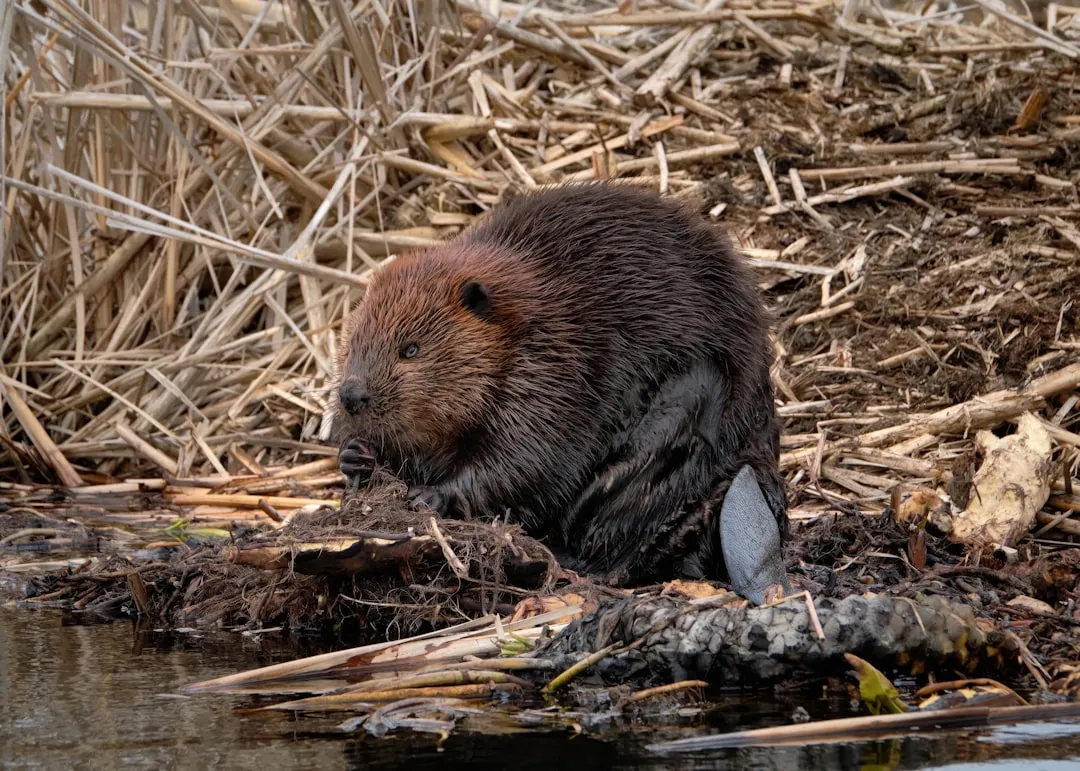
Zoom out from the individual instinct and you start to see why this behavior matters well beyond the beaver itself. Every dam triggered by the sound of a leak eventually reshapes the land around it, turning a narrow stream into a sprawling wetland complex. About 27% of bird species recorded in one study were found exclusively at beaver sites, not along comparable stretches of free-flowing water, since the mix of open water, marshy edges, dead standing trees, and flooded meadows creates habitat variety that a single stream channel simply can’t offer.
Some of these projects reach a scale that’s genuinely hard to picture from the ground. The largest known beaver dam sits in Wood Buffalo National Park in northern Canada, stretching 2,790 feet, roughly half a mile, in the shape of a curved arc, and it was discovered through satellite imagery in 2007 with only one person ever having hiked in to measure it in person. Structures like that don’t happen by accident or by a single beaver’s afternoon of effort. They accumulate over generations, each new leak, each new sound of trickling water, adding another layer to a structure that outlives the animals who started it.
Final thoughts

- 11 Ways Your Cat Is Secretly Protecting You Every Day - August 14, 2026
- 10 Mistakes People Make When Camping in Wolf Country - August 14, 2026
- 8 Dog Breeds That Form the Strongest Bond With One Person - August 14, 2026