
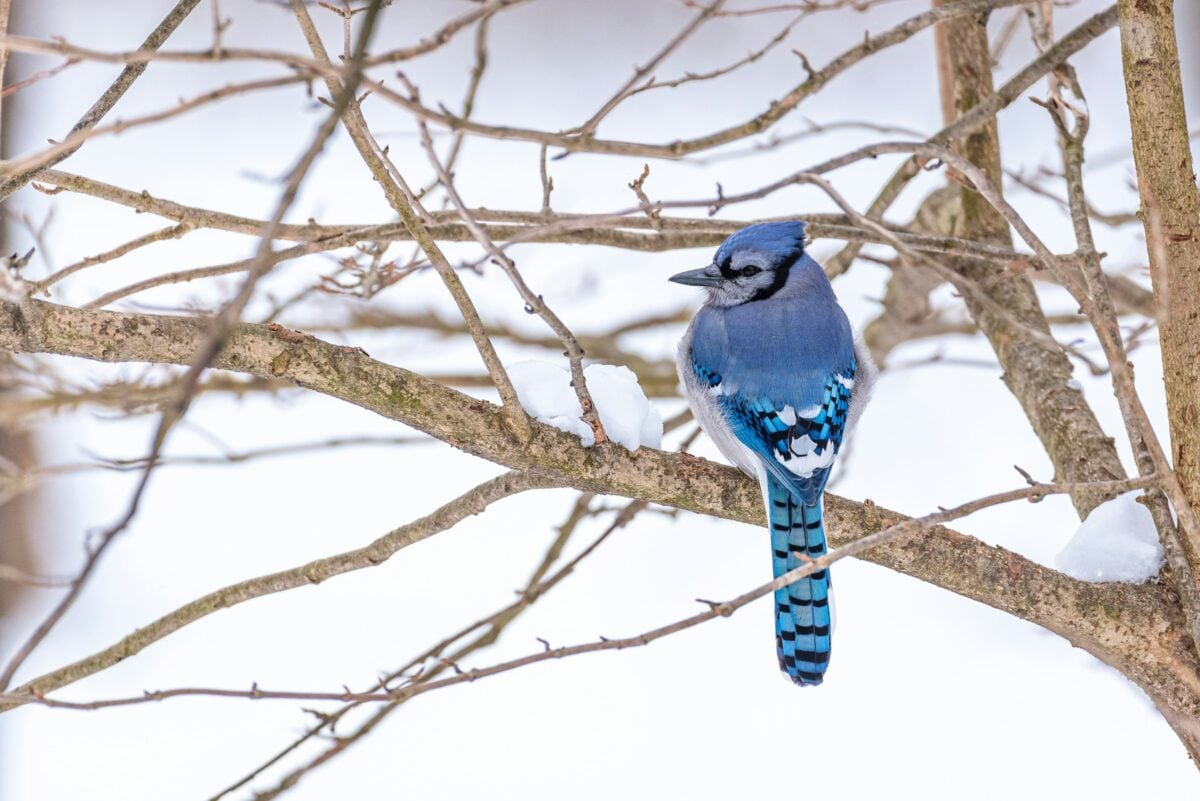
If you could remember where you left every single snack for months on end, your friends would probably call you a genius. In the forests of North America, that genius is a noisy, blue-feathered bird that many people dismiss as just another backyard troublemaker. Yet animal science keeps revealing something quietly astonishing about blue jays: they are running one of the most complex food-storage systems on the planet, without a notebook, GPS, or smartphone in sight.
When I first learned that blue jays likely remember thousands of acorn stashes each autumn, it felt almost unfair. Here I am misplacing my keys twice a week, while a bird the size of a coffee mug is mentally mapping an entire forest pantry. The deeper you go into the research, the more surreal it becomes: this isn’t just a cute quirk, it’s a full-blown cognitive strategy that shapes forests, supports oak trees, and challenges how we think about animal intelligence.
The Shocking Memory Power of a “Common” Backyard Bird
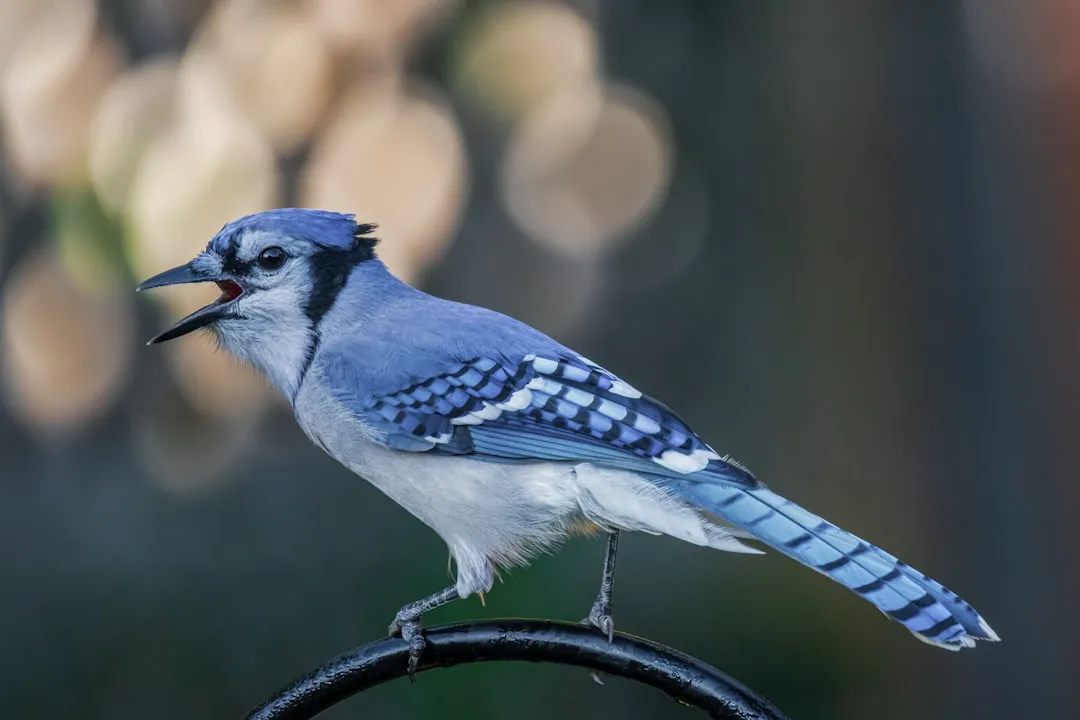
Let’s start with the jaw-dropping part: blue jays are believed to cache, or hide, thousands of acorns each autumn and then relocate a huge share of them during winter and early spring. That means they’re not just hiding nuts randomly; they are creating an internal, three-dimensional map that can span yards, even acres, of terrain. Imagine remembering which specific patches of soil hide your food under snow and fallen leaves months after you buried it.
Scientists studying caching birds have found that related species like scrub-jays and nutcrackers can remember many individual cache sites with impressive precision over long periods. Blue jays are part of this same brainy corvid family, and field observations show them making repeated, careful trips to certain spots months after the original hiding. They are not perfect – some acorns are forgotten – but the rate of successful retrieval is far too high to be pure luck, especially when you consider how many thousands of potential hiding places they use in a single season.
How Blue Jays Run a Forest-Wide Pantry Without a Map
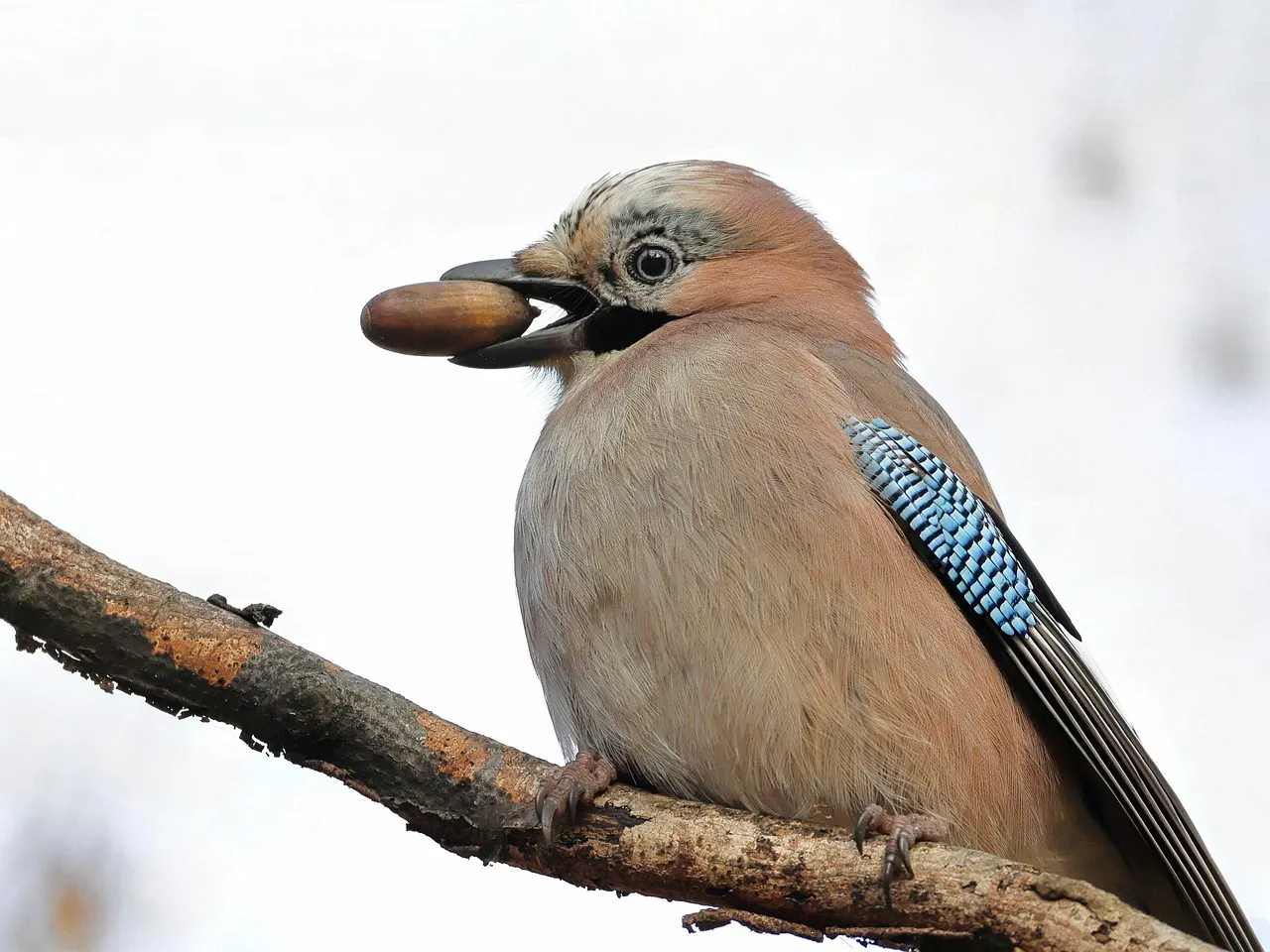
What really blows my mind is how systematic blue jays seem when you actually watch them. A single jay may shuttle acorns away from an oak tree, flying dozens or even hundreds of yards to tuck them into soil patches, mossy logs, cracks in bark, garden beds, and even flowerpots. It’s not neat like labeled shelves in a kitchen, but it is structured enough that the bird can return later and dig out cache after cache, even if the landscape looks different with snow or seasonal growth.
Researchers think jays use a combination of landmarks, spatial geometry, and perhaps subtle cues in the ground or vegetation to code where each acorn went. It’s a little like how you might remember your car in a parking lot by noting the lamppost, nearby tree, and store entrance, rather than the exact number of the parking space. The jay’s brain, specifically parts of the hippocampus that handle spatial memory, appears tuned to this task in a way that rivals or even surpasses many mammals.
Inside the Blue Jay Brain: Why Caching Demands Serious Intelligence
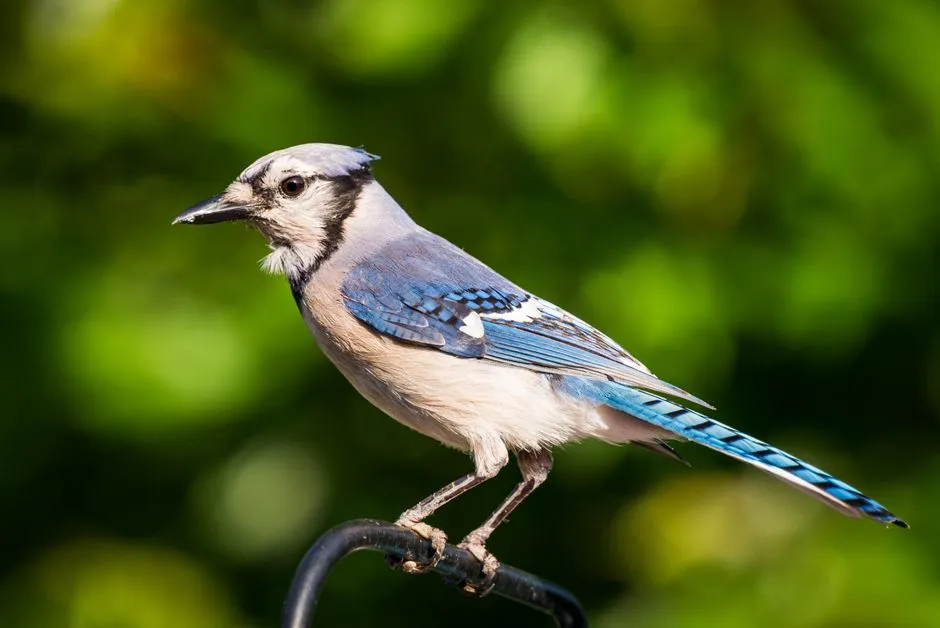
Storing food is easy; remembering where you left it is the hard part. This is where the blue jay’s brain earns serious respect. In caching birds, scientists have found that brain regions linked to spatial memory are relatively enlarged compared with non-caching species. That suggests a long evolutionary history of natural selection rewarding birds that can mentally juggle vast numbers of storage sites. Blue jays, as avid cachers, fit right into this pattern.
What fascinates neuroscientists is that this type of memory is not just rote repetition like memorizing a phone number. It’s contextual and flexible, closer to how we remember where our favorite café is, or which friend lives near the park. Jays are dealing with constantly changing environments: snow comes and goes, leaves fall, predators appear, human structures pop up. Yet they still relocate a meaningful share of their stashes, which means their memory isn’t a fragile list – it’s a robust, navigable mental map.
Why Oaks Secretly Depend on Forgetful Blue Jays
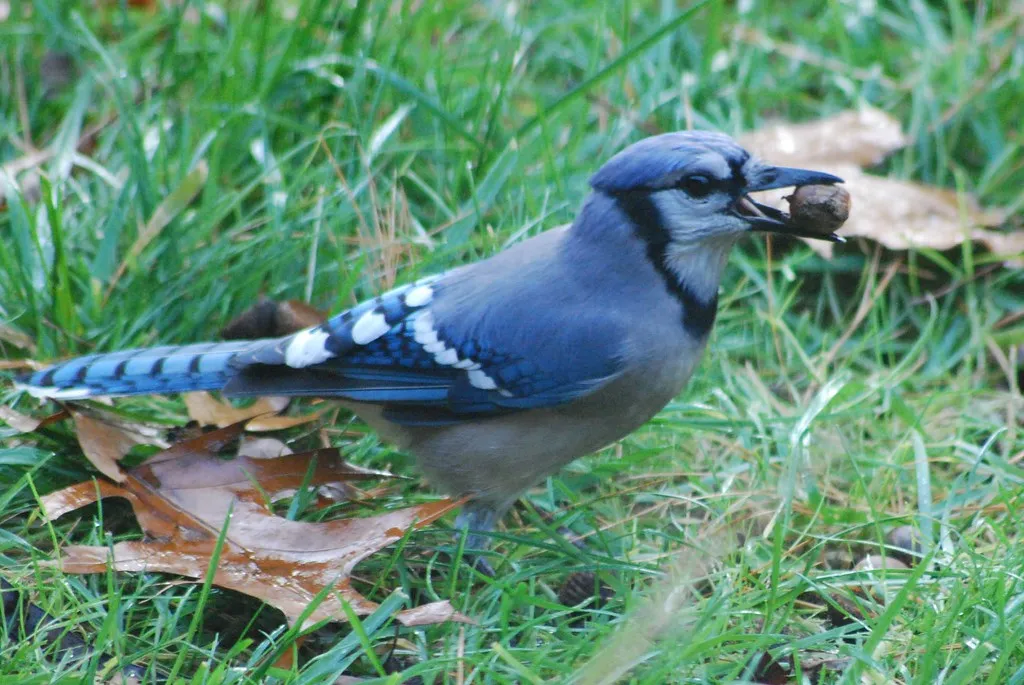
Here’s the plot twist: blue jays are not just feeding themselves; they are accidentally planting the future forest. Every acorn they cache and fail to retrieve has a shot at becoming an oak seedling. Because jays often fly far from the parent tree before burying acorns, they help oaks colonize new areas, leapfrog over obstacles, and recover after disturbances like fires or logging. In a very real sense, the landscape you walk through today may have been partly designed by birds that lived decades ago.
Some ecologists argue that blue jays are among the most important long-distance seed dispersers for oaks in eastern North America. They may carry acorns over surprising distances, crossing open fields or even bodies of water that acorns could never manage alone. I love the idea that when a jay forgets a cache, it’s not a failure at all – it’s a quiet investment in a forest that will outlive both the bird and us.
The Autumn Hustle: How Many Acorns Are We Really Talking About?
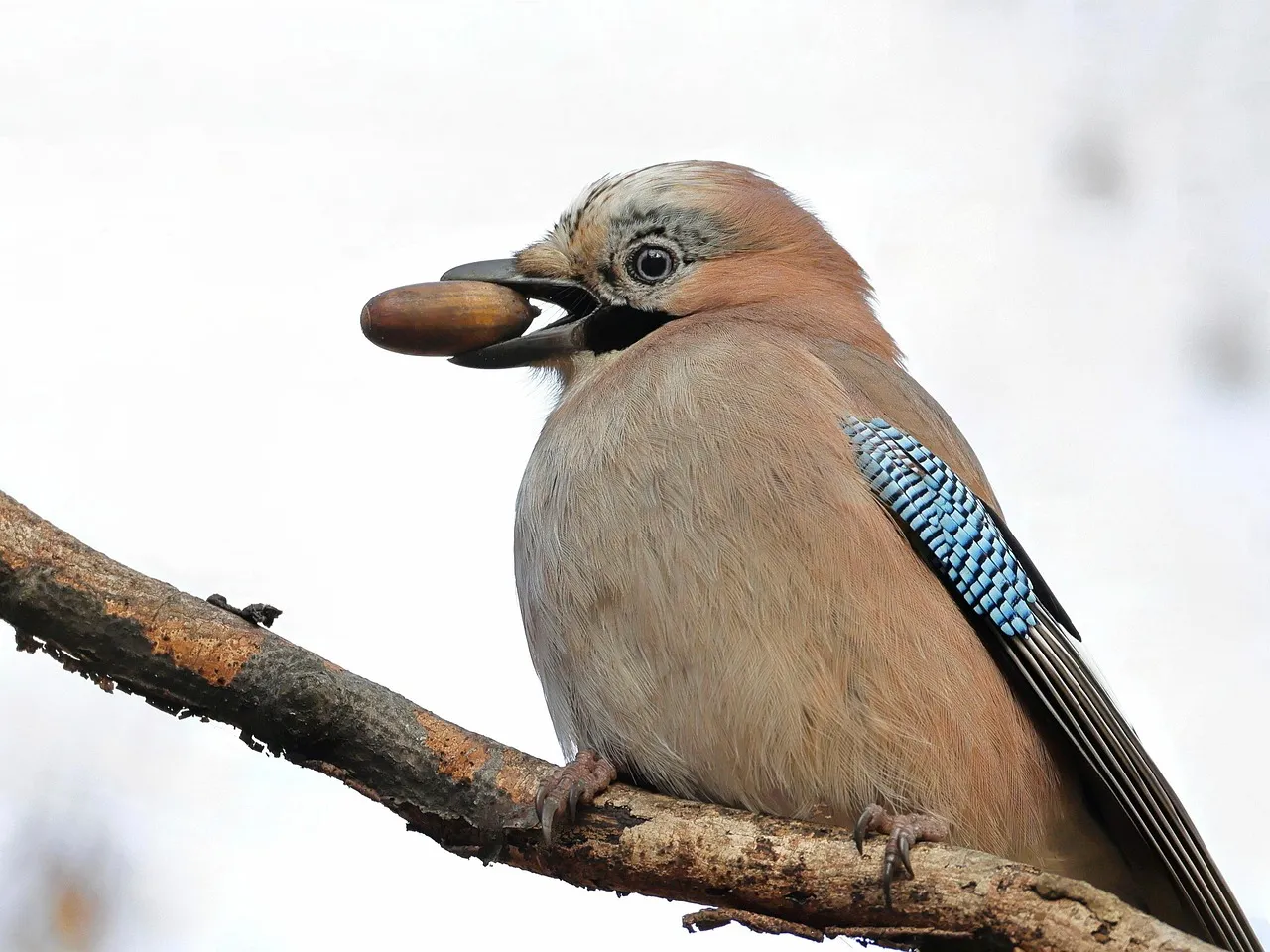
When people hear that jays might cache “thousands” of acorns, it can sound like exaggeration, but field studies on caching birds show just how intense this seasonal work can be. During peak autumn, a blue jay can make trip after trip, stuffing several acorns in its throat and mouth at once, then flying off to bury them in multiple small batches. Multiply that behavior across weeks of good acorn production, and total caches can easily climb into the high hundreds or thousands per bird.
Of course, not every year is a bumper acorn year, and not every jay behaves identically. There are good mast years, poor years, lazy birds, and overachievers. Still, the basic pattern holds: when acorns are abundant, jays switch into full-on storage mode, turning the landscape into a vast, hidden pantry. Watching this in person – one bird after another disappearing into the trees with mouthfuls of acorns – feels like witnessing a natural shipping and warehousing operation running at high speed.
Comparing Blue Jays to Other Brainy Birds
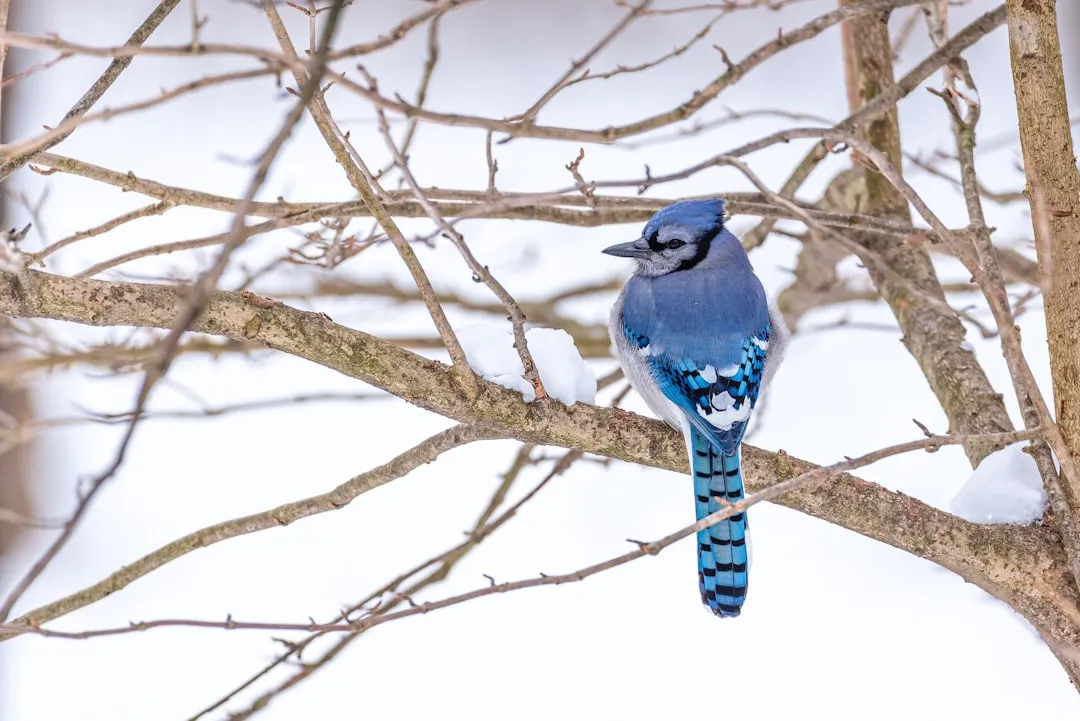
Blue jays do not hold the crown of smartest bird alone; they share it with a fascinating club. Corvid relatives like Clark’s nutcrackers and scrub-jays are famous for their mind-bending caching feats, sometimes hiding tens of thousands of seeds and recovering a hefty proportion months later. When scientists test these birds in lab or field settings, they consistently show sophisticated memory skills that rival rodents and, in some experiments, even young children on certain spatial tasks.
What sets blue jays apart is how close they live to us. While nutcrackers might be high in the mountains and scrub-jays more common in specific habitats, blue jays show up at suburban feeders, schoolyards, city parks, and farm edges. That means we’re sharing space with a bird whose cognitive life is far richer than its loud calls and bold behavior might suggest. To me, that makes every backyard sighting a little more humbling: that noisy jay on your railing could be running a memory system more complex than your weekly grocery list.
Seeing Blue Jays Differently: From “Noisy Pest” to Forest Engineer
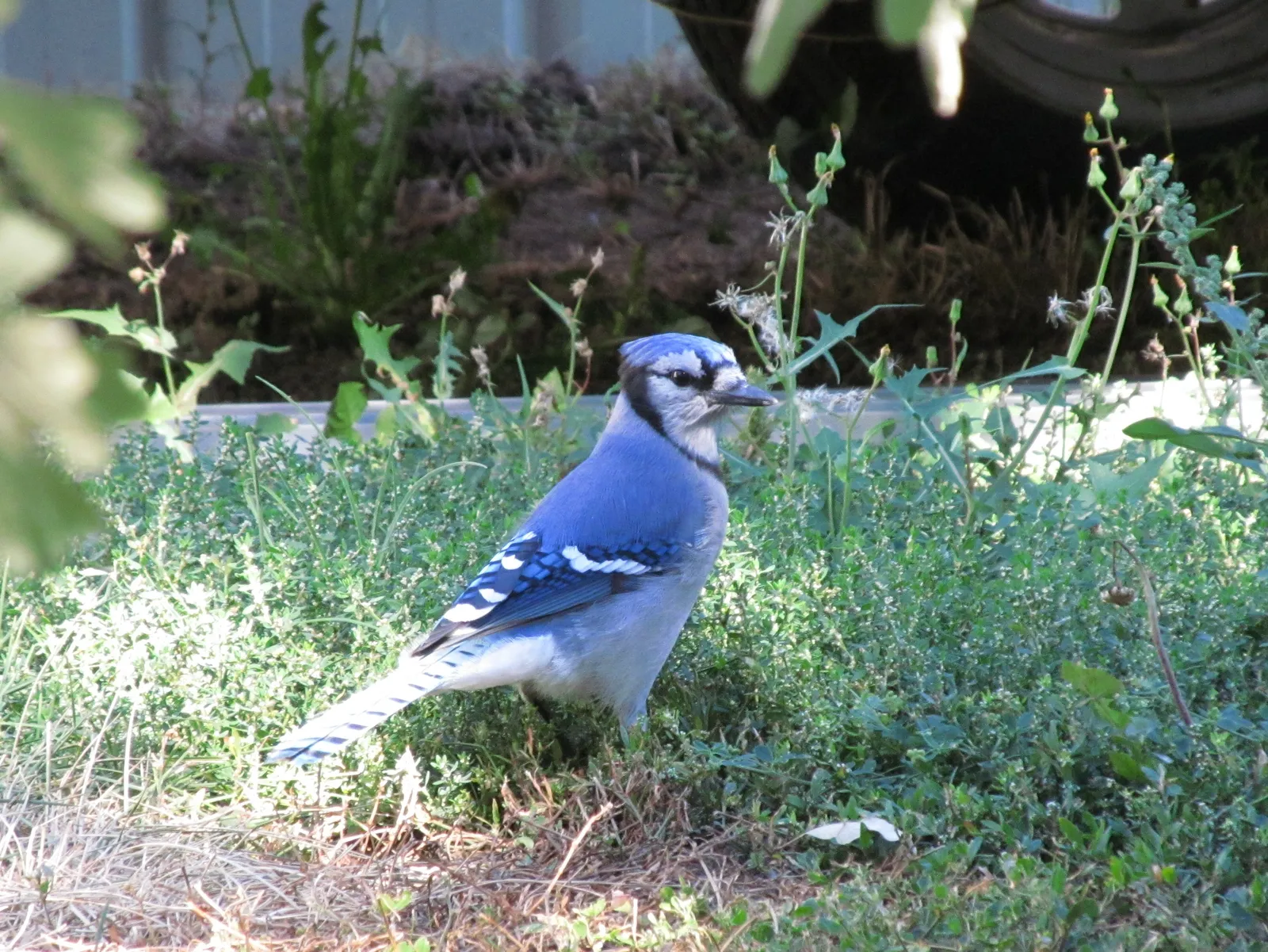
Let’s be honest: blue jays have a public relations problem. Many people think of them as bossy, aggressive, or even bullies at the feeder. They are loud, they steal peanuts, they chase smaller birds. But once you add in the reality of their caching behavior and memory power, the picture changes. You’re no longer just watching a pushy bird; you’re watching a highly strategic forager that is also, unintentionally, replanting forests one acorn at a time.
I used to roll my eyes when a jay scared off “nicer” birds in my yard. Now, I find myself wondering how many of the surrounding oaks exist because of generations of jays doing exactly what they do now. You do not have to love every aspect of their behavior to respect the role they play. In my opinion, blue jays deserve to be talked about in the same breath as dolphins, elephants, and crows when we discuss animal intelligence, especially when it comes to memory and environmental impact.
Conclusion: What Blue Jays Teach Us About Intelligence and Forgetting
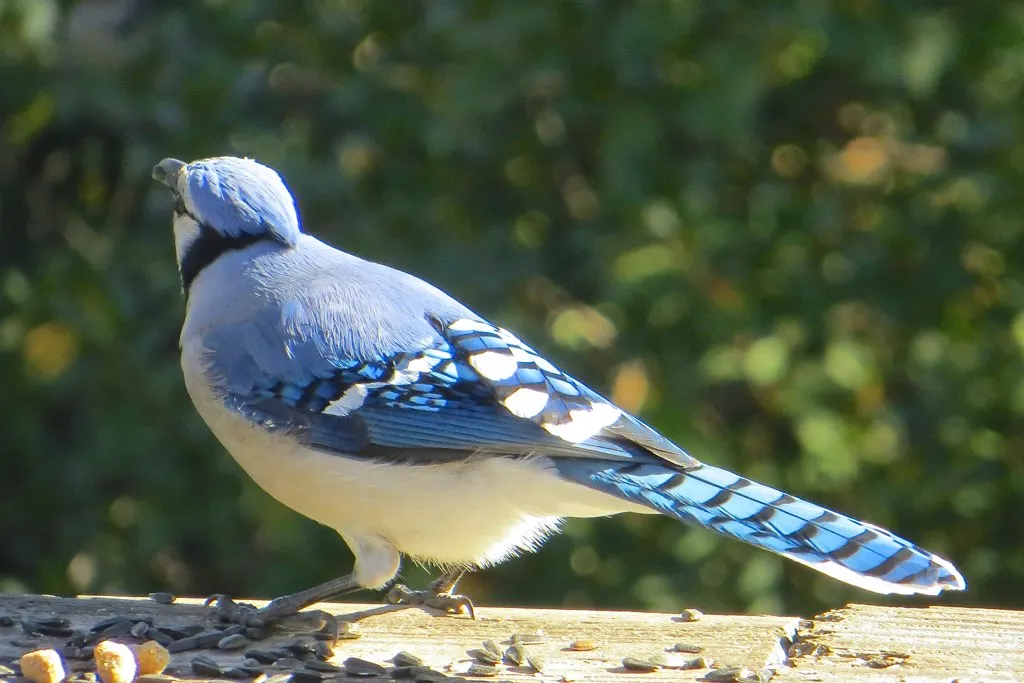
The more we learn about blue jays and their acorn stashes, the harder it becomes to cling to the idea that human intelligence sits alone on some unreachable pedestal. These birds are running sprawling, multi-thousand–item memory systems in their heads, on the fly, while also dodging predators, raising young, and navigating changing landscapes. Are they perfect? Not at all – and that’s the point. Their strategic forgetting is exactly what helps forests regenerate, proving that a bit of “failure” can be ecologically brilliant.
If anything, I think we underestimate how much of the world around us is built on the quiet work of nonhuman minds making millions of tiny decisions. Each oak sapling that survives because a jay forgot an acorn is a reminder that intelligence can look messy, noisy, and feathered. Next time a blue jay screams from a branch or raids your feeder, it might be worth pausing before you shoo it away and asking a simple question: how many trees in your lifetime will you plant from memory alone?

- Animal Science Says Blue Jays Remember Thousands of Acorn Hiding Places Each Autumn - August 13, 2026
- Animal Science Says River Otters Play More Where Fish Populations Are Stable - August 13, 2026
- The Secret Behind the Smelly Scent of the Civet Cat - August 13, 2026