
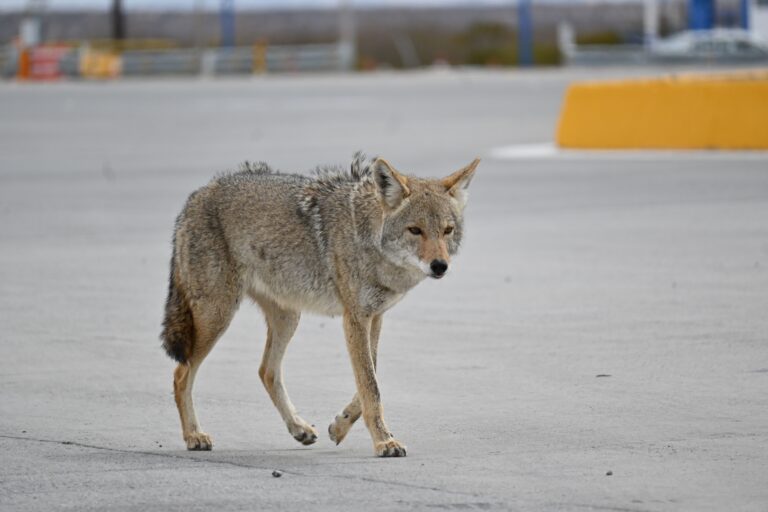
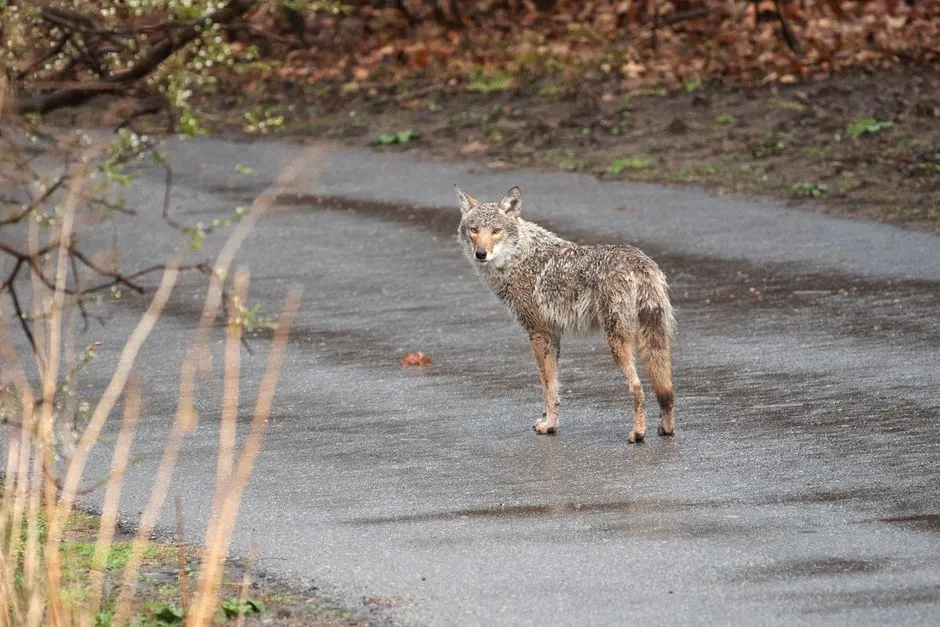
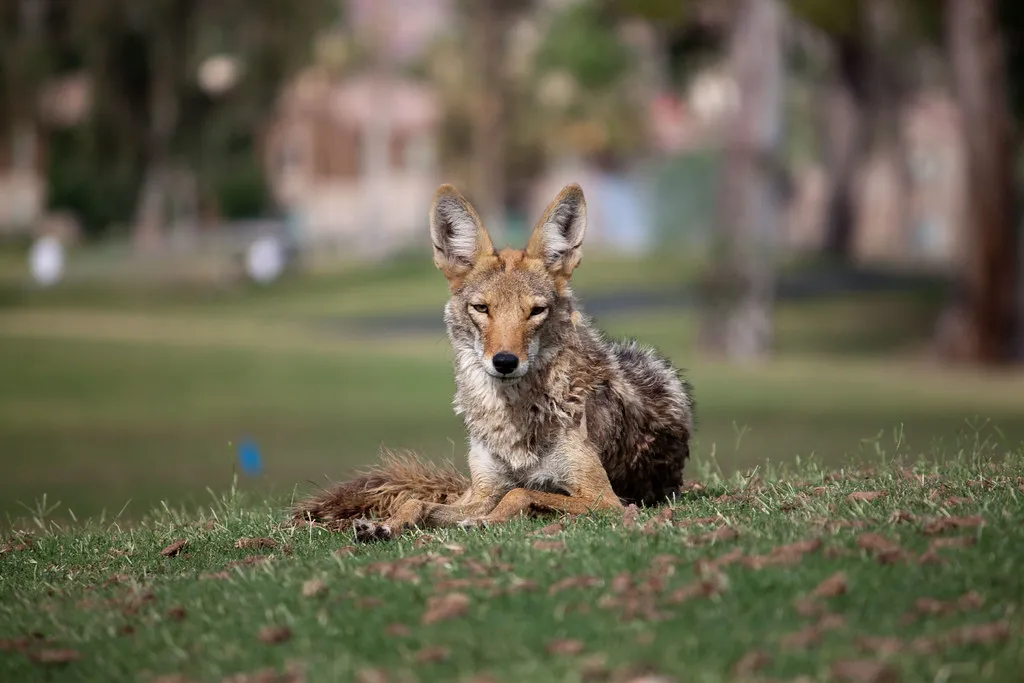
At first glance, a coyote trotting down a quiet suburban street looks like an animal that has lost its way. In reality, science suggests the opposite: urban coyotes might be some of the sharpest, fastest learners in the animal kingdom. As strange as it sounds, the concrete jungle may be turning these wild canids into quick-thinking survival experts in ways that old‑growth forests and open deserts never did.
This idea flips our usual story about nature on its head. We tend to imagine wild animals thriving best in untouched landscapes and struggling near humans. Yet when researchers track coyotes in cities, test their problem‑solving skills, or watch how quickly they adapt to new dangers, a different picture appears. City life acts like an intense training ground, rewarding animals that can learn fast, remember patterns, and even outsmart us. That should both impress us and make us a little uneasy.
Why City Life Turns Coyotes Into Fast Learners
🔥 Would you like to save this?
We'll email this post to you, so you can come back to it later!
Urban environments are chaotic, crowded, and constantly changing. For a coyote, moving through a city means navigating traffic, noise, lights, fences, pets, people, trash pickup schedules, and sudden construction. Compared with the predictable rhythms of a remote valley or desert, the city is more like an obstacle course where the rules keep changing, and only flexible, curious animals keep up.
From a learning perspective, this is a perfect recipe for rapid adaptation. Every day brings new problems to solve: where food appears, when it disappears, which routes are safe, and which doors stay shut. Coyotes that quickly connect cause and effect–this alley means restaurant scraps, that intersection is deadly at dusk, this park is safe only after dark–have a strong survival edge. Over time, natural selection can favor individuals that are bolder, quicker to experiment, and faster at updating what they know.
Problem‑Solving Coyotes: From Trash Cans to Traffic Lights
🔥 Would you like to save this?
We'll email this post to you, so you can come back to it later!
Ask anyone working in urban wildlife management and they’ll tell you: coyotes are creative. City coyotes learn how to tip over trash cans, time their road crossings with lulls in traffic, and slip through narrow holes in fences that dogs never even notice. These are not random stumbles into success; they’re learned strategies that get refined each time something works or fails.
Researchers who run problem‑solving tests with wild canids often see that animals exposed to human environments pick up tasks more quickly than those from remote wilderness areas. Give them a puzzle box with food inside or an object they must move or manipulate, and the city‑raised or city‑living coyotes tend to figure it out sooner. They are constantly being rewarded for curiosity in everyday life, so when a new challenge appears, they approach it with that same trial‑and‑error mindset.
The Role of Novelty: Cities as Endless Learning Laboratories
🔥 Would you like to save this?
We'll email this post to you, so you can come back to it later!
One big difference between a dense forest and a dense neighborhood is novelty. In a remote wilderness, a coyote’s world changes slowly. The same trails, same prey species, and same seasonal cycles repeat over and over. In a city, almost nothing stays the same for long. A new building appears, a vacant lot becomes a dog park, a restaurant closes, a new trash route starts, a neighbor installs motion‑sensor lights.
Novelty matters because brains grow and adapt when they need to process new information. Animals that repeatedly face unfamiliar situations and mild challenges tend to build better problem‑solving skills over time, similar to how people improve when they work through varied puzzles instead of repeating the same one. City coyotes live inside a never‑ending stream of new circumstances, teaching them to pay attention, experiment, and adjust instead of relying purely on fixed routines carved into instinct.
Risk, Reward, and the High‑Stakes Classroom of the Streets
🔥 Would you like to save this?
We'll email this post to you, so you can come back to it later!
Fast learning in cities is not just about curiosity; it is about survival under pressure. A wrong move in a remote valley might mean losing a meal. A wrong move at a busy intersection can mean instant death. City coyotes have to master the micro‑timing of roads, the behavior of people and dogs, and the patterns of police sirens, delivery trucks, and school traffic. It is a high‑stakes classroom where the tests are pass‑or‑fail in the harshest sense.
That pressure nudges coyotes into a more strategic way of living. If crossing at one point is safer than another, or if certain streets get loud and dangerous at specific times, coyotes that notice and remember that pattern survive to pass on their genes. Over generations, this can shift the balance toward animals that are not just bold, but selectively bold–willing to take calculated risks rather than random ones. In my view, the modern city isn’t taming coyotes; it is sharpening them.
Brains Versus Brawn: Urban Coyotes and Cognitive Trade‑Offs
🔥 Would you like to save this?
We'll email this post to you, so you can come back to it later!
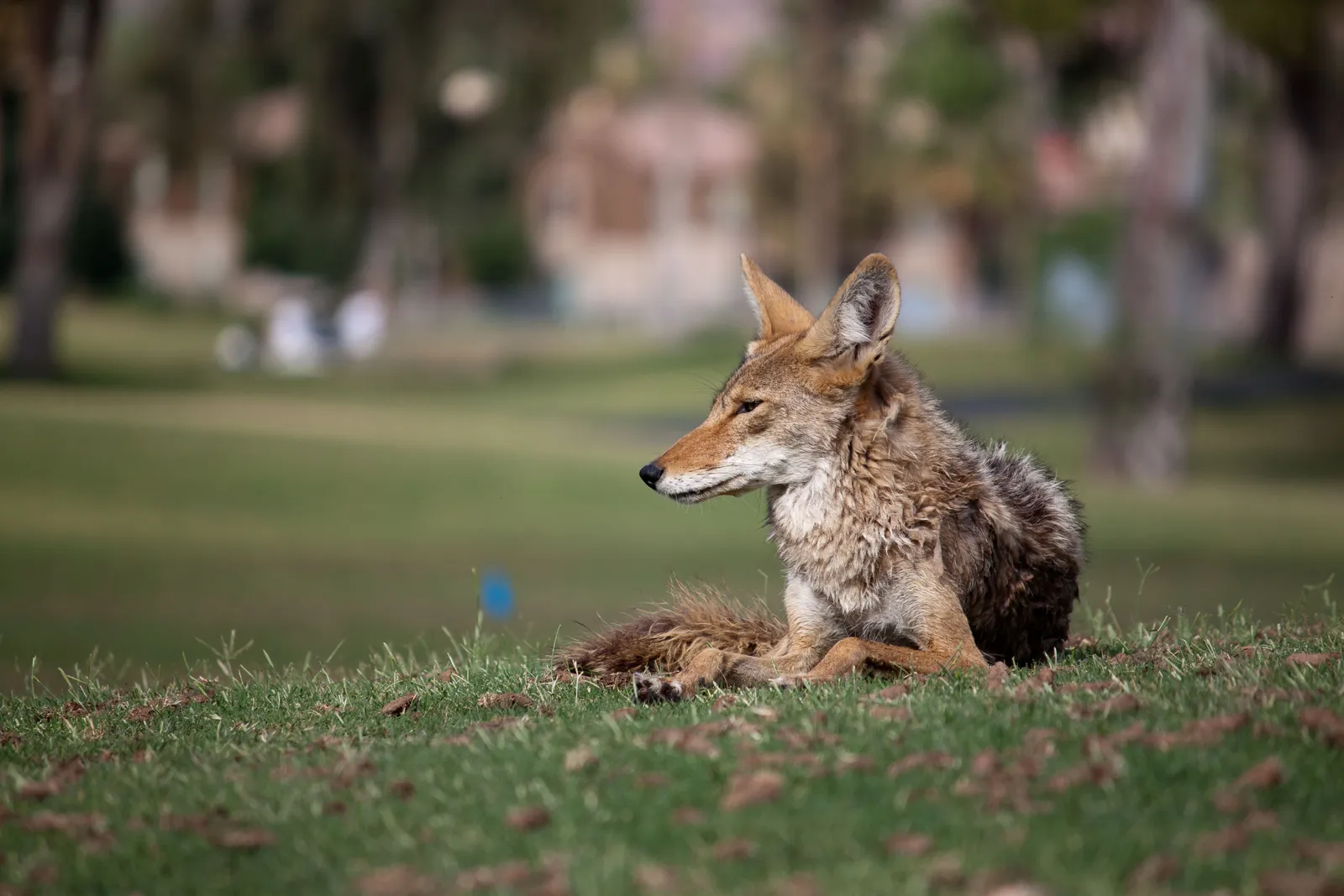
One intriguing possibility is that urban coyotes are trading some traditional wilderness skills for cognitive ones tuned to human landscapes. A coyote that lives far from people may rely heavily on endurance, stealthy tracking, and fine‑grained knowledge of natural prey and seasonal vegetation. A coyote living near skyscrapers and suburbs, on the other hand, might depend more on pattern recognition around people, cars, and built structures to access food safely.
This does not mean urban coyotes are less “wild” or somehow less authentic. It means their talents are being redirected. Some researchers have suggested that living among humans can select for animals that have more flexible brains, even if their bodies are similar. Think of it as the difference between a marathon runner who knows every trail on a mountain and a parkour athlete who uses the city as a playground. Both are athletic, but in very different ways, and the mental demands on the city athlete can be surprisingly intense.
Human Habits as Coyote Lesson Plans
🔥 Would you like to save this?
We'll email this post to you, so you can come back to it later!
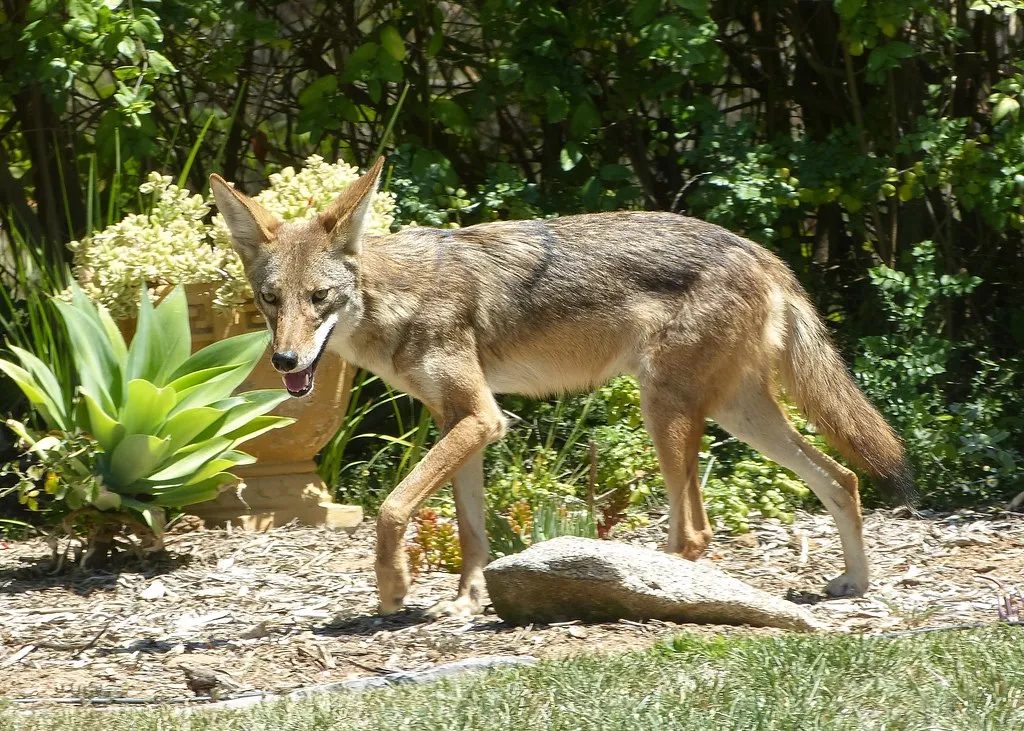
What many city‑dwellers do not realize is that our daily routines are like free lessons for coyotes. Trash goes out on the same evenings. Parks get crowded at predictable hours. Kids walk to and from school on consistent routes. Streetlights flip on like clockwork. Coyotes watch, listen, and learn these patterns, turning human predictability into their own roadmap for safety and food.
When we leave pet food on porches, fail to secure compost, or let garbage overflow, we are not just feeding coyotes once; we are teaching them to come back. Repetition carves habits into any brain, including theirs. Over time, they learn which houses are “reliable restaurants,” which neighborhoods tolerate their presence, and how close they can approach without triggering alarms or aggressive responses. In a way, we are unintentionally running a never‑ending experiment in teaching wild animals how to live with us–and they are proving to be attentive students.
Why Wilderness Coyotes May Learn More Slowly
🔥 Would you like to save this?
We'll email this post to you, so you can come back to it later!
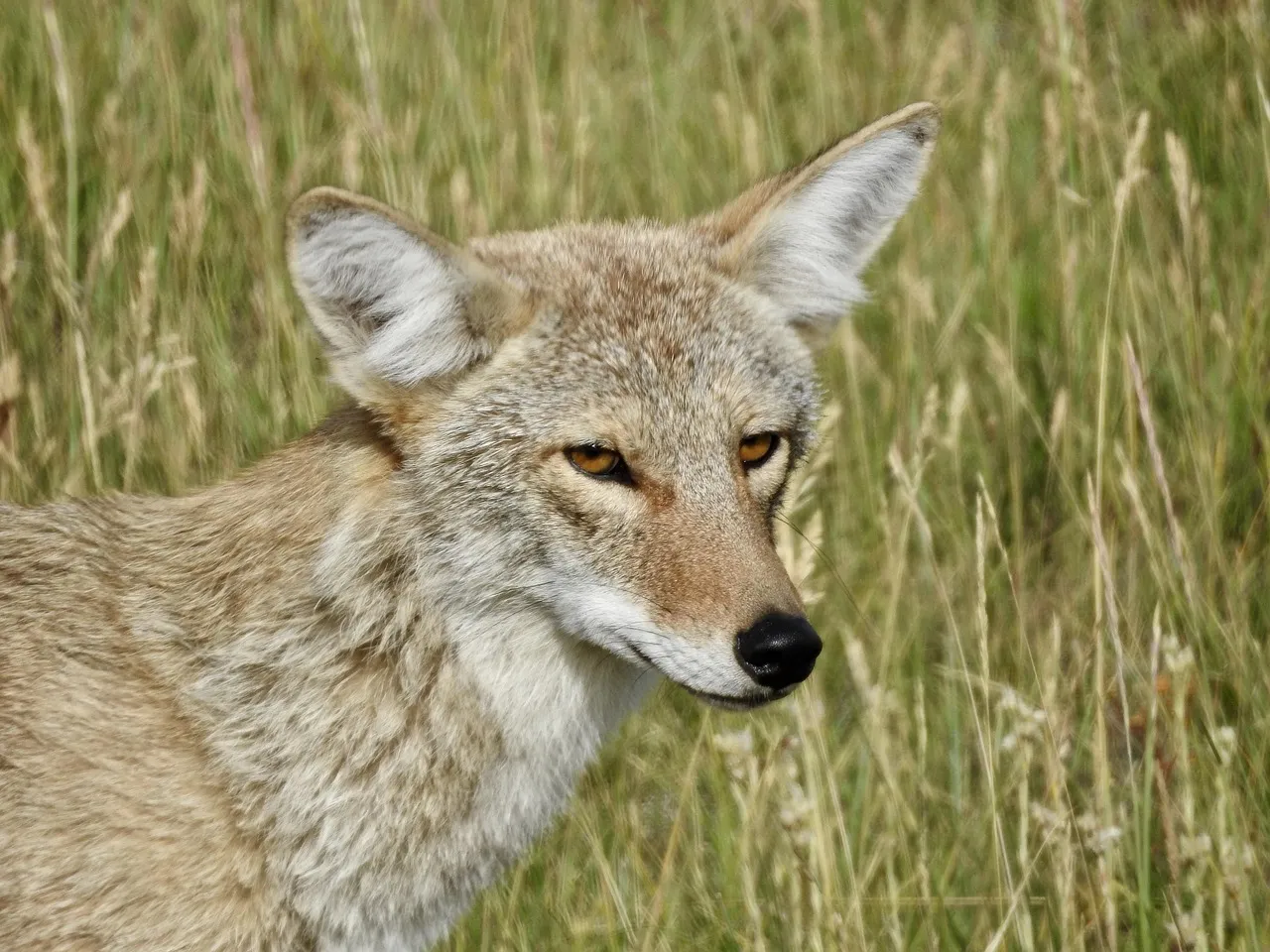
It is tempting to assume that wilderness coyotes are somehow less intelligent, but the reality is more nuanced. In remote areas, there are simply fewer reasons to rapidly rewire what you know. Prey species and plant communities tend to be stable, and while seasons bring change, that change follows familiar, predictable arcs. In that context, evolution favors deep knowledge of the landscape and finely tuned instincts, rather than constant experimentation.
Because the environment is less variable day to day, the pressure to improvise is weaker. When the rules of the game stay mostly the same, being a careful traditionalist beats being a restless innovator. That is not a sign of lesser cognitive ability; it is a reflection of different demands. If you dropped a city coyote into a vast, trackless wilderness, it might suddenly find all its urban tricks far less useful than the quiet, steady skills of a rural counterpart that knows how to read wind direction, subtle tracks, and seasonal migrations.
What Faster‑Learning Coyotes Mean for Our Cities
🔥 Would you like to save this?
We'll email this post to you, so you can come back to it later!
Here is the uncomfortable truth: by creating rich, unpredictable environments packed with food and danger, we have encouraged coyotes to become better learners right alongside us. Smarter, faster‑adapting coyotes are not just a cute curiosity; they pose real management challenges. They are more likely to test boundaries, exploit our mistakes, and get comfortable living close to people. When conflicts arise, it is often because the coyotes have learned a bit too well that we are a dependable resource.
Personally, I think this should push us to take coexistence more seriously, not less. If coyotes are evolving into shrewd city neighbors, we cannot afford to treat them like simple pests that will just go away if we yell loud enough. Closing off food sources, securing waste, and teaching communities how to respond consistently to sightings are not just safety measures–they are ways of shaping what coyotes learn. Whether we like it or not, we are active participants in their education.
Conclusion: The City Is a Classroom, and Coyotes Are Passing the Test
🔥 Would you like to save this?
We'll email this post to you, so you can come back to it later!
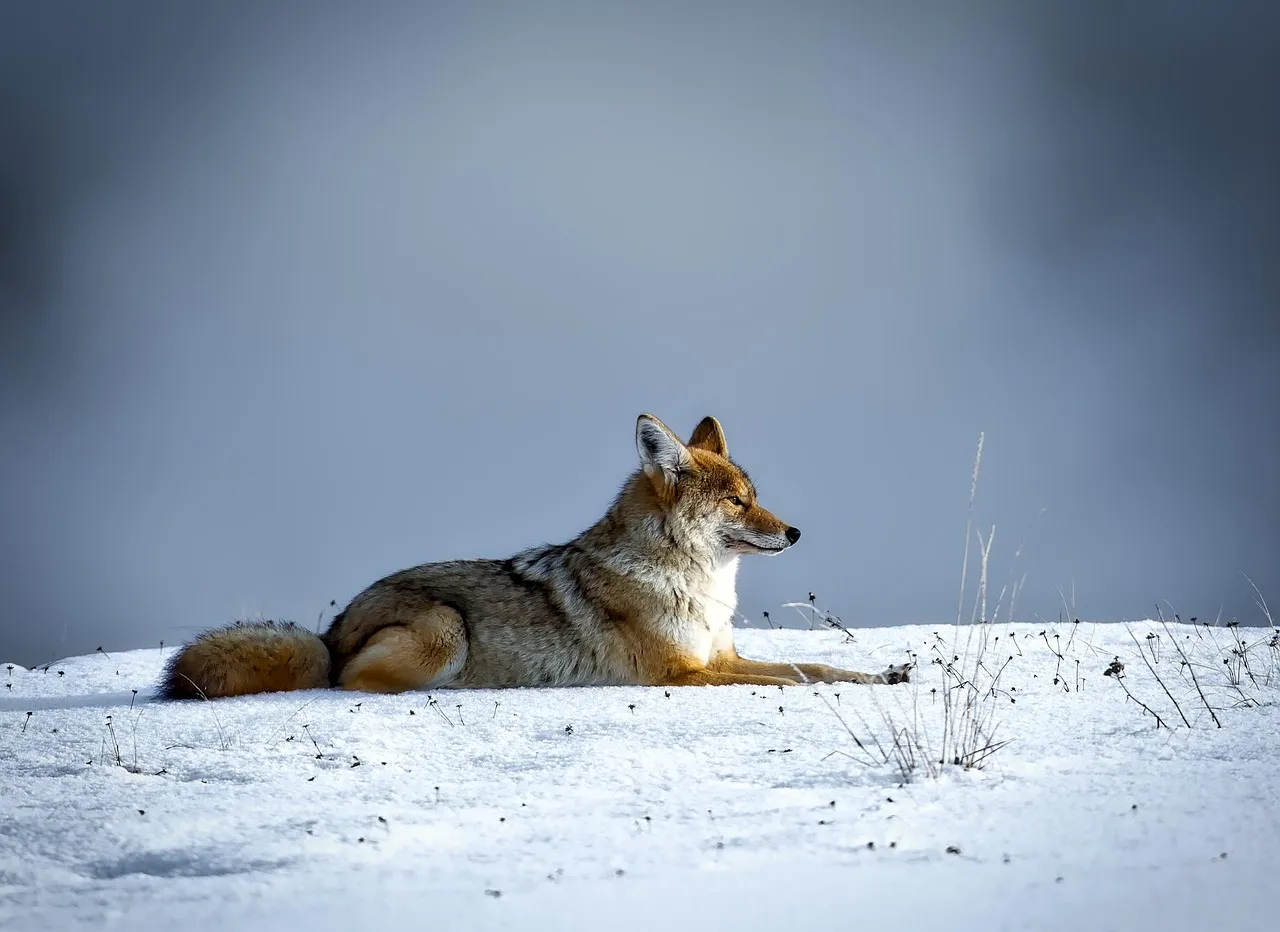
The idea that coyotes learn faster in cities than in remote wilderness feels almost like a modern fable. The wild animal that once seemed to belong only in deserts and forests is now mastering crosswalks, trash days, and backyard habits. In my opinion, that is not just an interesting scientific footnote; it is a quiet revolution in how wildlife and human landscapes interact. The city is no longer just our habitat–it has become a shared training ground where animals grow sharper because of us, not in spite of us.
That should humble us and, frankly, challenge our assumptions. We like to imagine we are in full control of the urban story, but creatures like coyotes remind us that evolution is still very much in session, even between apartment blocks and shopping centers. If we continue to build rich, unpredictable cities, we should expect more animals to rise to the cognitive challenge. The real question is whether we will learn as quickly about living with them as they have learned about living with us. Did you see that coming?

- 7 Everyday Habits That Can Make Your Senior Dog Happier - November 5, 2026
- 10 Enigmatic Structures That Continue to Puzzle Scientists Today - November 5, 2026
- 10 Strange Ruins in the Americas That Challenge What We Know About Early History - November 5, 2026