
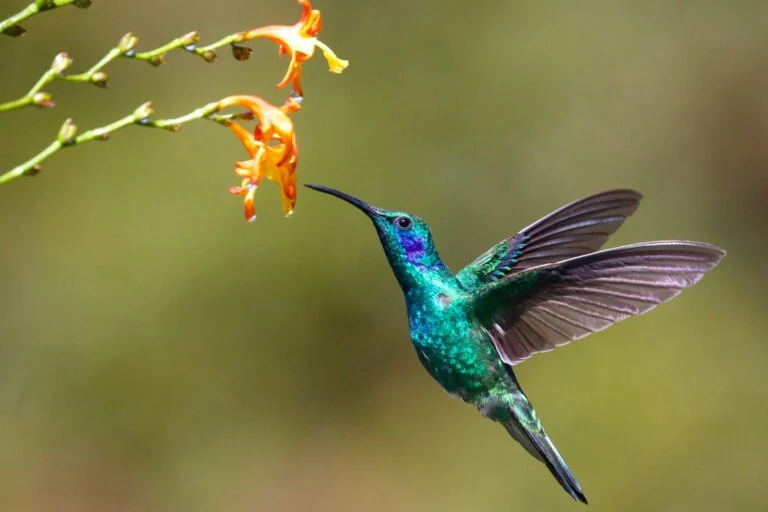
Picture a creature no heavier than a paperclip darting through a garden at sunrise. It pauses at one bloom, sips, then zips away without a second glance at the same spot for a precise stretch of time. That tiny navigator is doing something far more sophisticated than random searching.
Researchers have spent years watching these birds in the wild and discovered they build detailed mental maps of their feeding grounds. The findings turn assumptions about animal intelligence on their head and show how memory shapes survival in a fast paced world of flowers that refill on their own schedules.
The Daily Puzzle of Nectar Foraging
🔥 Would you like to save this?
We'll email this post to you, so you can come back to it later!
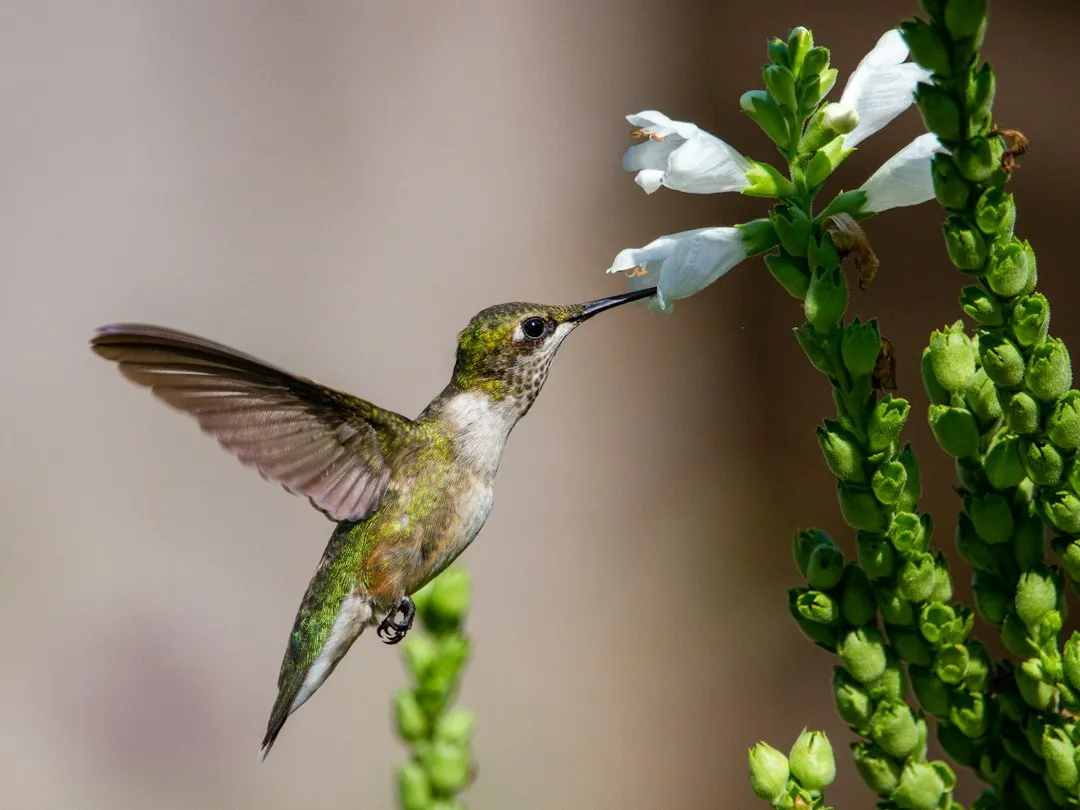
Hummingbirds visit hundreds of flowers each day while burning energy at an astonishing rate. Their hearts can beat more than a thousand times per minute during flight, which means every missed opportunity at a flower costs real fuel. Flowers do not refill instantly, so a bird that returns too soon finds nothing and wastes precious effort.
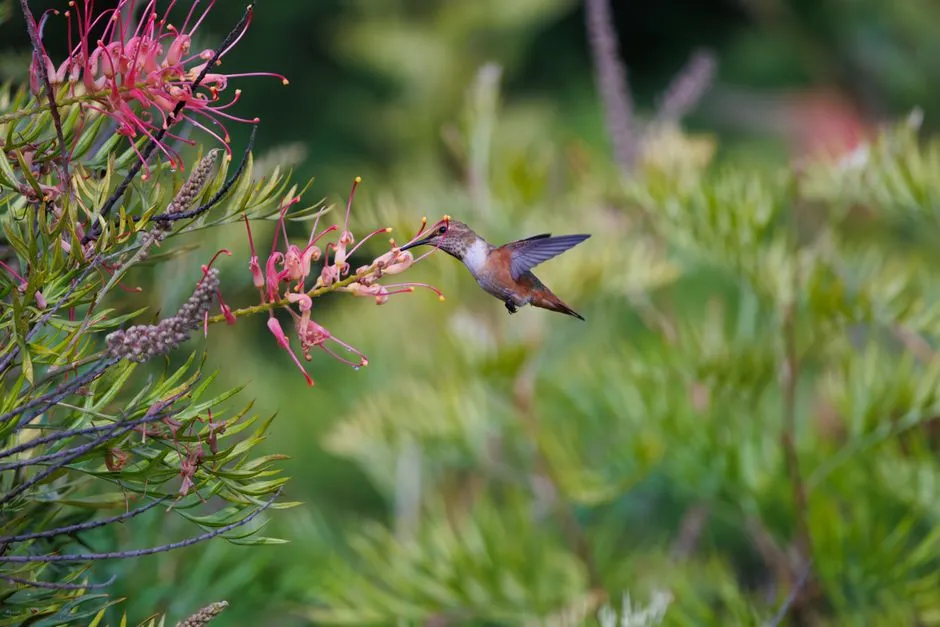
At the same time, waiting too long risks losing the nectar to rivals or evaporation. This creates a natural pressure for birds to remember not just locations but also the timing of their last visits. Studies with free living rufous hummingbirds have shown they can track multiple flowers simultaneously and adjust return intervals accordingly.
Experiments That Revealed Spatial Memory
🔥 Would you like to save this?
We'll email this post to you, so you can come back to it later!
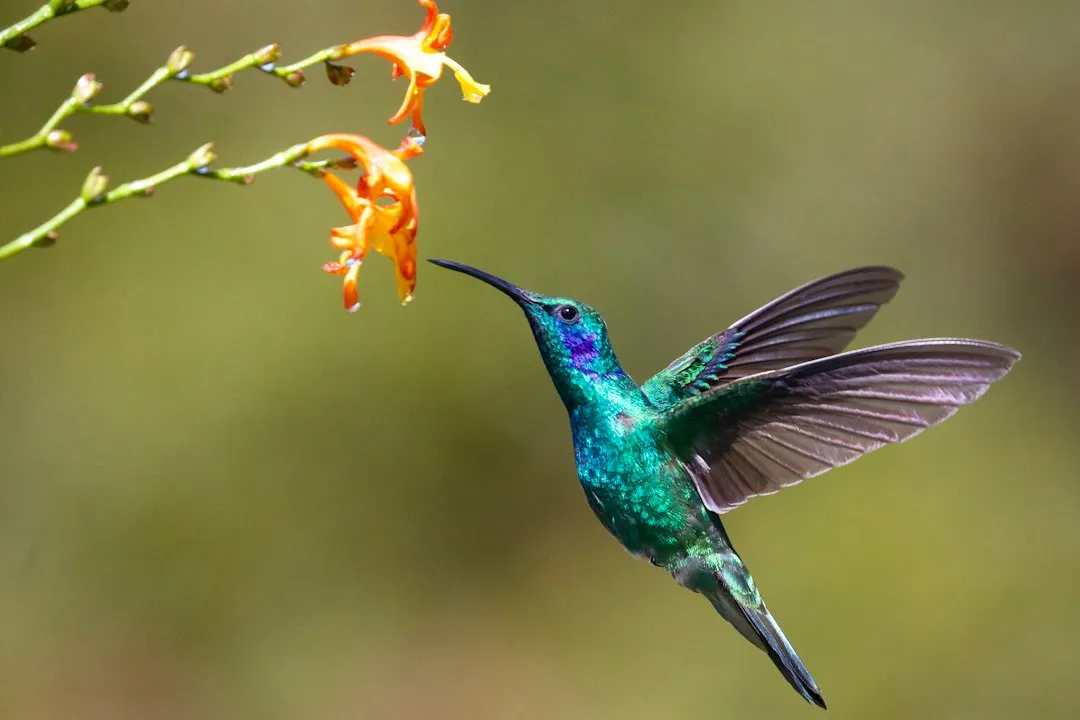
Field tests often use arrays of artificial flowers placed in natural territories. Birds first explore the setup and empty certain feeders. On later visits they reliably skip those emptied spots and head straight to untouched ones or to flowers they left partially full. This pattern holds even when visual cues like color are altered or moved, pointing to strong reliance on position rather than appearance alone.
One classic setup involved eight feeders with different refill schedules. The birds learned to return to the faster refilling ones after roughly ten minutes and to the slower ones after about twenty. They kept this distinction straight across an entire day while also defending territory and courting, which highlights how robust the memory system really is.
Remembering What, Where, and When

🔥 Would you like to save this?
We'll email this post to you, so you can come back to it later!
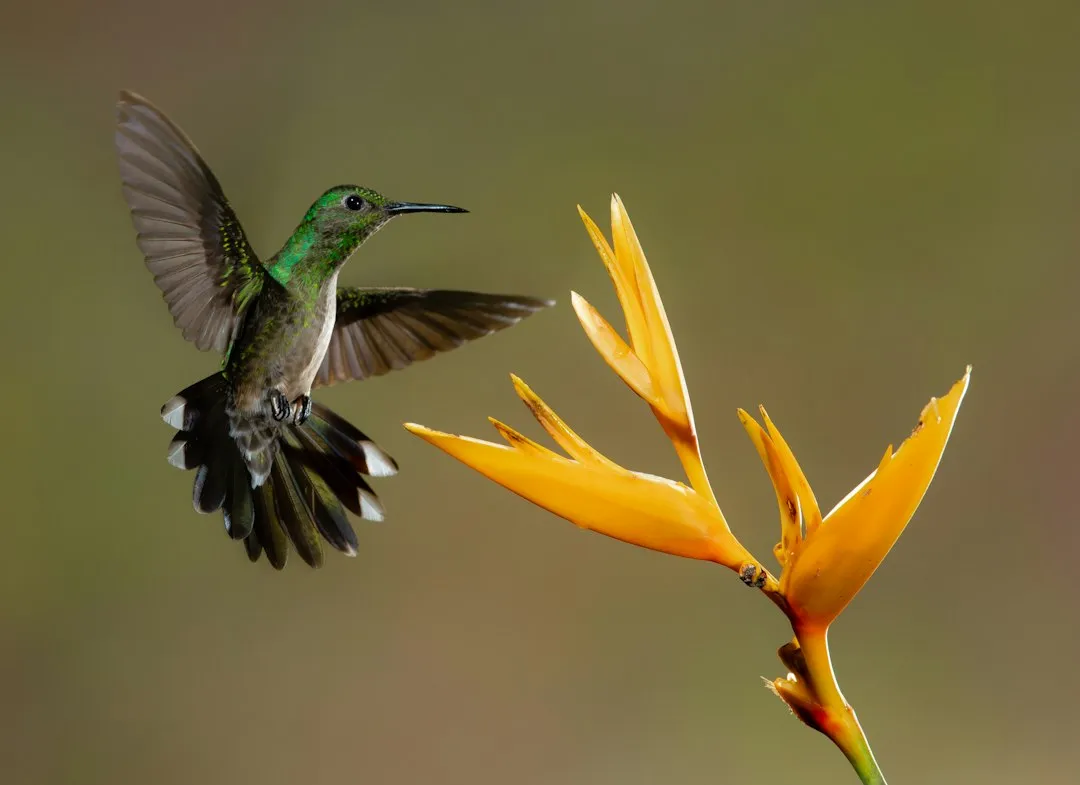
Scientists describe this ability as episodic like memory because it combines three elements. The birds recall what kind of reward a flower offered, where it sits in space, and when it last held nectar. Experiments with green backed firecrown hummingbirds demonstrated they could distinguish high quality sources from low quality ones and time their returns to match renewal rates.
Performance varied between individuals, with some achieving much higher energy intake than others. The difference reached as much as six times in some trials, suggesting memory skill directly influences daily survival odds. These patterns emerged in wild settings without extensive training, which makes the results especially compelling.
Brain Features That Support This Skill
🔥 Would you like to save this?
We'll email this post to you, so you can come back to it later!
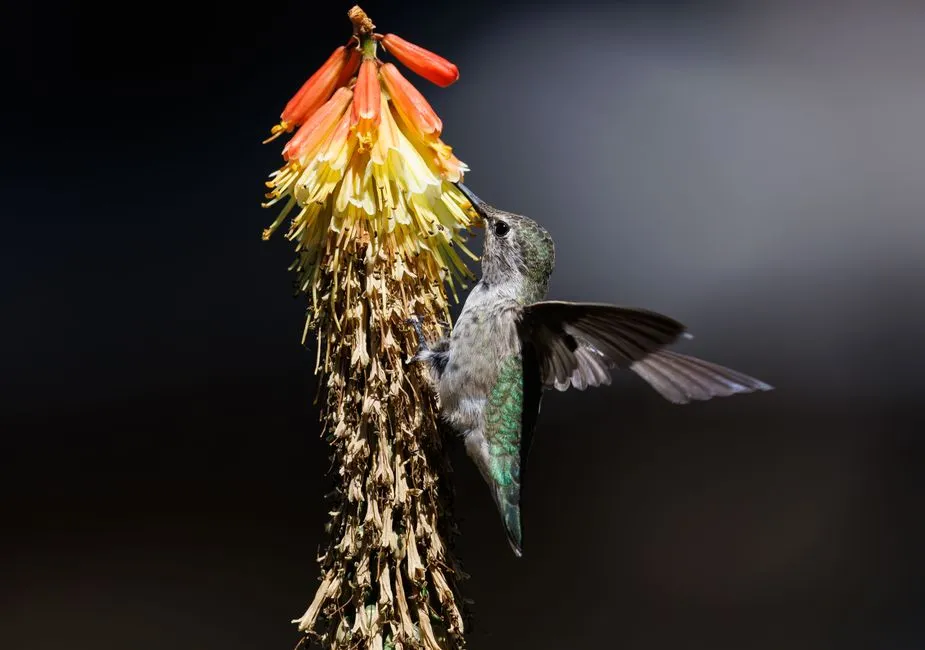
Hummingbird brains are tiny yet contain a relatively large hippocampus, the region tied to spatial learning in many species. This structure helps them build and update maps of flower patches even as the environment changes with new blooms or competitor activity. Research comparing males and females found males often outperformed females on renewal timing tasks despite smaller hippocampal volumes in some measures.
The birds also integrate context cues such as background patterns or the order in which flowers appear. In one series of tests they learned to use these extra signals to identify which of several similar flowers held a reward. Such flexibility shows the memory system is not rigid but adapts to the information available in each situation.
Benefits Beyond Simple Efficiency
🔥 Would you like to save this?
We'll email this post to you, so you can come back to it later!
Accurate timing reduces unnecessary flights and lowers exposure to predators or aggressive neighbors. It also allows birds to maintain larger territories because they can monitor more resources without constant checking. Over a season this edge can translate into better body condition and higher reproductive success.
Observers note that birds sometimes combine memory with quick exploration when conditions shift. If a familiar patch dries up they sample new areas while still protecting known high value spots. This balance between remembered information and fresh scouting keeps their strategy resilient.
Comparisons With Other Foragers
🔥 Would you like to save this?
We'll email this post to you, so you can come back to it later!
Many animals show some spatial memory, yet few match the hummingbird combination of speed, scale, and timing precision in a natural setting. Food caching birds remember hundreds of hidden seeds, but they usually operate on longer timescales. Rats in lab mazes track intervals, yet the hummingbird work happens outdoors amid constant distractions and real energetic stakes.
The hummingbird results stand out because they occur without repeated lab training. Wild individuals demonstrate the skill on their first exposure to experimental arrays and maintain it while juggling territorial duties. This points to an ability shaped by the demands of nectar feeding rather than artificial selection.
Looking Ahead in Animal Cognition Research
🔥 Would you like to save this?
We'll email this post to you, so you can come back to it later!
Continued work with three dimensional tracking and hidden Markov models is revealing how memory develops over repeated visits. Early reliance on nearby landmarks gives way to more abstract spatial representations as experience grows. These insights help explain how small brains achieve outsized performance.
Future studies may explore how climate driven changes in flower timing affect these memory strategies. Understanding the cognitive toolkit of hummingbirds could also inform broader questions about how memory evolves under intense energy constraints.
Why These Findings Matter for How We View Animal Minds
🔥 Would you like to save this?
We'll email this post to you, so you can come back to it later!
The evidence paints hummingbirds as sophisticated problem solvers rather than simple reflex machines. Their memory lets them turn a scattered, unpredictable resource into a reliable daily harvest. That capability challenges old ideas about which species can hold complex information and for how long.
Recognizing this intelligence also shifts how people might think about garden design or habitat protection. Supporting diverse, staggered blooming plants could play to the birds natural strengths instead of forcing constant rediscovery. In the end the tiny hummingbird reminds us that remarkable cognition can appear in the most unexpected places, quietly shaping the rhythms of the natural world.

- Marine Biology Says When Dolphins Suddenly Go Silent in Open Water It's Not Rest – They've Detected a Predator You Cannot See and Their Survival Strategy Reveals How They Read Danger - November 5, 2026
- Why Veterinarians Say If Your Cat Sleeps With Their Back to You, It's the Highest Form of Trust in Feline Behavior - November 5, 2026
- 10 Common Garden Pests That Are Actually Beneficial To Your Backyard Ecosystem - November 5, 2026