
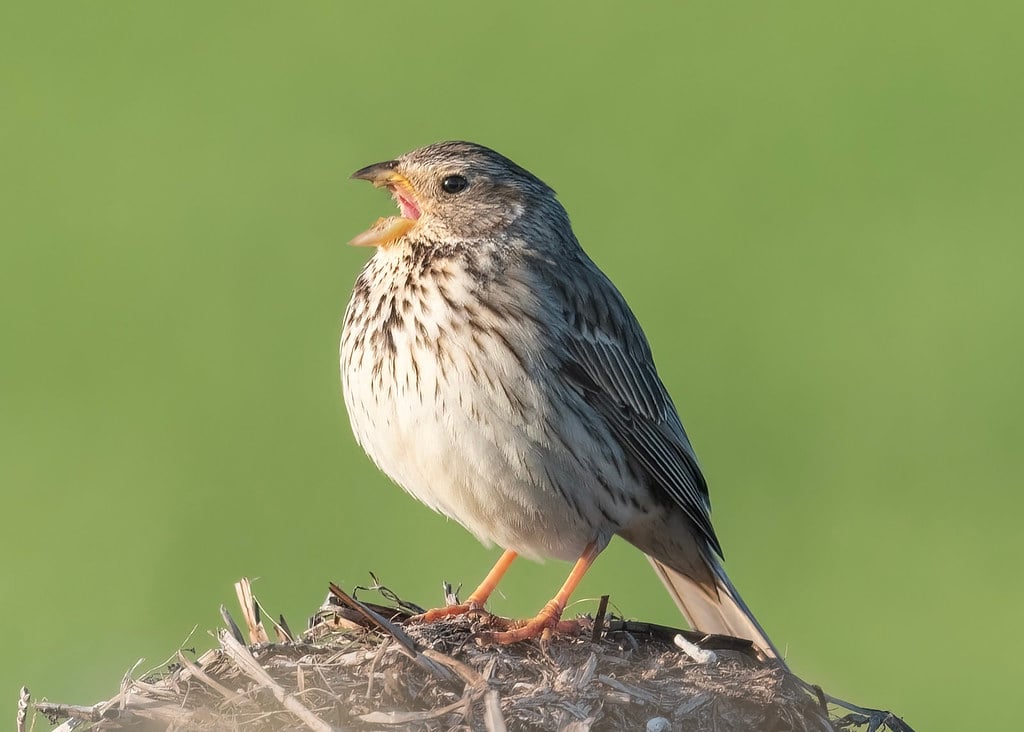
Imagine stepping into a new neighborhood and, instead of introducing yourself with your own voice, you first listen intently to how your neighbors speak, adopting their phrases and intonations before you ever utter a word. This is precisely the strategy employed by certain songbirds, who delay their own singing until they’ve mastered the tunes of their territorial neighbors. This fascinating behavior underscores the intricate social dynamics and learning processes in the avian world.
The Intricacies of Birdsong Learning
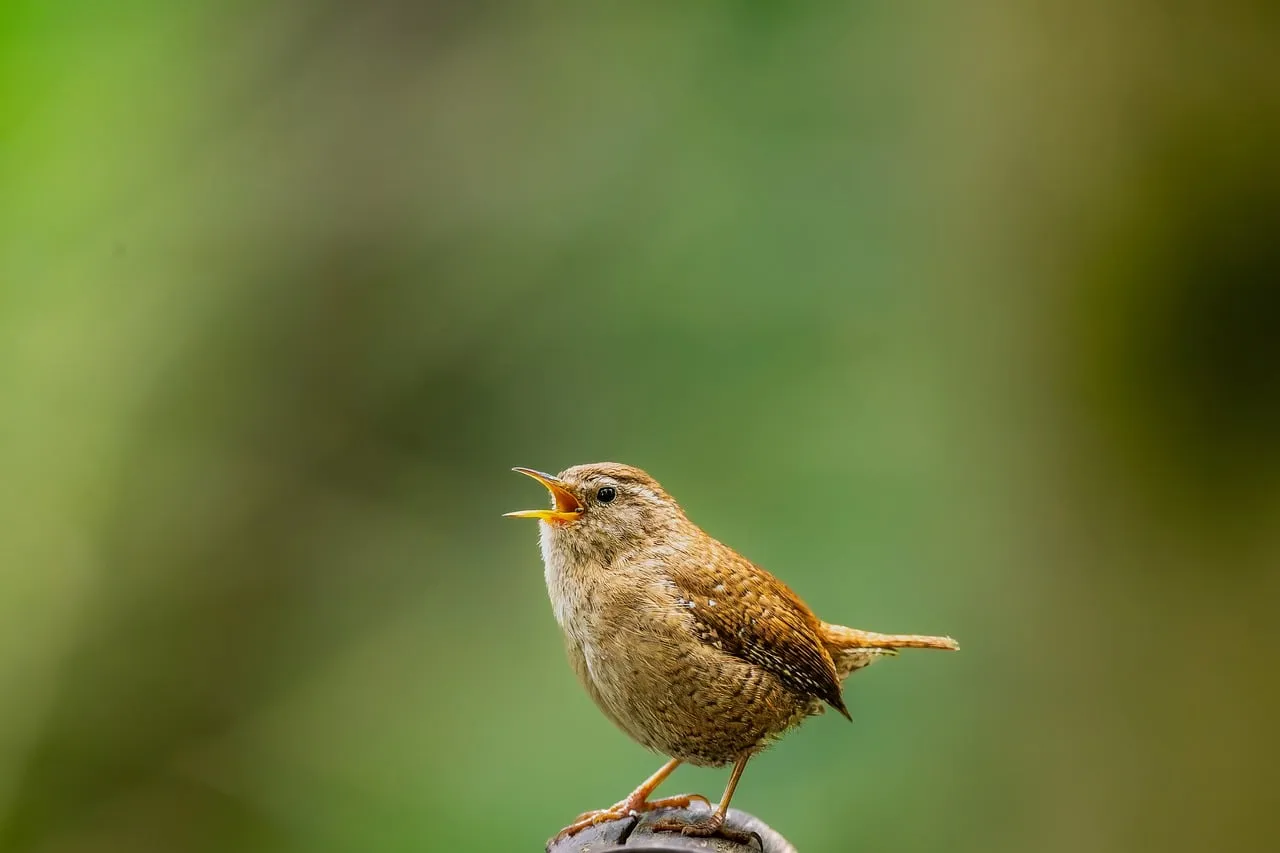
Birdsong is not merely an innate talent; it’s a learned behavior that plays a pivotal role in communication, mating, and territorial defense. Young birds often undergo a two-phase learning process: first, they memorize the songs of adult tutors during a sensitive period, and later, they practice and refine these songs to match their internalized templates. This methodical approach ensures that their songs are both accurate and effective.
Delaying Song to Match the Neighborhood

In species like the song sparrow, young males exhibit a remarkable strategy: they postpone their own singing until they’ve settled into a territory and have had the opportunity to learn the songs of their neighboring males. By doing so, they can incorporate these local songs into their repertoire, facilitating smoother territorial interactions and reducing conflicts. This behavior highlights the importance of social learning and adaptability in the avian world.
Social Factors Influencing Song Learning
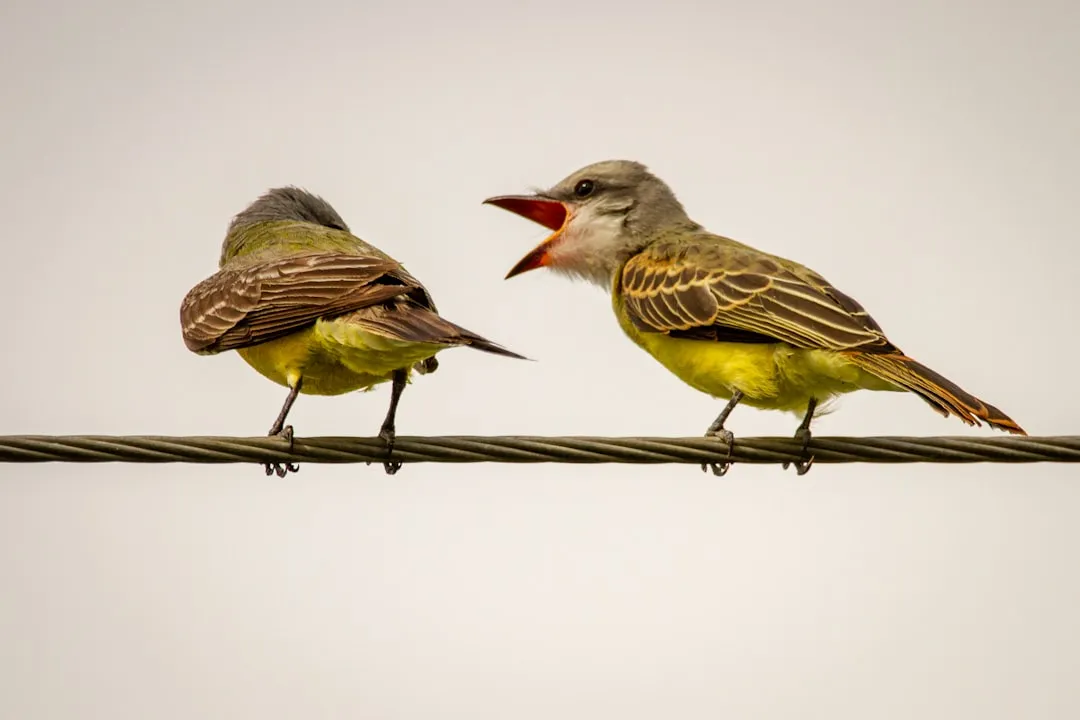
The decision to delay singing is deeply influenced by social interactions. Young birds are more likely to learn songs from neighboring males with whom they have direct interactions or from whom they can eavesdrop during territorial disputes. This selective learning ensures that their song repertoire is relevant to their immediate social environment, enhancing their ability to communicate and establish territories effectively.
The Role of Eavesdropping in Song Acquisition

Interestingly, young birds often learn by eavesdropping on interactions between adult males. By listening to these exchanges, they can discern which songs are most effective in territorial disputes and which are commonly used in their specific locale. This indirect form of learning allows them to build a repertoire that is both contextually appropriate and strategically advantageous.
Benefits of Song Matching with Neighbors
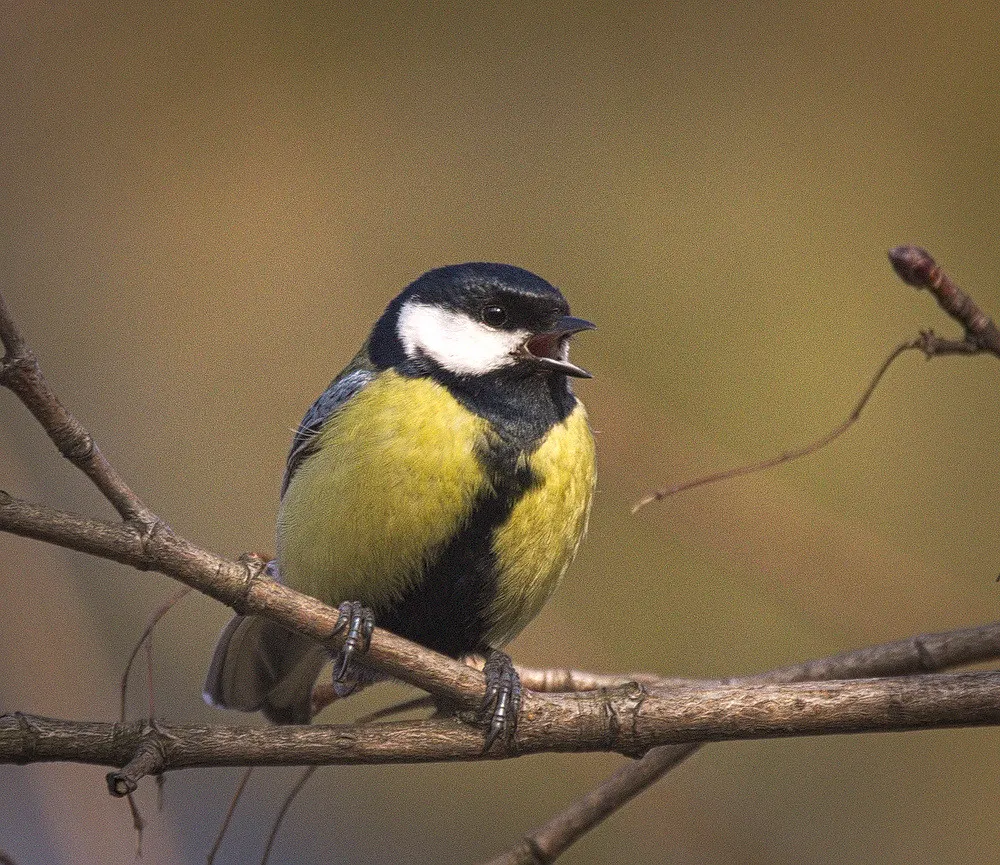
Matching songs with neighbors offers several advantages. It can reduce the frequency and intensity of territorial disputes, as shared songs can serve as a form of mutual recognition and agreement on boundaries. Additionally, females may prefer males who sing local dialects, associating them with familiarity and stability, which can enhance mating success.
Variations Across Species
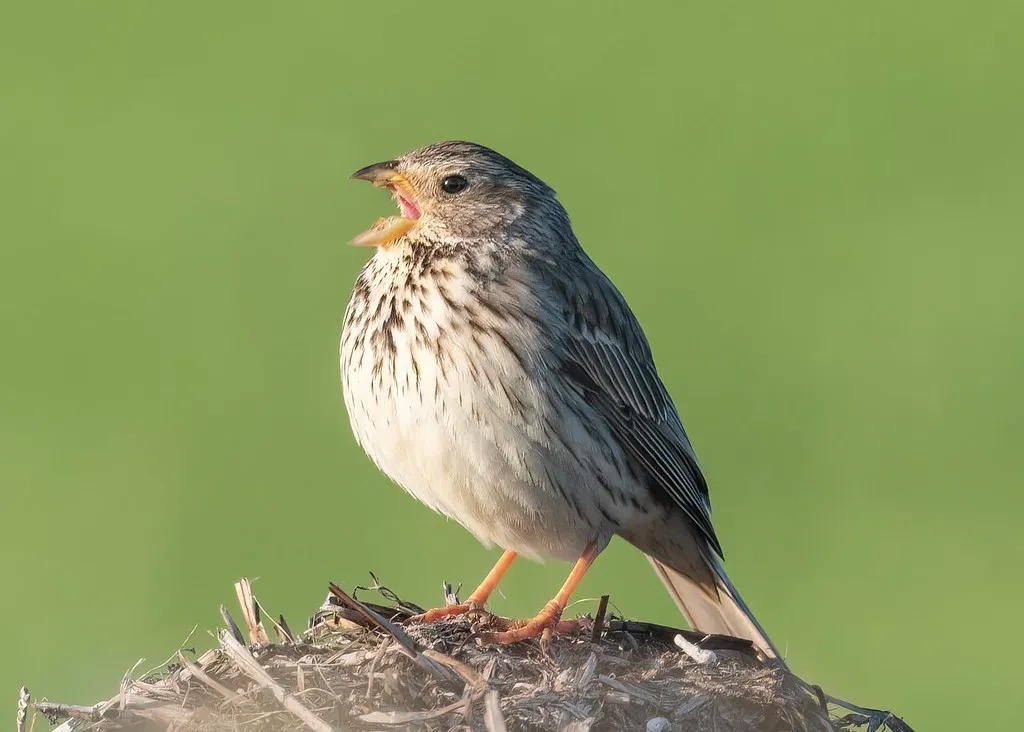
While song sparrows are known for this behavior, not all bird species adopt the same strategy. Some species have fixed song repertoires that are learned early and remain unchanged, while others, like the mockingbird, continuously expand their repertoire throughout their lives. These variations reflect the diverse evolutionary pressures and ecological contexts that shape song learning strategies in different species.
Implications for Conservation and Research

Understanding the nuances of song learning and the importance of social interactions in this process has significant implications for conservation efforts. Disruptions to social structures, such as habitat fragmentation, can impede the transmission of local songs and affect mating and territorial behaviors. Conservation strategies that preserve social networks and cultural transmission pathways are essential for the survival of songbird populations.
In conclusion, the deliberate delay in singing observed in some birds until they’ve learned their neighbors’ songs is a testament to the complexity and adaptability of avian communication. This behavior not only facilitates harmonious territorial relationships but also underscores the profound influence of social learning in the animal kingdom. So, the next time you hear a bird’s song, consider the intricate social dance and learning processes that may have shaped that melody. Isn’t nature’s symphony truly remarkable?

- America’s Most Dangerous Fault Lines You’ve Probably Never Heard Of - July 14, 2026
- Animal Psychology Says If You See a Large Gathering of Crows in Your Yard at Dawn It Is a Sign of Complex Social Behaviour – and the Cognitive Power Required for It Belongs to an Elite Group of Species - July 14, 2026
- 10 World’s Most Beautiful Gardens - July 14, 2026