
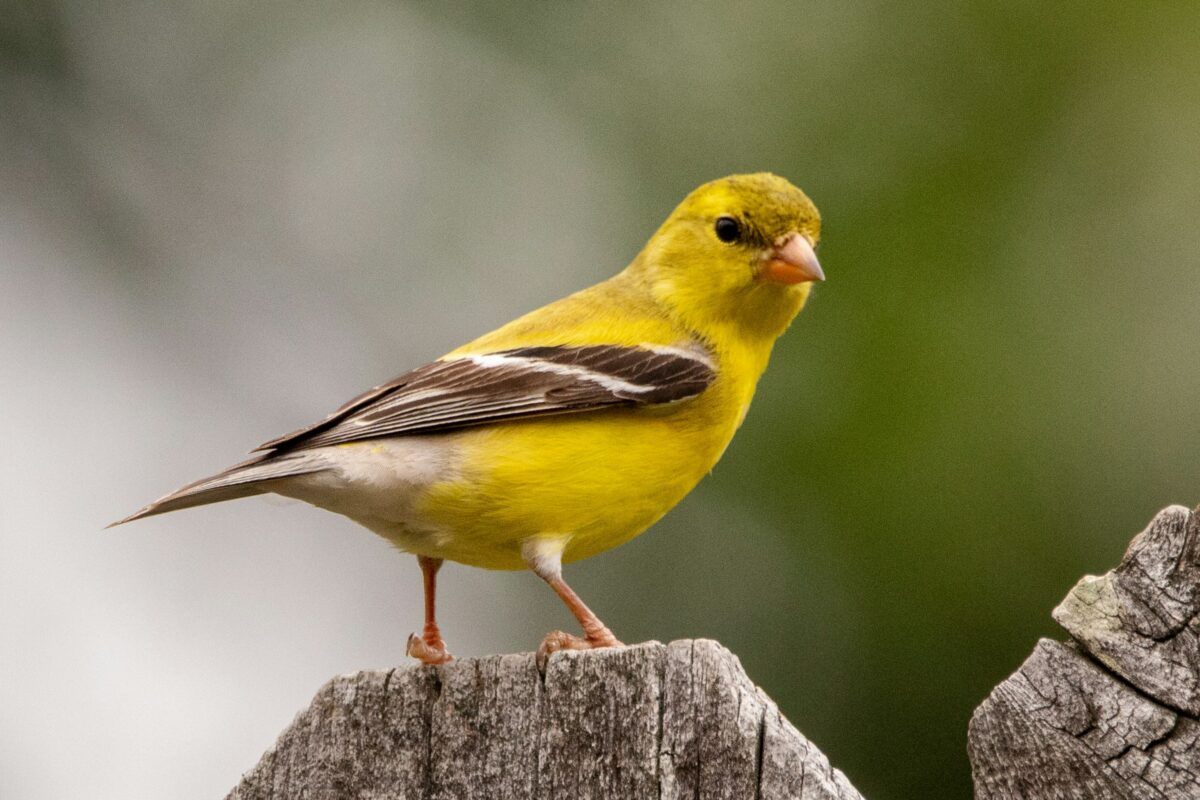
On a gray morning in late winter, the air can still bite and the ground may be frozen solid. Yet if you listen closely, a few birds have already started to sound different. Something inside them has shifted, even though the weather hasn’t caught up.
That quiet shift has fascinated biologists for about a century. The cue isn’t warmth, and it isn’t a calendar. It’s light, and the way birds read it is stranger and more physical than most of us would guess.
Why Day Length Beats Temperature as a Signal
🔥 Would you like to save this?
We'll email this post to you, so you can come back to it later!
Temperature is a messy guide to the season. A warm spell in February can be followed by a hard freeze in March, and a bird that bet on the early warmth could pay for it. Day length, on the other hand, follows the same pattern every year at a given latitude.
That reliability is why many temperate songbirds rely on photoperiod, the length of the daily light period, as a leading cue for seasonal timing. Weather still matters, but mostly as a fine tuning tool. Light sets the broad schedule, and conditions like temperature and food nudge it earlier or later.
How Light Reaches the Brain
🔥 Would you like to save this?
We'll email this post to you, so you can come back to it later!
You might expect birds to read light through their eyes alone. Research on birds, however, points to a more surprising route. Light can pass through the thin skull and feathers and reach photoreceptive proteins in deep regions of the brain, including parts of the hypothalamus.
Studies of birds such as quail and sparrows have supported this idea of deep brain photoreception. The eyes and the pineal gland also play roles in the bird’s timekeeping, and their importance varies among species. In short, a bird doesn’t just see the long days. Its brain registers them directly.
The Hormonal Chain Reaction Inside the Body
🔥 Would you like to save this?
We'll email this post to you, so you can come back to it later!
Once the brain senses longer days, a cascade begins. In the well studied model, signals in the hypothalamus lead to the release of gonadotropin releasing hormone. That prompts the pituitary gland to release hormones that stimulate the reproductive organs.
The results are dramatic. Testes and ovaries, which shrink to tiny sizes in winter, can grow many times larger over a matter of weeks. Researchers have long used songbirds like white crowned sparrows and European starlings to study this process, since the changes are measurable and the timing can be controlled in the lab.
Changes You Can Hear, See and Measure
🔥 Would you like to save this?
We'll email this post to you, so you can come back to it later!
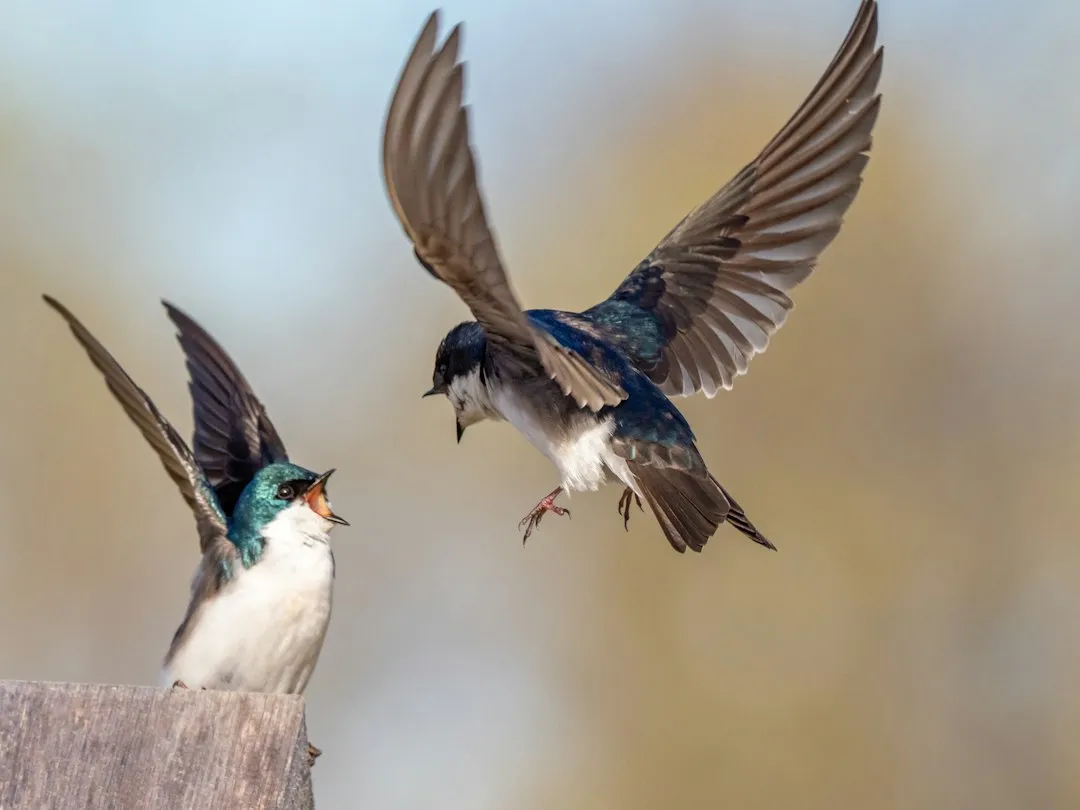
The internal shift shows up on the outside too. Many males begin singing more as breeding season nears, and some change their plumage or bill color. Territorial behavior often sharpens as well.
Song itself is tied to brain changes. In some songbirds, regions of the brain that control singing grow larger in the breeding season and shrink afterward. It’s a reminder that a bird’s body isn’t fixed. It reshapes itself on a seasonal schedule.
Migration and the Restless Urge to Move
🔥 Would you like to save this?
We'll email this post to you, so you can come back to it later!
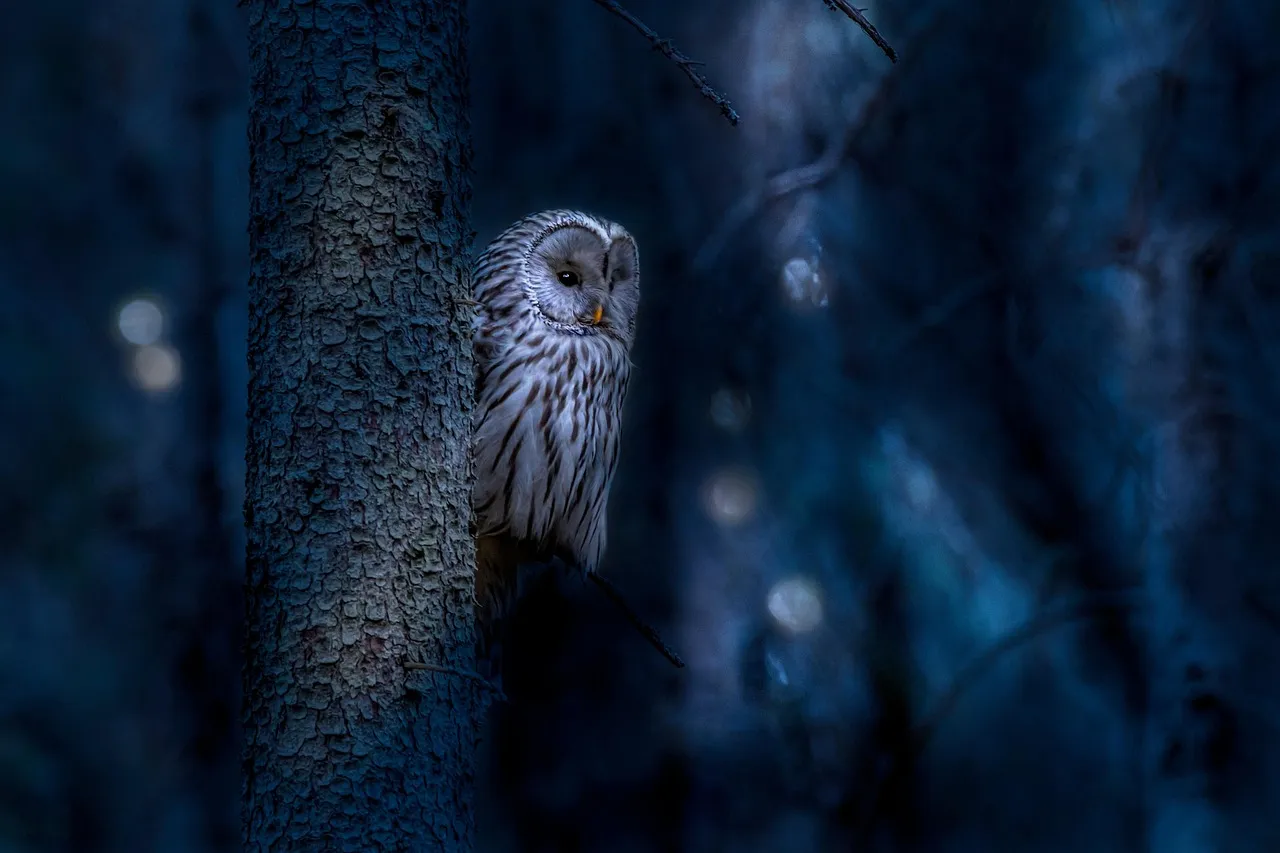
Day length also helps prepare migratory songbirds for travel. Before departure, many species put on fat and show nighttime restlessness in captivity, a behavior called zugunruhe. Changes in light exposure can trigger this state, though internal annual rhythms also play a part.
That last point is important. Some species appear to carry a built in yearly clock that keeps running even under constant conditions. Light seems to keep that clock synchronized with the real world, much as a time signal corrects a wristwatch.
Why It Matters in a Changing Climate
🔥 Would you like to save this?
We'll email this post to you, so you can come back to it later!
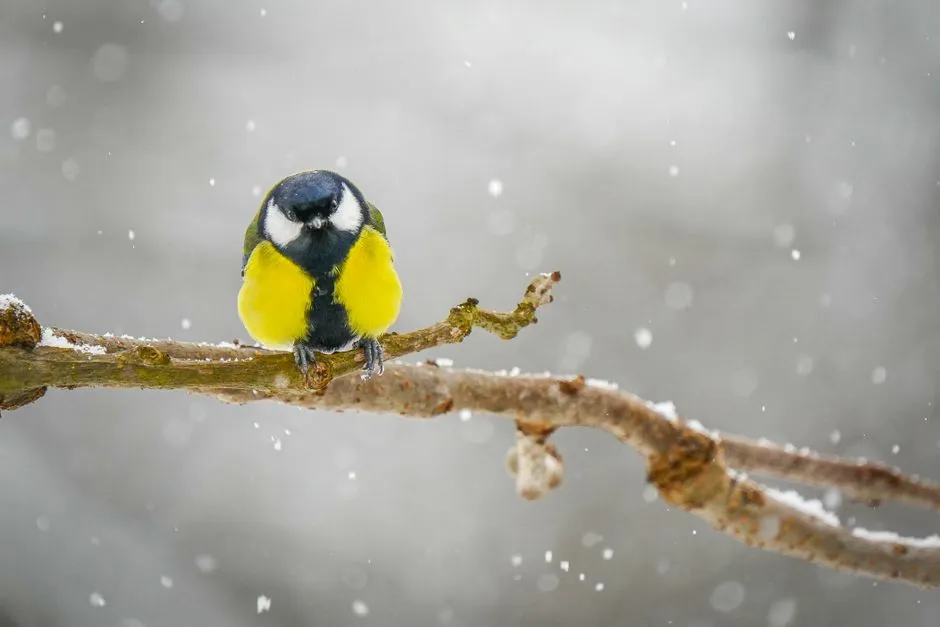
If birds time their breeding by light while insects and plants respond to warmth, the two can drift out of step. Warmer springs may bring caterpillars and leaf growth earlier, and a bird relying on day length can arrive or breed after the food peak. Scientists have studied this kind of timing mismatch in some European forest birds, though effects vary a lot by species and place.
Some birds do adjust, using temperature and local cues to shift timing somewhat. How much flexibility they have is still an active area of research. The honest answer is that it differs from bird to bird, and no single story covers them all.
Final Thoughts
🔥 Would you like to save this?
We'll email this post to you, so you can come back to it later!
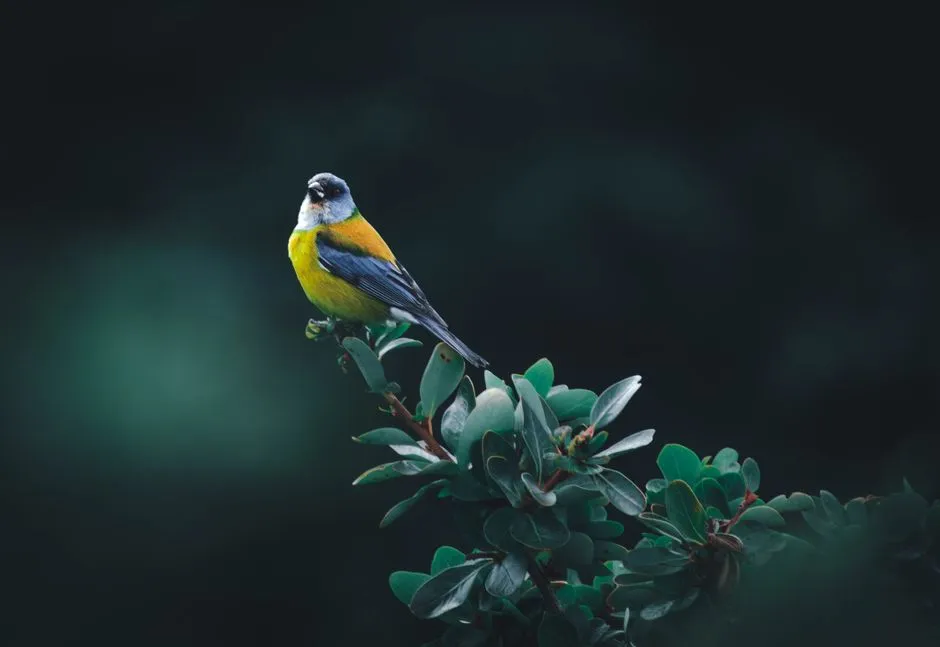
I find it hard not to be a little awed by this. A small bird, with a brain the size of a fingertip, quietly measures the length of the day and rebuilds its own body to match. No thermometer, no calendar, just light doing its patient work.
My view is that this deserves more attention than it gets, especially now. If we want birds to cope with shifting seasons, we need to understand the clocks they’re running on. Their timing isn’t a detail of nature. It’s the foundation of everything that comes next.

- Marine Biology Says When Dolphins Suddenly Go Silent in Open Water It's Not Rest – They've Detected a Predator You Cannot See and Their Survival Strategy Reveals How They Read Danger - November 5, 2026
- Why Veterinarians Say If Your Cat Sleeps With Their Back to You, It's the Highest Form of Trust in Feline Behavior - November 5, 2026
- 10 Common Garden Pests That Are Actually Beneficial To Your Backyard Ecosystem - November 5, 2026