

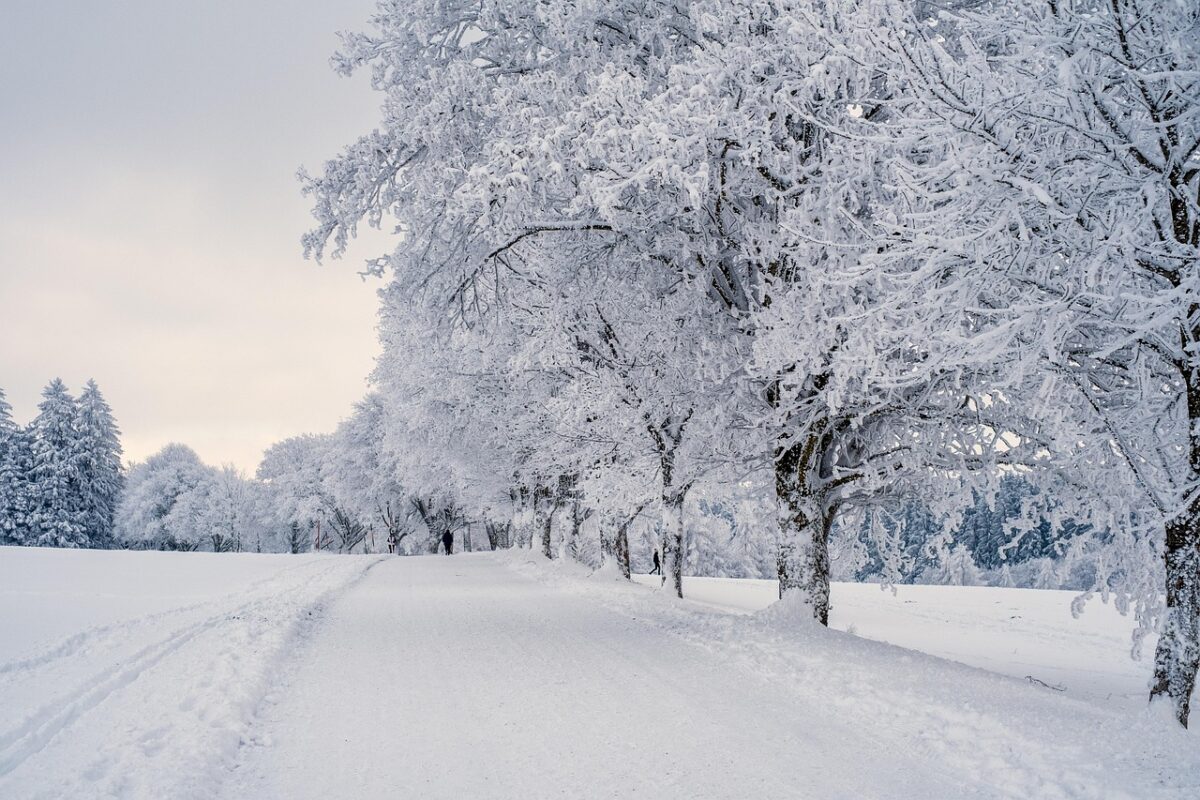

Extended Cold Wave for U.S. and Canada (Image Credits: Pixabay)
North America – As winter patterns shift dramatically across the continent, meteorologists now anticipate a sharp return of frigid temperatures that could persist well into January.
A Dynamic Winter Unfolds
Recent weather developments have kept forecasters on their toes throughout the 2025-2026 season. A persistent high-pressure system initially pushed milder conditions into much of the region, delaying the onset of severe cold. However, emerging models reveal a reversal, with cold air masses poised to dominate the landscape once again. This change stems from evolving atmospheric dynamics that favor the influx of Arctic air.
Experts point to the strengthening of key weather features as the driving force behind this shift. Data from reliable sources indicate that these patterns will not fade quickly, setting the stage for prolonged wintry impacts. Communities from the Midwest to the Northeast prepare for what could become one of the season’s most notable cold periods.
The Role of the Polar Vortex
The Polar Vortex, a large-scale circulation of winds in the stratosphere, plays a pivotal role in this forecast. After periods of disruption, it now shows signs of intensification, which often translates to deeper cold plunges at lower levels. This revival could channel Arctic air southward, affecting vast areas of the United States and Canada. Such events have historically led to significant temperature drops and related weather hazards.
Stratospheric warming events, which sometimes weaken the vortex, appear to have stabilized for now. This allows the core of the vortex to influence surface conditions more directly. Forecasters monitor these upper-air changes closely, as they provide early clues about potential cold outbreaks. The implications extend beyond mere chill, potentially amplifying snow and ice risks in vulnerable regions.
Regional Impacts and Preparations
In the United States, the Midwest and Great Lakes areas face the brunt of the incoming cold, with temperatures expected to plummet below seasonal norms. Canada will see similar effects, particularly in its prairie provinces and eastern corridors, where Arctic air funnels efficiently. These conditions could disrupt travel, strain heating systems, and heighten the chance of winter storms. Local authorities urge residents to stock essentials and monitor updates from national weather services.
Snowfall predictions add another layer of complexity to the outlook. While not every area will see heavy accumulations, elevated terrain and lake-effect zones remain prime for notable events. Urban centers might contend with icy roads, prompting enhanced road treatments and public advisories. Overall, the forecast underscores the need for proactive measures to mitigate disruptions.
Broader Atmospheric Influences
La Niña conditions in the Pacific continue to shape the larger weather picture, often correlating with cooler winters in northern latitudes. This oceanic phenomenon interacts with the Polar Vortex to heighten the odds of cold incursions. Though variability persists, the consensus among models leans toward sustained low temperatures through the month’s early weeks. Scientists emphasize that these patterns evolve, requiring ongoing vigilance.
Comparisons to past seasons reveal similarities in how such setups unfold. For instance:
- Arctic air masses typically arrive in waves, each potentially colder than the last.
- High-pressure blocks in the north can trap cold over the continent.
- Transitions to milder air often follow, but delays extend the freeze.
- Precipitation types vary, from dry cold snaps to snowy assaults.
- Energy demands spike, testing infrastructure resilience.
Key Takeaways
- A strengthening Polar Vortex will drive the cold return, lasting into January 2026.
- Midwest, Great Lakes, and Canadian prairies face the most intense impacts.
- La Niña enhances the likelihood of prolonged frigid conditions across North America.
This forecast serves as a reminder of winter’s unpredictable nature, urging preparedness amid the chill. As cold grips the continent, it highlights the intricate balance of global weather systems. What preparations are you making for the season ahead? Share your thoughts in the comments.

- Urban Coyotes Show Remarkable Adaptability, Learning to Thrive in City Environments - July 22, 2026
- Beavers Are Nature’s Engineers, Creating Vital Habitats for Other Wildlife Species - July 21, 2026
- The Recovery of the California Condor Offers Hope for Other Critically Endangered Birds - July 21, 2026