

For decades, marine parks and aquariums around the world have drawn millions of visitors to witness the spectacular performances of dolphins leaping, spinning, and “dancing” to music. These shows have been a cornerstone of the marine entertainment industry, generating billions in revenue while claiming to educate the public about marine mammals. However, a significant shift in public perception and scientific understanding has begun to challenge the ethics and future of dolphin shows. With growing awareness about cetacean intelligence, natural behaviors, and welfare concerns, many wonder if we’re witnessing the final chapter of dolphin performances in captivity. This article explores the complex evolution of dolphin shows, the controversies surrounding them, and the global movement that may be signaling their eventual end.
The History and Rise of Dolphin Shows

Dolphin shows emerged as popular attractions in the mid-20th century, with the opening of marine parks like Marineland of Florida in 1938 and SeaWorld San Diego in 1964. These venues initially capitalized on the public’s fascination with these intelligent marine mammals while having limited understanding of their complex needs. The 1963 film “Flipper” further catapulted dolphins into the spotlight, creating a surge in interest that led to the rapid expansion of dolphin shows worldwide.
By the 1980s and 1990s, dolphin performances had evolved into elaborate productions featuring high jumps, synchronized swimming, and interactions with trainers that drew massive crowds. These shows became highly profitable enterprises, with some larger marine parks reporting annual attendance figures in the millions. The industry marketed these experiences as educational opportunities while developing increasingly complex performances that showcased behaviors rarely if ever seen in wild dolphins, such as tail-walking, flips, and carrying trainers through the water.
Understanding Dolphin Intelligence and Social Complexity
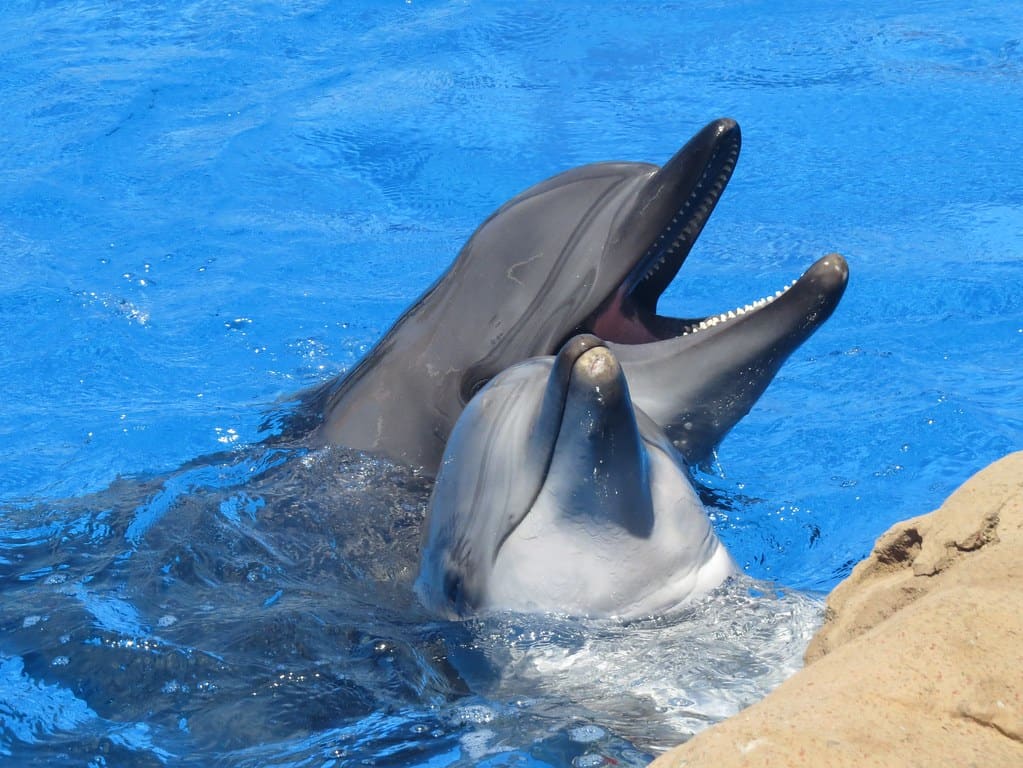
Scientific research over the past few decades has revolutionized our understanding of dolphin cognition and social structures. Dolphins possess some of the largest brain-to-body mass ratios in the animal kingdom, second only to humans. They demonstrate self-awareness by recognizing themselves in mirrors, use tools in the wild, develop complex communication systems including signature whistles that function similar to names, and maintain sophisticated social networks that can span decades.
Studies have revealed that dolphins live in dynamic societies with cultural transmission of knowledge between generations. They form strong bonds within their pods and develop distinct hunting techniques that vary between different dolphin communities. This advanced cognitive capacity and social complexity raises profound ethical questions about keeping such intelligent beings in captivity for entertainment purposes, particularly when the confined environments of marine parks cannot possibly replicate the rich social and environmental stimulation they would experience in their natural habitats.
The Controversy Behind Captive Dolphin Welfare

The welfare of captive dolphins has become a central point of contention in the debate over dolphin shows. In the wild, bottlenose dolphins typically travel 40-100 miles per day in open ocean environments, dive to depths of hundreds of feet, and live in social groups that can number in the dozens. By contrast, even the largest marine park pools represent a tiny fraction of their natural range—often less than 1/10,000th of the space they would typically navigate in a single day in the wild.
Numerous scientific studies have documented concerning behaviors in captive dolphins, including stereotypic movements (repetitive behaviors that indicate stress), aggression toward other dolphins or trainers, and health issues not commonly seen in wild populations. A 2019 study published in the Journal of Veterinary Behavior found that captive dolphins frequently display signs of distress and may experience shortened lifespans compared to their wild counterparts, although this remains debated. These concerns have led many animal welfare organizations and marine mammal scientists to question whether dolphins can truly thrive in captivity, regardless of the quality of care provided.
The Documentary That Changed Public Opinion
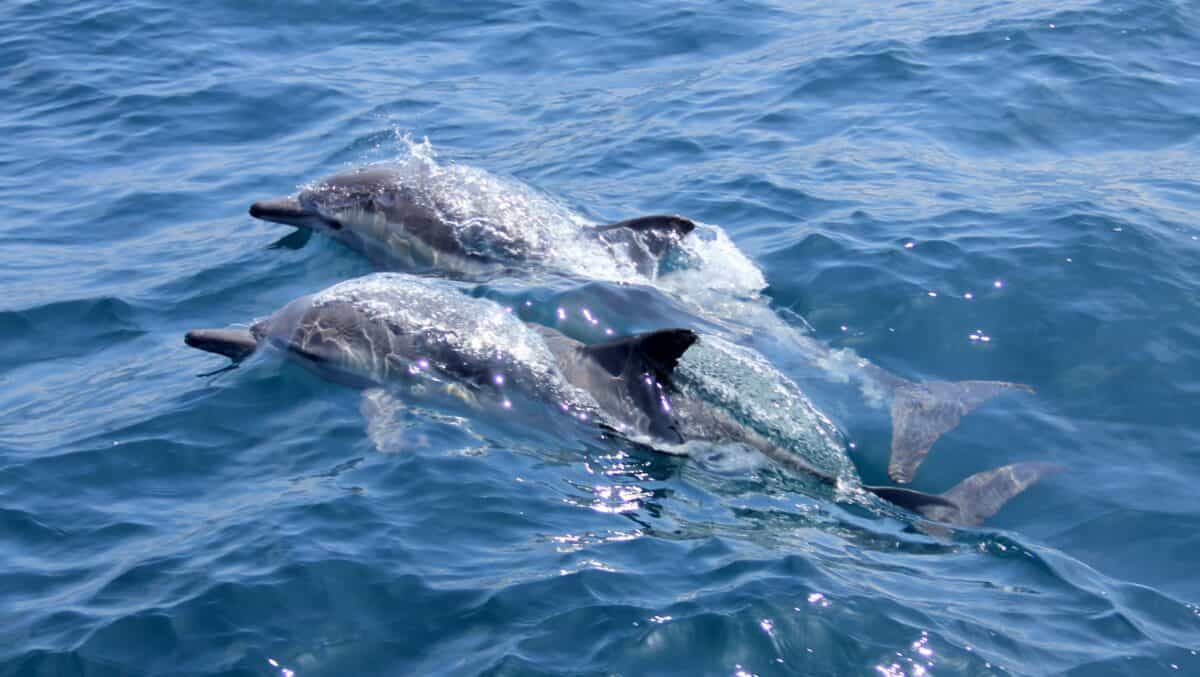
The 2013 documentary “Blackfish” marked a watershed moment in how the public perceives marine mammal captivity. Though focusing primarily on orcas (the largest member of the dolphin family), the film sparked widespread debate about the ethics of keeping any cetaceans in captivity for entertainment. The documentary chronicled the life of Tilikum, an orca involved in the deaths of three people, and suggested that the psychological stress of captivity contributed to his aggressive behavior.
Following “Blackfish,” attendance at SeaWorld parks dropped significantly, with the company reporting a 13% decrease in visitors and a 84% drop in profits in the year after the film’s release. This phenomenon, dubbed the “Blackfish Effect,” extended beyond orcas to raise questions about all captive marine mammal performances. Public sentiment began shifting dramatically, with polls showing increasing opposition to keeping dolphins in captivity. A 2016 Gallup poll found that 58% of Americans were concerned about the treatment of animals in zoos and aquariums, up from 43% in 2008, indicating the growing impact of advocacy and educational efforts.
The Economic Reality of Dolphin Shows
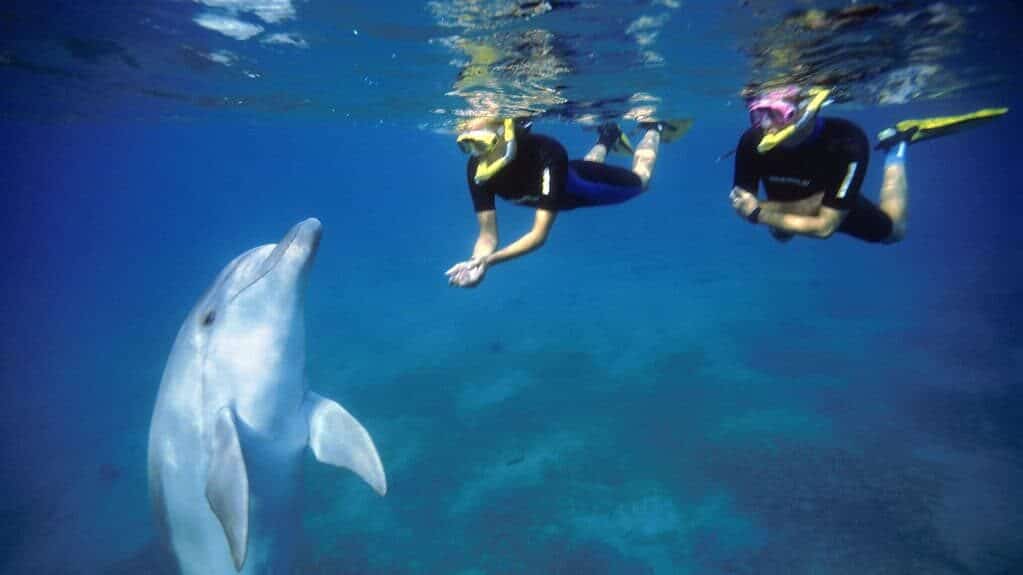
The business model of dolphin shows has faced mounting challenges in recent years. While these attractions once reliably generated substantial revenue, changing consumer preferences have begun to erode their profitability. SeaWorld Entertainment, perhaps the most prominent company associated with marine mammal shows, saw its stock value plummet by more than 60% between 2013 and 2018. Though the company has since pivoted to more ride-based attractions and modified its animal presentations to emphasize natural behaviors, this shift illustrates the economic pressures affecting the industry.
Moreover, insurance costs for facilities with dolphin shows have increased dramatically, partly due to the recognized risks to trainers working closely with large marine mammals. Operational costs are also substantial—maintaining proper water quality, providing veterinary care, and feeding captive dolphins can cost facilities millions annually. As attendance at traditional dolphin shows declines in many markets, particularly in North America and Europe, some facilities have found themselves in the difficult position of having high fixed costs for dolphin care while generating diminishing returns from shows, leading some smaller venues to close entirely.
Global Legislative Changes and Bans

A growing number of countries have implemented legislation restricting or prohibiting dolphin captivity and performances. Canada passed the Ending the Captivity of Whales and Dolphins Act in 2019, which prohibits the captivity, breeding, import, and export of cetaceans, with exceptions for those already in captivity and for rehabilitation purposes. This landmark legislation effectively phases out dolphin shows in the country over time.
In Europe, countries including the United Kingdom, Switzerland, Croatia, Slovenia, Cyprus, and Hungary have banned the keeping of cetaceans in captivity. India declared dolphins “non-human persons” in 2013 and prohibited dolphinariums nationwide. Chile, Costa Rica, and Brazil have also implemented various restrictions on captive marine mammals. Even in countries without outright bans, many municipalities have enacted local prohibitions—over 100 cities in the United States, for example, have restrictions on the display of cetaceans or the use of performing animals. This patchwork of regulations creates a challenging landscape for the industry and signals a global trend toward greater restrictions.
The Transformation of Existing Marine Parks

Facing public scrutiny and changing regulations, many marine parks have begun to transform their business models and presentations. SeaWorld announced in 2016 that it would end its orca breeding program and phase out theatrical orca performances in favor of more educational presentations emphasizing natural behaviors. While bottlenose dolphin shows continue at many of their parks, these too have evolved to include more educational content and demonstrations of behaviors that might be observed in the wild.
Other facilities have gone further in their transformations. The National Aquarium in Baltimore announced in 2016 its plan to relocate its dolphins to a coastal sanctuary by 2023, though the project has faced delays. Some former marine parks have converted entirely to different business models—Dolphin Marine Conservation Park in Australia, for example, ended its dolphin shows and now focuses on rehabilitation, while Spain’s Barcelona Zoo announced in 2018 it would transform into a center for education about Mediterranean wildlife without dolphin performances. These transitions suggest an industry recognizing the need to evolve beyond traditional entertainment-focused shows.
The Rise of Coastal Sanctuaries as Alternatives

As criticism of traditional dolphin shows intensifies, the concept of seaside sanctuaries has emerged as a potential alternative for dolphins currently in captivity. Unlike marine parks with concrete tanks, sanctuaries aim to provide semi-natural environments in netted-off sections of ocean or bay waters. These facilities would theoretically offer greater space, natural stimuli, and more normal social groupings while still providing necessary care for animals that may not be candidates for full release due to long-term captivity.
Several organizations are currently developing such sanctuaries. The Whale Sanctuary Project is working to establish a 100-acre seaside sanctuary in Nova Scotia for formerly captive beluga whales and orcas. The National Marine Mammal Foundation and others are exploring similar concepts for dolphins. While these projects face significant challenges—including securing funding (estimated at $15-20 million for establishment and several million annually for operations), navigating complex permitting processes, and developing protocols for transitioning captive animals—they represent a potential middle path between continued captivity in traditional settings and the often-impossible goal of releasing long-captive animals back to the wild.
The Persistent Demand in Some Regions
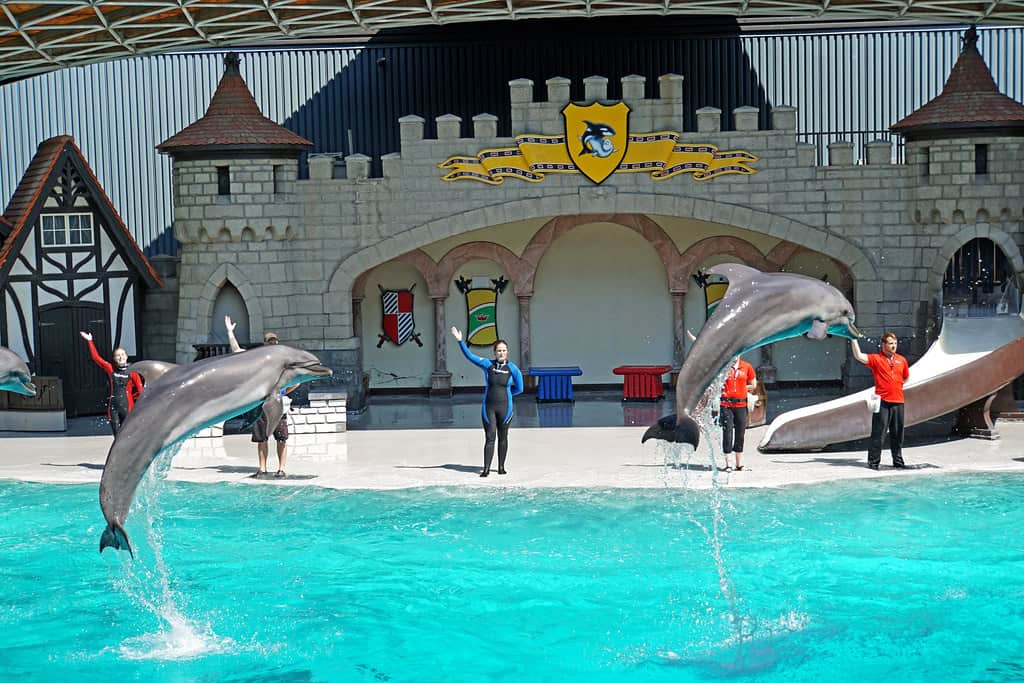
Despite the declining popularity of dolphin shows in North America and Europe, they continue to thrive in other parts of the world. China has seen rapid expansion in marine parks featuring dolphin performances, with over 60 facilities either operating or under construction as of 2020. This growth represents an increase of more than 300% over the past decade. Similarly, dolphin shows remain popular tourist attractions throughout parts of the Caribbean, Mexico, United Arab Emirates, and Russia.
Cultural differences in attitudes toward animal welfare and entertainment, combined with less exposure to documentaries like “Blackfish” and fewer organized animal advocacy campaigns, may contribute to the continued growth in these regions. Additionally, rising middle classes in countries like China have created new tourism markets eager for experiences that were previously unavailable. This geographical disparity suggests that while dolphin shows may be declining globally, the phase-out is occurring unevenly, with some regions potentially maintaining or even expanding these attractions for years to come.
The Virtual Reality Alternative
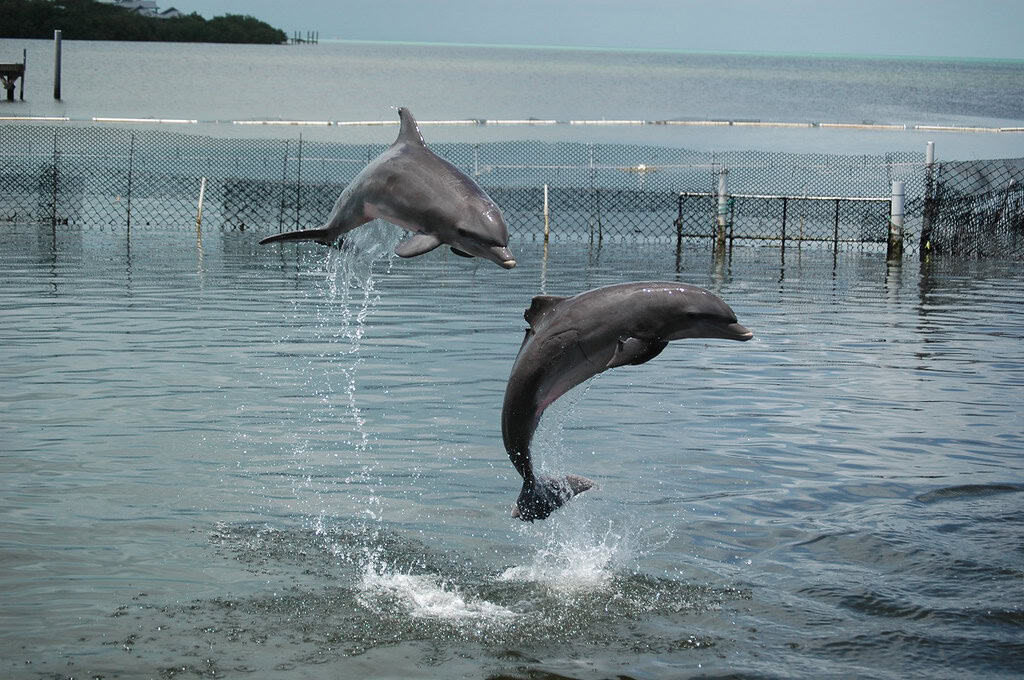
Technology is offering new possibilities that could eventually replace live dolphin shows while still satisfying public interest in these animals. Several companies have developed virtual and augmented reality experiences that allow visitors to “swim” with dolphins in digital environments. National Geographic’s “Encounter: Ocean Odyssey” in New York City and similar installations have demonstrated that technology-based experiences can attract substantial audiences without requiring any real animals.
Some marine facilities are beginning to incorporate these technologies alongside or in place of traditional shows. Edge Innovation, a special effects company that previously created animatronic dolphins for films, has developed realistic robotic dolphins that swim and interact with humans in ways nearly indistinguishable from live animals. These robots, costing $3-5 million each, are being considered by some facilities as eventual replacements for live dolphin shows. While the initial investment is high, proponents argue that the long-term operational costs would be lower than maintaining live animals, while eliminating animal welfare concerns entirely.
The Ongoing Role of Public Pressure and Consumer Choice

Consumer choices continue to be one of the most powerful forces driving change in the marine park industry. Social media campaigns, boycotts, and shifting visitor preferences have pressured many facilities to reconsider their offerings. Travel companies have responded to this shift—major operators including TripAdvisor, Virgin Holidays, British Airways Holidays, and Expedia have stopped selling tickets to marine parks featuring cetacean performances, citing animal welfare concerns.
Educational efforts have played a crucial role in this transformation of public opinion. Organizations like World Animal Protection, Dolphin Project, and the Humane Society International have conducted extensive campaigns to inform tourists about the realities behind dolphin shows. These efforts appear to be having an effect: a 2019 survey by the Association of British Travel Agents found that 66% of respondents would not visit attractions featuring captive dolphins or whales, up from 54% in 2014. This consumer-driven pressure continues to be one of the most significant factors pushing marine parks to evolve beyond traditional dolphin performances.
The Future of Human-Dolphin Interactions
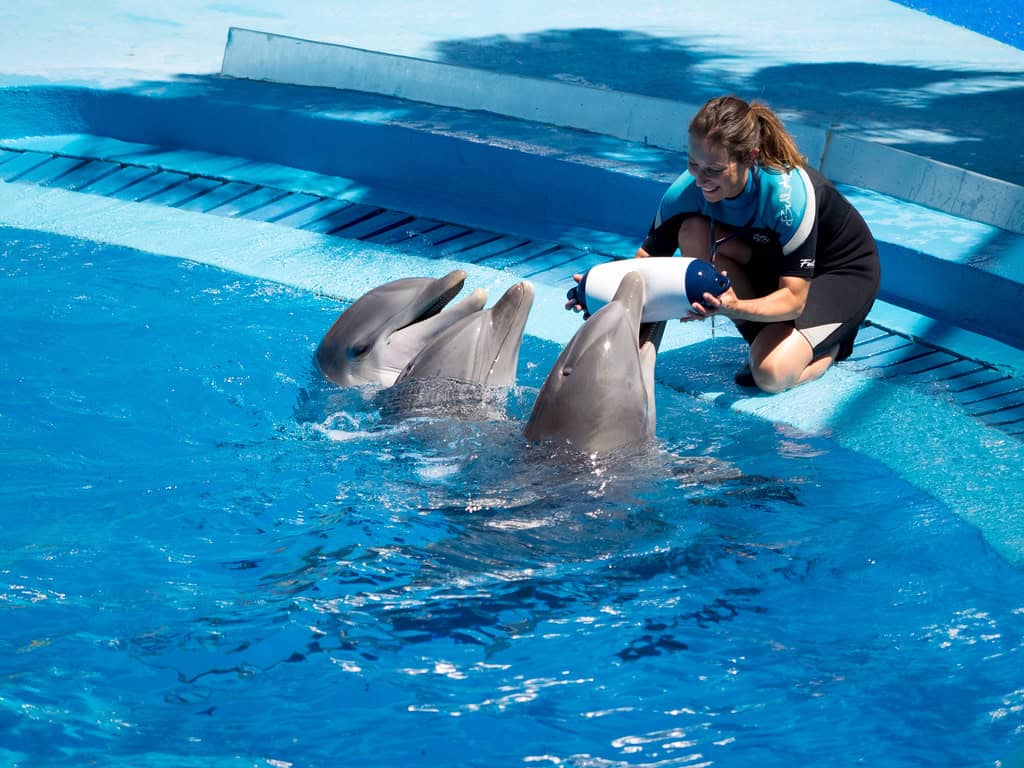
As traditional dolphin shows face mounting challenges, alternative models for human-dolphin interactions are emerging that may represent the future of the industry. Wild dolphin watching tours, when conducted responsibly following guidelines that minimize disturbance to natural behaviors, offer the public opportunities to observe dolphins in their natural environment. These experiences have grown into a global industry worth over $2 billion annually, demonstrating that economic opportunities exist beyond captive displays.
For individuals seeking closer encounters, some facilities now offer programs where visitors can learn about dolphin research or participate in non-invasive observational studies alongside scientists. The Dolphin Research Center in Florida, while still housing captive dolphins, has shifted its focus toward education and research rather than entertainment-focused performances. Similarly, the Clearwater Marine Aquarium in Florida, home to Winter the dolphin (star of the “Dolphin Tale” films), eliminated theatrical shows in 2019 in favor of an exhibit model focused on rehabilitation and education. These evolving approaches suggest that while human fascination with dolphins remains strong, the nature of our interactions with them continues to transform.
Conclusion: A Gradual But Unmistakable Transition

The evidence strongly suggests that traditional dolphin shows are indeed being phased out, albeit gradually and unevenly across different regions of the world. The combination of scientific research, public education, legislative action, and changing consumer preferences has created powerful momentum away from performances that showcase dolphins performing unnatural behaviors for human entertainment. While this transition may take decades to complete globally, the direction appears clear: the era of dolphins performing tricks to music in concrete pools is likely in its twilight phase.
The future will likely feature a diversity of approaches—from coastal sanctuaries housing formerly captive dolphins, to enhanced wild-watching opportunities, to high-tech virtual experiences that satisfy human curiosity about these remarkable animals without the ethical concerns of captivity. This evolution represents a significant shift in our relationship with dolphins, acknowledging their cognitive complexity and welfare needs while still finding ways to connect people with these charismatic marine mammals. For an industry that remained relatively unchanged for nearly half a century, the past decade has brought remarkable transformation, with more change certainly on the horizon.
As we move forward, the challenge will be balancing the welfare needs of currently captive dolphins—many of whom cannot be released to the wild—with the clear ethical imperative to move beyond exploitative entertainment. The phase-out of dolphin shows may be happening more slowly than some advocates would prefer, but the trajectory suggests that future generations may look back on traditional dolphin performances as a relic of a time when our understanding of these intelligent beings was still in its infancy.

- 10 Animals That Cheat Death in the Most Unexpected Ways - July 19, 2026
- The Shrimp That Punches Like a Bullet - July 19, 2026
- This Tiny Mammal Can Slow Its Heartbeat to One Beat Per Minute - July 19, 2026