


In a surprise discovery, a nine-banded armadillo was spotted in Morgan County, Illinois—something locals have rarely, if ever, seen. Bridget Mueller reported the sighting after noticing a deceased armadillo near the U.S. 67 overpass. While it might seem like a one-off event, wildlife officials say this is part of a growing trend: armadillos are slowly but steadily moving north.
These creatures, better known in states like Texas and Louisiana, are now being found in areas where cold winters once kept them away. Sightings in central and southern Illinois have become more frequent over the past decade. This most recent report marks the first official sighting in Morgan County for 2025.
Understanding the Armadillo’s Journey
The nine-banded armadillo (Dasypus novemcinctus) is a nocturnal, insect-eating mammal covered in a tough shell of bone and skin. While it may look prehistoric, this odd little animal is actually a modern species that thrives in warm, humid environments.
But as winters have become milder across the Midwest, armadillos have been pushing farther north. Illinois Department of Natural Resources (IDNR) officials say the animals likely follow river systems and wooded corridors, slowly expanding their range one county at a time.
They’re also skilled diggers, which makes them adaptable to many kinds of terrain, including suburban areas and farmland.
Proceed with Caution: Health Concerns
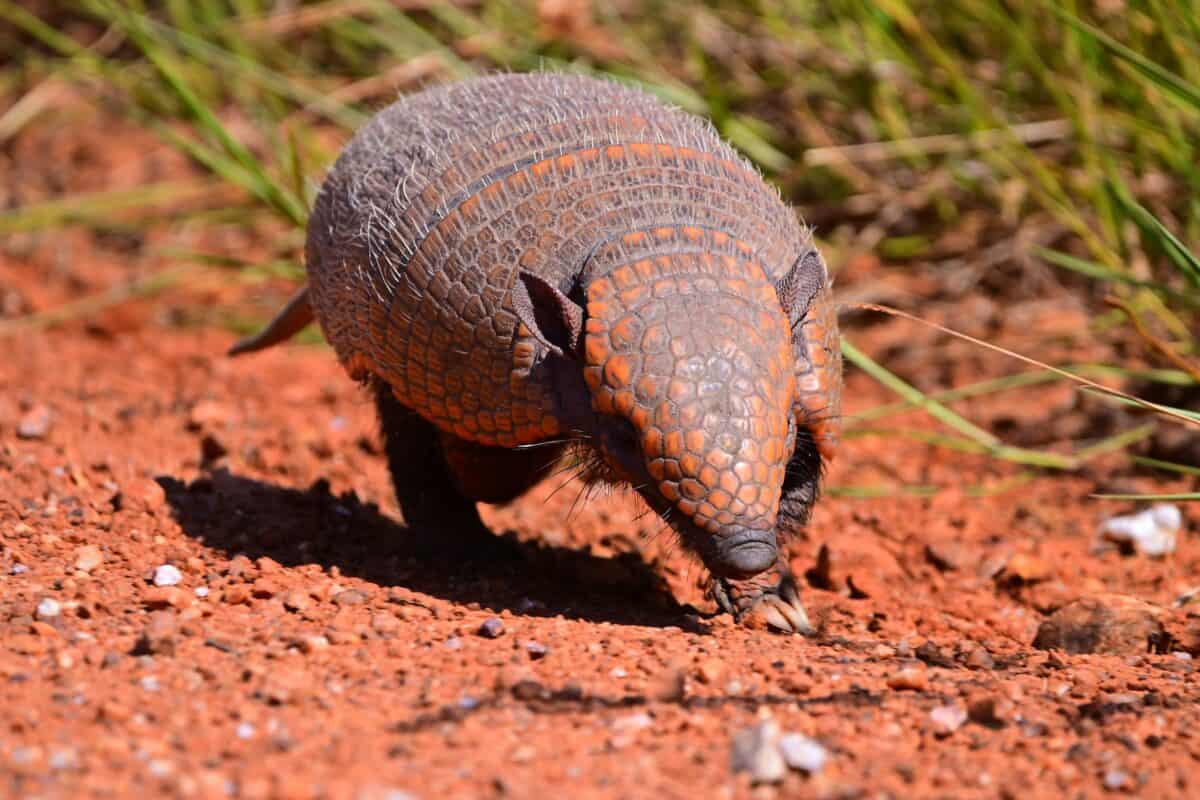
Although armadillos generally avoid humans and are not aggressive, they can carry diseases. The most widely known is Hansen’s disease, also known as leprosy. While the risk of transmission to humans is extremely low, experts advise people not to touch or handle live or dead armadillos without proper protection.
In addition to potential health concerns, armadillos are notorious diggers. They can cause damage to lawns, gardens, and even building foundations if they burrow too close to homes. For now, such problems are rare in Illinois, but they could become more common if the species becomes permanent in the region.
What to Do If You See One
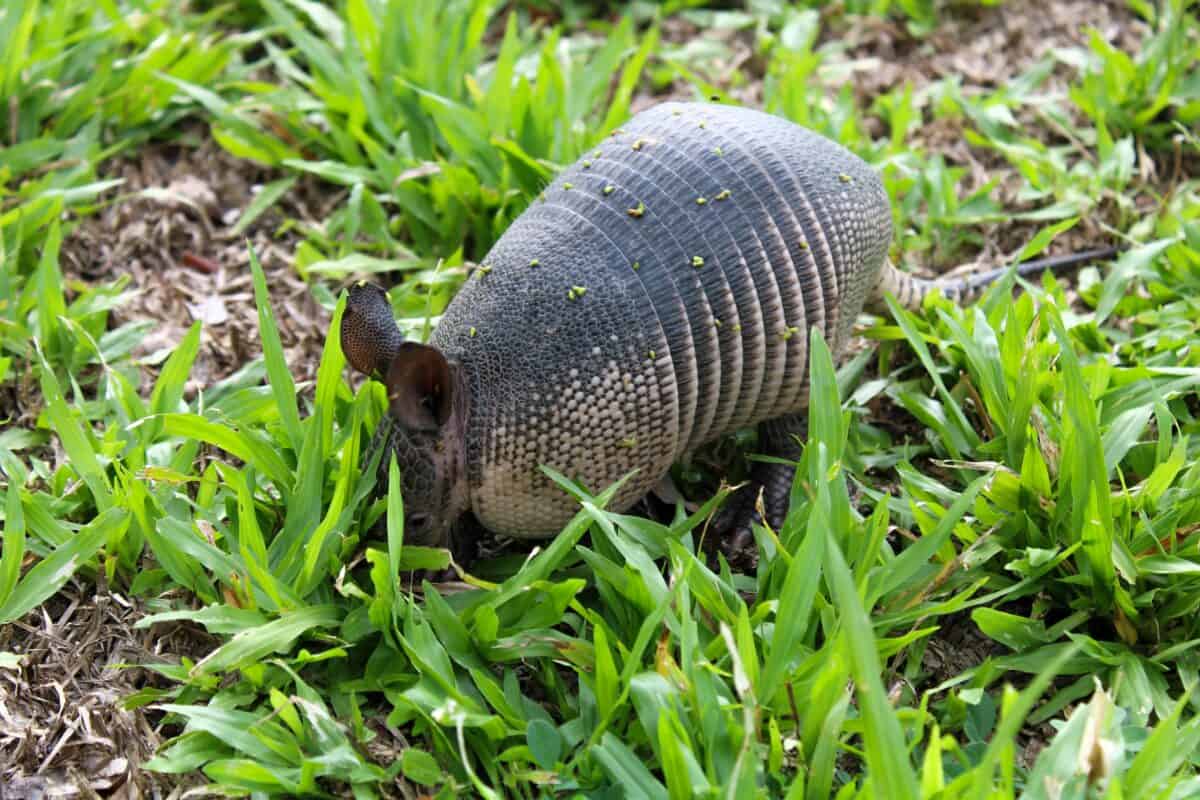
Illinois wildlife experts are asking residents to report any sightings—alive or dead—on the Wildlife Illinois website. These reports help biologists track the armadillo’s spread and better understand its impact on local ecosystems.
If you happen to see a live armadillo, the best thing to do is observe from a distance. There’s no need to panic; they’re shy creatures and will usually flee if they sense people nearby. However, if the animal appears injured, ill, or unusually aggressive (which is rare), contact your local animal control agency or the IDNR.
A Sign of the Times: Wildlife on the Move
This unexpected visitor in Morgan County may be a glimpse of what’s to come. As climate patterns shift and habitats change, animals like the armadillo are adjusting their ranges. Illinois residents may soon see more southern species taking up residence in their backyards—whether they’re ready or not.
From coyotes in cities to armadillos in cornfields, the line between “wild” and “local” is becoming harder to define. What used to be a southern oddity might soon be just another roadside sighting in the Midwest.

- Texas Ranchers Injured and Horses Killed in Aggressive Bee Attack - July 19, 2026
- Cougar Attack on Cyclists Shakes Washington Wilderness - July 19, 2026
- Snake Found in Arizona Toilet Shocks Homeowner - July 19, 2026