

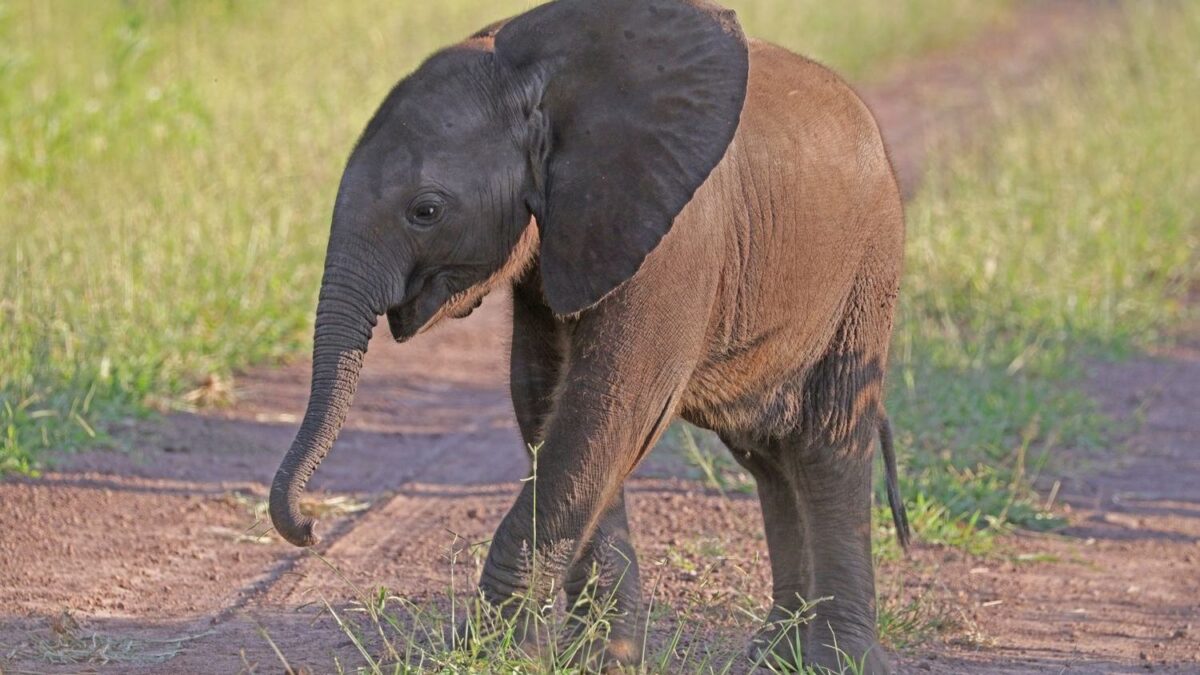
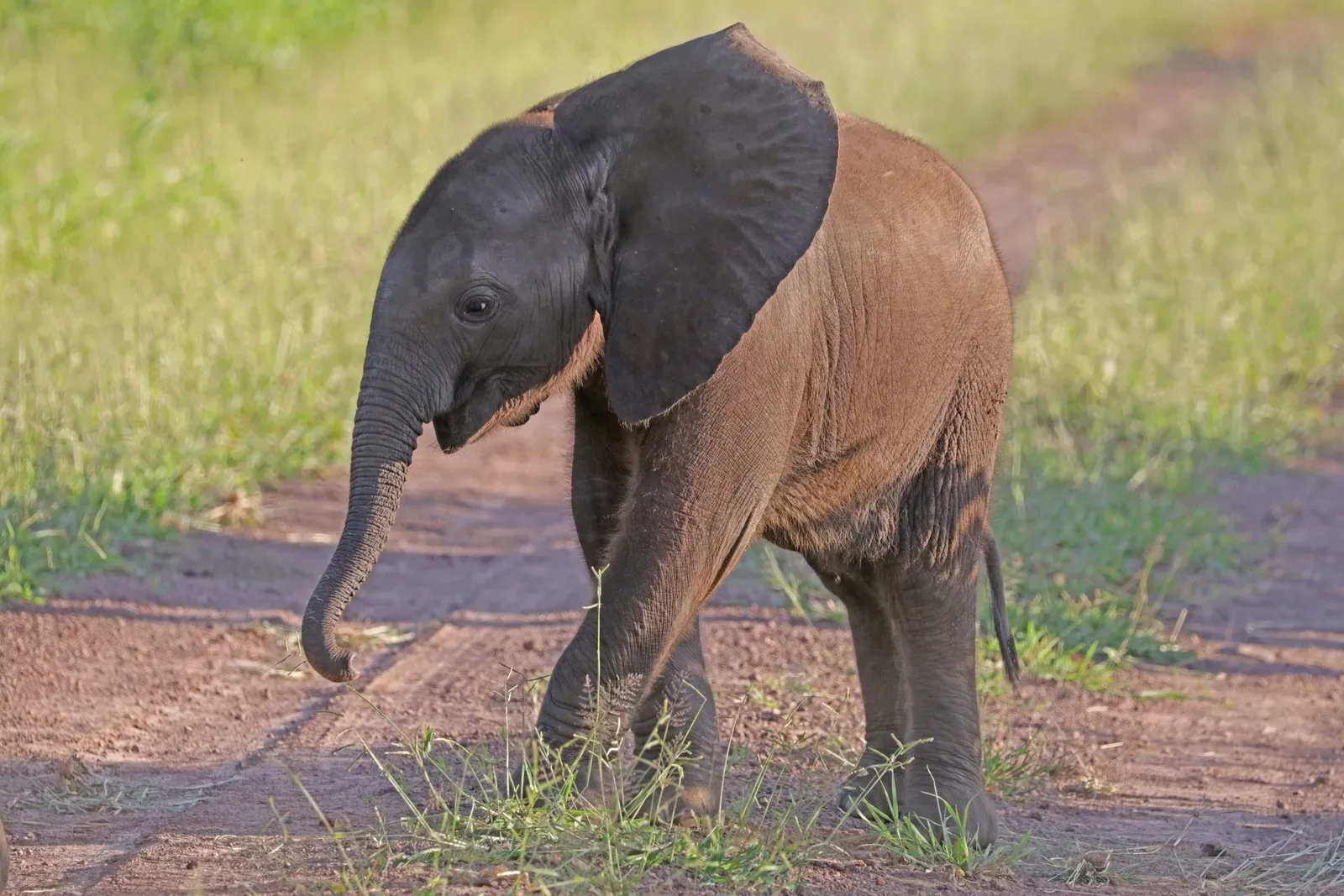
In the parched landscapes of drought-stricken Kenya, elephant herds push deeper into risky terrain, desperately hunting for the last drops of water. Yesterday’s heart-pounding operation by the Reteti team saved a tiny, week-old calf abandoned in a deep water hole after her family moved on. Survival odds looked grim against the relentless sun and isolation. This story captures the raw edge of wildlife endurance.
Local patrols spotted the crisis just in time, racing against dehydration and exhaustion. What unfolds next reveals the power of quick thinking and community resolve in the face of nature’s harsh tests.
Desperate Herds Risk All in Drought’s Grip
Prolonged dry spells force elephant families to scour cracked riverbeds and vanishing watering holes, often at great peril to the vulnerable young. Herds move fast to beat dehydration, sometimes leaving calves behind in the unforgiving terrain. This particular week-old infant tumbled into a deep water hole, her small body no match for the steep, slippery edges. Isolation amplified the danger, with her distress calls going unanswered across the barren expanse. Rescuers note these quests highlight how climate pressures upend natural behaviors. Experts link rising calf strandings to shrinking water sources over the past decade.
The Calf’s Harrowing Fight for Survival
Sinking deeper with every struggle, the calf faced a ticking clock of exhaustion and heat. White feet from prolonged submersion signaled hours of peril, her trunk raised weakly in vain pleas for help. Dehydration sapped her strength under the blazing sun, turning a simple slip into a life-threatening ordeal. Calves lack the power of adults against such traps, making them prime victims in arid zones. Without aid, fatalities mount quickly from injury or predators. This case underscores the brutal toll on the youngest amid water scarcity.
Reteti Team’s Swift and Precise Intervention
Alerted by community reports, the Reteti conservationists arrived equipped for battle against the elements. They assessed the site meticulously, using ropes, tools, and heavy gear to avoid added stress. Digging channels eased the pressure while providing shade and hydration sprays kept her stable. Veterinarians administered minimal sedatives, preserving her instincts. Volunteers and locals collaborated seamlessly, every move calculated for safety. Hours of tension yielded success as she emerged, wobbly but whole.
Innovative Methods Blend Tech and Tradition
Excavators loosened the grip while recorded calls from herders calmed her frayed nerves. Portable water kept her hydrated, drawing on lessons from past rescues. This mix of machinery and cultural know-how minimizes habitat harm. Success rates climb with refined protocols born from earlier mishaps. Drones later confirmed her herd nearby, guiding the finale. Such tactics prove vital in remote, fragile ecosystems.
Emotional Reunion Seals a Victory
Freed, the calf staggered toward her waiting family, trumpets of joy echoing as mother recognized her. Vets confirmed no major injuries, just fluids and watch for recovery. She rejoined seamlessly, grazing with siblings under matriarch protection. Strong bonds pulled the herd back, defying odds. Onlookers witnessed pure relief in that profound moment. Her steps marked resilience in action.
Final Thought
This rescue spotlights urgent needs for water points and monitoring amid worsening droughts. One calf’s survival echoes calls for habitat safeguards and community vigilance. What steps would you take to help? Share in the comments.
Source: Original YouTube Video

- Urban Coyotes Show Remarkable Adaptability, Learning to Thrive in City Environments - July 22, 2026
- Beavers Are Nature’s Engineers, Creating Vital Habitats for Other Wildlife Species - July 21, 2026
- The Recovery of the California Condor Offers Hope for Other Critically Endangered Birds - July 21, 2026