


The bald eagle, America’s national symbol, represents strength, freedom, and magnificent predatory skill. Yet behind their fierce appearance lies an equally impressive story of dedicated parenting. These majestic birds invest extraordinary effort in raising their young, employing sophisticated strategies refined over millions of years of evolution. Their parenting approach combines tenderness with tough training, creating the next generation of aerial hunters through a remarkable blend of protection and preparation.
Bald eagle parents (Haliaeetus leucocephalus) work as a synchronized team, sharing responsibilities from nest building to hunting lessons. Their commitment spans months of intensive care, creating a fascinating blueprint of avian parenting. While their methods might seem harsh by human standards, they’re perfectly calibrated to ensure their eaglets develop the essential skills needed for survival in the wild. This article explores the extraordinary journey from helpless chick to formidable predator, revealing the secrets behind how bald eagles raise some of nature’s most impressive hunters.
Selecting the Perfect Nesting Site

Bald eagle parenting begins with careful territory selection, typically near water bodies rich in fish. These discerning birds choose tall, sturdy trees with open canopies and strong branches, ideally providing panoramic views of their hunting territory. The perfect nest site must balance several crucial factors: proximity to food sources, protection from predators, and shelter from extreme weather. Eagles demonstrate remarkable environmental awareness, often selecting locations near abundant food sources but away from human disturbance.
What makes their selection process particularly impressive is their commitment to the chosen location. Bald eagles typically maintain strong nest site fidelity, returning to the same territory year after year if successful breeding occurred there previously. This strategic approach allows eagle pairs to invest in a single massive nest rather than building new ones annually. Their nest site selection represents the foundation of successful eagle parenting—a safe, strategically positioned home base from which to raise their young and teach them the skills of survival.
Building Nature’s Most Impressive Nurseries

Bald eagle nests, known as “eyries,” rank among the most impressive structures in the avian world. Both male and female eagles participate in the construction process, meticulously gathering sticks up to 2 inches in diameter and 3 feet in length. They begin by forming a solid foundation, then create a bowl-shaped interior that they line with softer materials including grass, moss, feathers, and even seaweed in coastal areas. The attention to detail is remarkable—eagles specifically arrange smaller sticks toward the center, creating a cushioned area for eggs and young eaglets.
What truly distinguishes eagle nests is their sheer size and longevity. A new nest typically measures about 5 feet in diameter and 2-4 feet deep, but since eagles add to their nests each season, these structures can grow to extraordinary dimensions. The largest documented bald eagle nest, recorded in St. Petersburg, Florida, measured 9.5 feet in diameter, 20 feet deep, and weighed over two tons after being used for approximately 30 years. These monumental structures represent not just a seasonal home but a multi-generational investment in successfully raising offspring year after year.
The Egg-Laying Process and Incubation Period
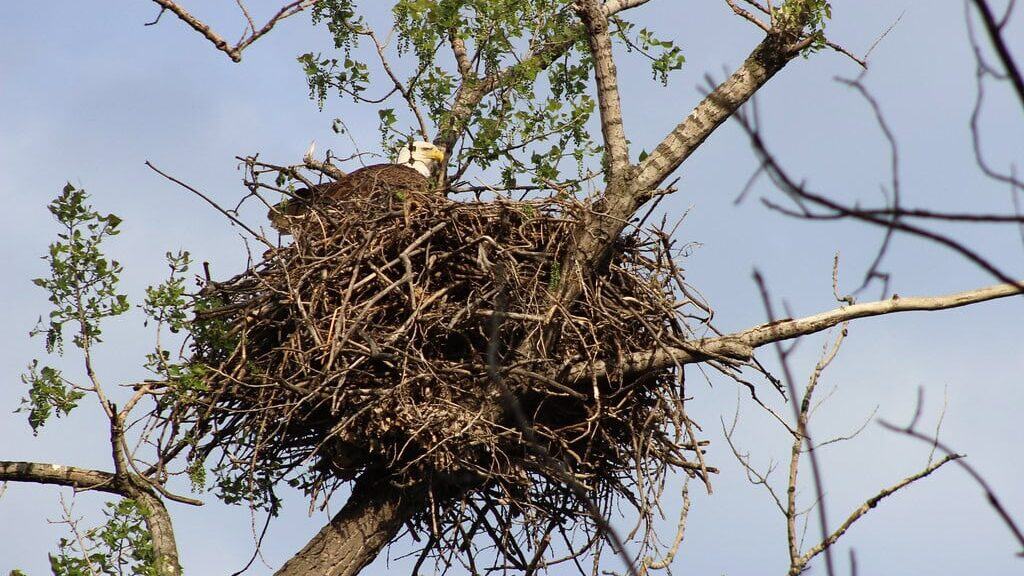
The continuation of the eagle lineage begins with egg-laying, typically occurring between January and April, with timing varying based on geographical location. Southern eagles generally nest earlier than their northern counterparts. A female bald eagle usually lays 1-3 eggs, with 2 being most common, depositing them at intervals of about 3-4 days. The eggs, slightly larger than a tennis ball with a creamy white appearance, represent a significant investment of the female’s energy resources. Each egg weighs approximately 4.5 ounces, or about 8% of the female’s body weight.
The incubation period showcases extraordinary parental dedication, lasting approximately 35 days regardless of weather conditions. Both parents share incubation duties, though females typically handle about 60-70% of this responsibility. During this critical period, the eggs must be maintained at a precise temperature of around 99°F (37°C), requiring parents to shelter them from both cold and excessive heat. The parents delicately roll the eggs several times daily using their beaks and feet to ensure even development of the embryo and prevent the developing chick from sticking to the shell’s membrane. This meticulous attention during incubation sets the stage for successful hatching and represents the first crucial phase of eagle parenting.
The Critical First Days After Hatching

When eaglets first emerge from their shells, they represent vulnerability in its purest form. Weighing only about 3 ounces (85 grams), newly hatched eaglets are covered in light gray down, possess limited mobility, and depend entirely on their parents for warmth and nourishment. The hatching sequence creates natural size disparities among siblings, as eggs hatch in the same order they were laid, typically 3-4 days apart. This critical period tests the parents’ ability to meet intense caregiving demands while maintaining their own strength. One parent, usually the female, remains at the nest nearly constantly during the first two weeks, protecting the fragile young from predators and harsh weather conditions.
The feeding regimen during this phase demonstrates remarkable parental attention. Parents tear food into tiny, manageable pieces and delicately feed their offspring, carefully monitoring each eaglet’s intake. They maintain almost constant physical contact with their young, providing essential thermoregulation through brooding—covering the chicks with their bodies and partially spread wings. This contact protection is crucial as eaglets cannot regulate their own body temperature until they’re approximately three weeks old. The parents’ vigilance during this period is unwavering, with one adult always present at the nest while the other hunts. This intensive early care establishes the foundation for the eaglets’ survival and subsequent development into powerful predators.
Sibling Dynamics: Nature’s Harsh Reality

Within the eagle nest, a natural hierarchy quickly emerges that demonstrates nature’s uncompromising approach to survival. When multiple eaglets hatch, the age difference of several days gives the firstborn significant advantages in size and strength. This advantage often leads to a phenomenon called “siblicide” or “Cain and Abel syndrome,” particularly during food scarcity. The older, stronger chick may aggressively outcompete its younger siblings for food, sometimes physically attacking them or pushing them aside during feedings. In extreme cases, especially during food shortages, this competition can lead to the death of younger siblings, either through direct aggression or starvation.
While this behavior may seem cruel from a human perspective, it represents an evolutionary adaptation ensuring that at least one offspring survives even in challenging conditions. Bald eagle parents generally do not intervene in these conflicts, allowing natural selection to operate within the nest. However, in years of abundant food resources, multiple eaglets often survive to fledging. Research indicates that in nests with sufficient food, parents adapt their hunting efforts and delivery rates to accommodate all young. This natural sibling dynamic, while harsh, serves as the eaglets’ first lesson in survival competitiveness—a critical trait for their future as apex predators who must aggressively pursue limited resources in the wild.
The Feeding Schedule: Building Strength and Size
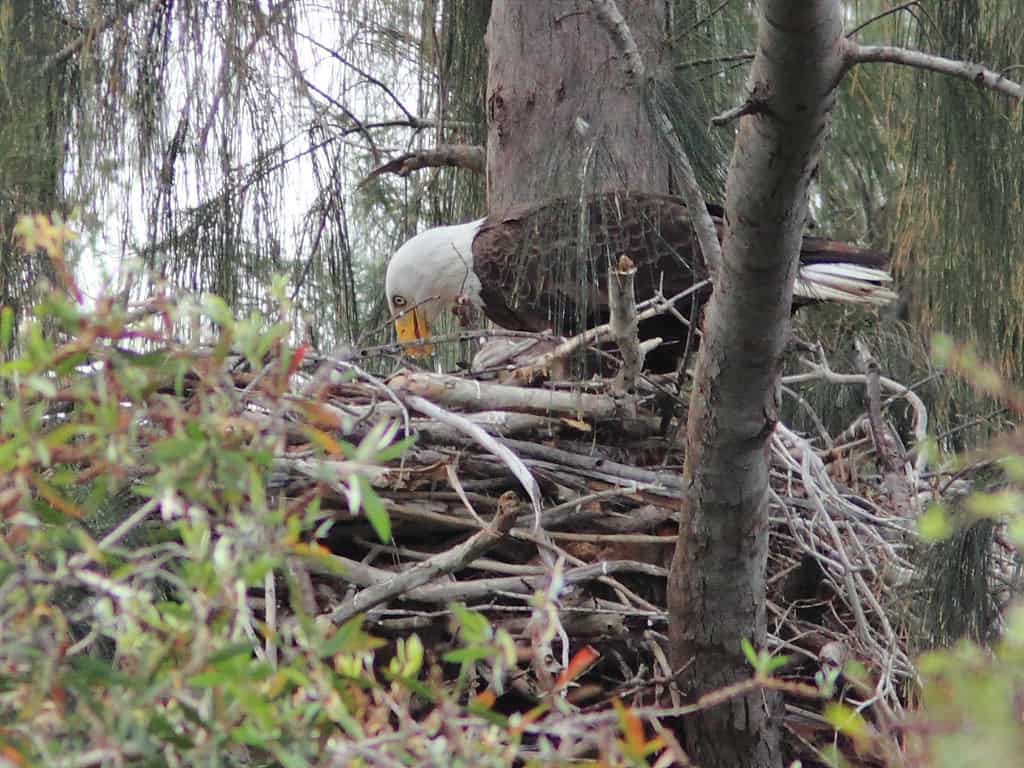
The nutritional demands of growing eaglets are extraordinary, requiring parents to develop an intensive feeding strategy that evolves as their young develop. During the first six weeks, eaglets experience their most rapid growth phase, often gaining more than 6 ounces (170 grams) daily. To fuel this growth, parents deliver food to the nest 4-5 times daily, focusing primarily on fish, which constitute 60-90% of the bald eagle’s diet. Parents carefully prepare each meal, removing scales and bones from fish and tearing meat into appropriately sized pieces for their young. As eaglets grow, parents gradually provide larger pieces, teaching them to tear food themselves—an essential skill for their future independence.
The parents’ hunting commitment during this period is remarkable, with the male typically providing most food while the female manages nest defense and direct feeding. A family with three eaglets may consume 3-4 pounds of food daily during peak growth periods. By six weeks of age, eaglets have reached approximately 70-80% of their adult size, though they’re still developing muscle mass and flight feathers. This intensive feeding regimen not only builds physical strength but also provides opportunities for eaglets to observe how their parents handle prey—the beginning of their hunting education. The consistent provision of high-protein food transforms helpless chicks into imposing young eagles weighing 9-10 pounds in just three months, a testament to the parents’ hunting prowess and nutritional management.
Teaching Flight: From Nest Exercises to First Soars

The transition from nest-bound chick to aerial predator follows a methodical progression orchestrated by eagle parents. Around six weeks of age, eaglets begin “wingercizing”—stretching, flapping, and jumping within the nest to strengthen flight muscles. Parents encourage this behavior by reducing direct feeding and positioning food slightly out of reach, forcing young eagles to stretch and hop to obtain meals. As eaglets approach 10-12 weeks, they begin “branching”—cautiously venturing onto branches adjacent to the nest. During this phase, parents perform dramatic flight demonstrations nearby, seemingly modeling proper technique while vocally encouraging their offspring.
The momentous first flight, typically occurring when eaglets are approximately 10-14 weeks old, represents both triumph and vulnerability. Rather than pushing their young from the nest (a common misconception), eagle parents create incentives for flight through strategic food placement and demonstration. After fledging, young eagles remain within the territory for 4-10 weeks, making increasingly longer flights while still depending on parents for food. During this critical learning period, parents demonstrate hunting techniques through observable flights over water, dramatic dives, and prey captures within sight of their offspring. Failed hunting attempts by juveniles are often supplemented by parental food provision, creating a gradual transition to independence rather than an abrupt separation. This methodical flight education combines innate eagle instincts with crucial parental guidance, ultimately producing skilled aerial hunters.
Hunting Lessons: Mastering the Art of the Kill
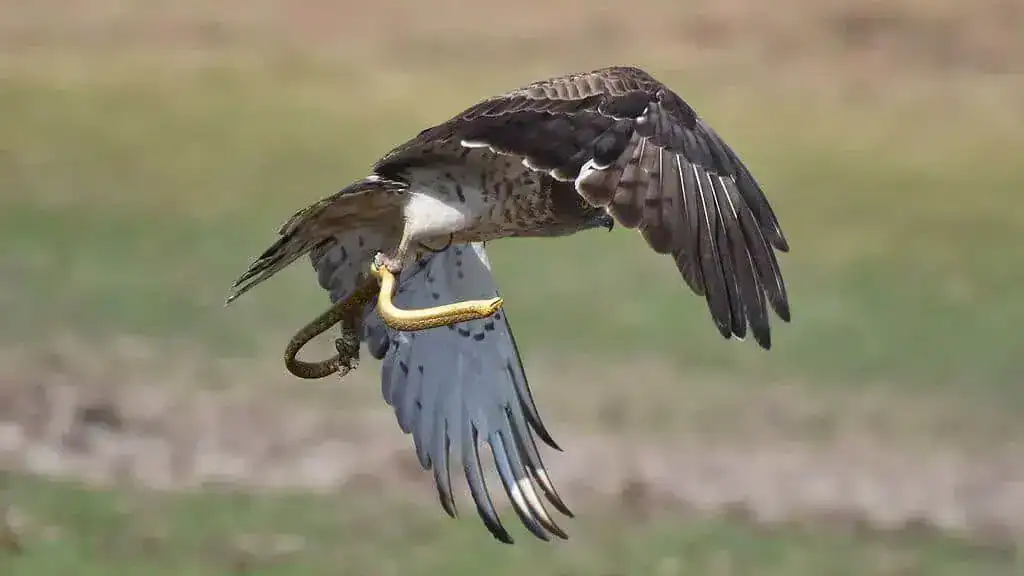
The transformation of an eaglet into a proficient hunter involves sophisticated parental teaching techniques that gradually transfer predatory skills. Around 3-4 months of age, juvenile eagles begin observing their parents’ hunting methods with increasing attention. Parents initially demonstrate basic hunting techniques by making calculated kills within viewing distance of their offspring. These demonstrations showcase the eagle’s primary hunting strategy: soaring reconnaissance, target selection, precise diving, and powerful talon strikes. As juveniles develop more flight confidence, parents employ a more direct teaching method—dropping partially alive prey for the young eagles to pursue and finish killing, essentially creating controlled hunting scenarios.
As training advances, parents reduce food provisioning, creating natural hunger motivation that drives young eagles to hunt independently. Research indicates that juvenile eagles watch parental hunts from perches before attempting to replicate the techniques, often initially targeting easier prey like injured fish or slow-moving waterfowl. The full development of hunting proficiency takes approximately 4-6 months of practice, with success rates gradually improving through trial and error. Throughout this learning period, parents continue providing supplemental food when juvenile hunting attempts fail, creating a safety net that prevents starvation while encouraging skill development. This graduated approach to hunting education, combining demonstration, practice opportunities, and backup support, exemplifies how eagle parents balance nurturing with the necessary pushing that transforms their offspring into self-sufficient predators.
Developing Predatory Instincts and Skills

Beyond the mechanical aspects of hunting, bald eagle parents facilitate the development of their offspring’s predatory psychology—the mental attributes that distinguish successful hunters. Young eagles must develop patience, stealth, timing precision, and decisive action. Parents model these qualities through their own hunting behavior, demonstrating the careful observation and sudden explosive action characteristic of ambush predators. Juvenile eagles learn to identify vulnerable prey by watching their parents target injured fish that swim erratically near the water’s surface or waterfowl that display weakness. This observational learning helps young eagles develop the visual acuity to detect subtle movement patterns that signal prey vulnerability.
The psychological development also includes learning territorial behavior and competitive strategies. Parents demonstrate how to defend hunting grounds through dramatic aerial displays and vocalizations directed at intruding eagles or other predators. They also model scavenging behavior—an important supplemental feeding strategy—showing juveniles how to appropriate food from other predators when opportunities arise. Interestingly, research suggests that eagle parents occasionally create artificial competitive scenarios by calling their young to already-captured prey, forcing siblings to compete for food portions. This manufactured competition develops the assertiveness needed in the wild, where eagles must often defend kills from other scavengers. Through this comprehensive psychological training, eagle parents cultivate not just the physical abilities but also the predatory mindset necessary for their offspring’s survival in the competitive natural world.
The Final Push Toward Independence

The culmination of eagle parenting involves a calculated transition from nurturing to purposeful distancing. When juvenile eagles reach approximately 17-23 weeks of age, parents begin systematic behavior changes that encourage independence. Food deliveries become increasingly irregular and eventually cease entirely. Parents start actively defending their hunting territories even from their own offspring, forcing young eagles to explore new areas. This apparent rejection, while seemingly harsh, represents a crucial final parenting phase that compels juveniles to fully implement their learned skills and establish their own hunting ranges.
The timing of this separation phase is carefully calibrated to coincide with the development of the juveniles’ full flight capabilities and basic hunting proficiency. It typically occurs during periods of seasonal abundance, giving inexperienced hunters the best chance of finding food independently. Young eagles often join loose social groups of other immature eagles after separation from parents, creating temporary communities where they continue developing skills through observation of peers. Research tracking juvenile eagles shows they typically travel 40-100 miles from their natal territory after parental separation, eventually establishing their own territories when they reach breeding age at 4-5 years. This final parenting phase completes the transformation from dependent offspring to independent predator, releasing fully equipped young eagles into the world while allowing parents to prepare for their next breeding cycle.
Conservation Implications of Eagle Parenting

Understanding the intricacies of bald eagle parenting has proven crucial for successful conservation efforts. The bald eagle’s recovery from near-extinction in the contiguous United States represents one of wildlife conservation’s greatest success stories, with populations rebounding from just 417 breeding pairs in 1963 to over 9,700 today. This recovery was achieved partly through protection of nesting territories, with conservation policies establishing buffer zones around active nests. These protections were directly informed by research on eagle parenting behavior, particularly findings about eagles’ sensitivity to disturbance during critical nesting phases and their need for specific habitat features to successfully raise young.
Eagle parenting knowledge continues guiding modern conservation approaches. Wildlife managers now time human activities near eagle territories to avoid critical breeding periods. Rehabilitation programs for injured eagles incorporate understanding of parental hunting education, using techniques that mimic natural teaching methods before releasing rehabilitated birds. Conservation breeding programs have successfully employed knowledge of eagle courtship and nest-building behaviors to establish new breeding pairs in previously depleted areas. Additionally, citizen science projects monitoring eagle nests provide valuable data on parenting success rates across different habitats, helping identify emerging threats. This integration of parenting behavior knowledge with conservation practice demonstrates how scientific understanding of natural history directly contributes to species recovery and protection.
The extraordinary parenting strategy of bald eagles offers profound insights into successful nurturing across species boundaries. Their approach beautifully balances protection with preparation, demonstrating how effective parenting gradually transitions from total care to guided independence. The eagles’ investment in creating secure foundations—through nest-building and territory selection—reminds us of the importance of establishing safe environments for development. Their progressive teaching methods, which systematically build skills through demonstration, practice opportunities, and increasingly challenging scenarios, mirror effective human educational approaches that balance support with appropriate challenges.
Perhaps most significant is the eagles’ commitment to ultimately stepping back, allowing their offspring to implement learned skills independently. This willingness to complete the parenting cycle through separation demonstrates nature’s ultimate parenting wisdom—that success means making oneself eventually unnecessary. The eagle’s parenting journey, from intensive early care to calculated withdrawal, offers a compelling blueprint for effective nurturing across species: provide protection and resources early, teach skills methodically, create opportunities for practice, and finally, have the wisdom to step aside. In their role as parents, these magnificent predators demonstrate that raising the next generation is about preparing offspring not just to survive but to thrive independently—a universal principle of successful parenting throughout the natural world.

- What Happens When a Python Eats Something Too Big? - July 19, 2026
- Baby Koalas Hug Their Moms for Safety and Comfort - July 19, 2026
- 13 Most Graceful Animals Roaming North America - July 19, 2026