

In the vibrant tapestry of our natural world, bees and butterflies occupy crucial roles as pollinators. Their activities are pivotal for the reproduction of flowering plants and, by extension, the growth of fruits and vegetables that form a significant part of the human diet. Yet, these vital creatures are under threat, with their populations experiencing a concerning decline. This article explores the importance of bees and butterflies, the factors contributing to their dwindling numbers, and ways we can help reverse this alarming trend.
The Critical Role of Pollinators in Ecosystems

Pollinators like bees and butterflies are essential for the health of ecosystems. They assist in the growth of plants by transferring pollen, which leads to successful plant reproduction. This process not only ensures the production of seeds and fruits but also supports the food web by providing sustenance for various other species, including humans.
How Bees and Butterflies Contribute to Agriculture

A staggering one-third of the food we consume relies directly on the process of pollination. Crops such as apples, almonds, and blueberries depend heavily on the services of bees, while butterflies also contribute to the pollination of numerous plants. This interaction enhances crop yields, quality, and even contributes to plant genetic diversity.
Understanding the Decline: Habitat Loss
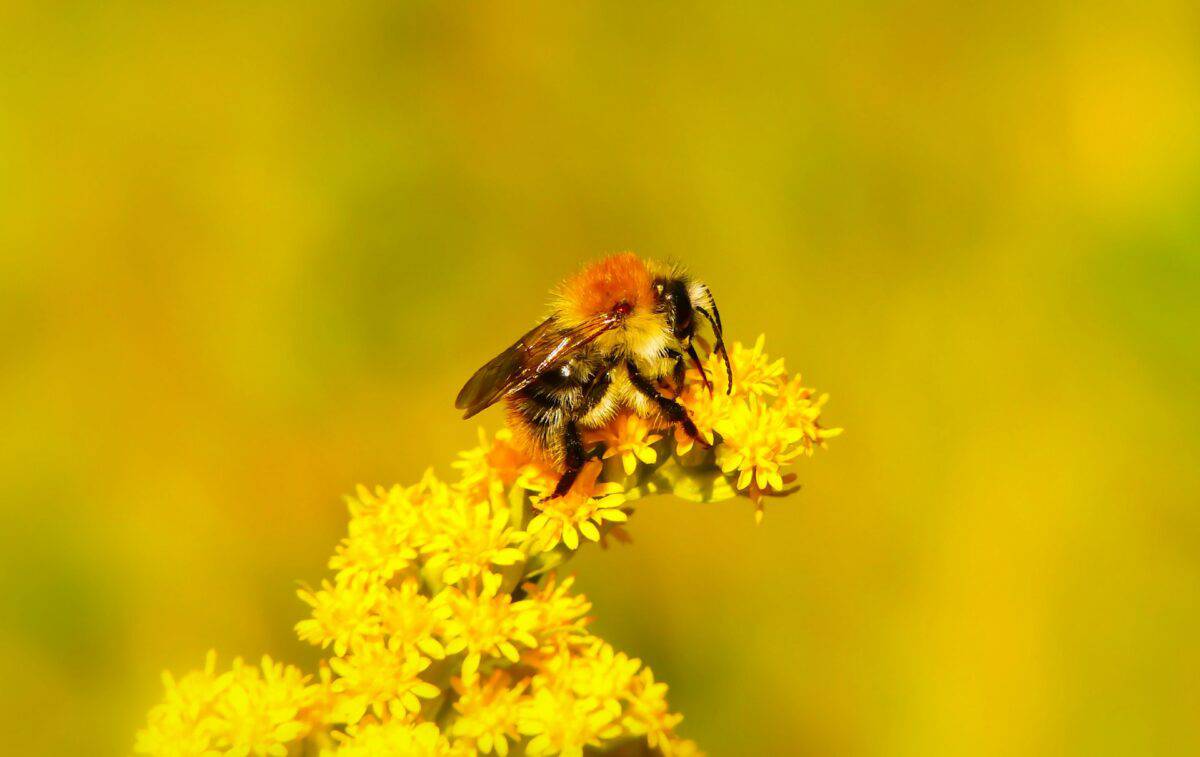
One of the most significant challenges pollinators face is habitat loss. Urbanization, intensive agriculture, and deforestation have led to the destruction of natural habitats that bees and butterflies rely on for food and nesting. Lack of wildflowers and safe nesting sites means fewer resources for these pollinators to thrive.
The Impact of Pesticides on Pollinator Health

The widespread use of pesticides, particularly neonicotinoids, poses a substantial threat to pollinator populations. These chemicals can impair the ability of bees to navigate and reproduce while also proving toxic to butterflies. The alarming presence of these substances in non-target habitats amplifies the threat to pollinator survival.
Climate Change: An Ever-Growing Threat

Climate change has a profound impact on pollinator populations. Changes in temperature and weather patterns can disrupt the timing of flowering in plants, which affects pollinator food sources. Moreover, climate change can expand the range of diseases and predators that further threaten pollinators.
Diseases and Parasites: Invisible Adversaries

Diseases, such as those caused by the Varroa mite in bees, represent another significant threat to pollinator health. These microscopic parasites debilitates colonies, often leading to their collapse if unmanaged. Similarly, butterflies can fall victim to pathogens that weaken entire populations.
The Importance of Biodiversity and Pollinator Health

Biodiversity is crucial for robust ecosystems and affects pollinator health directly. Diverse plant species provide varied nutrition sources and habitats for pollinators. This, in turn, ensures a resilient ecosystem capable of withstanding environmental changes.
Initiatives to Support Pollinator Populations
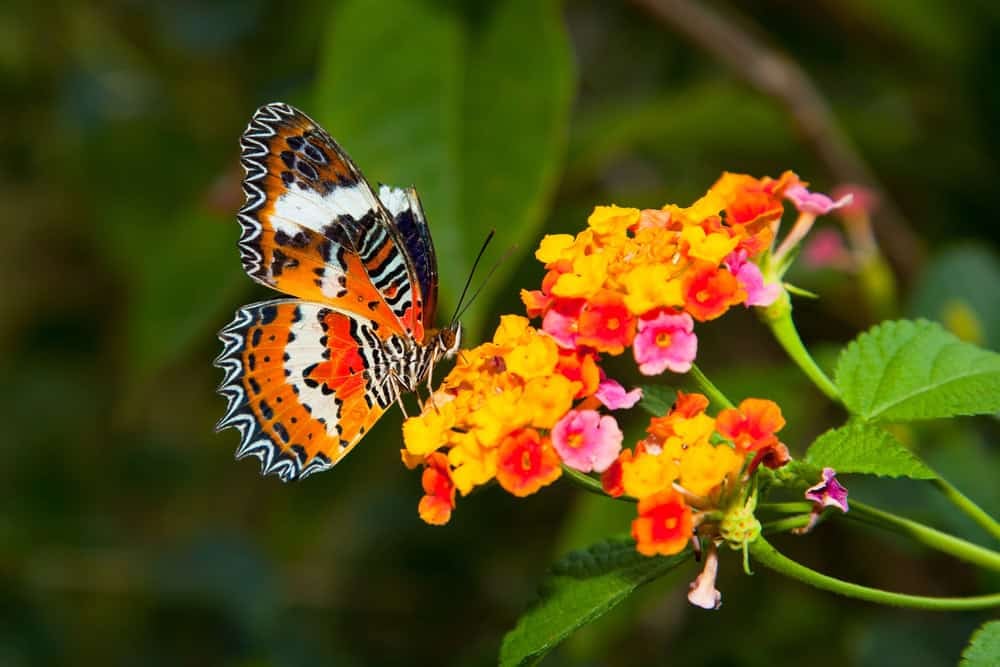
Efforts to support pollinators are underway worldwide. These include creating pollinator-friendly habitats, reducing pesticide usage, and supporting sustainable agricultural practices that incorporate wildflower margins and hedgerows. Such initiatives aim to provide safe havens and sufficient resources for pollinators.
Actions Individuals Can Take to Help

Individuals can play a critical role in aiding pollinators by planting native wildflowers and herbs, creating ‘bee hotels,’ reducing pesticide use in gardens, and spreading awareness about the importance of pollinators. Every small action contributes to the larger goal of stabilizing and increasing pollinator populations.
Educating the Next Generation

Education is key to ensuring the sustainability of pollinator-friendly practices. Schools and communities can integrate pollinator health into their curricula, fostering early awareness and a lifelong commitment to environmental stewardship among the younger generations.
The Future of Pollinators: A Shared Responsibility

The decline in bees and butterfly populations signals a pressing environmental challenge that requires a collective response. Agriculture, government policies, community actions, and individual efforts must harmonize to protect and preserve these crucial pollinators. The future of our ecosystems and food supply rests on the success of such collaborations.
Conclusion: A Call to Action for Pollinator Preservation
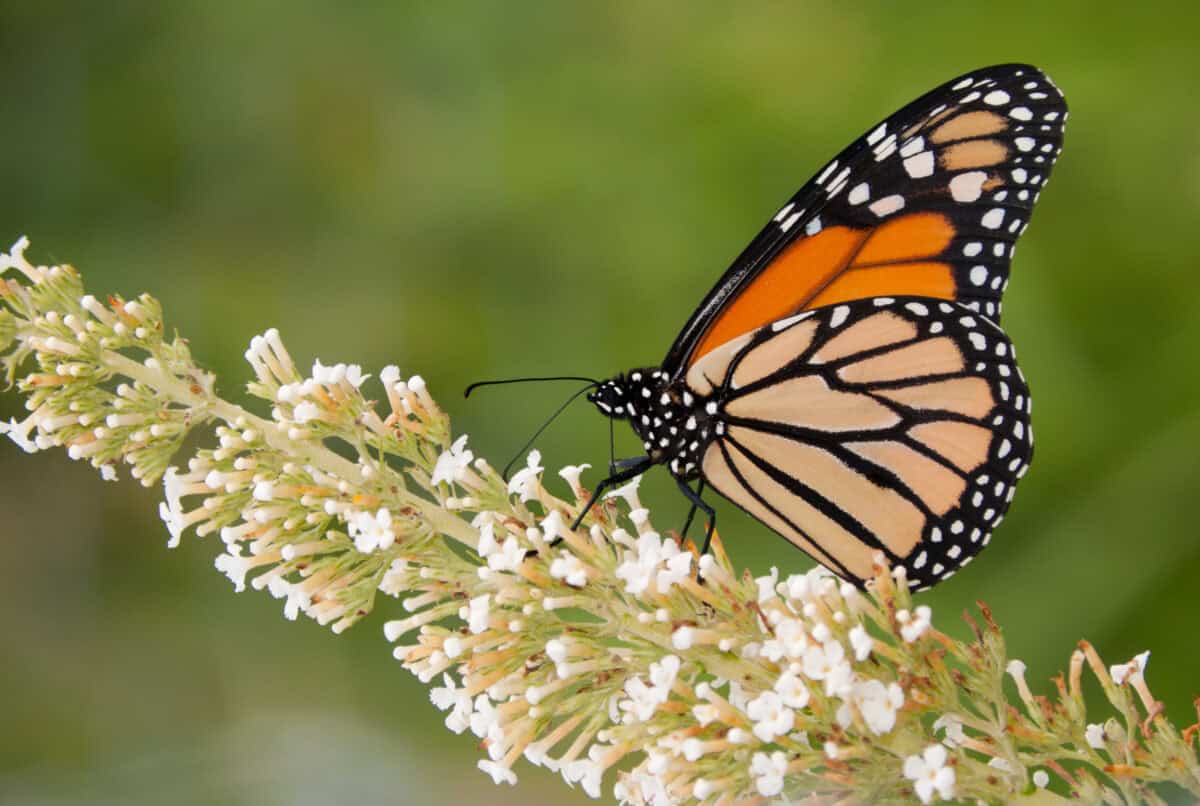
The plight of bees and butterflies is not just an ecological issue; it’s a call to action for humanity to reconnect with nature and take tangible steps towards sustainable coexistence. By understanding their importance and the challenges they face, we can work together to halt their decline, ensuring that future generations inherit a world abundant with the life-supporting beauty of bees and butterflies.

- 10 Animals That Cheat Death in the Most Unexpected Ways - July 19, 2026
- The Shrimp That Punches Like a Bullet - July 19, 2026
- This Tiny Mammal Can Slow Its Heartbeat to One Beat Per Minute - July 19, 2026