
You’ve probably seen it happen. A cat ignores a whole room full of people, then climbs into one lap like it signed a contract. Everyone else is left wondering what they did wrong. The truth is they didn’t do anything wrong, and the choice was never a coin flip.
Before a cat settles on one person, it usually runs a trial period, and nearly everyone who earns a bit of trust gets the same warm-up signals. So if your cat has been slow-blinking at your cousin or head-bonking the neighbor, there’s no need to panic. The real question is which signal separates a friendly acquaintance from the chosen one. One of them has been measured in a lab, and it isn’t the one most people guess.
#14 – The Upright Tail Greeting
🔥 Would you like to save this?
We'll email this post to you, so you can come back to it later!
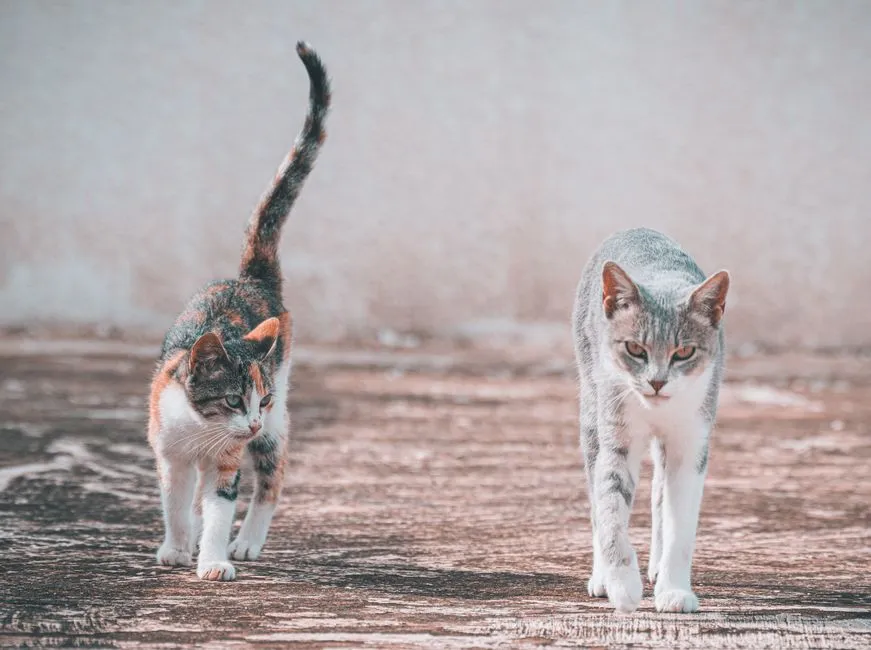
A tail held straight up is one of the clearest “I’m friendly” signals a cat has.
Researchers who study cat social behavior describe the raised tail as a friendly approach signal. Cats use it with each other, and kittens use it when they approach their mothers. Many cats carry the habit over to people they feel safe around.
It’s easy to miss, because most of us are busy watching the face. A cat can stroll across the room with its tail up like a little flagpole, and the person it’s greeting never notices.
Cats often show this signal to almost anyone they find non-threatening, not just their eventual favorite. That’s why a visitor can get a tail-up greeting on Saturday and be ignored on Sunday. The greeting says “you’re fine,” not “you’re mine.”
- Tail up and relaxed, sometimes with a slight curl at the tip: friendly approach
- Tail tucked or low and stiff: unsure or stressed
But that’s nothing compared to the next signal, one that researchers have actually tested in a lab setting…
#13 – The Slow Blink
🔥 Would you like to save this?
We'll email this post to you, so you can come back to it later!
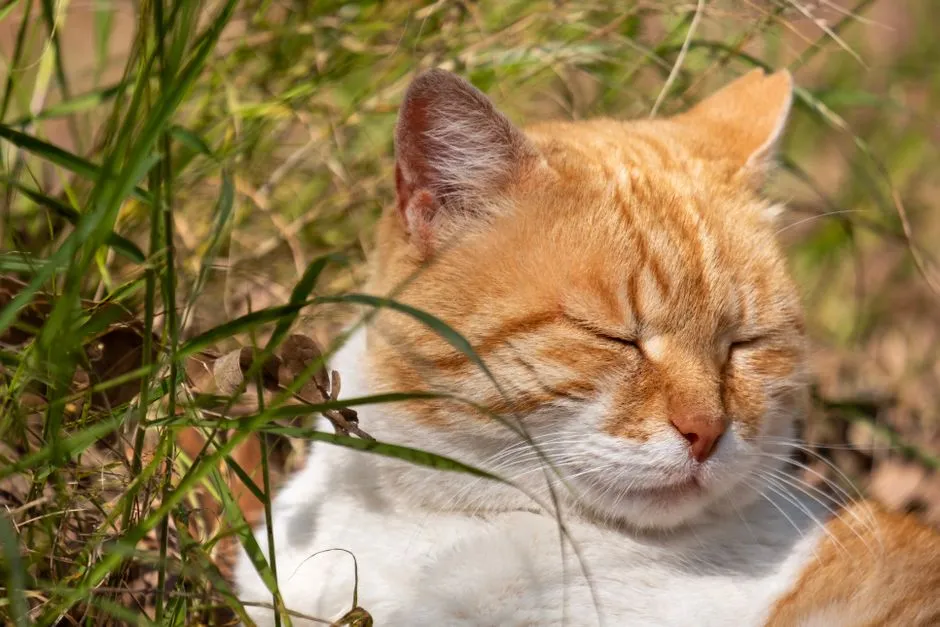
Cats really do use a slow blink as a friendly signal, and it works on strangers too.
A 2020 study from the University of Sussex tested this. A slow blink sequence typically involves a series of half-blinks followed by either a prolonged eye narrow or a full eye closure. The internet calls it a “cat kiss,” and for once the nickname isn’t far off.
In the first experiment, cats were more likely to slow blink at their owners after their owners slow blinked at them. That part is sweet but not shocking.
The second experiment is the surprising one. A researcher the cats didn’t know interacted with 24 cats from eight households. After a slow blink, the cats were more likely to blink back and to approach an outstretched hand than when the researcher used a neutral face.
So the slow blink isn’t reserved for “their” person. Your cat may blink slowly at anyone who sends the right signal first.
Still, the next behavior is the one most people mistake for a clumsy accident…
#12 – Head-Bunting and Cheek Rubbing
🔥 Would you like to save this?
We'll email this post to you, so you can come back to it later!
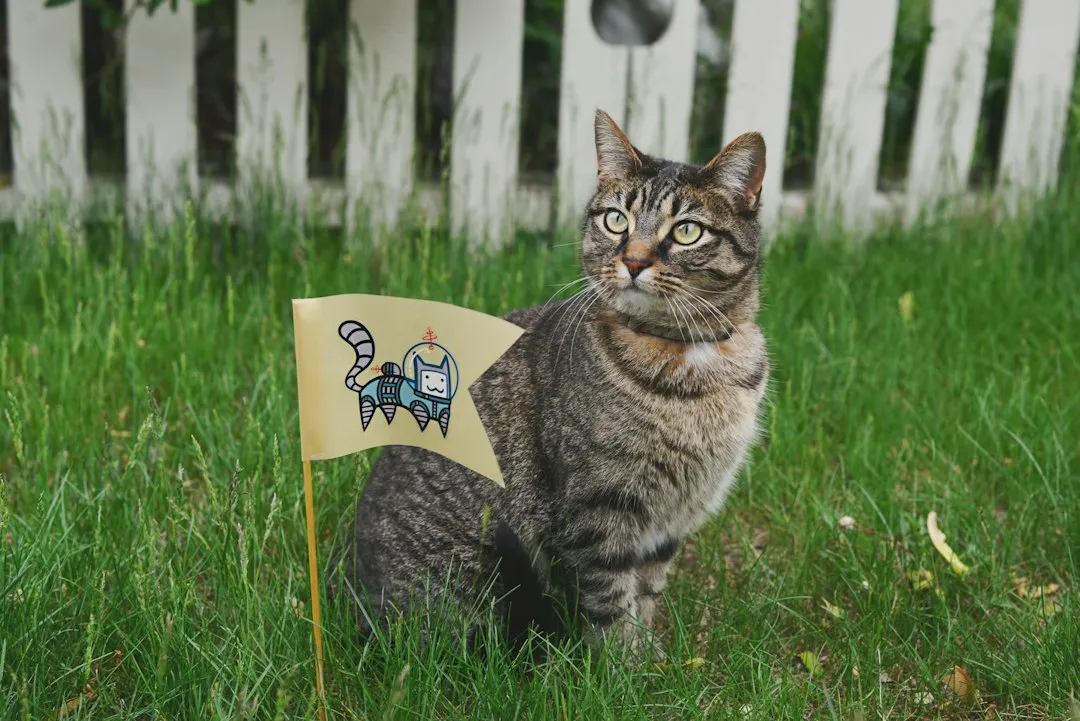
That head bonk isn’t clumsy. It’s a scent signature.
Cats have scent glands around the cheeks, chin, and forehead. Rubbing against furniture, other cats, and people is thought to spread that scent. Behaviorists call the head-first version “bunting.”
Many read it as a way of marking something as familiar and safe. It isn’t just “hello.” It’s closer to “you’re part of my neighborhood.”
Cats can rub against several different people in one day. Rubbing shows comfort, not exclusive loyalty.
Here’s the part many people get wrong. A cat that rubs everyone isn’t being fickle. It’s mapping its territory, and people are part of the map.
- Cheek rub on your hand: scent-sharing, usually relaxed
- Full-body rub along your legs: greeting and familiarity
Worth Knowing
- The scent comes from glands on the cheeks, chin, and forehead
- You can’t smell it, but other cats can
- Rubbing the same spot again and again refreshes the scent
- A cat rubbing on a stranger is sharing information, not picking a favorite
The next signal is one you’ve probably heard all day, and it may not mean what you think…
#11 – Meowing at People
🔥 Would you like to save this?
We'll email this post to you, so you can come back to it later!
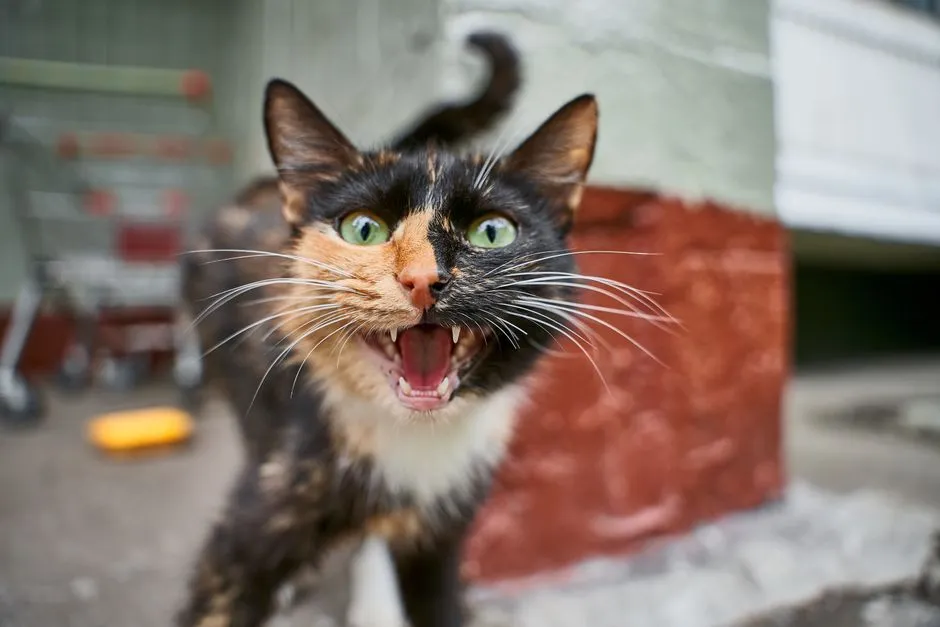
Cats meow at humans far more than they meow at each other.
Behaviorists often point out that adult cats mostly save meowing for people. Among cats, communication leans on scent, posture, and touch. The meow is mainly something kittens use with their mothers, and many cats keep it for us.
That means a meow is usually a message aimed at you. It might mean “feed me,” “open the door,” or “notice me.”
Most people assume a talkative cat is a needy cat. Often it’s the opposite. A cat that bothers to talk to you has already decided you’re worth talking to.
A cat that chats with everyone in the house is still gathering information. The person who answers consistently, and in a way the cat finds rewarding, tends to become the one it talks to most.
Next comes a behavior that sounds sweet but has a very practical motive…
#10 – Following You From Room to Room
🔥 Would you like to save this?
We'll email this post to you, so you can come back to it later!
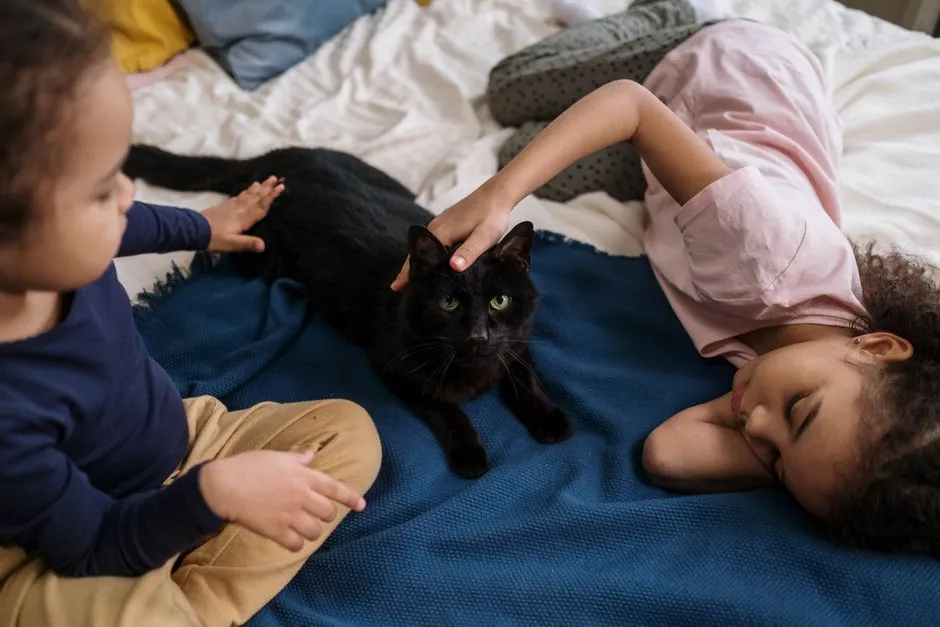
Your shadow isn’t always affectionate. Sometimes it’s just checking the schedule.
Cats follow people for several reasons. Food, curiosity, and routine all play a part, and so does simple company. Yes, that includes the trips to the bathroom.
Here’s where it gets interesting. A 2017 Oregon State University study offered cats a choice of food, toys, scents, and human interaction. Most of the cats chose human interaction.
That challenges the old idea that cats are only in it for the food. Cats tend to follow whoever’s presence is rewarding.
Many experts would call the following a vote, not a verdict. The cat may trail three people in a day and only settle on one.
But the next behavior goes back to the very first weeks of a cat’s life…
#9 – Kneading
🔥 Would you like to save this?
We'll email this post to you, so you can come back to it later!
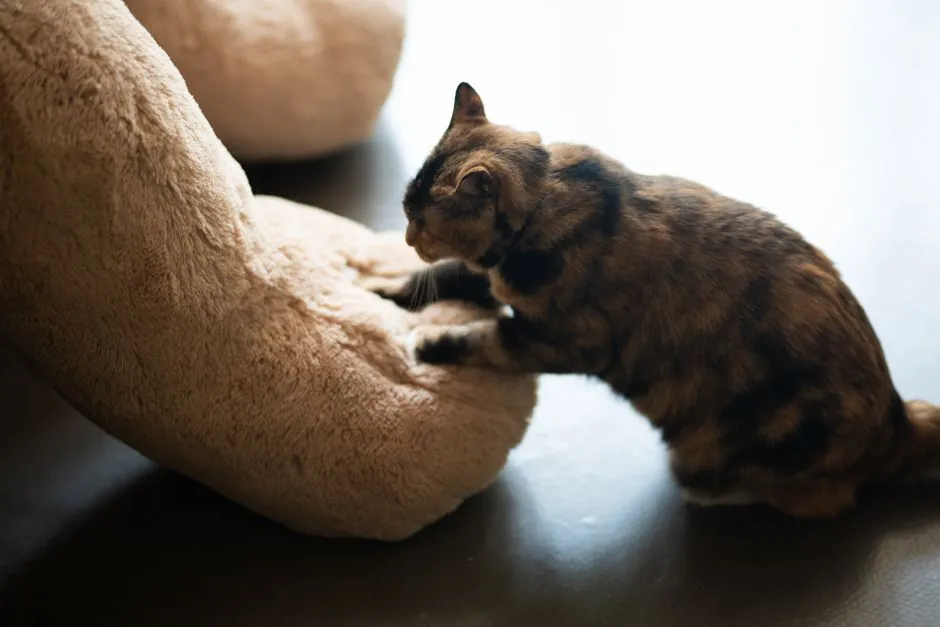
Kneading starts in kittenhood, and adult cats never fully drop it.
Kittens press their paws against their mother while nursing, which helps the milk flow. Many cats keep the habit into adulthood, usually when they’re relaxed and comfortable. People call it “making biscuits.”
It’s often linked to comfort. It can also be tied to scent, since cats have scent glands in their paws. That second point is still more theory than settled fact.
A cat doesn’t need to be bonded to one person to knead. It can knead a blanket, a cushion, or a stranger’s lap if it feels safe enough.
- Slow, rhythmic kneading: usually a relaxed state
- Sudden claws-out kneading: your cat may need a thick blanket between you and it
Fast Facts
- Origin: kittens knead to stimulate their mother’s milk flow
- Common trigger: feeling warm, soft, and safe
- Possible bonus: paw glands may leave a scent (still a theory)
- Not exclusive: cats knead blankets and visitors, too
The next signal is the sound most people link with love, though it isn’t always that simple…
#8 – Purring Around You
🔥 Would you like to save this?
We'll email this post to you, so you can come back to it later!
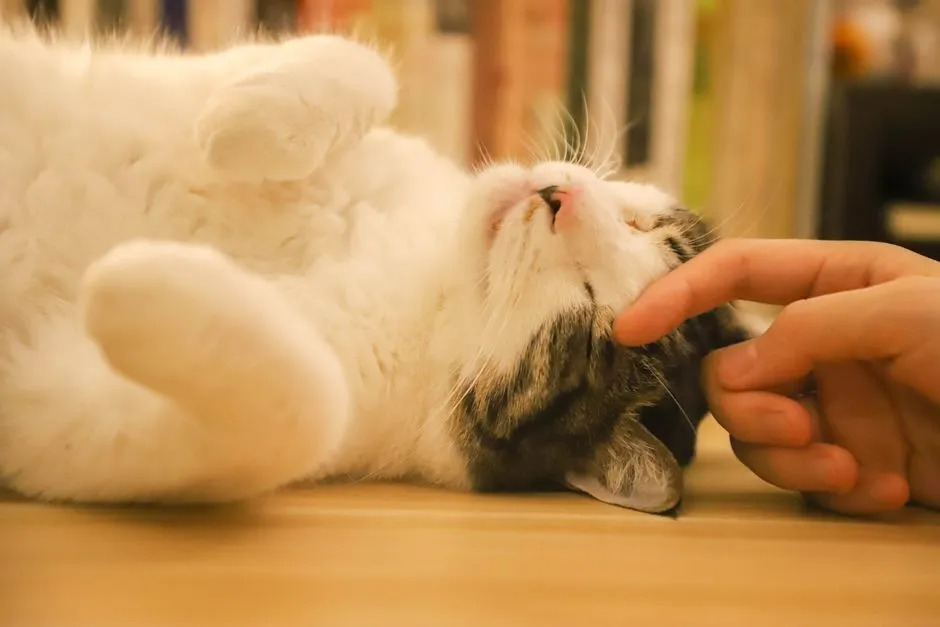
Purring is not always a sign of happiness.
Cats purr when they’re content. They also purr in some stressful or painful situations, which is why vets watch the rest of the body language instead of trusting the sound alone.
Look at the whole picture. Soft eyes, a loose body, and relaxed ears point toward real comfort. A purr with a tense body and wide eyes tells a very different story.
Most people don’t realize a purr can be a self-soothing sound as well as a social one. That’s why context matters more than the noise itself.
A cat that purrs near several people is simply showing a relaxed state. What it does next is more revealing…
#7 – Sitting Near You, Not On You
🔥 Would you like to save this?
We'll email this post to you, so you can come back to it later!
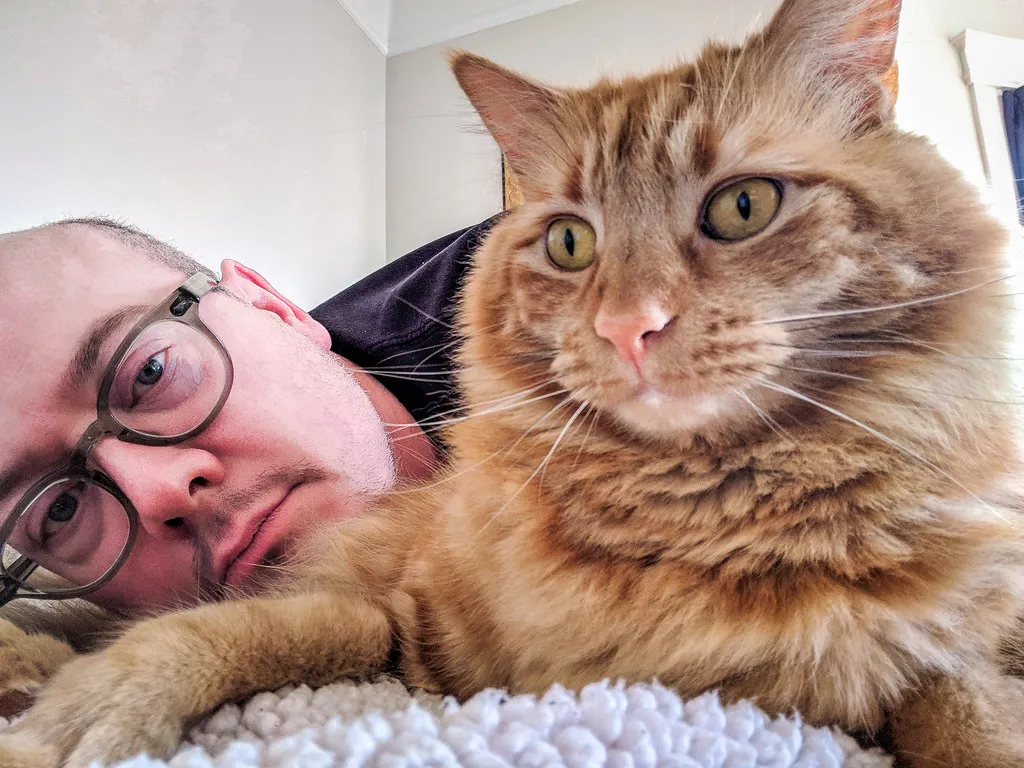
A cat that picks the spot beside you is making a careful choice.
Many cats start with distance. They’ll settle within sight and within reach, but not in your lap.
That’s a trust test. The cat can leave instantly if something changes, and it still gets to enjoy your company.
Some people take this as a rejection. It’s usually the opposite. The cat chose your room, your couch, and your orbit.
Here’s a hot take. Cats tend to engage more when they get to decide how close to come, so the pushiest person in the room often loses the favorite spot. Lap time works best when the cat starts it.
- Near but not touching: early trust
- Touching contact: growing comfort
- Lap sitting: usually later, and not every cat does it
But the next one involves a very specific kind of contact: the nose…
#6 – The Nose-to-Hand Sniff
🔥 Would you like to save this?
We'll email this post to you, so you can come back to it later!
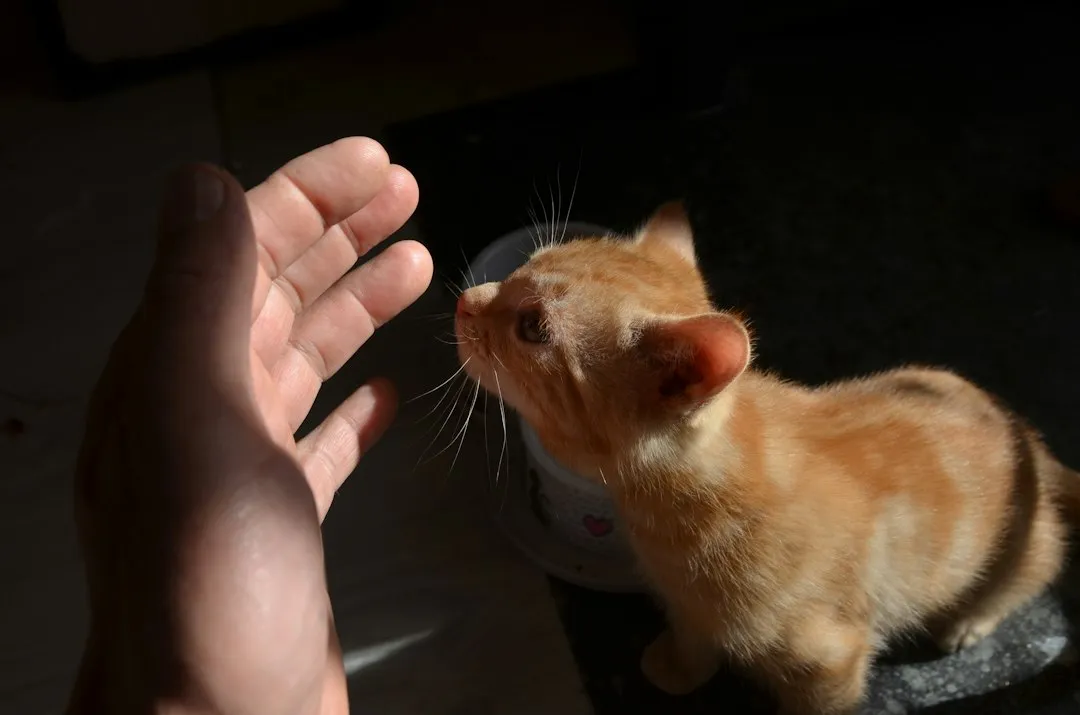
Before a cat ever rubs against you, it often wants to smell you.
Cats are scent-driven animals. A quick sniff of an outstretched finger works like a greeting, much like the nose-to-nose touch cats trade with each other.
It’s information gathering. Your food, your other pets, and your day are all in that scent.
A sniff doesn’t mean acceptance yet. It means the cat is collecting data before deciding what to do next.
Most cats prefer this kind of low-pressure introduction to a pat on the head from above.
The next behavior is one that makes many people squirm…
#5 – Bringing “Gifts”
🔥 Would you like to save this?
We'll email this post to you, so you can come back to it later!
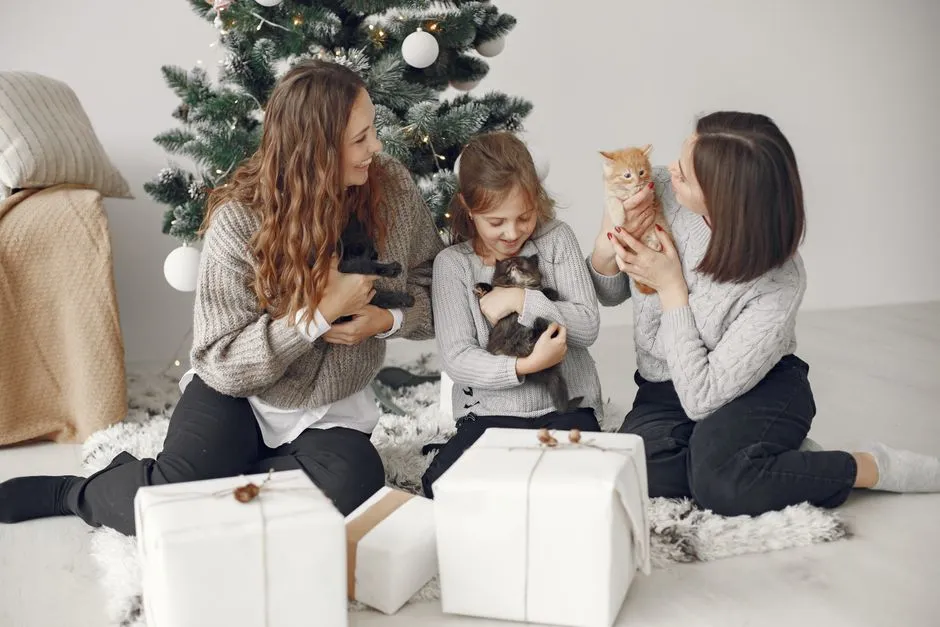
That dead mouse on your doorstep may not be a present at all.
Cats are natural hunters, and this behavior shows up in many pet cats. Experts still debate the motive.
Some think the cat is sharing food or “teaching” a poor hunter. Others think it’s just moving prey to a safe place to eat. Nobody has settled it.
What is clear is that cats who bring toys or prey home are treating that home as a base. And they may do it in front of whoever’s around.
Quick Compare
- The “gift” theory: the cat is sharing food with you
- The “teacher” theory: the cat is showing a clumsy human how it’s done
- The “safe spot” theory: the cat just wants to eat somewhere secure
Here’s the controversial angle. Calling it a “gift” might say more about us than about the cat. It’s a lovely story, but the evidence is thinner than the internet suggests.
- Don’t punish it: the cat won’t link the scolding to the hunt
- Do offer play sessions with wand toys as a substitute
Wait until you see what the next signal says about trust…
#4 – Showing the Belly
🔥 Would you like to save this?
We'll email this post to you, so you can come back to it later!
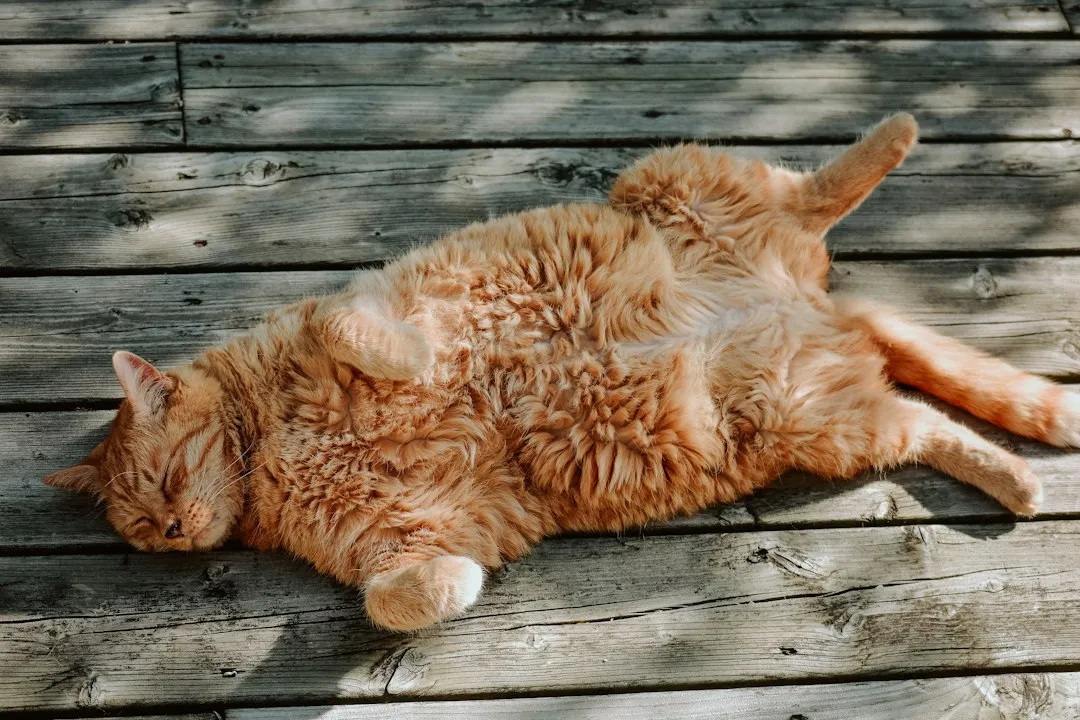
A rolled-over cat is saying “I feel safe,” not “rub me.”
The belly is one of a cat’s most vulnerable areas. Showing it takes confidence.
Many cats do this when they’re relaxed, and some do it around several trusted people in the house.
Here’s the classic trap: a hand reaches in, and the cat grabs it. For lots of cats, the belly is a “look, don’t touch” zone.
Some cats do love belly rubs, and that’s a real individual difference. Watch for signs of enjoyment, like a relaxed body and no tail flicking, before you try it.
The next behavior shows that your cat is listening, even when it pretends not to…
#3 – Responding to Your Voice
🔥 Would you like to save this?
We'll email this post to you, so you can come back to it later!
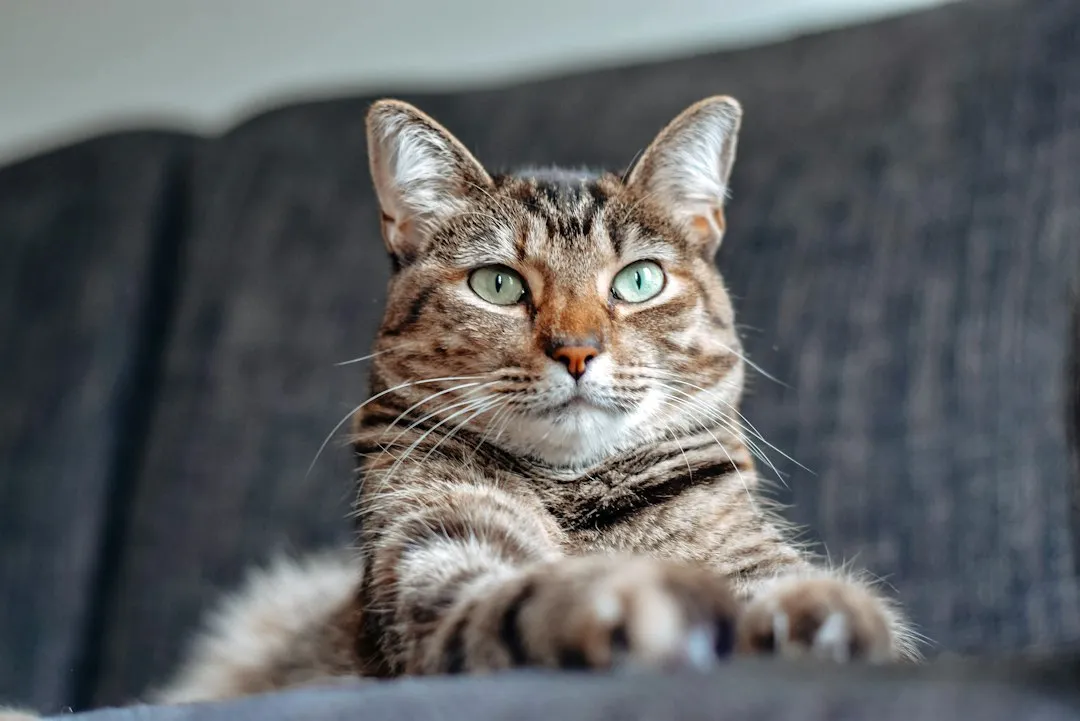
Your cat may know your voice, even when it won’t come when called.
Studies have found that cats can tell their owner’s voice from a stranger’s. Another study showed they can pick out their own name from other words.
A 2022 follow-up from Paris Nanterre University reported that cats can distinguish cat-directed speech from normal speech, but only when it comes from their own owner.
At a Glance
- Your voice: cats can tell it apart from a stranger’s
- Their name: cats can pick it out from other words
- Cat-directed speech: recognized only when their own owner says it
- Calling them: recognition doesn’t guarantee a reply
So the ear twitch you get when you call is real recognition. The cat heard you. It simply chose not to answer.
- Ear swivel or head turn: acknowledged
- Slow blink while you speak: relaxed and engaged
- Walking away: it’s still a cat
That selective listening is a classic cat move. And the next behavior shows how deep the trust goes…
#2 – Sleeping Within Reach
🔥 Would you like to save this?
We'll email this post to you, so you can come back to it later!
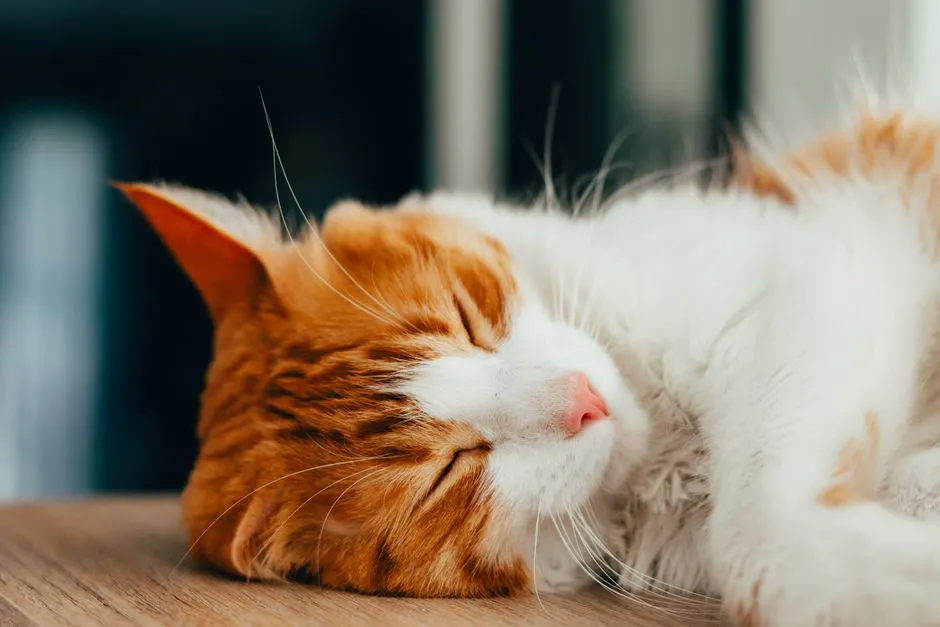
A sleeping cat is a cat that has decided you are not a threat.
Cats sleep for much of the day, and they’re picky about where. Choosing to doze near you means your presence is calming rather than alarming.
Many cats first try this with a person only when they’re out of arm’s reach. Then the distance closes over days or weeks.
The truth is that sleep location is one of the best clues to who a cat trusts. Cats don’t give that up easily.
Still, there’s one behavior that scientists have measured directly, and it reveals who a cat truly relies on…
#1 – Checking In With You
🔥 Would you like to save this?
We'll email this post to you, so you can come back to it later!
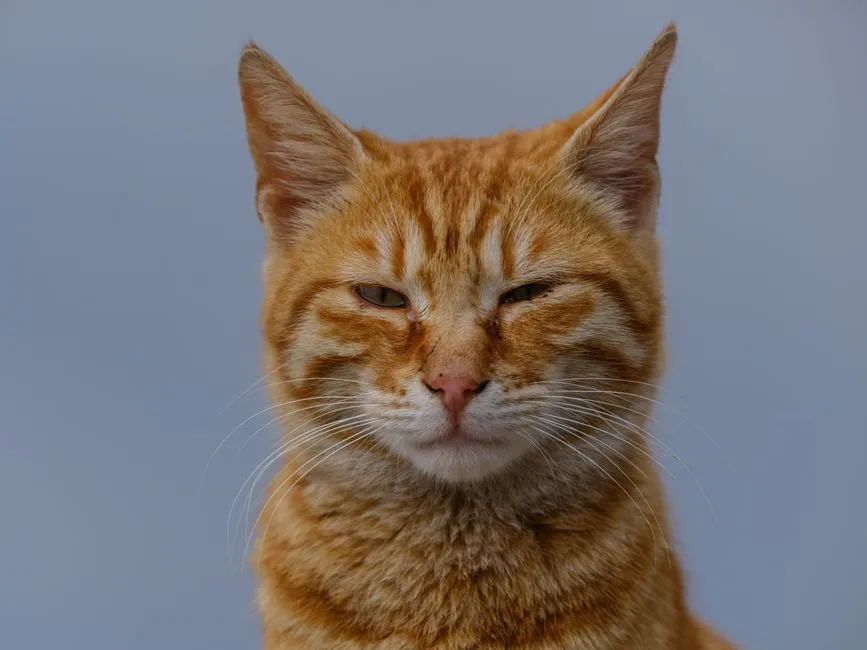
The strongest sign of a real bond is a cat that looks to you when something scary happens.
Researchers have tested cats using the same kind of separation setup used with babies and dogs. A 2019 study in Current Biology measured how cats behaved when their person left and came back.
Securely attached cats show less stress when the person returns. They greet them, then go back to exploring.
That challenges the idea that cats are aloof loners. Most cats in the test treated their person as a safe base.
The favorite is usually the one the cat uses as that base. All the other behaviors on this list are the audition.
The “one chosen person” is real for many cats, but it isn’t magic. It builds from small, repeatable signals. The tail-up greeting, the slow blink, the head bunt, and the nap nearby are shown to many people before the cat settles on one.
Here’s my opinion: stop competing for the title. Cats favor the person who is predictable, calm, and willing to let them set the pace. Pushing for affection almost always backfires.
The cat’s favorite isn’t the one who tries hardest. It’s the one who listens best. Which of these 14 signs did your cat show first, and who ended up as the favorite?

- 7 Everyday Habits That Can Make Your Senior Dog Happier - November 5, 2026
- 10 Enigmatic Structures That Continue to Puzzle Scientists Today - November 5, 2026
- 10 Strange Ruins in the Americas That Challenge What We Know About Early History - November 5, 2026