
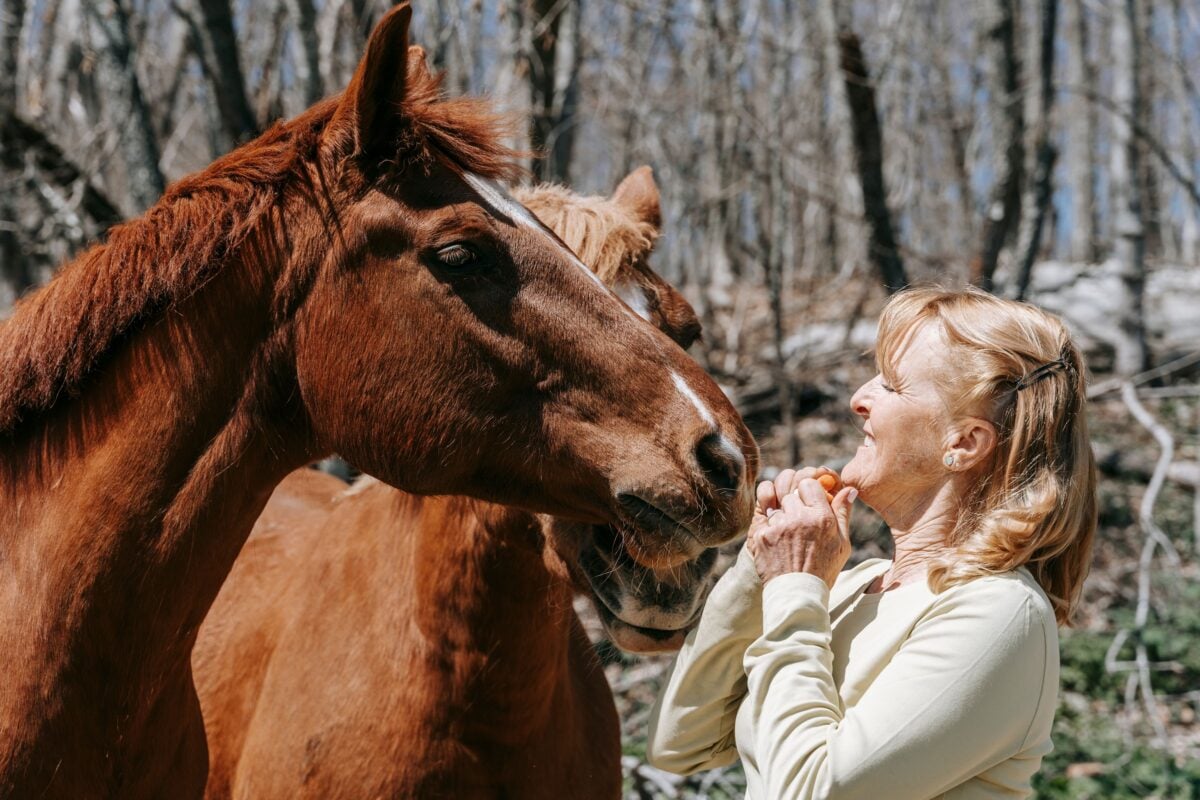
Your horse steps off the trailer, lowers its head and starts pulling at hay. Everyone exhales. Job done, right? Not quite. That peaceful picture is one of the most misleading moments in horse care, because a horse can look calm while its body runs a full security check.
The real story of trust plays out in details most people walk straight past: an ear, a lip, a hind leg, a slow blink. Here are 22 quiet signals, counted down from the first clues you’ll see to the one that can take the longest. Some behaviours that look like trouble are healthy. Some that look like good manners are hidden stress. And the final signal may take several nights to appear.
#22 – Head High, Eyes Scanning
🔥 Would you like to save this?
We'll email this post to you, so you can come back to it later!
A horse standing like a statue isn’t calm. It’s collecting data.
Horses are prey animals, and their eyes sit on the sides of the head. That gives them a huge field of view, often cited as close to 350 degrees. A raised head stretches that sightline across the whole yard, like a lookout climbing a tower.
The blind spots matter too. Horses can’t see directly in front of the nose or directly behind the tail. A new yard is packed with unfamiliar objects, so the horse keeps shifting its head to fill in the gaps.
Expect this on day one. It’s an assessment, not a verdict.
But the next signal is one most owners misread completely…
#21 – The Alarm Snort
🔥 Would you like to save this?
We'll email this post to you, so you can come back to it later!
That sharp blast of air through the nostrils is an announcement, not a tantrum.
A snort is a forceful exhale, usually with the head up and the body braced. It often marks something unfamiliar: a flapping tarp, a strange smell, a new neighbour.
Experts read it as a flag, not a crisis. The horse is telling the herd, and you, that it has noticed something. A horse that snorts and then lowers its head is processing. A horse that snorts and bolts is overloaded.
- Snort, then calm: information gathered
- Repeated snorting with a tight body: still on high alert
Yet the sign that worries vets most is much quieter than a snort…
#20 – Skipping the Hay
🔥 Would you like to save this?
We'll email this post to you, so you can come back to it later!
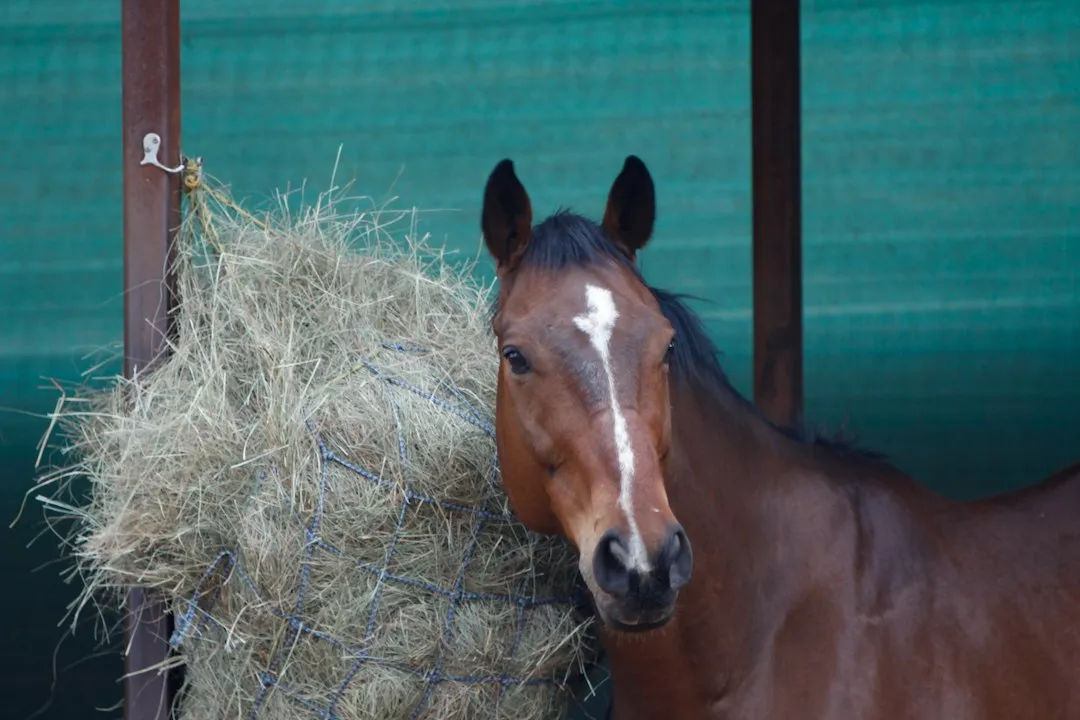
A horse that ignores food in a new yard is sending a serious message.
Stress suppresses appetite. Horses evolved as trickle feeders, built to graze for much of the day. Their stomachs secrete acid continuously, even when empty.
Long gaps without forage are linked to gastric ulcer risk. A horse that refuses hay for a few hours isn’t being fussy. A horse that refuses it for a day or more needs a vet’s attention.
Here’s the twist most yards won’t mention: a horse that dives into hay right away isn’t necessarily relaxed. Some stressed horses eat nervously, head up, chewing fast, one eye on the horizon.
But the ground itself holds an even bigger clue…
#19 – Nose to the Ground, Sniffing Everything
🔥 Would you like to save this?
We'll email this post to you, so you can come back to it later!
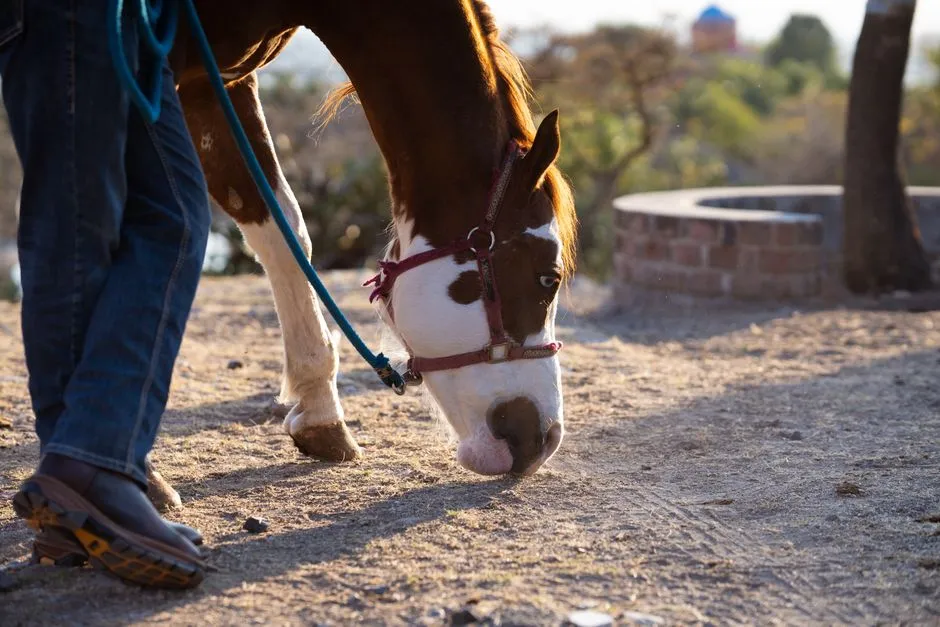
A horse reading the ground is reading the morning newspaper.
Scent tells a horse who lived here, who walked here and who left droppings. Sniffing is information gathering, and it’s usually a good sign. A frightened horse tends to keep its head high and watch from a distance.
Horses also investigate manure. Droppings carry social information that horses can detect and respond to. Some will stand over a pile for a surprisingly long time, as if reading the fine print.
Watch the style of the sniffing:
- Slow, steady, head low: curious and engaged
- Frantic, stop-start, head popping up: still on edge
Which brings us to the habit most owners hate to see…
#18 – Pacing the Fence Line
🔥 Would you like to save this?
We'll email this post to you, so you can come back to it later!
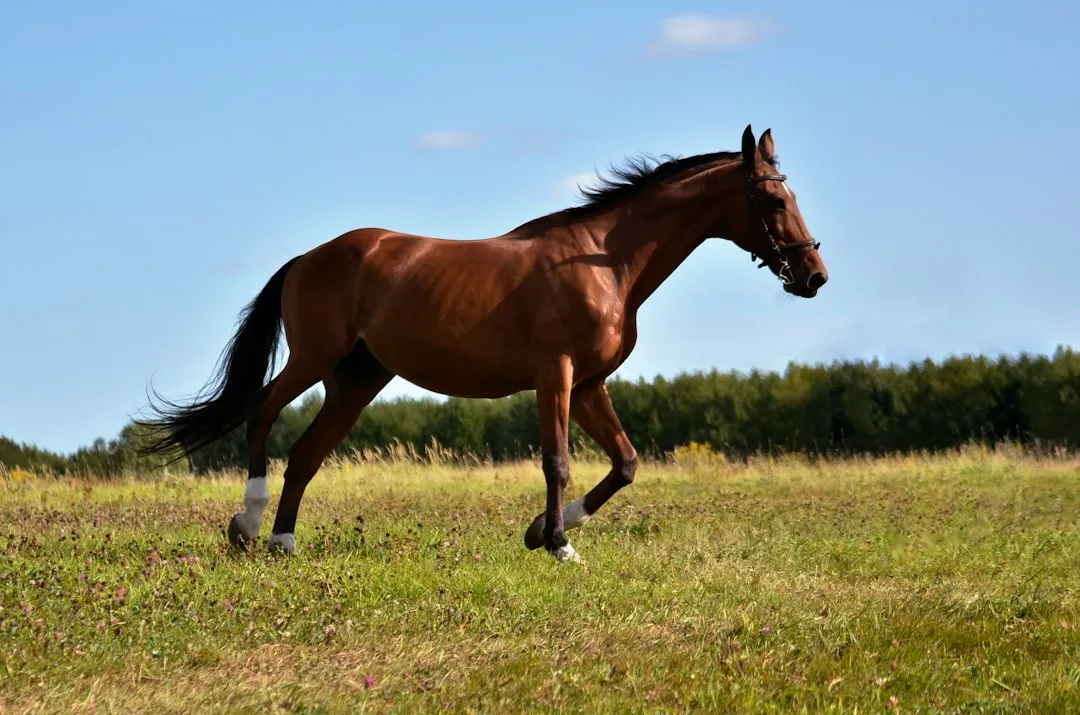
Pacing looks like energy, but experts often read it as distress.
Many horses walk the perimeter on arrival. It’s a way of mapping the boundaries and searching for companions. A short burst of this is common.
Persistent, repetitive pacing can become a stereotypy, a pattern linked to stress or poor welfare. If it continues for several days, don’t wait it out. Talk to your vet or a qualified equine behaviourist.
The usual fix is more turnout to burn off energy. That backfires if the horse is pacing because it feels isolated, not because it’s bored.
And when pacing doesn’t help, the next move is louder…
#17 – Calling Out
🔥 Would you like to save this?
We'll email this post to you, so you can come back to it later!
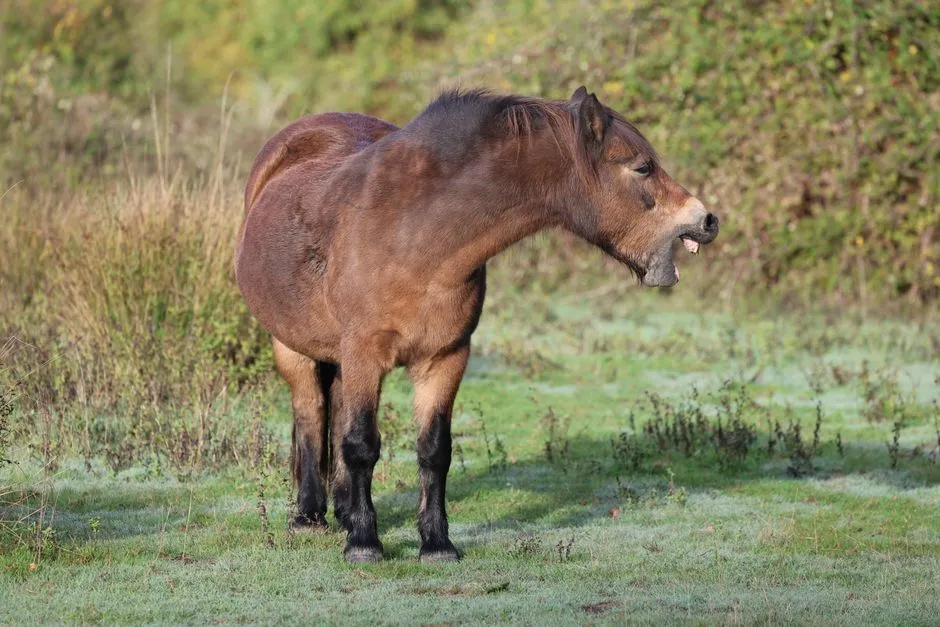
A whinnying horse is actually doing something healthy.
A whinny is a long-distance contact call. The horse is asking, “Where is everyone?” Research has shown horses can recognise familiar herd mates by voice.
Most people just want the noise to stop. But a horse that calls is still trying to connect. The horse that worries experts more is the silent, withdrawn one that stands apart and doesn’t engage.
Calling that fades over a few days usually means the horse is finding its place.
But the clearest emotional readout sits right on top of the head…
#16 – Ear Position
🔥 Would you like to save this?
We'll email this post to you, so you can come back to it later!
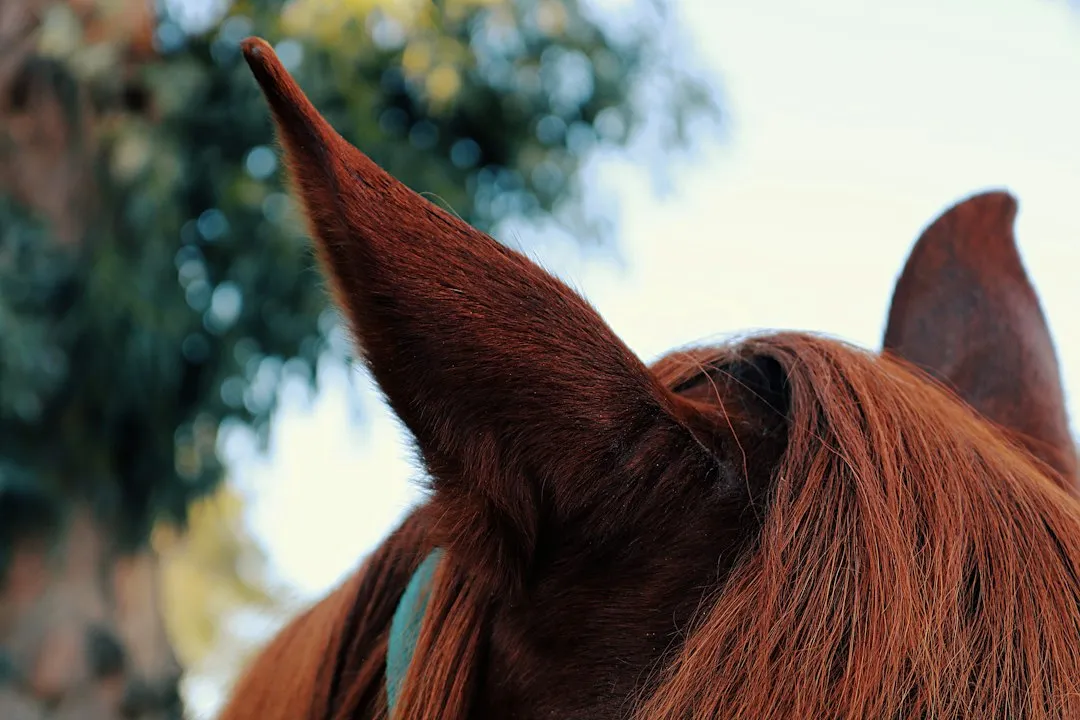
Ears are the horse’s live broadcast of attention.
Each ear can swivel independently across a wide arc. Ears forward mean focus on something ahead. One ear turned toward you and one away means the horse is splitting its attention.
Ears pinned flat back are a clear warning. Ears drooping loosely to the sides usually signal a relaxed, dozy horse.
- Both forward: interested or alert
- One back toward you: listening
- Flat back: irritated or threatening
Most owners fixate on the ears and ignore the tail, and that’s a costly oversight…
#15 – Tail Carriage
🔥 Would you like to save this?
We'll email this post to you, so you can come back to it later!
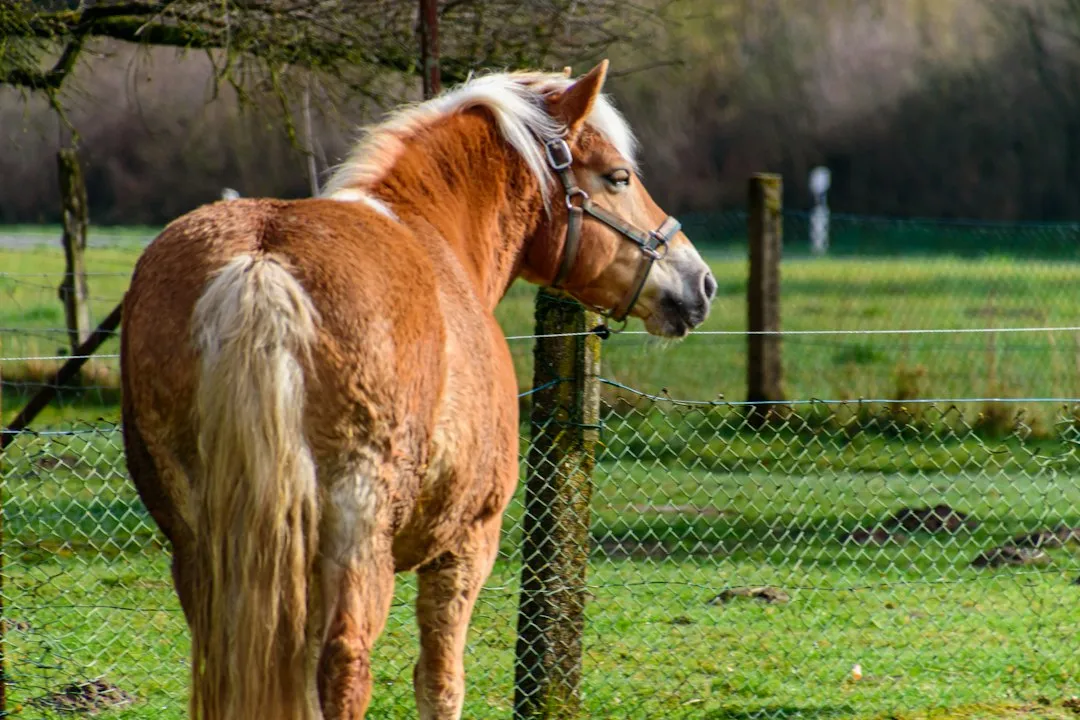
A tail can reveal tension long before the body does.
Think of the tail as a running commentary on muscle tension through the hindquarters. Three patterns are worth learning first.
Quick Compare
- Clamped tight to the hindquarters: tension, anxiety or discomfort
- Hard swishing with no flies around: irritation
- Hanging loose and swinging gently with movement: a relaxed body
Here’s the catch. Tail carriage varies by breed. Some Arabians carry their tails high as a matter of course, so a raised tail isn’t always a warning sign.
Judging a horse from the tail alone is a trap. Always compare to the horse’s baseline, and ask the previous owner what’s normal for this particular horse.
Another signal appears on the skin, and it has nothing to do with heat…
#14 – Sweating While Standing Still
🔥 Would you like to save this?
We'll email this post to you, so you can come back to it later!
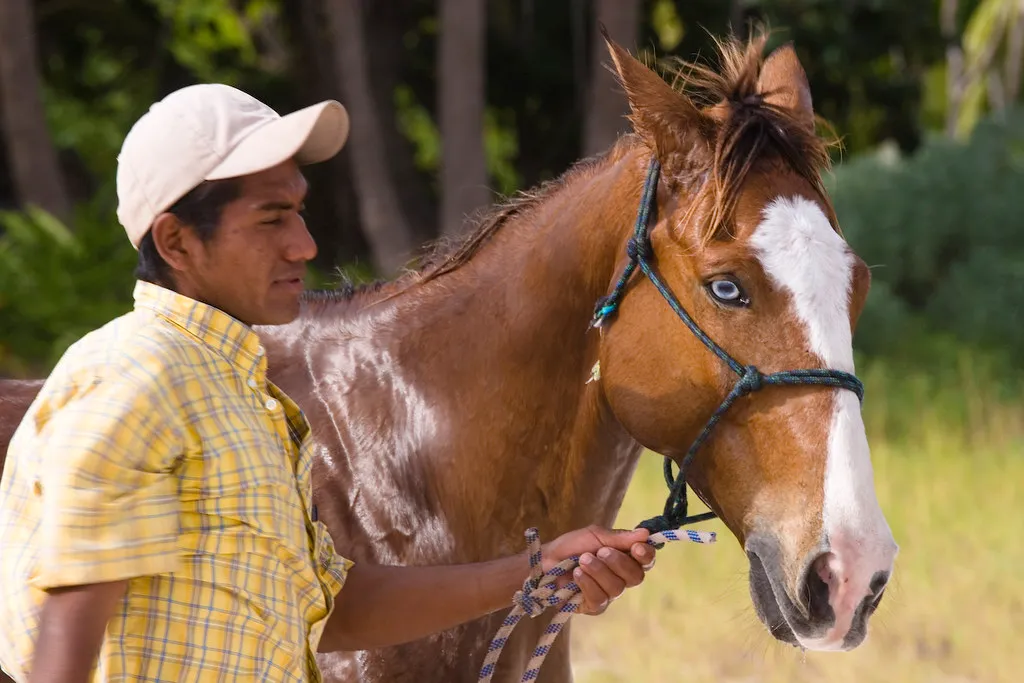
A cool, calm day and a sweaty horse is a red flag.
Horses sweat to cool down, but they can also sweat when stressed or in pain. You may see damp patches on the neck, between the hind legs or along the flanks.
Horse sweat glands respond to adrenaline, not just heat. That’s why a horse can look like it just galloped when it hasn’t moved a step.
Check for other signs before assuming it’s stress. Sweating alongside pawing, flank-watching or lying down repeatedly can point to colic. Call a vet and don’t wait.
But if you want a more honest tell, look at the eye…
#13 – Showing the Whites of the Eyes
🔥 Would you like to save this?
We'll email this post to you, so you can come back to it later!
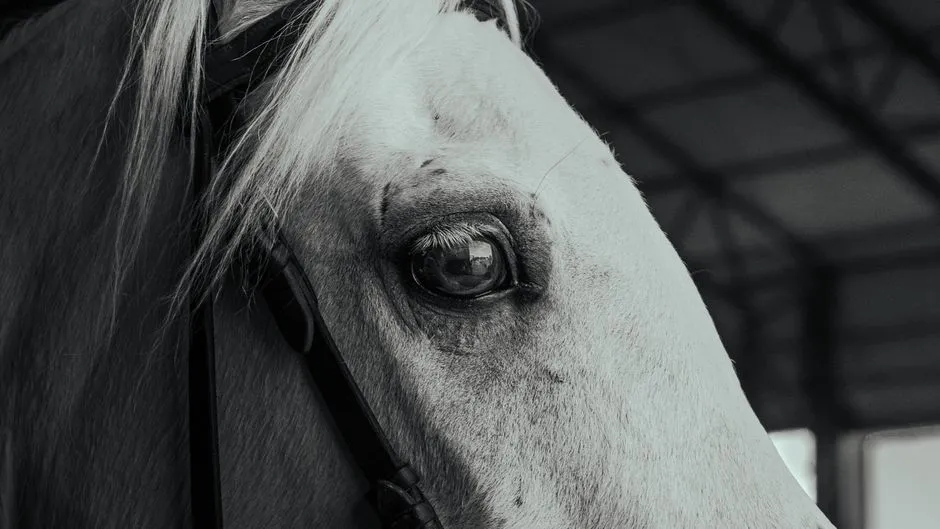
A hard, wide eye is difficult to fake.
When a horse is worried, the eyelids pull back and the eye looks round and tight. You may see the white sclera around the iris. The muscles above the eye tense, and the whole face looks strained.
Before you panic, there’s a fact most people overlook. Some horses, such as many Appaloosas, show visible white around the eye as a normal trait. Context matters.
Compare the eye to the rest of the body. A wide eye with a tense jaw and a high head is a worried horse. A wide eye on a loose, grazing horse is probably just anatomy.
The opposite expression is the one you actually want to see…
#12 – The Soft Eye and the Slow Blink
🔥 Would you like to save this?
We'll email this post to you, so you can come back to it later!
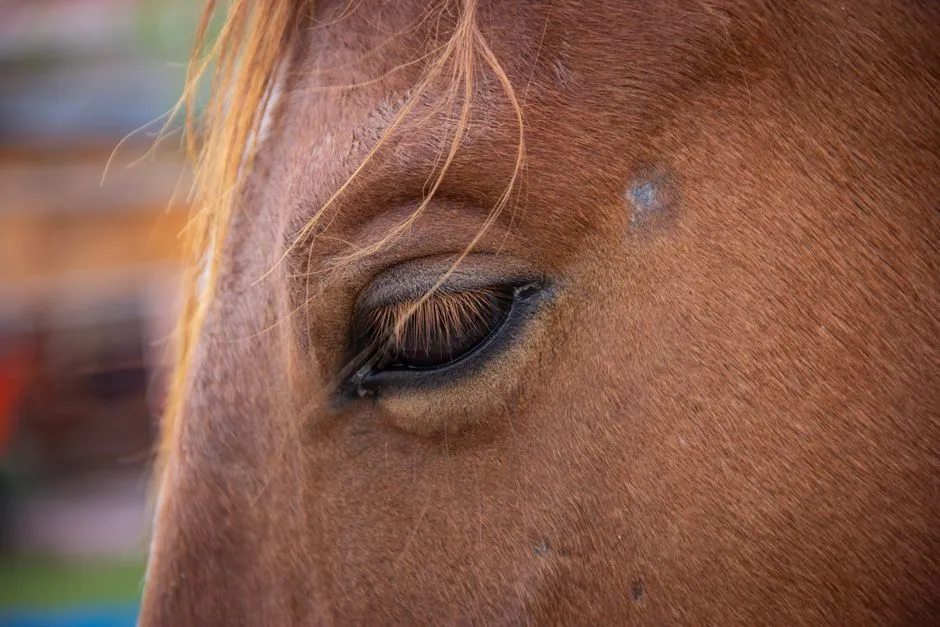
A soft eye is the horse’s closest equivalent to a deep exhale.
A relaxed horse has smooth eyelids, a rounded, calm expression and slow, deliberate blinks. The skin above the eye looks less creased. The whole face seems to settle.
Researchers have developed formal facial-coding systems for horses. They show that subtle muscle changes around the eyes and face reflect emotional states, including stress and pain.
Tension around the eye region is hard for a horse to hide. That’s why experienced handlers often check the eye first.
Next comes a mouth movement that experts still argue about…
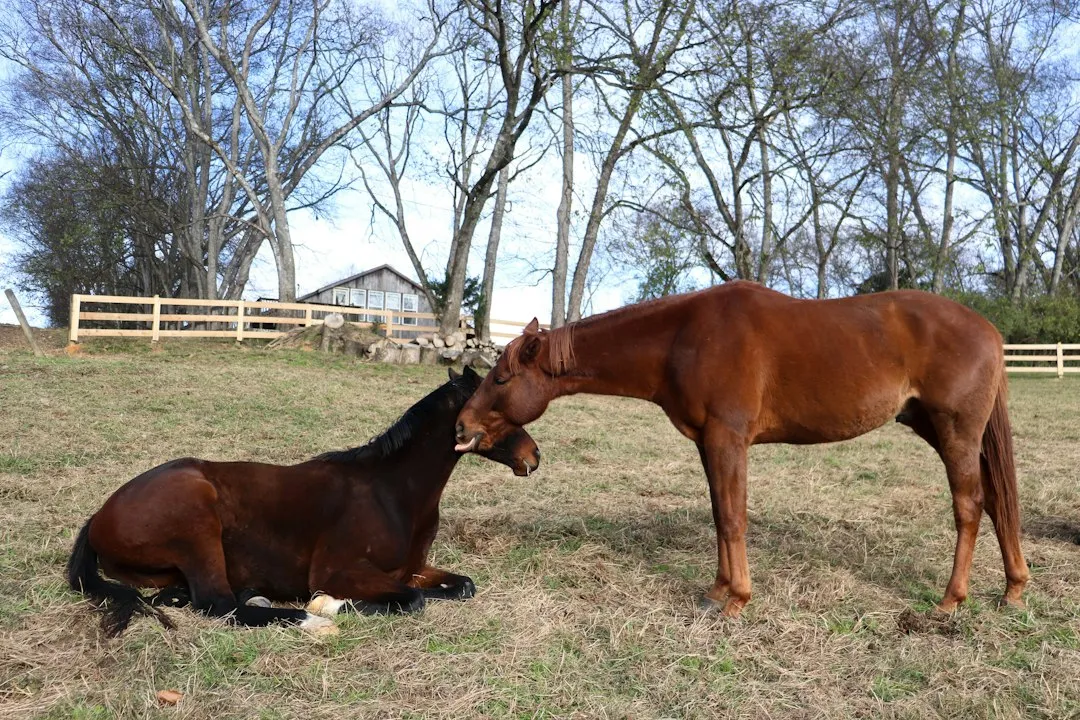
#11 – Licking and Chewing
🔥 Would you like to save this?
We'll email this post to you, so you can come back to it later!
Everyone thinks they know what licking and chewing means. The science is less certain.
For years, trainers described it as a sign of submission or “learning.” Many still do. More recent thinking suggests it’s more likely tension releasing, or a horse processing something stressful.
Foals use a related mouth gesture, often called snapping, around adult horses. Researchers have linked it to appeasing behaviour.
Worth Knowing
- The old explanation (submission or “learning”) is now widely questioned
- A newer reading: tension releasing after something stressful
- Foal snapping is a related gesture, but not the same as an adult’s lick and chew
- Always check the eyes, jaw and body before reading it as relaxation
My view: treat it as one clue, not a trust certificate. A horse licking and chewing with a tense body and wide eyes isn’t telling you it feels safe. It may be telling you it just survived something.
Now to the posture that really does reflect a settled mind…
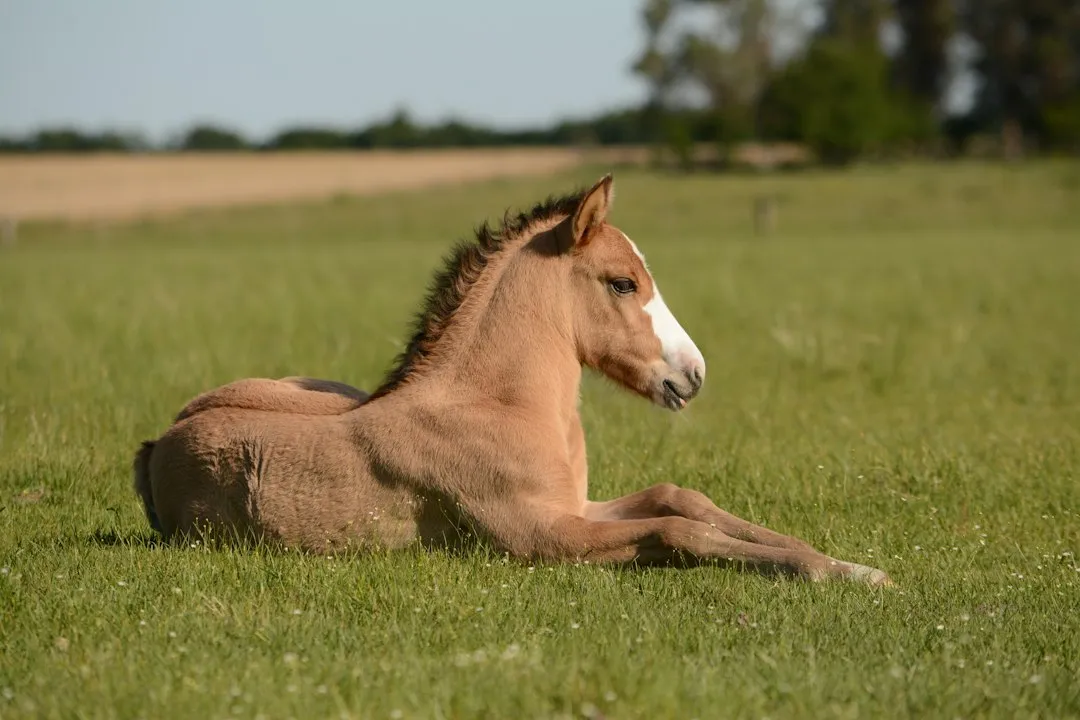
#10 – A Lowered Head
🔥 Would you like to save this?
We'll email this post to you, so you can come back to it later!
A horse with its head down has decided the coast is clear.
Think about what lowering the head costs. A grazing horse can’t scan as far and can’t react as fast. Putting the head down is a vulnerable act for a prey animal.
Studies suggest lower head and neck positions tend to accompany calmer states. A horse that lowers its head and exhales or sighs is often releasing tension.
Context is everything. A head forced down by gadgets or tight reins isn’t relaxation. It’s restriction.
But even a relaxed horse can be hiding a problem at the water trough…
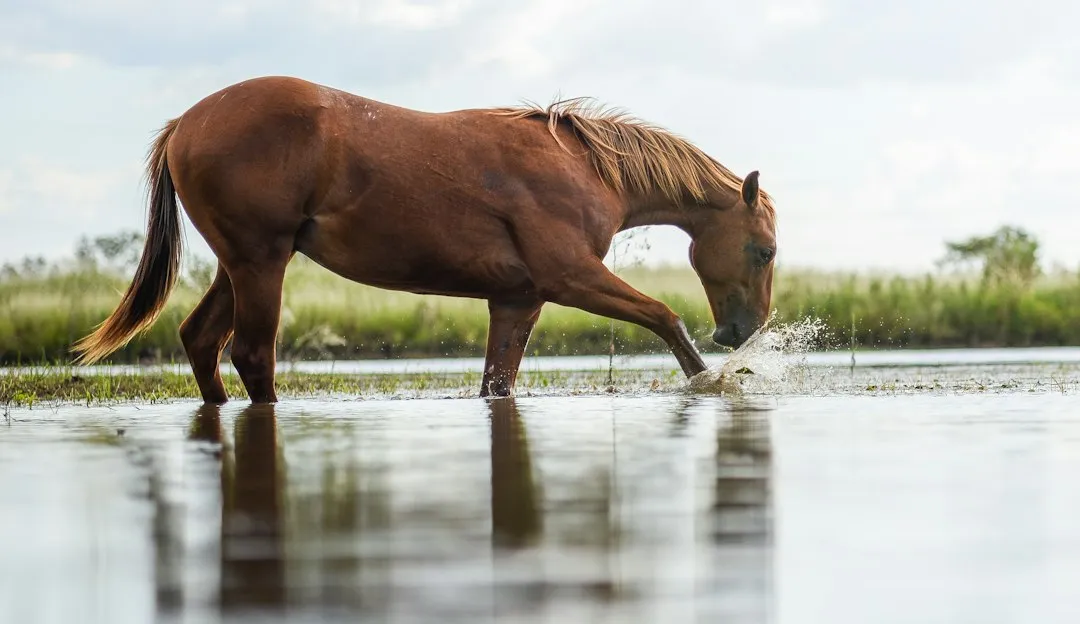
#9 – Hesitating at the Water
🔥 Would you like to save this?
We'll email this post to you, so you can come back to it later!
Water can be the most overlooked stress point in a new yard.
A different taste or smell can put a horse off. Chlorine, minerals and even the bucket itself can change drinking habits. An adult horse commonly needs several gallons a day, often cited as 5 to 10 at maintenance.
Drinking too little raises the risk of problems such as impaction colic. That’s why a horse that sniffs the trough and walks away needs watching.
Don’t assume it will drink when it’s thirsty enough. Some horses won’t, and the consequences build quietly.
Water isn’t the only thing that needs introducing slowly…
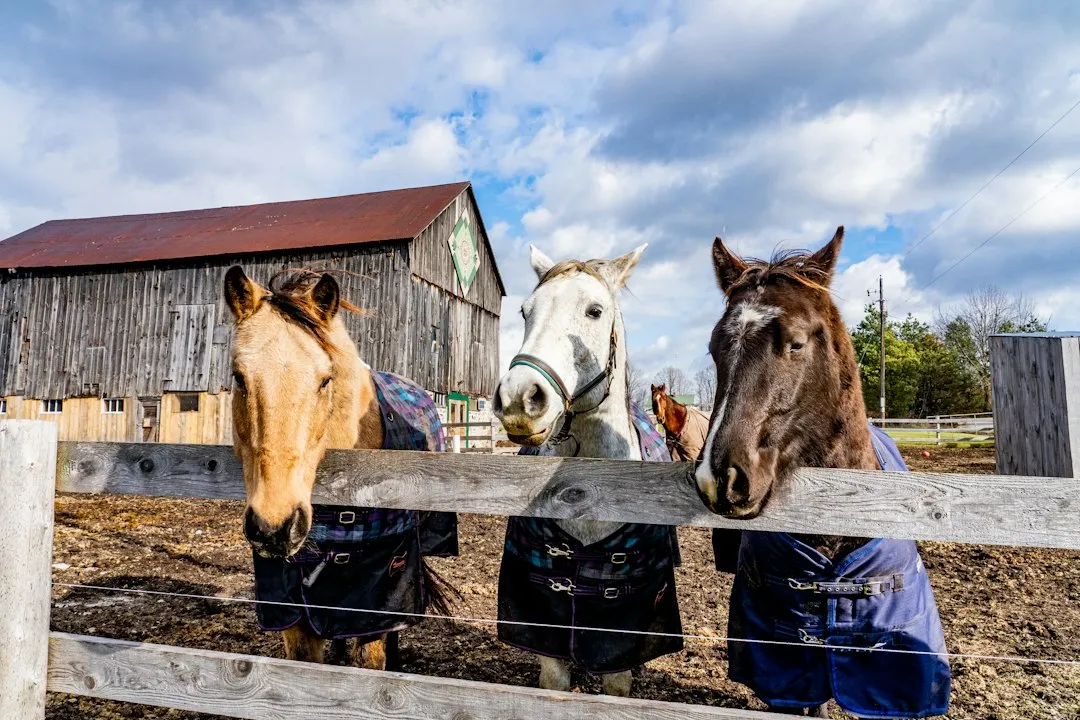
#8 – How the Horse Meets Its Neighbours
🔥 Would you like to save this?
We'll email this post to you, so you can come back to it later!
The first fence-line meeting is loud, and that’s often normal.
Squeals, pinned ears and a stamp are common when strangers meet. Horses are sorting out rank and personal space. Many settle fast once the rules are clear.
The quiet signal is what happens after. A horse that stands calmly beside a neighbour, or grazes close to the fence, has accepted the arrangement.
Here’s an opinion that will annoy some yards: dropping a new horse straight into a big herd is a gamble. Many equine professionals prefer a gradual introduction, starting over a fence, because it lowers the risk of injury.
Once the noise fades, a more telling pattern emerges…
#7 – Grazing Beside a Chosen Companion
🔥 Would you like to save this?
We'll email this post to you, so you can come back to it later!
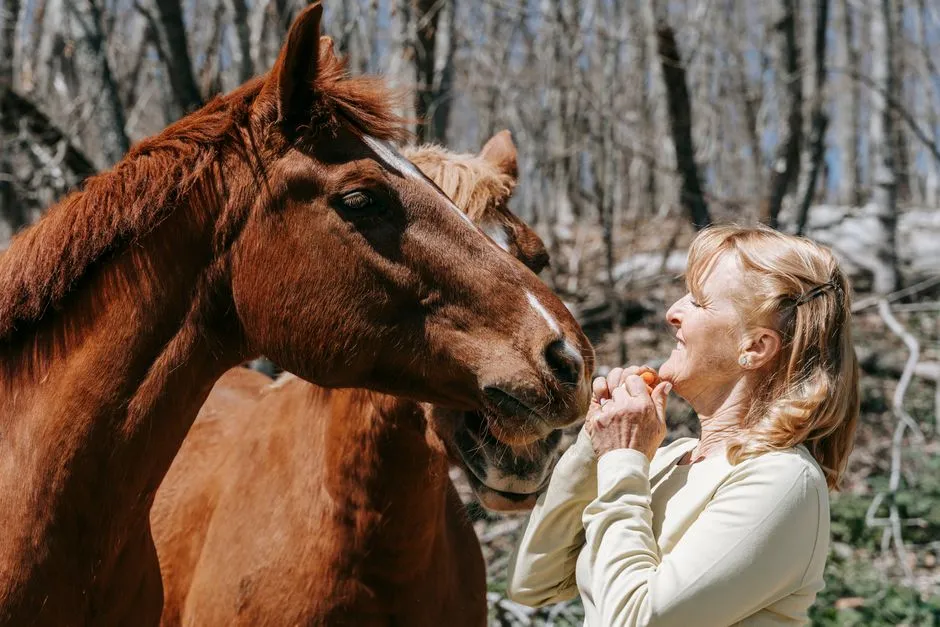
Within days, many horses pick a favourite.
Horses form preferred associations, often standing or grazing near the same companion. When a new horse starts to stay close to one particular herd mate, it’s anchoring itself socially.
Companionship appears to lower stress in horses. Research on social support in animals suggests that a familiar friend buffers the stress response.
- Standing close without tension: a bond forming
- Staying always on the edge of the group: still unsure
Watch what happens when the horse feels safe enough to do this next…
#6 – The First Roll
🔥 Would you like to save this?
We'll email this post to you, so you can come back to it later!
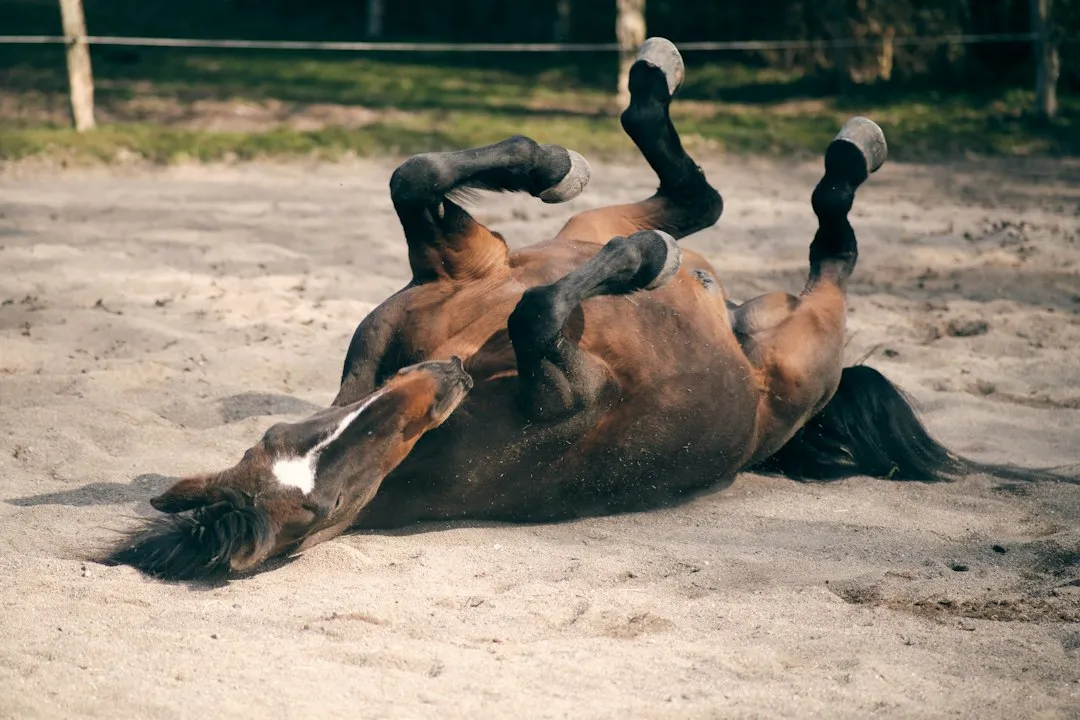
A roll is a privilege the horse only grants when it feels safe.
Rolling scratches itches, coats the skin in dust and spreads scent. It also means getting down and then back up, which is a risky moment for a flight animal. Horses typically do it when they feel secure.
Seeing a new horse roll in turnout is usually a good sign. But here’s the catch. Repeated, violent rolling with sweating and glancing at the flanks can signal colic.
If the rolling looks frantic and doesn’t stop, call your vet immediately. Don’t wait to see if it passes.
At a Glance
- Healthy roll: brief, followed by a shake and a return to grazing or resting
- Warning roll: repeated and violent, often with sweating
- Other red flags: flank-watching, pawing or repeated attempts to lie down
- Your move: if it doesn’t stop, call the vet
Meanwhile, the horse is also deciding something about you…
#5 – Approaching You on Its Own Terms
🔥 Would you like to save this?
We'll email this post to you, so you can come back to it later!
A horse that walks over to you has made a decision.
Horses recognise people. Research has shown they can match a familiar person’s voice to their face. They also read human emotion.
A 2016 study reported that horses looked at angry human faces with their left eye and showed a rise in heart rate. Your mood isn’t a secret from them.
A horse that comes to the gate, lingers by you or follows quietly is choosing contact. Don’t grab. Let it come, and reward it with calm.
The next signal looks lazy, but it’s the opposite…
#4 – Resting a Hind Leg
🔥 Would you like to save this?
We'll email this post to you, so you can come back to it later!
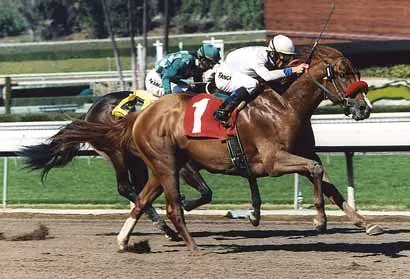
A cocked hind leg is a horse telling you it’s off duty.
Horses have a “stay apparatus,” a system of tendons and ligaments that lets them lock the joints and doze while standing. That’s why a horse can rest on its feet without collapsing.
Fast Facts
- The stay apparatus works in the legs of both the front and the back of the horse
- In the hind limb, the kneecap (patella) can hook over the stifle joint to hold the leg steady
- That lets one hind leg take the load while the other fully relaxes
- Horses still need to lie down for deep REM sleep, so standing rest isn’t a full substitute
A relaxed horse will often rest one hind leg, tipping the hoof on its toe, and swap legs now and then. It means the muscles are soft and the mind isn’t braced for flight.
Pay attention to which leg. Resting a hind leg is normal. Constantly shifting weight off a front leg can suggest discomfort and deserves a vet’s look.
Even deeper rest is still to come…
#3 – Dozing With a Drooping Lip
🔥 Would you like to save this?
We'll email this post to you, so you can come back to it later!
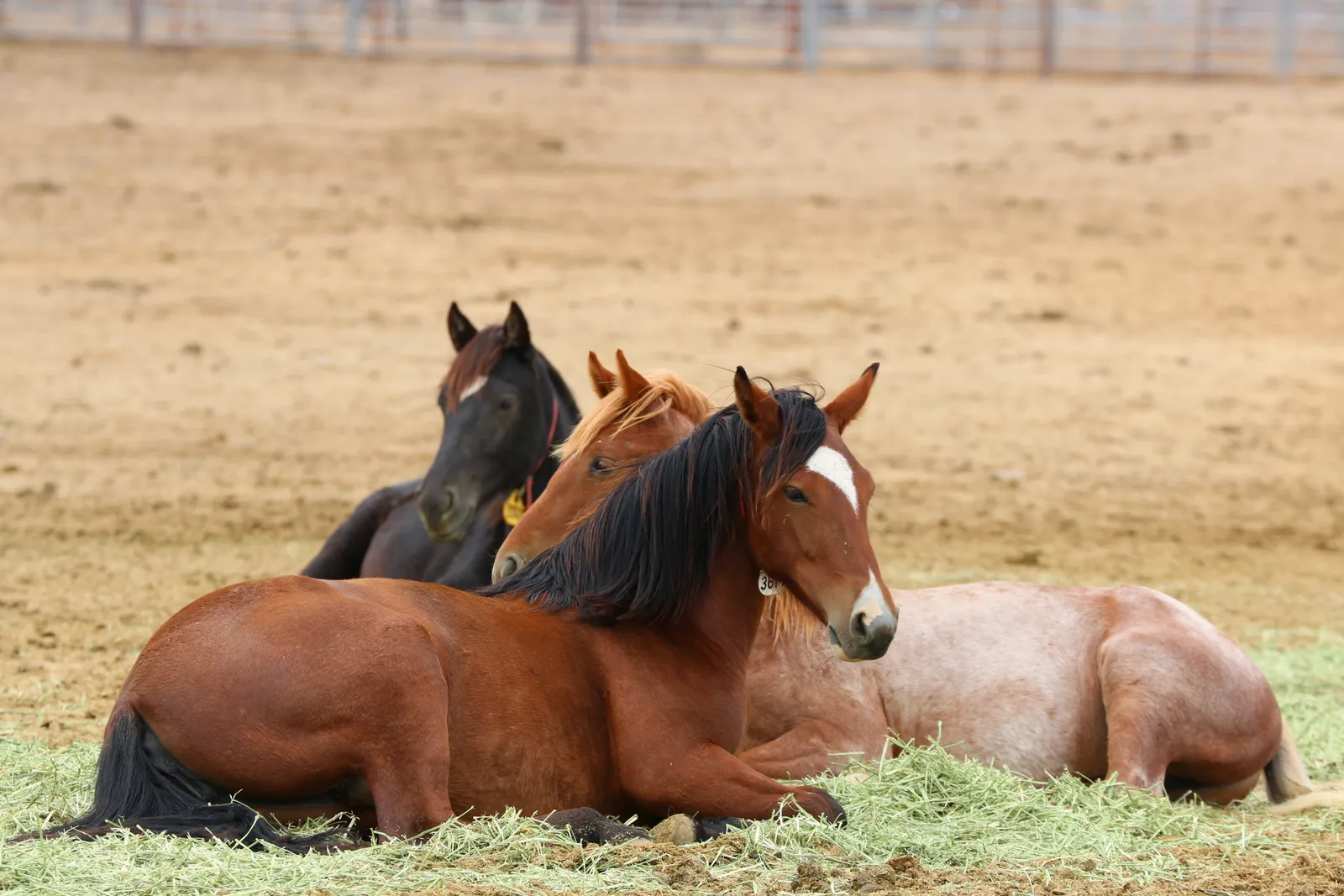
A drooping lower lip is the most underrated trust signal in a stable.
Look for half-closed eyes, ears slack to the sides, a loose lower lip and slow breathing. A horse doing this is in light rest, still aware but no longer scanning.
Horses can doze this way while standing, but they won’t do it near a threat. So a horse that dozes in a new yard has judged it safe enough to lower its guard.
But there’s a social ritual that goes even deeper…
#2 – Mutual Grooming
🔥 Would you like to save this?
We'll email this post to you, so you can come back to it later!
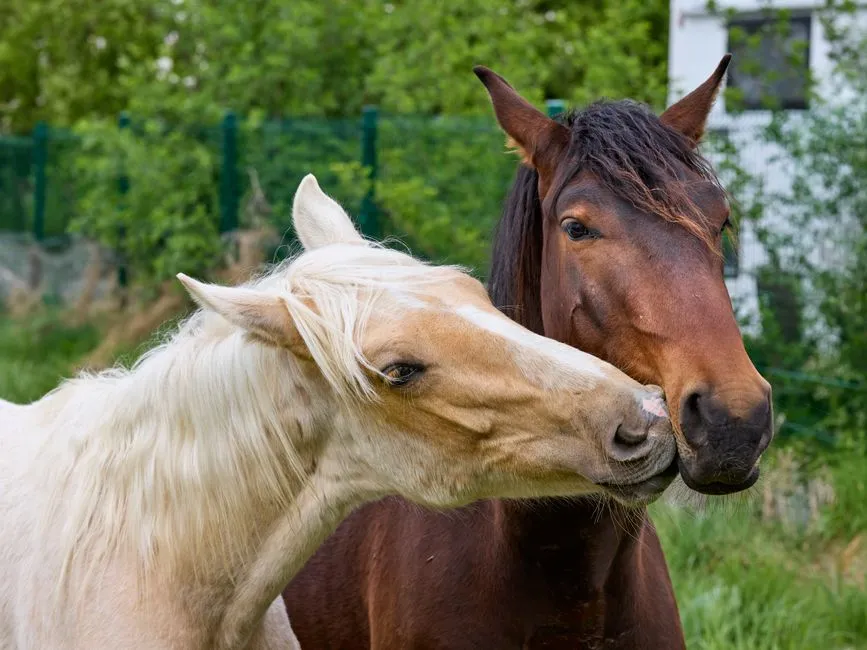
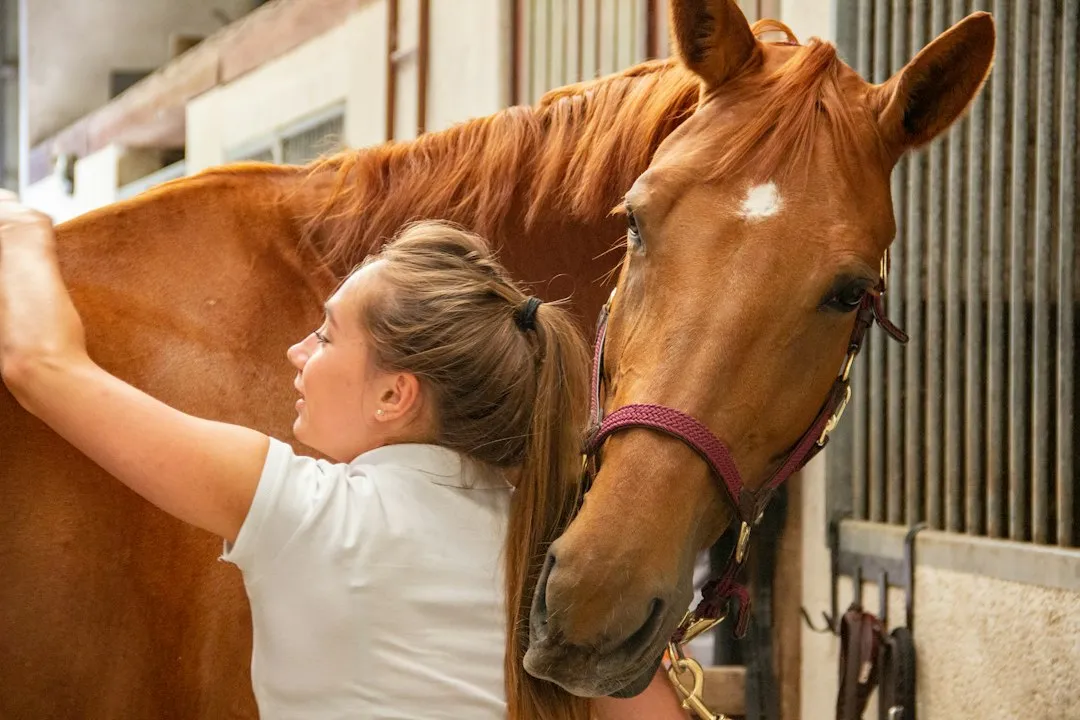
When two horses scratch each other’s withers, a bond is official.
Mutual grooming is a deliberate, paired behaviour. Two horses stand head to tail or side by side and nibble each other’s neck and back. It’s a social ritual, not just itch relief.
Research has shown that being groomed can lower a horse’s heart rate. That’s a measurable calming effect.
When a new horse grooms, or gets groomed by, a herd mate, it has been accepted. Leave them to it, unless it turns rough.
And the final signal is the one that can take the longest of all…
#1 – Lying Down Flat Out
🔥 Would you like to save this?
We'll email this post to you, so you can come back to it later!
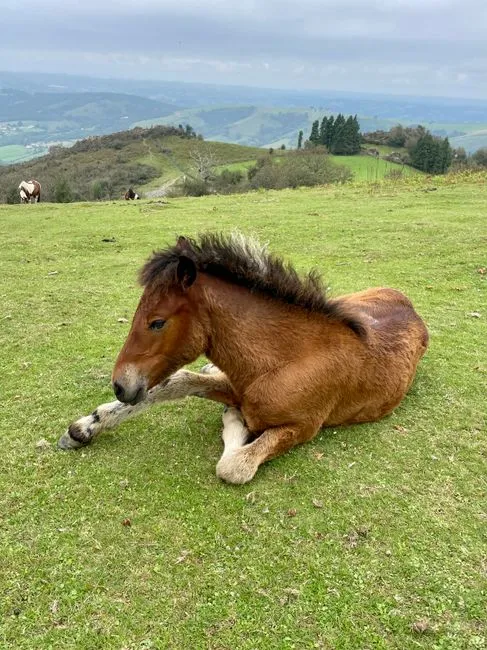
The ultimate trust signal is a horse that lies down and sleeps.
Lying flat is the most vulnerable position a horse can take. It takes time to get up and run. And horses generally need to lie down to get REM sleep, the deepest sleep stage.
Some horses won’t do this for several nights in a new place. A horse that never lies down can become sleep-deprived over time, which is why experts watch for it.
If your horse is in a stall, the bedding and space matter. A clean, deep bed and enough room give a horse the confidence to lie down.
So what does all this add up to? Most owners judge a new yard by whether the horse eats and stays quiet. That’s a weak test. The real signals are in the eyes, the lip, the legs and the sleep.
A horse that dozes, rolls, lies down and chooses a companion has genuinely settled. A horse that merely complies hasn’t.
Here’s my firm view: yards that rush new arrivals into work, or into a full herd, are confusing silence with trust. Give your horse time, and let it tell you when it’s ready. Which signal did your horse show first in a new yard?

- Embracing the Quiet Magic of Adopting a Senior Dog - November 5, 2026
- Scientists May Have Miscalculated Our Global Warming Timeline - November 5, 2026
- Marine Biology Says When Dolphins Suddenly Go Silent in Open Water It's Not Rest – They've Detected a Predator You Cannot See and Their Survival Strategy Reveals How They Read Danger - November 5, 2026