
Most people believe a slower, stiffer, sleepier dog is just “getting old,” and that nothing can be done. Many of the changes families write off as normal aging are treatable medical problems. They hide in plain sight because they arrive slowly and quietly. A dog won’t announce that his hips hurt or his hearing is fading. He adapts, and we adapt around him.
These 16 gentle changes are the ones families rarely catch, and several are surprisingly easy to fix. One shows up on the sidewalk. One happens at 2 a.m. One is sitting in the water bowl, and one is probably under his paws right now. The last one isn’t a symptom at all. It’s a phrase, and vets say it may do more harm than any of the others.
#16 – The Walk That Quietly Got Shorter
🔥 Would you like to save this?
We'll email this post to you, so you can come back to it later!
One short walk is often the first sign that something has changed.
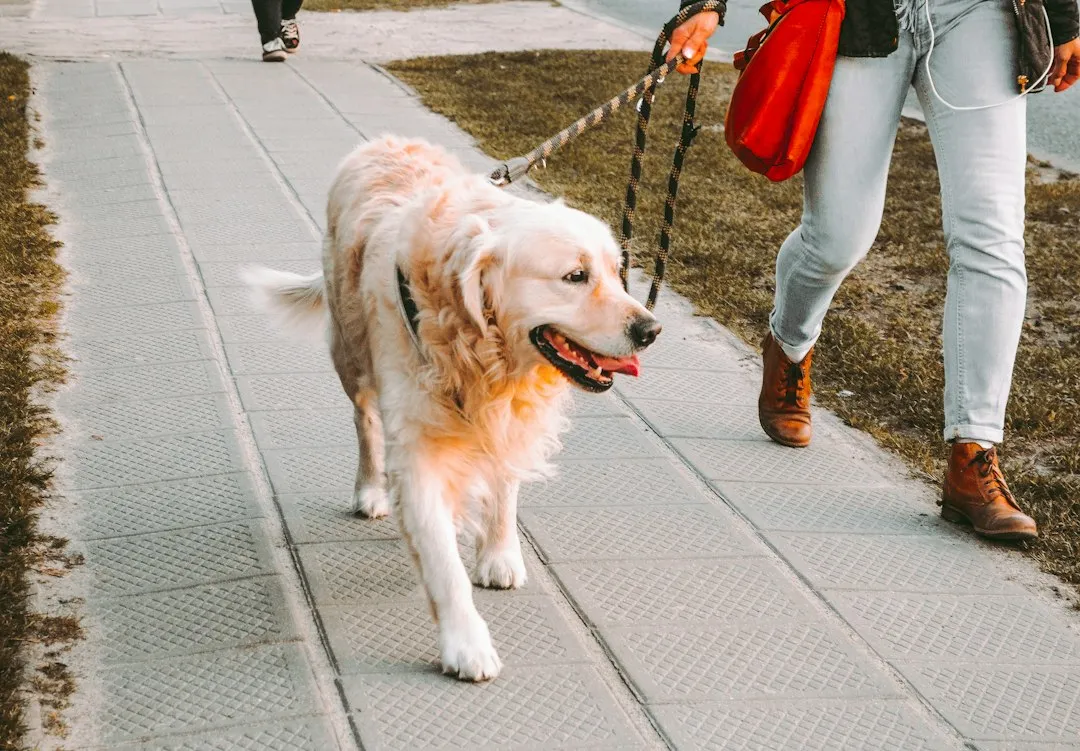
Your dog used to pull toward the corner. Now he stops at the mailbox and looks back at the house. Most families call that “slowing down” and shorten the route without asking why.
Vets see it differently. Reluctance to walk is one of the most common early signs of joint pain. It can also point to heart or lung trouble, or to simple muscle weakness. A dog who lags behind or sits down mid-walk is telling you something in the only language he has.
What to watch for:
- Lagging a few steps behind when he used to lead
- Stopping often to sniff, which may really be resting
- Being stiff for the first few minutes after lying down
Many owners assume a long weekend hike keeps an old dog fit. Many vets now say the opposite. Steady, shorter daily walks usually serve a senior better than one big outing that leaves him sore for two days.
But the next sign shows up at home, not on the sidewalk.
#15 – The Hesitation Before the Jump
🔥 Would you like to save this?
We'll email this post to you, so you can come back to it later!
That pause before the couch or the car is not stubbornness.
You’ve probably seen it. He stands at the edge of the sofa, shifts his weight, then looks up at you. Plenty of families read this as a dog being dramatic.
It’s usually a risk assessment. Dogs with sore hips, knees, or spine weigh the cost of every jump. Many dogs will keep jumping through pain until a slip or strain makes the problem obvious.
Watch for these signs:
- Needing a second try to get onto the bed
- Taking stairs one at a time, or skipping them
- Bunny-hopping with both back legs together
Quick Compare
- Probably fine: One brief pause, then a smooth jump and a normal landing
- Worth an exam: Repeated pauses, needing a boost, or wincing on the landing
- Probably fine: Skipping a jump now and then when he’s tired
- Worth an exam: Avoiding the same spot for more than a few days
Here’s an opinion some owners won’t like. Lifting an older dog into the car every day is kind, but it’s a workaround, not a plan. Wanting to join you and being able to are two different things, and a hesitating dog needs an exam, not just a stronger back on your part.
And the thing that quietly makes all of this worse is probably under his paws right now.
#14 – Your Floors Are Working Against Him
🔥 Would you like to save this?
We'll email this post to you, so you can come back to it later!
Hardwood, tile, and laminate are arguably the most dangerous part of a senior dog’s home.
Dog paws are built for traction on dirt and grass, not polished surfaces. When back legs are already weaker, a slick floor turns every step into a small balancing act.
Dogs who slip often go quiet about it. Some start avoiding certain rooms, which families mistake for a new quirk. Others splay their legs or walk with tense, careful steps. One bad slide can cause a sprain or a fall that sets a dog back for weeks.
The fixes are cheap compared to a vet bill:
- Runners or yoga mats along his usual routes
- Non-slip rugs at the bottom of the stairs
- Trimmed hair between the paw pads
But traction depends on something most owners never think to check.
#13 – The Clicking You Stopped Noticing
🔥 Would you like to save this?
We'll email this post to you, so you can come back to it later!
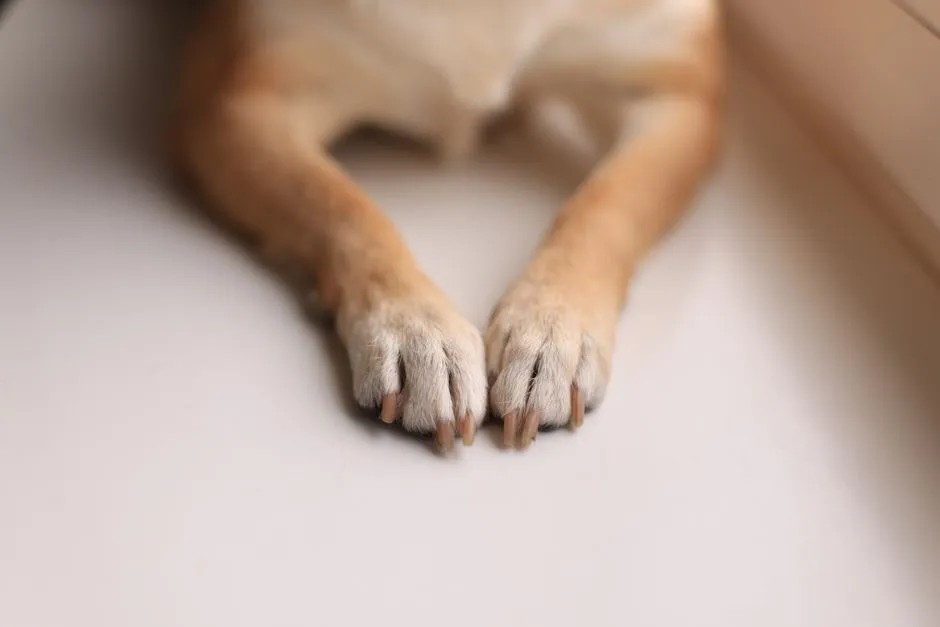
Overgrown nails change how a dog stands, and most families don’t catch it.
Hear clicking on the floor? That means the nails are touching the ground. Long nails push the toes upward and shift weight back onto the heels.
That small change alters the whole posture. Chronically long nails can change a dog’s gait and put extra strain on joints that are already tired. Older dogs also tend to walk less on rough surfaces, so their nails wear down less than they used to.
Seniors often grow touchier about nail trims, too. Pain in a shoulder or wrist can make the paw-holding feel unbearable. If your dog suddenly hates trims, ask why before you push through.
Aim for nails that don’t touch the floor when he stands naturally. Frequent small trims beat occasional big ones. Ask your vet or groomer to show you where the quick ends.
Fast Facts
- Clicking on hard floors is the easiest at-home sign that nails are too long
- Dewclaws, the higher nails on the inner leg, never touch the ground and can curl into the skin
- The quick tends to grow longer with neglected nails, so regular trims let it recede
- Many groomers suggest a light trim about every three to four weeks
- On dark nails, take off tiny slivers at a time
Next, a change you can spot with your hands, not your eyes.
#12 – The Thinning Hind Legs
🔥 Would you like to save this?
We'll email this post to you, so you can come back to it later!
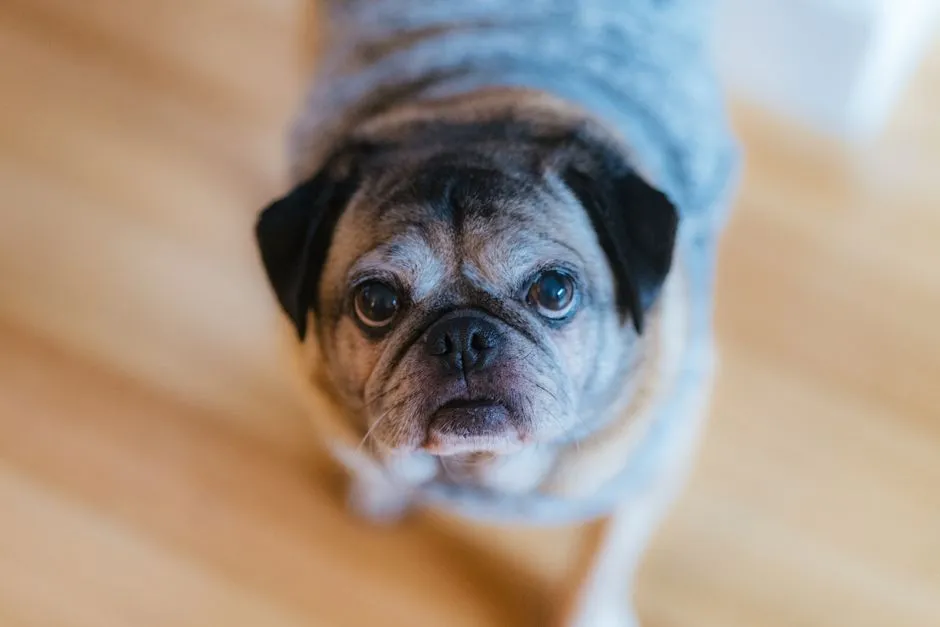
Older dogs often lose muscle long before anyone notices.
Run your hands over his thighs and along his spine. Compare them to how they felt a year ago. Many families miss this because fur hides the change, and a spine that feels bonier than it used to is worth noting.
Muscle loss in the back legs is common in older dogs. A dog can carry extra weight and still be losing muscle at the same time. The scale may look fine while strength quietly drains away.
Vets use a muscle condition score alongside the body weight score. Ask about it at the next visit. It’s a quick hands-on check, and it can show things a number on a scale won’t.
Less muscle means less support for aging joints, which means more pain, which means less movement. It’s a loop. Gentle, regular activity helps break it, and so does treating the pain underneath.
The next sign comes from a place most owners avoid looking.
#11 – The Breath You’ve Learned to Ignore
🔥 Would you like to save this?
We'll email this post to you, so you can come back to it later!
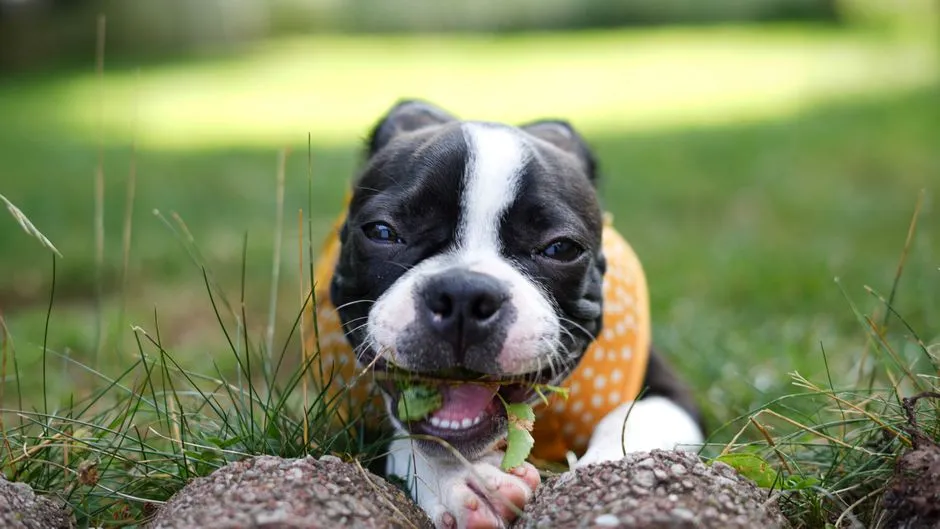
Bad breath is not just “dog breath.”
Plenty of families have simply gotten used to it. That’s the problem. A mouth full of tartar and inflamed gums can hurt, yet dogs rarely stop eating because of it.
Dental disease is very common in adult dogs, and it tends to worsen with age. Watch for these signs:
- Red, swollen, or bleeding gums
- Chewing on one side or dropping food
- Pawing at the mouth or pulling away when touched
A sudden change in breath odor can also signal problems elsewhere in the body. Some kidney and metabolic diseases change how a dog’s breath smells. Your vet can tell the difference with an exam and tests.
Many owners worry about anesthesia for a senior dental cleaning. That’s a fair concern. But many vets argue that untreated mouth disease is often the bigger risk for an otherwise healthy older dog. Ask for pre-anesthetic bloodwork and a plan tailored to him.
And what’s going on in his water bowl may say even more.
#10 – The Water Bowl That Keeps Emptying
🔥 Would you like to save this?
We'll email this post to you, so you can come back to it later!
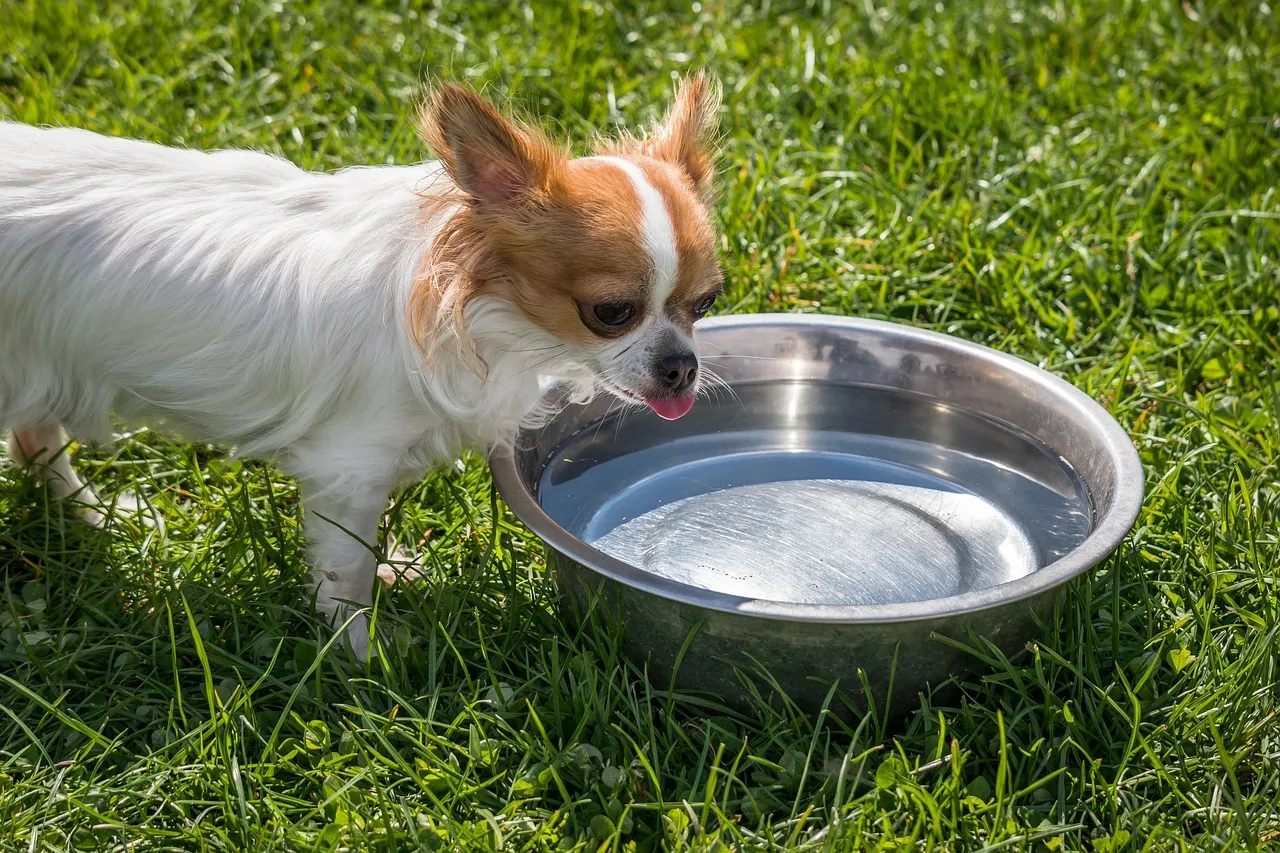
Drinking more than usual is one of the most overlooked red flags in senior dogs.
It builds so slowly that families rarely register it. You refill the bowl a little more often. He asks to go out a little more often. Nobody connects the dots.
Increased thirst and urination can be linked to several conditions common in older dogs, including kidney disease, diabetes, and Cushing’s disease. Each is manageable when caught early, and each is harder to manage when it isn’t.
Don’t diagnose it yourself. Heat, new food, and some medications can raise thirst too. But a real, sustained change deserves a call to the vet, not a shrug.
Bring a urine sample if your vet asks. It’s one of the most useful tests for an older dog, and it’s painless for him.
Another number matters even more, and it’s on the scale.
#9 – The Extra Pounds That Cost Years
🔥 Would you like to save this?
We'll email this post to you, so you can come back to it later!
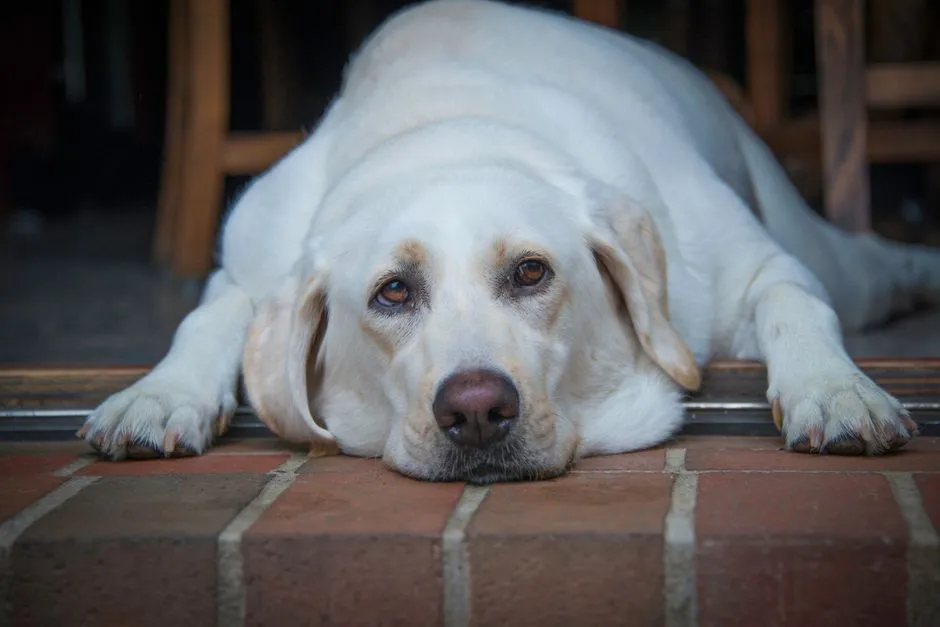
Carrying a little extra weight may shorten a dog’s life more than most owners think.
“He’s just a big boy” is one of the most common things vets hear. Gradual weight gain is easy to normalize, especially when treats feel like love.
The best-known evidence comes from a long-running Labrador retriever study. Dogs kept lean lived about 1.8 years longer on average than their littermates who were fed more freely. They also showed signs of joint disease later in life.
Check your dog with your hands:
- You should feel his ribs easily under a thin layer of padding
- He should have a visible waist when viewed from above
- His belly should tuck up when seen from the side
Seniors can also lose weight without trying, and that deserves a vet visit too. Either direction matters.
Still, weight isn’t the hardest thing for families to handle. This next one is.
#8 – The “Accident” That Isn’t Bad Behavior
🔥 Would you like to save this?
We'll email this post to you, so you can come back to it later!
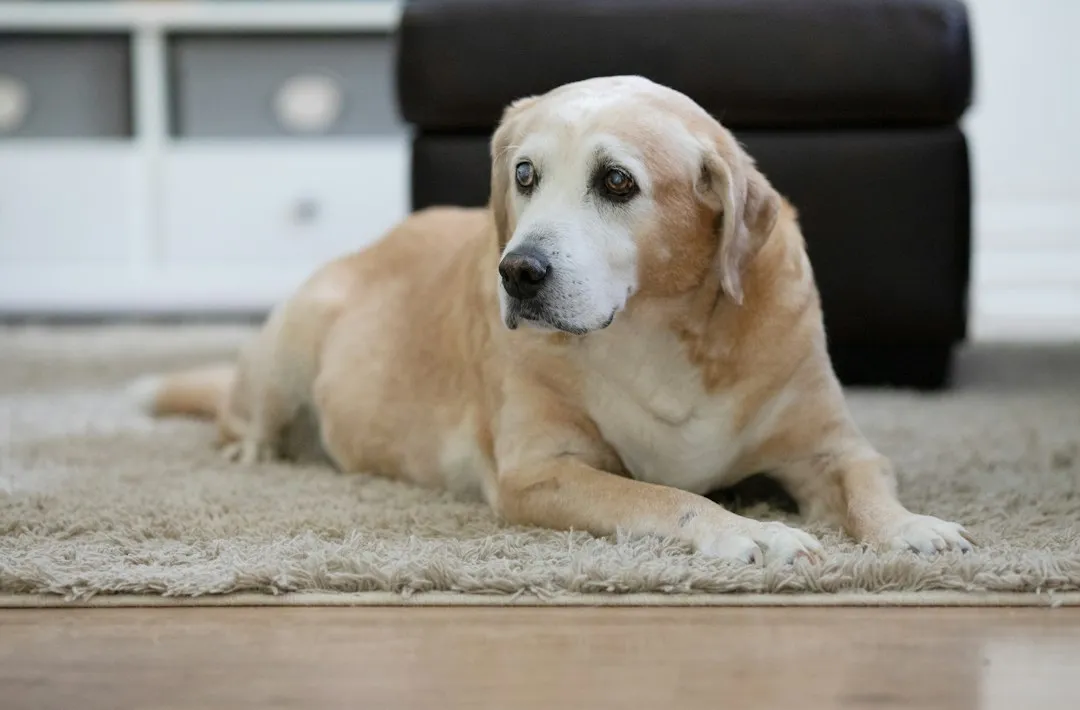
A house-trained senior who starts having accidents is almost never being naughty.
Families get frustrated fast. A few puddles, a mess in the hall, and suddenly it feels like a discipline problem. It almost never is.
Causes vets look into include urinary infections, kidney or hormone disease, weak sphincter control, arthritis that makes squatting or getting up painful, and cognitive changes. A dog with sore hips may simply not make it outside in time.
Punishment doesn’t help. It teaches a dog to hide, not to hold it.
Practical steps that often help:
- More frequent trips outside
- A night-light and easier access to the door
- Washable pads while you wait for answers
Night is when the next sign tends to show up.
#7 – The 2 A.M. Pacing
🔥 Would you like to save this?
We'll email this post to you, so you can come back to it later!
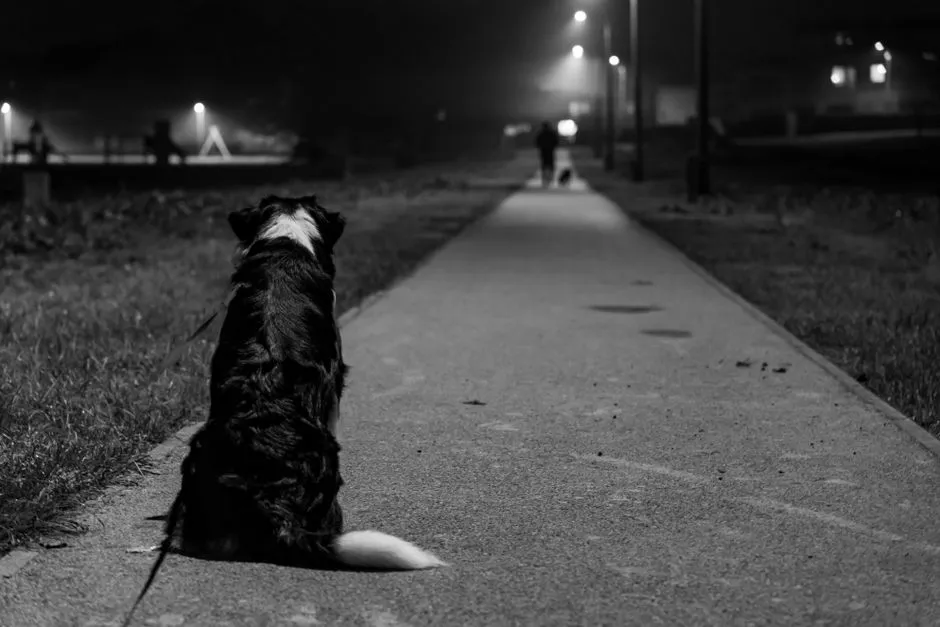
When an old dog’s days and nights switch places, it’s rarely just a habit.
He sleeps all afternoon, then paces, pants, or stares at walls after midnight. Families often blame the heat, the neighbors, or a bad mood, and everyone in the house ends up exhausted.
Vets recognize this pattern as a classic sign of canine cognitive dysfunction, sometimes compared to dementia in people. The common checklist includes disorientation, changes in social interaction, disrupted sleep-wake cycles, house soiling, lower activity, and anxiety.
Here’s the catch. Pain, poor vision, and other illnesses can look the same at night. So it’s a diagnosis your vet reaches by ruling things out, not one you should assume at home.
Treatment may include diet changes, supplements, medication, and routines that keep his brain engaged. Evidence for some of these is promising but still limited, so ask your vet what is actually worth trying.
At a Glance
- The pattern: Sleeping through the day, restless after dark
- What you may see: Pacing, panting, staring at walls, getting stuck in corners
- Look-alikes to rule out: Pain, poor vision, hearing loss, hormone or kidney disease
- Best first step: A vet exam and a short phone video of a typical night
Next, a change you can literally see.
#6 – The Blue-Gray Haze in His Eyes
🔥 Would you like to save this?
We'll email this post to you, so you can come back to it later!
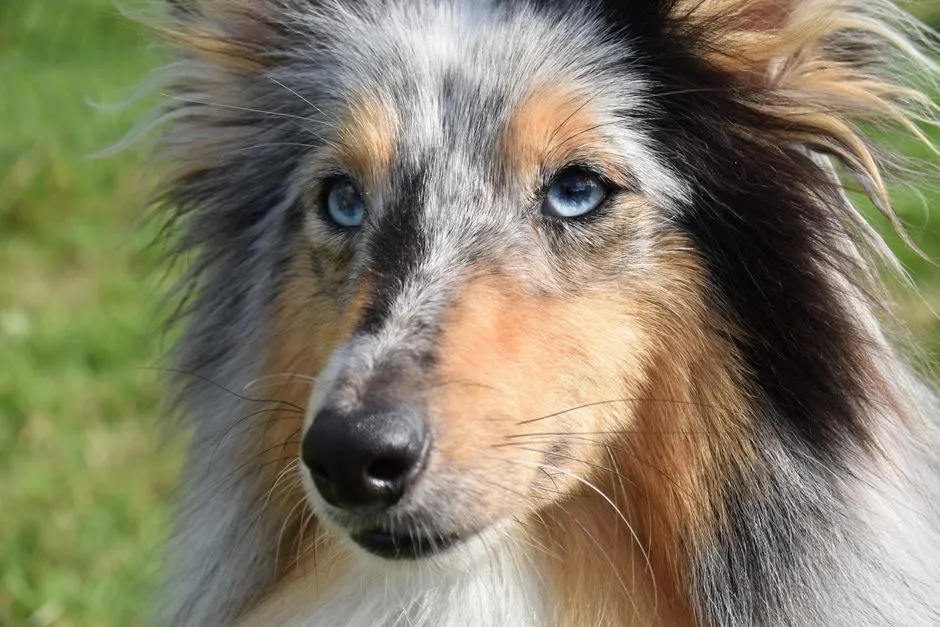
Cloudy eyes aren’t always cataracts, and the difference matters.
Many families see a bluish haze and panic. Others see it and assume it’s harmless. Both can be wrong.
A common age-related change, called lenticular sclerosis, gives the lens a bluish-gray look. It usually doesn’t affect vision much. Cataracts, on the other hand, look whiter and more opaque and can block sight.
Only an exam can tell the two apart. And some eye problems, like glaucoma, are painful and urgent.
Call the vet promptly if you notice:
- A red, squinting, or watery eye
- Sudden bumping into furniture
- Pupils that look different sizes
Dogs with failing sight often cope well in familiar spaces. Keep furniture where it is, and don’t move his bowls around.
And there’s a sense that fails even more quietly than sight.
#5 – The Dog Who “Ignores” You
🔥 Would you like to save this?
We'll email this post to you, so you can come back to it later!
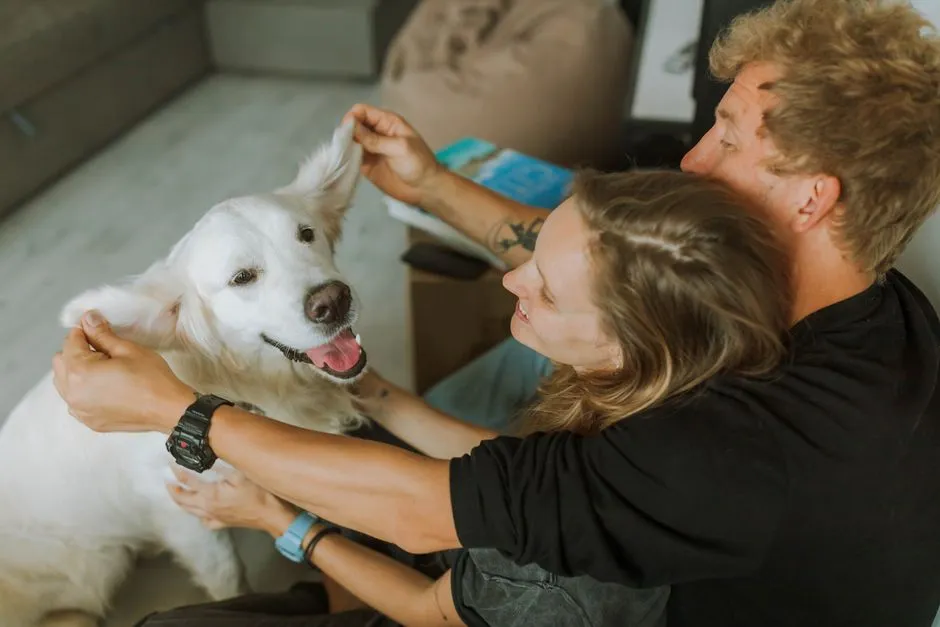
Selective hearing may be actual hearing loss.
He used to run when the treat bag rustled. Now you have to touch him to wake him up. Families often joke about it, then stop noticing.
Hearing loss in older dogs is common, and it tends to arrive slowly. Dogs compensate by watching your body language and following routines. Many deaf or hard-of-hearing dogs go unnoticed for months because they cope so well.
Signs include:
- Startling when you touch him from behind
- Not waking at sounds that used to rouse him
- Barking louder or more often than before
Ear infections and wax can also reduce hearing, and those are treatable. So a vet check matters.
Hand signals can be taught at any age. A flashlight blink at the door or a gentle foot stomp for vibration can help, too. Most dogs adjust faster than their owners do.
Worth Knowing
- A dog who can’t hear traffic or footsteps is safer on a leash or in a fenced yard
- Let him see you coming, or touch a shoulder gently, so waking him doesn’t startle him
- Treats paired with a hand signal can teach a new cue within days for many dogs
- Sudden hearing loss is different from gradual loss and deserves a prompt exam
Now for a change you have to feel for.
#4 – The Lump You Told Yourself Was Fine
🔥 Would you like to save this?
We'll email this post to you, so you can come back to it later!
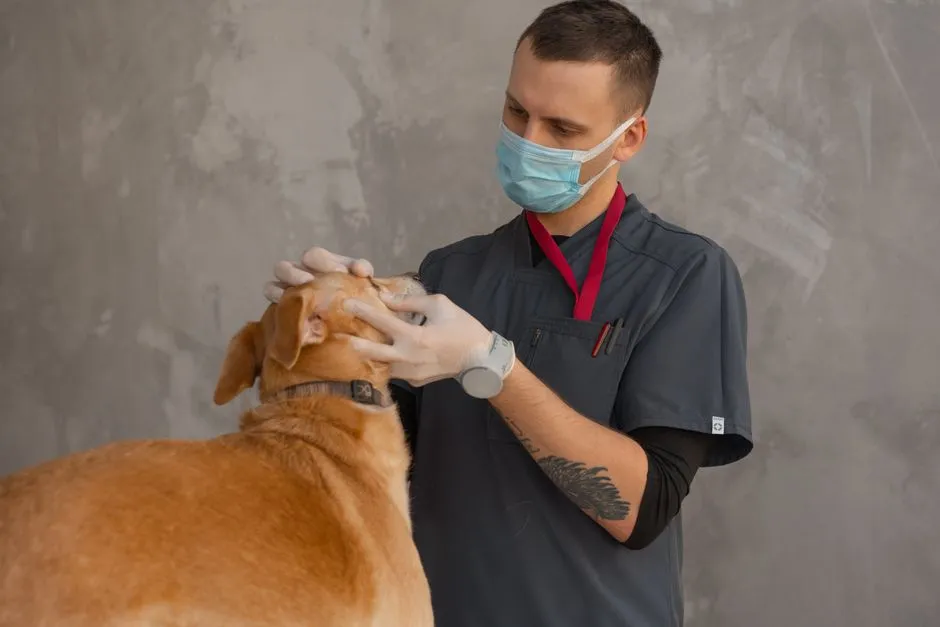
Skin and tissue lumps are common in older dogs, and you can’t judge them by touch.
Many are harmless fatty growths. Some aren’t. Even experienced vets can’t always tell which is which just by feeling.
That’s why the usual advice is the same: have any new or changing lump checked. A quick fine-needle aspirate often gives a first answer. Size, speed of growth, and color changes all matter, but a normal-feeling lump can still need testing.
Be especially alert if a lump:
- Grows quickly
- Looks ulcerated or changes color
- Seems to bother him when touched
Waiting and watching is a common instinct. It’s also the choice families most often regret.
But the hardest signs to spot aren’t physical at all.
#3 – The Personality Shift Nobody Connects to Pain
🔥 Would you like to save this?
We'll email this post to you, so you can come back to it later!
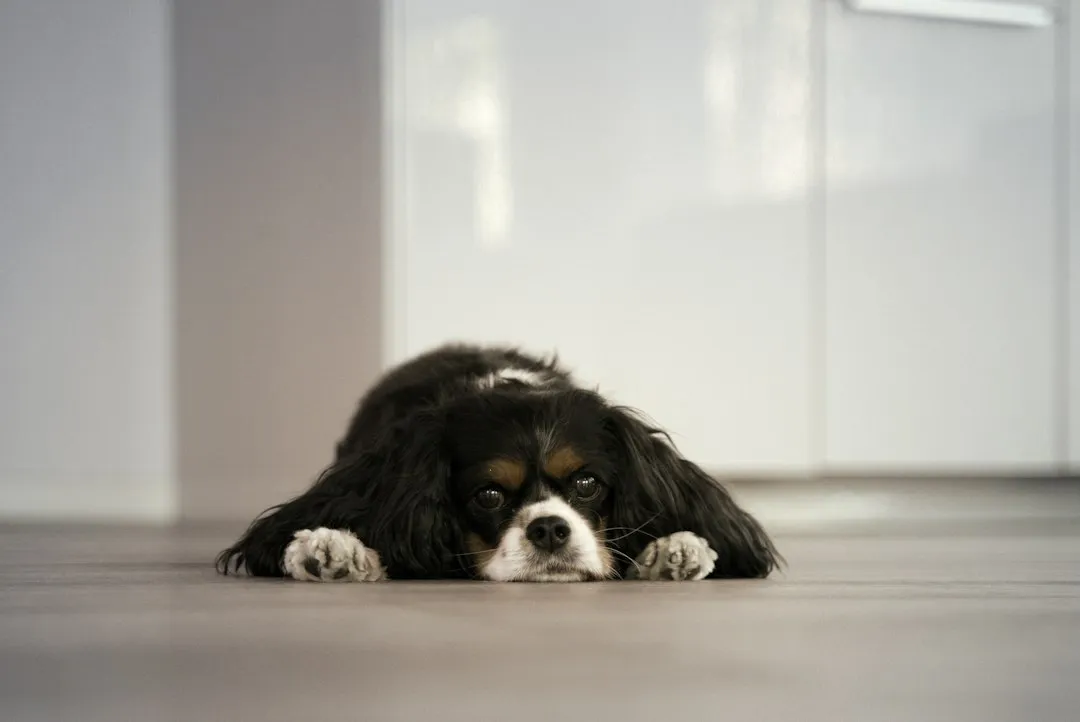
A grumpy old dog is often a hurting old dog.
He snaps when the grandkids hug him. He won’t come to greet you. He hides under the table. Families label it “cranky” and move on.
Dogs are skilled at masking discomfort. Behavior change is often the only clue a dog gives that he’s in pain. Other quiet signs include panting while resting, licking one joint, or restlessness at night.
Vets use structured questionnaires to help owners score pain at home, and they can be eye-opening. Ask your vet whether one fits your dog.
One firm warning: never give human painkillers like ibuprofen or acetaminophen. They can be dangerous for dogs. Safe, dog-specific options exist, but only your vet can prescribe them.
And one more change can look like a dog just being picky.
#2 – The Meal He Used to Gobble
🔥 Would you like to save this?
We'll email this post to you, so you can come back to it later!
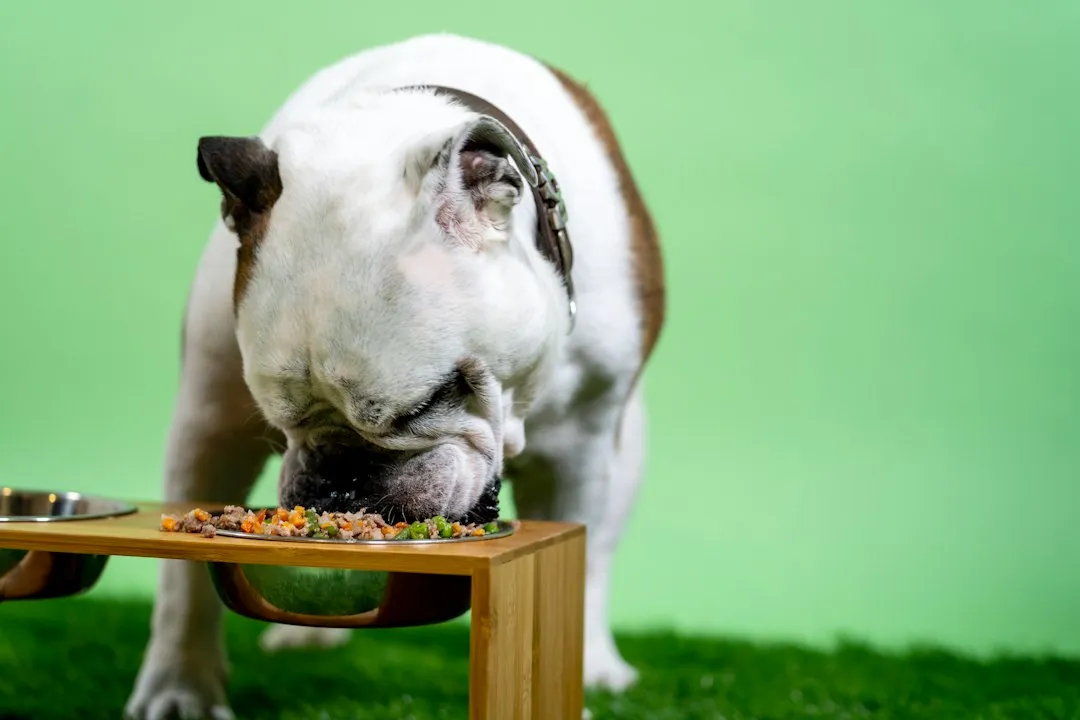
A lower appetite in an older dog is a symptom, not a personality trait.
It starts small. He sniffs the bowl, walks off, and comes back later. Families respond by adding toppings, which can hide the problem rather than solve it.
Reasons vary widely. Dental pain, nausea, kidney or liver trouble, and medication side effects can all play a role. Sometimes a dog wants to eat but can’t comfortably chew or swallow.
Many owners also assume every senior needs a “senior” food. That’s a labeling idea, not a medical rule. Some older dogs need more protein, others need less, and some need weight control. The right diet depends on his health, not his birthday.
Practical points:
- Track how much he actually eats for a few days
- Warm food slightly to boost aroma
- Report skipped meals instead of waiting them out
The last sign ties everything together.
#1 – The Words “He’s Just Old”
🔥 Would you like to save this?
We'll email this post to you, so you can come back to it later!
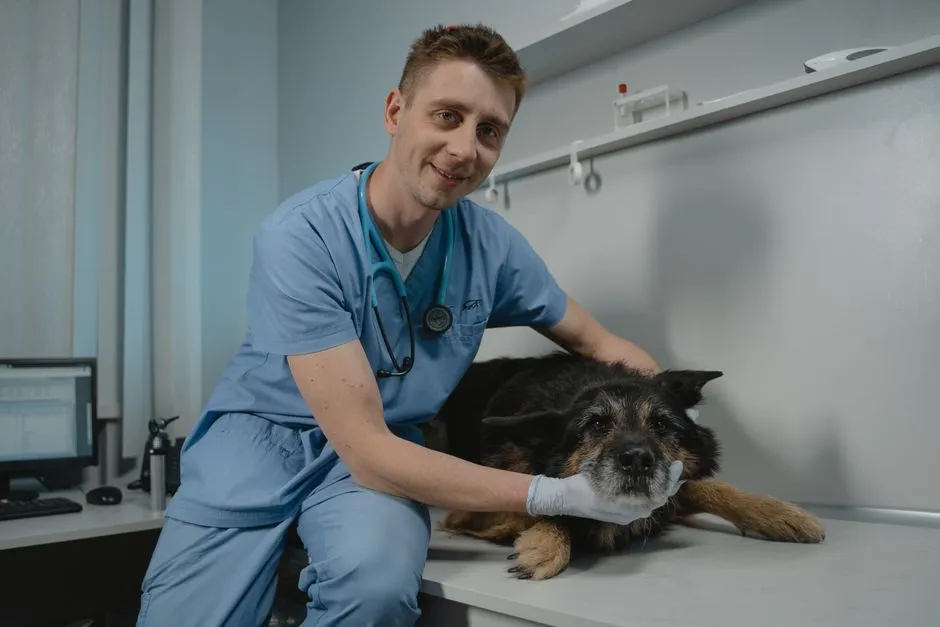
“Just old age” is the most expensive phrase in senior dog care.
Age isn’t a disease. It’s a risk factor. Almost every sign on this list has a name, a cause, and some form of treatment.
Families say it out of love and a little fear. Nobody wants to hear bad news. But a lot of age-related decline can be slowed, managed, or eased when someone looks closely enough.
That’s why many vets recommend senior wellness exams about every six months. A dog’s year passes much faster than ours, and small problems can change a lot in half a year.
Bring a list. Record short videos of anything odd: the limp, the pacing, the cough. Dogs often act normal in the exam room.
The truth is that most of these 16 changes are hiding in plain sight. Slower walks, hesitant jumps, extra water, new lumps, and a grumpy mood aren’t just “old age.” They are often early signals of pain, disease, or fading senses, and many are manageable.
Our opinion: the biggest mistake families make is waiting. Waiting for a limp to get worse, for a lump to grow, for an accident to become a pattern. Senior dogs rarely complain, so the watching falls to us.
Book the checkup, trim the nails, put down the rugs, and write things down. Old age isn’t a diagnosis. It’s the best reason to look closer.

- 7 Everyday Habits That Can Make Your Senior Dog Happier - November 5, 2026
- 10 Enigmatic Structures That Continue to Puzzle Scientists Today - November 5, 2026
- 10 Strange Ruins in the Americas That Challenge What We Know About Early History - November 5, 2026