

The Everyday Observation That Sparked Deeper Questions
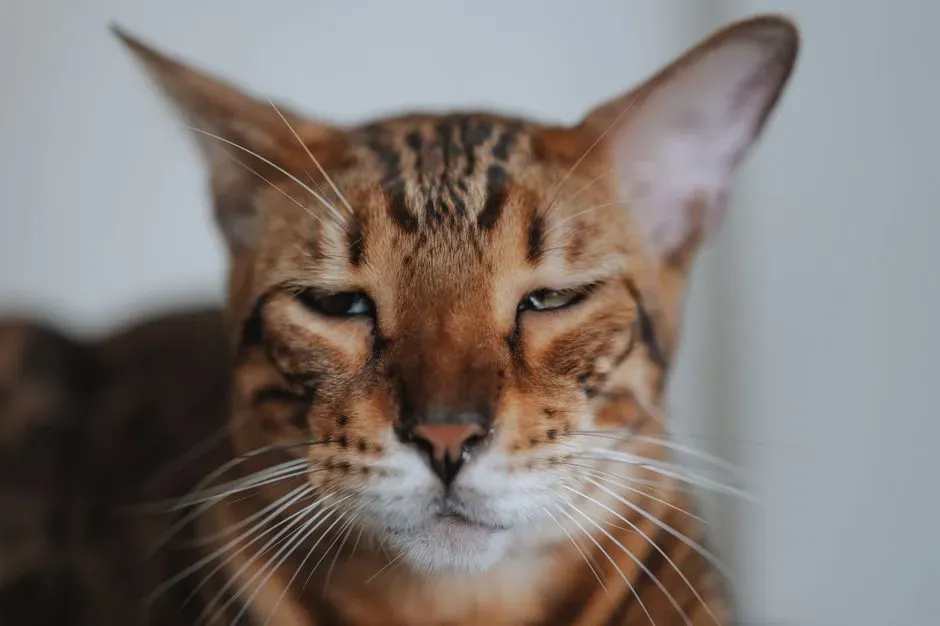
Cat lovers have long described the slow blink as a sign of affection. Owners report that their pets seem to reserve this look for trusted humans, often during quiet moments of shared space. This pattern holds across different households and breeds, hinting at something consistent in feline behavior.
Still, casual observation alone leaves room for interpretation. What looks like relaxation could mask a more active process. Researchers began testing whether the blink functions as a purposeful exchange rather than an automatic response to feeling safe.
Key Findings From Controlled Studies on Eye Contact
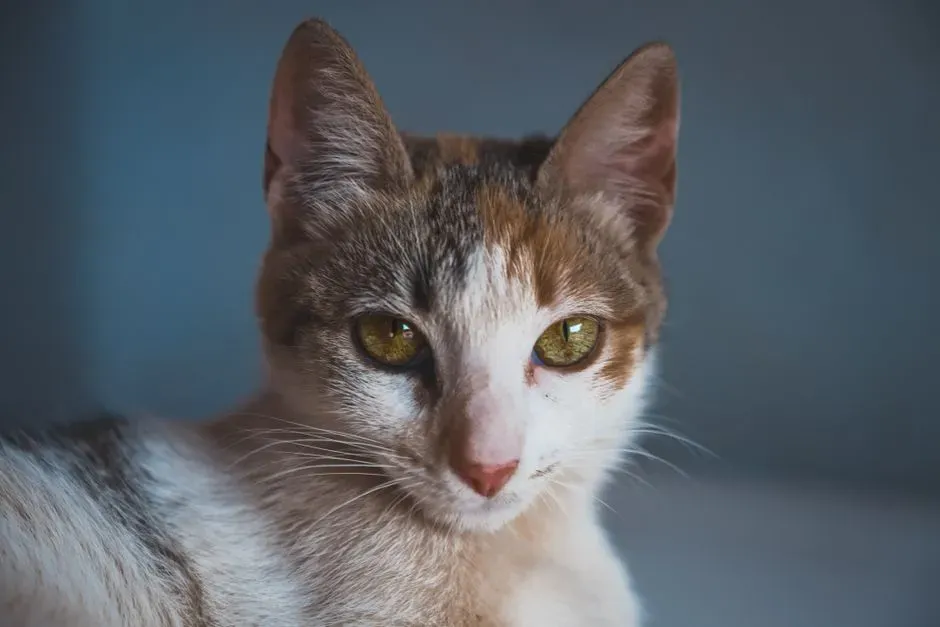
Experiments conducted in university settings compared how cats reacted to slow blinks versus neutral expressions. Cats returned the gesture more often when humans initiated it first. They also approached outstretched hands more readily after receiving a slow blink sequence.
These results appeared in peer reviewed work published around 2020. The patterns suggest cats treat the blink as a positive cue rather than ignoring it. Such responses go beyond what would be expected from a purely reflexive action tied only to comfort.
Why Relaxation Alone Falls Short as an Explanation
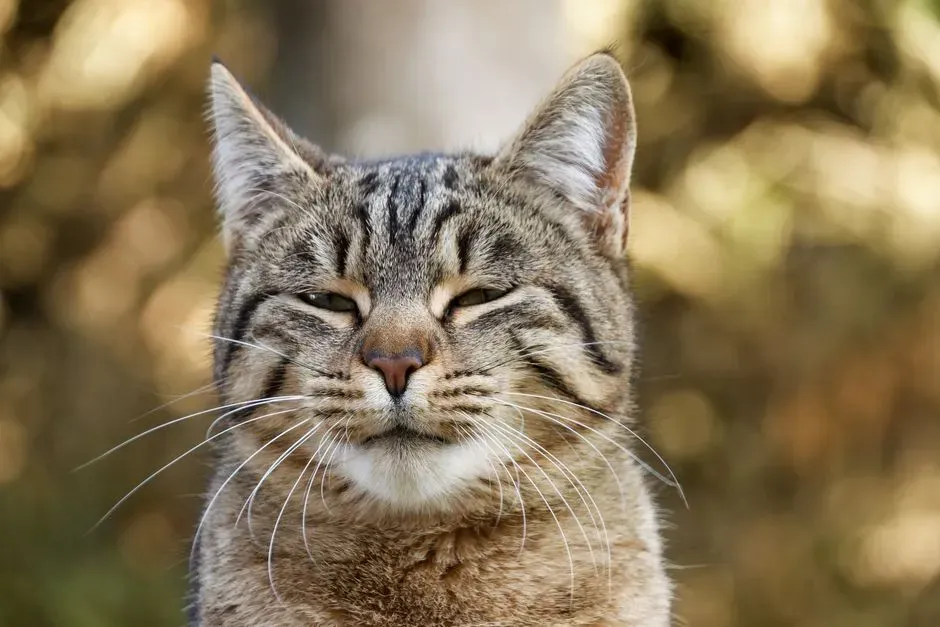
A relaxed cat might close its eyes briefly while dozing, yet the slow blink directed at a person carries a different quality. It involves sustained eye narrowing followed by a deliberate reopening, often repeated in sequence. This timing and directionality imply the cat is choosing when and toward whom to direct the signal.
If the behavior were merely a byproduct of lowered arousal, it would occur randomly or in isolation. Instead, it emerges in interactive contexts. The distinction matters because it shifts the behavior from passive state to active engagement.
The Role of Intentional Communication in Felines
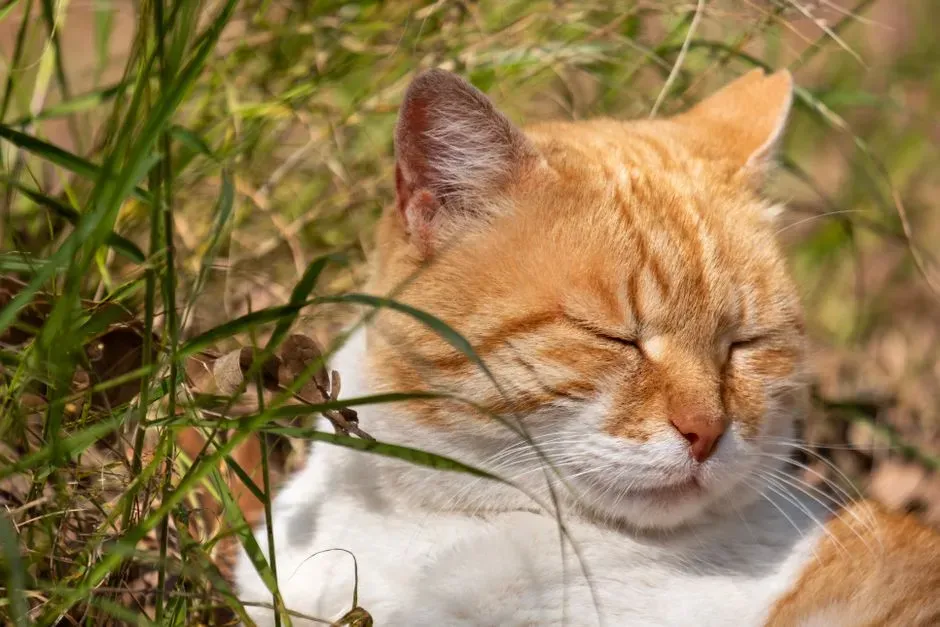
Cats live in environments where direct stares can signal threat. By narrowing the eyes and blinking slowly, a cat appears to convey the opposite message in a controlled way. This choice of signal requires recognizing the social context and selecting an appropriate response.
Behavioral observations show the blink can be exchanged back and forth, creating a short interaction loop. Such turn taking resembles basic forms of dialogue seen in other social species. The consistency across individuals supports the idea of a shared understanding rather than coincidence.
Cognitive Demands Behind Social Signaling
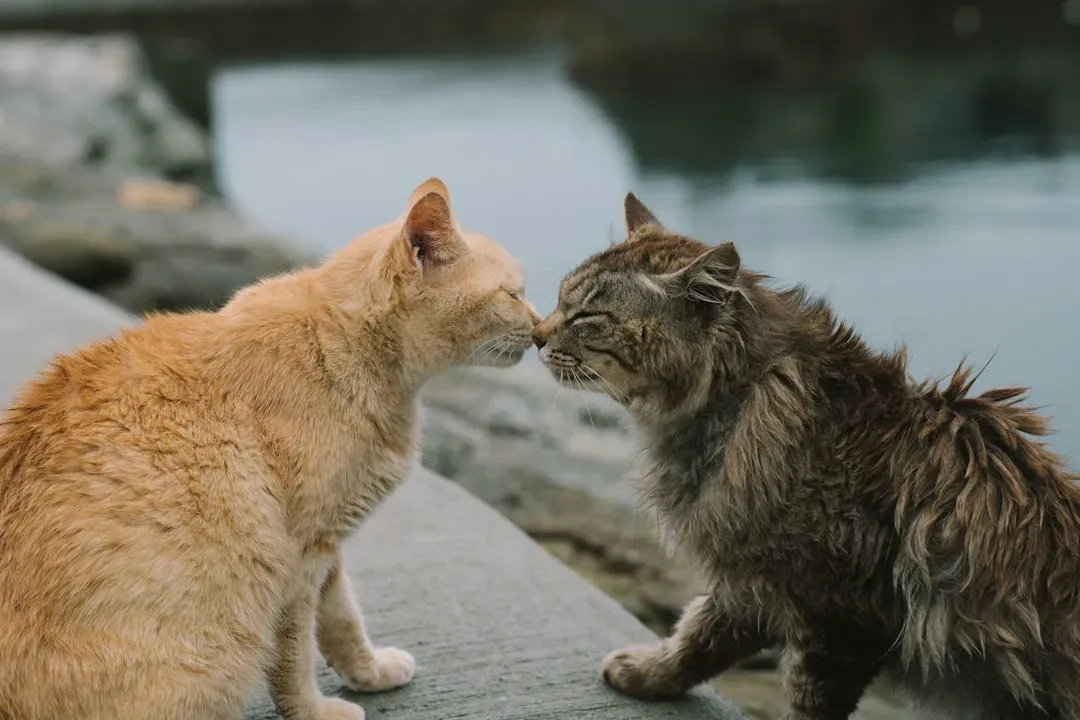
Producing a targeted slow blink involves more than muscle movement. The cat must monitor the recipient, time the action, and adjust based on prior interactions. These steps point to an underlying awareness of how the signal might be received.
Evidence from shelter studies further links responsive blinking to positive outcomes, such as faster adoption rates. Cats that engage in the exchange seem to navigate human environments with greater success. This practical advantage suggests the behavior carries adaptive value that rewards cognitive investment.
How Owners Can Test and Strengthen the Connection

Anyone can try slow blinking during calm moments with their cat. Sit at a comfortable distance, soften your gaze, and close your eyes slowly for a second or two before reopening. Repeat a few times without forcing eye contact.
Many cats respond by mirroring the action or approaching for closer contact. The exchange often feels mutual and unhurried. Over repeated sessions, the bond can deepen as both parties learn the rhythm of this quiet form of communication.
Looking Ahead at What Feline Minds Reveal
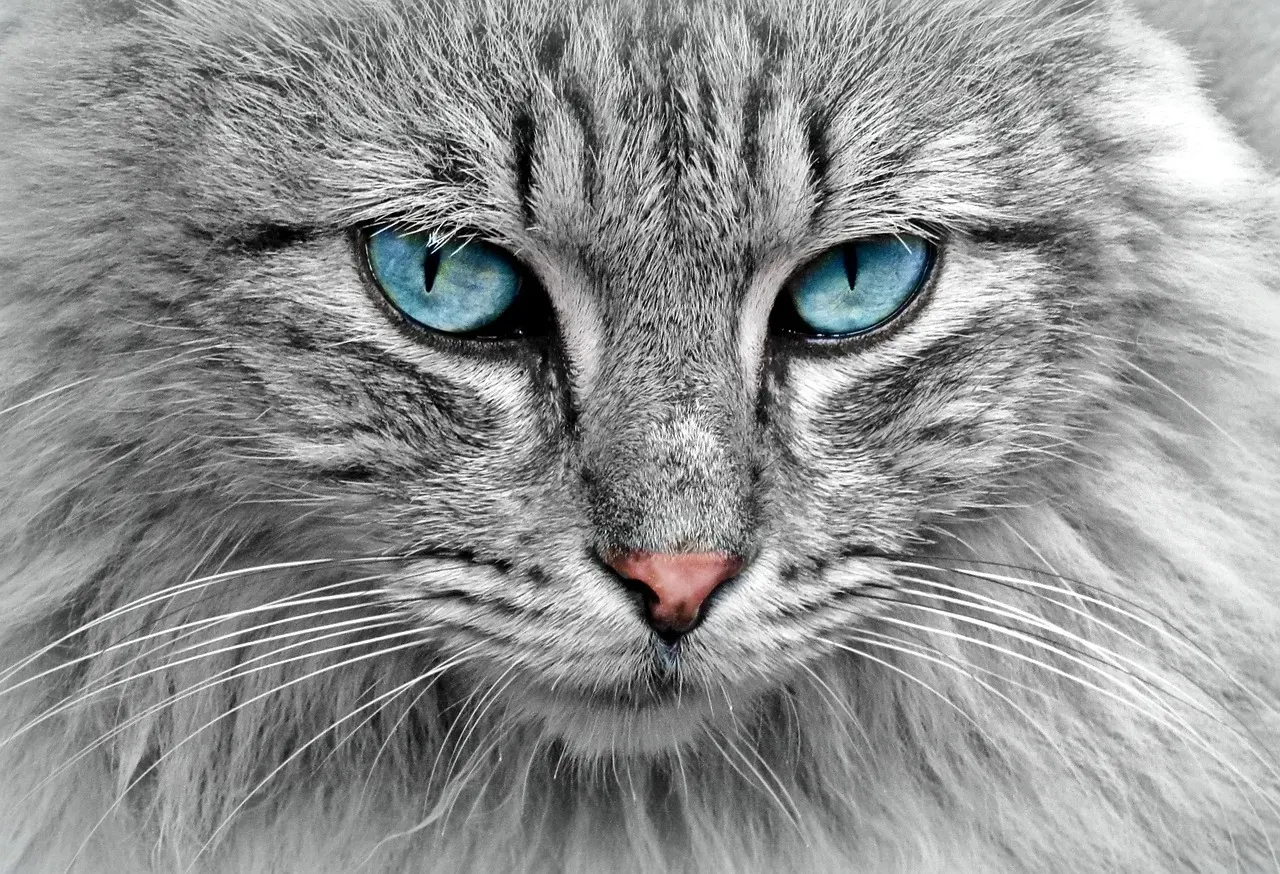
Recognizing the slow blink as an effortful act changes how we view cats. They emerge not as aloof creatures but as animals capable of nuanced social choices. This perspective encourages patience and attentiveness in daily interactions.
Ultimately, the slow blink reminds us that small gestures can carry substantial weight. When a cat offers one, it may be investing real attention in the relationship. That investment deserves notice and respect on our part.

- 15 Little-Known Facts About DNA That Control More Than You Think - August 10, 2026
- 10 Ways Snakes Can Actually Benefit Your Garden - August 10, 2026
- What Type of Venomous Land Animal Are You According to Your Zodiac Sign - August 10, 2026